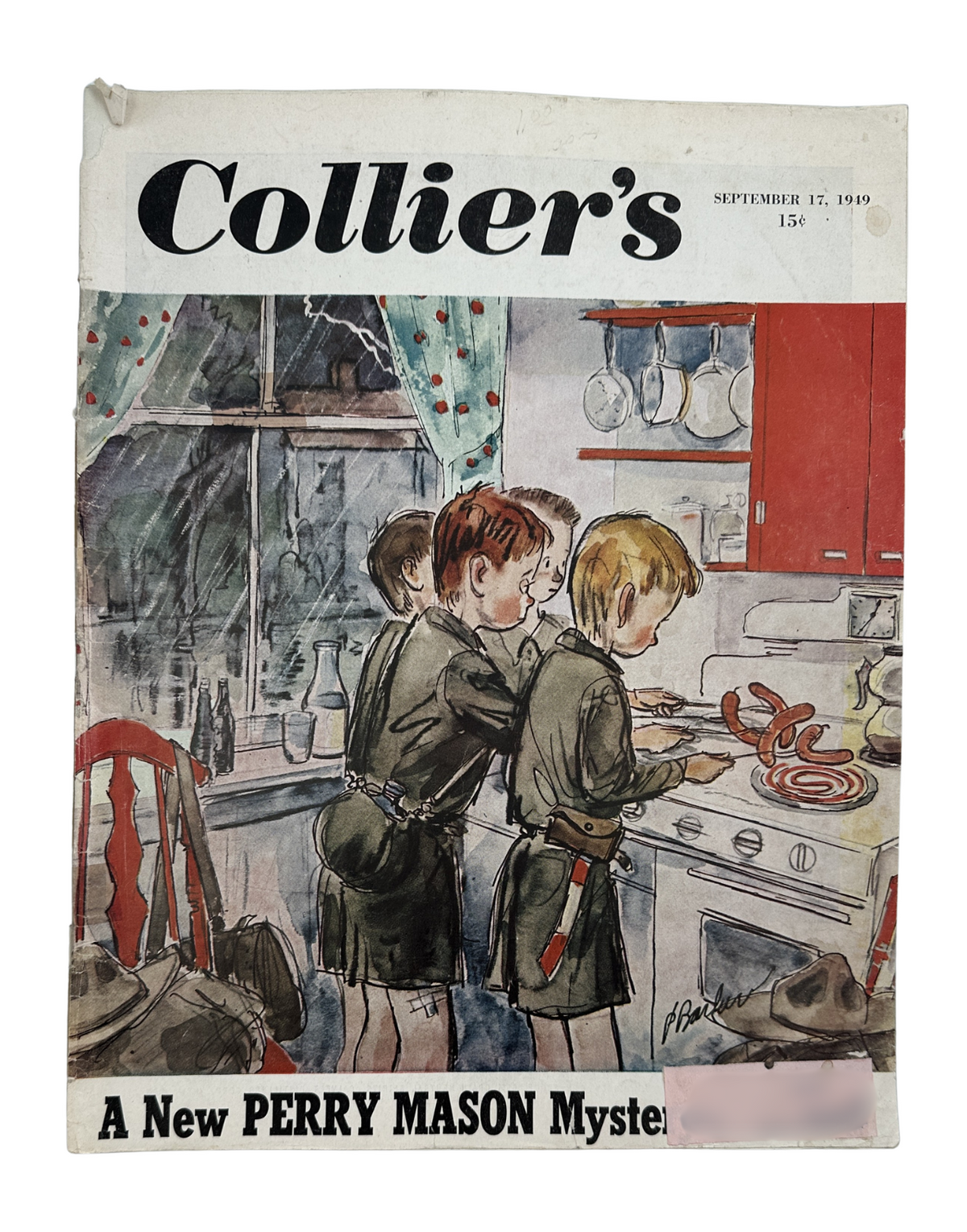
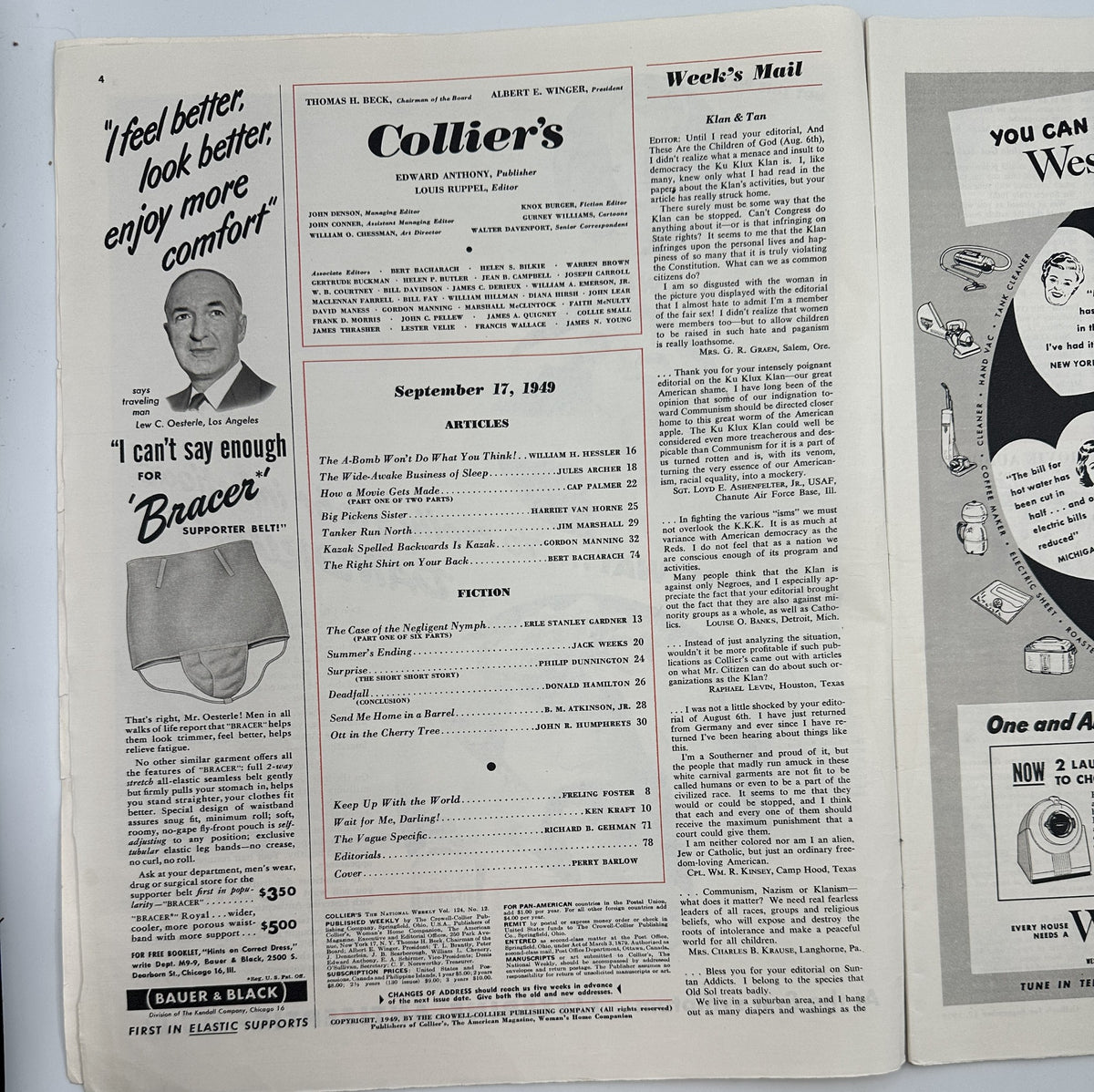
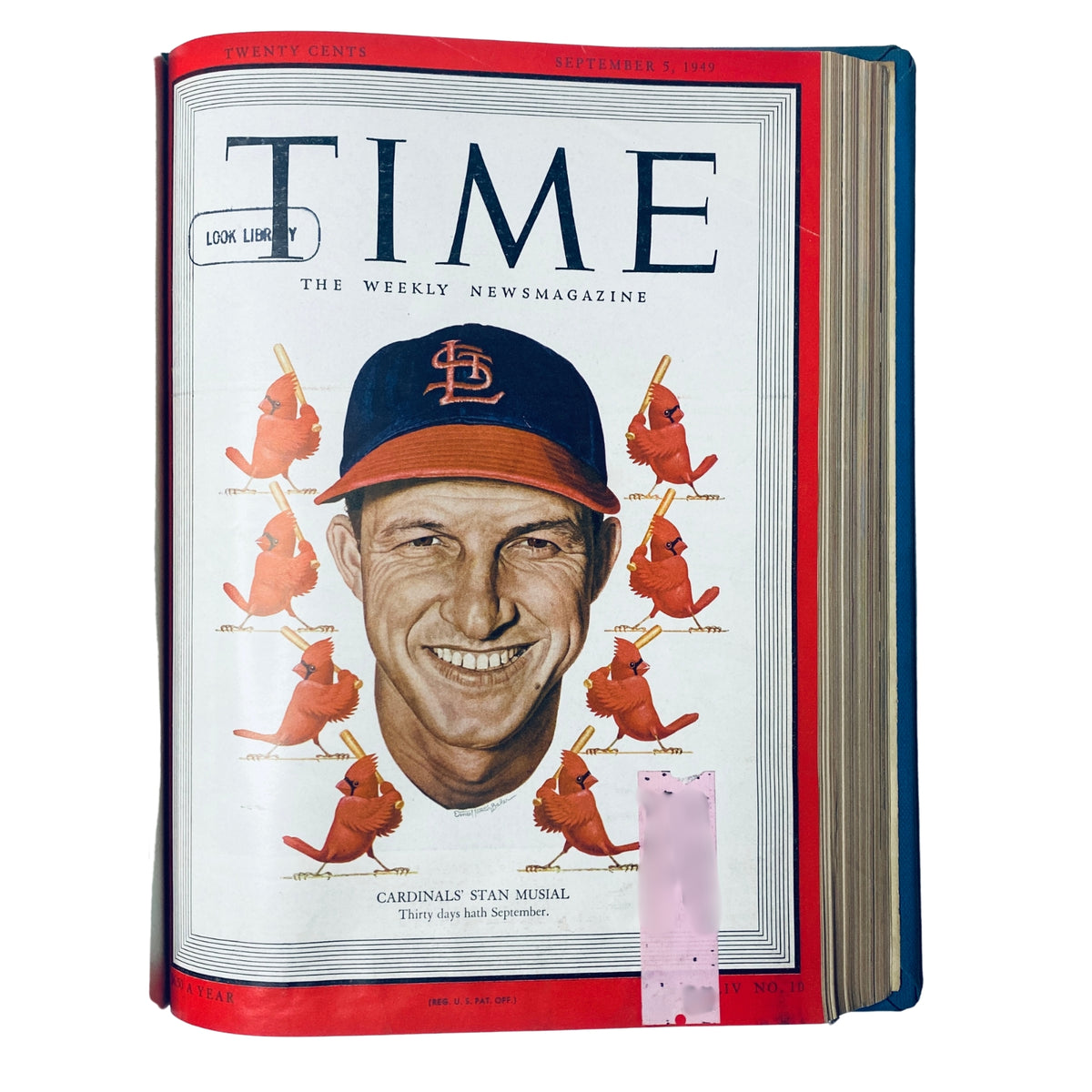
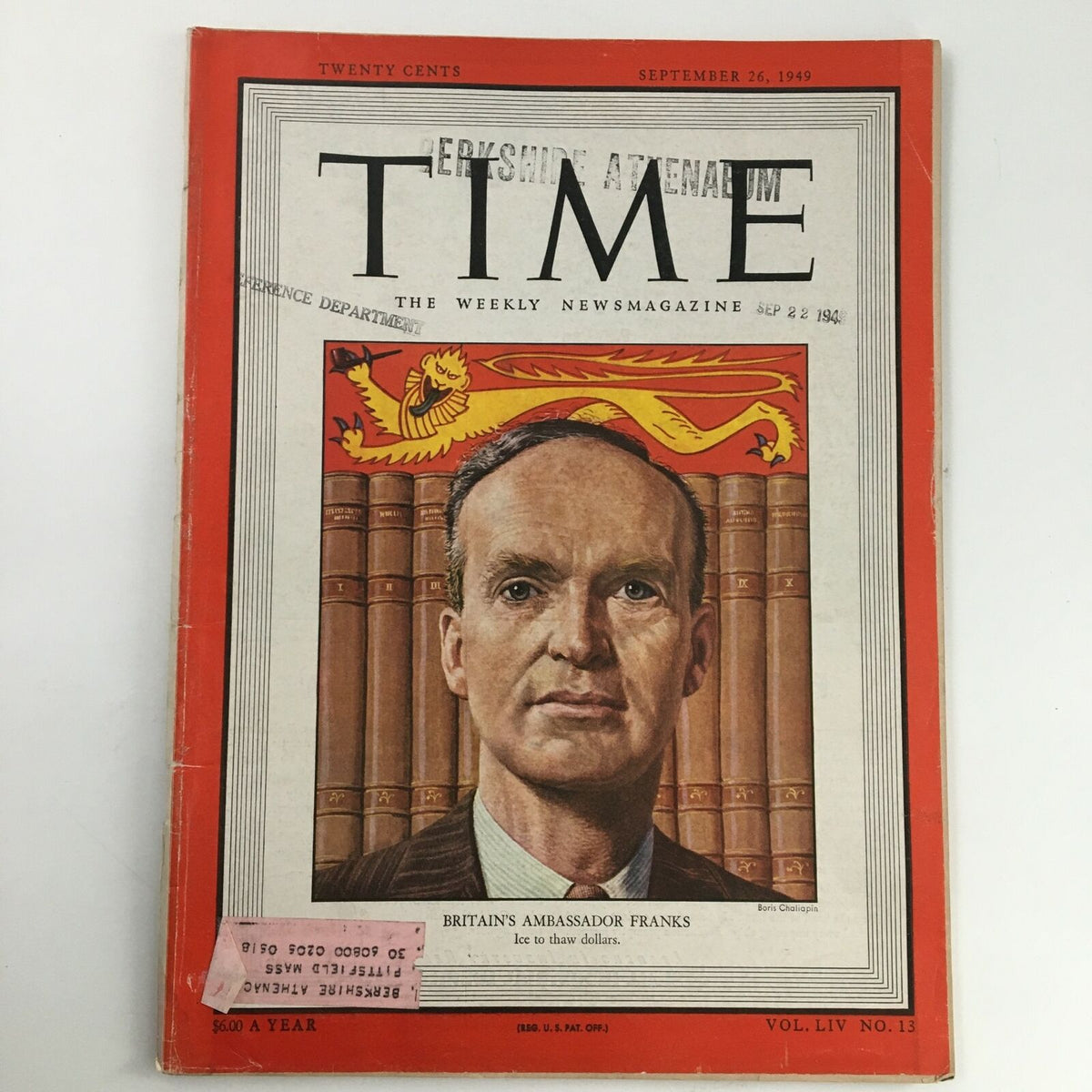
📖 About this Collection
September 1949: When the World Held Its Breath
The Historical Context
The last days of summer 1949 crackled with a tension that no headline writer could fully contain. On September 23rd, President Harry Truman walked to the podium and delivered four words that reordered the world: the Soviet Union had detonated its first atomic bomb. The American monopoly on nuclear weapons—the uneasy guarantee of postwar security—was over. Overnight, the Cold War graduated from diplomacy to existential dread, and every family in America felt it.
Yet the tremors had begun even earlier. On September 21st, Mao Zedong stood before the Chinese People's Political Consultative Conference and proclaimed the birth of the People's Republic of China, delivering the most populous nation on earth into the communist bloc. Taken together, these two seismic events in a single month reshaped the map of global power in ways that would echo for generations. This was the world your loved one entered—not a postwar idyll, but a charged, complicated, thrillingly uncertain moment in human history.
Culture, Sport & the American Newsstand
Away from the headlines, September 1949 had a distinctly electric quality on newsstands and in living rooms across the country. The month marked the debut of The Lone Ranger on ABC-TV on the 15th—"Hi-yo, Silver!"—one of the early signs that television was about to reshape American leisure entirely. Meanwhile, cinema offered some of its most enduring work: Orson Welles' haunting performance in The Third Man, Carol Reed's atmospheric thriller, was thrilling UK audiences and had just claimed the Grand Prix at the Third Cannes Film Festival. Closer to Hollywood, September 29th brought the premiere of Elia Kazan's bold drama Pinky at New York's Rivoli Theater, starring Ethel Waters and Ethel Barrymore.
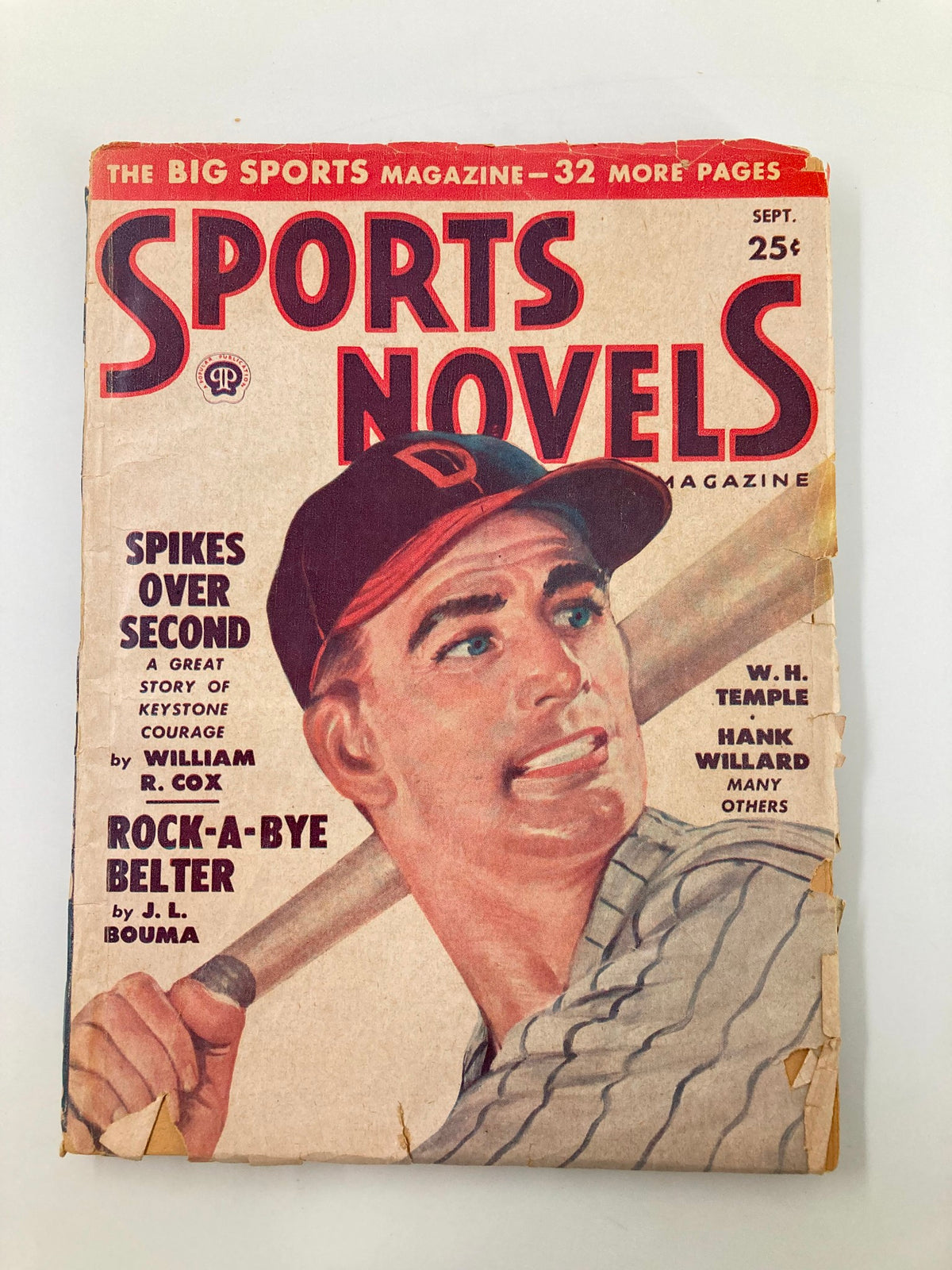
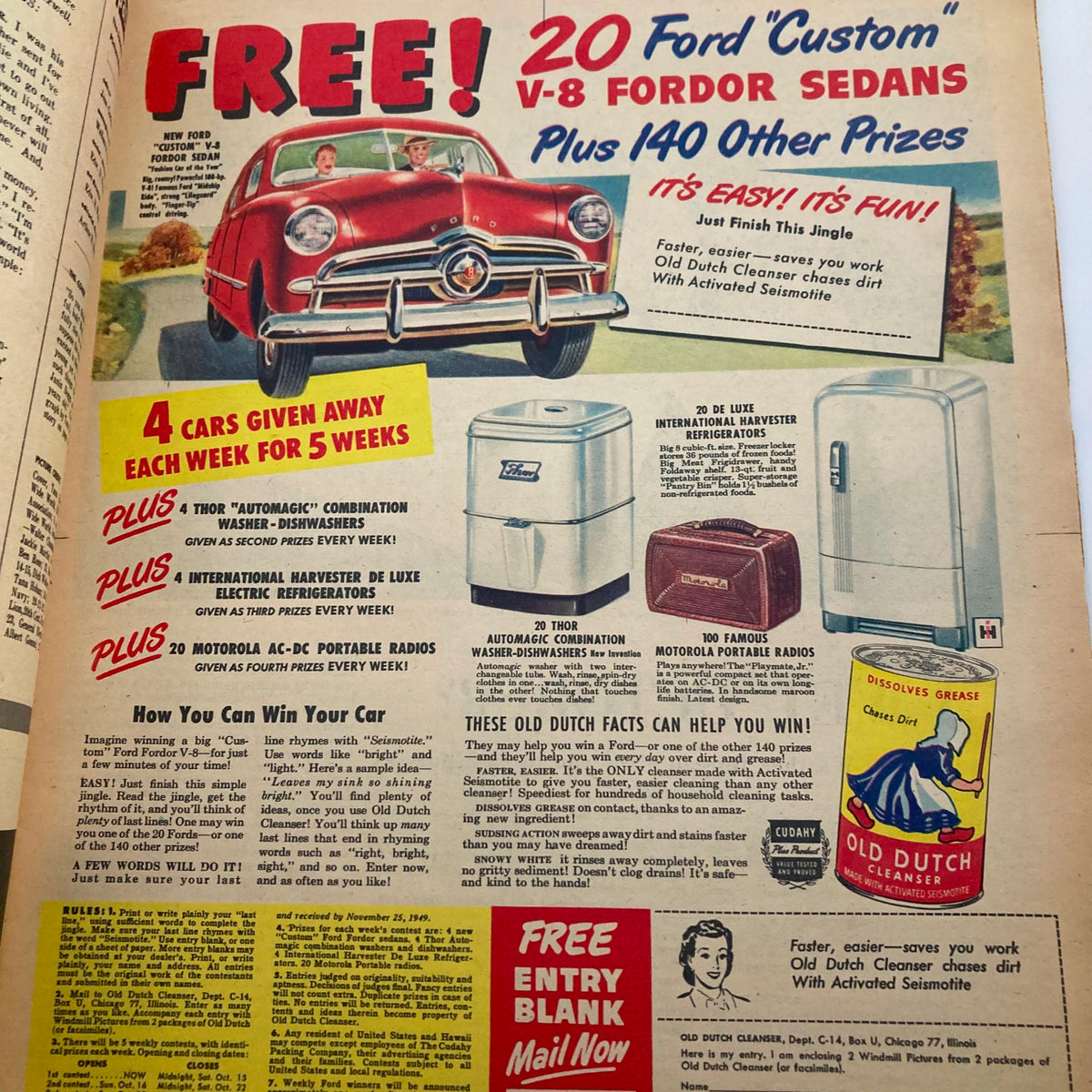
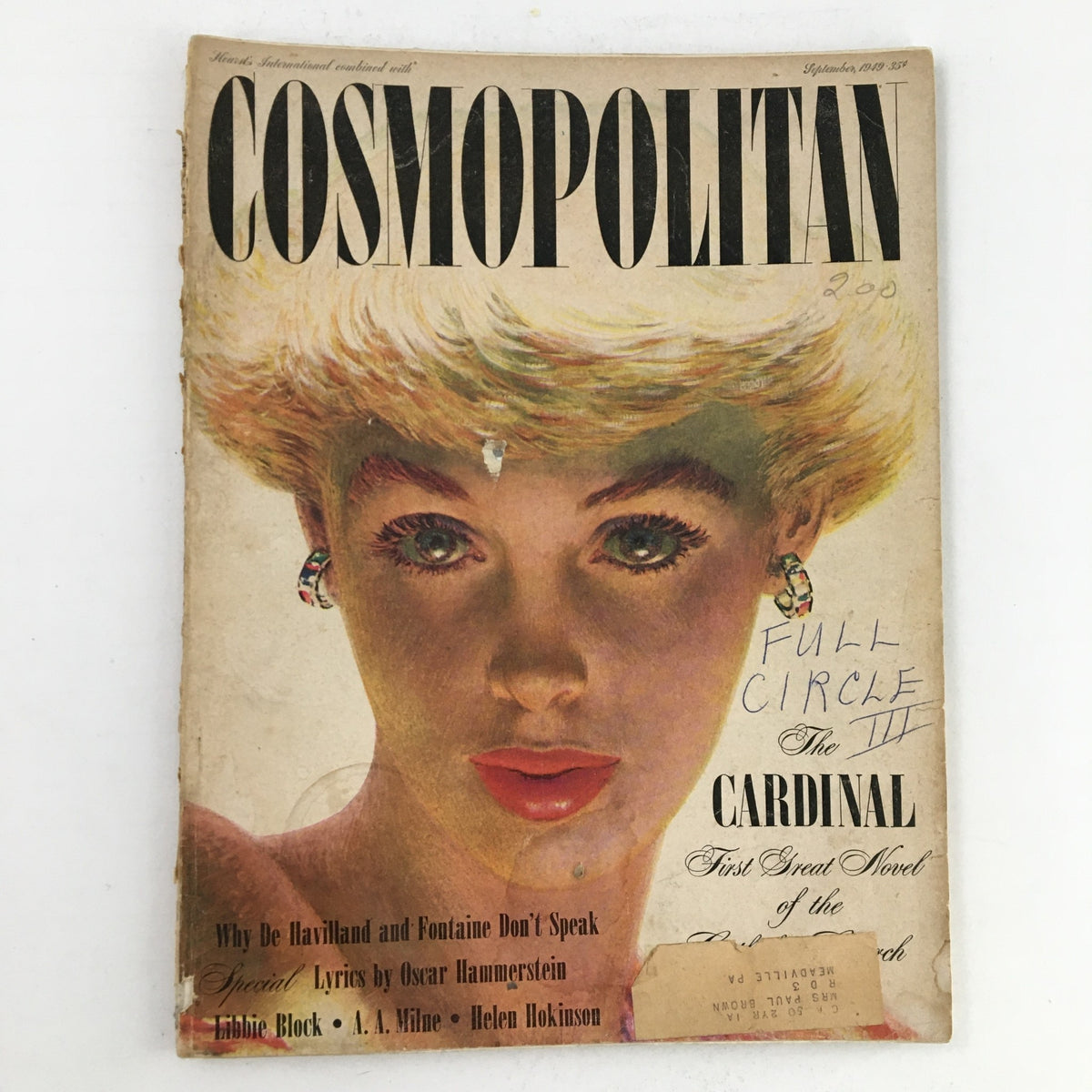
On the sports pages, Pancho Gonzales had just claimed the US National Championship in a grueling 67-game men's singles final before turning professional—a story that ran in Sports Illustrated's predecessor publications and Life alike. Original magazines from September 1949 capture all of it: the anxiety, the entertainment, the advertising of a nation simultaneously celebrating victory and bracing for an uncertain future.
Curator's Checklist: What to Look for in September 1949 Issues
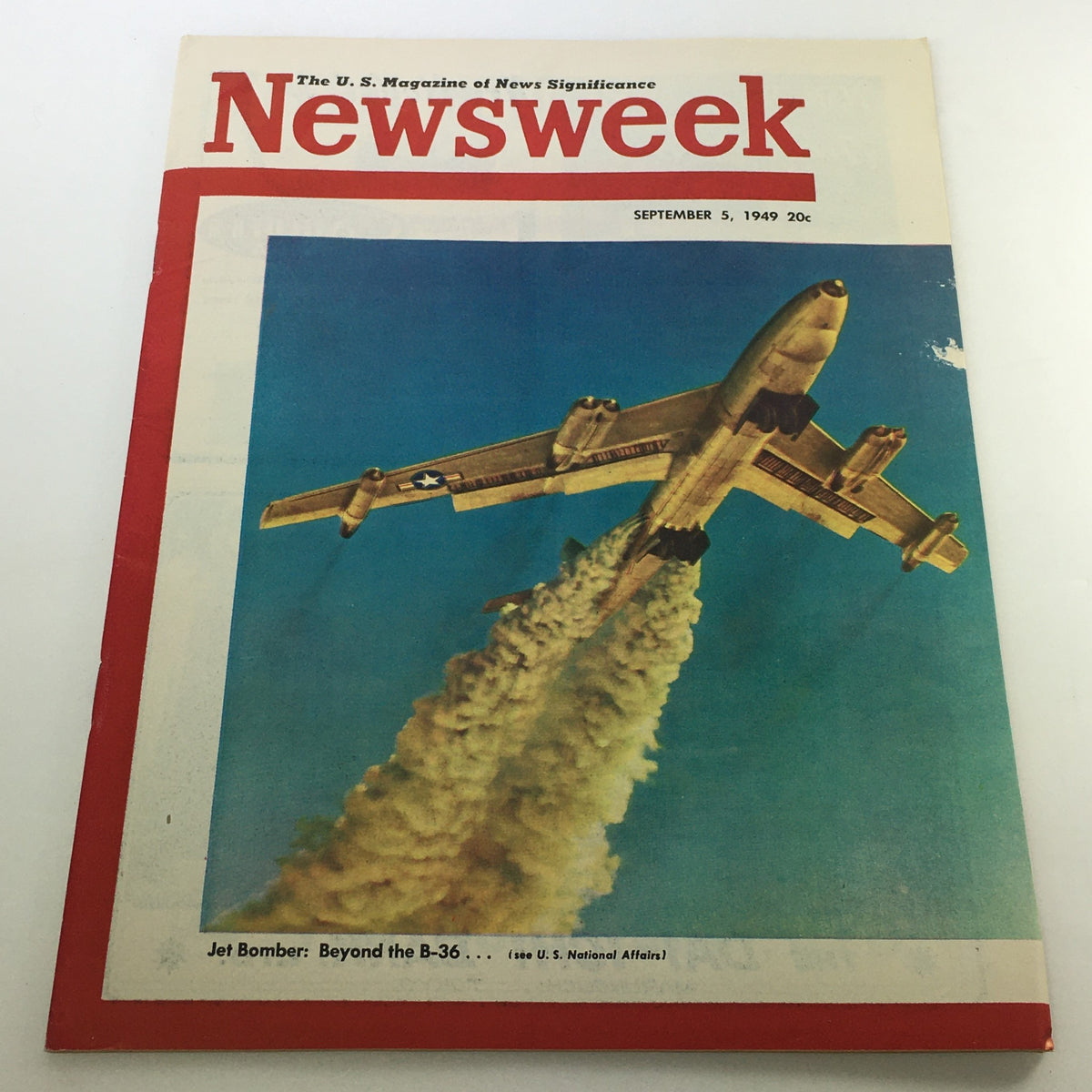
- The Soviet Atomic Bomb Announcement: News magazines including Time, Life, and Newsweek featuring front-page coverage of Truman's bombshell announcement, often illustrated with stark Cold War imagery, maps of Soviet territory, and stark editorial commentary about the end of American nuclear supremacy.
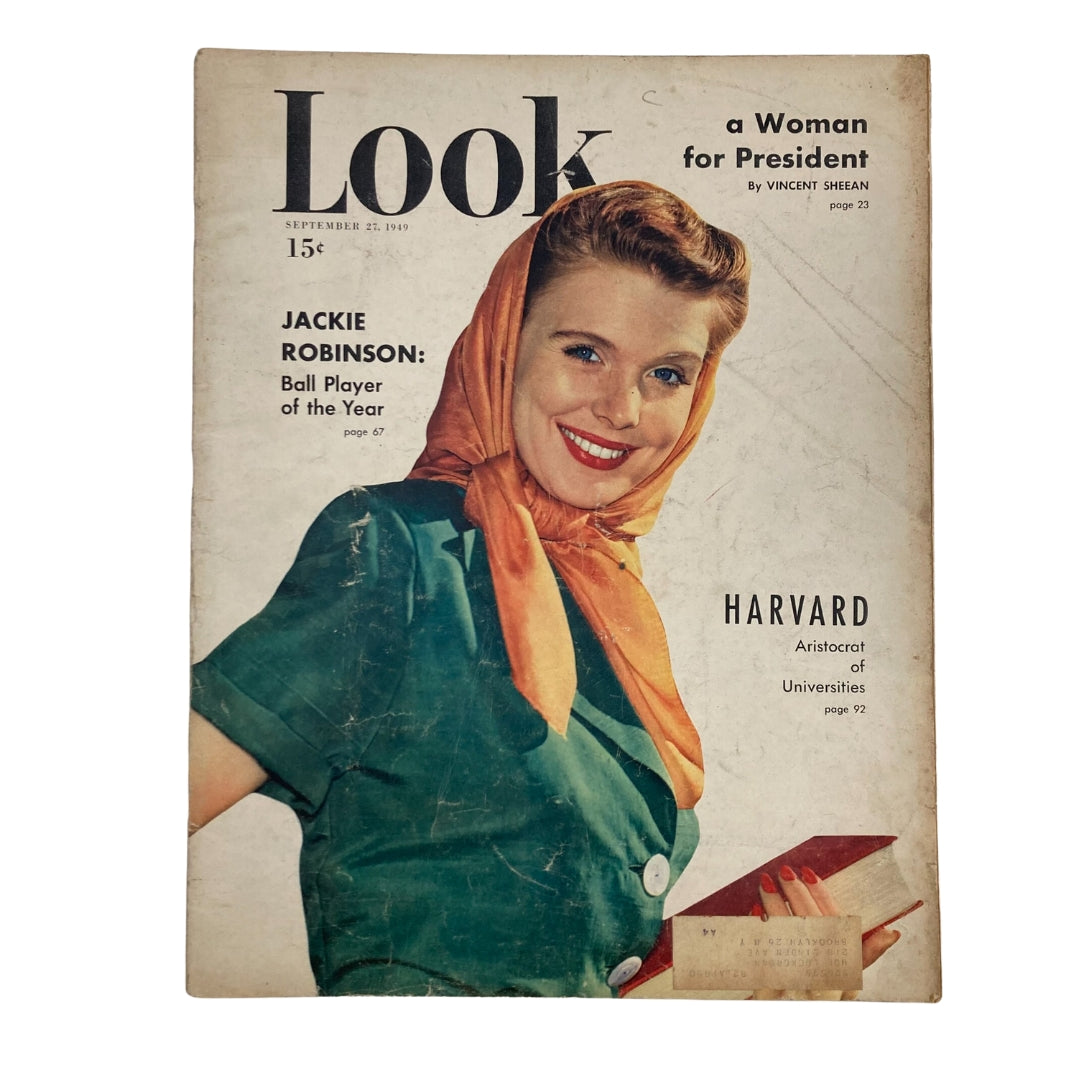
- The Birth of Communist China: Issues of Look and Life chronicling Mao Zedong's proclamation of the People's Republic, showcasing photographic spreads of the ceremony and analysis pieces that reveal just how alarmed Western observers genuinely were about the communist tide sweeping Asia.
- The Lone Ranger TV Debut: Early television coverage in TV Guide and general-interest magazines featuring advertisements and program listings for ABC's new Western series—a rare snapshot of a nation just beginning to gather around the television set as a cultural ritual.
- Pancho Gonzales at the US National Championship: Vintage magazines from Sports Illustrated-era predecessors and general sports coverage, showcasing the 21-year-old champion's epic 67-game final, alongside advertisements for tennis equipment that place the era perfectly.
- Hollywood on the Newsstands: Entertainment publications and genuine advertisements from Variety and fan magazines featuring The Third Man and Pinky premieres, illustrated with the distinctive studio photography and hand-lettered display type that defines the look of late 1940s cinema culture.
The Perfect Gift
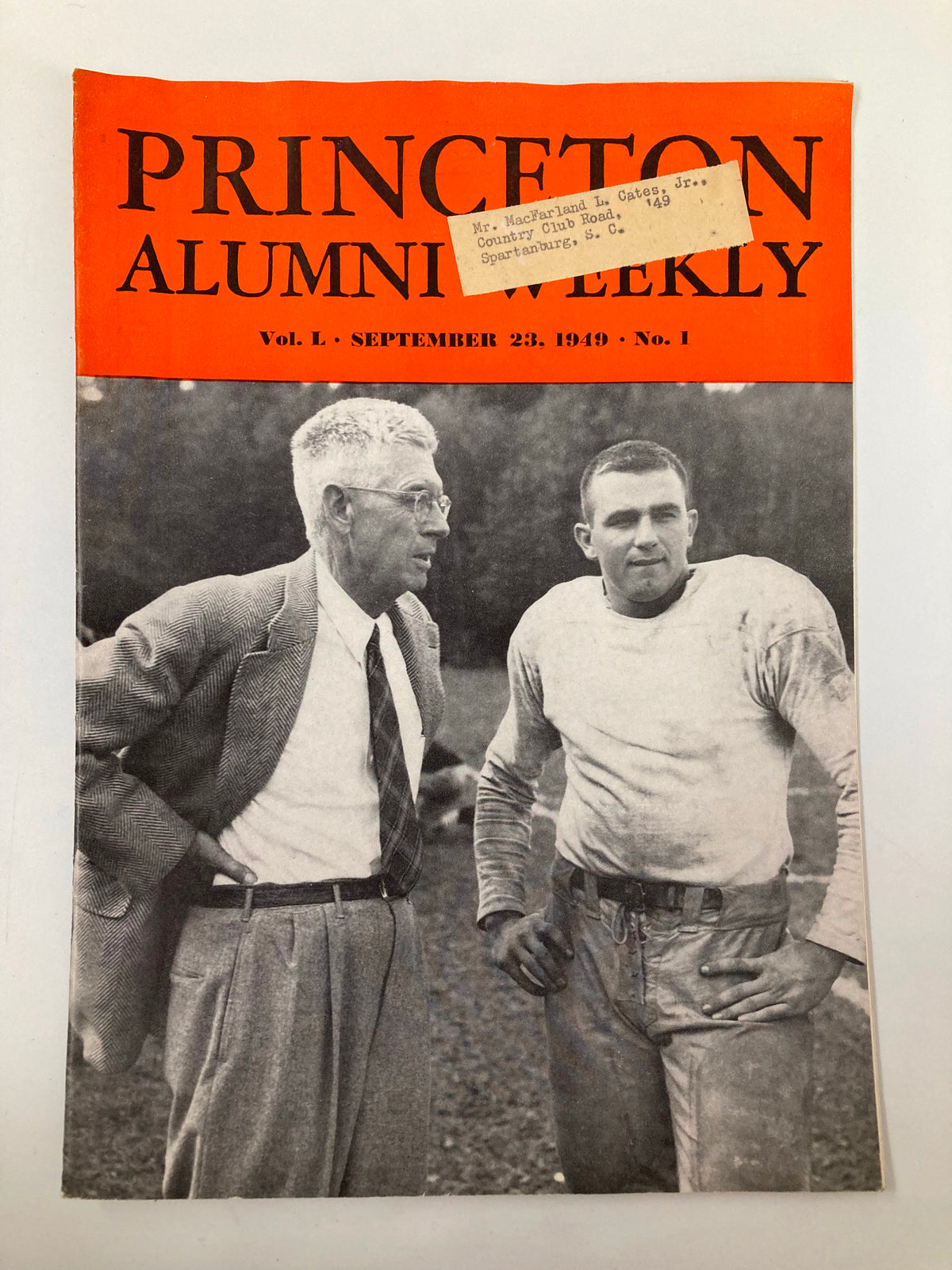
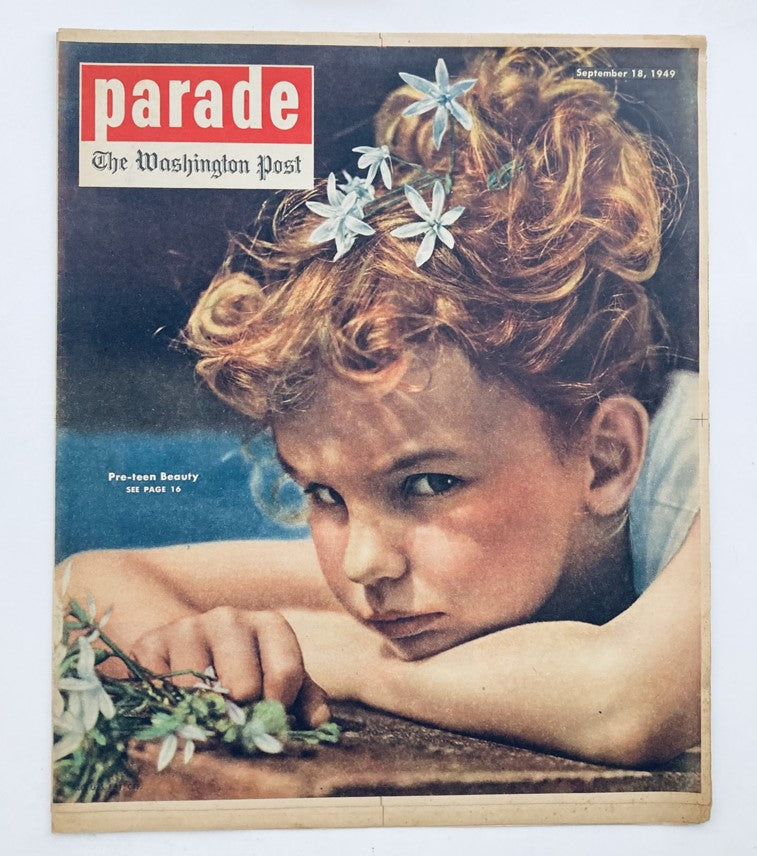
For someone born in September 1949, an original magazine from this pivotal month isn't just a nostalgic keepsake—it's an authenticated time capsule of the precise moment the Cold War became real, preserved in the actual paper, ink, and advertisements that Americans held in their hands when the world changed.