📖 About this Collection
September 1956: The Month Television Changed Everything
The Historical Context
The autumn of 1956 arrived with America poised between two eras—the cautious postwar years giving way to something bolder, louder, and unprecedented. On September 9th, 60 million viewers witnessed a cultural earthquake when Elvis Presley made his first appearance on "The Ed Sullivan Show," his televised performance marking the exact moment when rock and roll seized the national stage. Meanwhile, integration battles intensified across the South as tanks rolled into Clinton, Tennessee to protect Black students entering previously segregated schools, while similar confrontations erupted in Clay and Louisville, Kentucky. Technology leaped forward on September 14th when IBM introduced the RAMAC 305, the first commercial computer with magnetic disk storage—a hulking ton-weight machine that would revolutionize data processing. Across the Atlantic, Britain commenced "Operation Buffalo," detonating nuclear fission bombs at Maralinga, Australia, while Australia itself welcomed television broadcasting for the very first time on September 17th. For anyone entering the world in September 1956, they arrived during a month when the future—in entertainment, civil rights, and technology—was being forged in real time.
Pop Culture & the American Dream
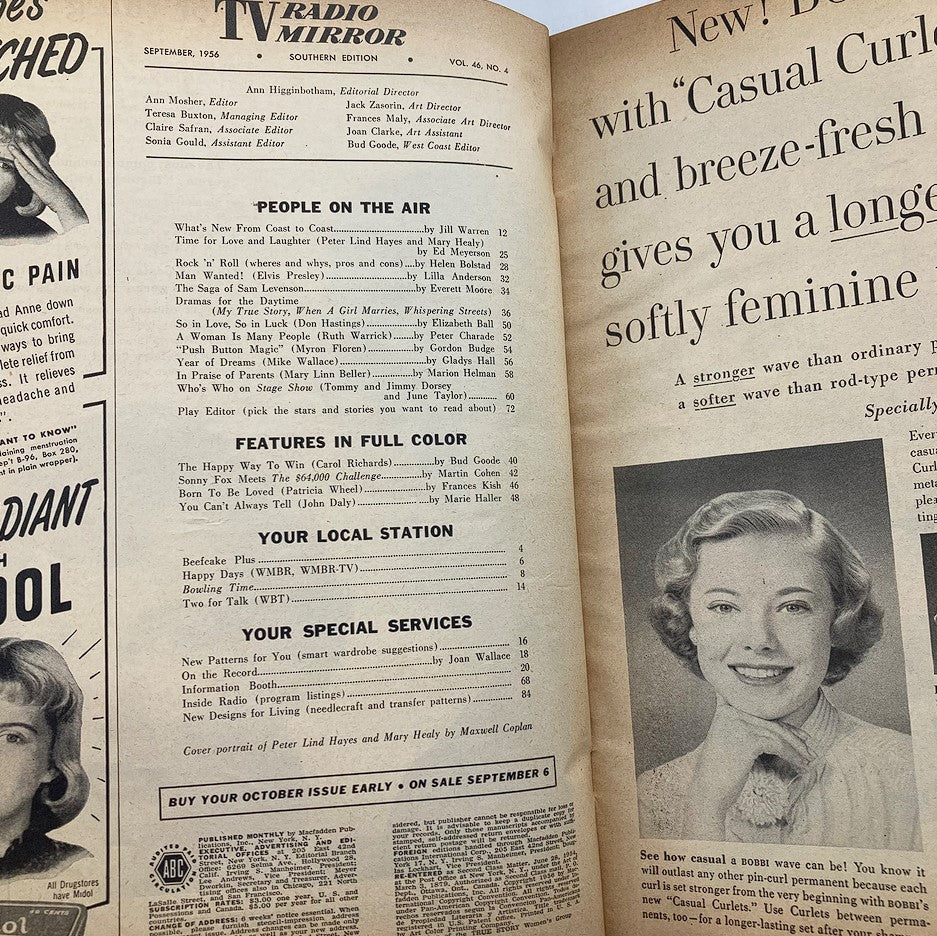
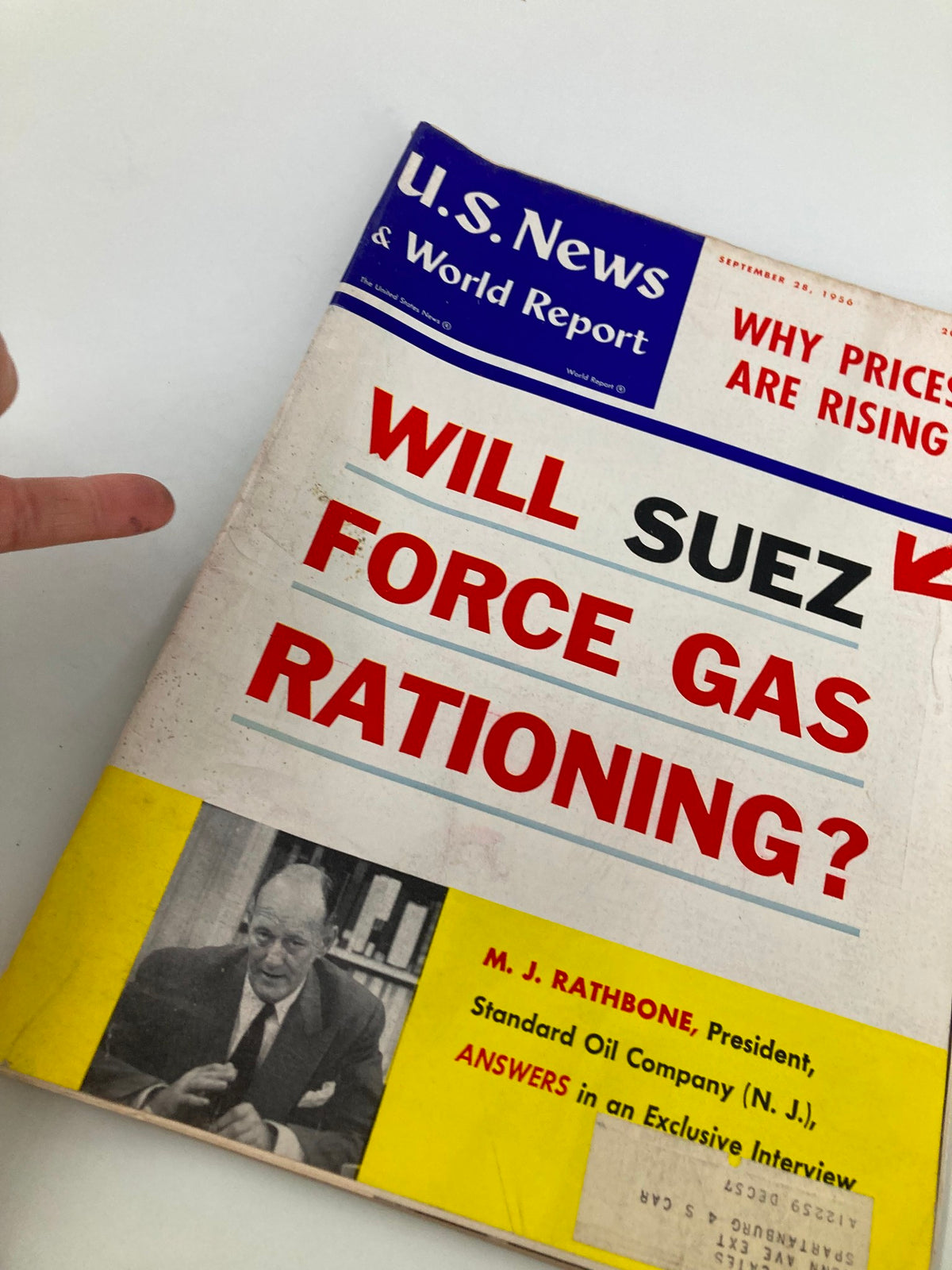
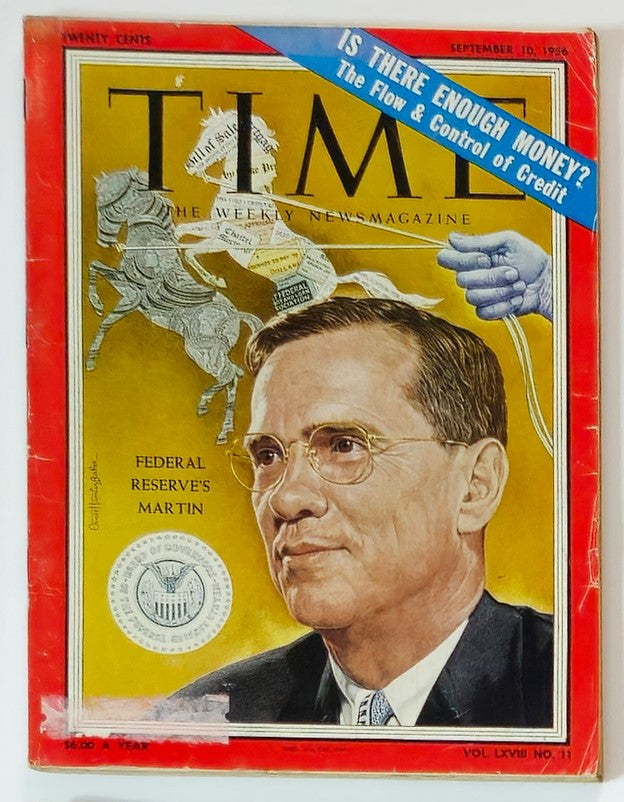
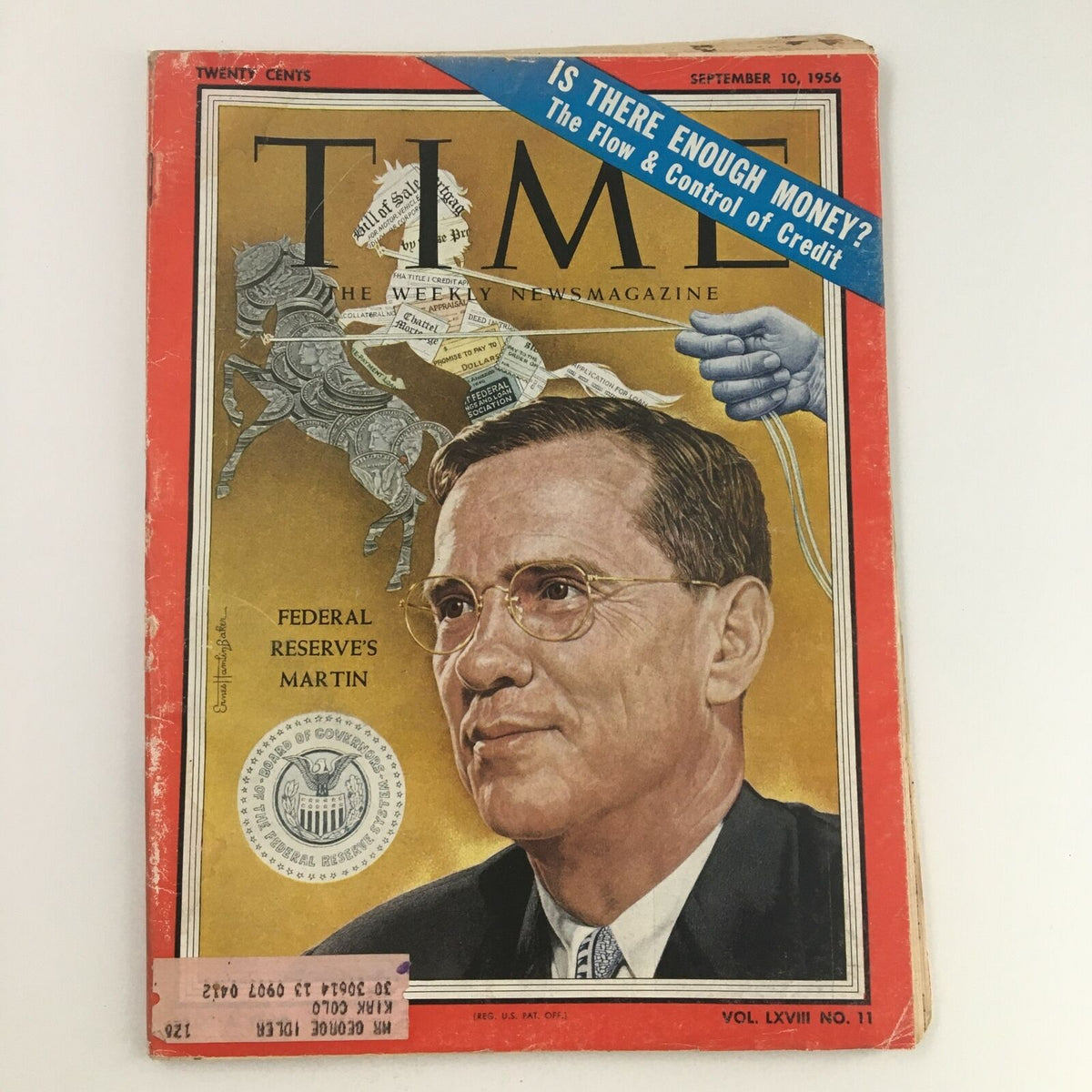
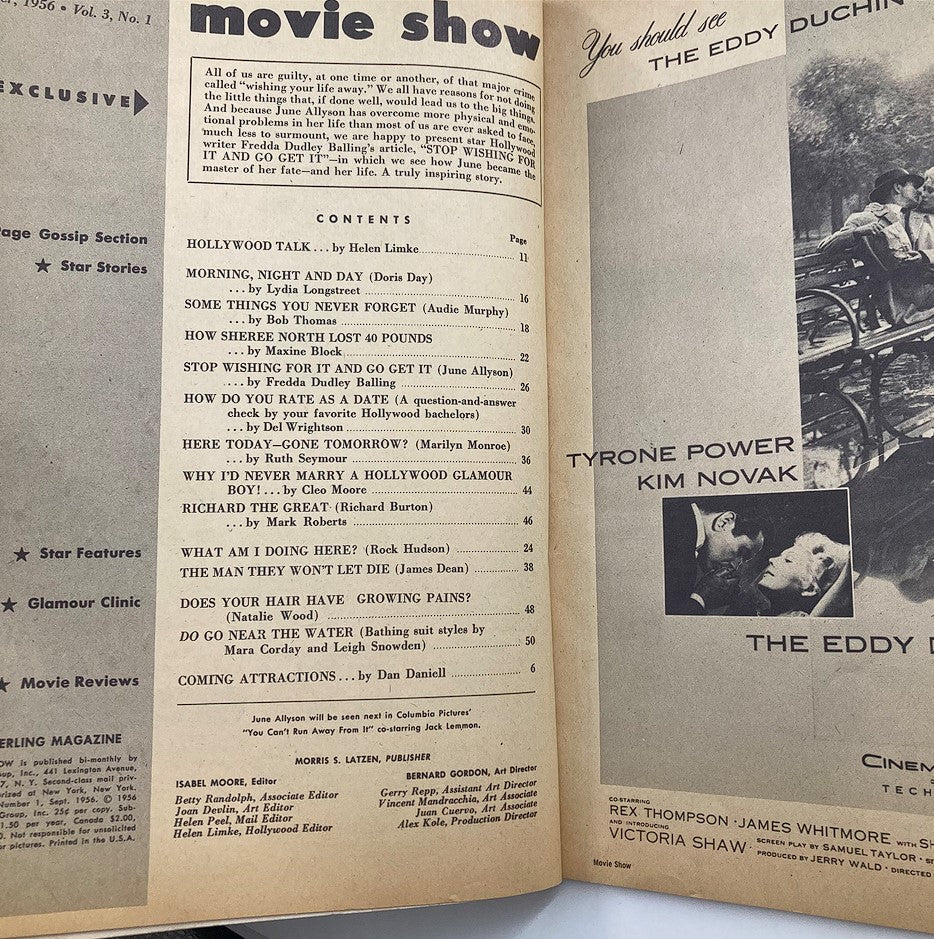
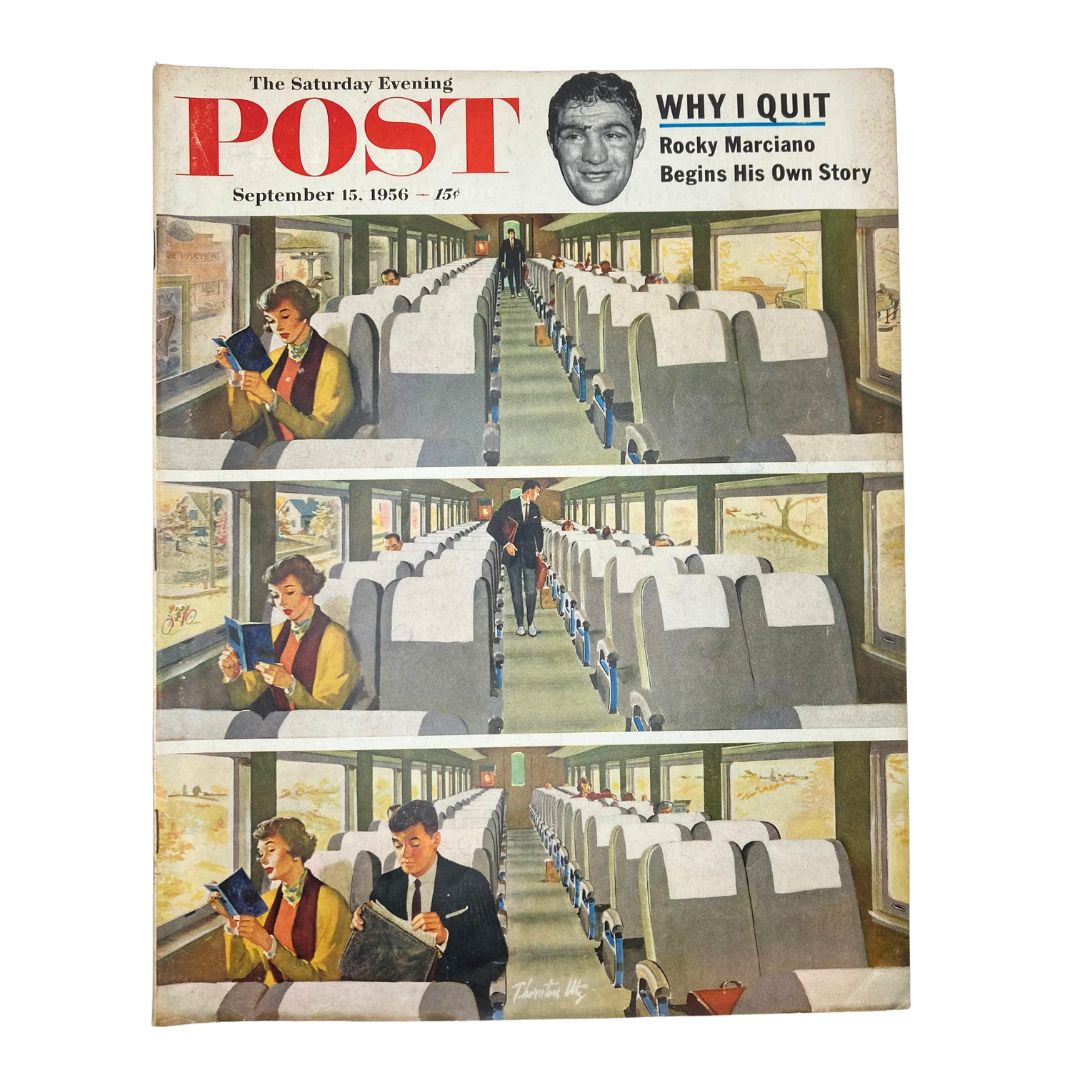
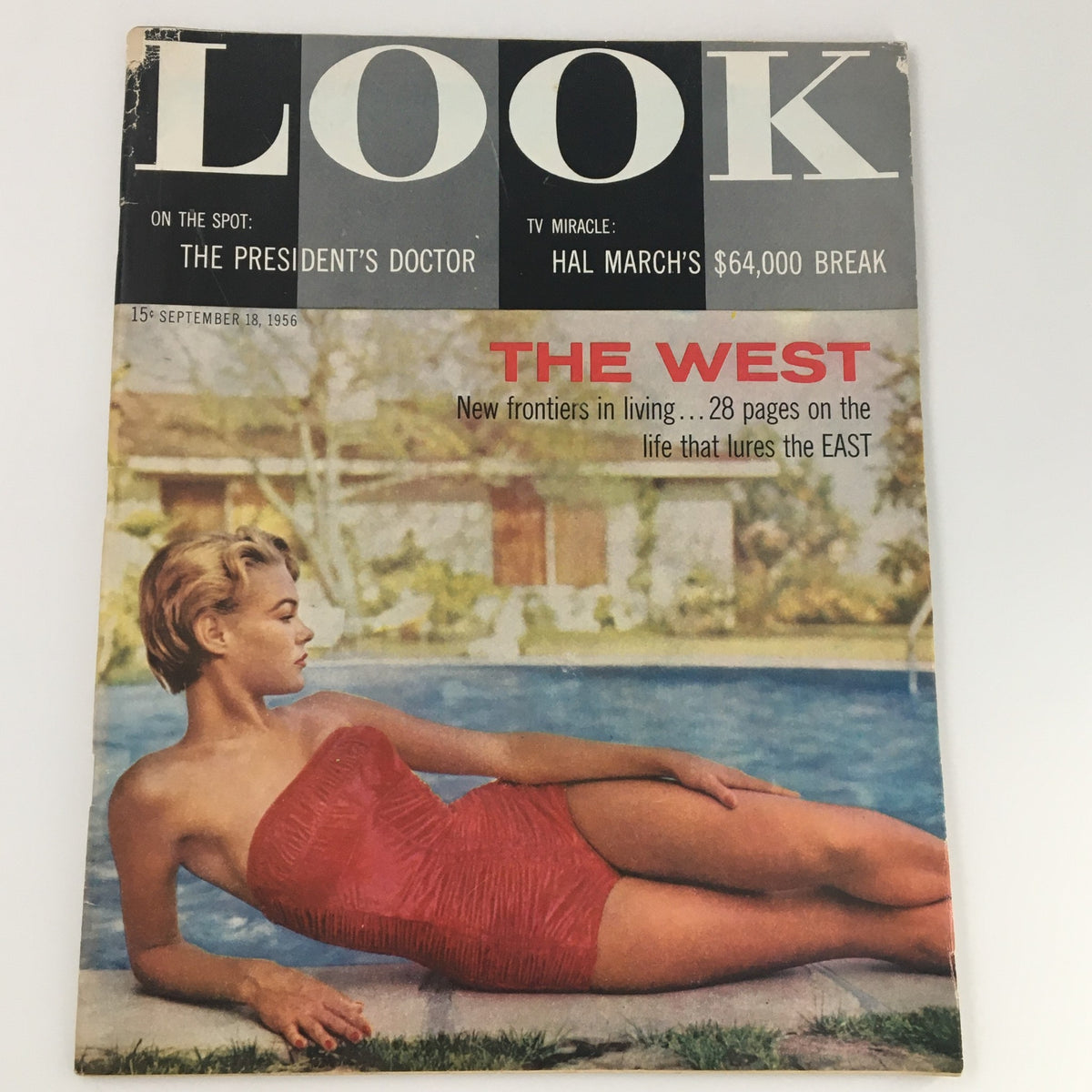
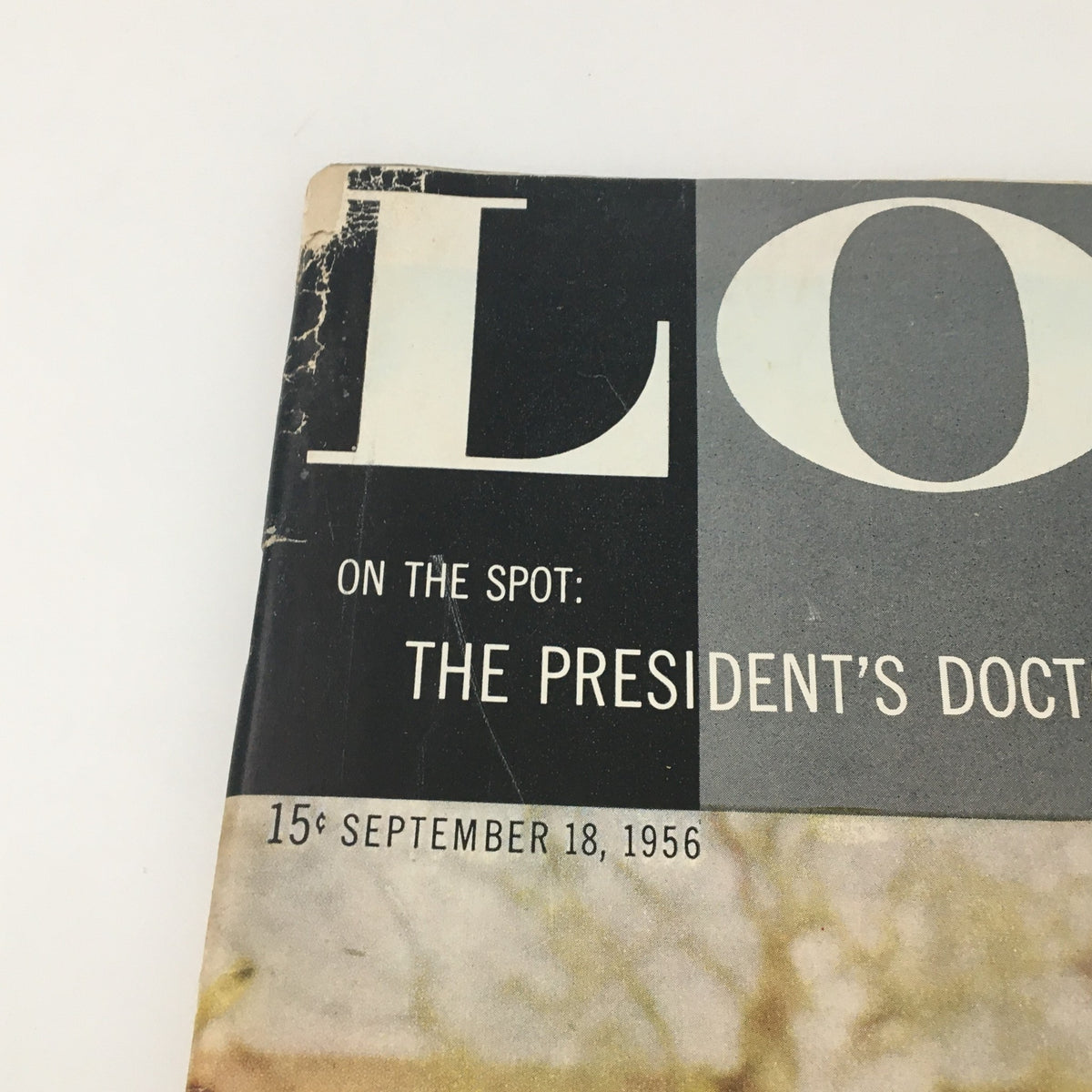
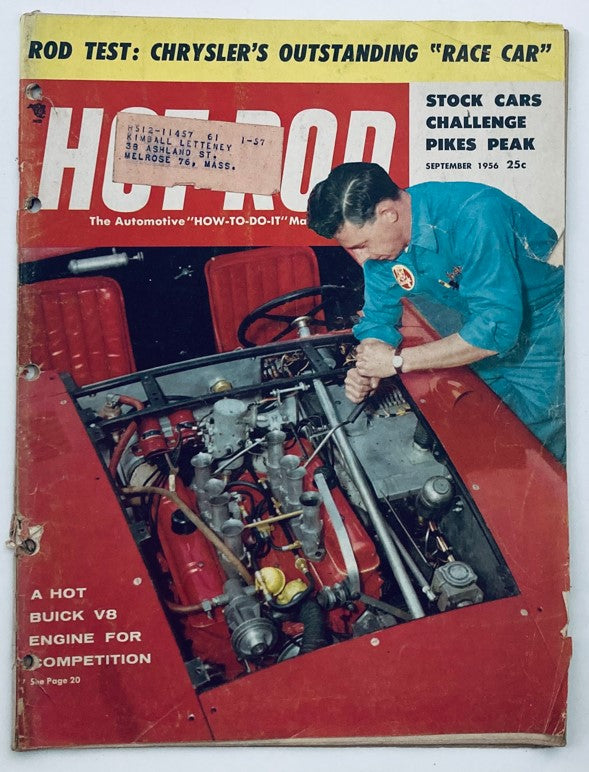
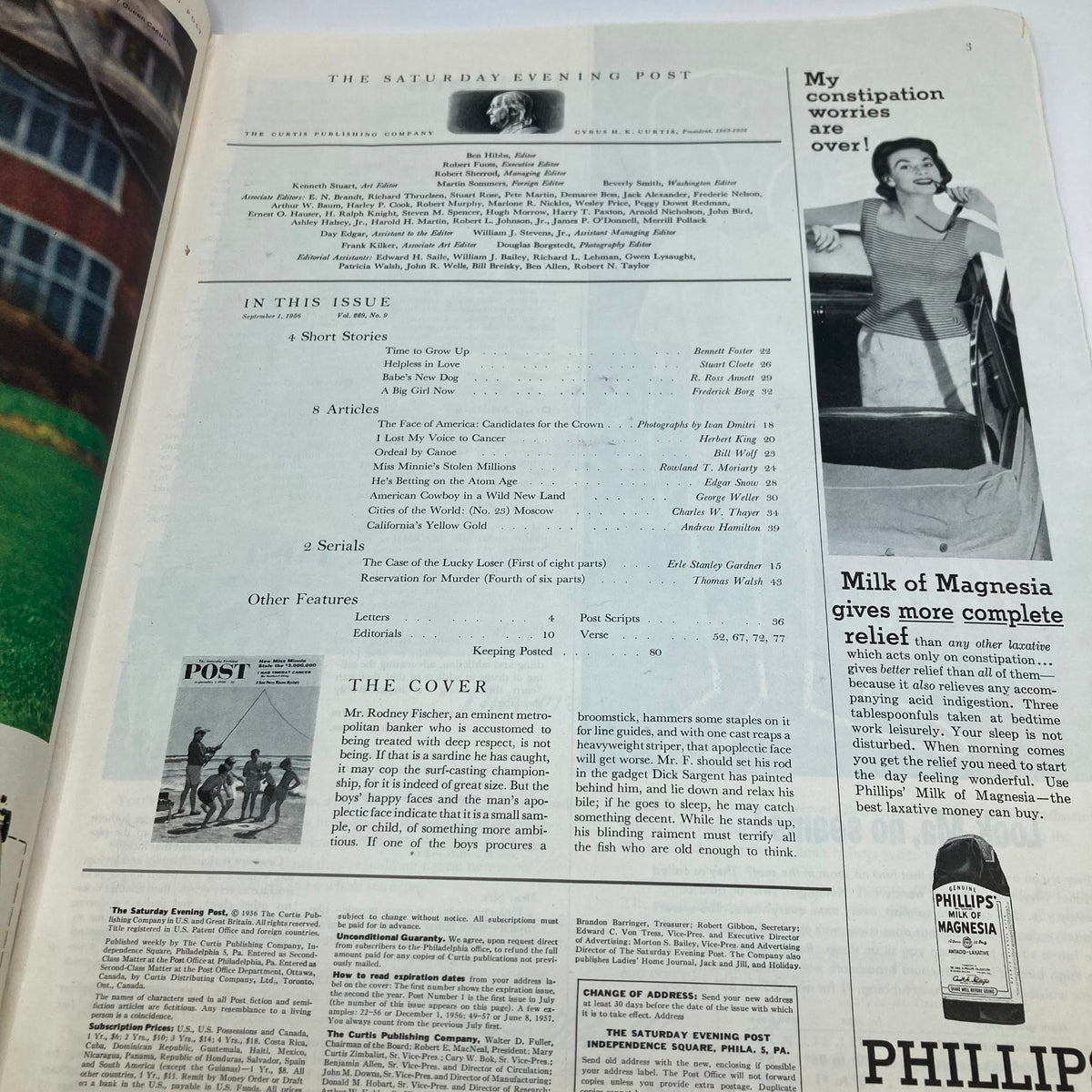
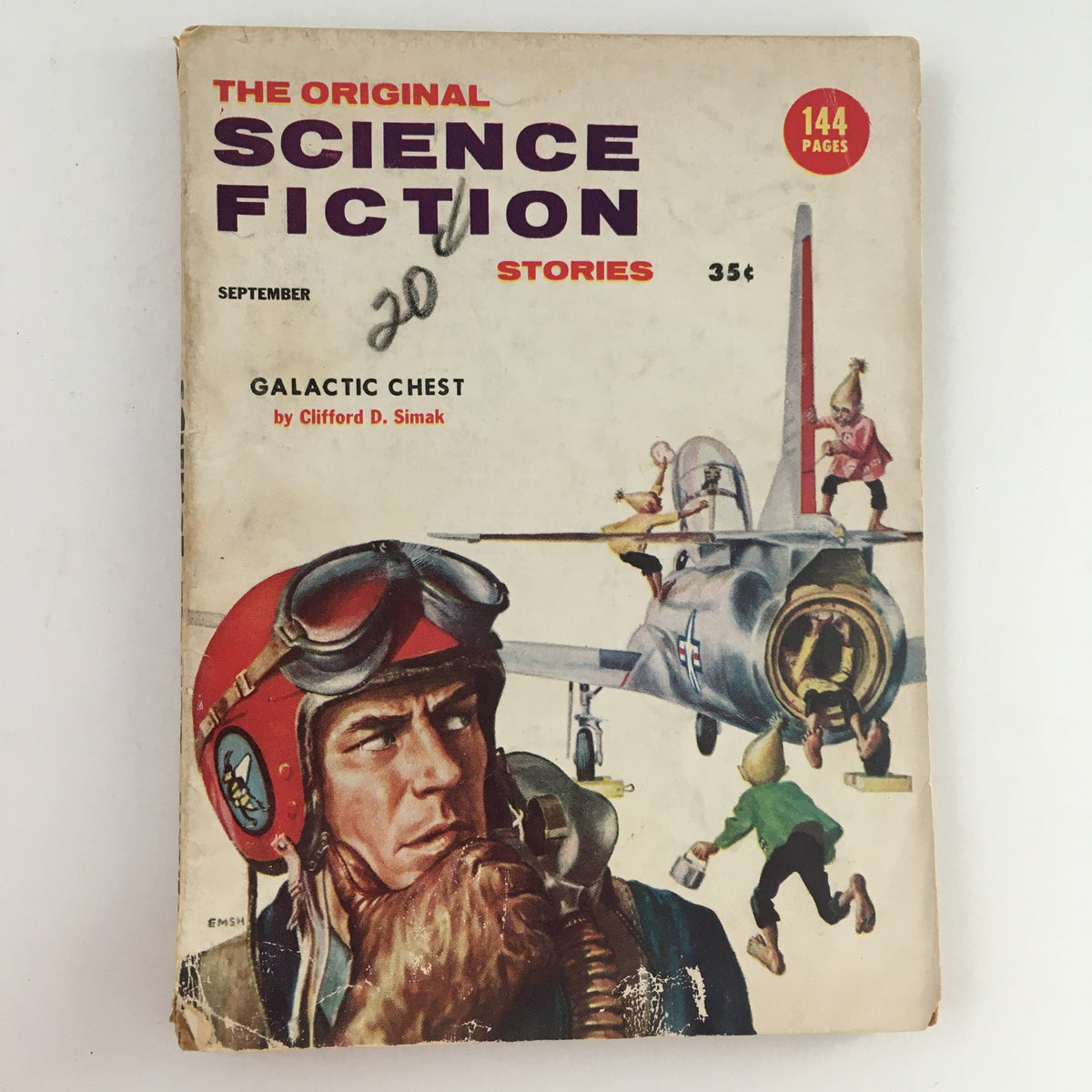
Harry Belafonte's "Calypso" album dominated the charts, reaching #1 on September 8th and beginning an extraordinary 31-week reign that made Caribbean rhythms mainstream American fare. On baseball diamonds, Mickey Mantle captivated the nation by joining the exclusive club of players who'd hit 50 home runs in a single season, his 500-foot-plus blast on September 21st cementing his status as the sport's most electrifying talent. The tennis world witnessed all-Australian and all-American finals at Forest Hills, where Ken Rosewall and Shirley Fry Irvin claimed their US National Championship titles on September 9th. Original magazines from September 1956 captured these moments through dramatic sports photography and television listings that now read like cultural prophecy—the final appearance of "Johnny Carson Show" on CBS-TV on September 28th (before Carson would revolutionize late-night elsewhere), and RCA's announcement that Elvis had already sold over 10 million records. In fashion and lifestyle spreads, genuine advertisements showcased the optimistic consumer culture of the Atomic Age, from the latest television sets bringing both rock and roll and integration struggles into American living rooms.
The Curator's Checklist
-
Elvis's Television Debut: Entertainment and rare magazines like TV Guide and Variety featuring coverage of Presley's explosive Ed Sullivan appearance, often with behind-the-scenes photographs capturing the cultural controversy surrounding his performance style.
-
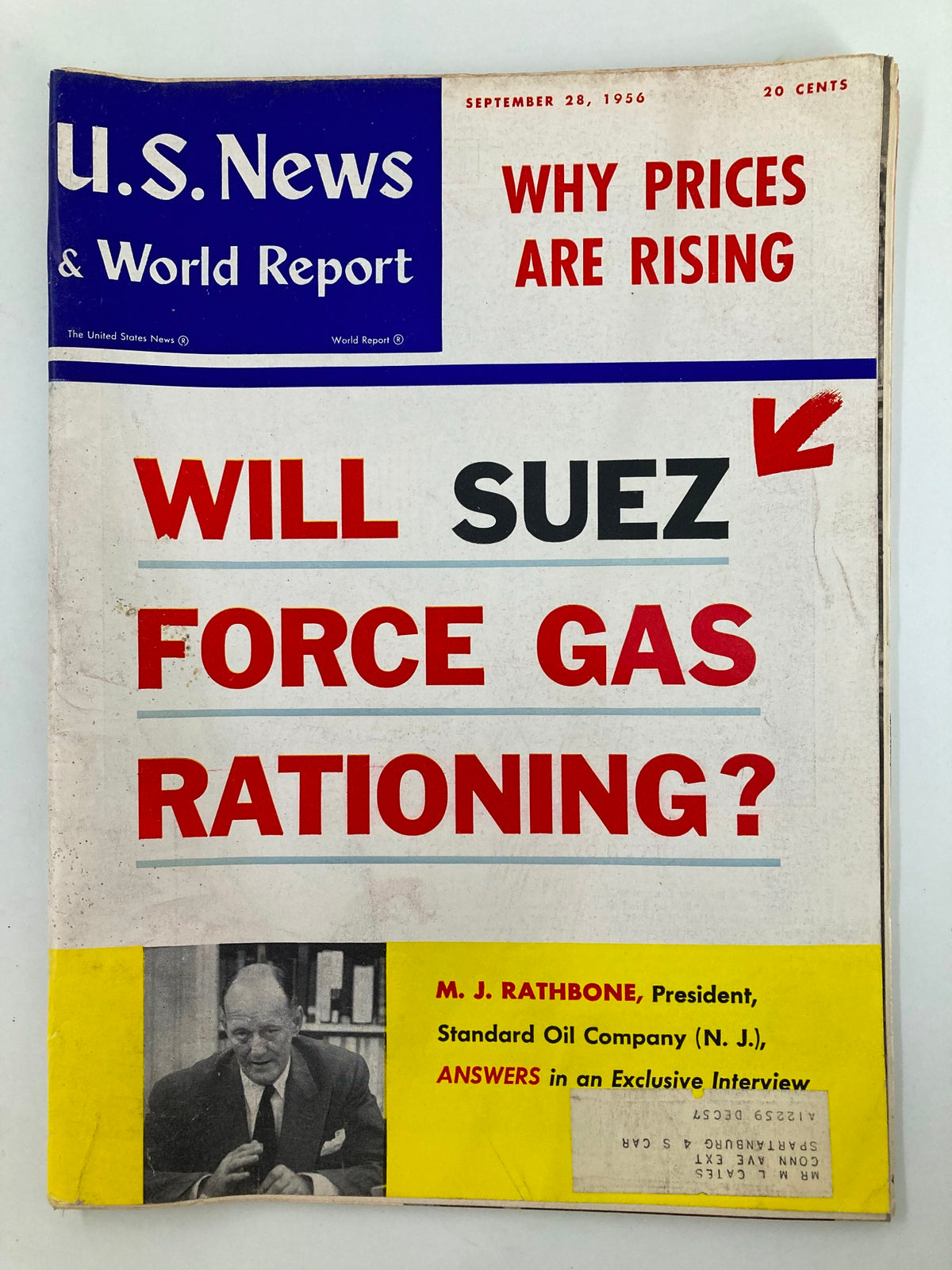
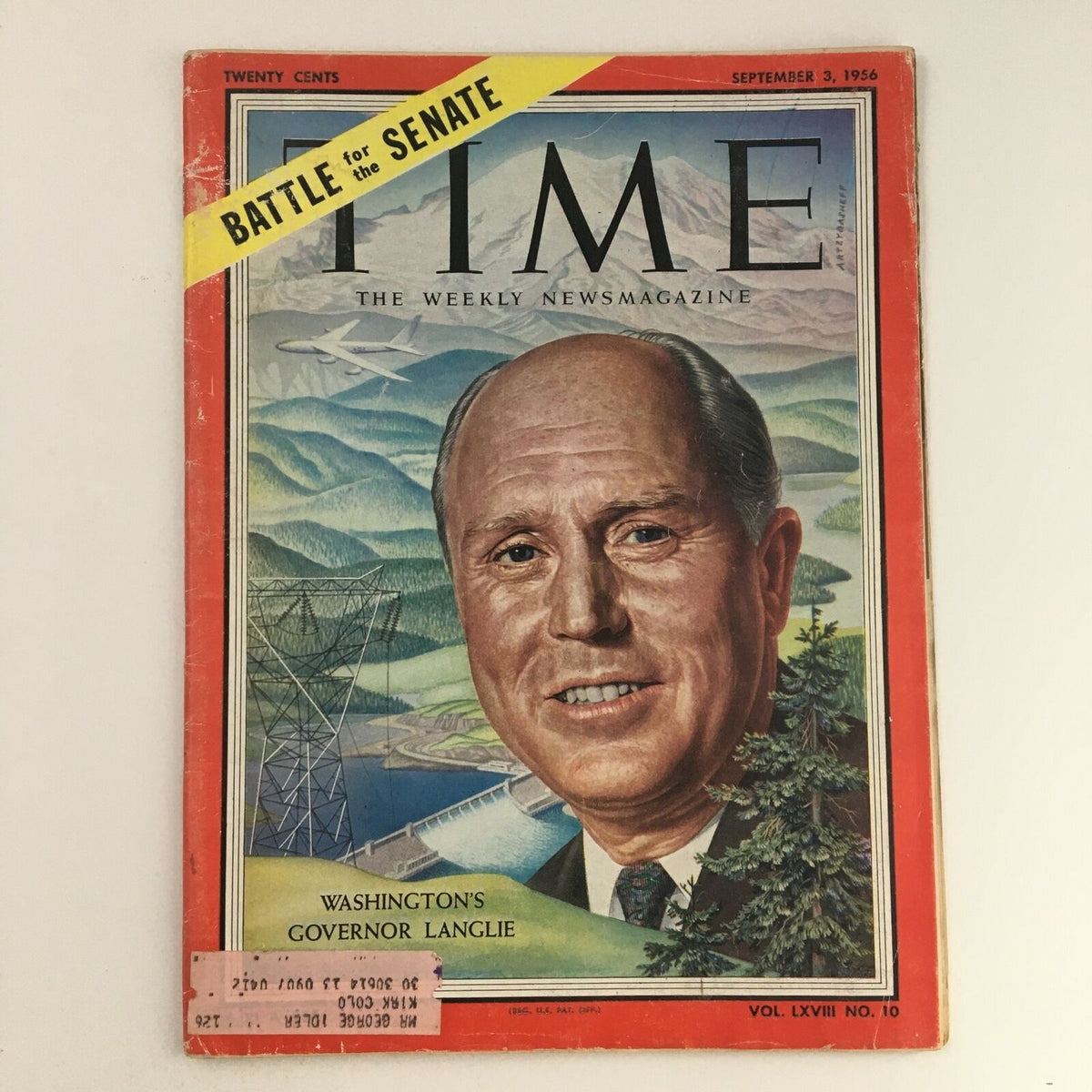
The Integration Battles: News magazines including Time, Life, and Newsweek documenting the violent resistance to school desegregation in Tennessee and Kentucky, illustrated with powerful photojournalism of National Guard tanks and courageous Black students.
-
Baseball's Power Era: Sports Illustrated and general interest vintage magazines showcasing Mickey Mantle's historic 50-home-run season, featuring action photography and statistics that document one of the game's greatest individual performances.
-
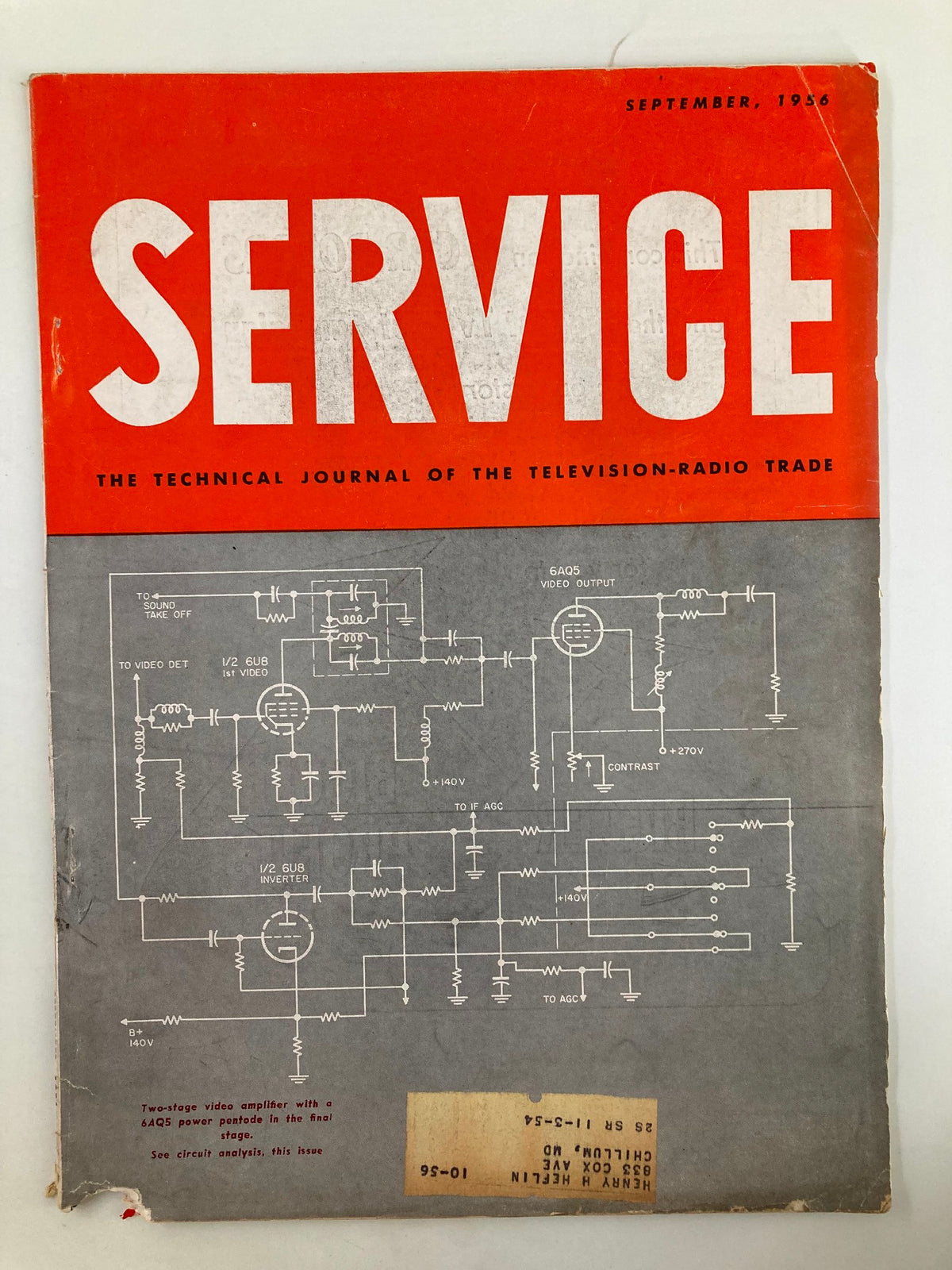
The Computer Revolution: Technology and business publications chronicling IBM's RAMAC 305 introduction, with technical diagrams and forward-looking advertising that predicted the coming information age decades before personal computers.
-
Belafonte's Calypso Phenomenon: Music and entertainment magazines celebrating Harry Belafonte's chart dominance, preserving the moment when Caribbean music crossed over to mainstream American audiences through authentic album reviews and cultural commentary.
The Perfect Gift
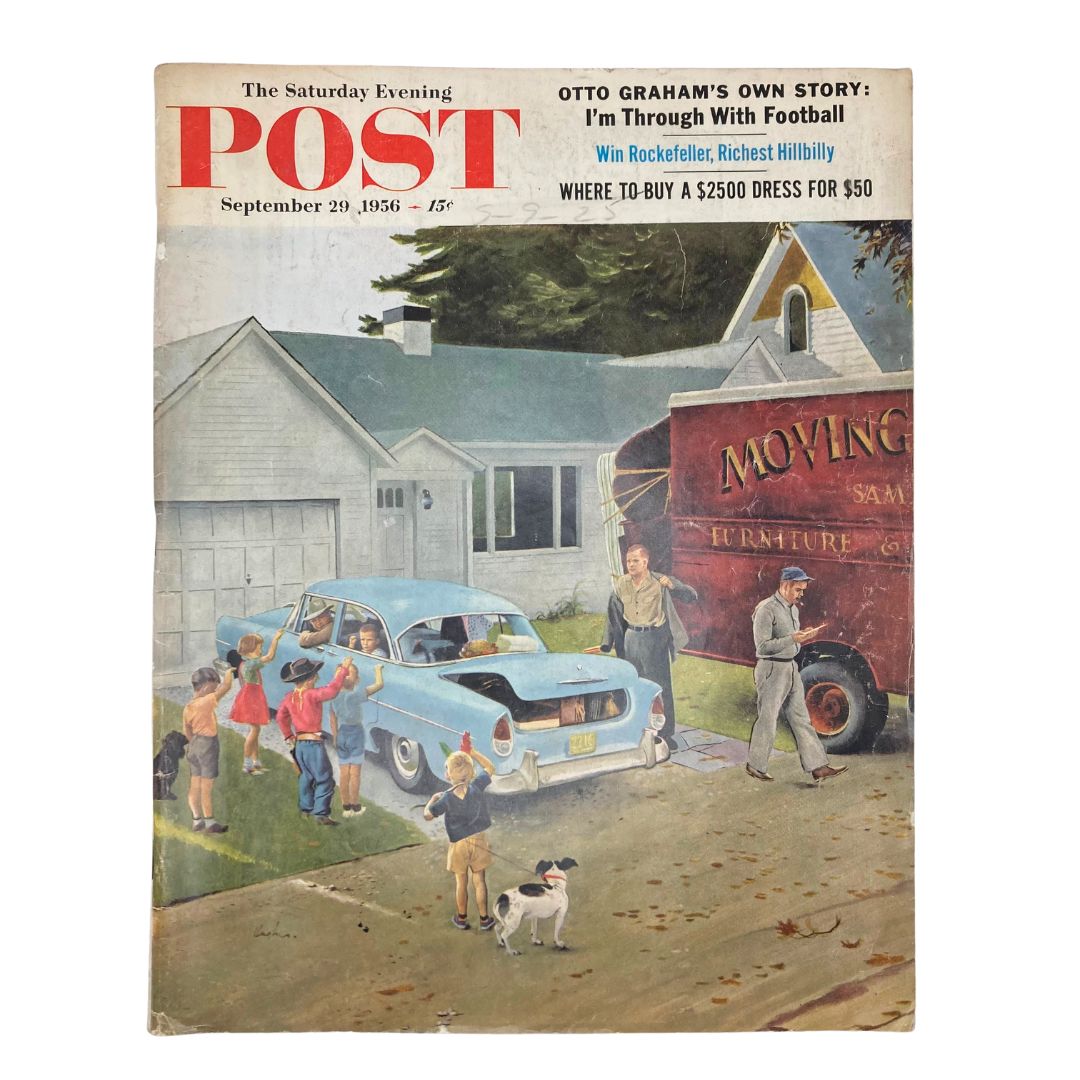
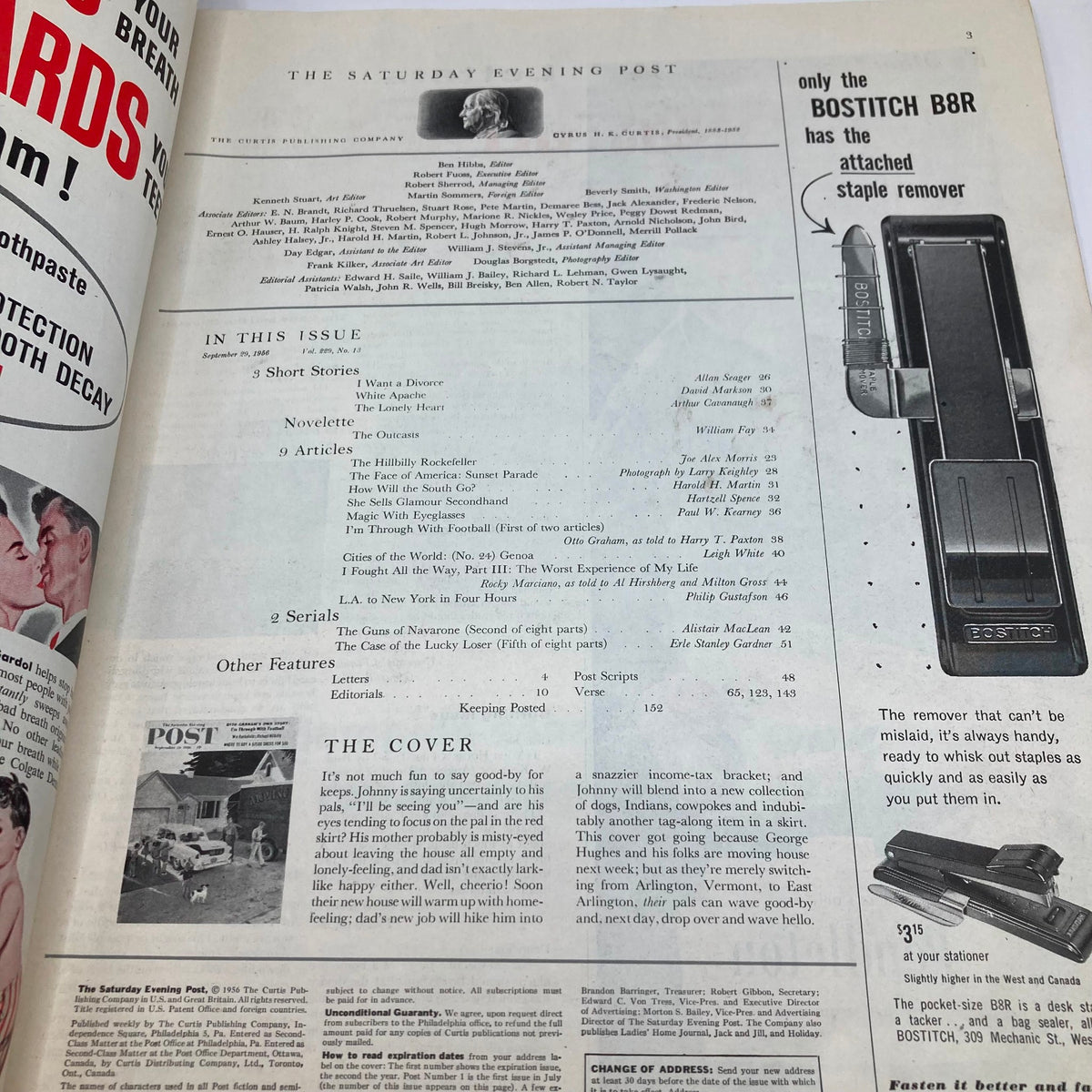
For someone born in September 1956, an original magazine from this transformative month isn't just a nostalgic keepsake—it's an authenticated witness to the precise moment when television reshaped American culture, preserved in genuine advertisements, headlines, and photography that museums simply cannot replicate.