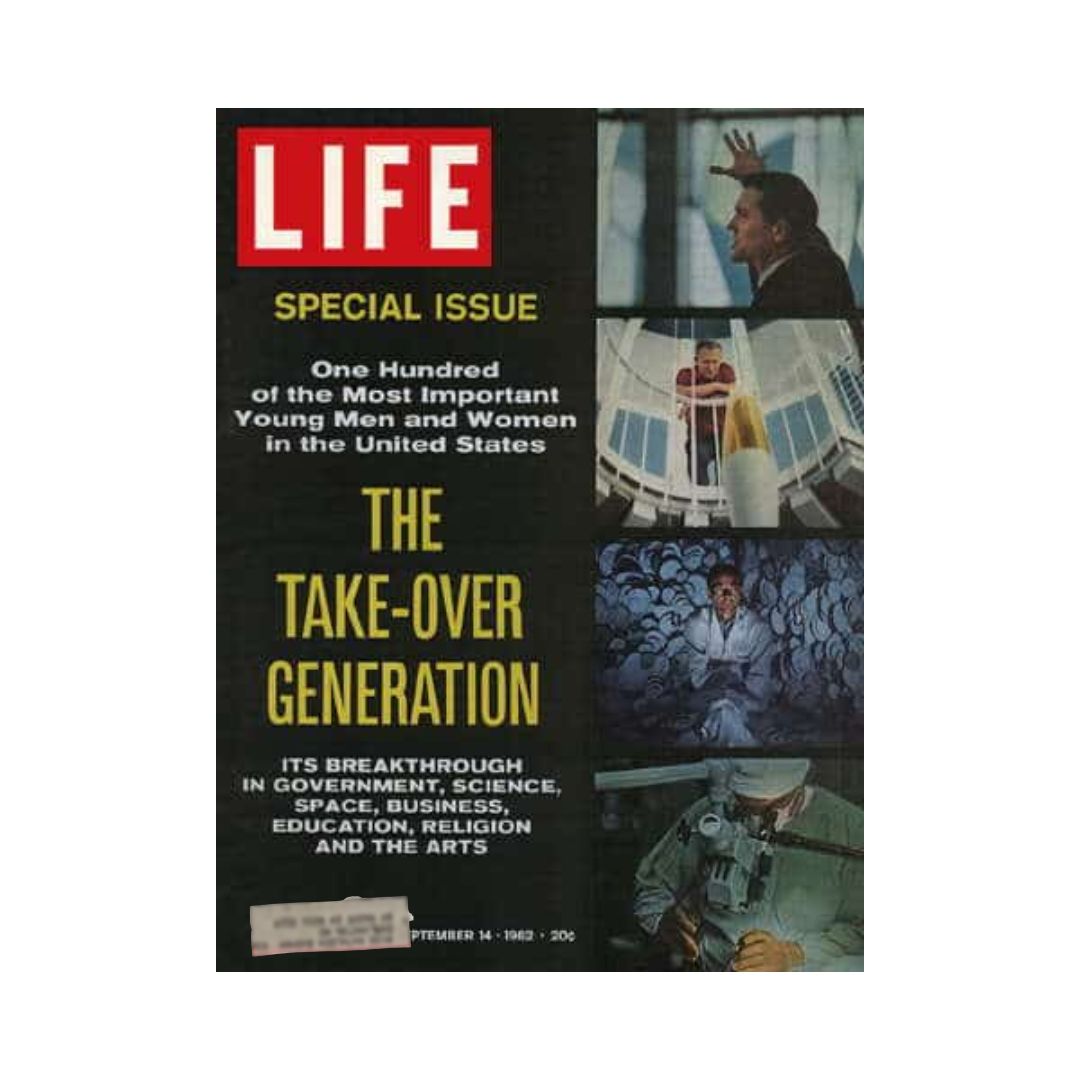
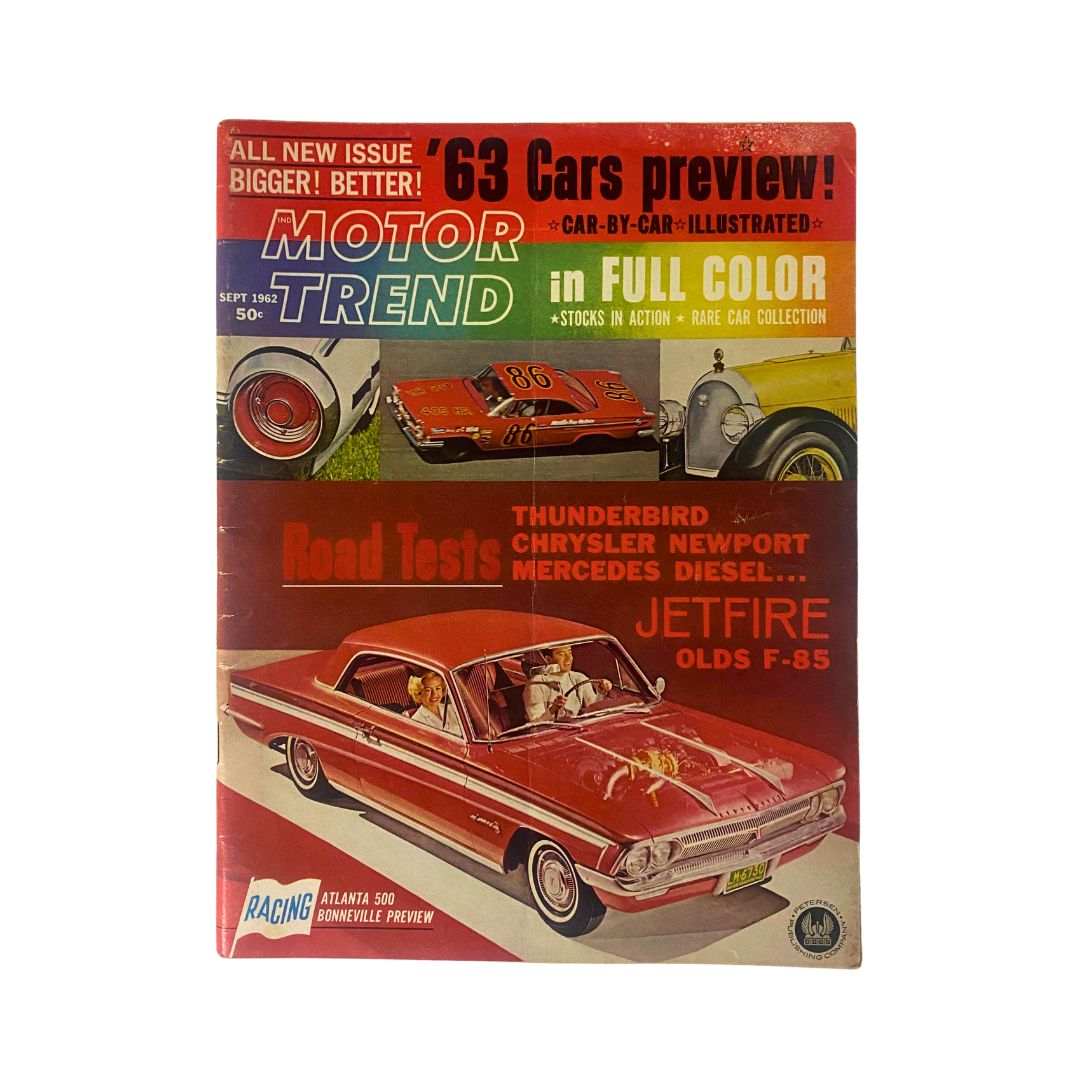
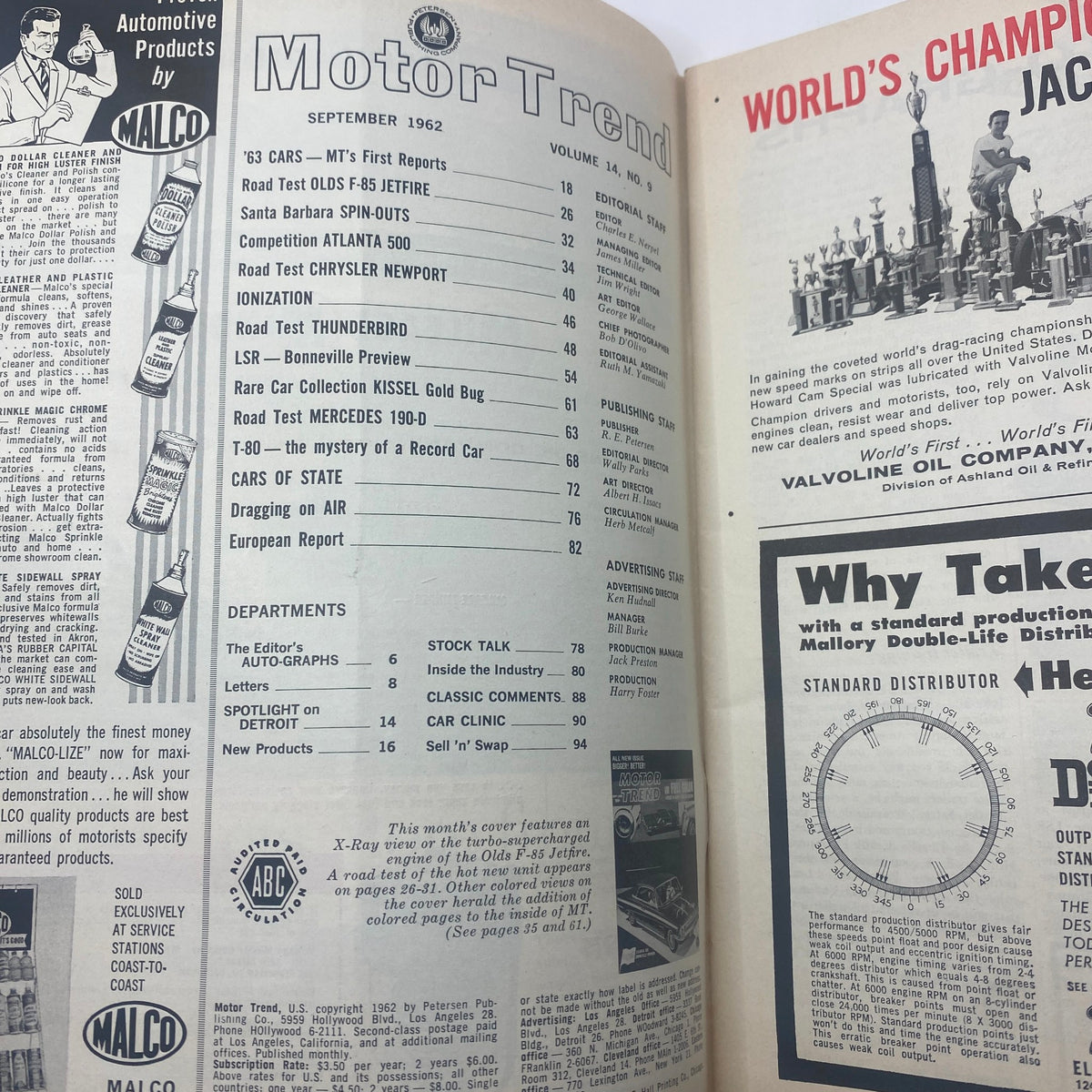
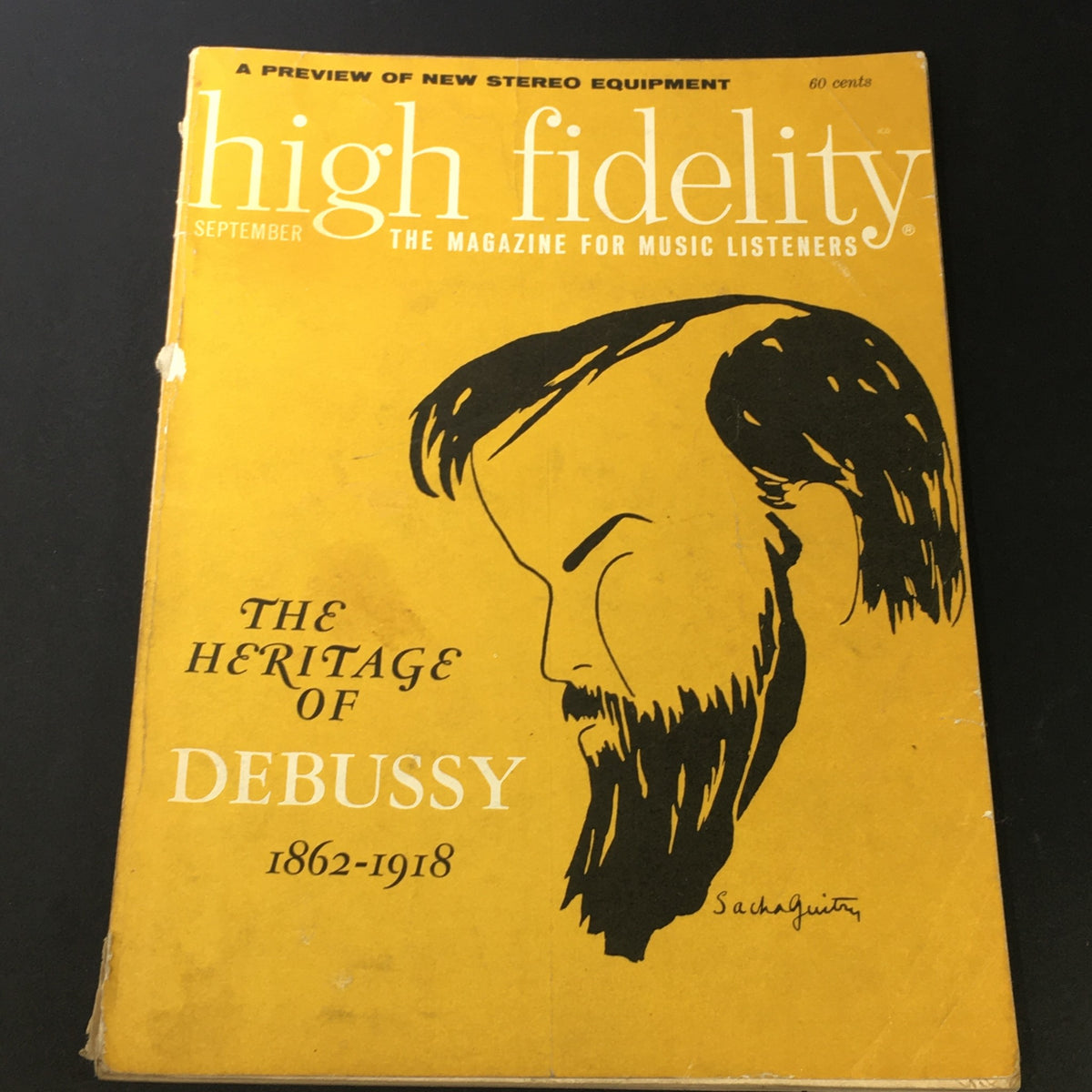
📖 About this Collection
September 1962: The Month America Chose Its Side
The Historical Context
The world crackled with tension in September 1962, caught between Cold War brinkmanship and seismic cultural shifts. While the USSR conducted a relentless series of nuclear tests at Novaya Zemlya—seven detonations in thirty days—the United Nations announced Earth's population had reached 3 billion souls. In Mississippi, Governor Ross Barnett's refusal to admit James Meredith to the state university escalated into a constitutional crisis that would culminate with President Kennedy authorizing 3,000 federal troops to quell segregation riots. Half a world away, 12,000 perished in an Iranian earthquake, Charles de Gaulle visited West Germany in a historic reconciliation, and Algeria held its first election following independence, electing Ahmed Ben Bella as Prime Minister. This was the world your loved one entered—a month when choosing sides meant everything, from civil rights to the space race, where America announced nine new astronauts to join the cosmic competition.
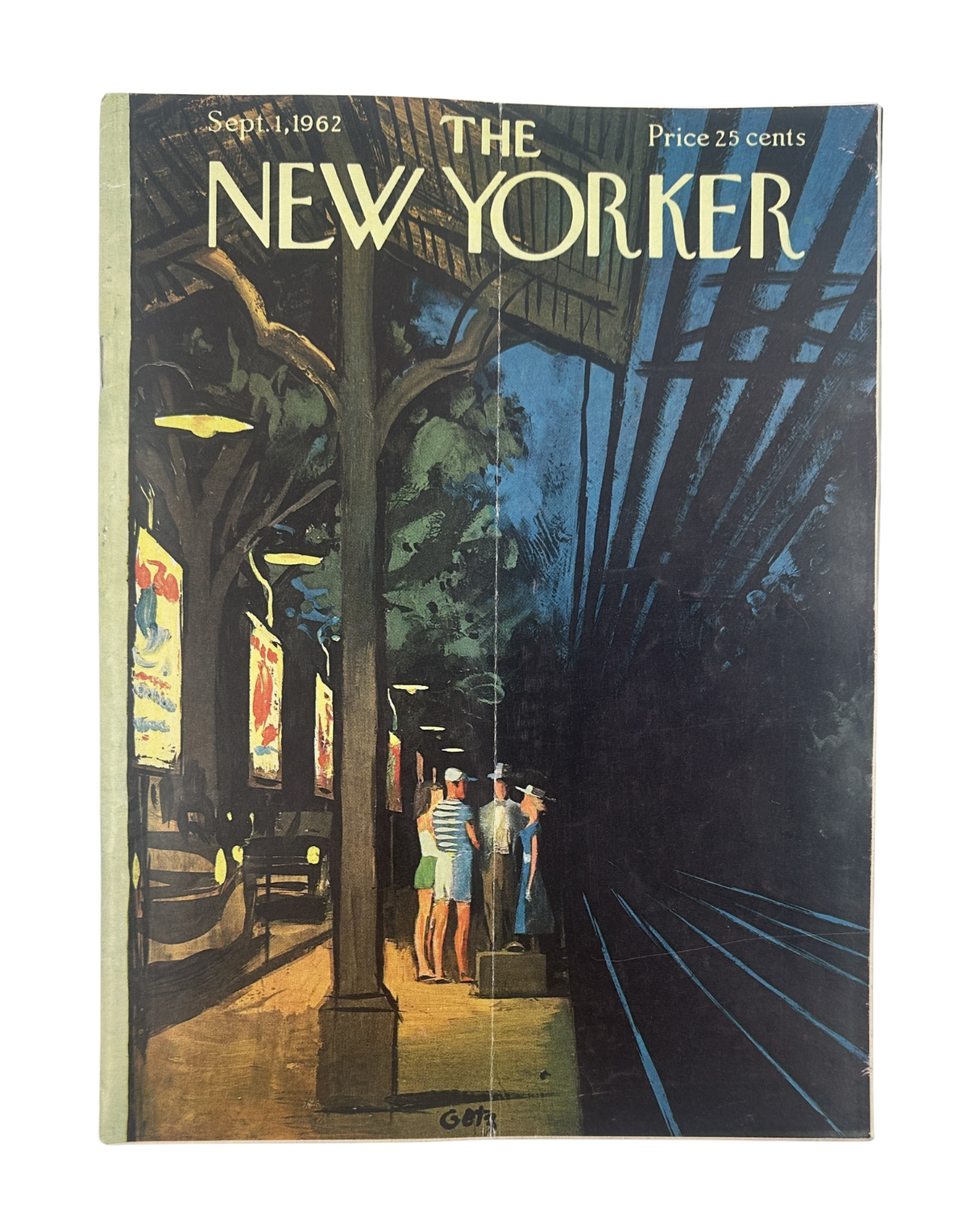
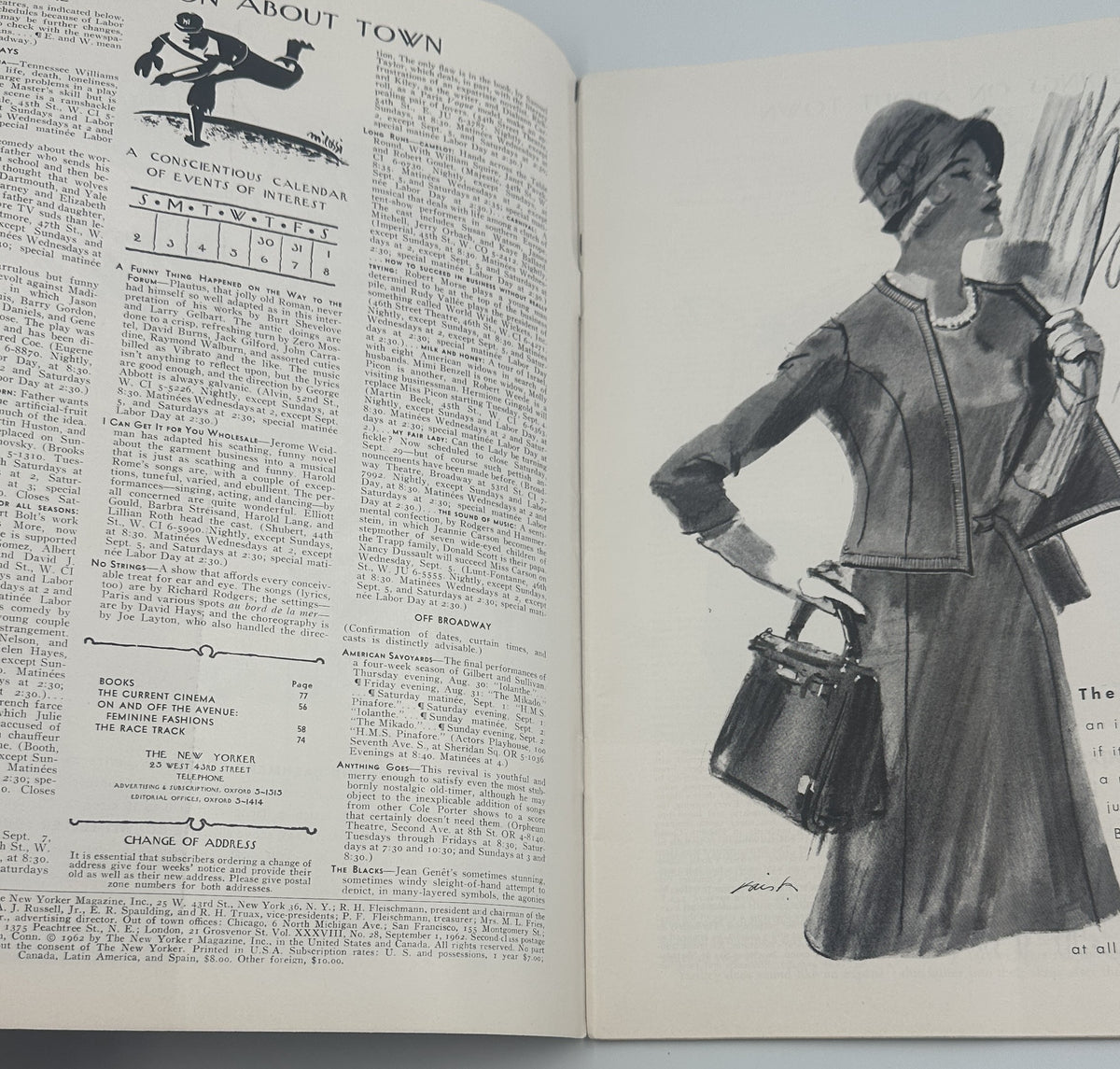
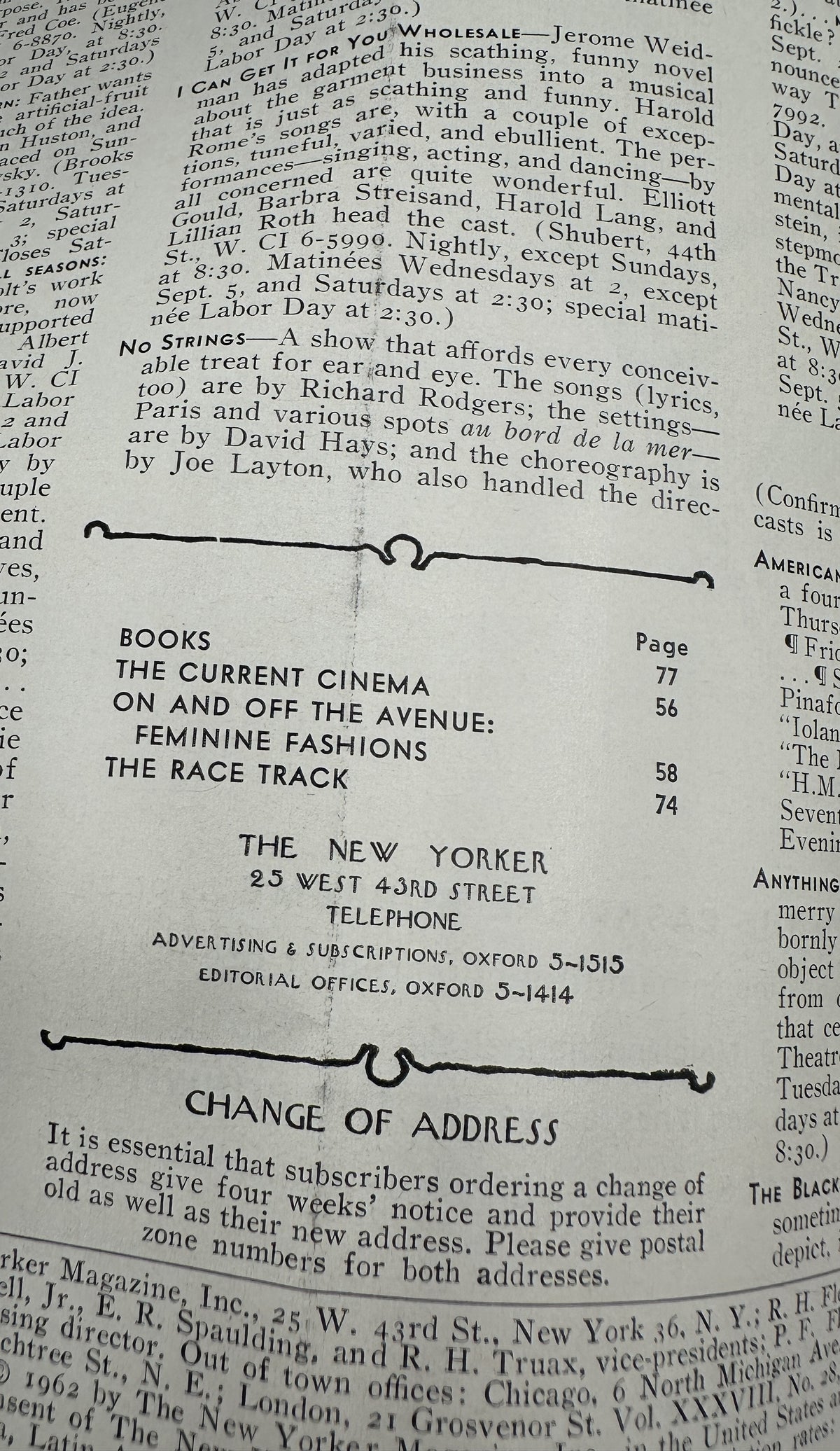
Television sets glowed with promise this September. ABC premiered The Jetsons, the network's first color series, offering families a Hanna-Barbera vision of the space-age future, while The Beverly Hillbillies debuted on CBS with its fish-out-of-water charm that would dominate ratings for years. New York's Lincoln Center opened its doors with Philharmonic Hall (later Avery Fisher Hall), signaling the city's cultural renaissance. At the Monterey Jazz Festival, Dave Brubeck and Louis Armstrong premiered The Real Ambassadors, while Pete Seeger and a young Bob Dylan shared the stage at Carnegie Hall's "Hootenanny." Sports fans witnessed history as Maury Wills shattered Ty Cobb's 1915 stolen base record, finishing with 104 steals, and Rod Laver completed his first Grand Slam at Forest Hills. Broadway said farewell to My Fair Lady after 2,715 performances as Sonny Liston demolished Floyd Patterson in just 2:06 to claim the heavyweight crown. Original magazines from September 1962 preserved these moments in vivid spreads, from TV Guide's premiere coverage to Sports Illustrated's action photography.
What to Look for in Vintage Magazines from September 1962
-
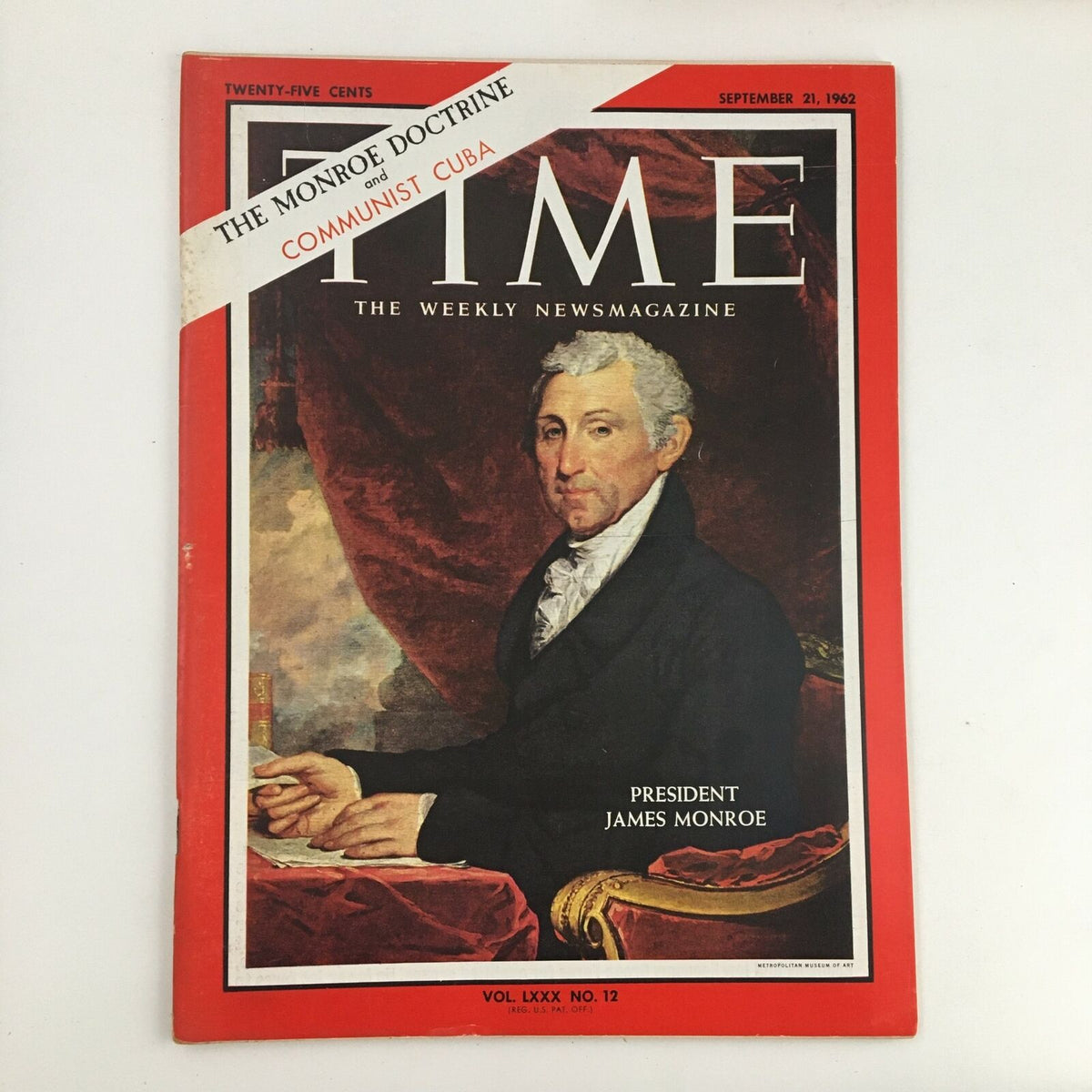
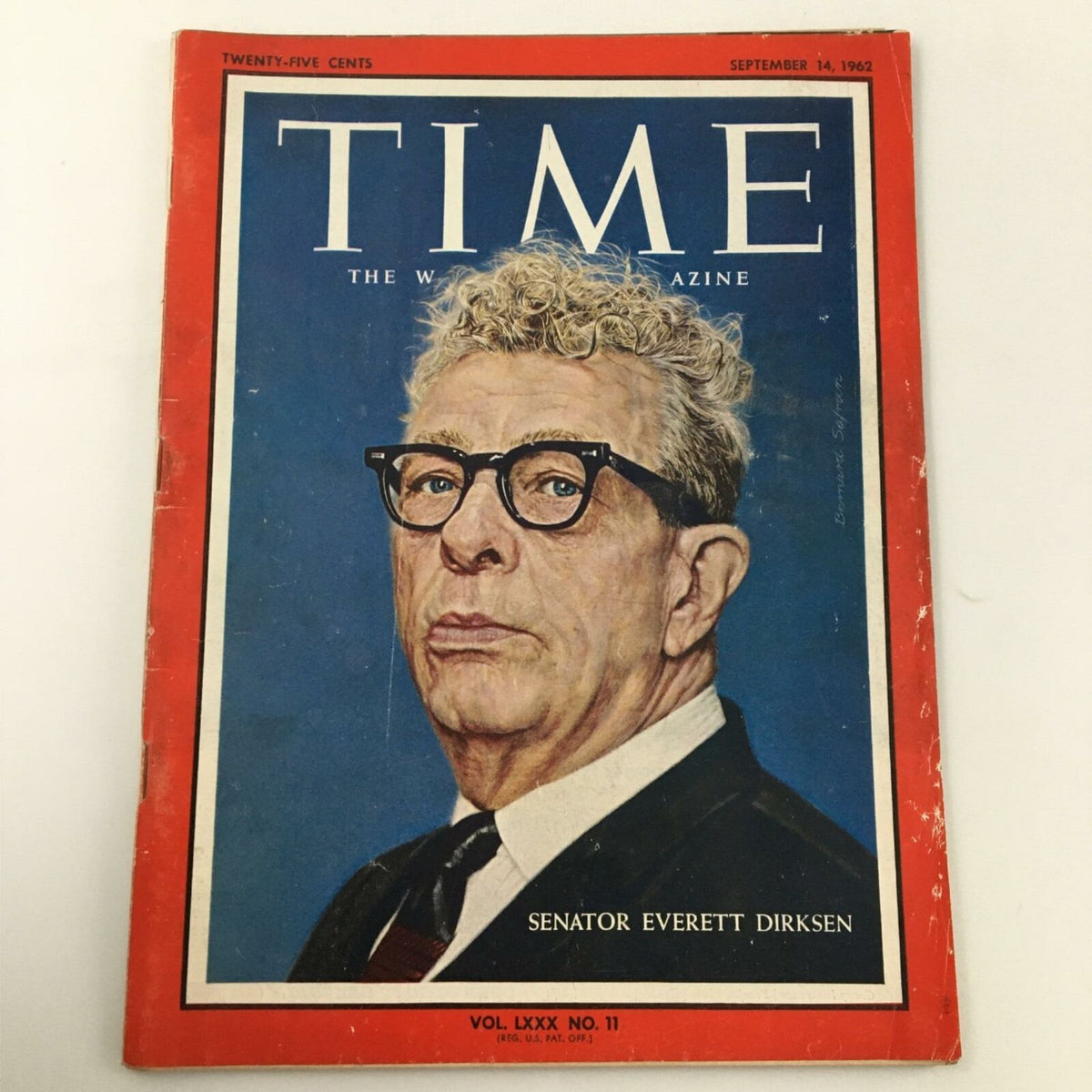
The Mississippi Crisis: News magazines like Time, Life, and Newsweek featuring dramatic photo essays of James Meredith's admission struggle, federal troop deployments at Ole Miss, and Kennedy's constitutional stand against segregation, often with on-the-ground reporting that captured the violence and resolve of both sides.
-
The Jetsons' Space-Age Debut: Entertainment publications and TV Guide showcasing ABC's groundbreaking color animation with illustrations of the futuristic family, Hanna-Barbera's design philosophy, and advertisements celebrating the dawn of color television broadcasting in American living rooms.
-
Rachel Carson's Silent Spring: Rare magazines from September 1962 featuring early reviews, excerpts, or environmental coverage of Carson's revolutionary book about pesticide dangers, marking the birth of modern environmentalism with scientific photography and conservation advocacy that would reshape American policy.
-
Nuclear Anxiety: Illustrated weekly magazines chronicling the USSR's seven nuclear tests at Novaya Zemlya throughout the month, Cold War escalation maps, and civil defense advertisements that appeared regularly in periodicals, reflecting the atomic age's grip on daily American consciousness.
-
Pop Culture Revolution: Entertainment sections in vintage magazines documenting Sonny Liston's shocking first-round knockout of Floyd Patterson at Comiskey Park, Maury Wills' base-stealing wizardry captured in sports photography, and the folk music movement's Carnegie Hall moment with Dylan and Seeger sharing authentic, preserved concert coverage.
The Perfect Gift
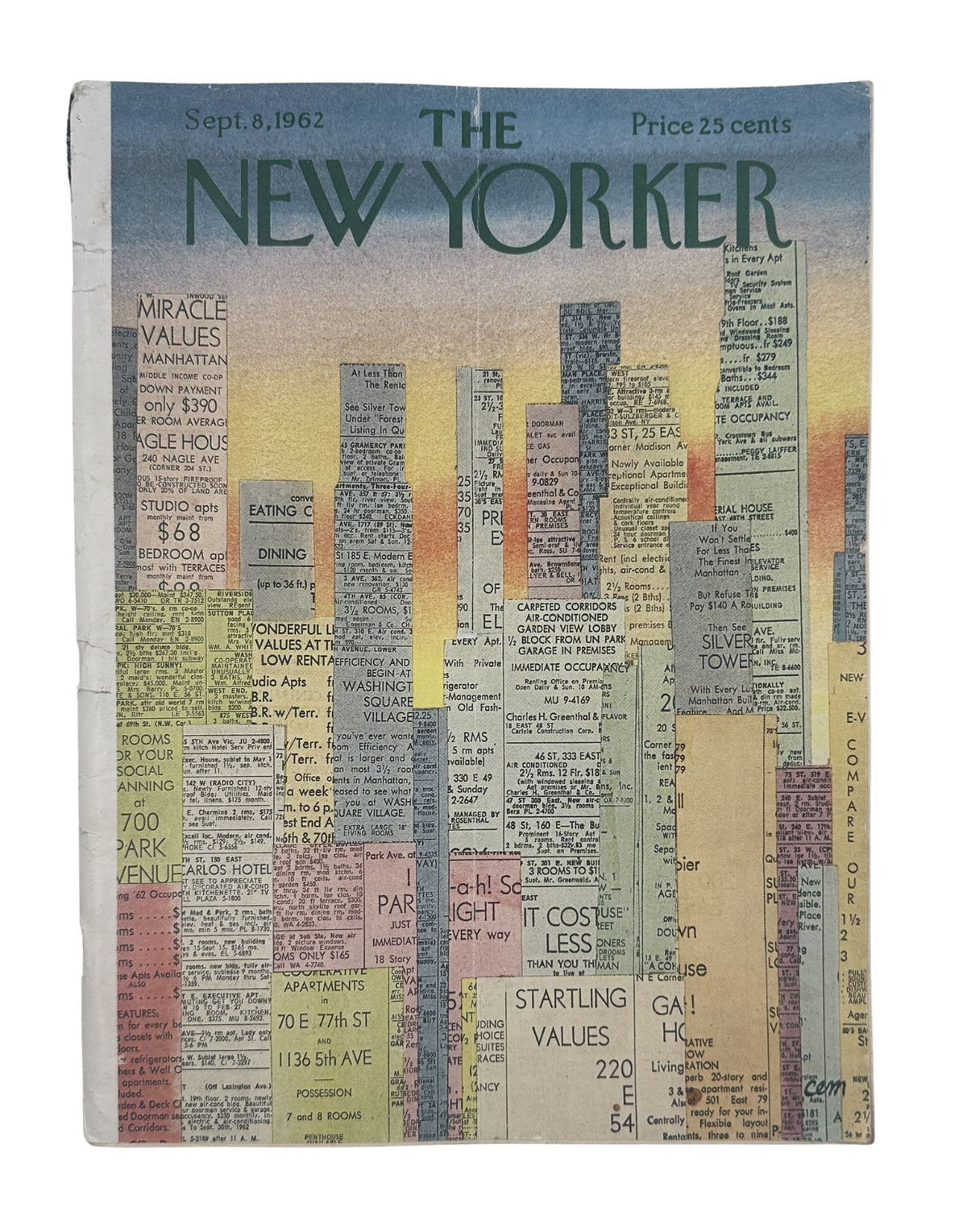
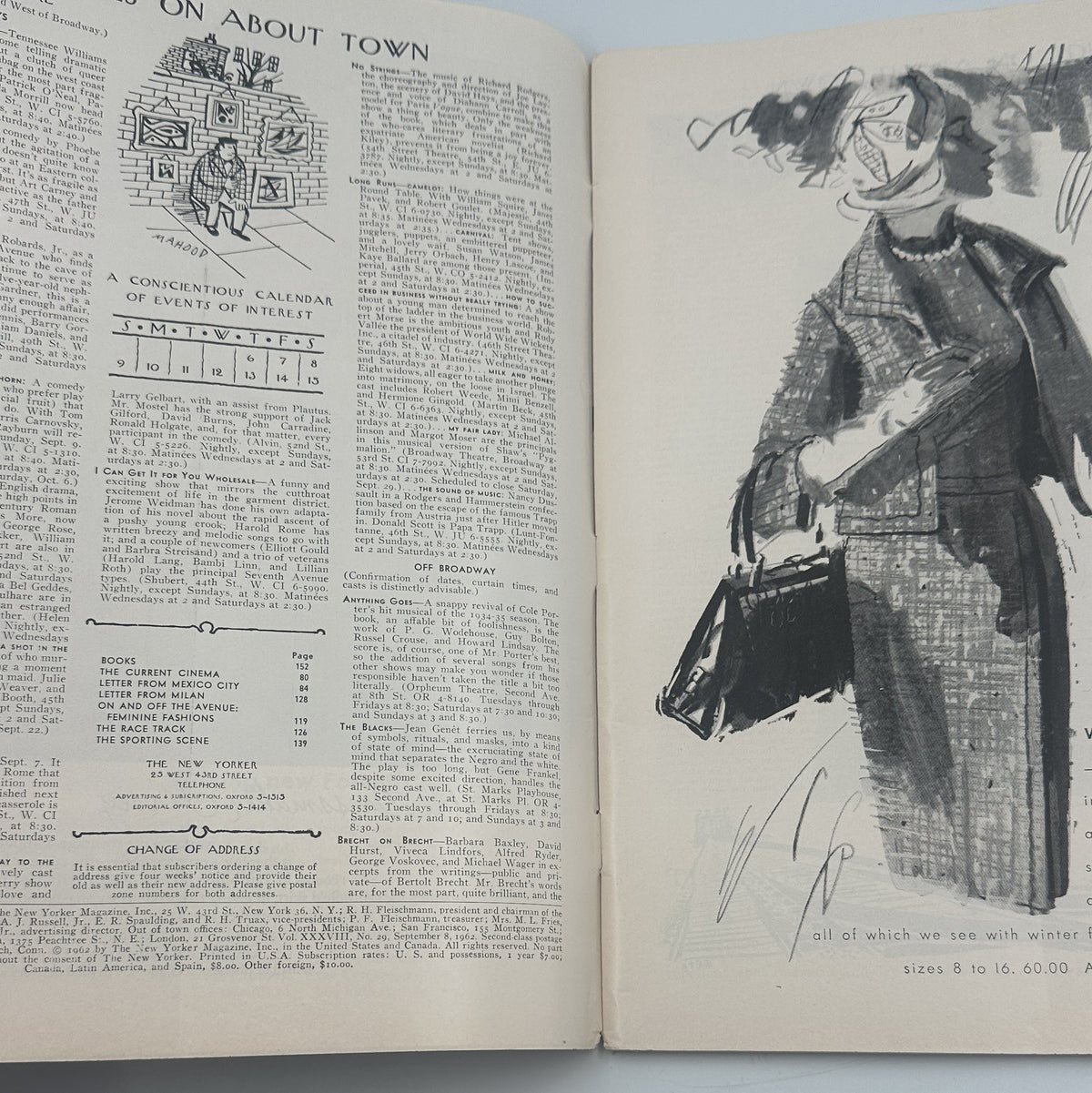
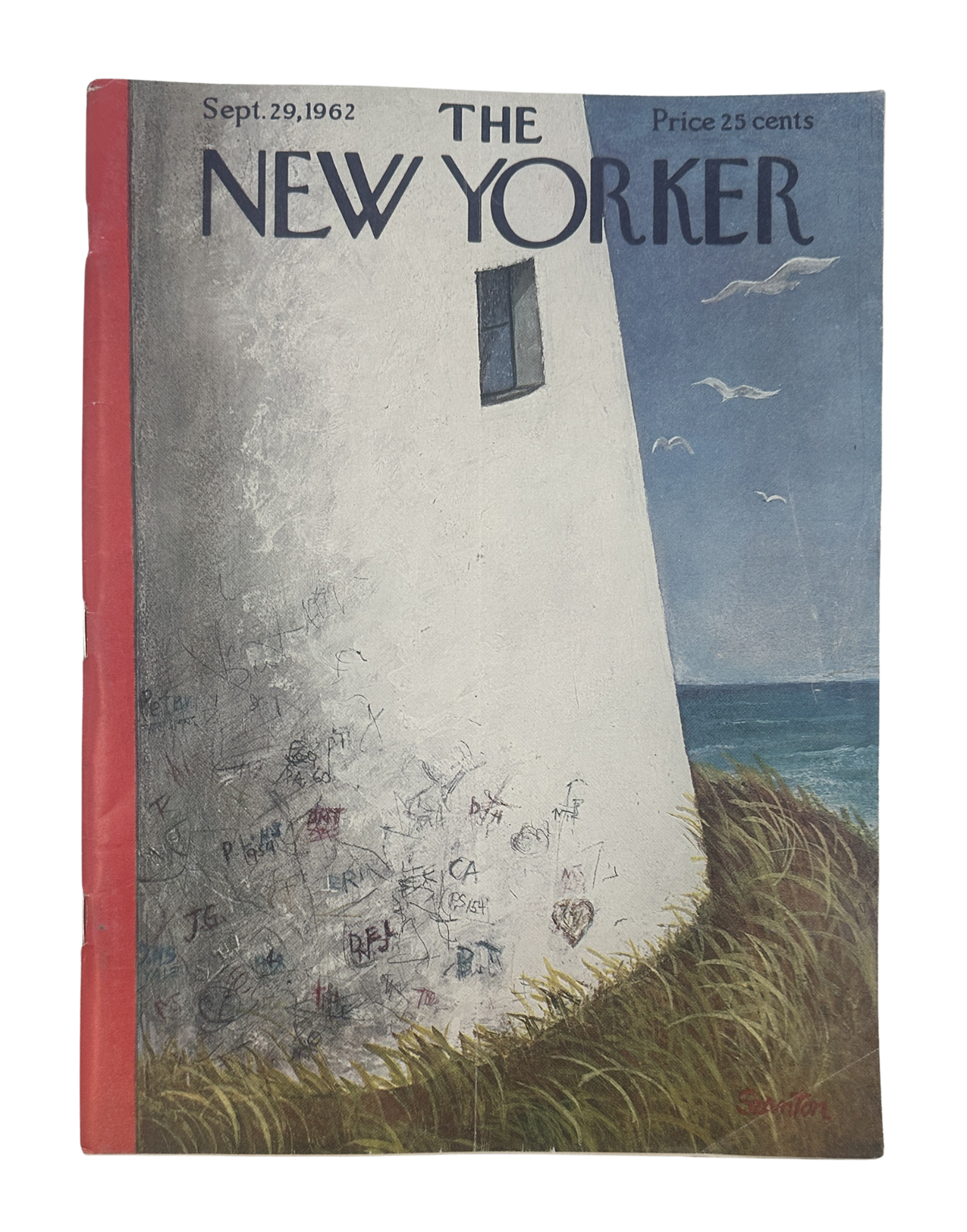
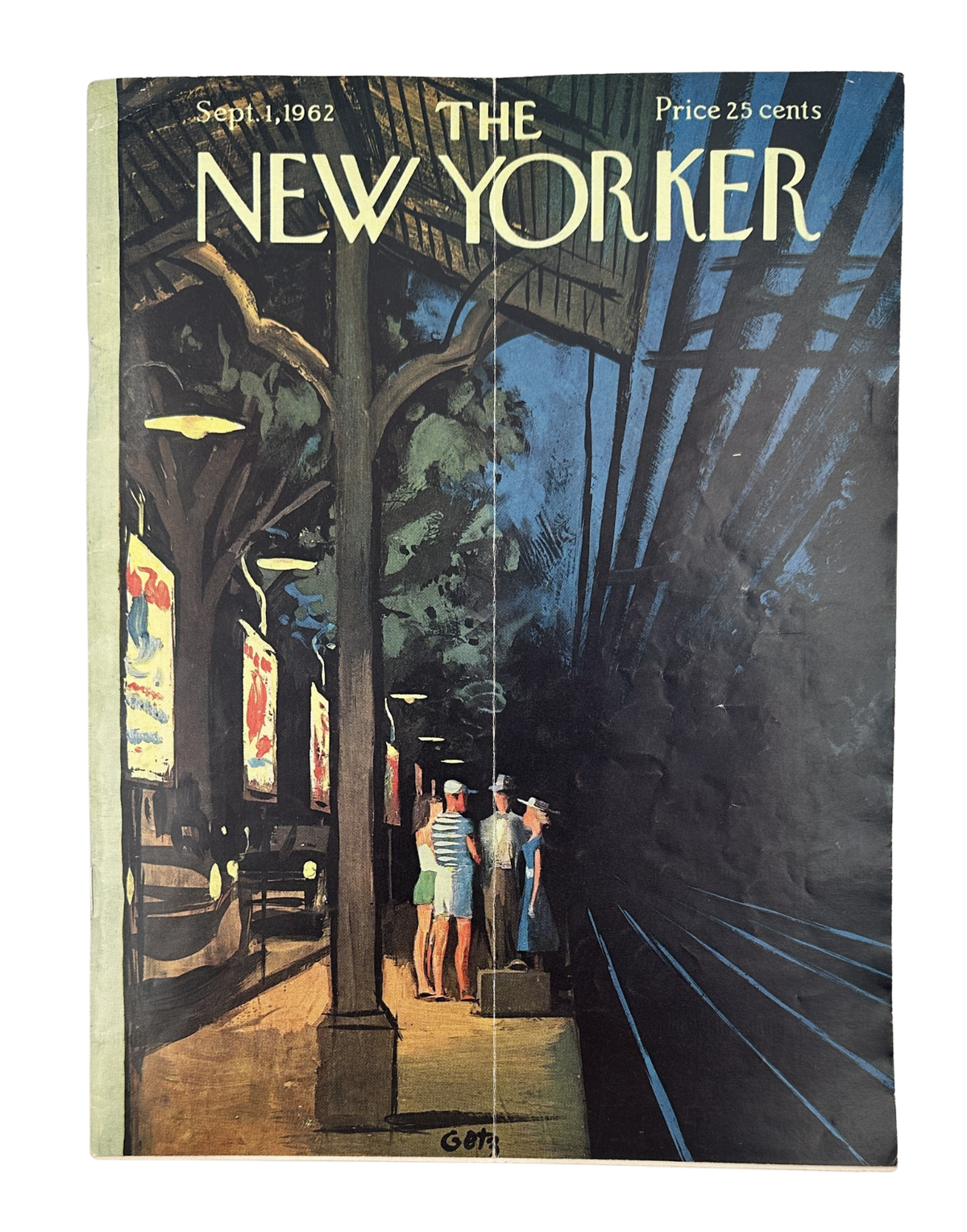
For someone born in September 1962, an original magazine from this pivotal month isn't just a nostalgic keepsake—it's a genuine time capsule from the moment America confronted its conscience, preserved in the authentic headlines, advertisements, and photography that documented a nation choosing between its past and future.