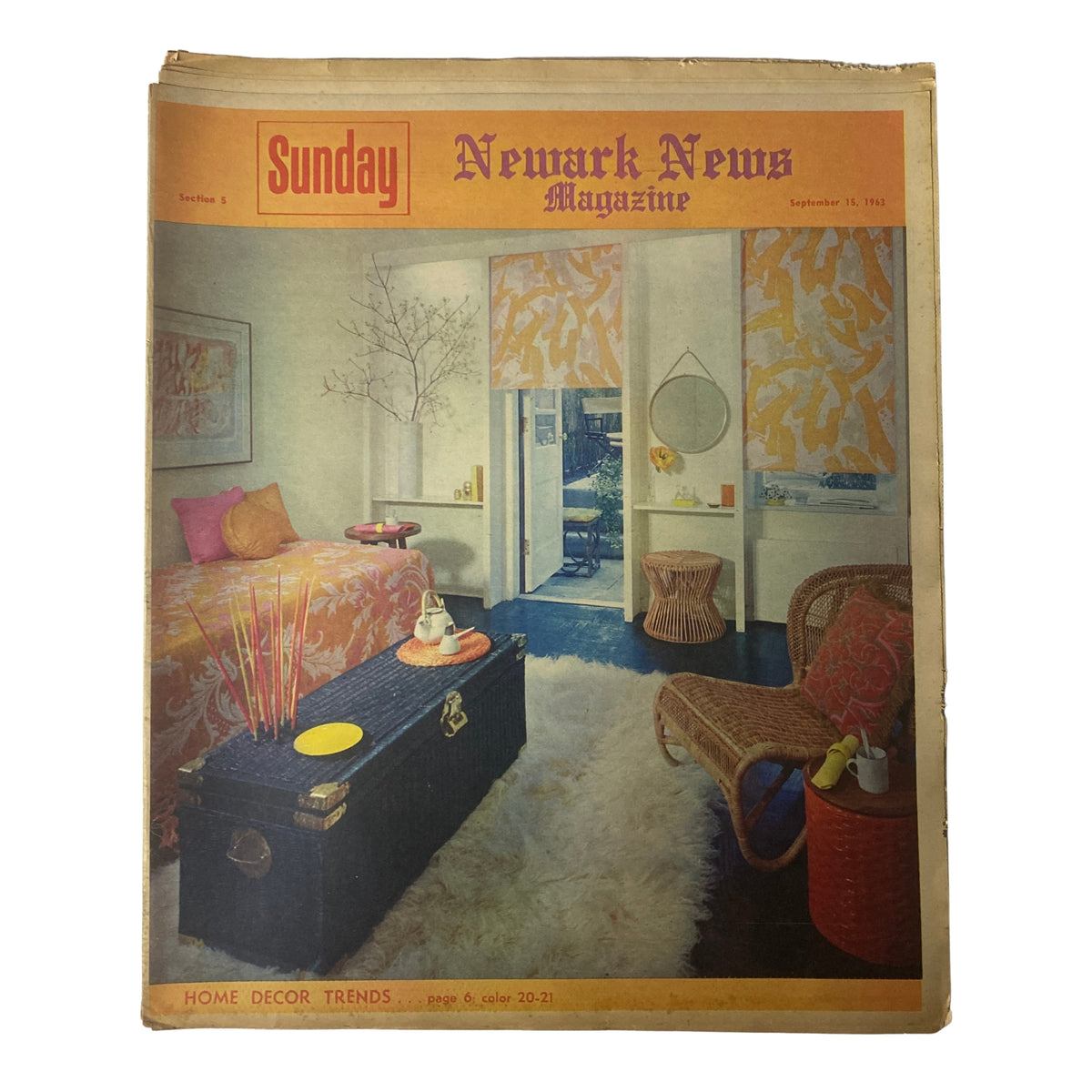
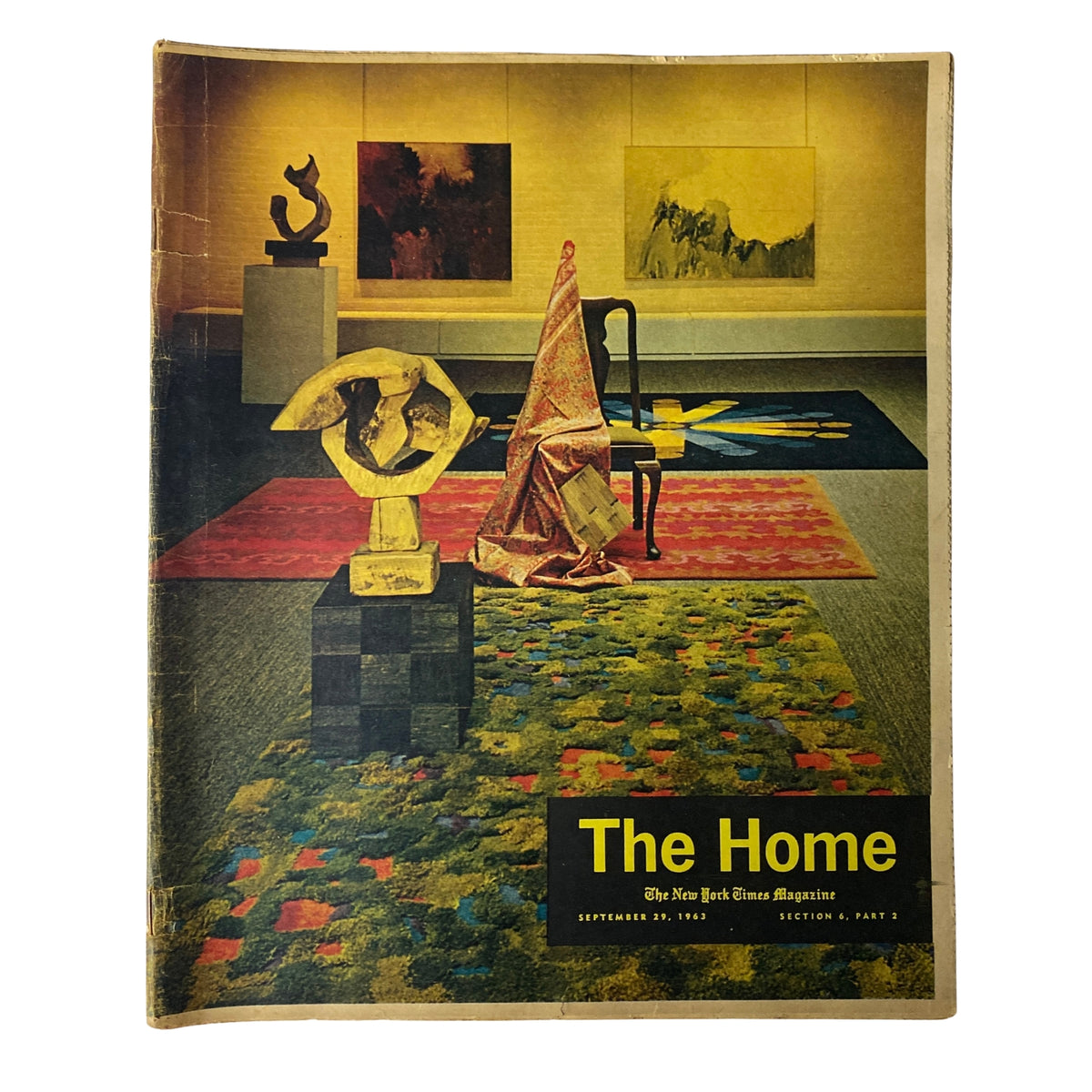
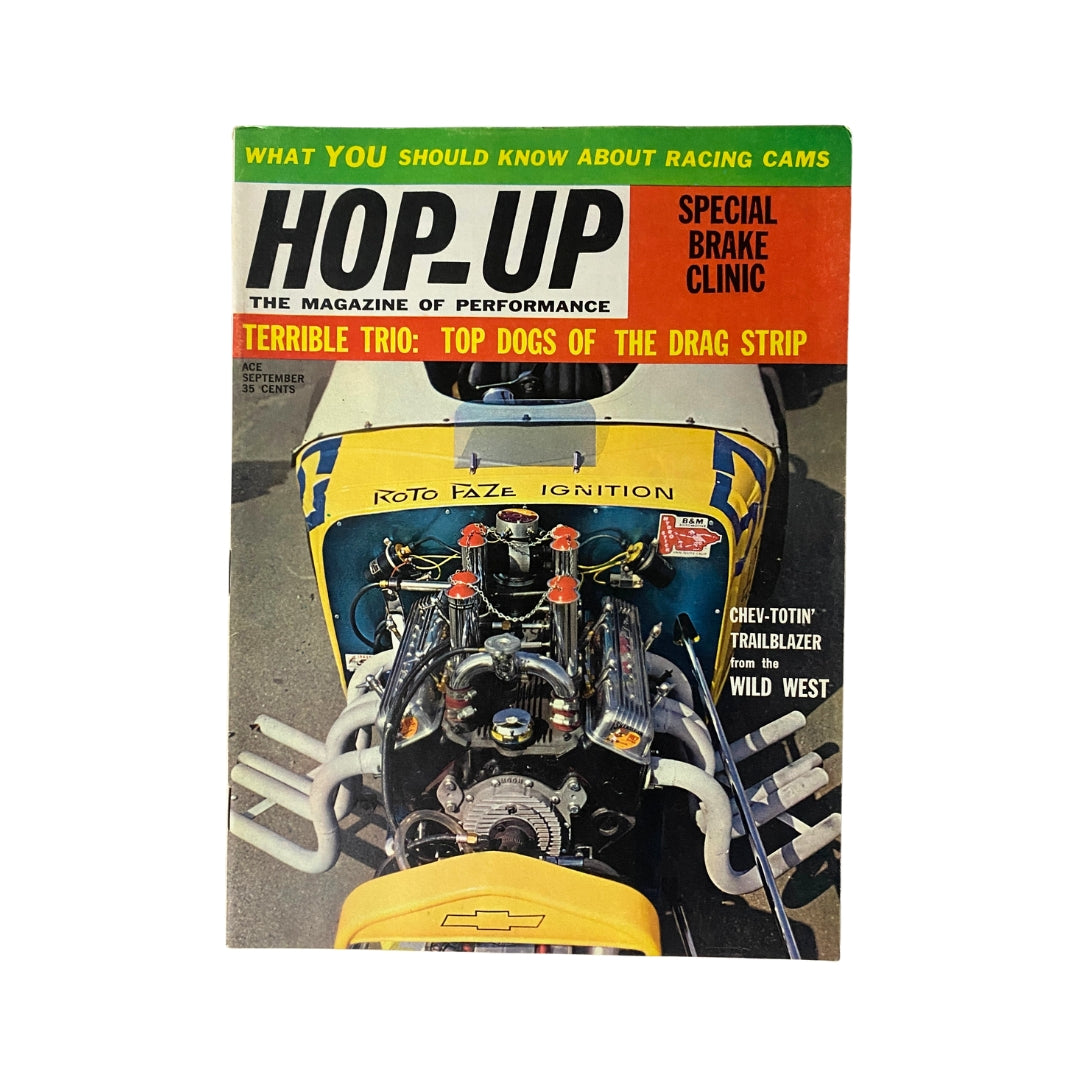
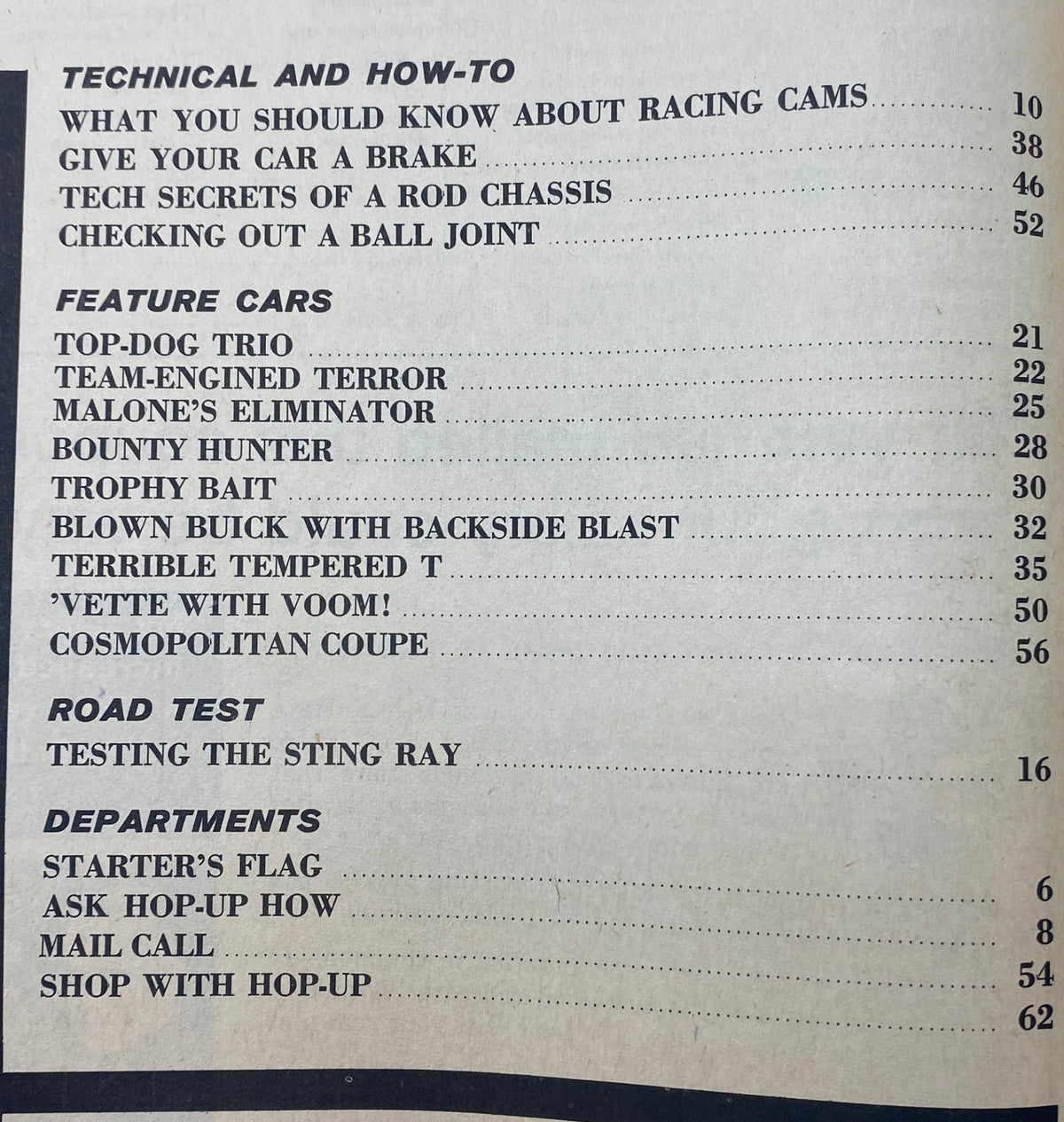
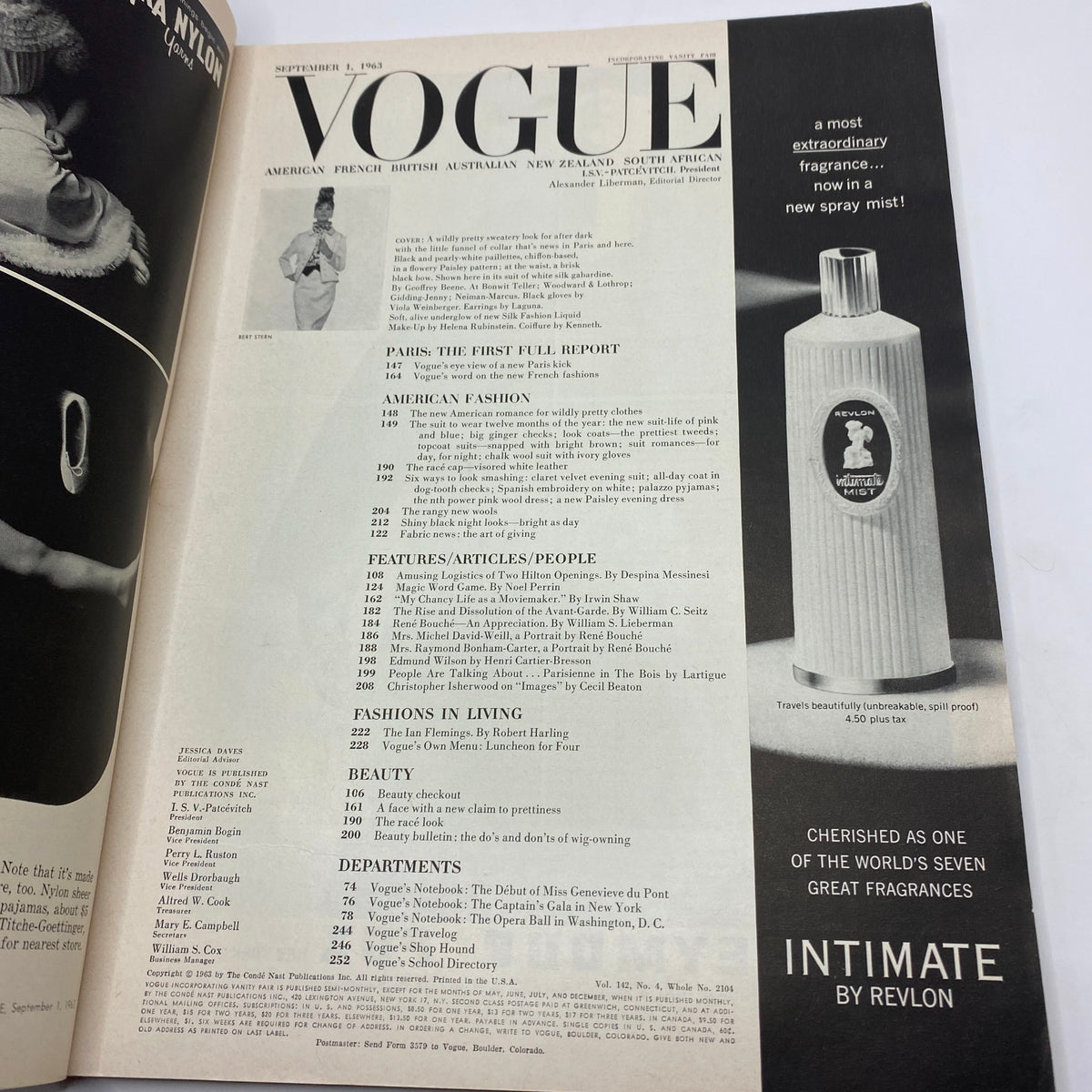
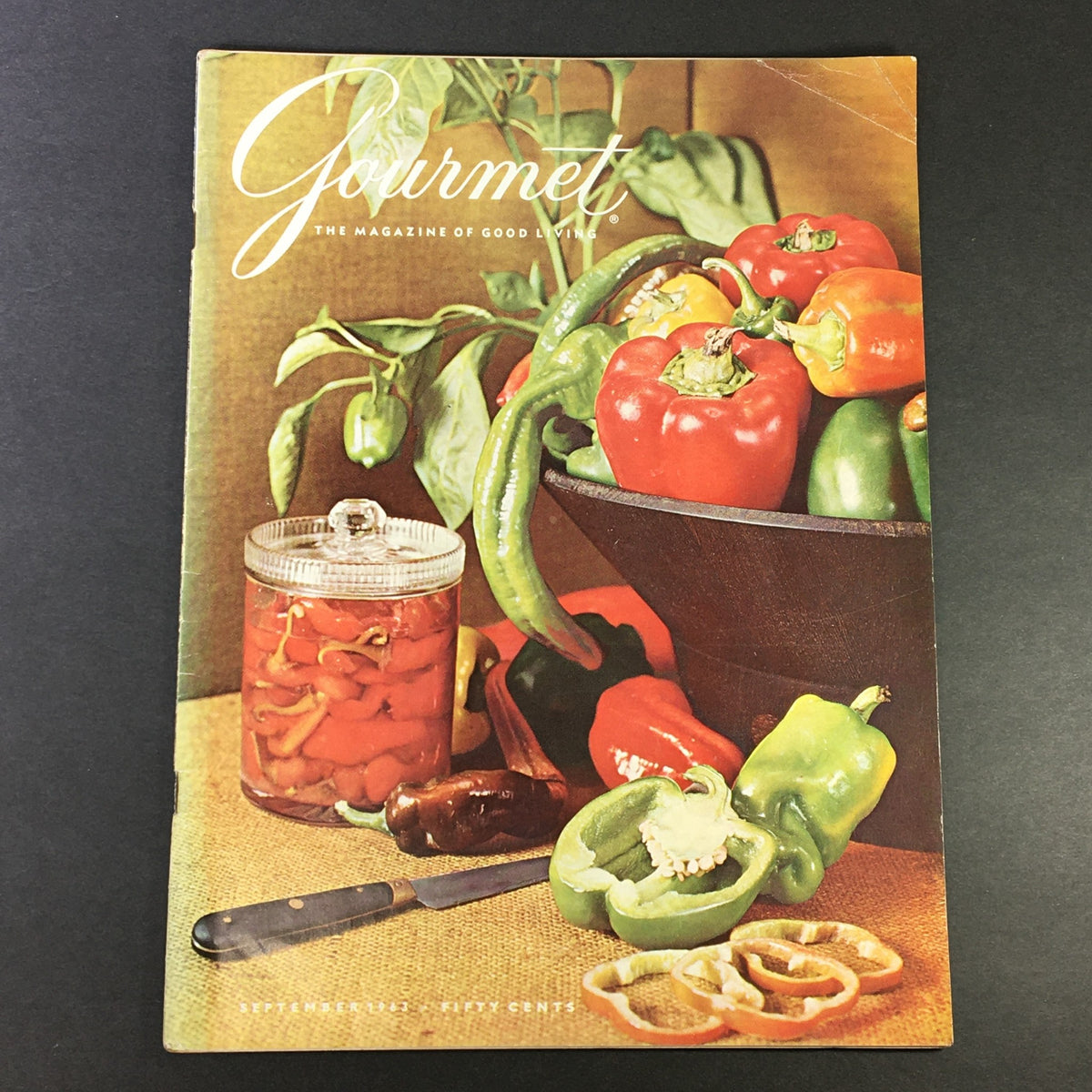
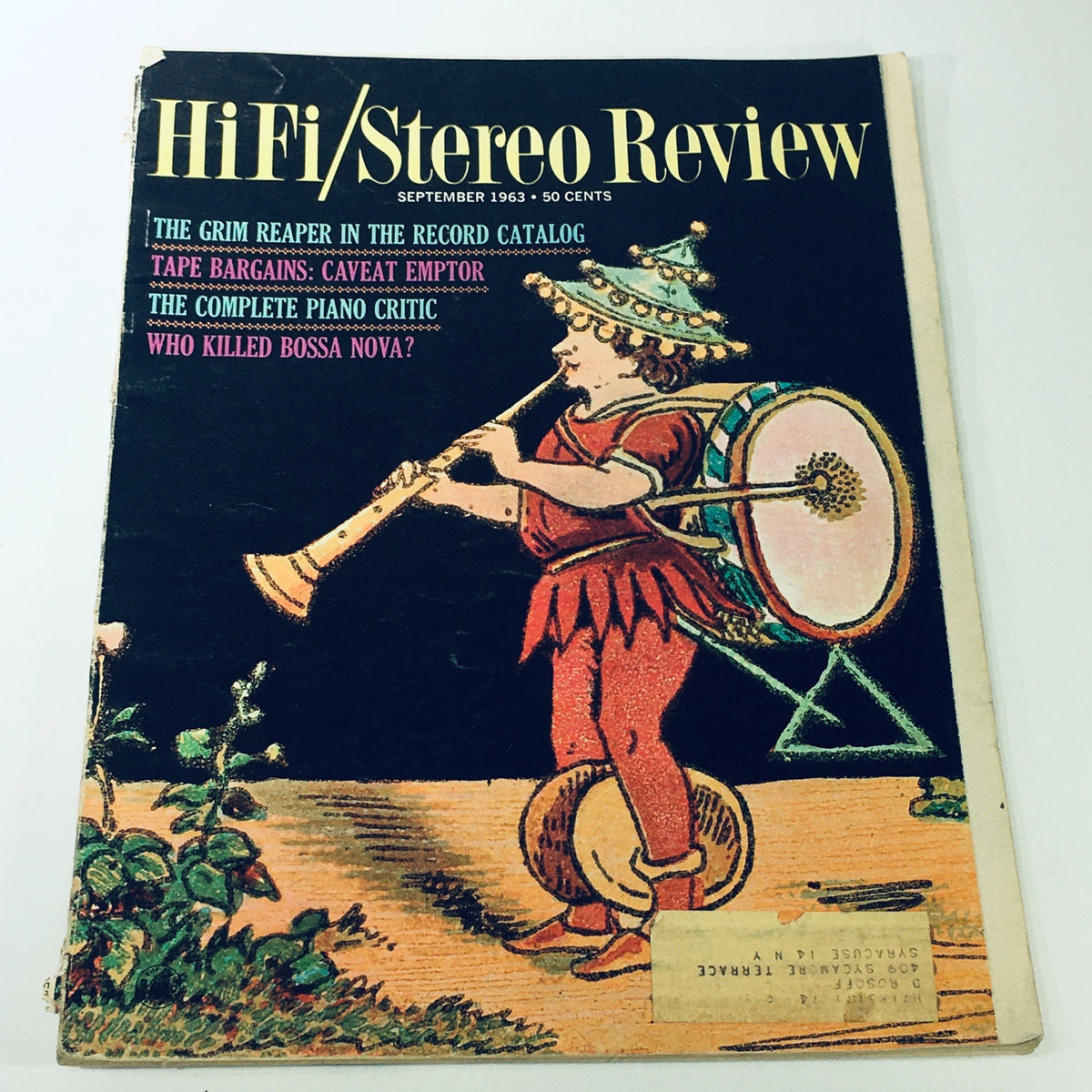
📖 About this Collection
September 1963: The Month America's Conscience Stirred
The Historical Context
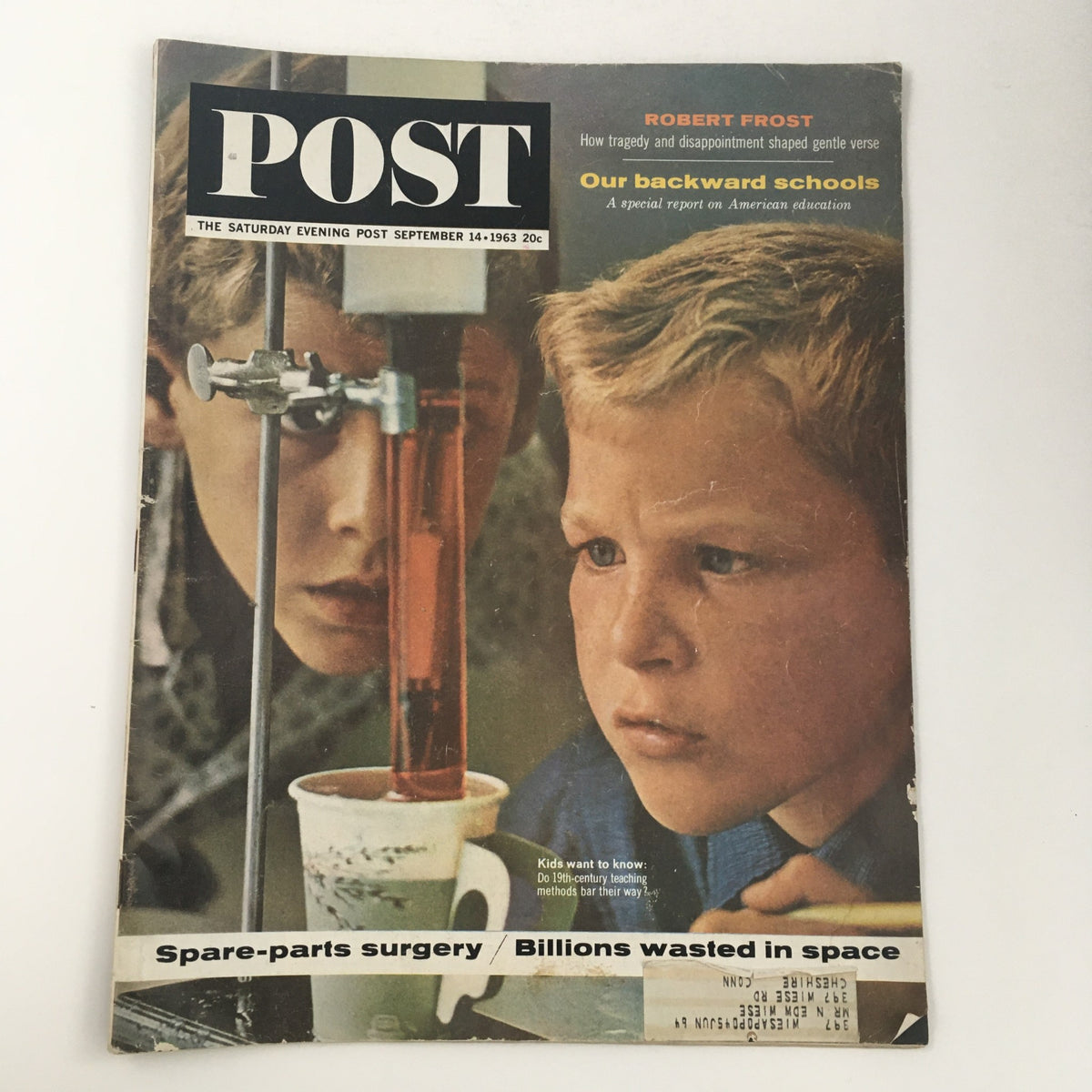
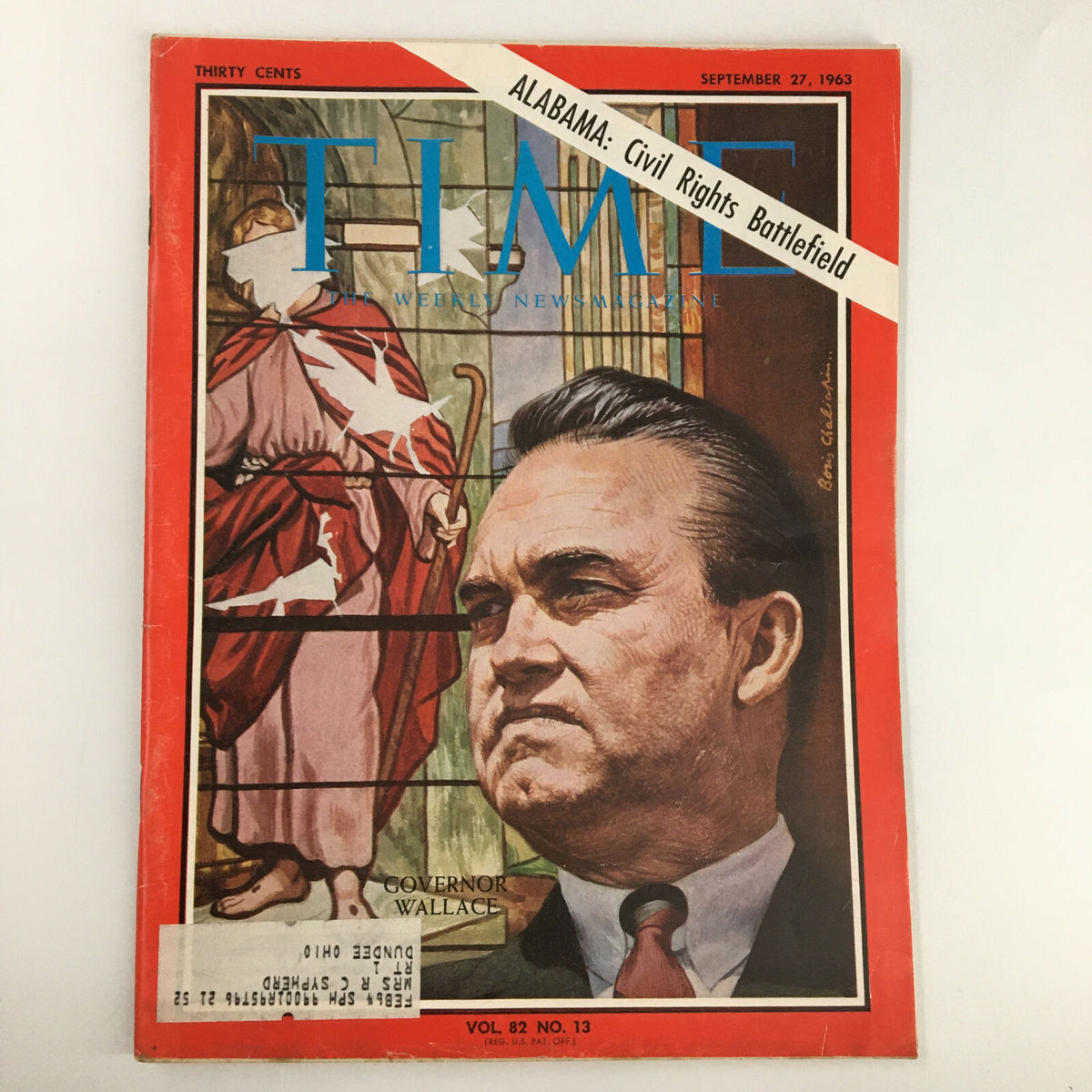
The air crackled with tension across America as September 1963 opened. On September 15, Birmingham, Alabama became forever scarred when a church bombing killed four African-American girls, a tragedy that shocked the nation's conscience and accelerated the civil rights movement toward its inevitable reckoning. Governor George Wallace continued his defiant stand against integration, physically preventing Black students from entering Tuskegee High School on September 2 and white schools throughout the state until federal injunctions forced compliance on September 9, finally allowing twenty Black students to enter Alabama public schools. Against this backdrop of domestic turmoil, President Kennedy proposed a joint US-Soviet voyage to the Moon on September 20, extending an olive branch toward cooperation even as both nations ratified a nuclear test ban treaty on September 24, offering hope for peaceful coexistence. This was the world your loved one entered—a nation wrestling with its soul while reaching for the stars, every conflict and aspiration preserved in the pages of the era's magazines.
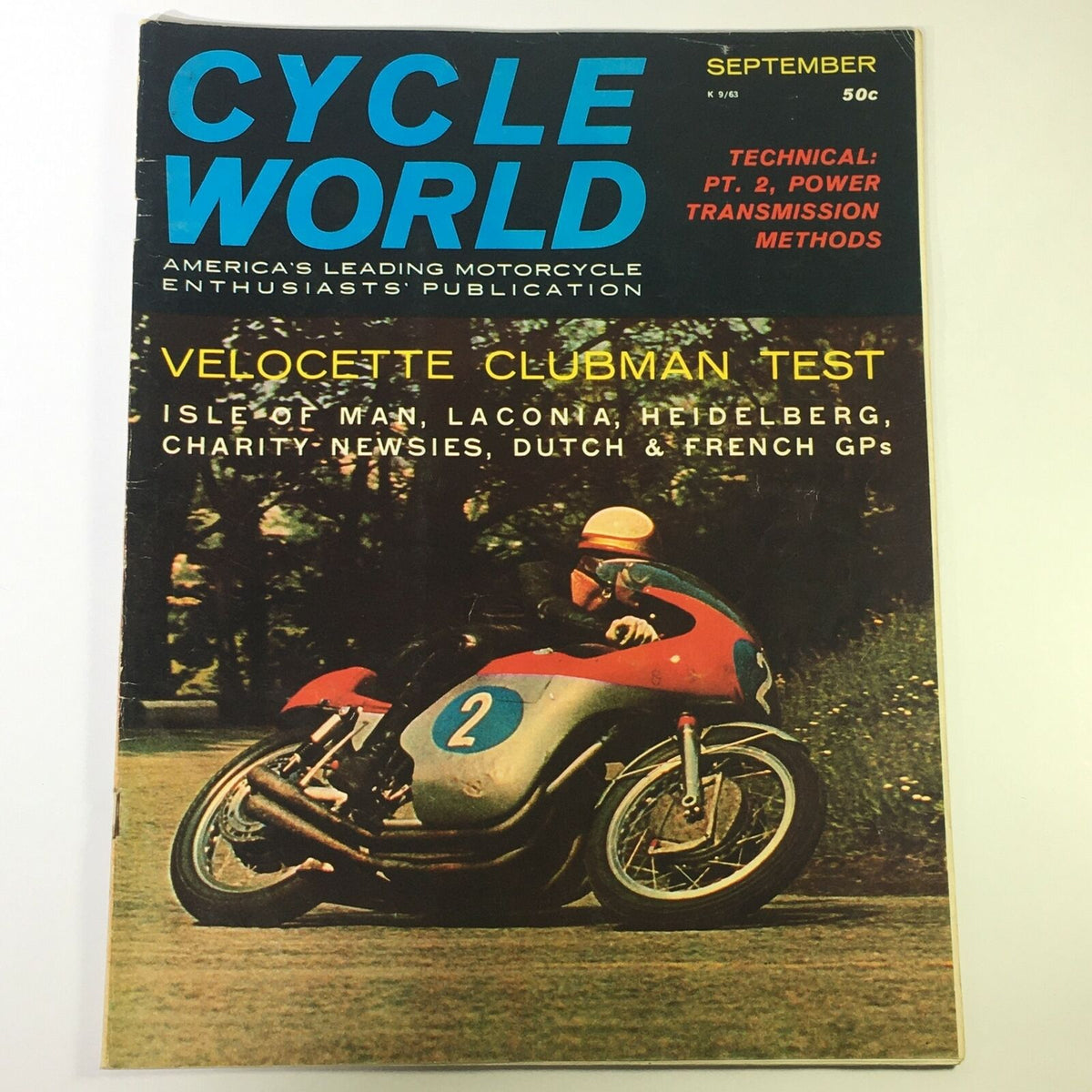
Entertainment provided essential escape during these troubled times. CBS premiered The Judy Garland Show on September 29, bringing the beloved actress and singer's talent to living rooms nationwide, while My Favorite Martian and Tennessee Tuxedo and His Tales debuted the same week, offering lighthearted fare. Movie theaters showcased Tom Jones, which premiered at the Venice Film Festival and would later claim the Best Picture Oscar. The Beatles made their mark at The Great Prop Prom at Royal Albert Hall on September 15, with The Rolling Stones opening—both groups on the cusp of transforming popular music forever. In sports, Scottish driver Jim Clark claimed his first F1 World Championship at Monza on September 8, while baseball legend Stan Musial celebrated his final game with Stan Musial Day in St. Louis on September 29, connecting his 3,630th career hit to a grandfather's emotional farewell. These cultural moments appear throughout original magazines from September 1963, their advertisements and photo spreads capturing an America seeking normalcy amid unprecedented change.
What You'll Find in Vintage Magazines from September 1963
-
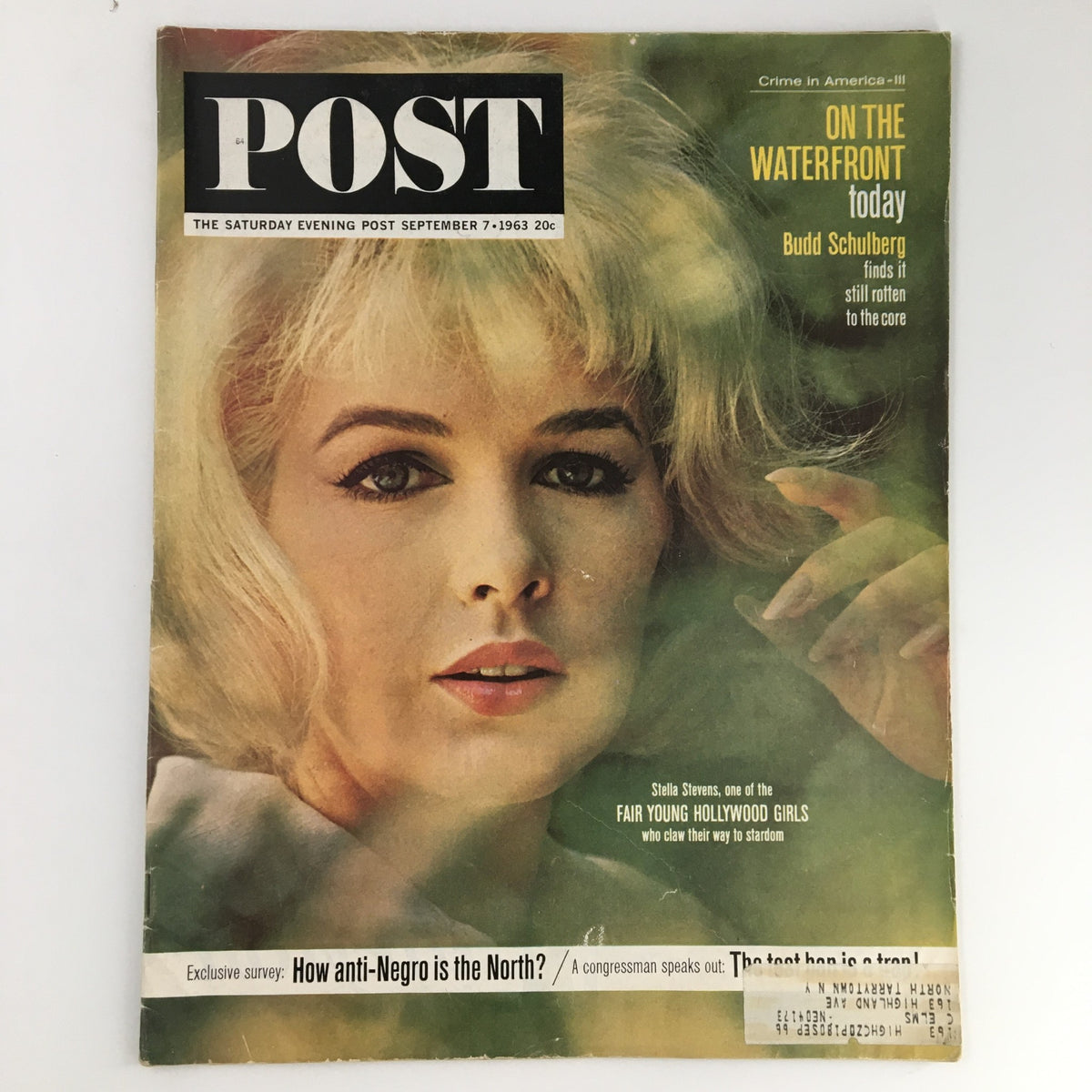
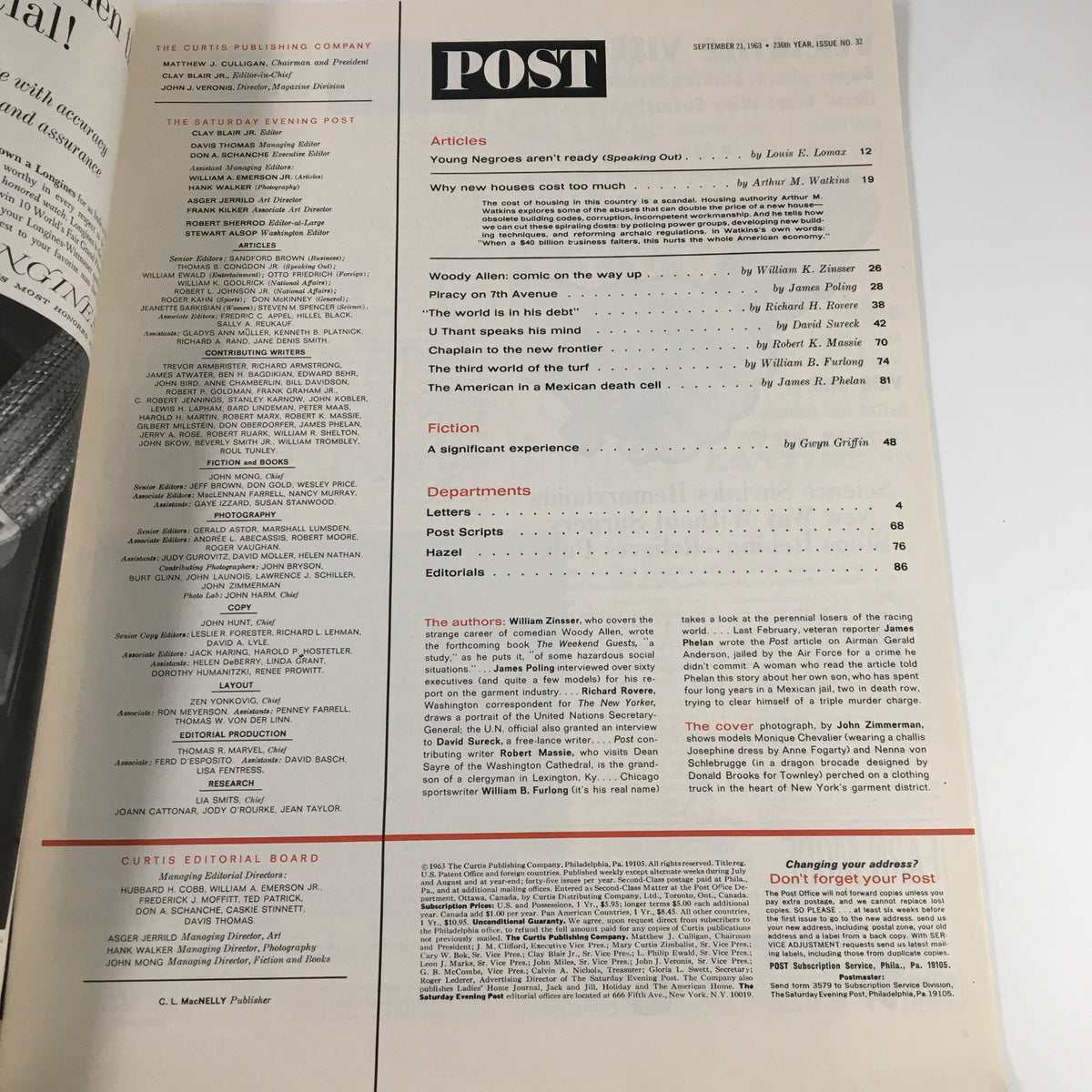
The Birmingham Church Bombing: News magazines like Life, Time, and Newsweek featuring devastating photography from September 15, illustrated with coverage of the four young victims and the civil rights struggle, often paired with commentary on Wallace's defiance.
-
Kennedy's Moon Proposal: Issues of Time and major news weeklies showcasing JFK's September 20 speech proposing joint US-Soviet lunar exploration, chronicling Cold War diplomacy alongside the nuclear test ban treaty ratification visible in political coverage and editorials.
-
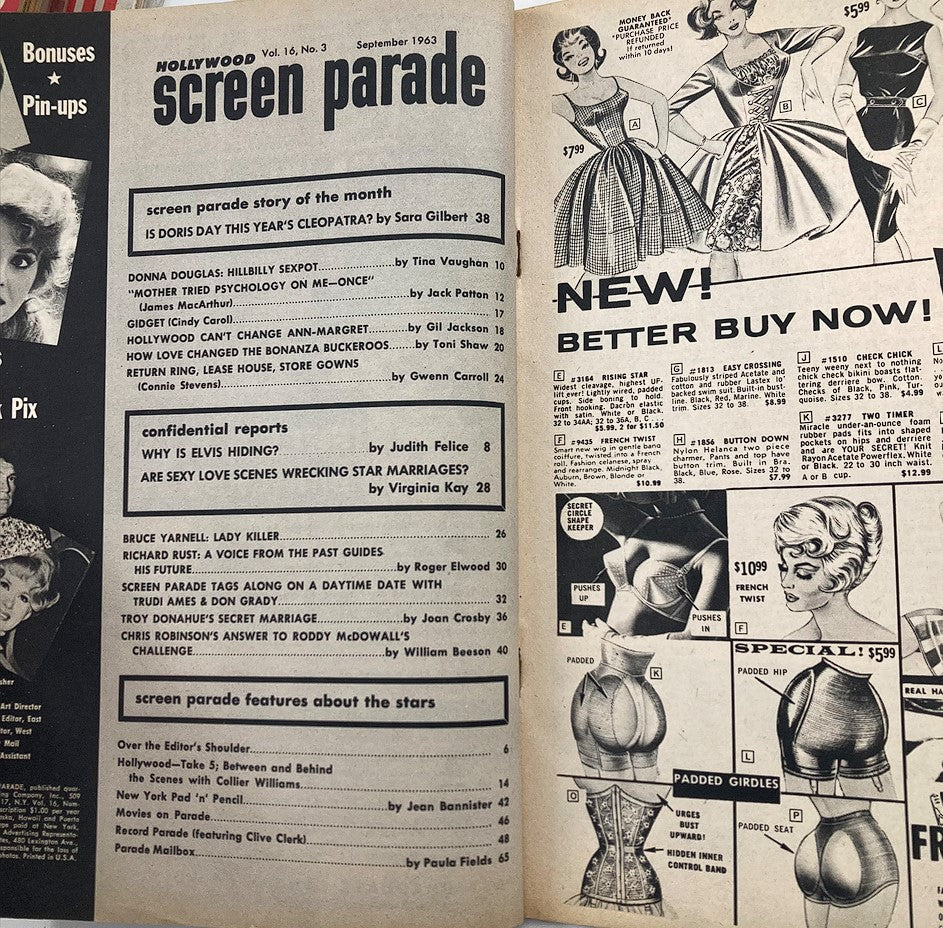
Television's Fall Debuts: Entertainment magazines and TV Guide featuring premiere announcements for The Judy Garland Show, My Favorite Martian, and The Fugitive starring David Janssen, often accompanied by behind-the-scenes photographs and cast interviews that dominated September's pop culture coverage.
-
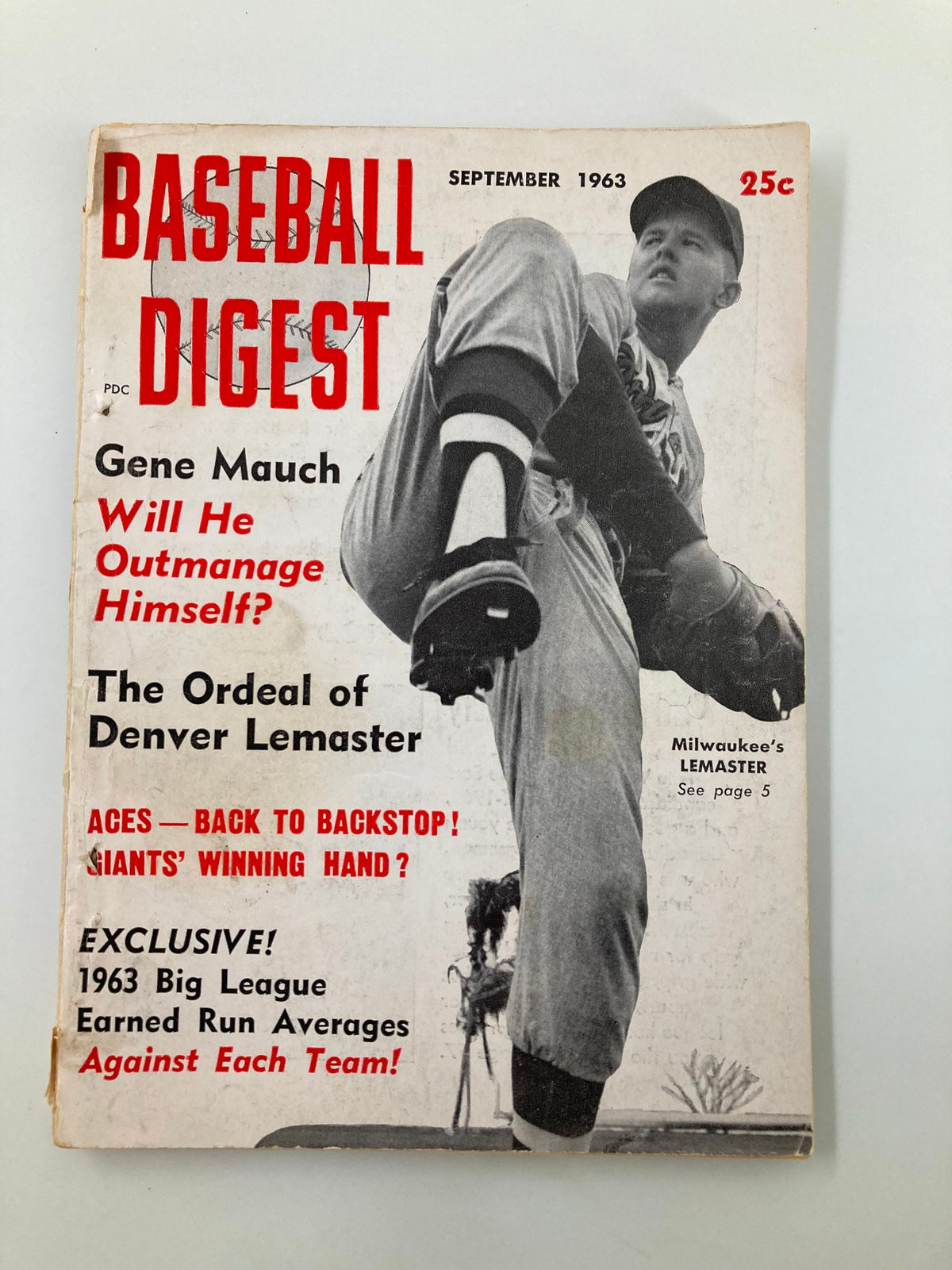
Sports Milestones: Sports Illustrated and sports sections of rare and vintage magazines documenting Stan Musial's farewell on September 29, Jim Clark's championship victory at Monza, and Maria Bueno's US Open triumph, showcasing athletic heroes through action photography.
-
The Beatles' British Breakthrough: Music and entertainment publications chronicling The Beatles' September 15 Royal Albert Hall performance and Murray The K's first American radio play of "She Loves You" on September 28, featuring early promotional images before Beatlemania fully exploded.
The Perfect Gift
For someone born in September 1963, an original magazine from this pivotal month isn't just a birthday gift—it's an authenticated time capsule to the exact moment America confronted its deepest moral crisis while reaching toward unprecedented possibility, preserved in genuine advertisements, headlines, and photographs that museums simply cannot replicate.