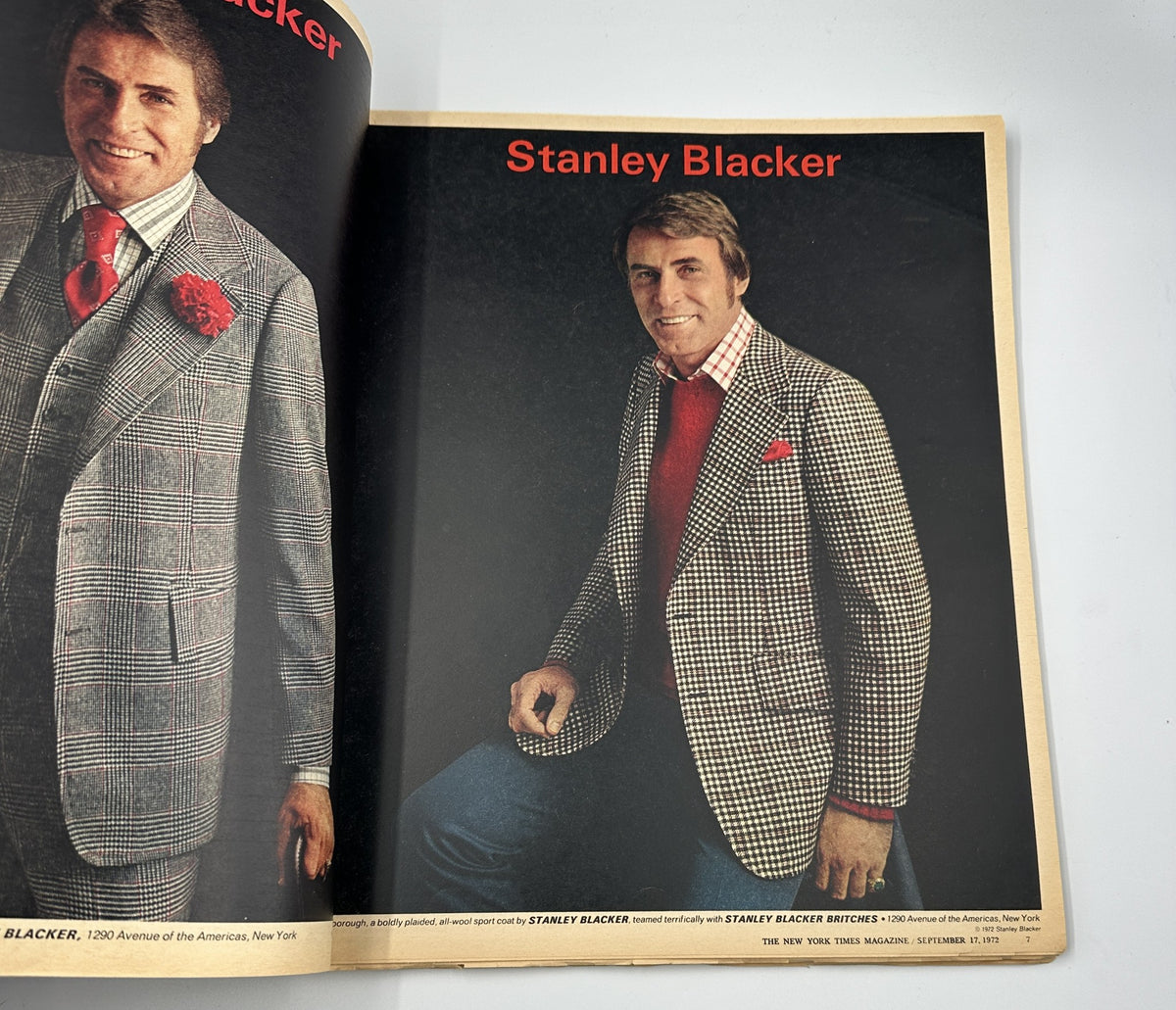
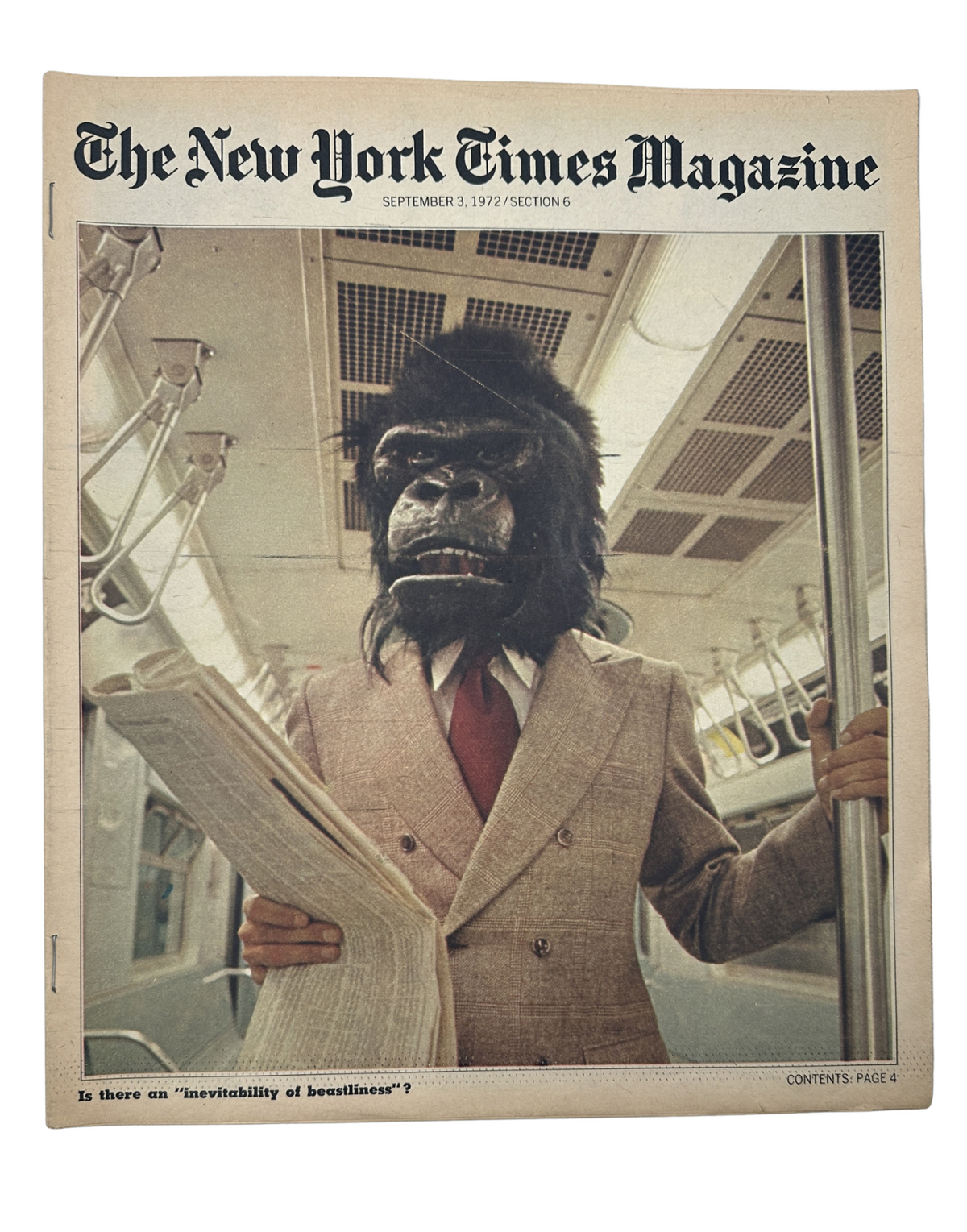
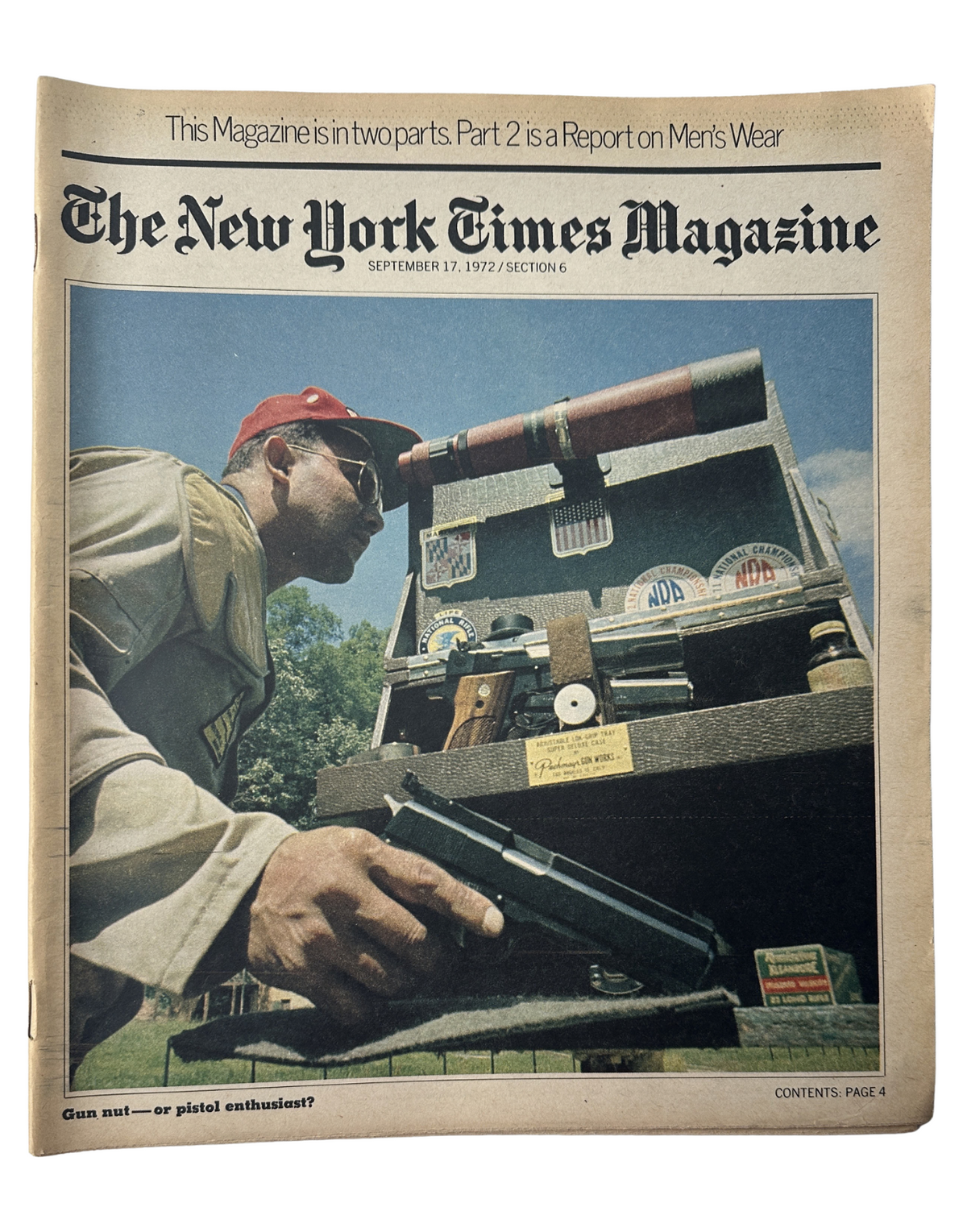
📖 About this Collection
September 1972: The Month When History Stopped and Started Again
The Historical Context
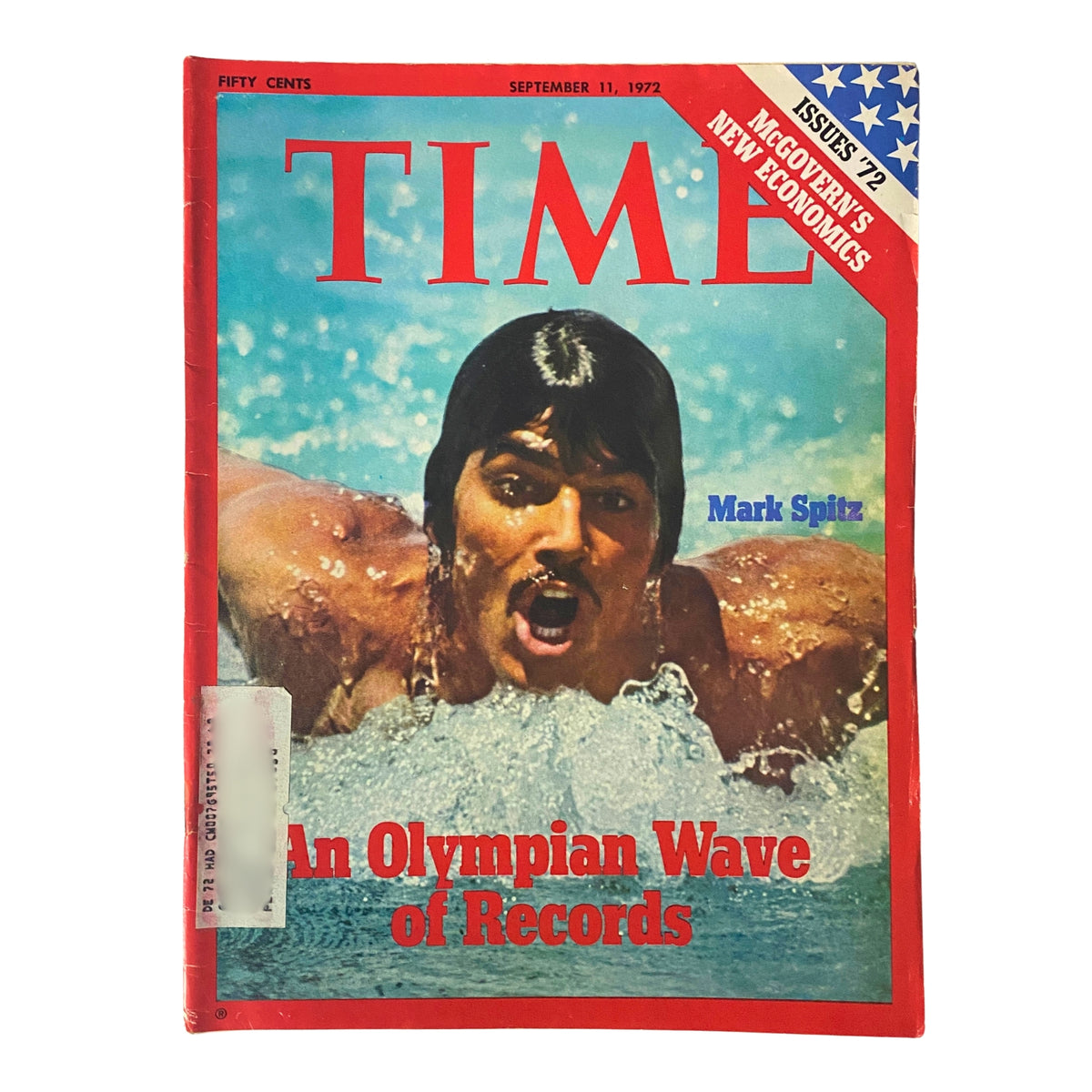
The world held its breath in September 1972. The Munich Olympics, intended as a celebration of athletic achievement and international unity, became the stage for one of the most devastating terrorist attacks in modern history when Palestinian militants from Black September took eleven Israeli athletes hostage on September 5th, ultimately killing all of them. The Games resumed after a memorial service, but the innocence of the Olympic movement—and perhaps the optimism of the early 1970s itself—had been shattered. Against this tragedy, the world witnessed Mark Spitz's unprecedented seven gold medals, a controversial basketball final where the Soviet Union defeated the United States after the final three seconds were replayed three times, and Bobby Fischer becoming the first American chess champion by defeating Boris Spassky in Iceland. For someone born in September 1972, they entered a world grappling with the collision between idealistic internationalism and geopolitical violence, where even sports could not remain apolitical.
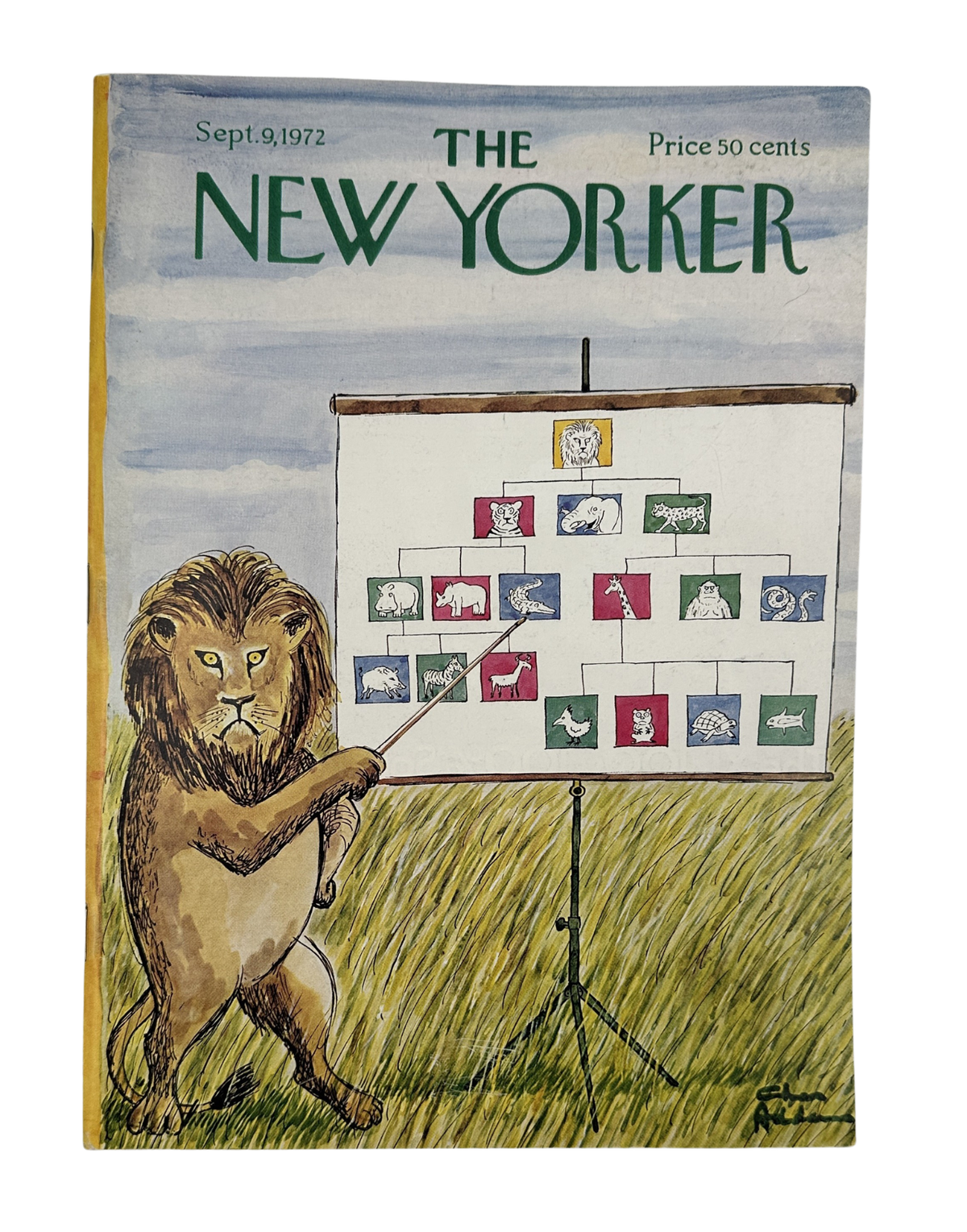
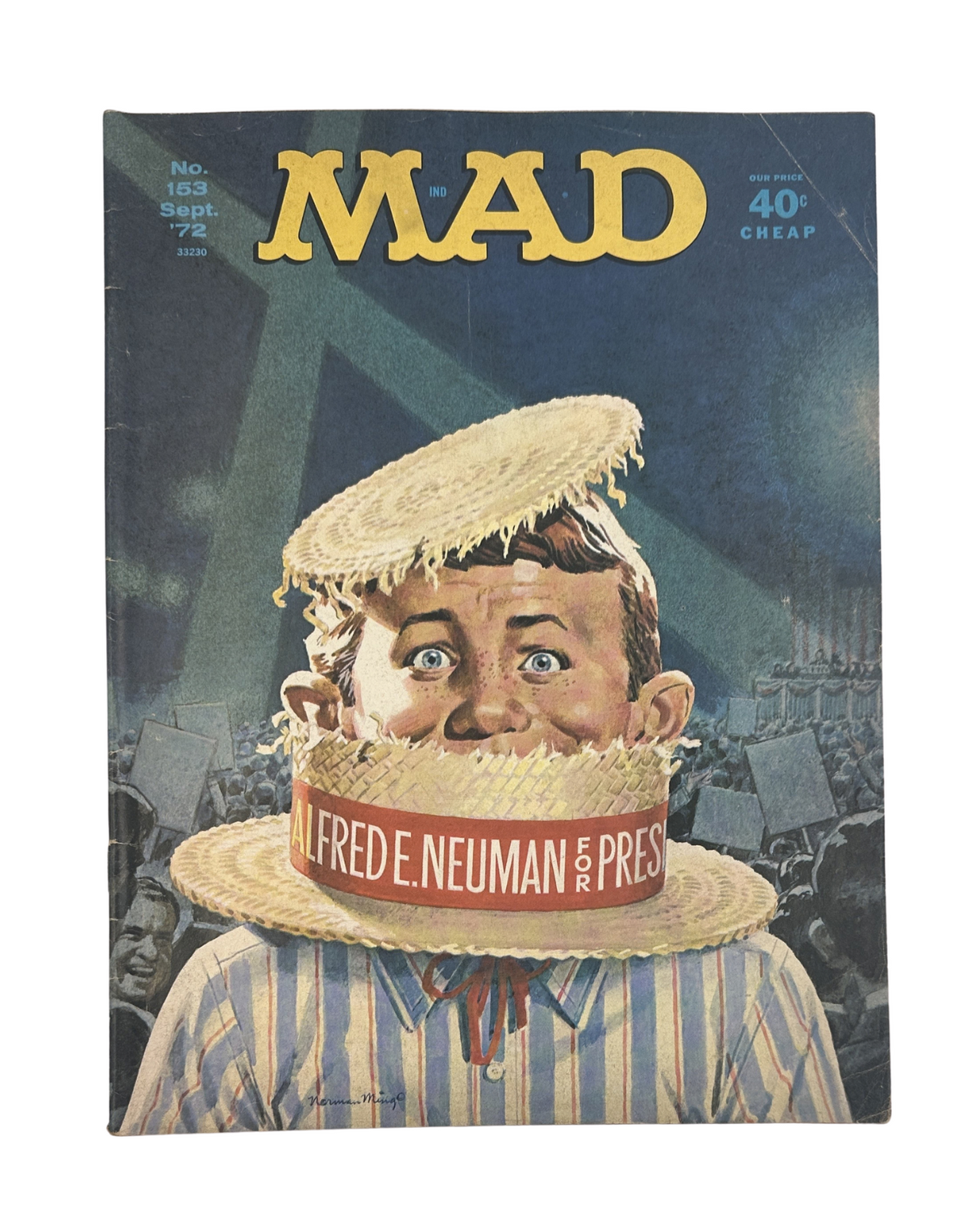
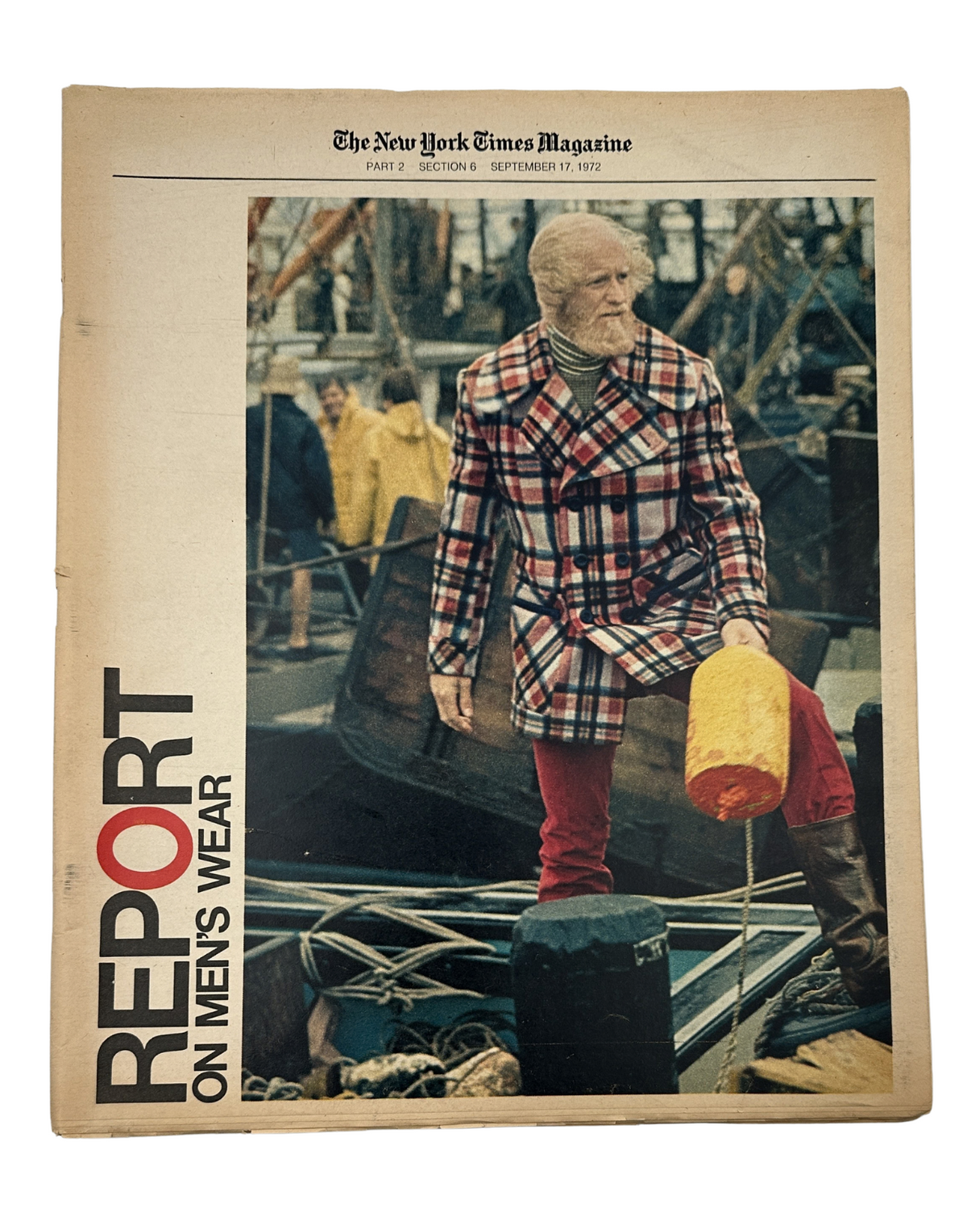
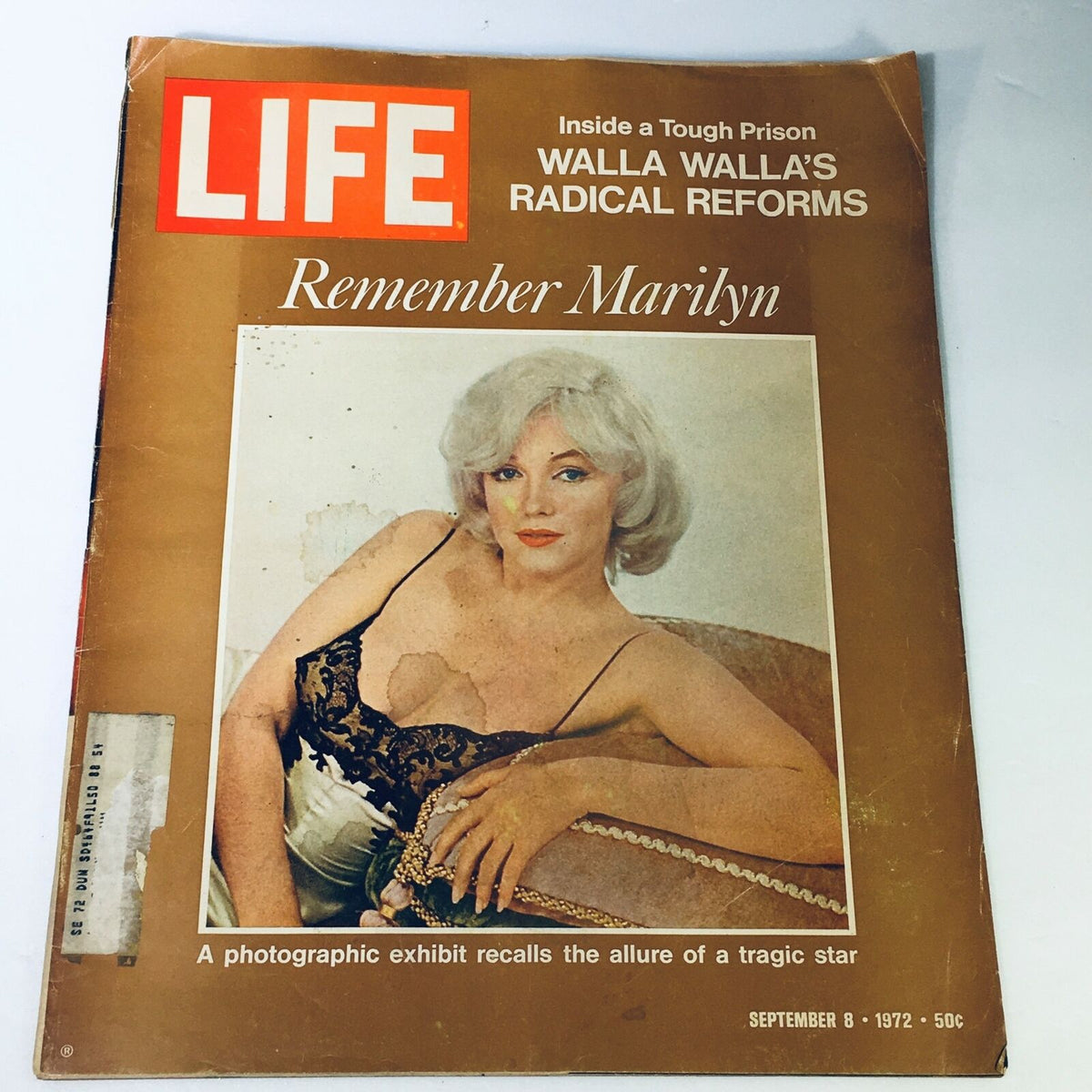
Television offered both escape and reflection that month. MAS*H premiered on September 17th, using the Korean War as a lens to process America's ongoing trauma over Vietnam—a sitcom that would run eleven years and earn fourteen Emmy Awards. The Waltons debuted on September 14th, offering Depression-era comfort food to a nation yearning for simpler times. The Bob Newhart Show brought sophisticated urban comedy to CBS on September 16th, while Maude, the groundbreaking spin-off from All in the Family starring Bea Arthur, tackled social issues with unprecedented directness starting September 12th. The Price is Right launched on September 4th, beginning what would become American television's longest-running game show. In music, Rod Stewart hit number one in the UK with "You Wear It Well" on September 2nd, while John Lennon and Yoko Ono released their political album "Sometime in NYC" on September 15th. Sports Illustrated, Time, Life, and Newsweek—all original magazines from September 1972—captured these Olympic triumphs and tragedies through powerful photography and reporting that no digital archive can replicate, while TV Guide chronicled this remarkable month of television premieres.
What to Look for in Vintage Magazines from September 1972
-
Munich Olympics Coverage: Life, Sports Illustrated, and Look featuring dramatic photography of Mark Spitz's record seven golds, the American basketball team's controversial loss, and the haunting memorial service following the Black September massacre—imagery that defined the Games' duality of triumph and tragedy.
-
Bobby Fischer's Chess Victory: Time and Newsweek chronicling America's first world chess champion defeating Soviet grandmaster Boris Spassky in Iceland, complete with Cold War analysis and Fischer's eccentric genius—a rare moment when chess dominated mainstream rare magazines.
-
Fall Television Premieres: TV Guide showcasing first listings for MAS*H, The Waltons, Maude, and The Bob Newhart Show, often with cast interviews and premiere-week advertisements that reveal how these now-classic series were originally marketed to skeptical audiences.
-
Ferdinand Marcos Declares Martial Law: September 21st issues of newsweeklies featuring initial reports on the Philippines dictator's emergency declaration, with original analysis of Southeast Asian politics that provides context modern summaries cannot—preserved in the authentic news format of the era.
-
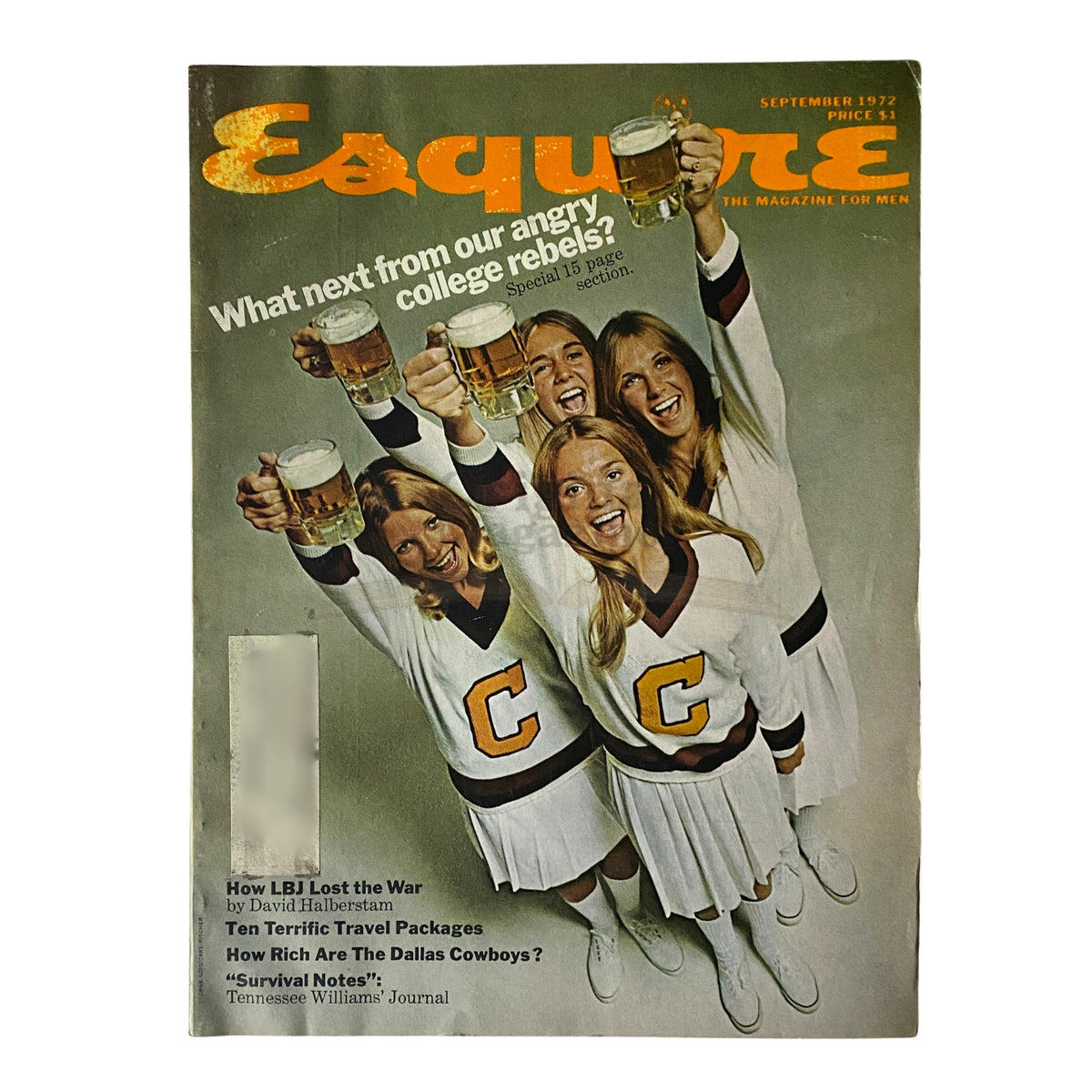
Olympic Advertising: Vogue, Esquire, and Harper's Bazaar from this month showcasing athletic-inspired fashion trends, sports equipment ads capitalizing on Olympic fever, and the intersection of international competition with consumer culture—visual time capsules of how brands leveraged the Games before the tragedy altered the narrative.
The Perfect Gift
For someone born in September 1972, an original magazine from this unforgettable month isn't just memorabilia—it's authenticated witness to when the world's greatest celebration confronted its darkest hour, preserved in genuine headlines, photography, and advertisements that capture both Olympic glory and the end of sporting innocence.