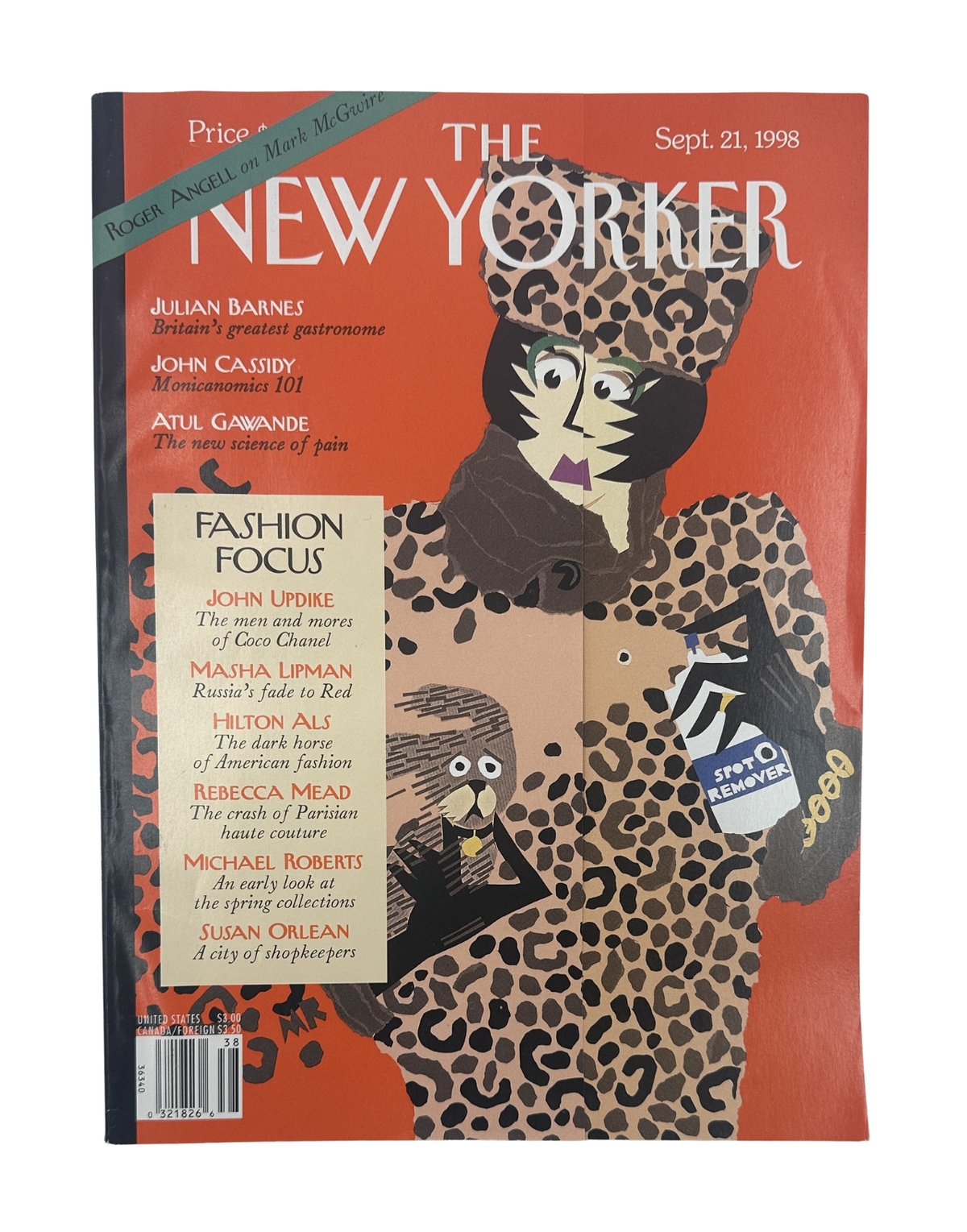
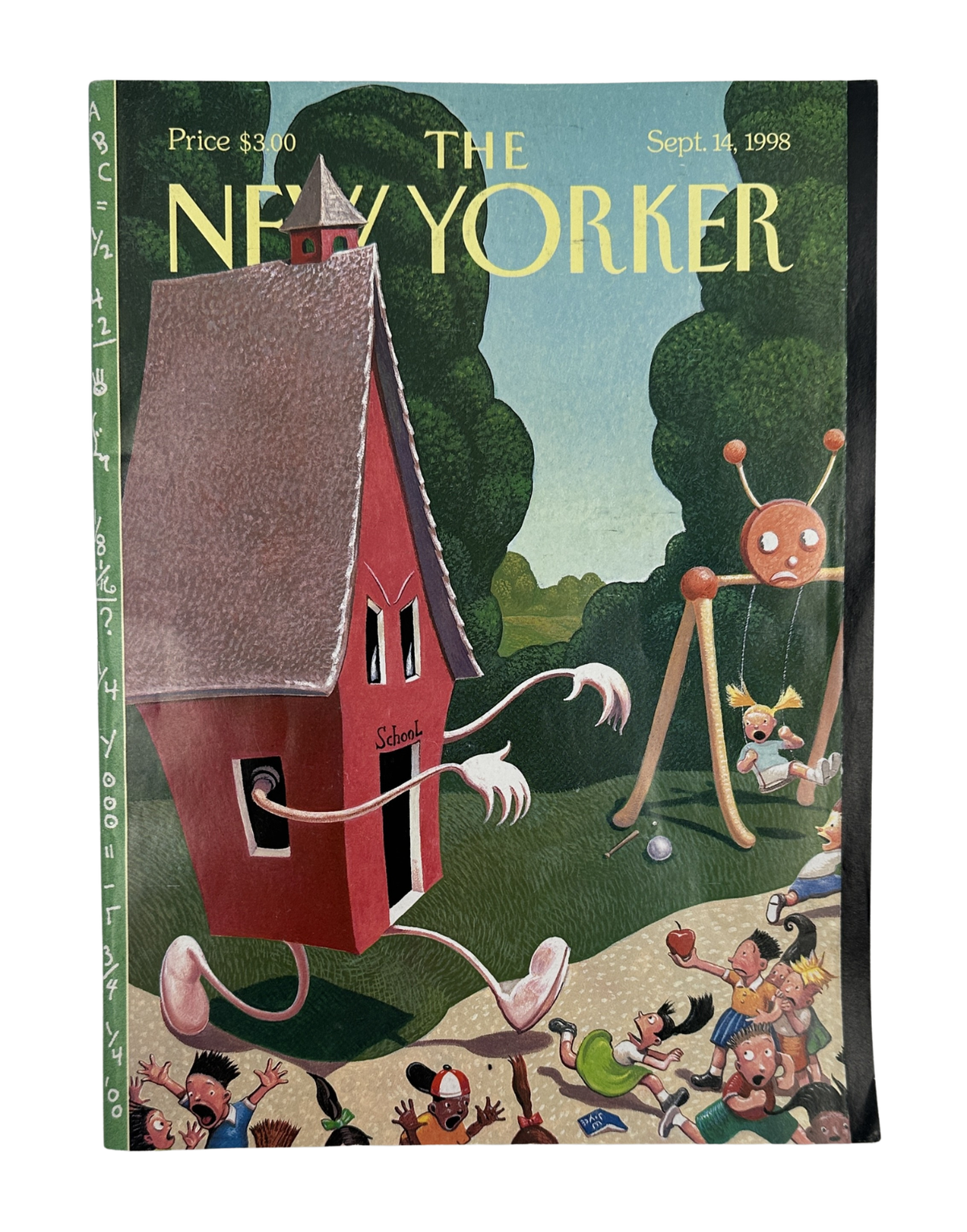
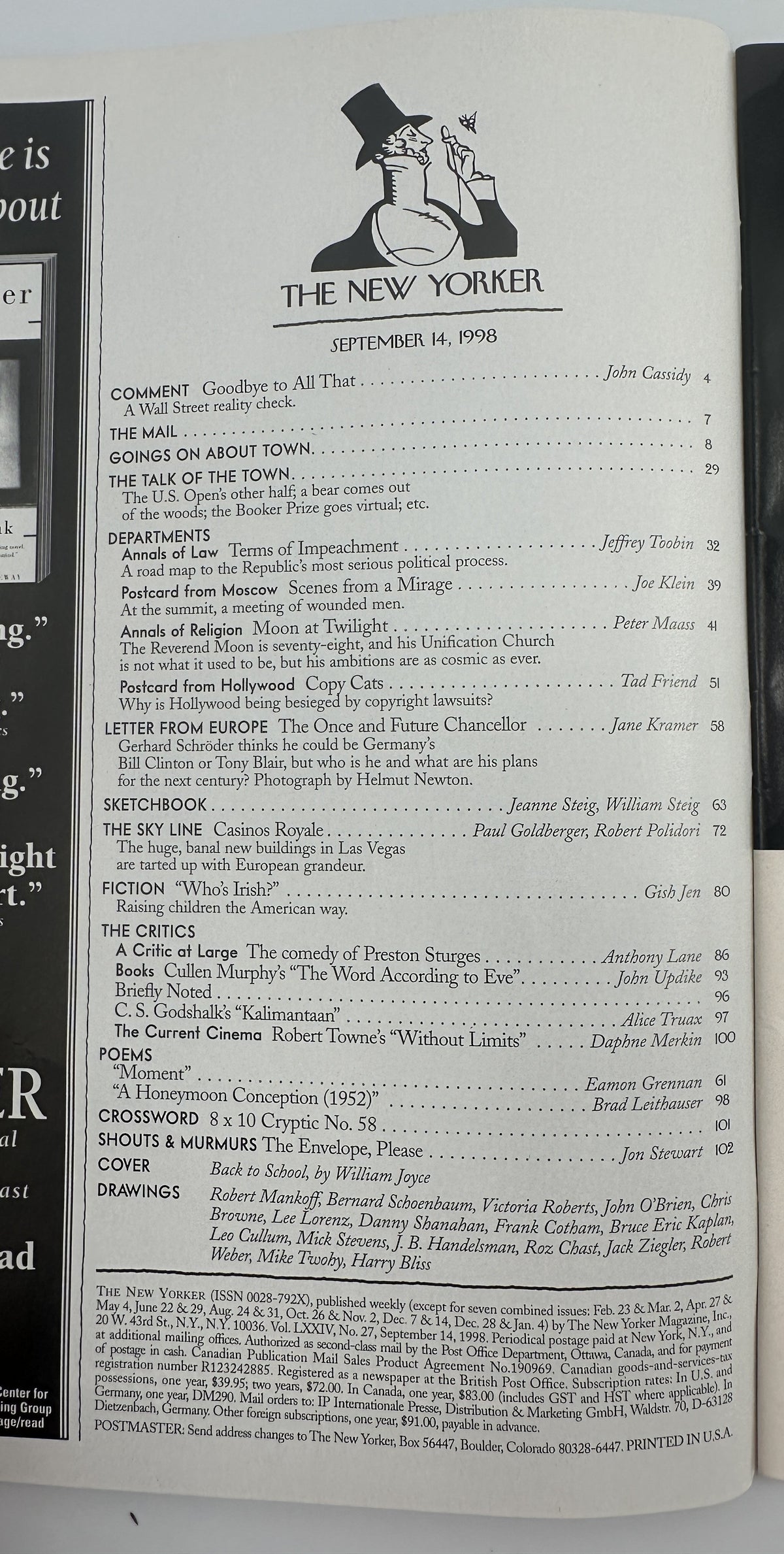
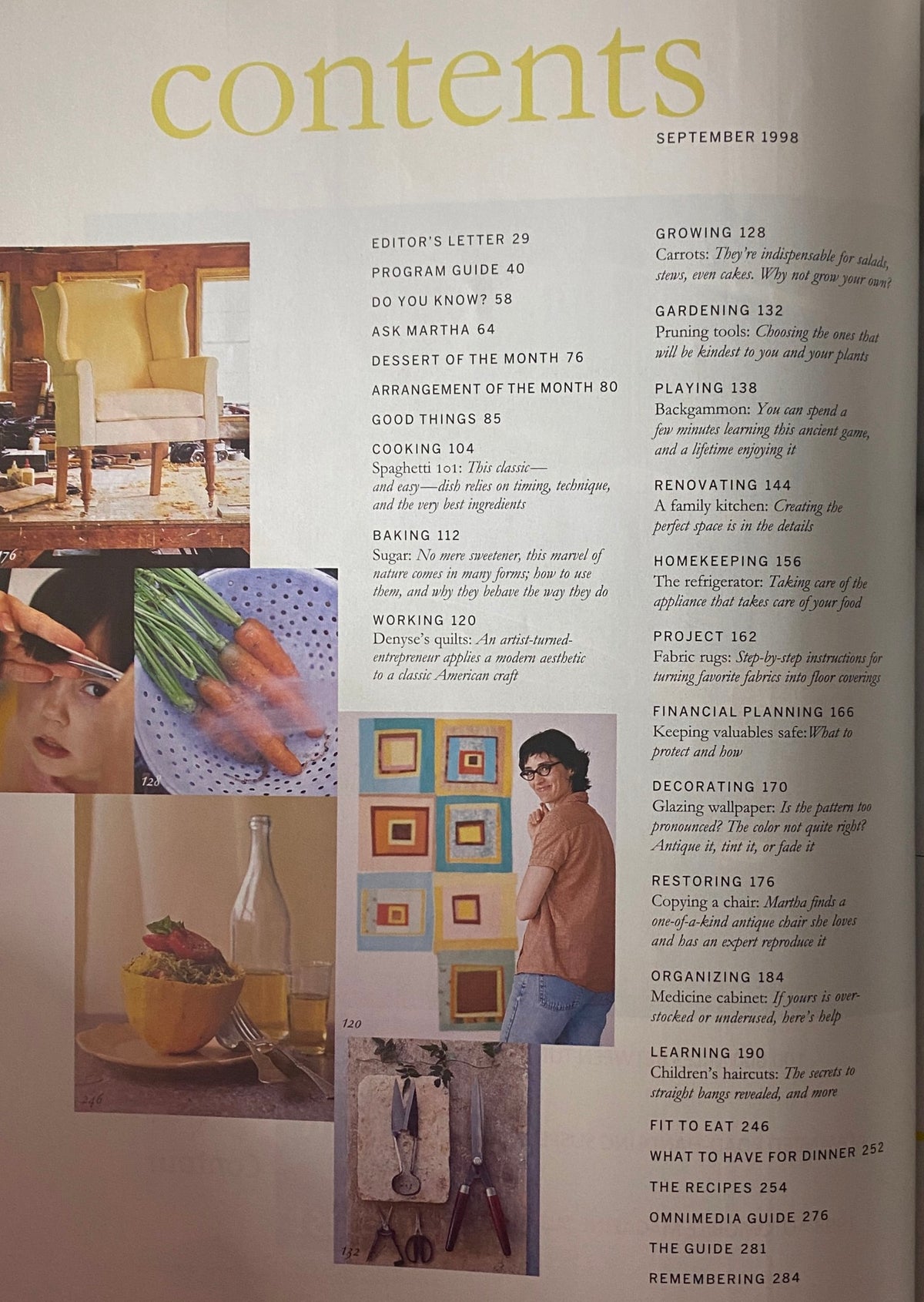
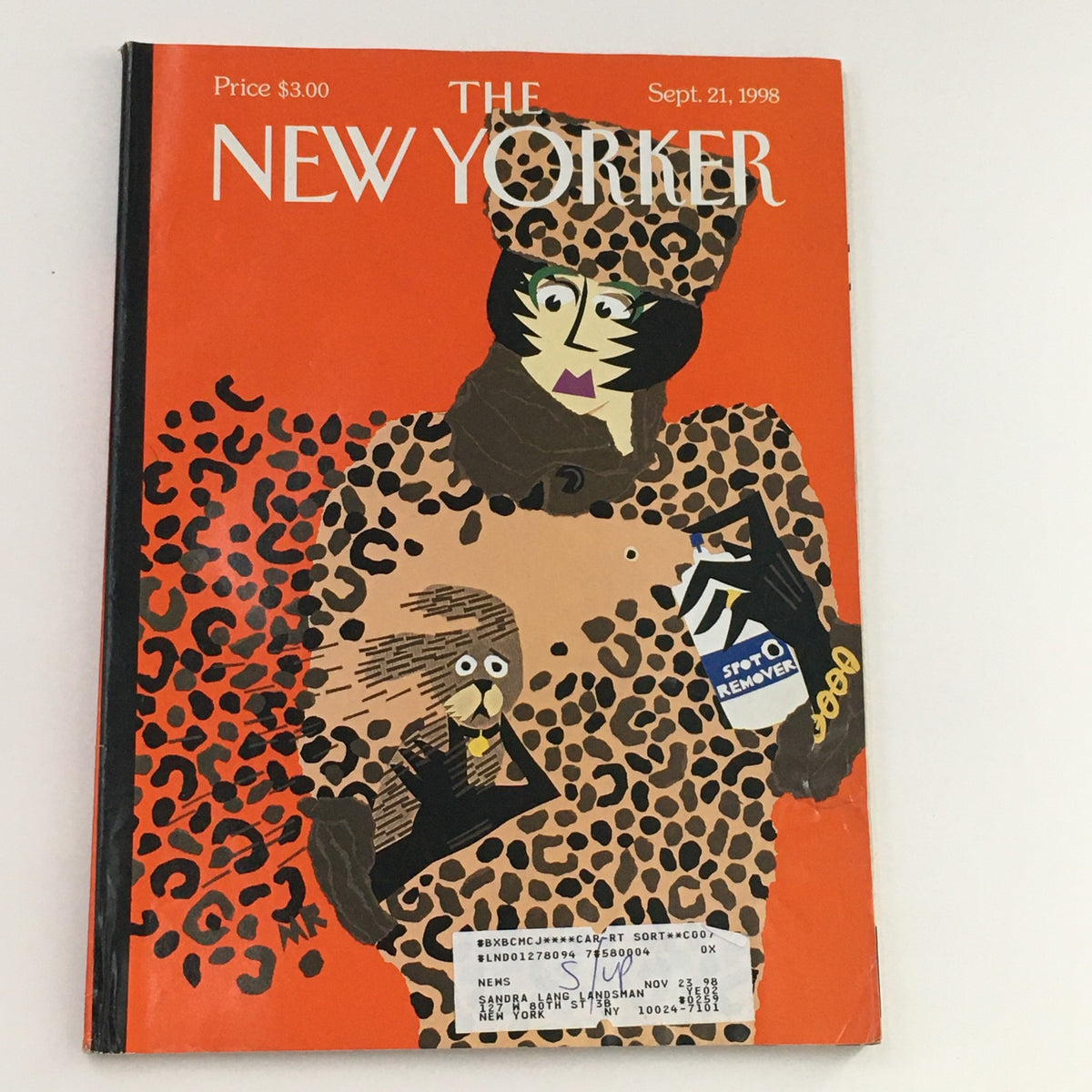
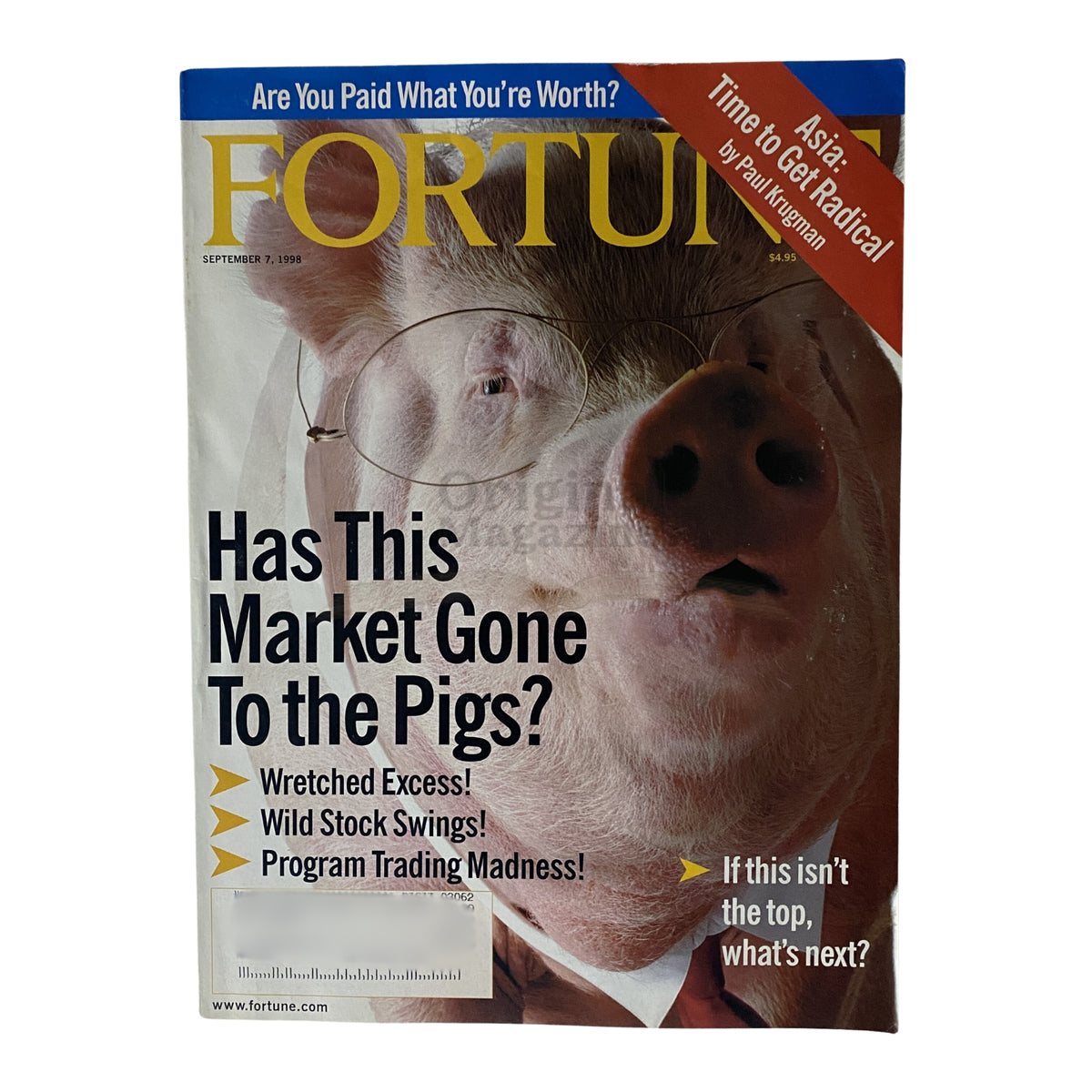
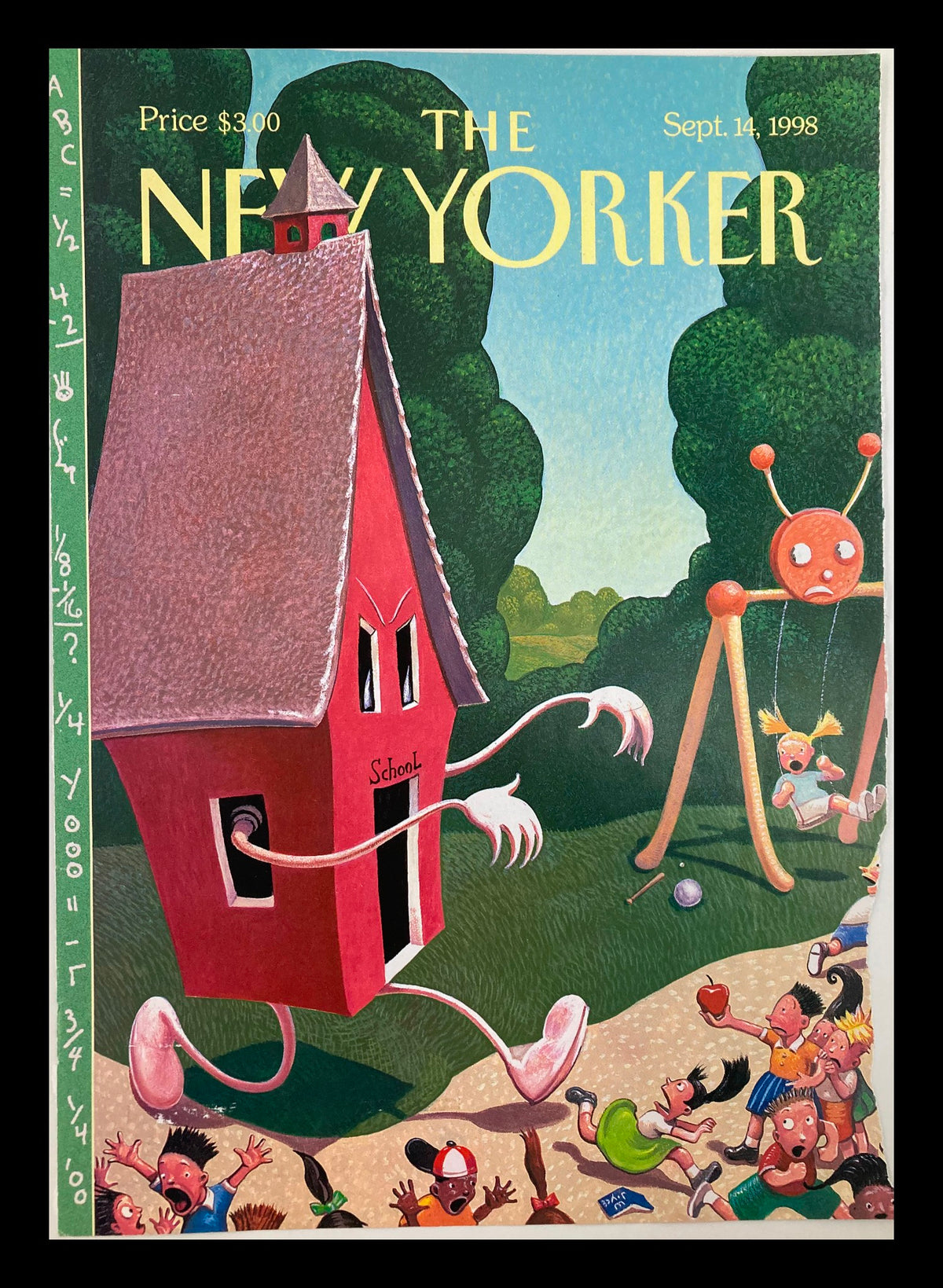
📖 About this Collection
September 1998: The Month the Digital Age Arrived
The Historical Context
In September 1998, the world stood at a technological crossroads, watching as the Internet transformed from novelty into necessity. The Starr Report dominated headlines as Independent Counsel Ken Starr delivered his investigation into President Bill Clinton to Congress, accusing the president of eleven possible impeachable offenses—a political earthquake that would define American politics for months to come. Meanwhile, tragedy struck over Canadian waters when Swissair Flight 111 crashed near Peggy's Cove, Nova Scotia, claiming 229 lives in one of aviation's darkest moments. Yet beneath the headlines of scandal and sorrow, two Stanford students formally incorporated a little search engine called Google on September 4th, quietly launching what would become the most powerful tool of the information age. The International Criminal Tribunal for Rwanda found Jean-Paul Akayesu guilty of genocide, marking a historic milestone in international justice. This was the world your loved one experienced in September 1998—a month when the old order cracked and the digital future began to take shape.
Entertainment defined the cultural pulse as Hollywood found its newest action star in "Rush Hour," Brett Ratner's buddy-cop sensation pairing Jackie Chan with Chris Tucker that finally gave Chan his American breakthrough after years of Hong Kong stardom. Television screens welcomed "Will & Grace," the groundbreaking comedy starring Eric McCormack and Debra Messing that would reshape sitcom conventions for the next decade. British audiences discovered "Who Wants to Be a Millionaire?" when Chris Tarrant debuted the quiz sensation on ITV, launching a global phenomenon. The MTV Video Music Awards celebrated Madonna and Will Smith, while Britney Spears' debut single "...Baby One More Time" dropped on September 29th, instantly signaling a seismic shift in pop music. On tennis courts, Lindsay Davenport claimed her first Grand Slam at the US Open, and the New York Yankees reached their 100th win on the earliest date in baseball history. Original magazines from September 1998 captured these entertainment milestones alongside telecommunications giant MCI WorldCom's $37 billion merger, preserving advertisements for dial-up Internet services and early mobile phones that now feel like archaeological artifacts.
What to Look for in Vintage Magazines from This Month
-
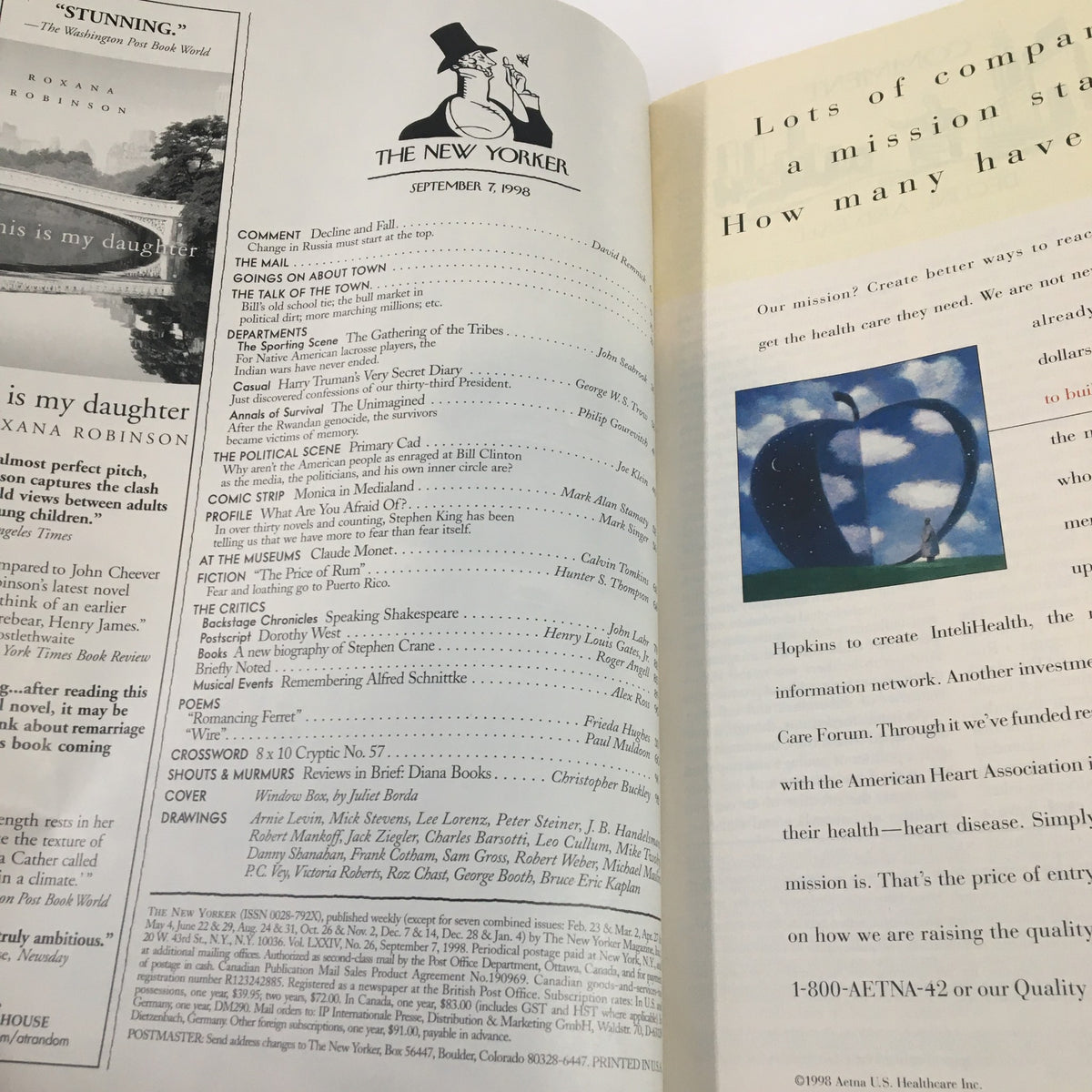
The Clinton Impeachment Drama: Time and Newsweek featuring explosive coverage of the Starr Report, with covers dedicated to the political firestorm, often illustrated with dramatic photography of Bill Clinton and analytical spreads about constitutional crisis procedures that dominated news coverage.
-
Google's Quiet Revolution: Technology and business publications like Popular Mechanics chronicling the early search engine wars and Internet boom, showcasing vintage advertisements for Netscape, AOL, and Yahoo! alongside the emerging digital landscape that would soon be dominated by the newly incorporated Google.
-
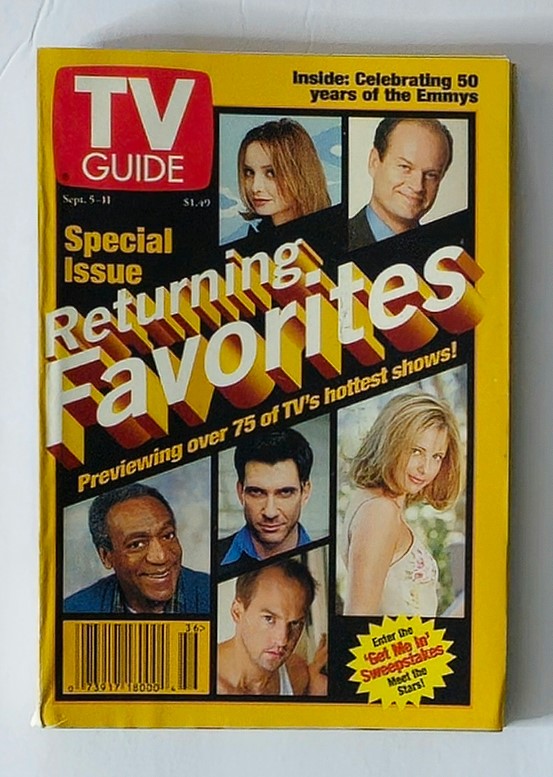
Rush Hour's Crossover Success: Entertainment magazines and TV Guide celebrating Jackie Chan's Hollywood arrival, featuring rare magazines with promotional spreads, behind-the-scenes photography from the action sequences, and profiles of Chris Tucker that captured this unexpected box-office pairing.
-
Britney's Debut Moment: Music and teen magazines from late September capturing the initial buzz around "...Baby One More Time," often featuring early promotional materials, Madonna's MTV VMA triumph, and the changing landscape of pop music as the boy band era began its transition.
-
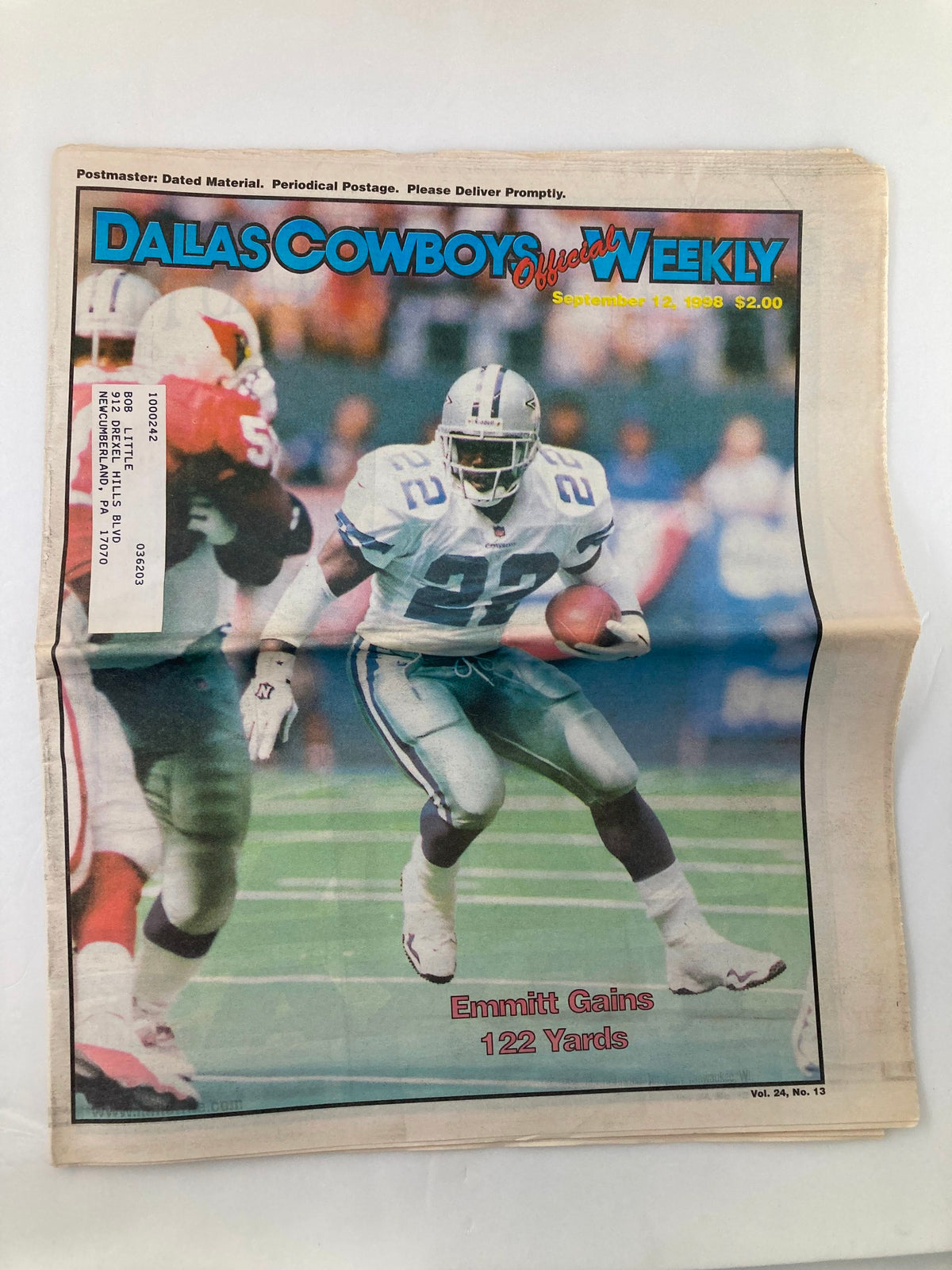
Sports Glory and Tragedy: Sports Illustrated chronicling the Yankees' historic pace toward 114 wins, Lindsay Davenport's breakthrough Grand Slam victory, and somber coverage of the Swissair disaster, preserving authentic period reporting on triumph and loss that defined the month.
The Perfect Gift
For someone born in September 1998, an original magazine from this transformative month isn't just a souvenir—it's a genuine time capsule from the precise moment when search engines, smartphones, and streaming were still dreams, preserved in authentic newsprint, period advertisements, and photography that museums simply cannot replicate.