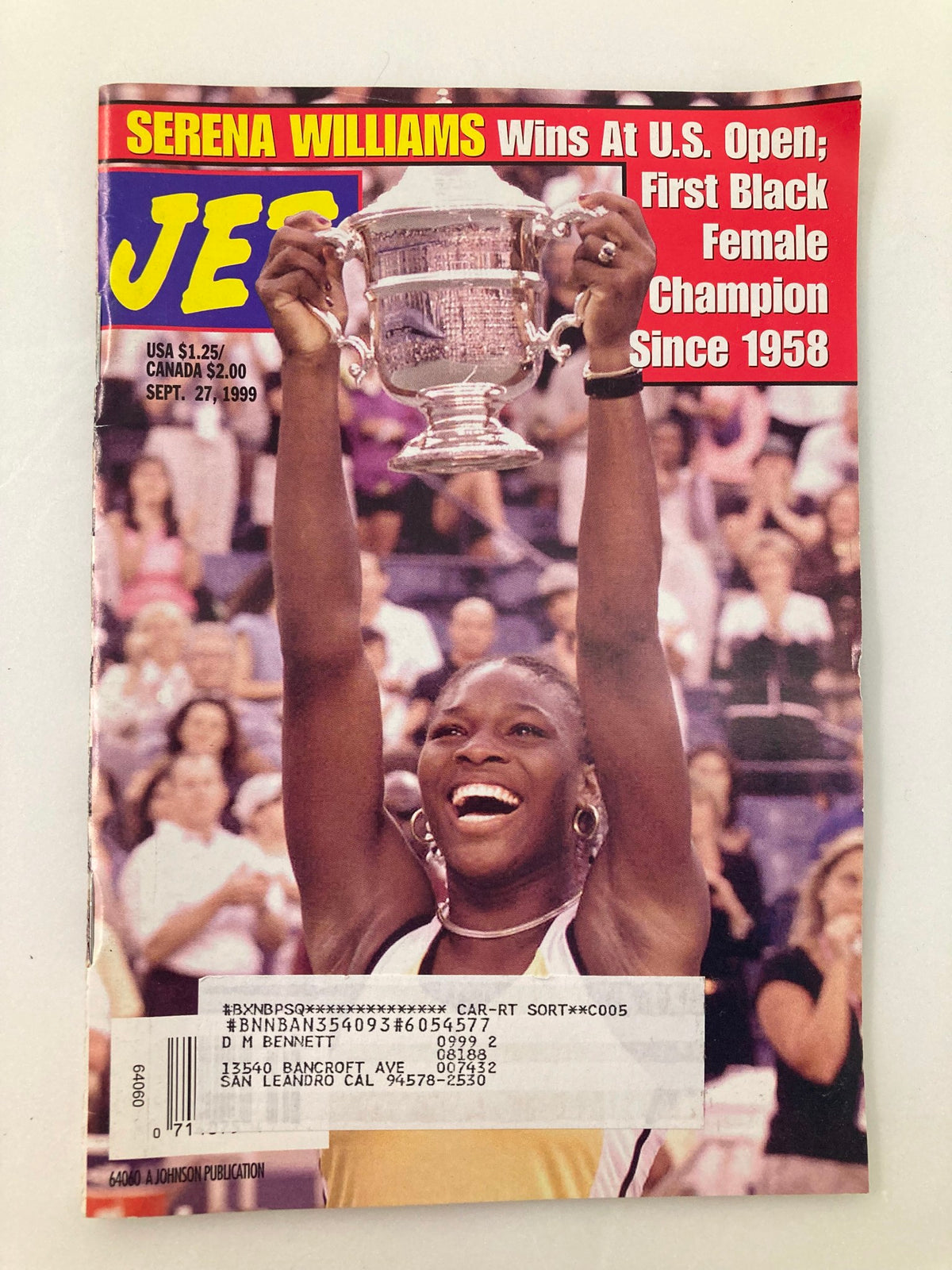
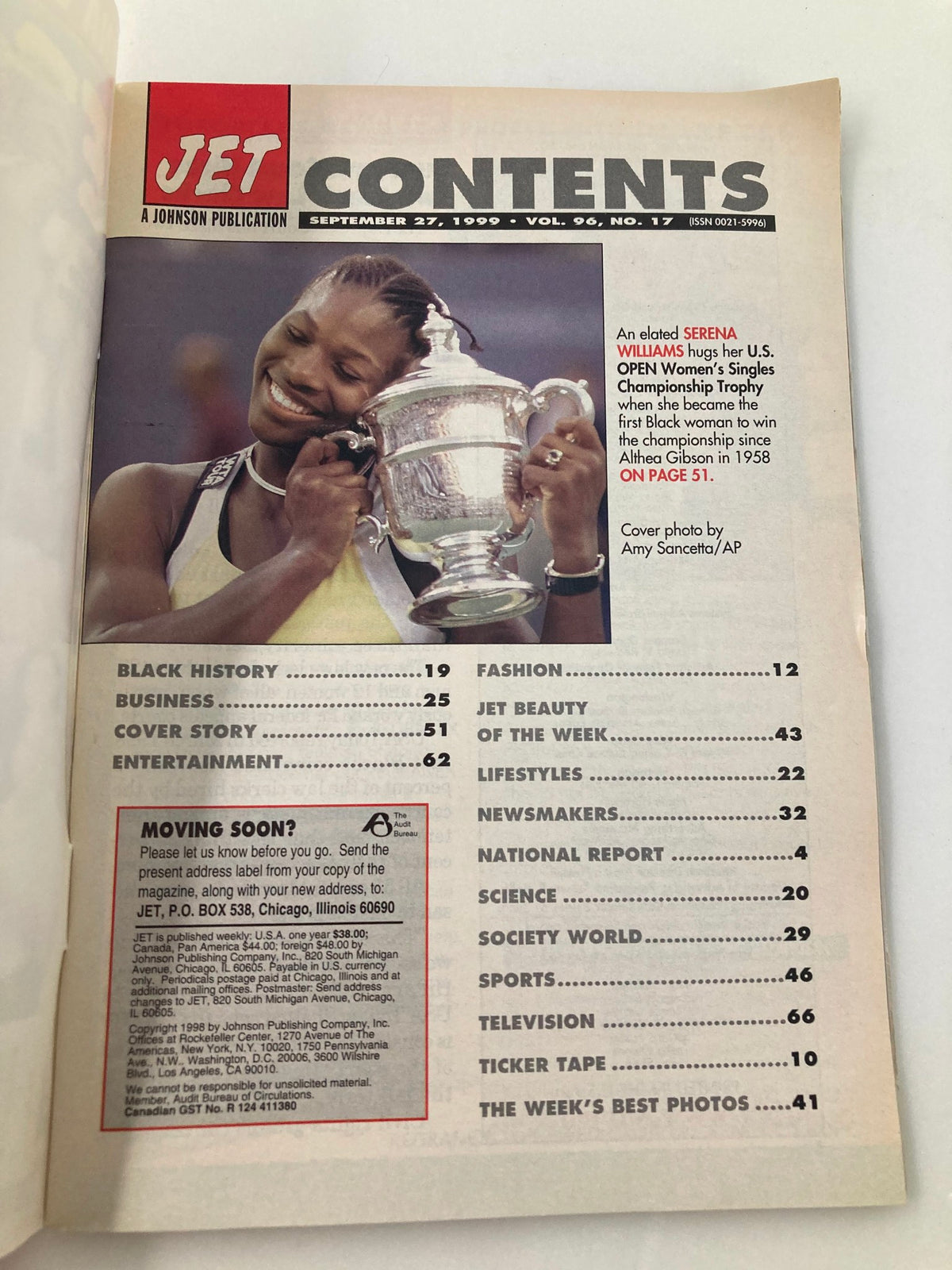
📖 About this Collection
Serena Williams: The Queen Who Rewrote the Rules of Power
The Legend & The Legacy
From the public courts of Compton to the grandest stadiums on earth, Serena Williams did not simply dominate her sport — she redefined what a champion was permitted to look like, sound like, and demand. Beginning with her explosive arrival on the professional tennis circuit in the late 1990s and accelerating through two full decades of Grand Slam titles, her story was one that print media could not resist and could barely keep pace with. Before social media allowed athletes to curate their own narratives, it was the glossy page — the breathless cover line, the gatefold photograph, the long-form profile — that shaped how the world understood her. Readers in living rooms from Lagos to London, from Tokyo to Tennessee, reached for their magazines to make sense of a figure who was simultaneously athletic marvel, cultural flashpoint, fashion icon, and lightning rod for every unresolved tension in the culture. Her story was not just sports journalism; it was history being written in real time, one issue at a time.
Inside the Archive
The photographic treatment of this titan of the court evolved dramatically across her career, reflecting both her own growing authority and the shifting ambitions of the publications that pursued her. Early coverage in the late 1990s and early 2000s tended toward action photography — mid-serve, mid-roar, mid-triumph — with editorial tones that oscillated between admiration and barely concealed bewilderment at her power. As her legacy solidified, the imagery grew more deliberate and sculptural: Sports Illustrated placed her among the most iconic athletes ever to grace its cover, capturing both raw athleticism and an emerging cultural monumentality. Vogue — both its American flagship and its international editions — approached her as a force of fashion and femininity that challenged every existing template, commissioning portraits of striking gravitas. Ebony celebrated her with the particular warmth and pride of a publication that understood the full weight of what she represented for Black excellence in America, devoting richly reported features to her as a daughter, a champion, and a symbol. Across all of these publications, the surrounding editorial — the advertisements for cars and perfumes, the celebrity profiles on adjacent pages — provides an irreplaceable time capsule of the exact cultural moment in which her story unfolded.
Curator's Checklist: Highlights Often Include
- Grand Slam milestone coverage — Issues from the era of her 23 major titles, with tournament wrap-up features, statistics, and the charged editorial commentary that surrounded each historic win at Wimbledon, the US Open, the Australian Open, and Roland Garros
- The rivalry years — Feature spreads exploring her celebrated matches and the broader narrative of women's tennis during its most globally watched era, often with dramatic full-bleed action photography
- Cultural crossover moments — Fashion and lifestyle editorials from the mid-2000s onward, when her presence in Vogue, Harper's Bazaar, and international style publications signalled her full emergence as a global icon beyond sport
- Controversy and resilience features — Long-form journalism from publications across the political spectrum covering the defining public controversies of her career, offering a fascinating portrait of how the press both reflected and stoked the cultural debates she inspired
- Return and reinvention narratives — Coverage of her remarkable comebacks following injury, illness, and childbirth, which generated some of the most emotionally resonant sports journalism of the 2010s and produced memorable covers across women's lifestyle and mainstream news magazines alike
The Collector's Value
There is something the digital archive cannot replicate: the weight of a magazine that was printed the very week the world was watching. To hold one of these issues is to feel the particular heft of the coated paper stock, to catch the faint mineral ghost of decades-old ink, and to see her image exactly as it appeared to a reader in that specific, unrepeatable moment — framed by the advertisements, the horoscopes, the letters to the editor, and all the other ephemera of a living cultural moment now gone. These are not reprints or commemorations; they are primary sources, the raw material of history in its original binding. For collectors of women's sports history, African American cultural heritage, or golden-era tennis memorabilia, these publications offer an unmatched depth of context, beauty, and documentary power that no screen can approximate. Explore the current available inventory below and find the piece of history that belongs in your collection.