📖 About this Collection
Shirley Chisholm: Unbought, Unbossed, and Unmatched in Print
The Legend & The Legacy
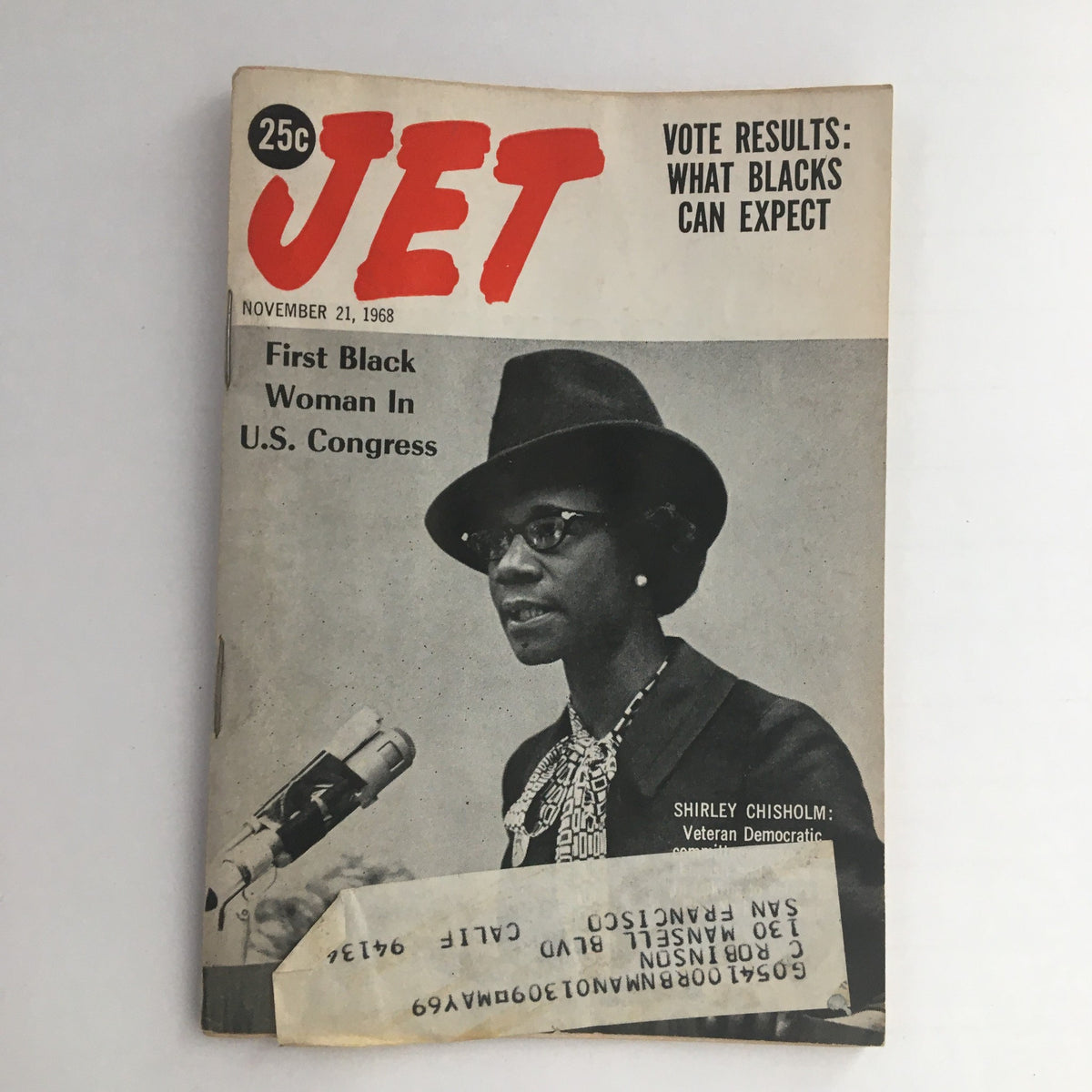
When Shirley Chisholm walked onto the floor of the United States Congress in 1969 as its first Black woman member, and then dared to seek the presidency of the United States in 1972, she did not do so before a world of rolling news tickers and viral social media threads — she did so before a nation that learned of her audacity through the printed page. Magazine editors scrambled to make sense of a woman who refused every category assigned to her: too Black for mainstream feminism, too female for the civil rights establishment, too radical for the Democratic Party machinery, and yet somehow too consequential for any of them to ignore. For millions of Americans — particularly Black women who had never seen their own ambition reflected in the face of a national politician — the magazine rack at the corner drugstore was a portal. It was where they first saw her broad smile, her unflinching gaze, her signature upswept hair, and the quiet, thunderous statement her very presence made. Print media was the mirror that confirmed she was real.
Inside the Archive
Vintage magazine coverage of the trailblazing congresswoman and presidential candidate runs the full spectrum of editorial sentiment, making the archive a genuinely rich documentary record. Ebony and Jet championed her with the reverence she deserved, producing intimate, beautifully composed portraits that situated her within the long struggle for Black dignity and political self-determination — spreads that feel today less like journalism and more like cultural scripture. Ms. Magazine, the feminist landmark co-founded by Gloria Steinem in 1972, grappled earnestly with her candidacy, reflecting the complicated, sometimes painful dialogue between the women's liberation movement and the Black community that the Brooklyn-born firebrand forced into the open. Meanwhile, mainstream publications like Time and Newsweek approached her with the mixture of fascination and condescension typical of the era's establishment press — their coverage unintentionally preserving, in vivid period detail, precisely the barriers she was dismantling. International outlets, particularly from the Black Atlantic world, covered her presidential run with an awe that American media rarely matched, recognizing in her a genuinely world-historical figure.
Curator's Checklist: Highlights Often Include
- Congressional milestone coverage (1969): Feature spreads and news weeklies marking her swearing-in as the first Black woman elected to the U.S. Congress, often accompanied by formal portraiture and biographical retrospectives on her Brooklyn roots and early political career in the New York State Assembly.
- The 1972 Presidential Campaign: Editorial features, political commentary, and photo essays documenting her historic bid for the Democratic presidential nomination — the first by an African American and the first by a woman from a major party — including coverage of her primary campaign rallies and her address at the Democratic National Convention in Miami.
- Black press deep dives: Long-form profiles from Ebony, Jet, and affiliated publications offering the most nuanced and sympathetic portrayals of her philosophy, her marriage, and her vision for an equitable America, representing primary sources of immeasurable cultural weight.
- Feminist movement crossover pieces: Issues of early Ms. Magazine and women's interest publications wrestling with questions of race, gender, and political solidarity that her candidacy made impossible to avoid.
- Post-congressional legacy profiles: Reflective features from the late 1970s and 1980s following her retirement from Congress in 1983, offering a more contemplative look at what she had accomplished and what the nation had failed to give her.
The Collector's Value
There is something profoundly moving about holding a decades-old magazine that reported on Shirley Chisholm in real time — before history had settled its verdict, before the postage stamps and the statues, before the biographical films. The paper stock of a 1972 Newsweek carries a different weight than a digital scan ever could: the slight give of the aged pages, the faint amber cast of paper that has lived through half a century, the ghost of an ink smell that belongs entirely to that era, and the surrounding advertisements — for pantyhose, for Chevrolets, for cigarettes — that conjure the precise cultural atmosphere in which she fought her battles. These are not reproductions or commemorations; they are the original dispatches, the first draft of history, pressed and preserved. For collectors of Black American political history, second-wave feminist ephemera, or 1970s presidential campaign memorabilia, these publications offer an irreplaceable window into a watershed moment told through the voices — admiring, ambivalent, and occasionally hostile — of those who witnessed it firsthand. Explore the current inventory below and discover which pieces of this extraordinary legacy are waiting to find their next devoted steward.