📖 About this Collection
Sidney Poitier: The Man Who Changed the Frame
The Legend & The Legacy
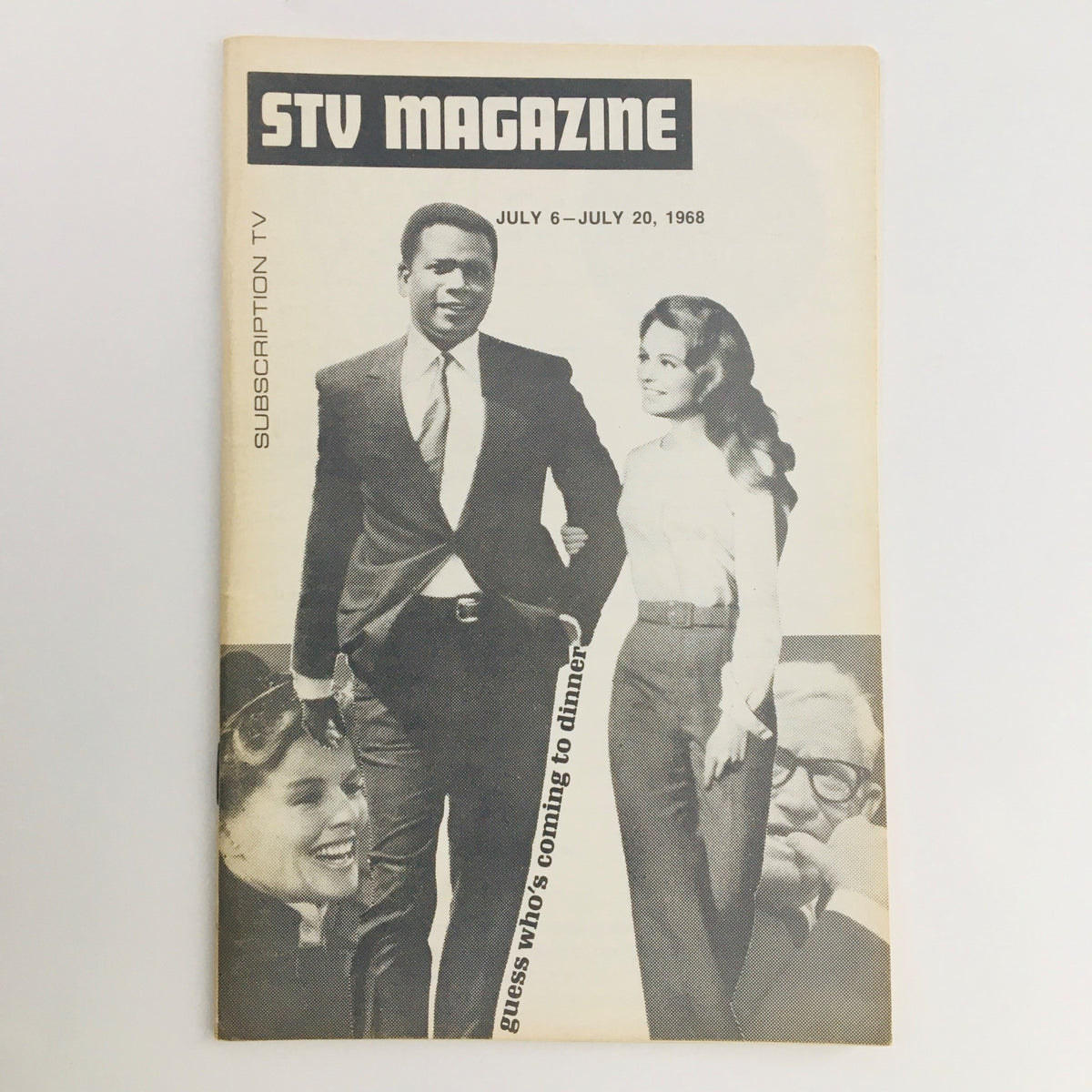
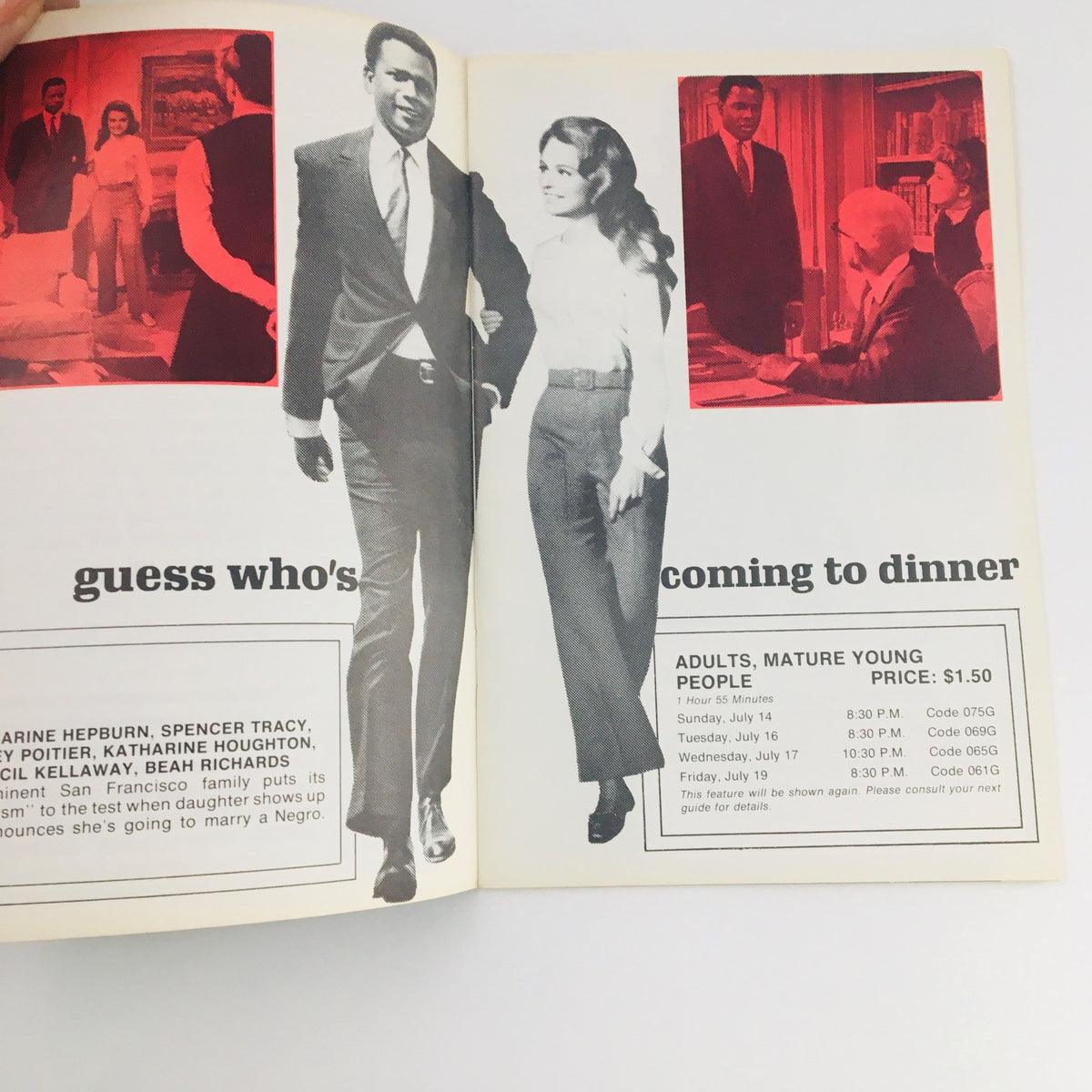
Before the algorithm, before the streaming queue, before the instant hot take — there was the magazine stand, and on it, the face of a man who was quietly rewriting what America was willing to see. Sidney Poitier did not simply become a film star; he became a cultural argument, a living rebuttal to every limitation a society had tried to impose on Black excellence. From his electrifying early performances in No Way Out and Blackboard Jungle through his landmark 1967 triumvirate — In the Heat of the Night, Guess Who's Coming to Dinner, and To Sir, with Love — the Bahamian-born actor forced Hollywood, and the world, to confront its own contradictions. In an era when print was the sole arbiter of celebrity and cultural consequence, readers across America and beyond tracked his ascent through the glossy pages delivered to their doorsteps or displayed beneath fluorescent drugstore lights. His story was consumed slowly, thoughtfully, in long-form profiles and full-bleed portraiture — the way history deserves to be consumed.
Inside the Archive
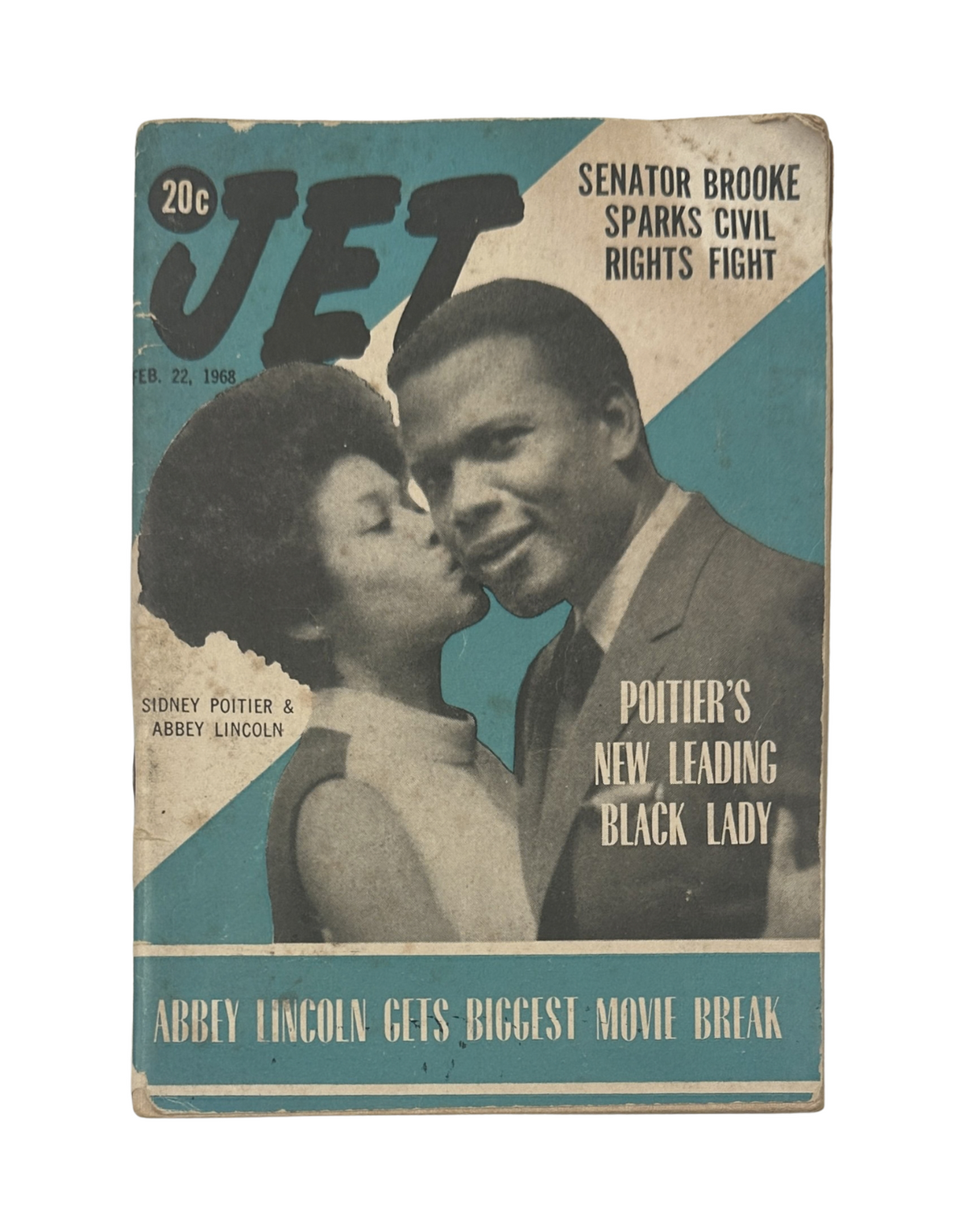
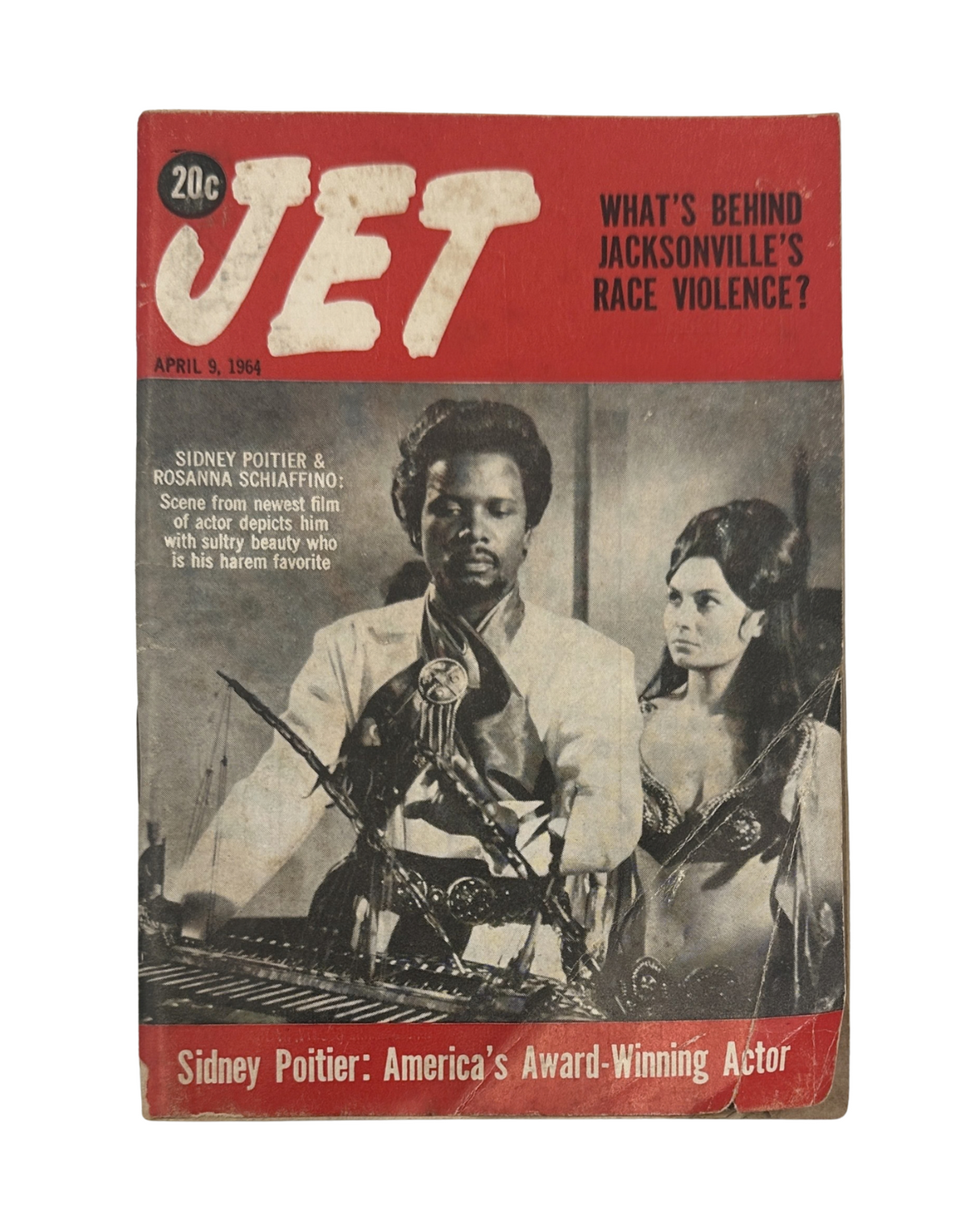
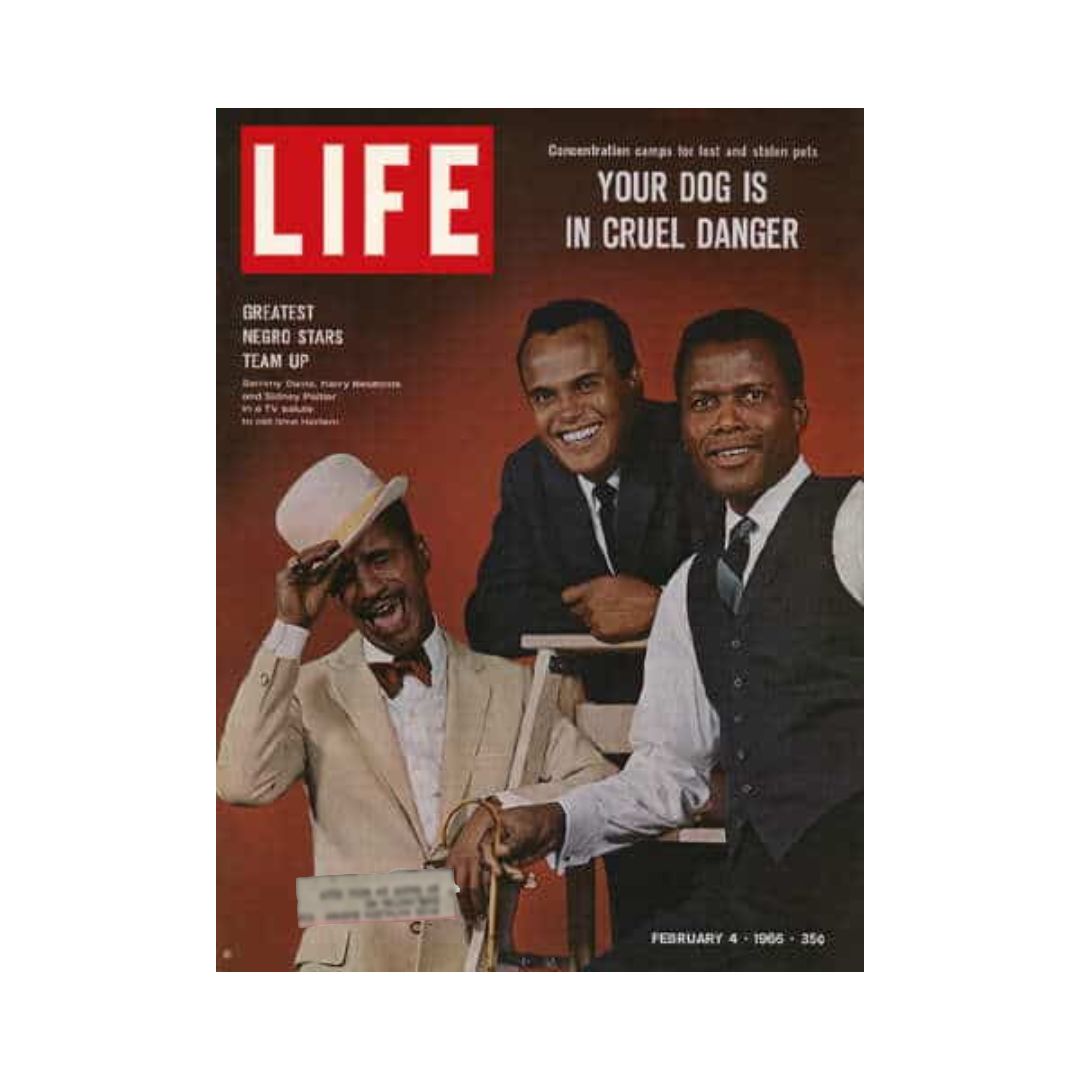
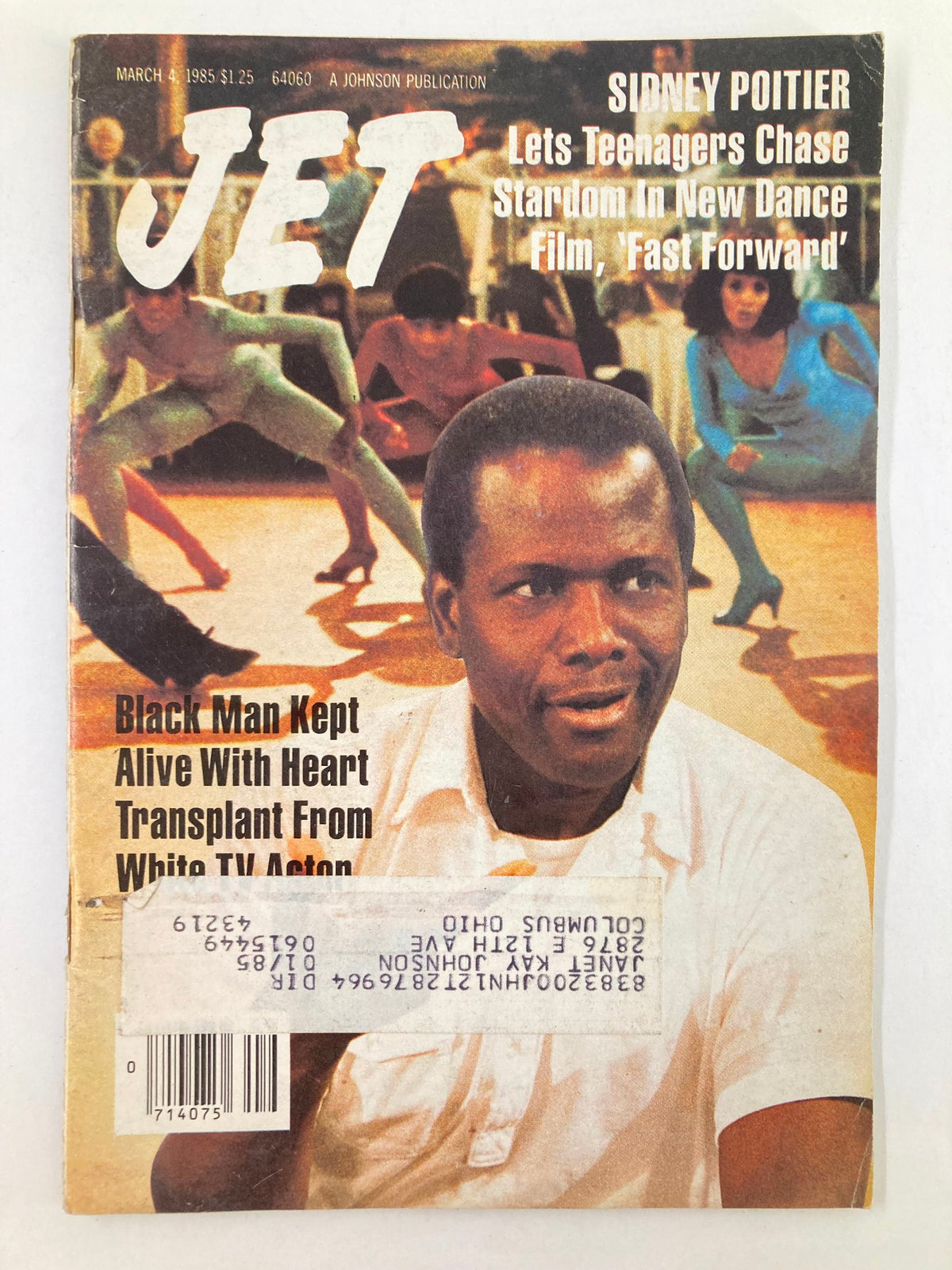
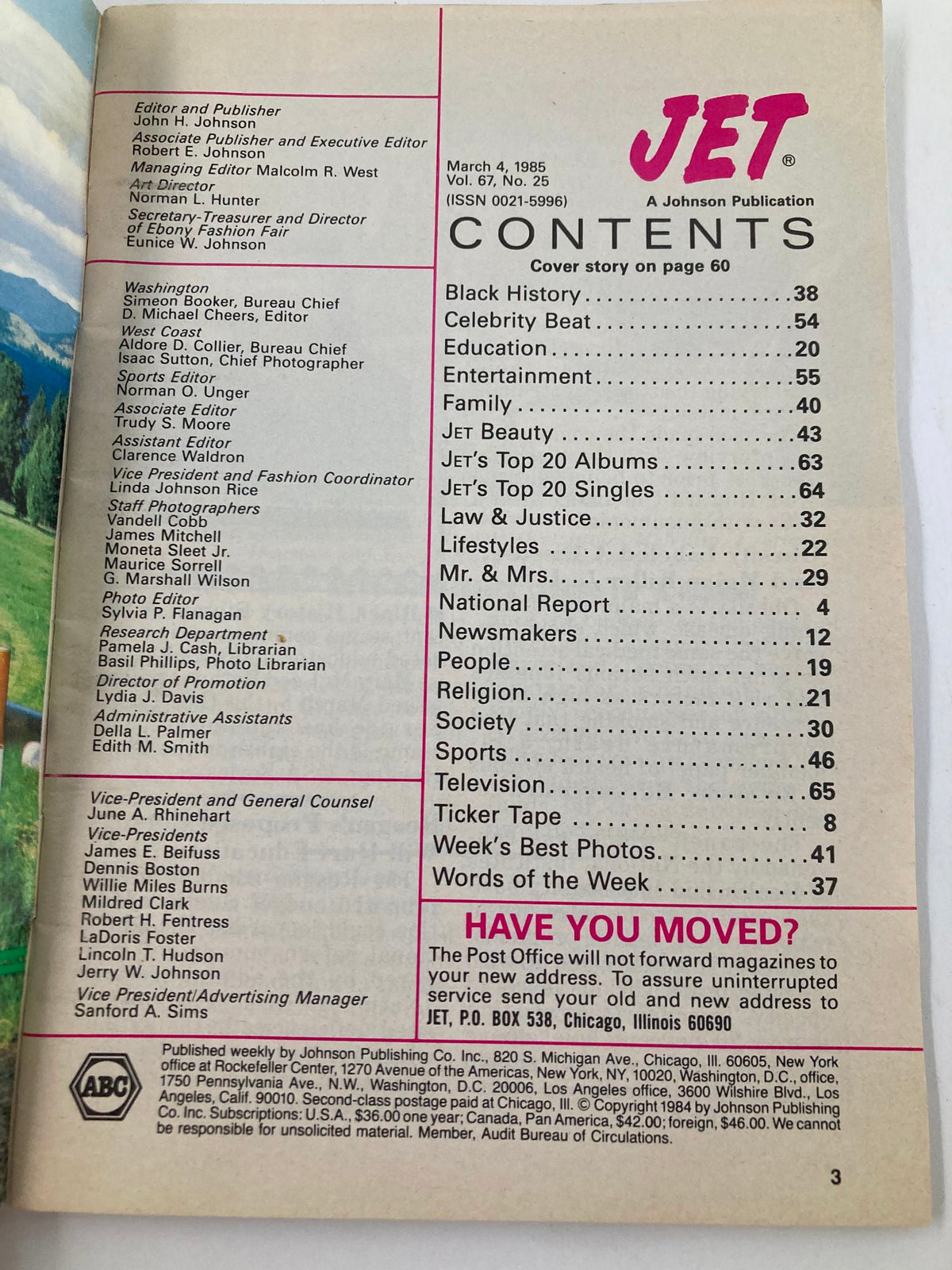
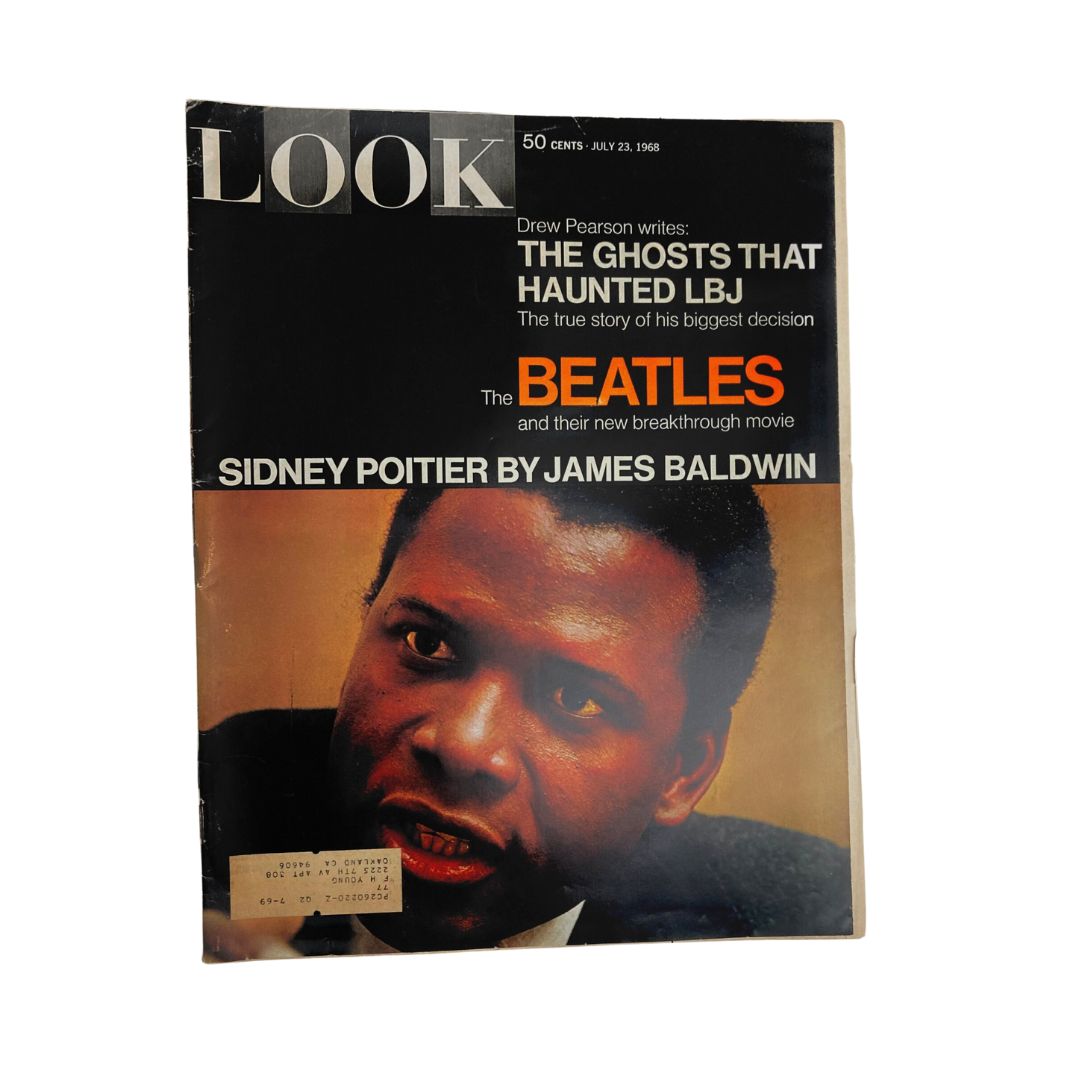
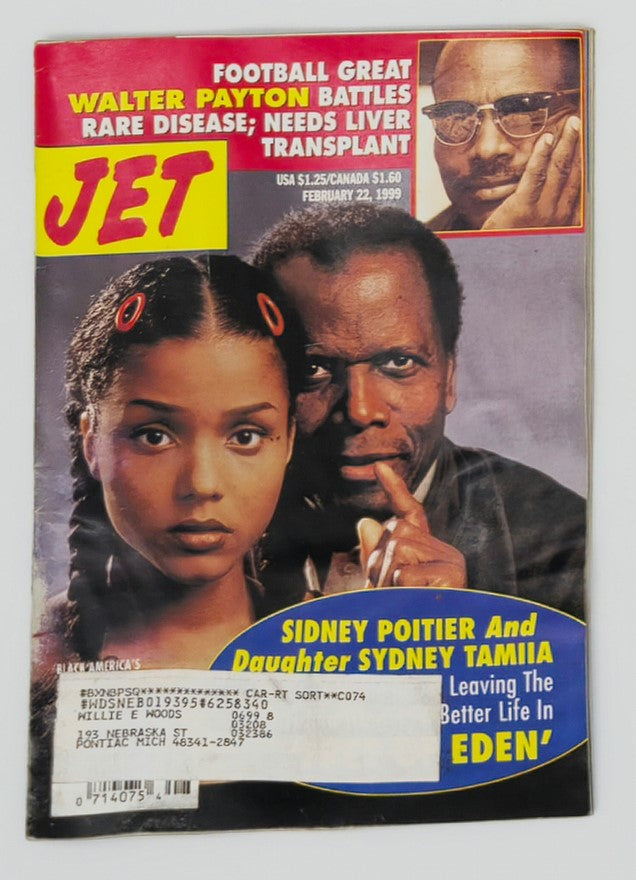
The magazine coverage of this singular figure was as carefully composed as any scene he ever inhabited on screen. Editorial photographers captured him with a gravity and intentionality rarely afforded Black actors of the era — chiseled, unsmiling when the moment demanded it, warm and expansive when the story called for depth. Ebony and Jet, the twin pillars of the Black press, chronicled his career with particular reverence, understanding precisely what his visibility meant to their readership and to the national conscience. Life magazine, with its sweeping photographic ambition, brought his image into the living rooms of Middle America during the height of the Civil Rights Movement, giving his Hollywood milestones the cultural weight of news. Meanwhile, international titles such as Paris Match and Cahiers du Cinéma framed him through a distinctly European lens — as an artist of global stature, a symbol of a changing world order, at a time when French audiences often saw American racial injustice with a clarity that domestic publications struggled to match.
Curator's Checklist: Highlights Often Include
- Civil Rights Era cover features — Issues from the mid-1960s frequently placed him in direct editorial conversation with the broader movement, his Oscar win in 1964 treated not merely as a Hollywood milestone but as a seismic cultural event
- Film promotional spreads and studio portraiture — Collectors often encounter beautifully lit, studio-sanctioned photography tied to landmark releases, offering a window into the visual language Hollywood used to market a Black leading man to a divided nation
- Long-form profile interviews — The era's journalism favored depth, and profiles in publications of the period often ran thousands of words, capturing his philosophies on race, artistry, and identity with an intimacy that no press junket sound bite could replicate
- International coverage — European and Commonwealth publications frequently featured him during his extensive travels and film festival appearances, offering perspectives shaped by audiences who regarded him as a world cinema icon rather than a racial symbol
- Retrospective and legacy issues — Later decades produced thoughtful anniversary and career-spanning features reassessing his pioneering role, particularly following his honorary Oscar in 2002, making these later issues equally prized by serious collectors
The Collector's Value
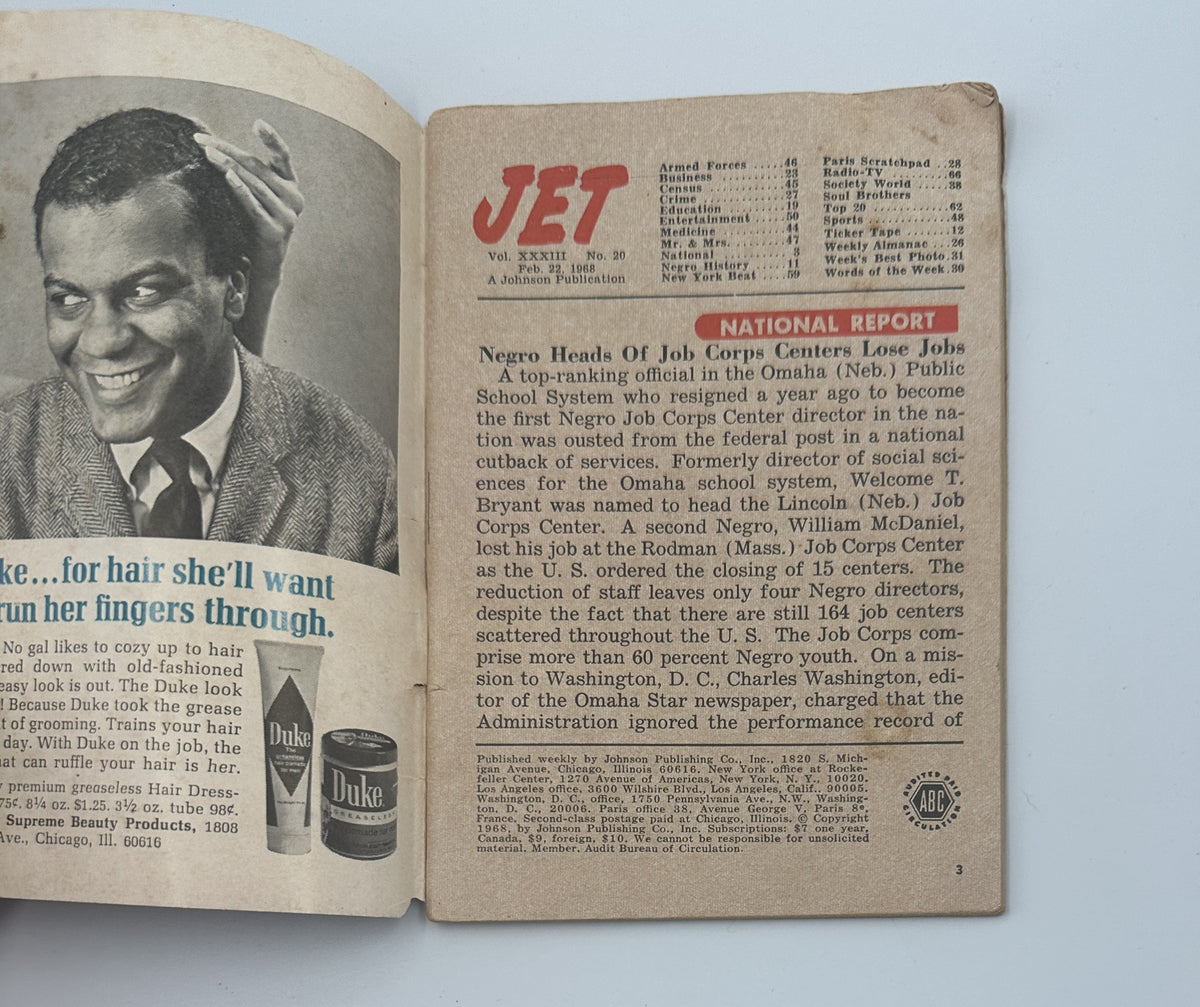
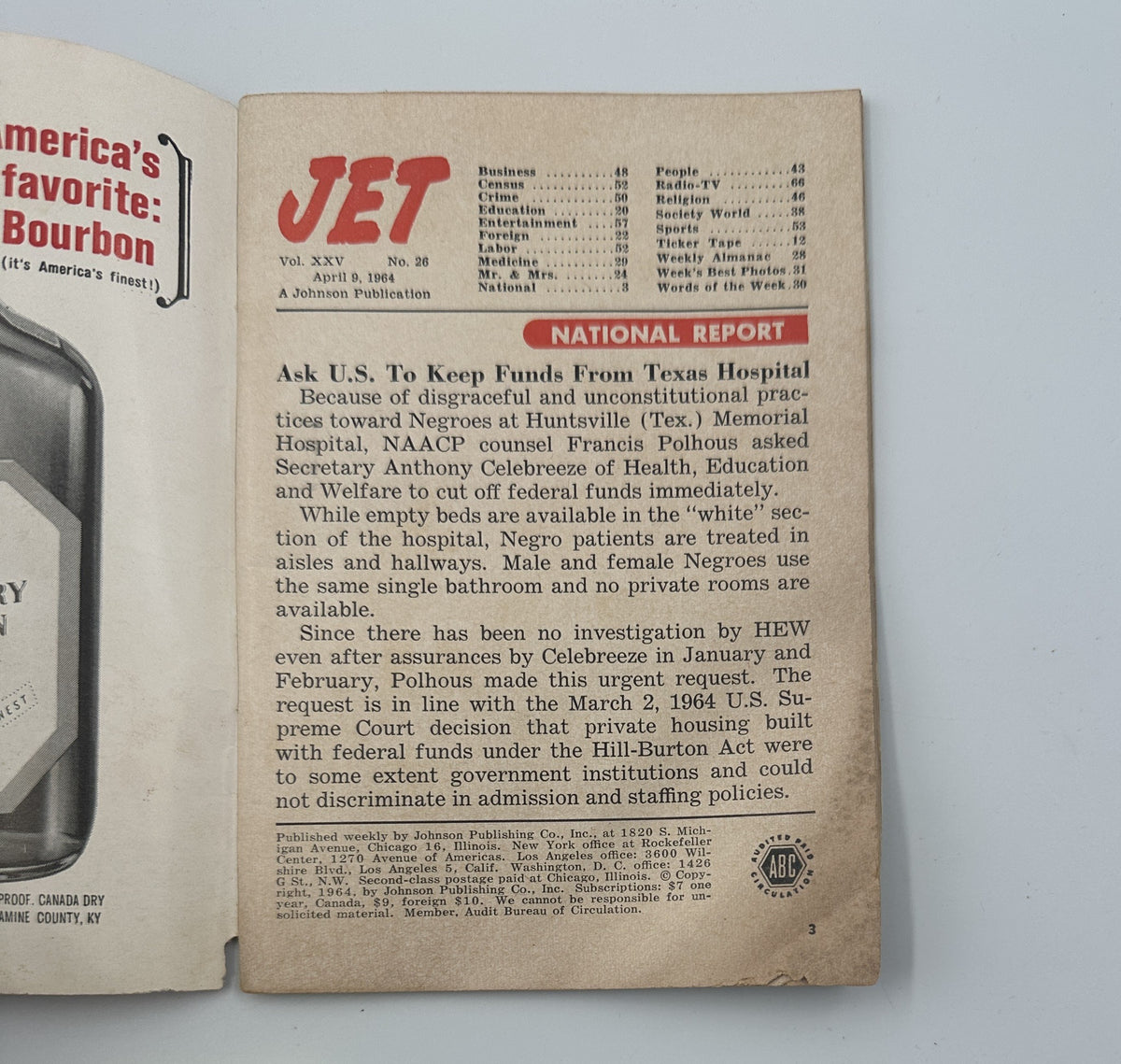
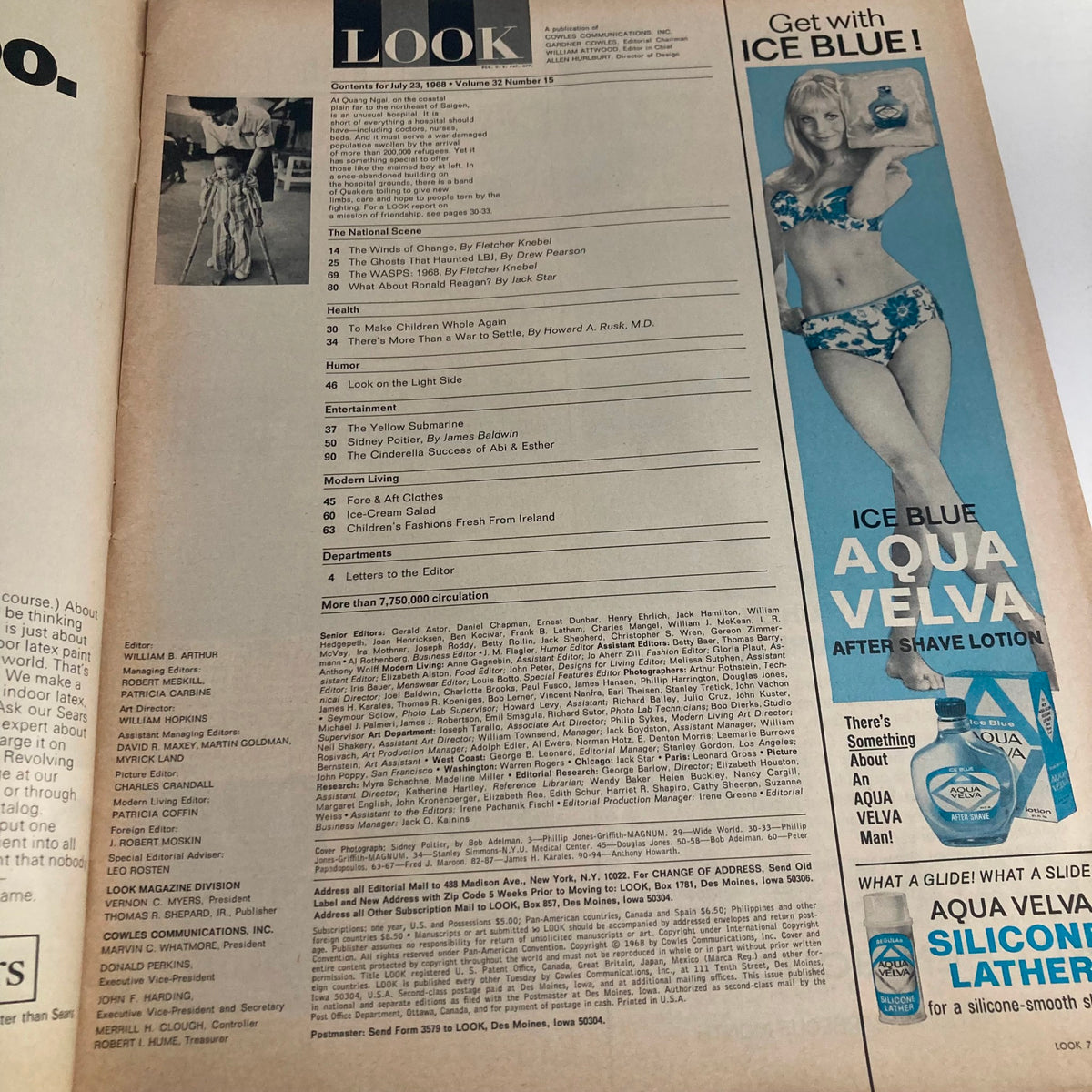
There is something irreplaceable about holding the very issue that first told the world who Sidney Poitier was. The paper stock of a mid-century Life or Ebony has a particular weight to it — not merely physical, but historical — the slight brittleness at the edges a testament to decades of survival, the ink carrying a faint, distinctive scent that no digital archive can conjure. These are primary sources, not reproductions; the advertisements surrounding his image — for Cadillacs, hair pomades, and department store fashions — root you viscerally in the exact moment his story was being written in real time. For collectors of Hollywood golden age memorabilia, Civil Rights Movement history, or mid-century photography and graphic design, these publications offer an unparalleled convergence of cultural, artistic, and social significance in a single, holdable object. Explore the current selection of available original issues below, and find the piece of this remarkable history that belongs in your collection.