📖 About this Collection
Sirhan Sirhan: The Trigger That Shook a Nation
The Legend & The Legacy
On the night of June 4, 1968, a single gunman in the kitchen corridor of the Ambassador Hotel in Los Angeles ended the life of Senator Robert F. Kennedy — and, many would argue, the last flickering hope of a generation already ravaged by grief. Sirhan Bishara Sirhan, a twenty-four-year-old Palestinian-born Jordanian immigrant, became one of the most scrutinized and debated figures in American criminal and political history virtually overnight. In an era when the public received its news through folded newsprint and the glossy pages of weekly magazines, the story unfolded slowly, intimately, and with a weight that only physical print could carry. There were no social media threads, no livestreams — only the urgent, ink-black headlines of morning papers and the landmark photographic spreads that appeared in the weeks that followed, asking the same unanswerable question that still haunts American memory: Why? His trial, his conviction, his decades of parole hearings, and the enduring conspiracy theories surrounding the assassination ensured that his name never fully faded from the cultural conversation.
Inside the Archive
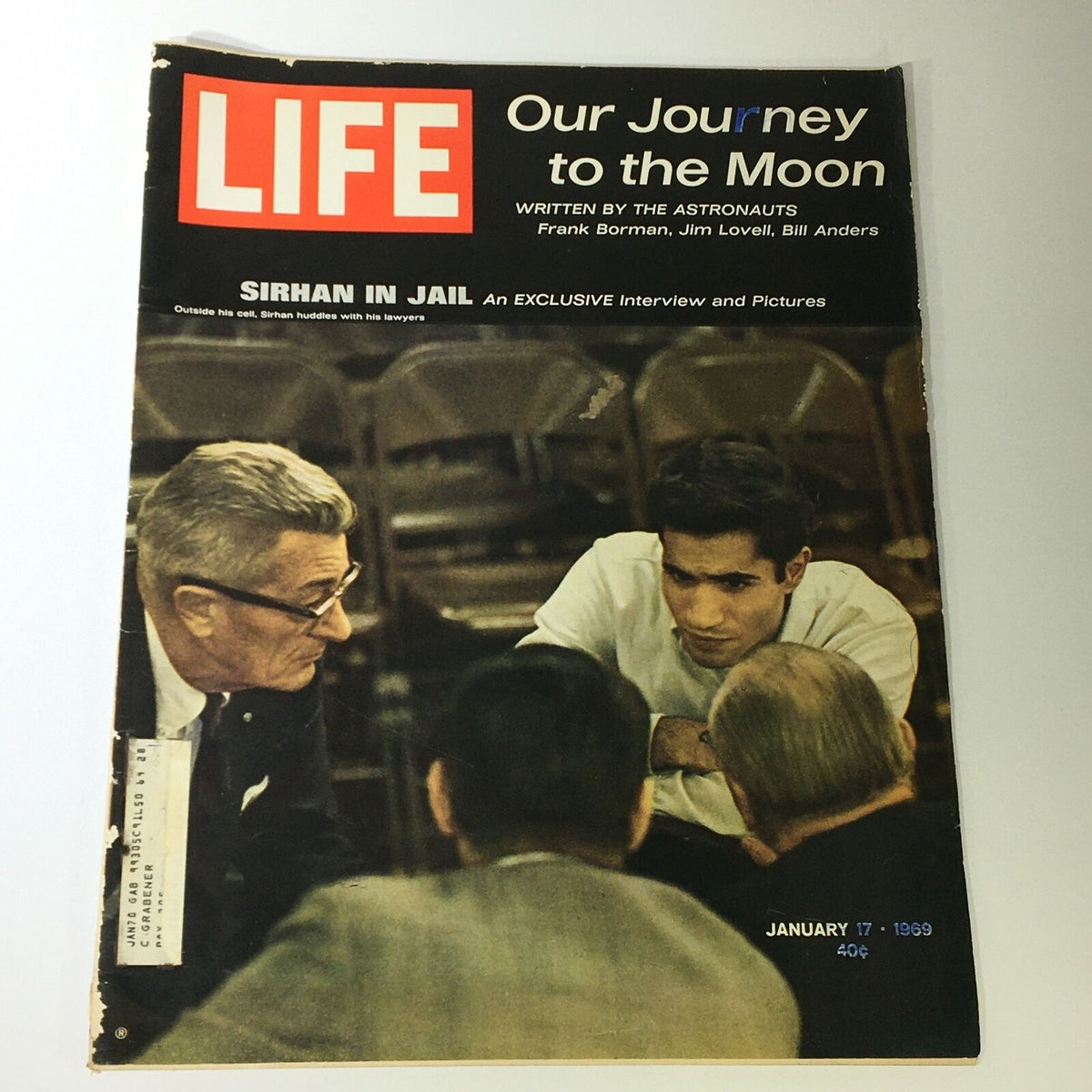
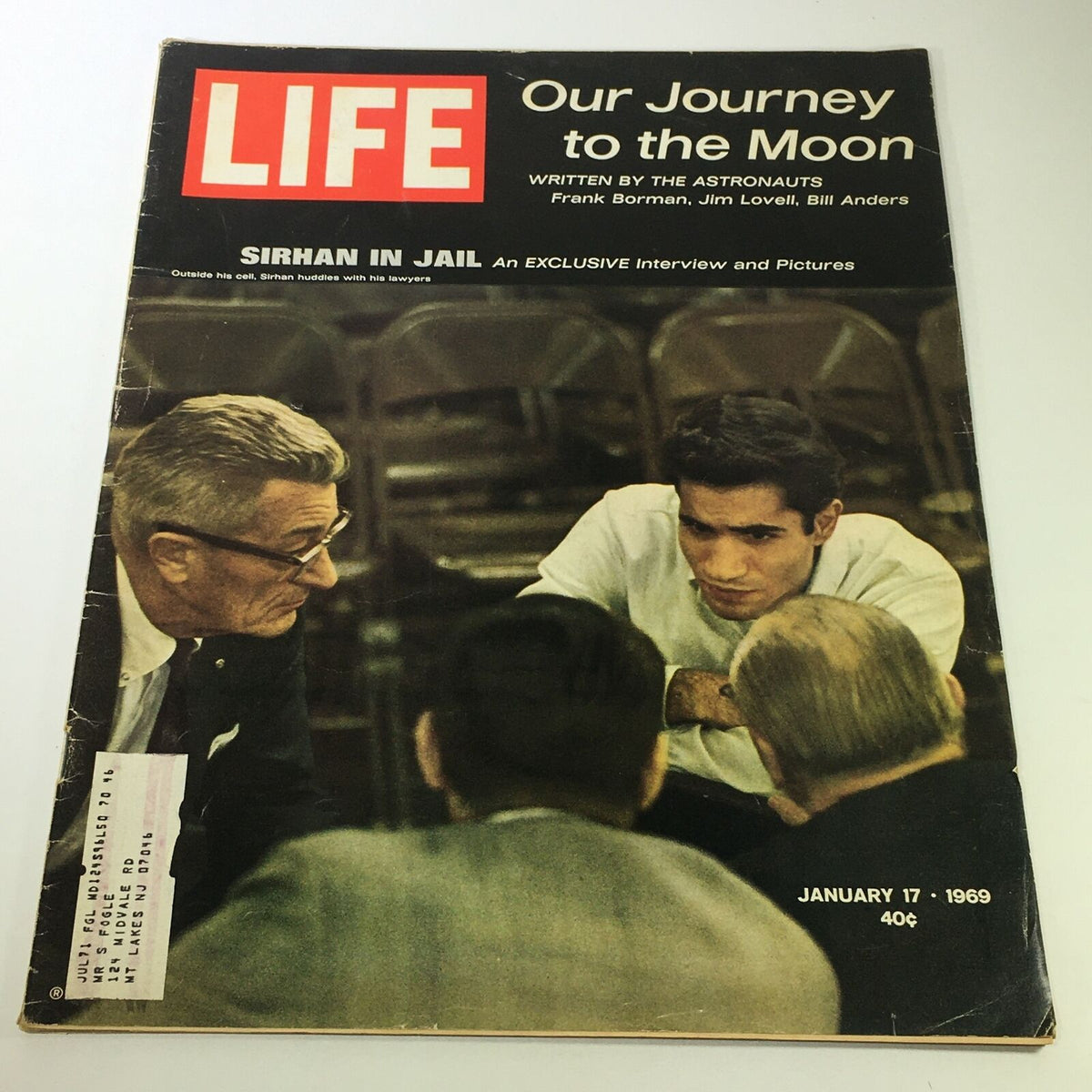
The coverage that surrounded the assassination of Robert F. Kennedy — and the man convicted of carrying it out — represented some of the most intense and emotionally charged journalism of the entire postwar era. Photographers and correspondents flooded Los Angeles courtrooms and correction facilities, capturing a face that became, for millions of readers, a symbol of senseless political violence. LIFE Magazine, then at the absolute apex of its cultural authority, devoted multiple issues to the assassination and its aftermath, pairing stark, documentary-style photography with deeply reported narrative journalism that brought the courtroom drama into American living rooms. Newsweek and TIME competed fiercely for the definitive cover portrait and the most penetrating psychological profile, dissecting the convicted assassin's motives, background, and political grievances with a thoroughness that reflected the era's profound hunger for answers. International titles, including Paris Match and Der Spiegel, covered the trial and its geopolitical implications extensively, framing the story not merely as an American crime but as a wound in the global democratic conscience. The editorial tone across publications was one of grave, measured solemnity — this was a story that editors and photographers treated with the full weight of history.
Curator's Checklist: Highlights Often Include
- Assassination coverage issues (June–July 1968): Breaking-news editions from major weeklies featuring the immediate aftermath at the Ambassador Hotel, photographs of the scene, and tributes to Senator Kennedy that place the convicted shooter in full historical context
- Trial and conviction reporting (1969): In-depth courtroom coverage from domestic newsweeklies chronicling the Los Angeles Superior Court proceedings, jury deliberations, and the landmark legal arguments that surrounded the case
- Conspiracy and re-examination features: Long-form investigative pieces from the 1970s onward in which journalists, criminologists, and political writers revisited the evidence, the "second gunman" theory, and questions about the official record
- Parole hearing coverage: Periodic features from the 1980s through the 2000s in which news magazines returned to the story, documenting the Kennedy family's responses and the ongoing public debate over justice and memory
- Political violence and the 1968 context: Broader cultural retrospectives — often appearing in anniversary issues — that examine the assassinations of both Martin Luther King Jr. and RFK together, situating the convicted gunman within the full, devastating arc of that singular year
The Collector's Value
To hold one of these original issues is to hold the unmediated pulse of a civilization in shock. These are not reprints or digital facsimiles — they are the precise objects that a grieving nation reached for in the days and weeks following one of the most traumatic political moments of the twentieth century. The paper stock carries a texture and warmth that no screen can replicate; the ink has a faint, mineral permanence that anchors you in time; and the surrounding advertisements — for automobiles, cigarettes, household appliances, and long-distance telephone services — form an unintentional time capsule of the world that existed just before everything changed. Each crease, each slightly yellowed margin, is evidence of a real reader absorbing real history in real time. For collectors of American political history, 20th-century crime and criminal justice, or Robert F. Kennedy and the Kennedy legacy, these publications offer an irreplaceable primary source — a direct, tactile connection to a moment that reshaped the modern world. Explore the current available inventory below and discover which pieces of this essential historical record are waiting to find their next custodian.