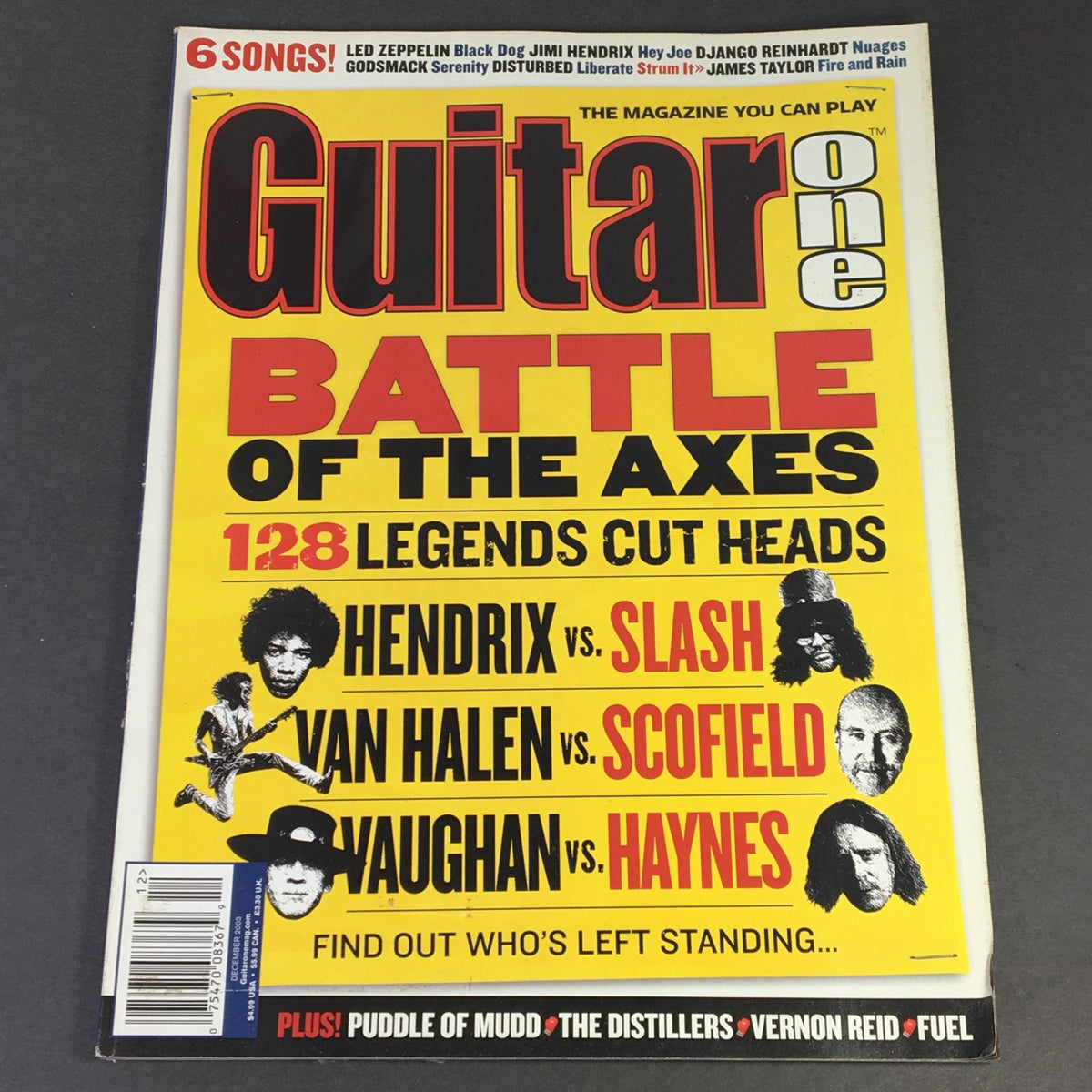
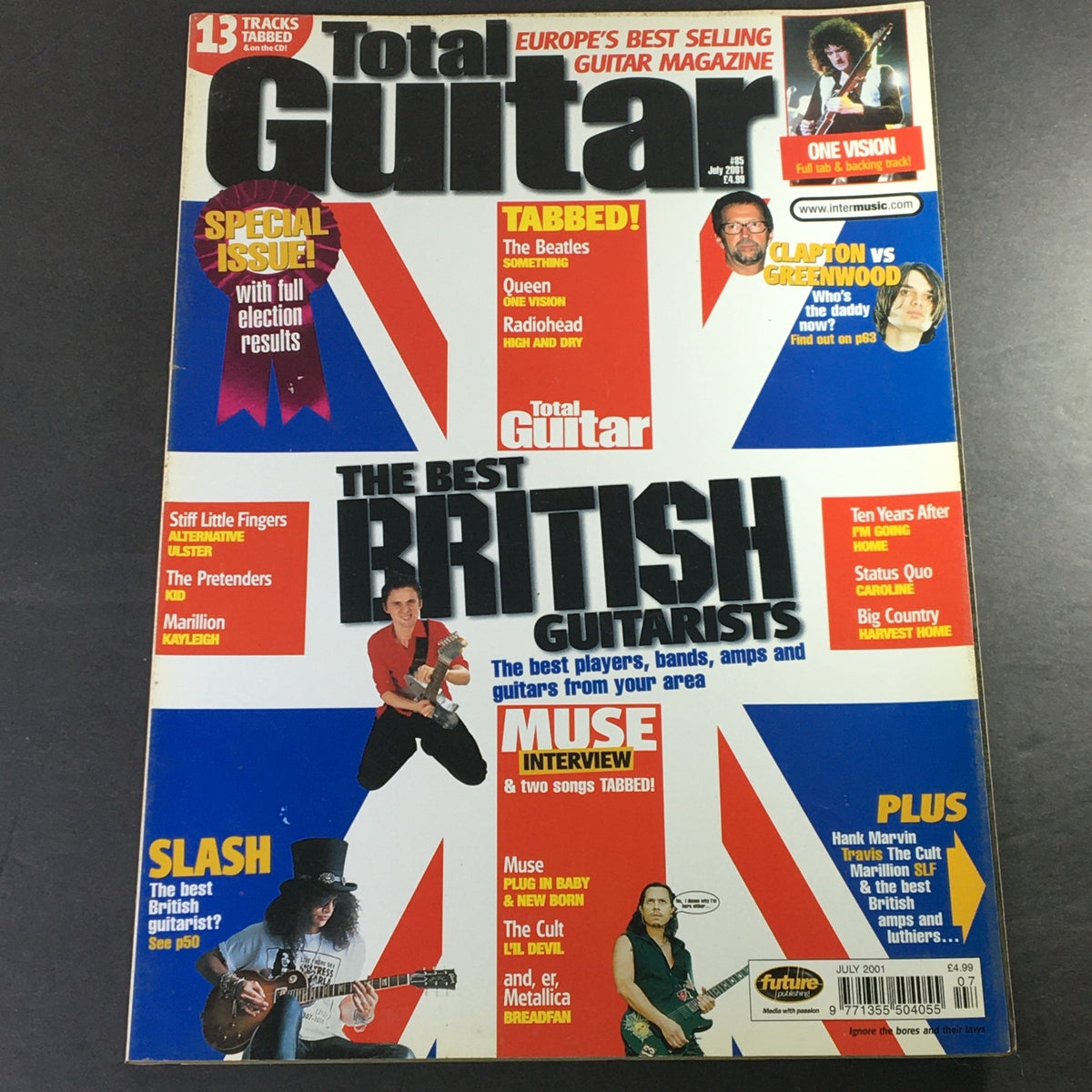
📖 About this Collection
Slash: The Top Hat, the Guitar, and the Smoke
The Legend & The Legacy
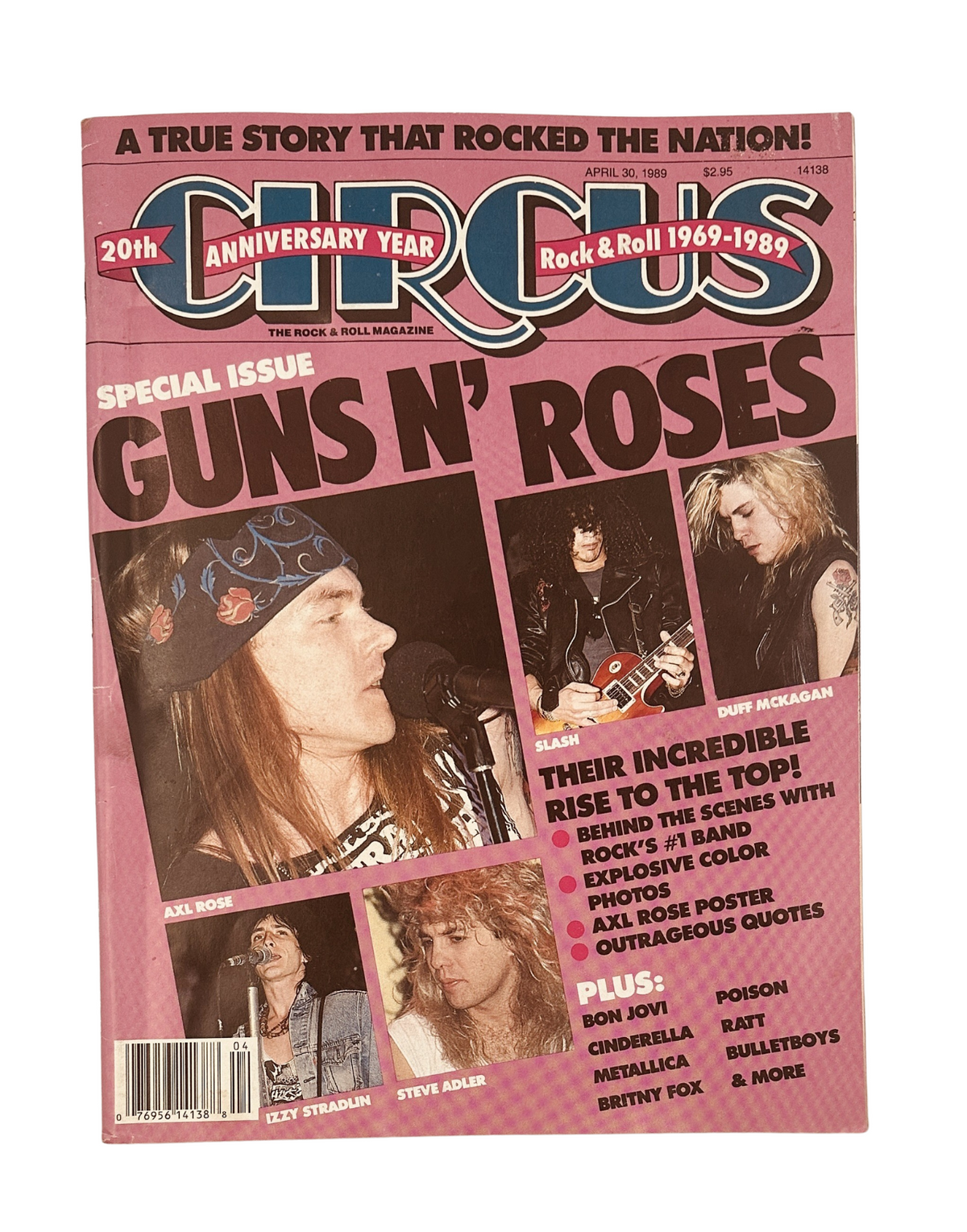
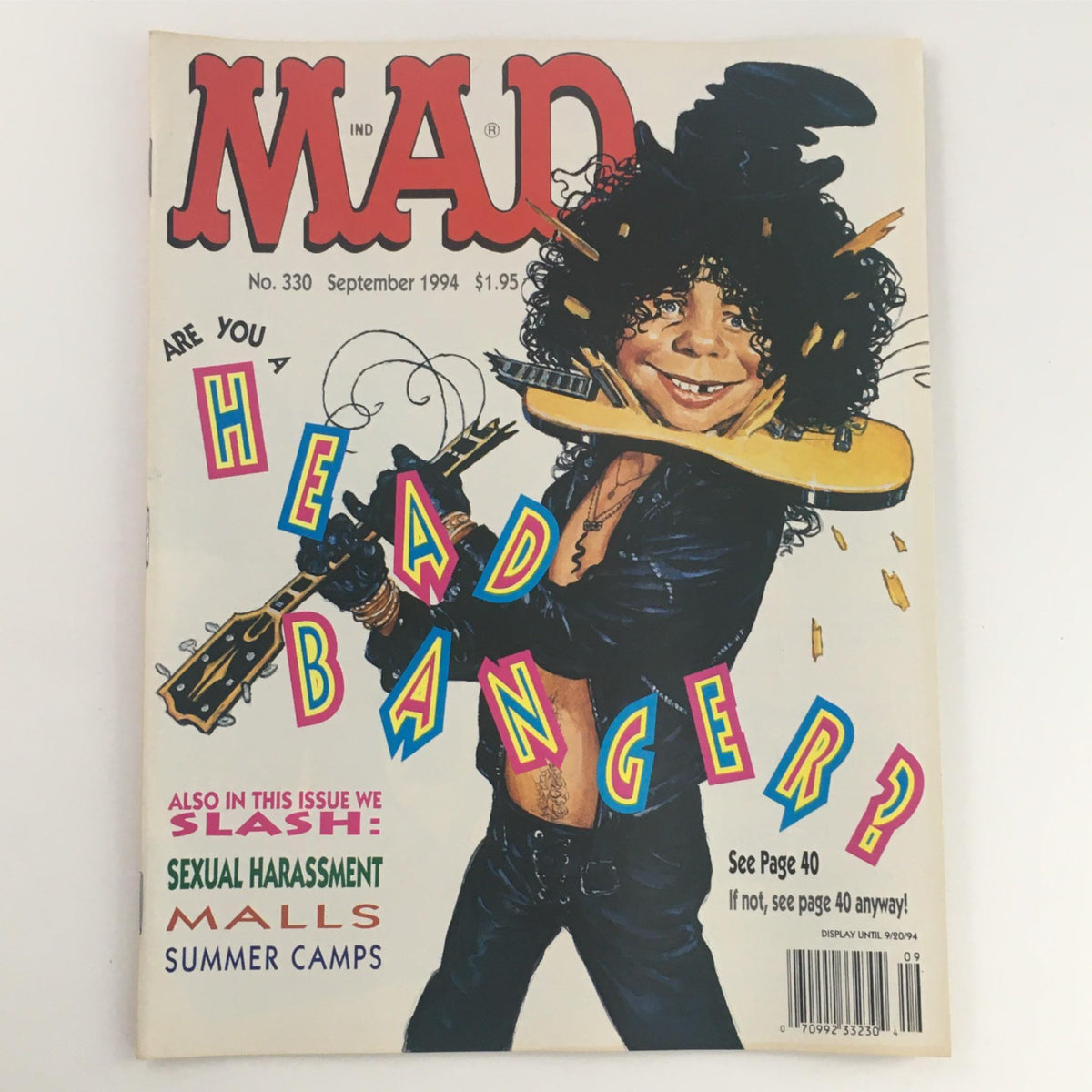
In an era when rock and roll was supposed to be dying, one man's silhouette revived it. Saul Hudson — known to the world simply by a single, razor-sharp word — emerged from the chaos of mid-1980s Los Angeles as one of the most viscerally compelling guitarists of his generation. As the lead guitarist of Guns N' Roses, he helped forge Appetite for Destruction (1987) into one of the best-selling debut albums in history, a record that detonated across radio stations, MTV, and record stores with a ferocity that felt genuinely dangerous. In the pre-internet age, fans had no Twitter feeds or streaming clips to satisfy their hunger — they turned to the newsstand. Every riff, every backstage rumor, every scandalous tour story filtered through the glossy pages of print media, which meant that magazines were not merely covering rock and roll; they were the mythology of rock and roll. The top-hatted guitarist with the perpetual cigarette and the cascade of dark curls became one of the most photographed musicians of his time, his image as iconic and immediately legible as a logo.
Inside the Archive
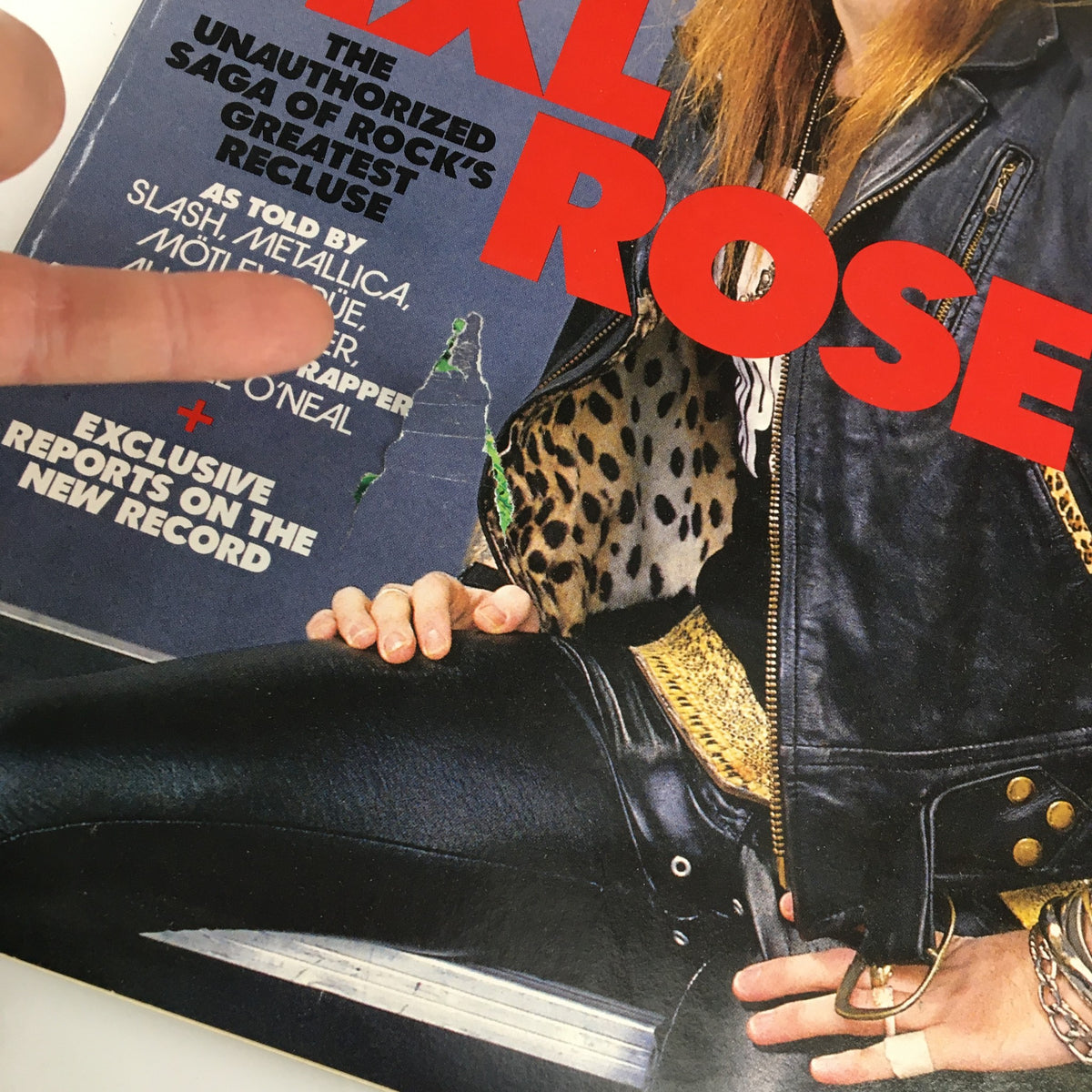
The music press of the late 1980s and 1990s was uniquely equipped to capture the drama and electricity surrounding Guns N' Roses and their most visually arresting member. Photographers were given extraordinary access — backstage, on tour buses, in the chaotic wings of sold-out arenas — producing images of the guitarist in his natural habitat: mid-solo, wreathed in stage smoke, or sprawled in studied, louche repose. Rolling Stone devoted substantial editorial space to the band's meteoric rise and spectacular internal tensions, producing landmark cover features that are now among the most sought-after issues of that publication's storied run. The British weekly Kerrang! covered him with a particular reverence, treating every album, every side project, and every lineup change as a matter of genuine cultural consequence, while Guitar World brought a more technical devotion to its coverage, examining the man behind the Les Paul with the seriousness of a classical musicologist. The editorial tone across these publications ranged from worshipful to provocative — always aware that they were documenting something larger than a band, something closer to the last great convulsion of classic rock mythology.
Curator's Checklist: Highlights Often Include
- Appetite for Destruction–era features (1987–1988): Coverage from the band's explosive breakthrough, including early live photography and reviews that capture the precise moment the world first took notice of the guitarist's uncommon gifts
- Use Your Illusion & Stadium Rock coverage (1991–1993): Sprawling, multi-page spreads documenting the band's record-breaking world tour — among the largest and most chaotic rock tours ever staged — with candid backstage photography and in-depth interviews
- Solo career and Slash's Snakepit features (mid-1990s): Issues documenting his post-GN'R reinvention, offering a more intimate portrait of the musician outside the machinery of the world's biggest rock band
- Gear and technique deep-dives: Guitar World and similar publications often ran exhaustive features on his equipment, his playing style, and his collaboration with Gibson — essential reading for players and collectors alike
- Collaborative and reunion coverage (2000s–2010s): Features surrounding his work with Michael Jackson, his acclaimed autobiography, and the long-anticipated GN'R reunion, offering collectors a full-arc narrative of an enduring career
The Collector's Value
To hold one of these magazines is to hold the specific texture of a cultural moment that cannot be manufactured or replicated. The slightly coarse, heavyweight paper stock of a late-1980s Rolling Stone; the bold, ink-saturated photography of a Kerrang! centrespread that was once pinned to a teenager's bedroom wall — these are tactile artifacts, complete with the surrounding period advertisements for cassette decks, leather jackets, and concert ticket hotlines that place you irrevocably inside that era. A vintage magazine is not a reprint or a digital file; it is a primary source document, carrying within it the full atmosphere of the moment it was published. For collectors of rock memorabilia, golden-age music journalism, or Los Angeles cultural history, these publications offer an unfiltered, authoritative record of one of the most compelling figures in the history of the electric guitar — curated by writers and photographers who were present, who were believers, and who understood they were witnessing something that mattered. Explore the current available inventory below and find the issue that speaks to you.