📖 About this Collection
Steve Carlton: The Left Hand That Rewrote the Record Books
The Legend & The Legacy
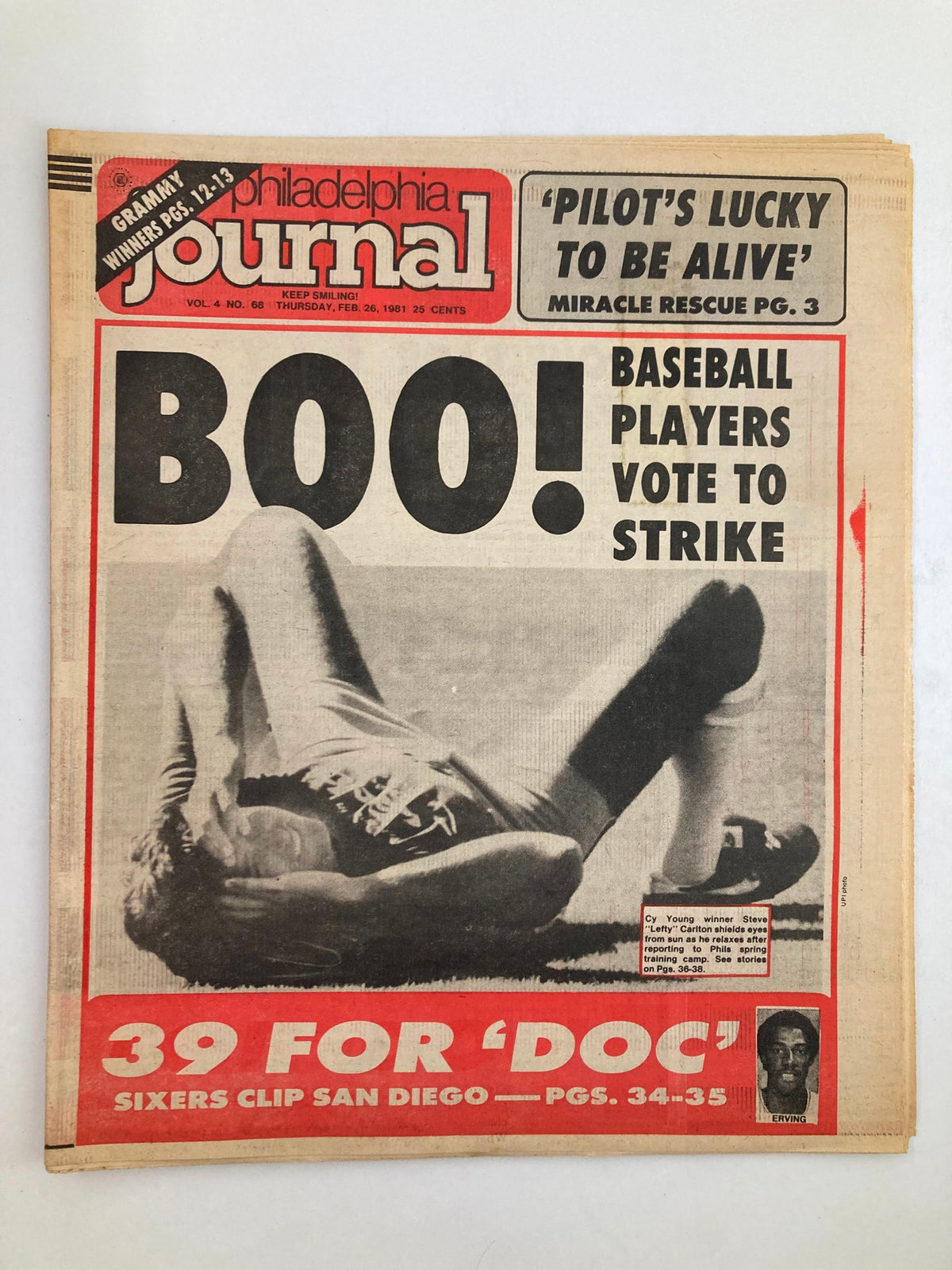
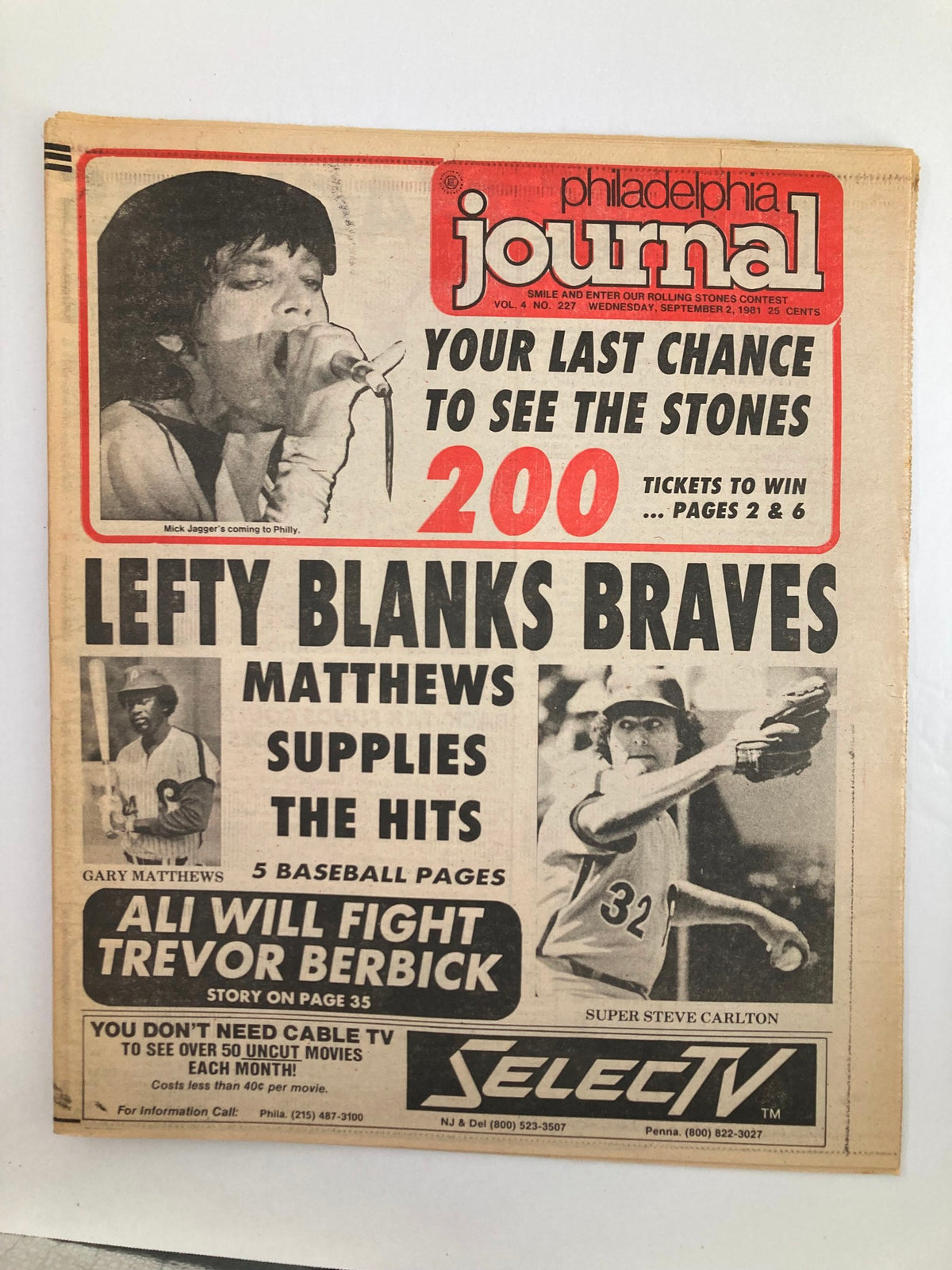
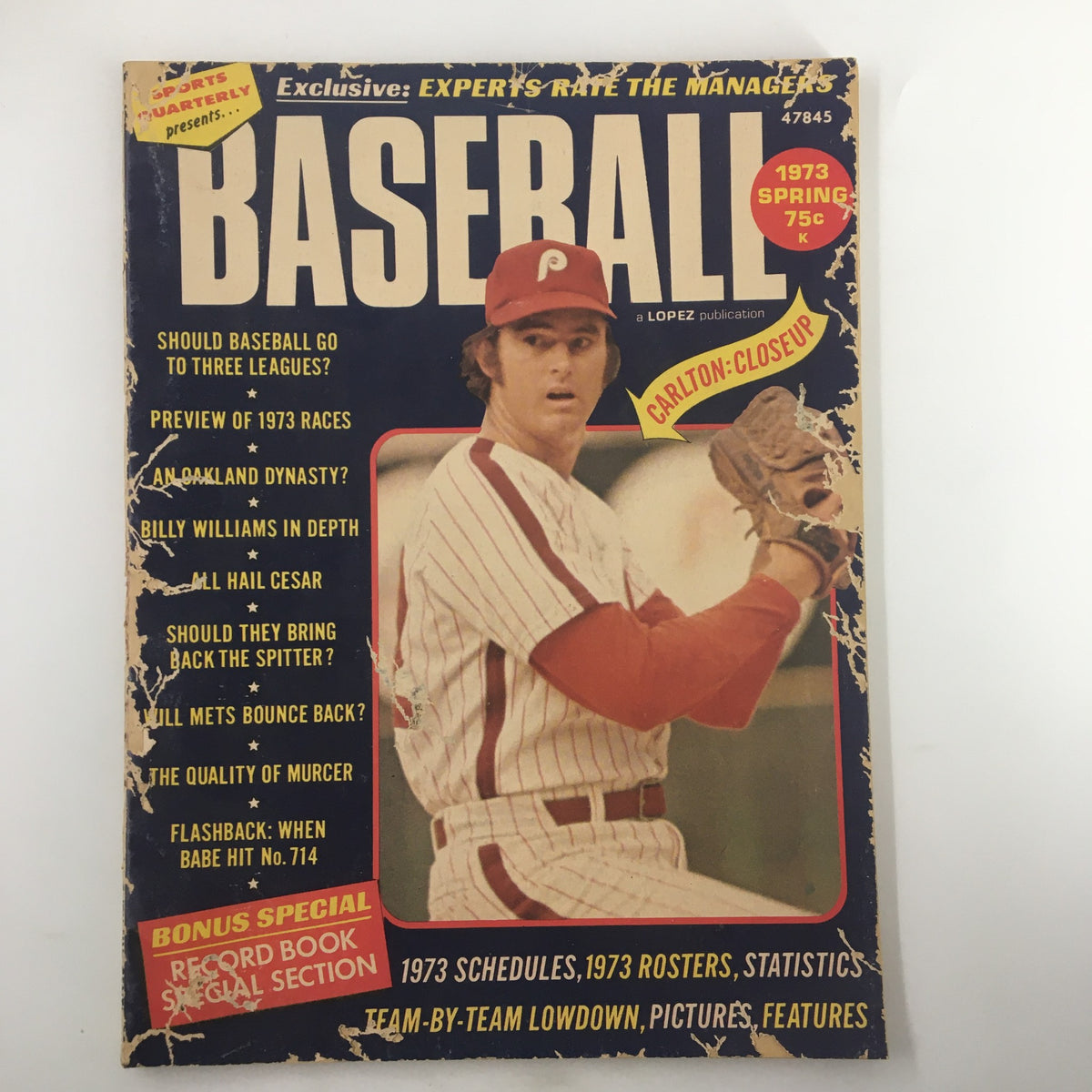
In an era when baseball was still America's undisputed national pastime, Steve Carlton stood apart — not merely as a dominant pitcher, but as a riddle wrapped in a fastball. Through the 1970s and into the 1980s, "Lefty" carved one of the most statistically staggering careers the sport had ever witnessed, most improbably while playing for a Philadelphia Phillies team that, for long stretches, gave him almost nothing in return. His 1972 season — 27 wins for a club that won only 59 games total — became the stuff of genuine legend, the kind of singular achievement that stopped sports editors cold and sent photographers scrambling to capture the stoic southpaw in all his coiled, slider-throwing glory. Before highlight reels and algorithmic timelines, fans followed Carlton's march toward 300 wins and four Cy Young Awards through the ink-and-paper ritual of the weekly sports magazine, the Sunday supplement, and the dog-eared baseball annual left on the barbershop counter. He was simultaneously celebrated and mysterious — famously refusing to speak to the press for years — which only deepened the public's fascination and gave magazine writers an irresistible narrative tension to mine with every column inch they were granted.
Inside the Archive
Vintage magazine coverage of Carlton reflects the full drama of his contradictions: action photography that emphasized the mechanical perfection of his delivery — that devastating, torquing slider release — alongside profile pieces that struggled, almost comically, to illuminate a man who would not be illuminated. Sports Illustrated returned to him repeatedly, placing him on its cover and wrestling with the paradox of a private giant in a public sport, their editorial tone oscillating between reverence and bafflement. The Sporting News, the self-described "Bible of Baseball," tracked his statistical milestones with the diligence of a parish register, its broadsheet pages dense with box scores and earnest analysis that today read as intimate time capsules of the game's analog age. Meanwhile, regional publications — particularly Philadelphia-area titles and Pennsylvania sports magazines — documented his complicated, ultimately triumphant relationship with a city that loves its athletes with the ferocity of a contact sport, covering his 1980 World Series championship run with a civic pride that bordered on the ecstatic. Photography of the era favored dramatic low-angle dugout shots, the chalk-dusted mound in soft stadium light, and the rare, almost anthropological close-up of a man the press had largely been forbidden from approaching.
Curator's Checklist: Highlights Often Include
- Milestone coverage marking his 3,000th and 4,000th strikeout achievements, with feature spreads examining where he stood among the all-time greats — Koufax, Gibson, Ryan — in the language of the moment
- The 1972 singular season, frequently revisited in year-end retrospectives and award coverage, including his unanimous Cy Young Award recognition that left columnists searching for fresh superlatives
- World Series championship issues from 1980, when Philadelphia's sports press reached a fever pitch and national outlets descended on Veterans Stadium to document the city's first baseball title in three decades
- Analytical deep-dives into his slider, a pitch so filially associated with him that pitching coaches and sports scientists of the era wrote about it with something approaching awe — often accompanied by sequential stop-motion photography
- Human interest and controversy pieces from the late 1970s onward, grappling with his press embargo, his unorthodox training methods, and the philosophical question of whether a great athlete owed the public his inner life
The Collector's Value
To hold one of these issues is to hold the actual artifact of attention — the magazine that sat on a Philadelphia newsstand in October 1980, or traveled in a gym bag, or was clipped and pinned above a Little League player's bed. The paper stock of a 1970s Sports Illustrated has a particular weight and warm yellowing at the margins; the ink carries that faintly sweet, slightly mineral scent that no digital archive has ever replicated; and surrounding Carlton's image, you will find advertisements for cars that no longer exist, beer brands in their original livery, and sporting goods that speak volumes about who America was when this man was in his prime. These are not reproductions or commemorations — they are primary sources, the original tissue of cultural memory. For collectors of baseball history, Philadelphia sports ephemera, or the golden age of American print journalism, these publications offer an irreplaceable window into how a guarded, brilliant, polarizing athlete was mythologized in real time, issue by issue, season by season. Explore the current rotating inventory below and discover which pieces of that legacy are available today.