📖 About this Collection
Steve McQueen: The Engine Behind the Icon
The Legend & The Legacy
Steve McQueen did not simply occupy popular culture — he inhabited it like a driver owns a hairpin turn. From the late 1950s through the 1970s, the King of Cool became one of the most photographed and profiled figures in the Western world, a man whose magnetism translated effortlessly from celluloid to the printed page. In an era before celebrity was algorithmically manufactured, his story was told issue by issue, month by month, through the hands of editors and photographers who understood that this was something genuinely rare: a man who made danger look like a birthright. Readers devoured his ascent from hardscrabble outsider to Hollywood's highest-paid actor through the only lens available to them — the glossy cover, the center-spread, the breathless profile tucked between cigarette advertisements and whisky endorsements. Print was the medium that made him myth.
Inside the Archive
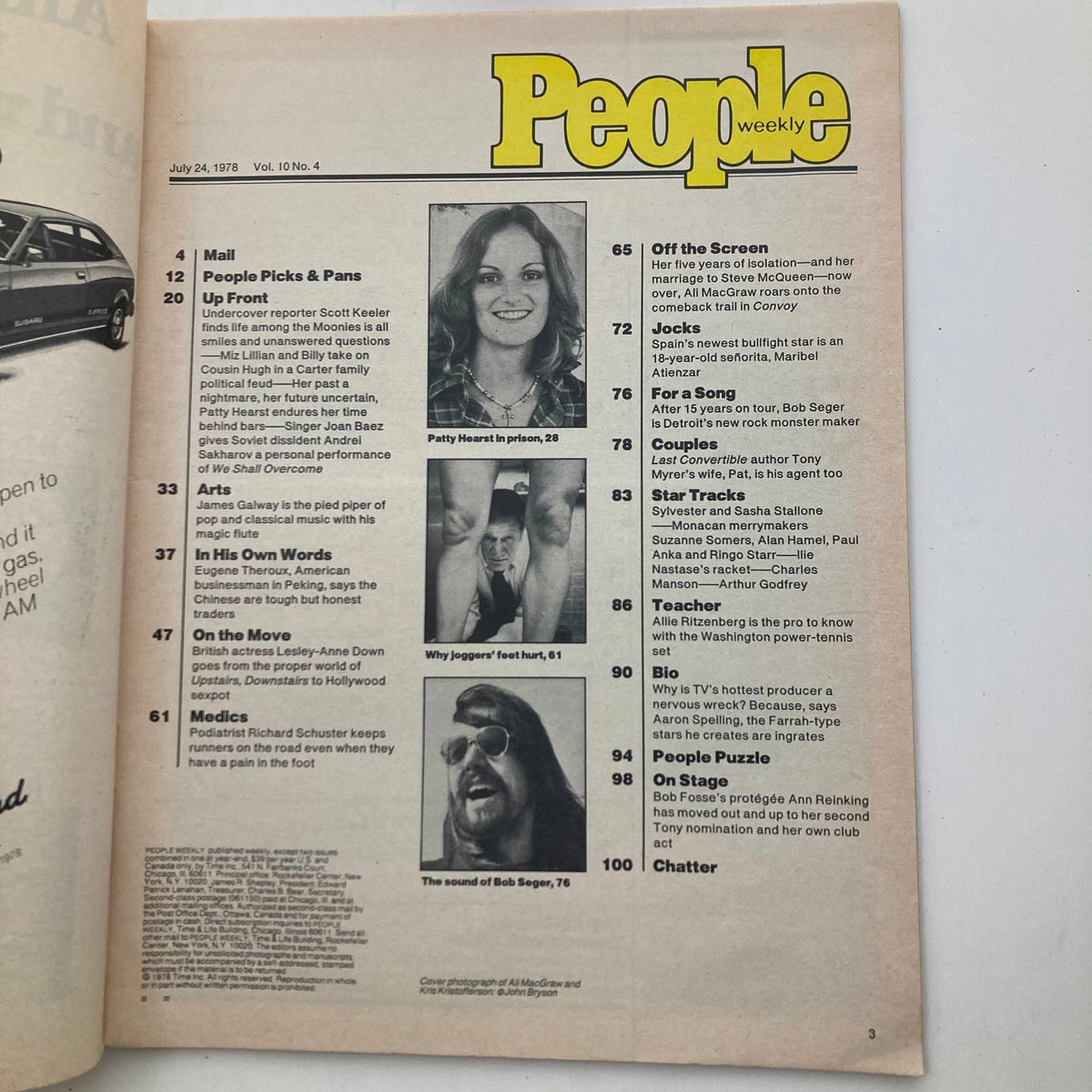
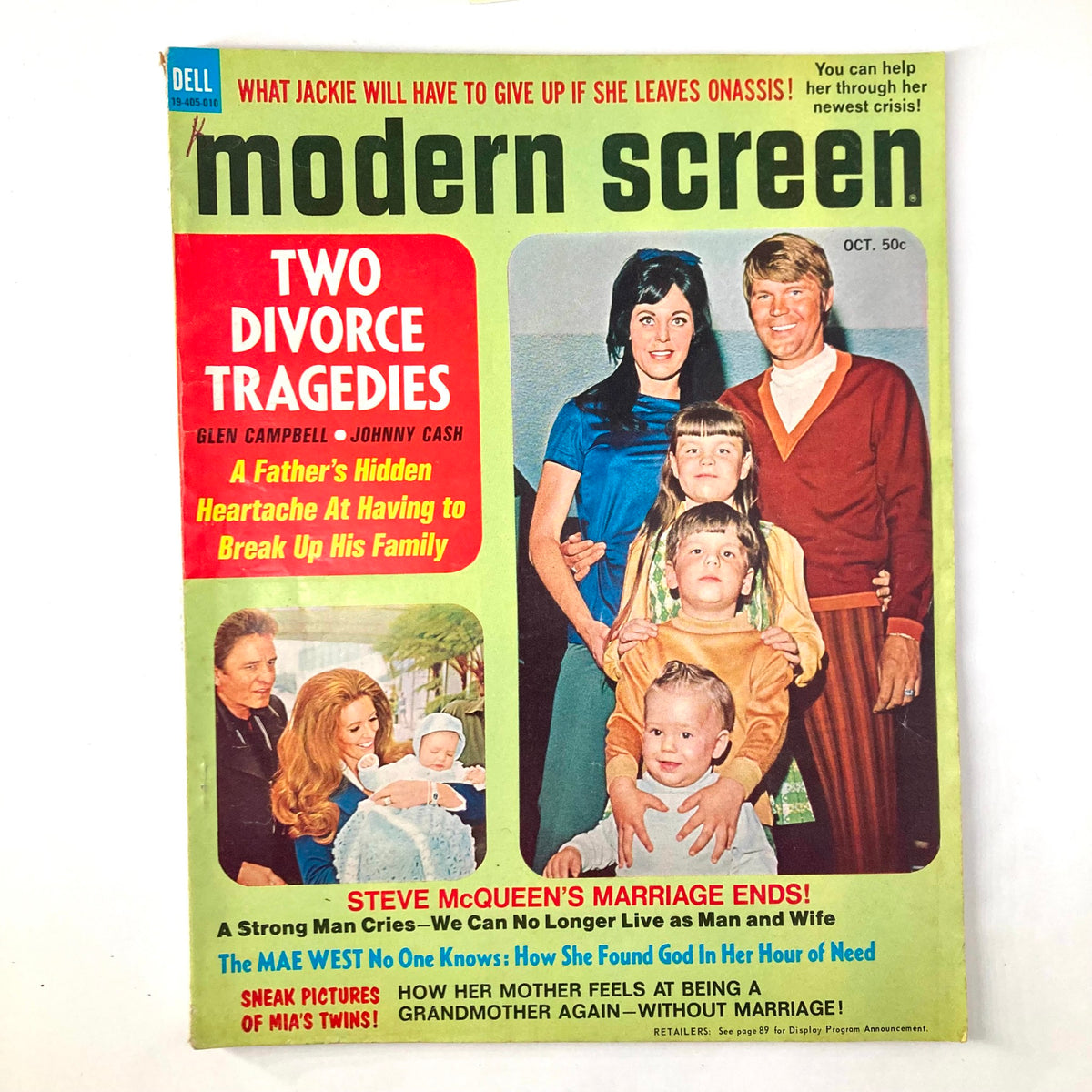
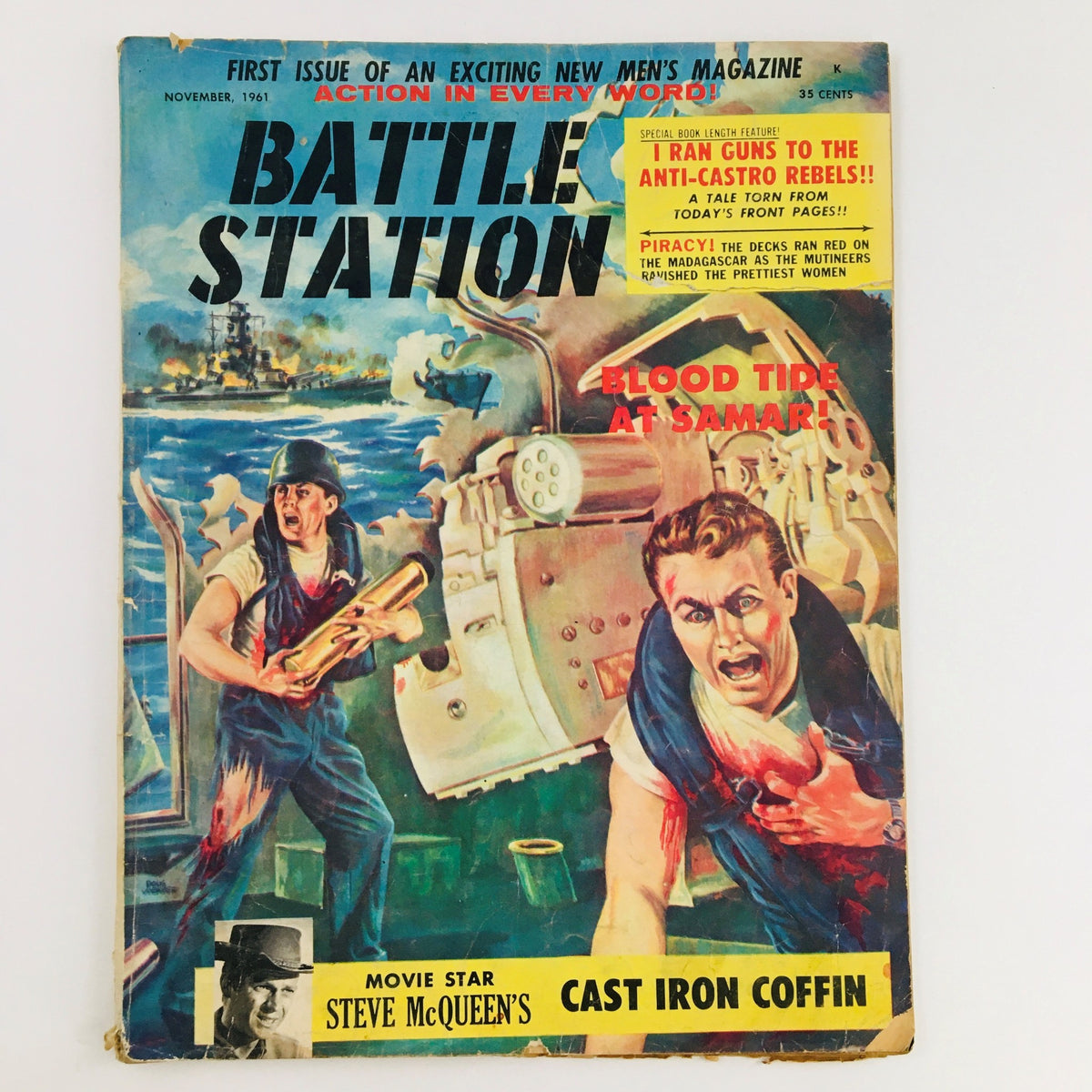
Vintage magazines captured the actor with an intimacy that matched his contradictions — the lone wolf who commanded a room, the superstar who preferred a helmet to a spotlight. Photographers like William Claxton shot him in natural light, leather-clad and squinting into the California sun, images that graced the pages of Life magazine with a documentary gravitas rarely afforded to actors of the era. Sports Illustrated tracked his genuine passion for motorsport, covering his exploits at Le Mans and his competitive amateur racing career with the same seriousness it gave to professional athletes. Meanwhile, European publications — most notably Paris Match — brought a continental reverence to his image, framing him not as a movie star but as a phenomenon, a uniquely American archetype that European readers found both fascinating and slightly dangerous. The editorial tone across publications was consistently one of awe held in check by journalistic restraint: writers sensed they were documenting someone who would outlast the moment.
Curator's Checklist: Highlights Often Include
- Motorsport Coverage — Features and photo essays tied to his racing life, including coverage of the 1970 Le Mans film production, the 12 Hours of Sebring, and his participation in the Baja 1000, often appearing in both automotive and mainstream publications simultaneously
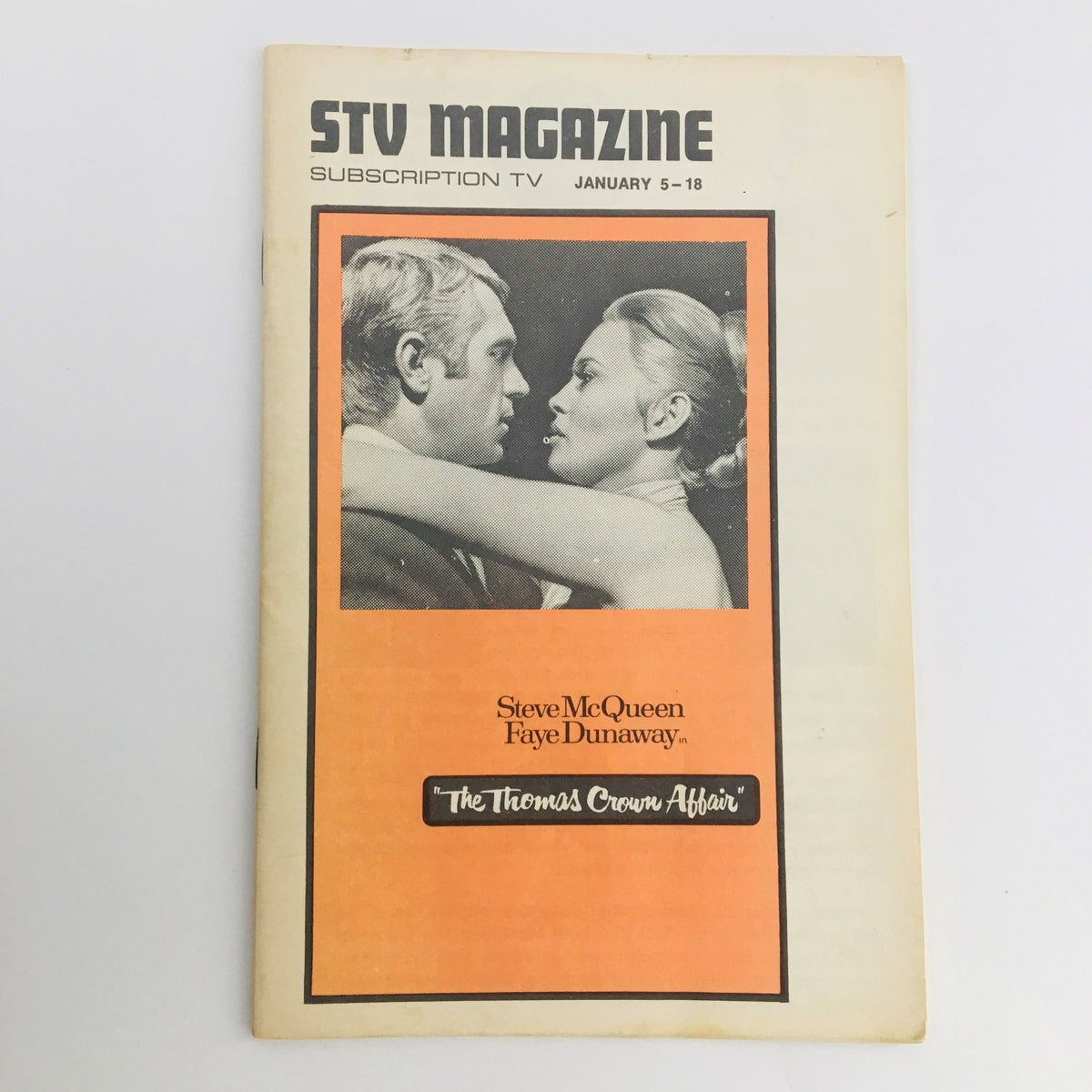
- Major Film Releases — Promotional and editorial coverage surrounding landmark films including Bullitt (1968), The Thomas Crown Affair (1968), Papillon (1973), and The Getaway (1972), with some issues featuring multi-page studio photography
- Counter-Culture Profiles — Long-form interviews and personality profiles from the late 1960s that positioned him as a symbol of American individualism and rebellion against the Hollywood establishment
- Fashion & Lifestyle Features — Spreads in style-forward publications documenting his effortless off-screen aesthetic — turtlenecks, Persol sunglasses, Heuer watches — which influenced men's fashion for decades and remain deeply referenced today
- International & Foreign-Language Editions — Coverage in French, Italian, German, and Japanese publications reflecting his enormous global popularity, often with exclusive photography not published in American markets
The Collector's Value
To hold one of these magazines is to hold the moment before the legend fully calcified — when he was still news, still surprising, still a man rather than a monument. The paper stock of a 1968 Life or a 1970 Paris Match carries a particular weight, slightly brittle at the edges now, the ink settled into the grain of the page in a way no digital reproduction can approximate. The smell of a decades-old issue — that distinctive combination of aged newsprint, offset ink, and time — is itself a form of historical evidence. And the surrounding context matters profoundly: the advertisements for Kodak film and Pan Am flights, the headlines from another America, the subscription cards still tucked inside, all conspire to return the reader to the precise cultural atmosphere that produced him. For collectors of Hollywood golden-age memorabilia, vintage motorsport history, or mid-century American masculinity and style, these publications offer something no biography or documentary can replicate — primary source documents, commercially produced and mass-distributed, that captured a living icon in real time. Explore the current available inventory below to find the issue that belongs in your collection.