📖 About this Collection
Steven Tyler: The Demon of Dream Street, Frozen in Print
The Legend & The Legacy
Long before streaming playlists and algorithmic feeds, Steven Tyler was a force of nature that the world could only fully comprehend through the glossy, inky pages of a magazine. As the volcanic frontman of Aerosmith — the band that clawed its way from the gritty clubs of Boston to the very summit of American rock — Tyler embodied a particular strain of excess, survival, and reinvention that captivated editors and readers alike for decades. In the early 1970s, he was the scarf-draped street poet of hard rock; by the late 1980s, a cautionary tale turned triumphant comeback story; and by the 1990s, a bona fide cultural institution. His story — equal parts Dionysian myth and deeply American saga of second chances — played out almost entirely in real time across the pages of the era's most influential publications, consumed by millions who had no other way to get close to the spectacle.
Inside the Archive
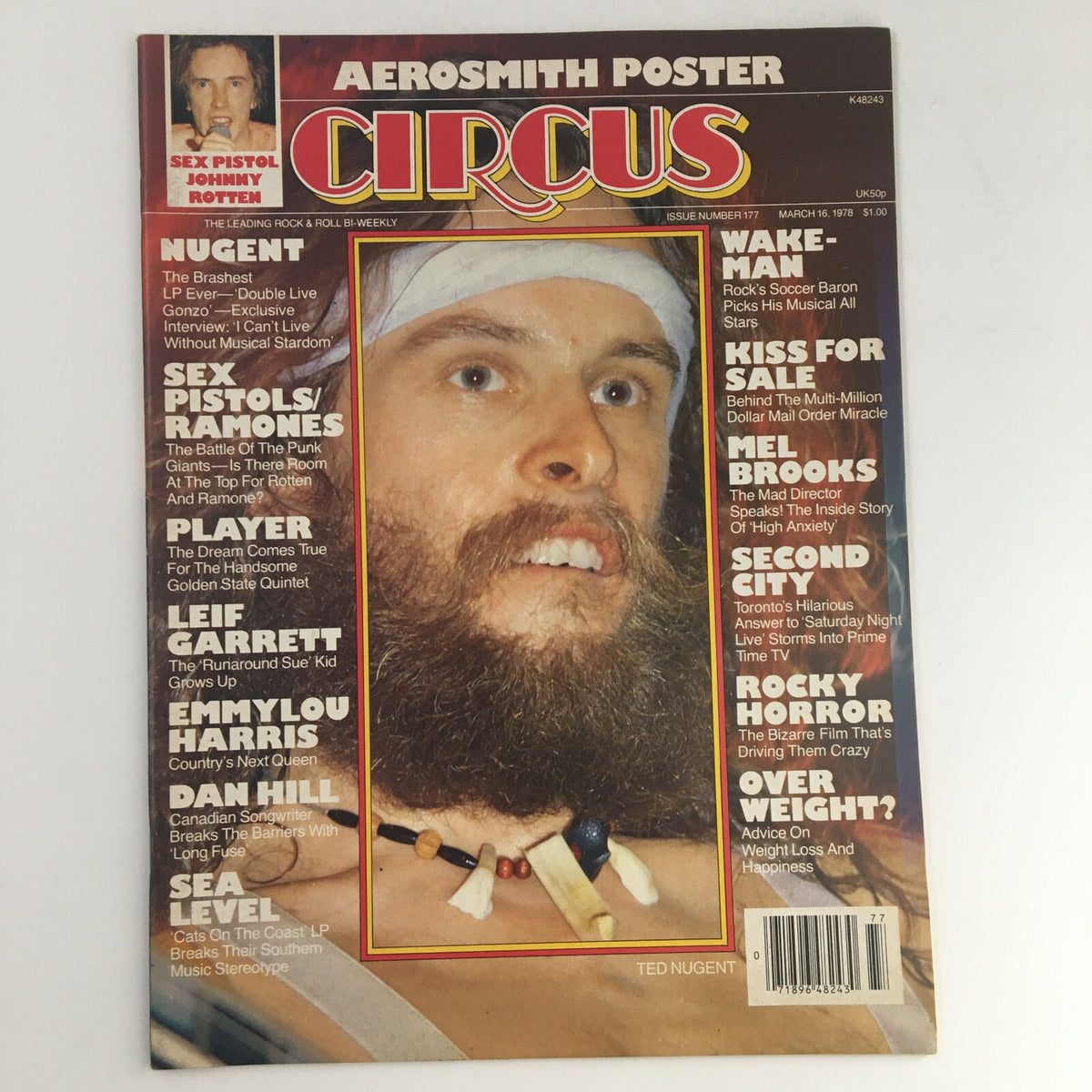
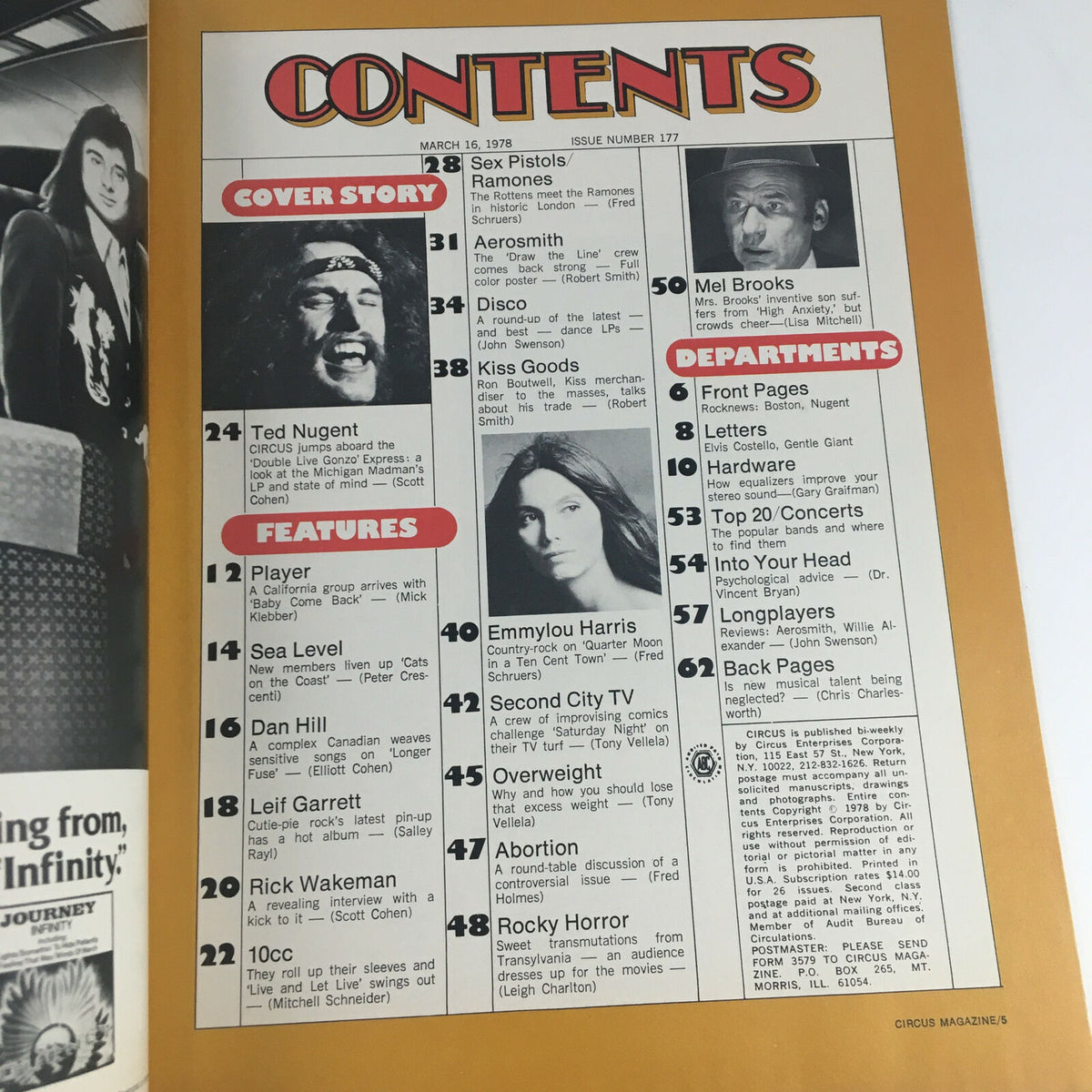
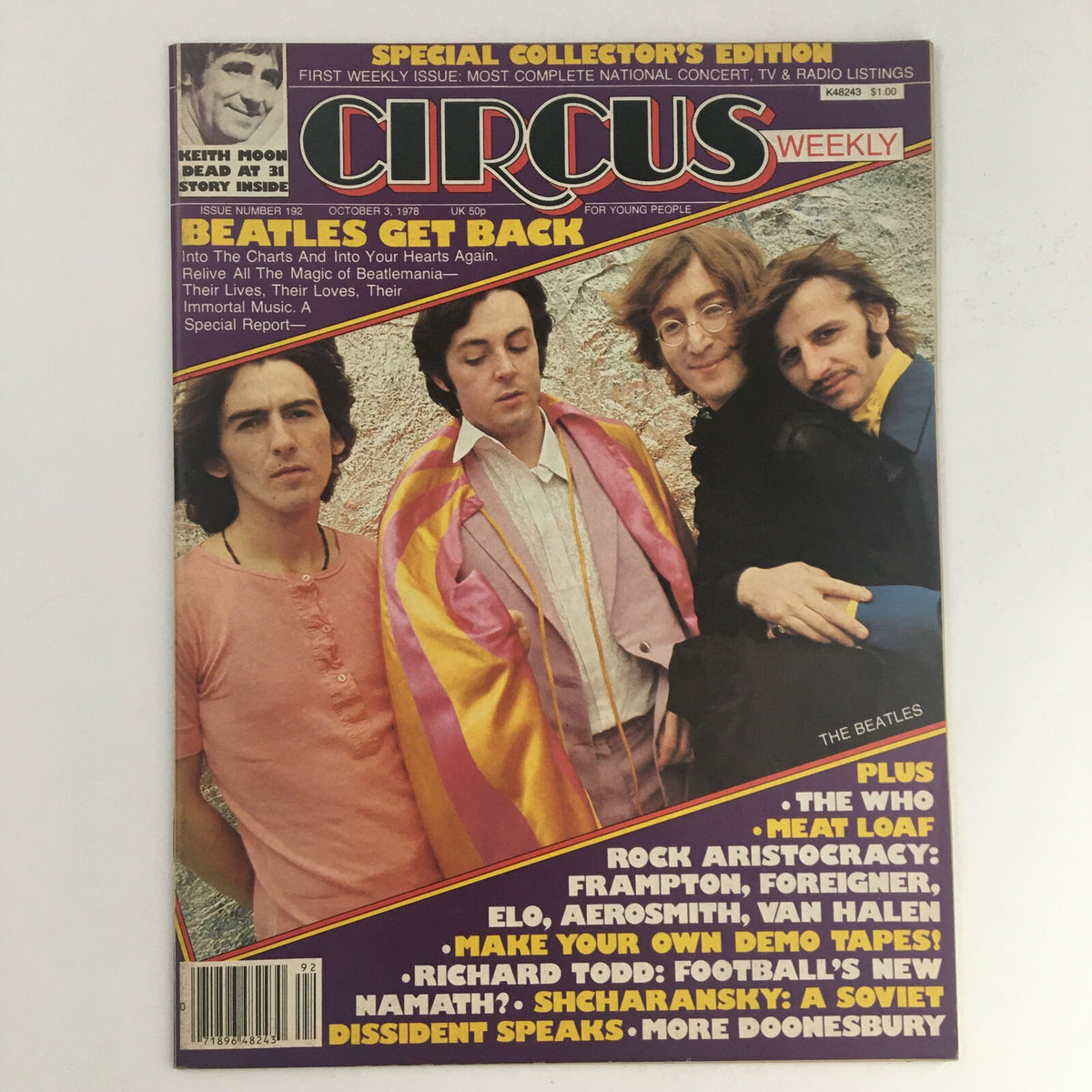
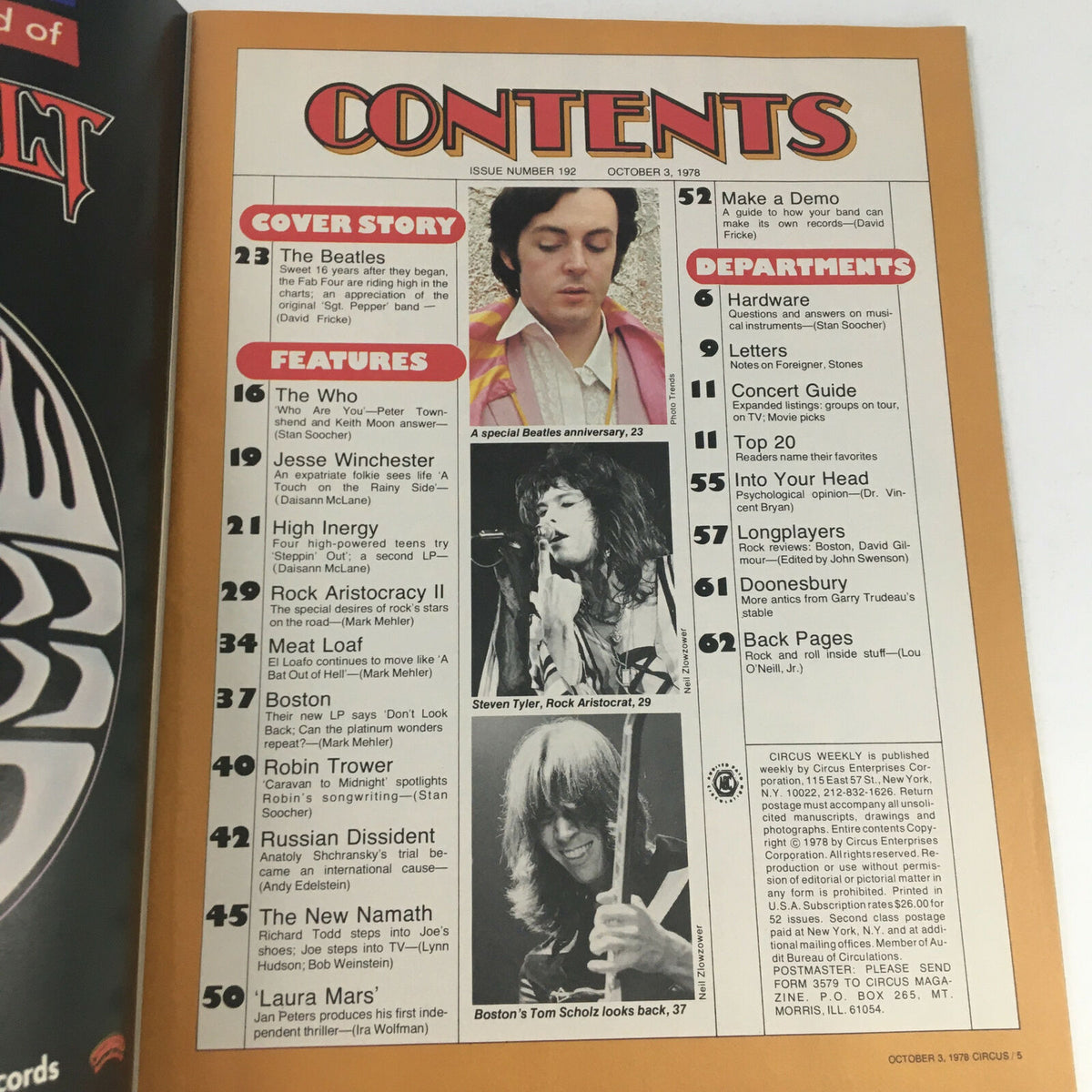
Vintage magazine coverage of the Aerosmith frontman is a study in contrasts and eras. In the band's rawer, wilder years of the mid-1970s, publications like Creem and Circus captured him in grainy, electric photography — lips parted mid-scream, mic stand wrapped in silk, hair a magnificent chaos — paired with gonzo editorial prose that matched his untamed energy. As his cultural stature grew, Rolling Stone became the definitive chronicler of his mythology, devoting cover real estate and long-form features to both the band's decadent rise and their astonishing sobriety-fueled renaissance. The 1990s brought him to a broader, glossier audience, with mainstream publications like People and even Vogue treating him less as a rock curiosity and more as an enduring American icon — a testament to how completely he had transcended the genre that made him.
Curator's Checklist: Highlights Often Include
- The "Toxic Twins" Era (mid-1970s): Early rock press features from Creem, Hit Parader, and Circus documenting Aerosmith's explosive first wave, often with raw, unguarded photography from the road and the studio
- The Comeback Narrative (late 1980s–early 1990s): Deeply editorial features tracking the band's sobriety and the recording of Permanent Vacation and Pump — one of rock journalism's great redemption arcs, covered extensively by Rolling Stone and mainstream entertainment weeklies
- MTV & Mainstream Crossover Coverage: Fan and trade publications from the Crazy/Cryin'/Amazing video era, when a new generation discovered him and the entertainment press treated him as royalty
- Solo Profile Features & Fashion Editorials: Pieces exploring his singular aesthetic — the scarves, the lips, the androgynous glamour — appearing in style-conscious and celebrity-focused magazines of the 1990s and 2000s
- Awards Season & Milestone Retrospectives: Anniversary issues, Grammy coverage, and Hall of Fame induction features that cemented his legacy in the broader cultural conversation beyond rock circles
The Collector's Value
There is something irreplaceable about holding a magazine from the decade it was printed — the slight yellowing at the edges, the weight of coated paper stock between your fingers, the faint ghost of ink that has been drying for forty years. A vintage issue featuring Steven Tyler does not merely document a moment; it is the moment, complete with the surrounding advertisements for cigarettes and muscle cars and hi-fi equipment that make the era utterly, viscerally real. These are primary sources — artifacts of how a culture actually saw itself and its heroes in real time, unfiltered by nostalgia or retrospective myth-making. For collectors of classic rock memorabilia, 1970s and '80s Americana, or the golden age of music journalism, these publications offer an irreplaceable window into the soul of an era that cannot be streamed, scrolled, or downloaded. Explore the current available inventory below, and find the piece of history that belongs in your collection.