📖 About this Collection
Stevie Nicks: Witch of the West, Voice of a Generation
The Legend & The Legacy
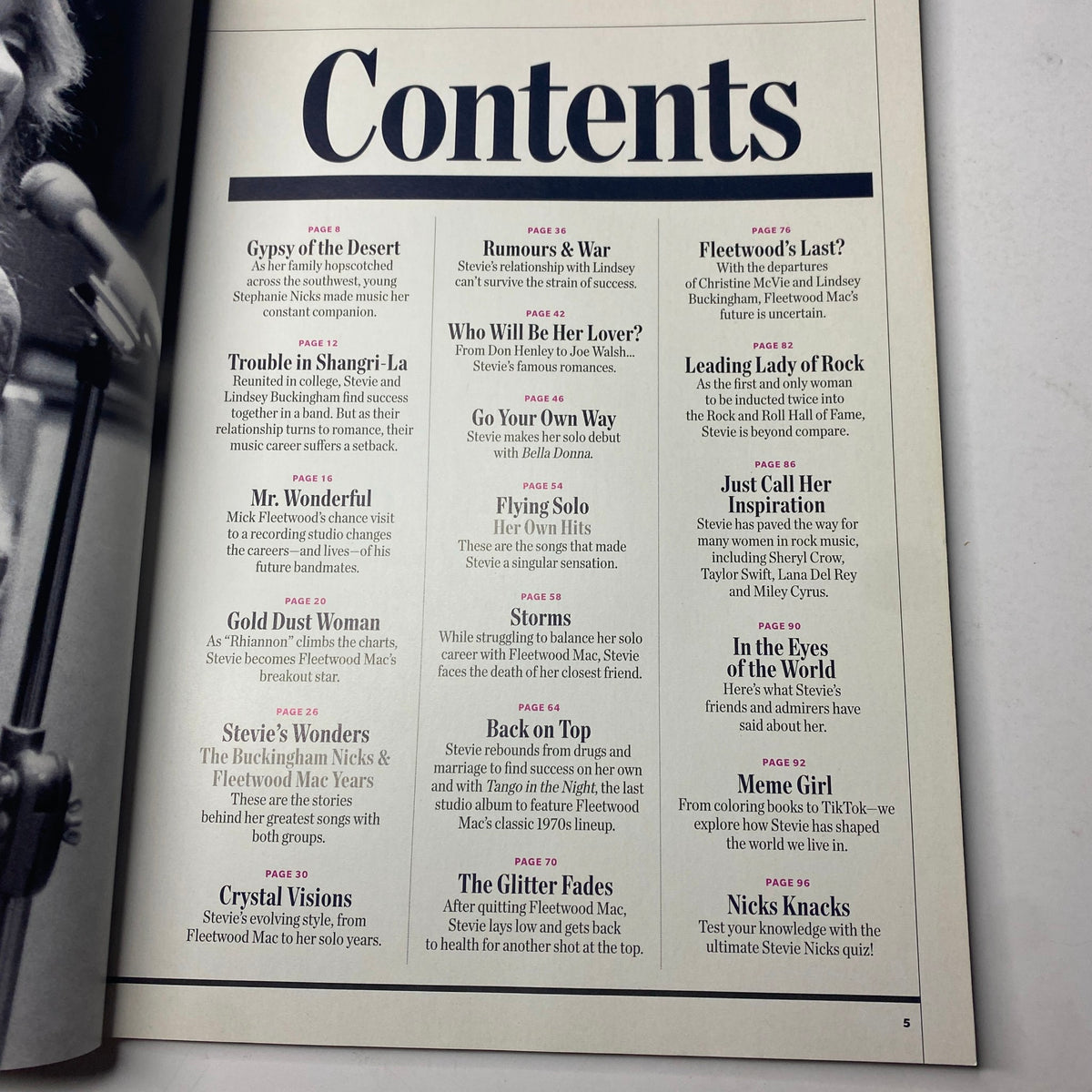
Long before algorithms decided what the world would hear next, a woman in a top hat and chiffon could stop a decade in its tracks simply by walking onto a stage. Stevie Nicks rose to cultural dominance in the mid-1970s as the ethereal, untameable spirit of Fleetwood Mac — a band whose internal heartbreak became the soundtrack to an era — before stepping forward as a solo force of nature with the release of Bella Donna in 1981. In an age when celebrity was mediated entirely through physical print, the public's insatiable hunger for her was fed by glossy pages alone: the fold of a magazine pulled from a record store rack, the rustle of newsprint in a backstage green room, a centerfold pinned above a college dorm bed. She was rock royalty and restless poet, a figure of genuine mystique at a time when mystique still required imagination to complete. Her story — the turbulent romances, the creative battles within one of the greatest bands in history, the solo ascent, and the wilderness years reclaimed — unfolded issue by issue, cover by cover, in the hands of readers who had no other way to follow her.
Inside the Archive
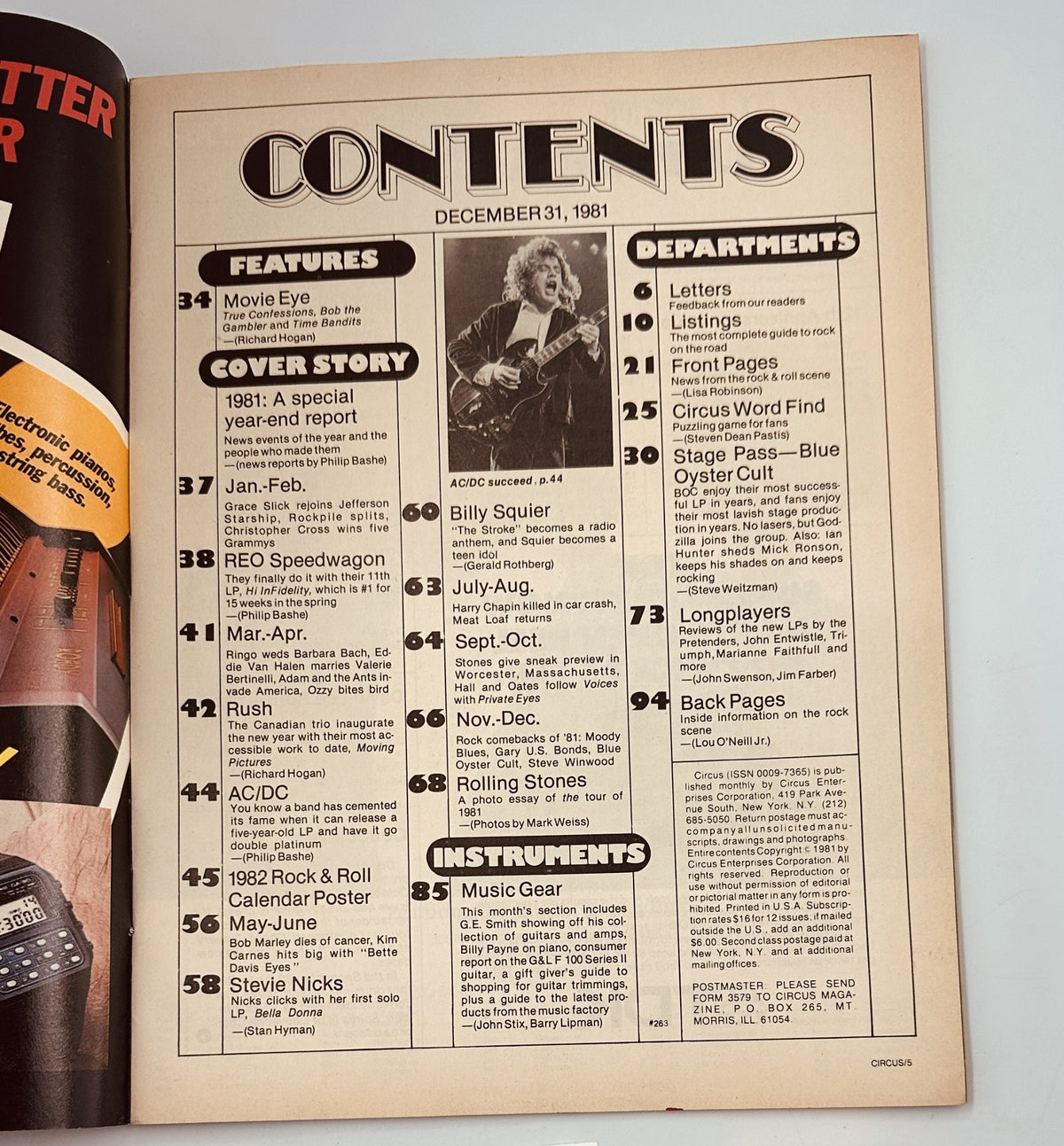
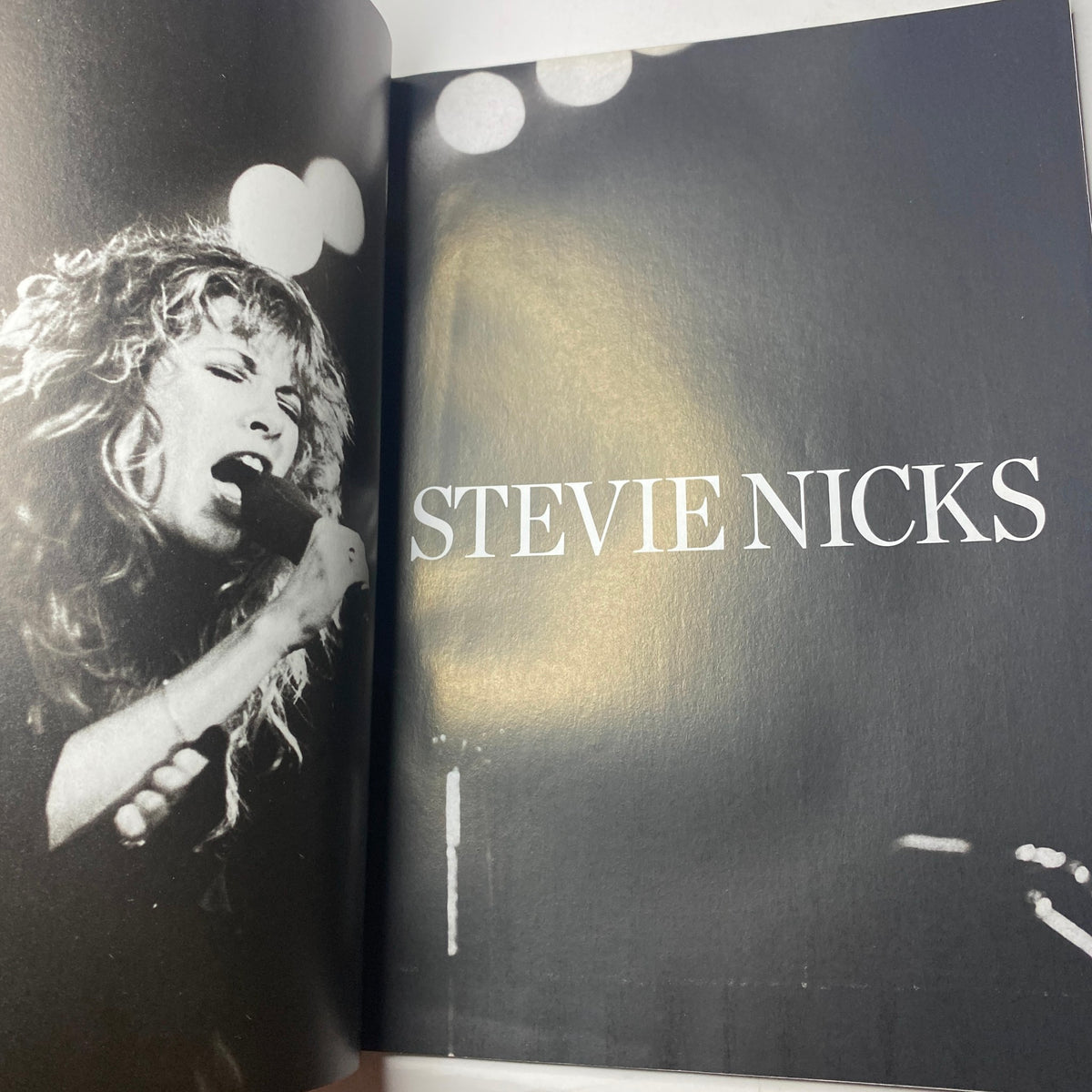
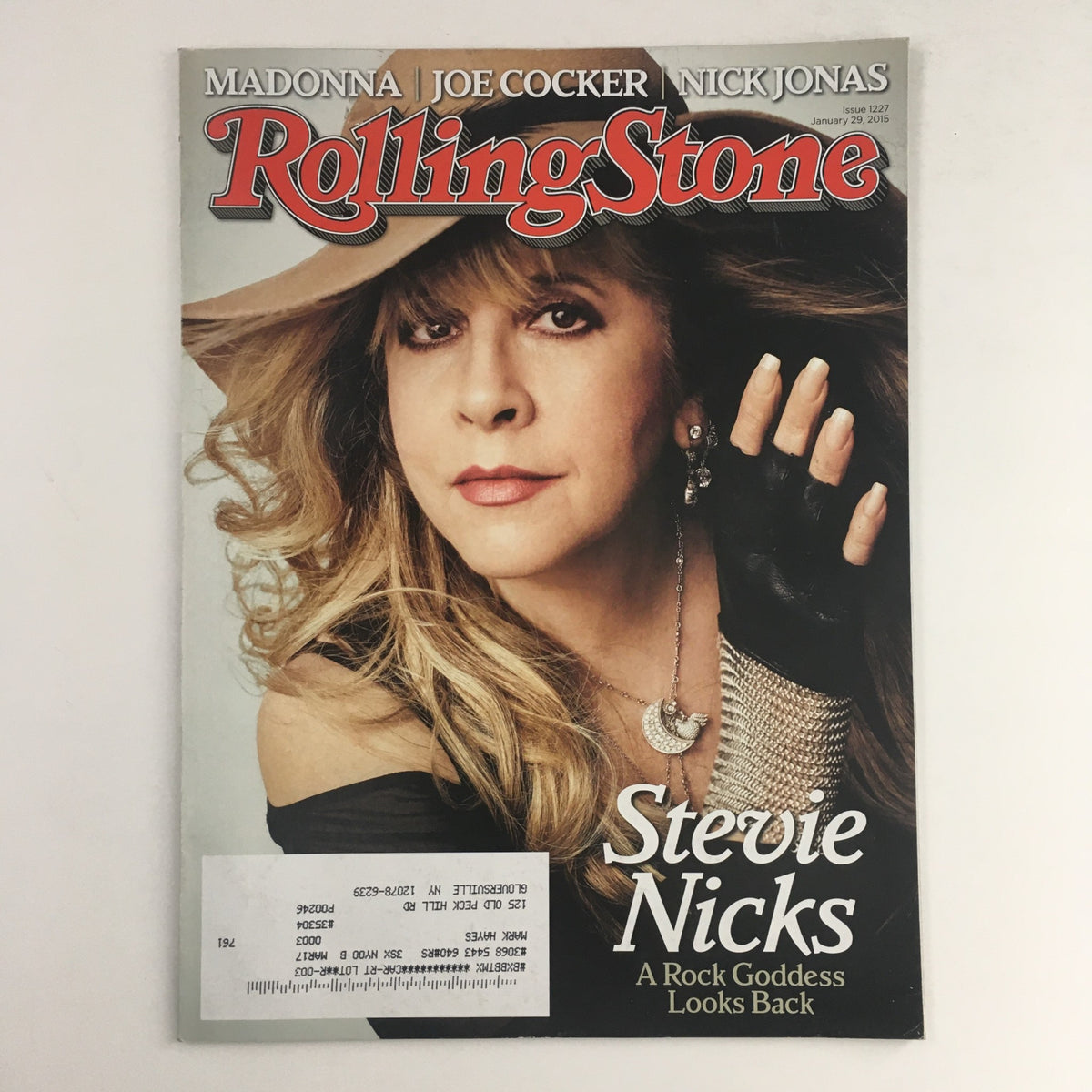
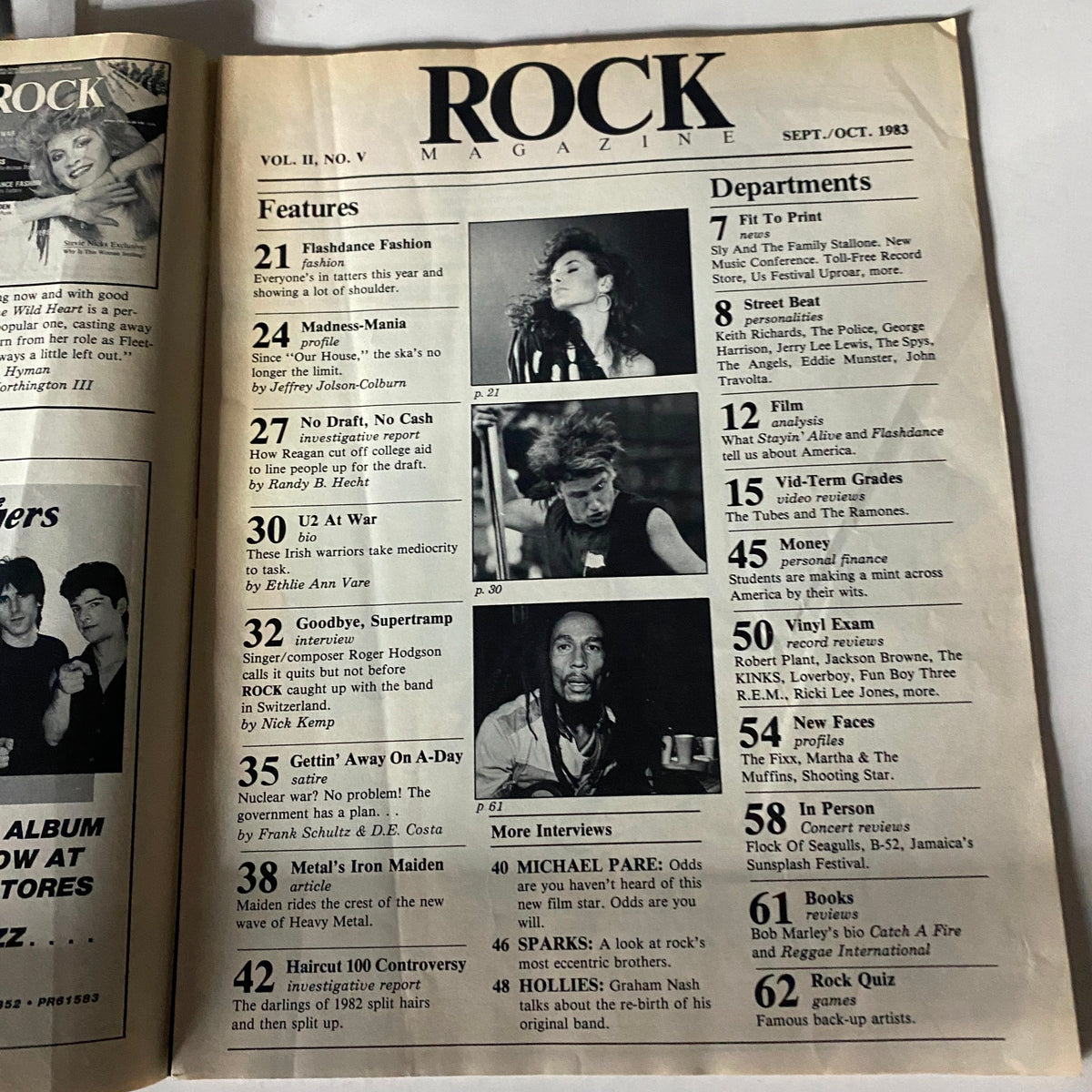
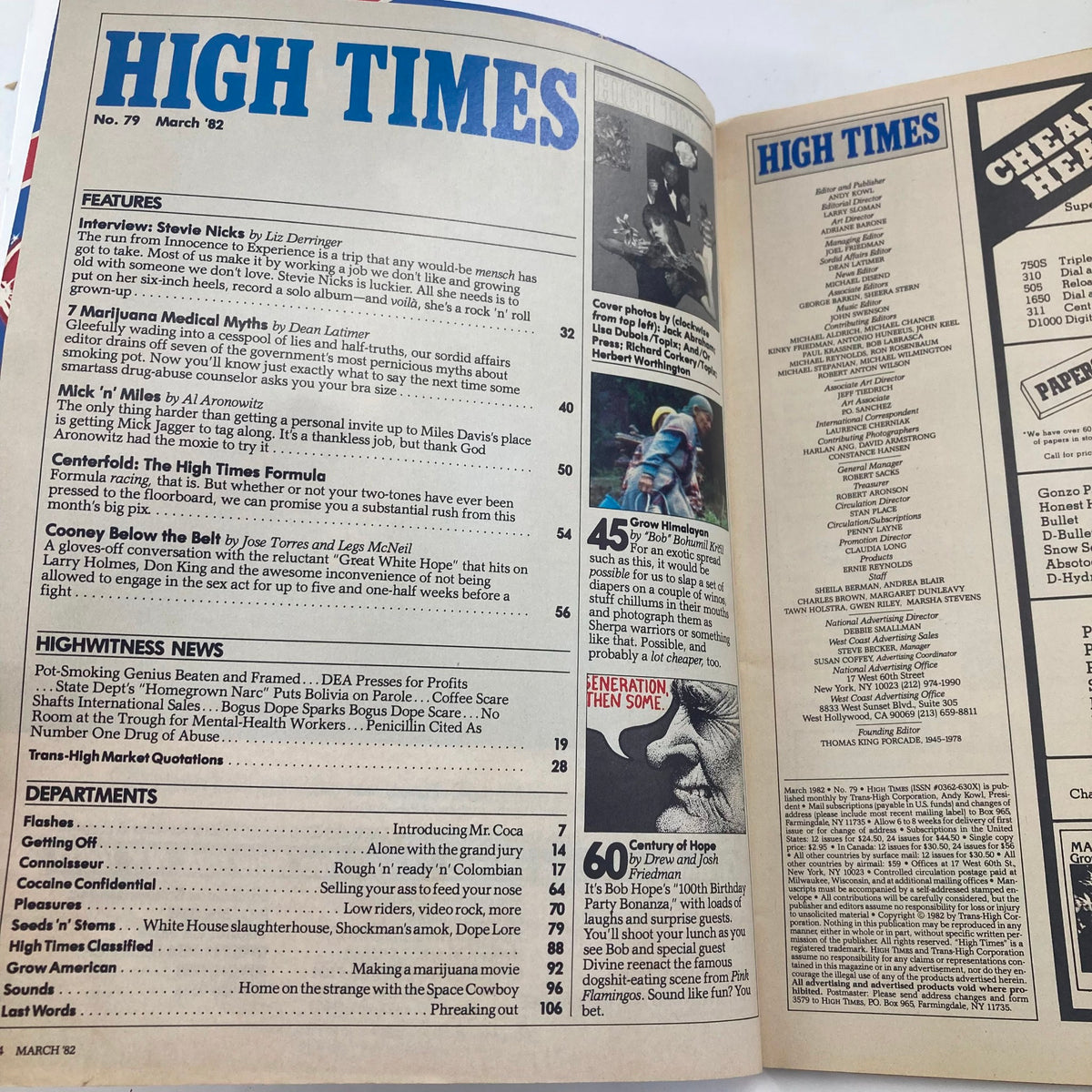
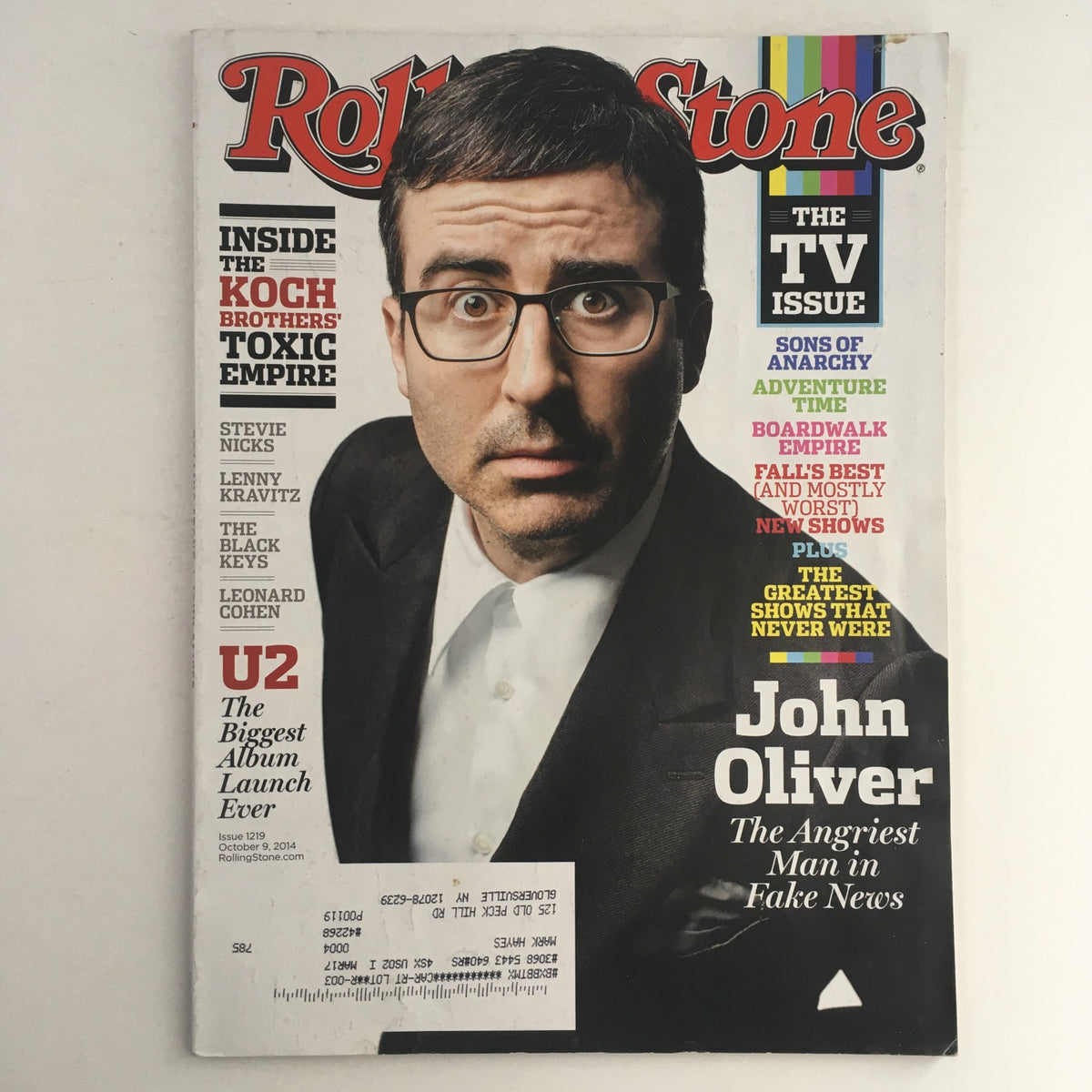
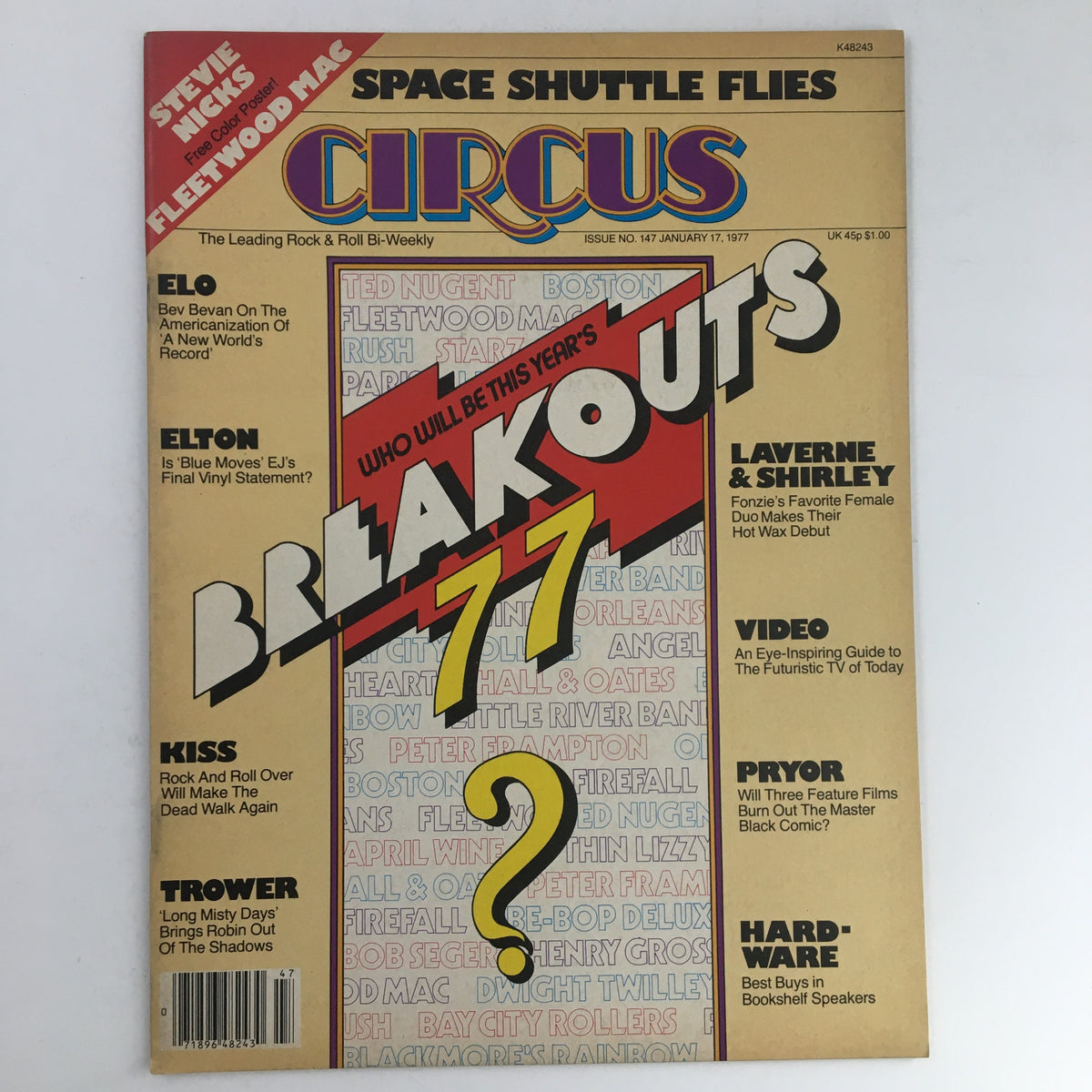
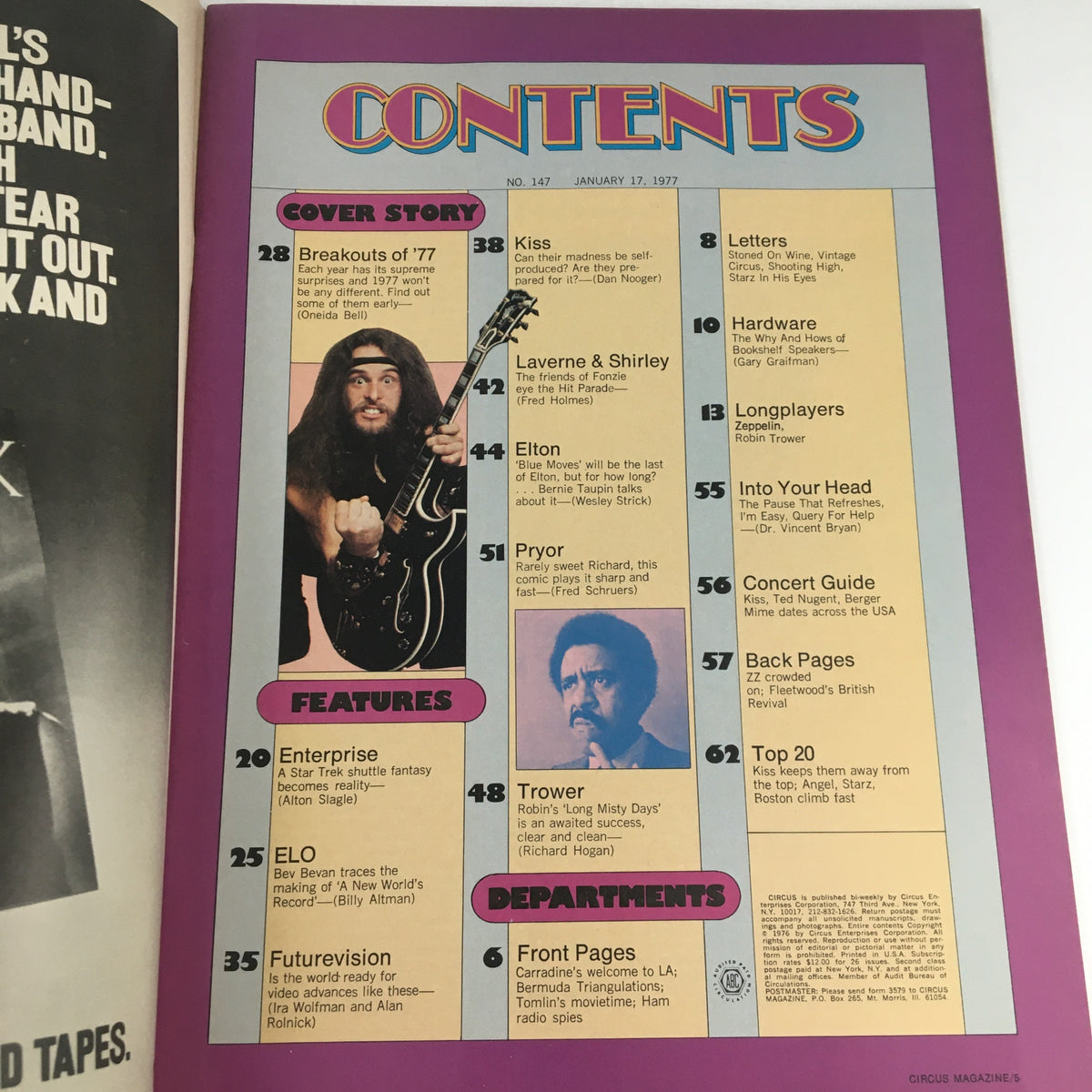
The print media of the 1970s and 1980s was uniquely suited to capturing a figure like her — someone whose power was as much visual and atmospheric as it was sonic. Rolling Stone was her most devoted chronicler, producing landmark cover features throughout the Rumours era and beyond, its stark, intimate photography rendering her in the chiaroscuro drama that defined rock portraiture of the period. People magazine traced the more personal contours of her legend — the loves, the losses, the friendship with Christine McVie — with a warmth and narrative depth that tabloids could never quite match. Creem, the scrappier, more ideologically raw voice of American rock journalism, positioned her as a feminist icon on her own contradictory terms, celebrating the tension between her commercial success and her artisan's soul. British publications including Melody Maker and NME brought a colder, more analytical European lens to her work, particularly as Fleetwood Mac conquered international markets, while mainstream outlets like Circus and Hit Parader carried her image to the suburban teenagers who would become her most devoted lifelong fans. The photography across these publications moves from the candid and grainy to the consciously mythological — shawls catching stadium wind, silver-ringed hands at a piano, eyes that seem to be looking somewhere just past the camera's frame.
Curator's Checklist: Highlights Often Include
- Fleetwood Mac peak-era features (1975–1979): Coverage surrounding the seismic success of Fleetwood Mac and Rumours, often including group portraits alongside candid behind-the-scenes photography from the band's famously combustible recording sessions and world tours.
- Solo breakthrough coverage (1981–1983): Features tied to the release of Bella Donna and The Wild Heart, marking her coronation as the first woman to simultaneously hold a top-five album as both a solo artist and a member of a group — a milestone that the music press documented with palpable excitement.
- Rock fashion and style profiles: Editorial spreads examining her signature aesthetic — the layered chiffon, the platform boots, the top hat — at a moment when rock and high fashion were beginning their long, strange courtship, often appearing in both music-specialist and general-interest lifestyle magazines.
- Personal life and relationship narratives: Deeply reported profiles exploring her romances with Lindsey Buckingham, Don Henley, and Joe Walsh, told with the novelistic candor that characterized celebrity journalism before the era of publicist-controlled access.
- Late-career resurgence features (late 1980s–1990s): Coverage of her return from personal struggles, the reunion of Fleetwood Mac for the The Dance live album and MTV special in 1997, and the critical reappraisal that cemented her status as one of rock's most enduring and beloved figures.
The Collector's Value
To hold one of these magazines is to hold something that no playlist, podcast, or digital archive can replicate. The paper stock — heavier in the prestige music monthlies, slightly rough and warm to the touch in the newsprint-based weeklies — carries the particular smell of a specific decade, an ink-and-pulp fragrance that functions almost like memory itself. The advertisements framing her features are their own time capsule: cigarette brands, now-defunct record labels, turntables and leather jackets and the cultural detritus of a world that no longer exists. A vintage issue is not merely a document about Stevie Nicks; it is a document of the world that produced her, loved her, and watched her become mythological in real time. For collectors of classic rock memorabilia, 1970s and 1980s music history, or feminist cultural icons of the twentieth century, these publications offer a primary-source intimacy that reproductions and retrospectives can only gesture toward — the sense that you are reading the exact words, on the exact pages, that her contemporaries held in their hands. Explore the current available inventory below and find the piece of history that belongs in your collection.