📖 About this Collection
Stevie Ray Vaughan: Where the Blues Burned Brightest
The Legend & The Legacy
In an era when rock and roll had grown polished and synthetic, Stevie Ray Vaughan descended on the American music scene like a force of nature — raw, trembling, and unapologetically rooted in the Texas soil that made him. From his explosive 1982 debut at the Montreux Jazz Festival to the arena-filling tours that followed Texas Flood and Couldn't Stand the Weather, the Austin guitarist reclaimed the electric blues with a ferocity that stunned critics and converted millions. Before streaming algorithms and YouTube clips, fans followed his meteoric rise through the pages of print — reading breathless concert reviews, studying full-spread photographs of his battered Stratocaster, and discovering, issue by issue, that they were witnessing something that would not come again. His tragically brief life, cut short in August 1990, ensured that every magazine published during those eight incandescent years now carries the particular weight of a document written in real time, before anyone knew the story was almost over.
Inside the Archive
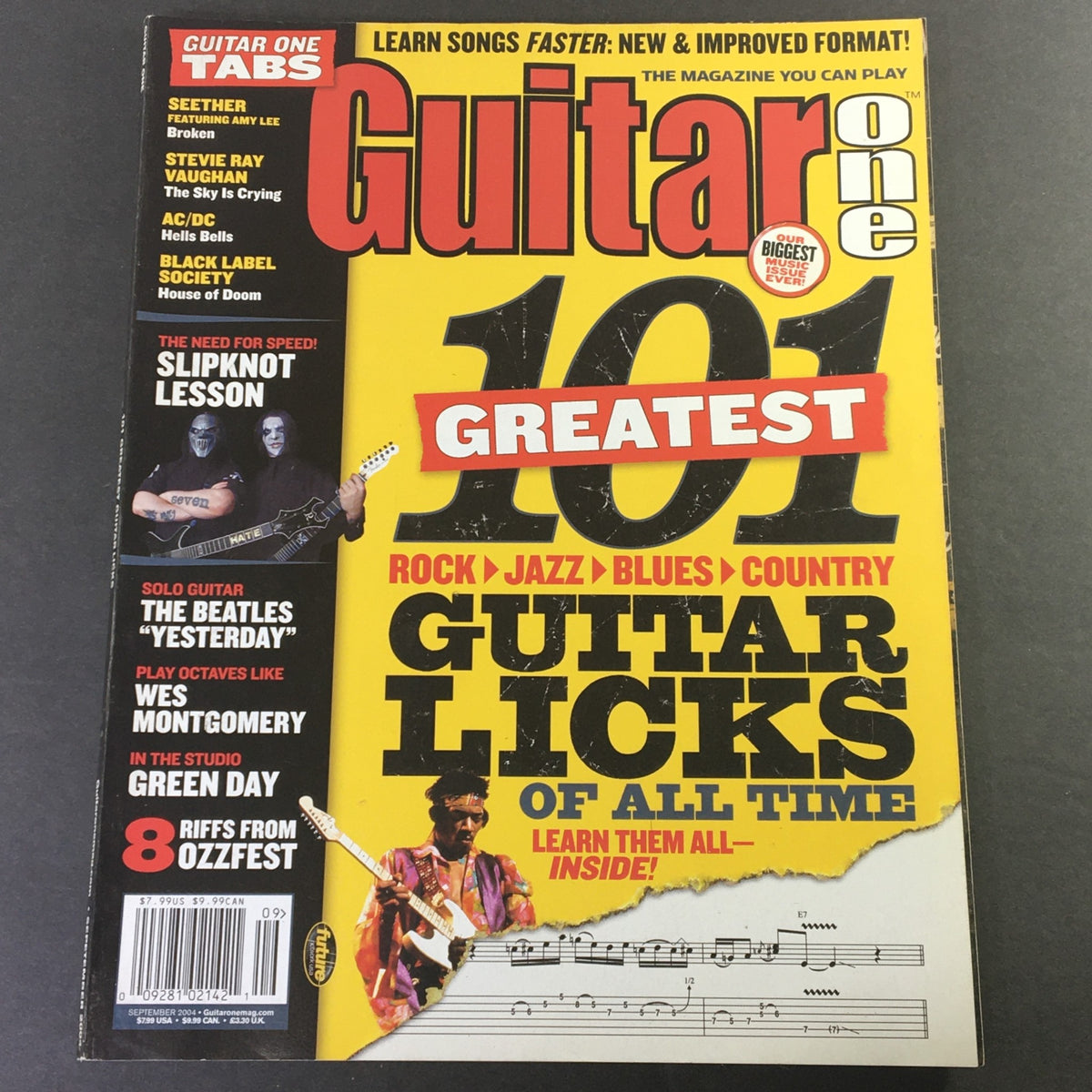
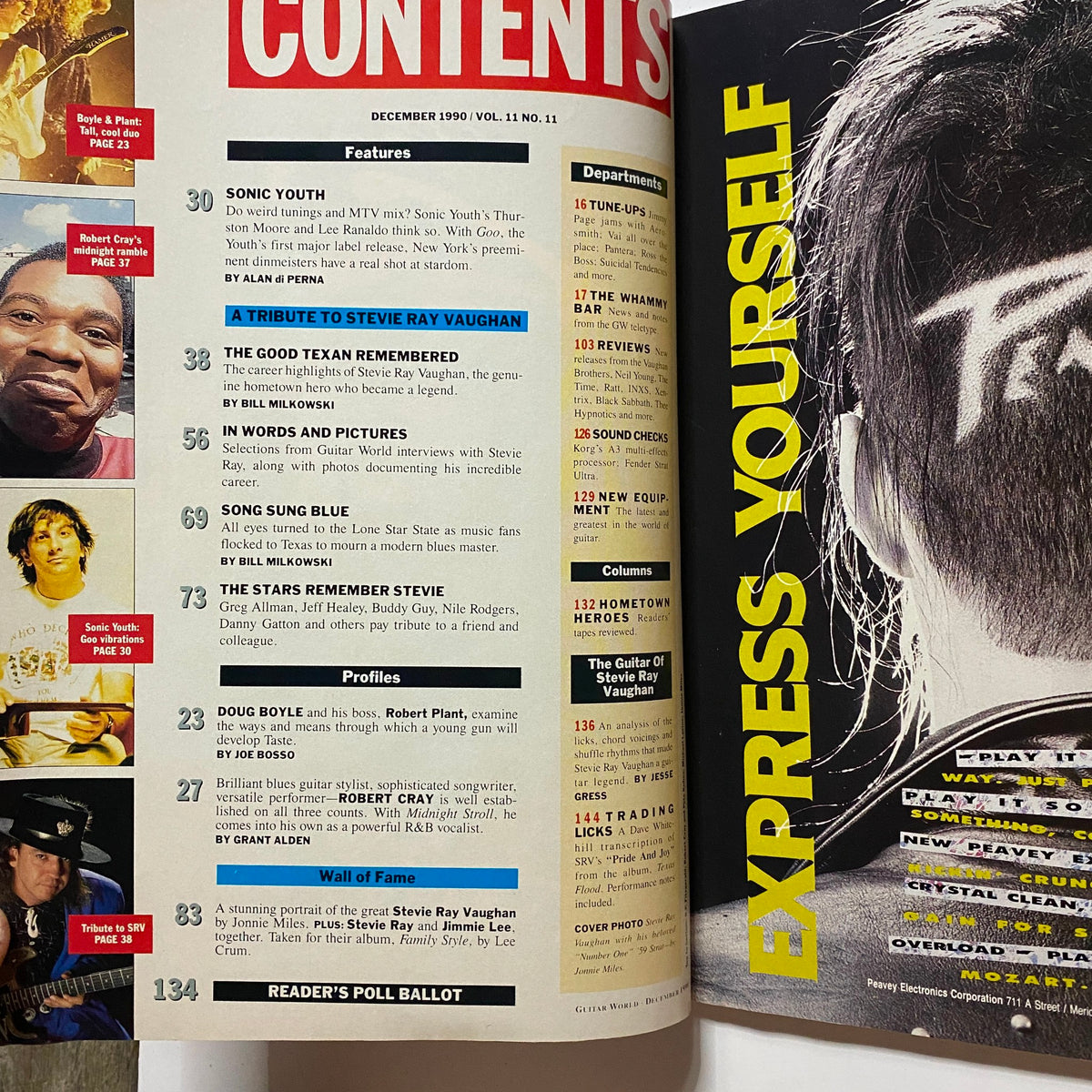
The music press of the 1980s treated the Texas titan with a reverence that grew louder with each passing record. Rolling Stone ran features that wrestled with the paradox of him — a young man playing an old man's blues with the technical ferocity of a rock god — and its photographers captured him in that signature wide-brimmed hat and embroidered vest, often bathed in a single overhead spotlight, looking less like a pop star than a preacher at his altar. Guitar World and Guitar Player — the sacred texts of the six-string faithful — devoted cover stories and elaborate technical breakdowns to his tone, his gear, and the almost inexplicable thing his hands did to a fretboard. Meanwhile, broader entertainment weeklies and music monthlies on both sides of the Atlantic, including the influential British weekly Melody Maker, tracked his crossover from blues cult figure to mainstream phenomenon, documenting his collaborations with David Bowie and his hard-won battle with sobriety with a candor that defined the era's long-form music journalism.
Curator's Checklist: Highlights Often Include
- Breakthrough & Montreux coverage — Features and retrospective pieces recounting his electrifying, uninvited 1982 Montreux performance, the moment the wider world first took notice of an unknown Texan who refused to be ignored
- Album cycle profiles — In-depth interviews and reviews tied to landmark releases, from the raw urgency of Texas Flood through the hard-fought emotional clarity of In Step, his Grammy-winning 1989 masterwork
- Guitar-focused technical features — Detailed, gear-obsessive spreads in specialist publications examining his Number One Strat, his amp stacking, his string gauges — the mechanical mythology behind the sound
- Sobriety & comeback narratives — Candid editorial coverage from the late 1980s documenting his rehabilitation and return to the stage, a human story that resonated far beyond the blues world
- Tribute and memorial issues — Special editions and commemorative features published in the weeks and months following his death in August 1990, representing some of the most emotionally charged and collectible print documents of that year
The Collector's Value
There is no digital substitute for holding one of these publications in your hands — feeling the slightly waxy resistance of an 1980s magazine cover beneath your fingertips, catching the faint, sweetly musty perfume of decades-old ink and paper stock, and finding yourself surrounded by the period advertisements for cigarettes, muscle cars, and cassette decks that frame his story in its true cultural moment. These are not reprints or commemorations manufactured for the nostalgia market; they are primary source documents, printed and distributed while he still walked the earth, carrying the unguarded excitement of journalists who did not yet know they were writing history. The surrounding ephemera — the tour announcements, the album advertisements, the letters pages buzzing with reader reactions — restore a context that no biography or documentary can fully reconstruct. For collectors of vintage music memorabilia, Texas and Austin cultural history, or American blues and rock heritage, these publications offer an irreplaceable portal to an era and an artist whose absence is still felt every time someone plugs in a Stratocaster. Browse the current available inventory below and find the issue that speaks to you.