📖 About this Collection
Stevie Wonder: The Voice of a Generation's Conscience
The Legend & The Legacy
He arrived as a child prodigy with a harmonica and left an indelible mark on the soul of American music. From the Motown machine of the early '60s to the synthesizer-driven revolution of the '70s, this artist didn't just ride cultural waves—he created them. His music became the soundtrack to both Saturday night dance floors and Sunday morning reflections, weaving joy and justice into melodies that transcended blindness, race, and genre. When you hear those opening chords of "Superstition" or the tender plea of "Isn't She Lovely," you're not just hearing songs—you're experiencing the emotional architecture of an era that demanded both celebration and change.
Inside the Archive
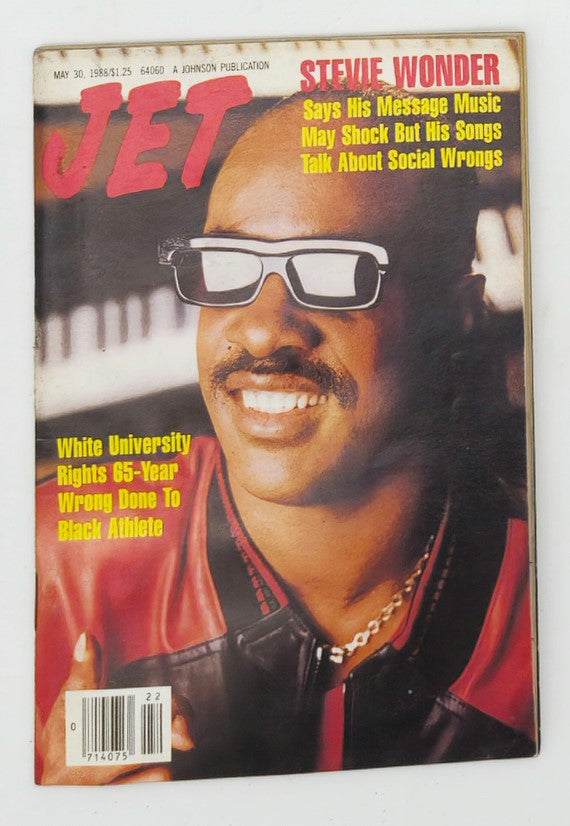
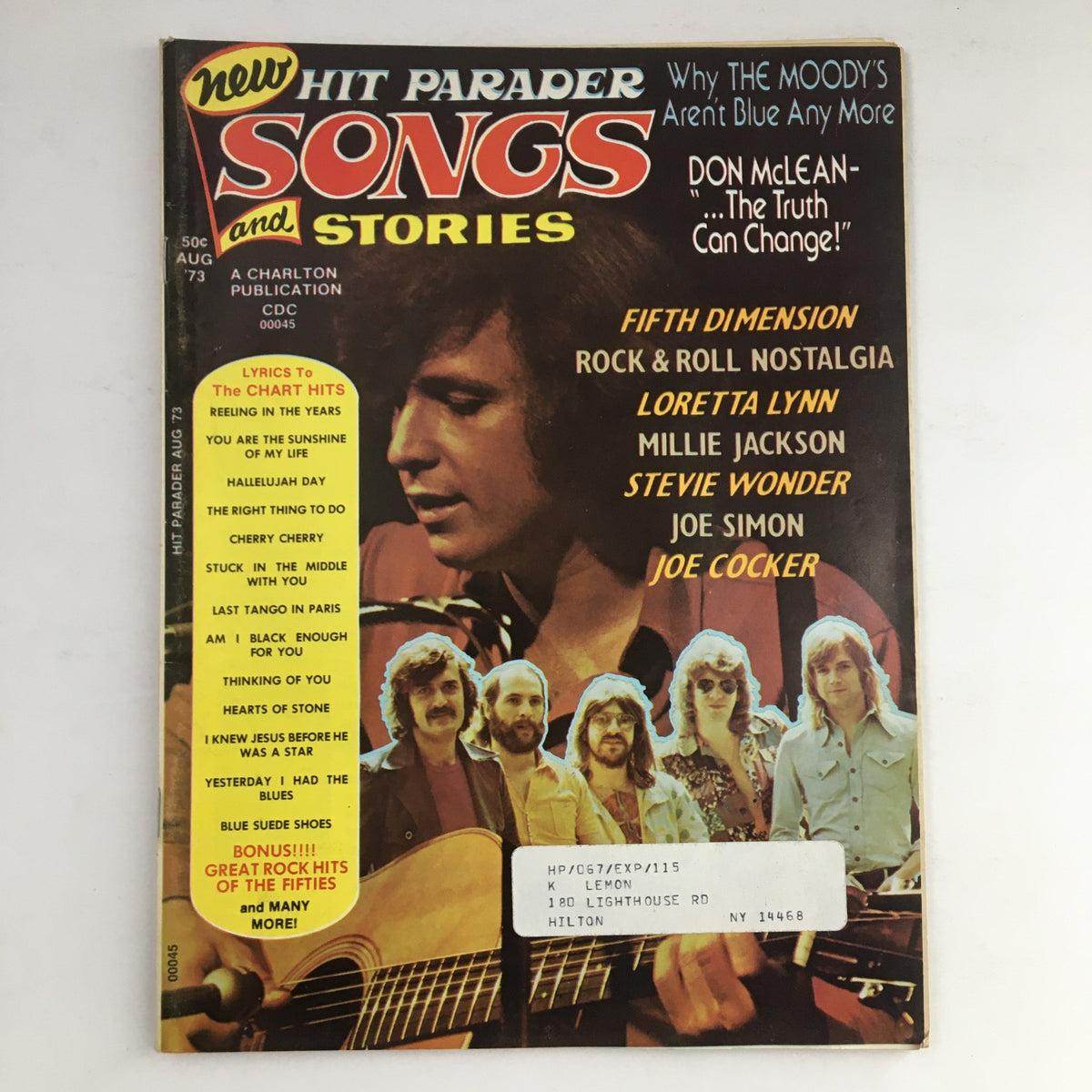
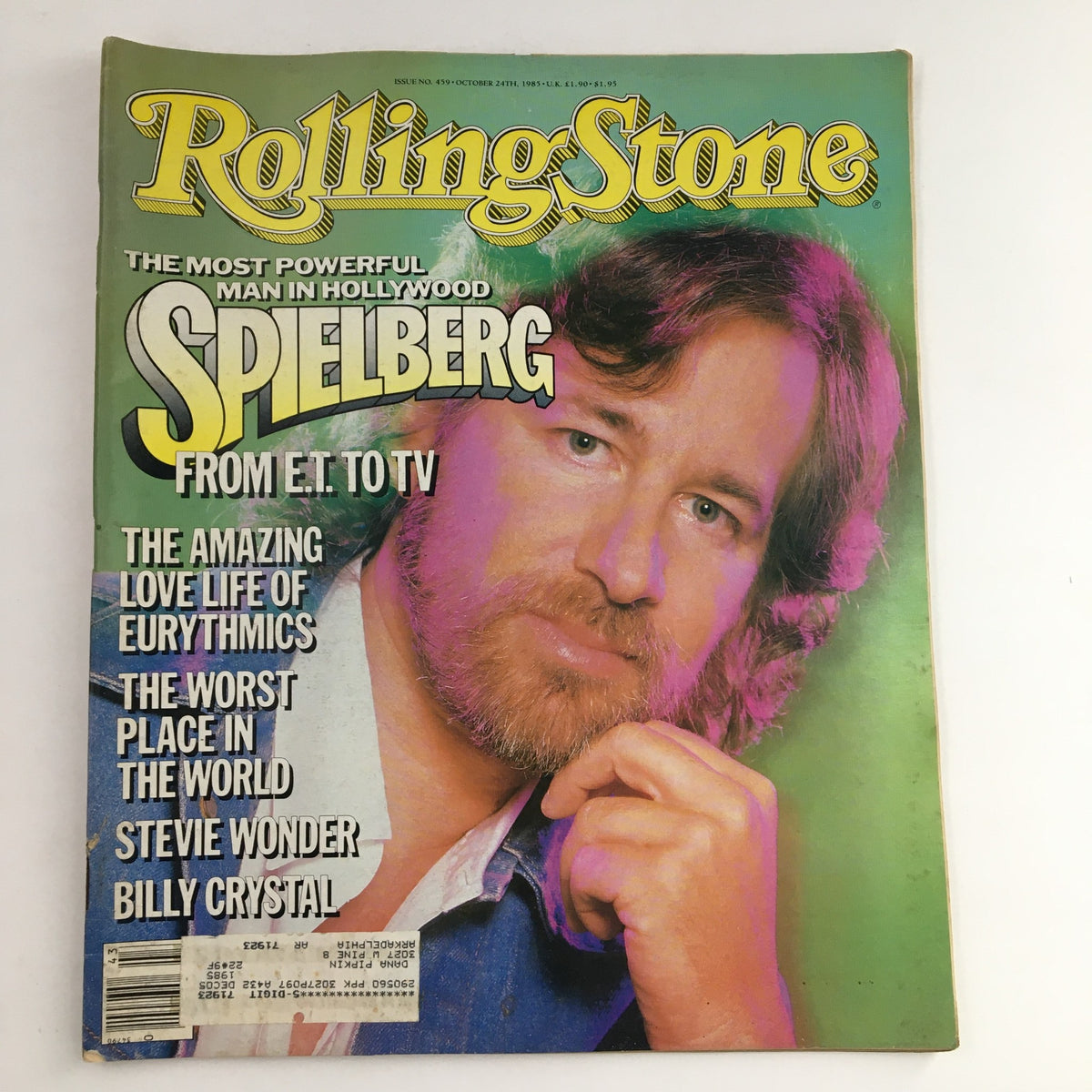
Vintage periodicals documented his evolution with a reverence reserved for true innovators. Early Ebony and Jet features captured the "Little Stevie Wonder" phenomenon with wide-eyed amazement, while Rolling Stone and Creem dissected his studio wizardry as he transformed the Moog synthesizer from novelty to necessity. By the mid-'70s, glossy spreads in Vibe, Down Beat, and mainstream titles framed him as both musical genius and cultural architect—photographed in dashikis and sunglasses, surrounded by banks of equipment that looked like mission control. The journalism shifted from novelty coverage to serious analysis, tracking his journey from Motown's golden boy to an artist who demanded creative control and delivered Songs in the Key of Life as proof that freedom yields masterpieces.
Curator's Checklist: Highlights Often Include
- Motown Origins: Features chronicling the "Little Stevie Wonder" years, complete with behind-the-scenes glimpses of Hitsville U.S.A. and early Berry Gordy grooming sessions
- The Classic Period Deep Dives: Album-by-album explorations of Talking Book, Innervisions, and Fulfillingness' First Finale—often with technical breakdowns of his revolutionary production techniques
- Activism Chronicles: Coverage of his fight to establish Martin Luther King Jr. Day, anti-apartheid advocacy, and performances at benefit concerts for civil rights and humanitarian causes
- Studio Innovation Profiles: Rare technical articles examining his pioneering use of the TONTO synthesizer, clavinet mastery, and multi-tracking methods that influenced Prince, Quincy Jones, and an entire generation of producers
- Collaboration Spotlights: Features documenting sessions with Paul McCartney on "Ebony and Ivory," duets with Dionne Warwick, and mutual admiration between him and fellow legends like Marvin Gaye and Michael Jackson
The Collector's Value
Owning an original magazine from his peak years means possessing a tangible piece of the moment when soul music became synonymous with social consciousness, when one man's refusal to be limited by circumstance inspired millions to see—and hear—beyond boundaries. These aren't just back issues; they're primary sources documenting how an artist used melody as ministry and rhythm as revolution. Explore our current inventory below to discover which chapter of this remarkable legacy is available today.