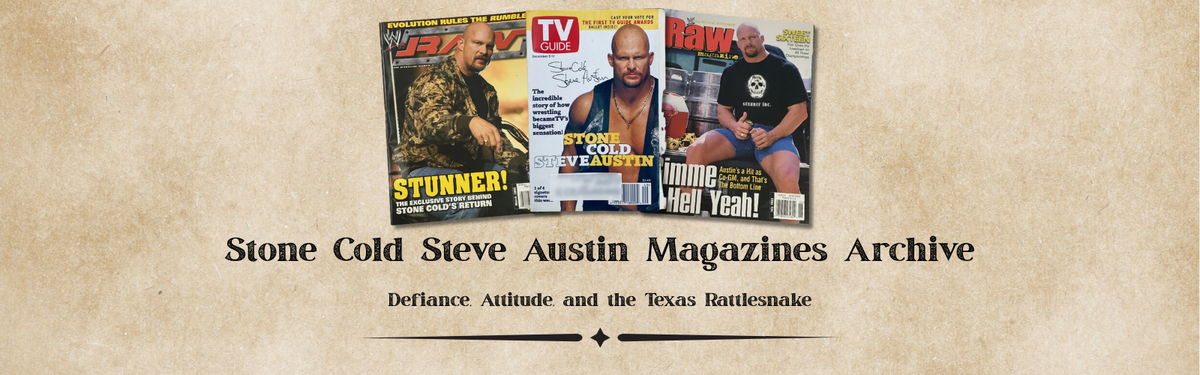
📖 About this Collection
Stone Cold Steve Austin: The Texas Rattlesnake Who Shattered the Ring
The Legend & The Legacy
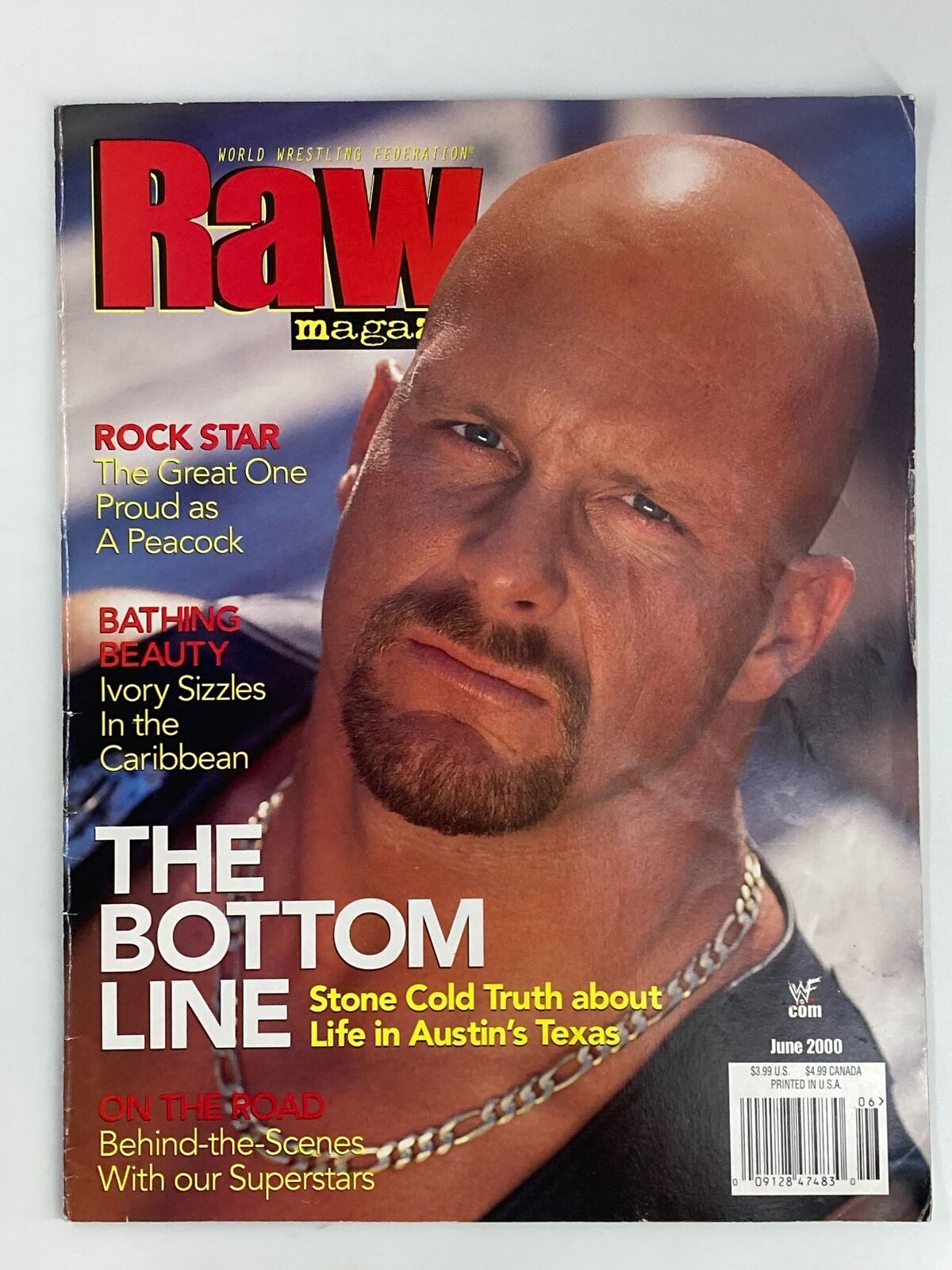
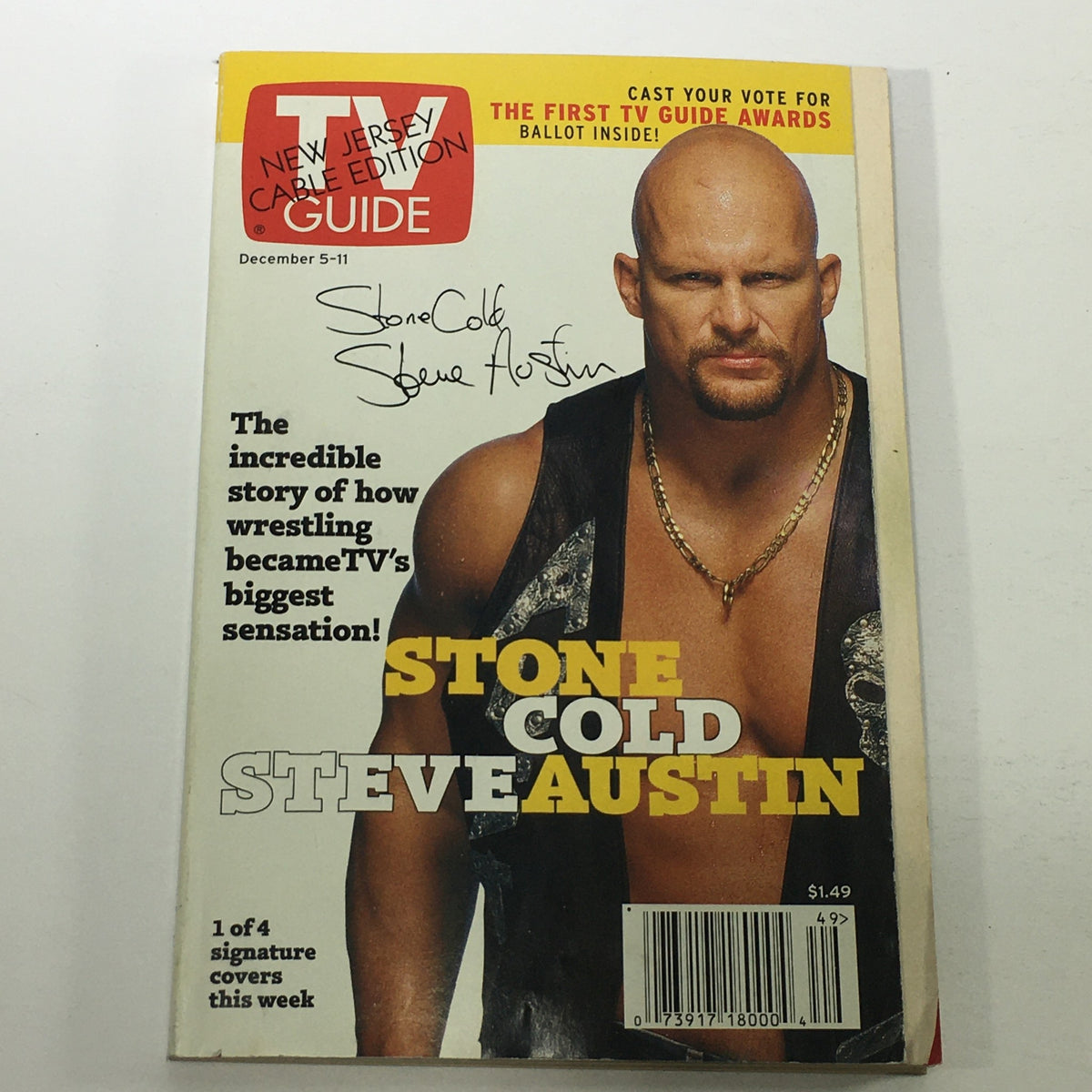
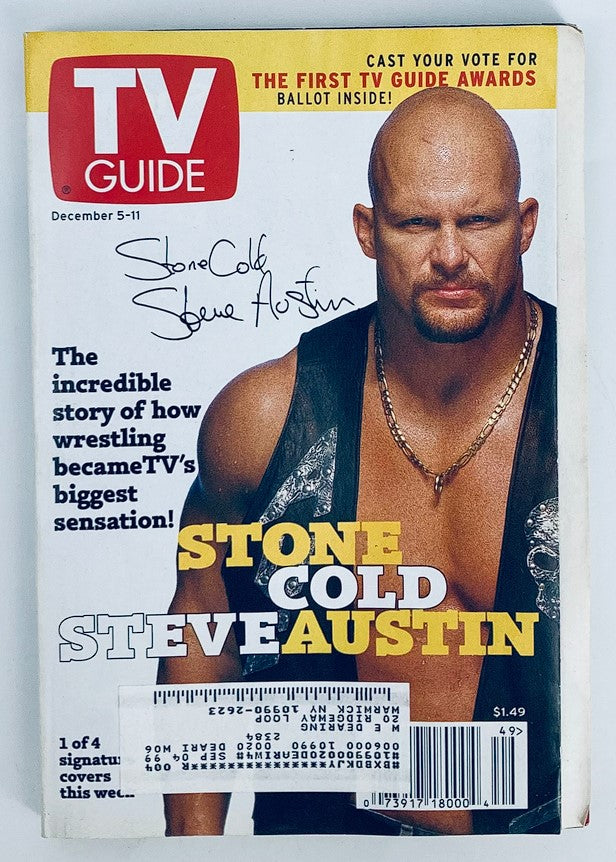
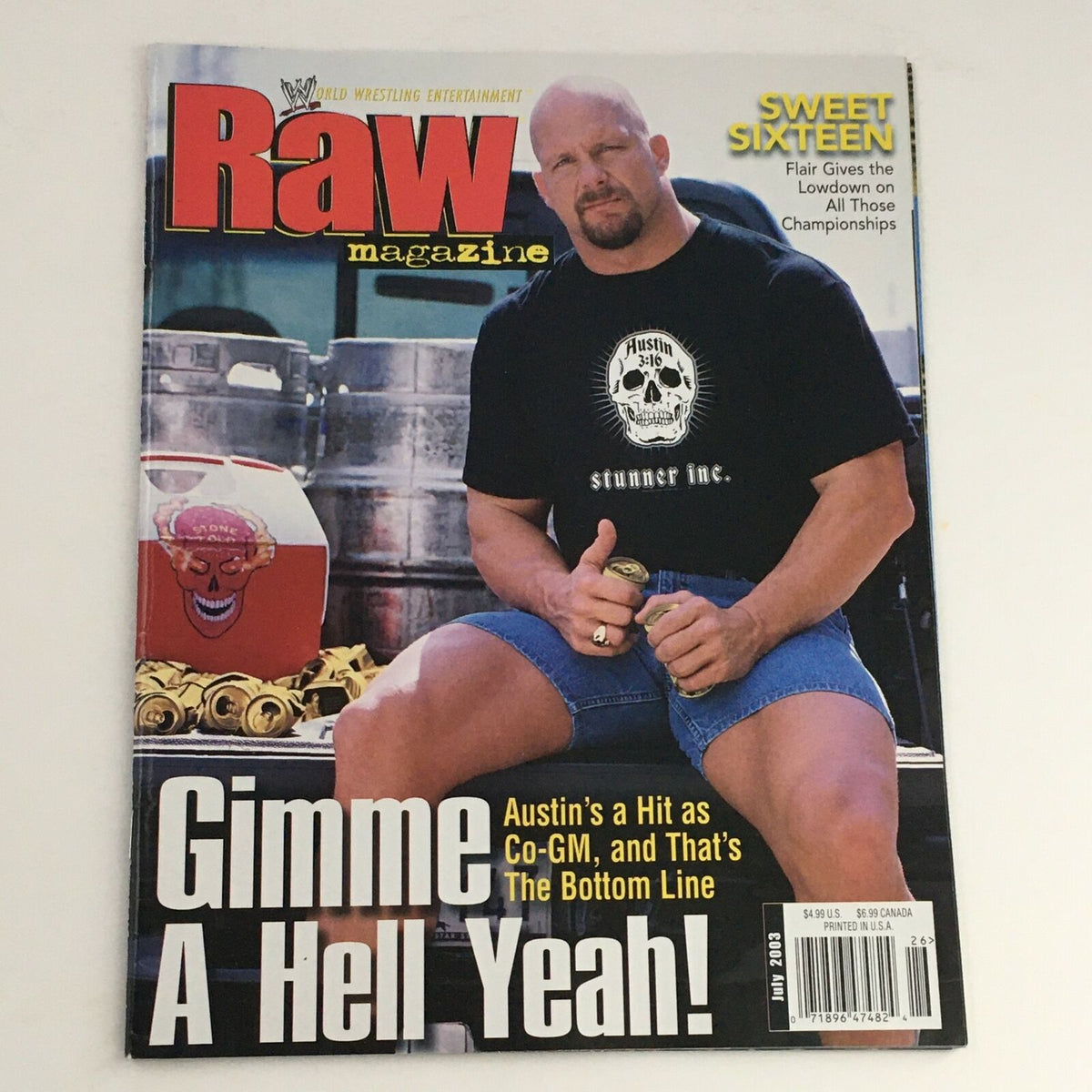
In the late 1990s, professional wrestling underwent a seismic cultural shift, and standing at the epicenter of that upheaval was a shaven-headed, beer-crushing Texan whose anti-authoritarian fury resonated far beyond the squared circle. Stone Cold Steve Austin didn't just dominate the WWF — he became the defining symbol of the Attitude Era, a period when sports entertainment exploded into the mainstream consciousness and Monday Night Raw became must-see television for millions of American households. Before social media clips and YouTube highlight reels, fans lived for the next issue of their favorite wrestling publication to arrive in the mailbox, poring over full-color spreads of Stunners, championship reigns, and the ongoing war with Mr. McMahon that felt, in the best possible way, like it could spill into real life at any moment. The Rattlesnake's rise was chronicled in real time by a ravenous print media industry that recognized a genuine cultural phenomenon — a blue-collar rebel for the ages.
Inside the Archive
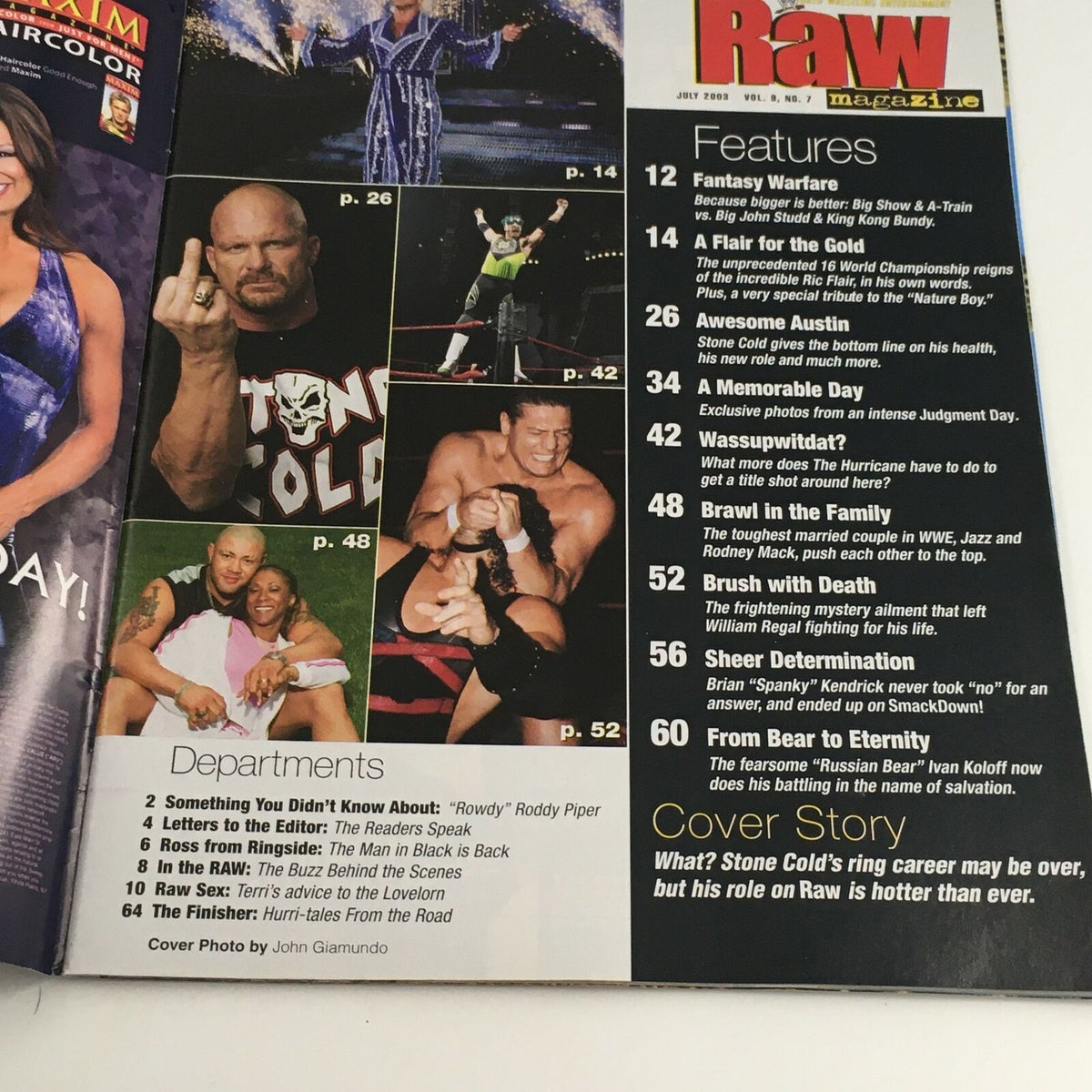
The publications that captured this era understood that Stone Cold was more than an athlete; he was a walking, stomping, beer-pouring cultural statement. Wrestling's dedicated print press — led by flagship titles such as WWF Magazine, the fiercely independent Pro Wrestling Illustrated, and the insider-favorite The Wrestler — documented every title change, every bloodied brawl, and every defiant middle finger with the reverence typically reserved for legitimate sports royalty. Photography from this era is visceral and kinetic: ring-side shots bathed in harsh arena light, sweat catching the flash of cameras, championship belts hoisted toward the rafters with primal triumph. Beyond the wrestling-specific press, mainstream sports outlets like Sports Illustrated took note as the Attitude Era pushed professional wrestling's Nielsen ratings to historic highs, giving the Texas Rattlesnake a crossover presence that few performers in the genre had ever achieved. The editorial tone across publications swung between kayfabe reverence and breathless news coverage, capturing a unique moment when the lines between spectacle and cultural event had all but disappeared.
Curator's Checklist: Highlights Often Include
- Championship milestone coverage — Feature spreads and cover stories marking the Rattlesnake's multiple WWF Championship reigns throughout 1998–2001, often accompanied with dramatic ring-side photography and detailed match recaps
- The McMahon rivalry in print — Extended editorial features and photo essays documenting what became one of the most celebrated storylines in wrestling history, with publications frequently running side-by-side portraiture of the two antagonists
- Attitude Era retrospectives and year-in-review issues — Annual collector editions from Pro Wrestling Illustrated and WWF Magazine that ranked and celebrated the Texas Rattlesnake's dominance at the peak of the Monday Night Wars
- Mainstream crossover profiles — Pieces from general sports and entertainment press capturing the moment wrestling broke into broader American pop culture, often framing Stone Cold as the genre's unlikely ambassador to a new generation of fans
- International wrestling publications — Coverage from British, Canadian, and Japanese wrestling periodicals that tracked his global fanbase, offering a fascinating window into how the Attitude Era was consumed outside of North America
The Collector's Value
There is something irreplaceable about holding a late-1990s wrestling magazine in your hands — the slightly glossy, heavy-stock covers with their bold, aggressive typography; the faint, distinctive scent of decades-old ink that no digital archive can replicate; the full-page advertisements for pay-per-view events and merchandise that serve as perfect time capsules of an era. These are primary source documents of a genuine cultural revolution, artifacts that capture not just the performer but the entire world that orbited him — the advertisements, the letter columns from devoted fans, the editorials debating whether professional wrestling had permanently crossed into the mainstream. For collectors of professional wrestling memorabilia, 1990s Americana, or sports entertainment history, these publications offer an authenticated, tangible connection to a moment that permanently reshaped popular culture — something no streaming service or digital archive can replicate. Explore the current available inventory below and discover which pieces of that extraordinary era are waiting to find a new home.