📖 About this Collection
Sugar Ray Leonard: The Sweet Science Made Poetry
The Legend & The Legacy
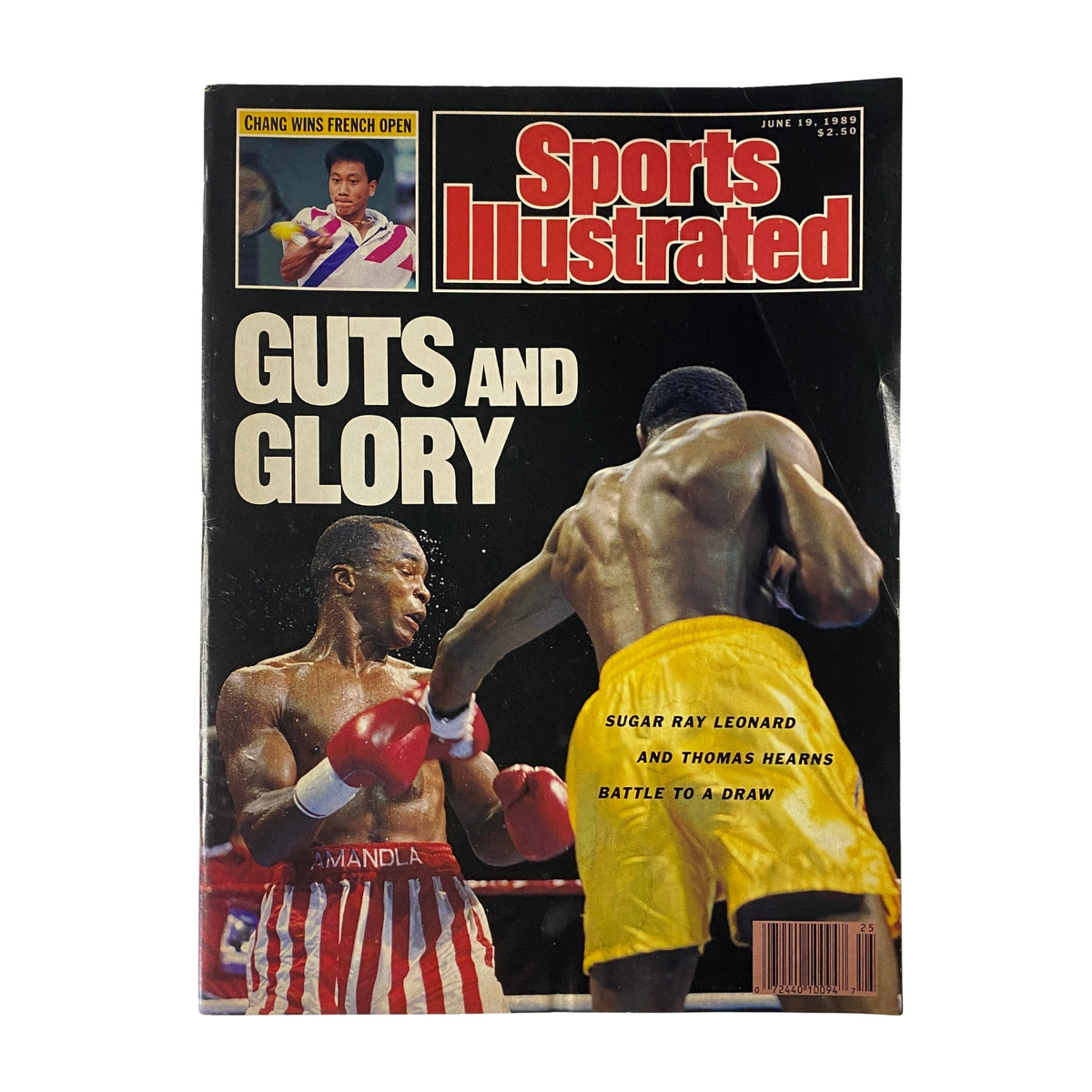
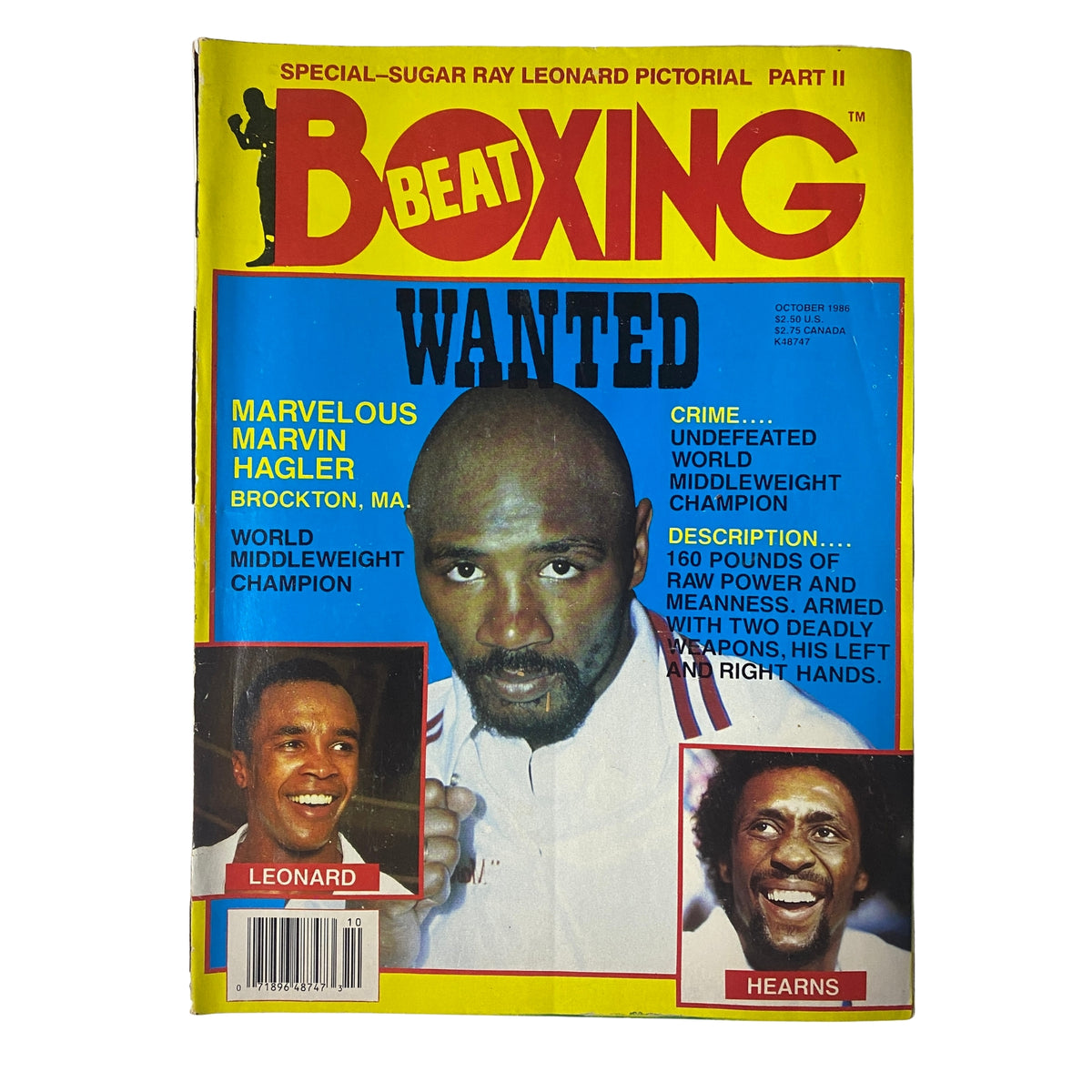
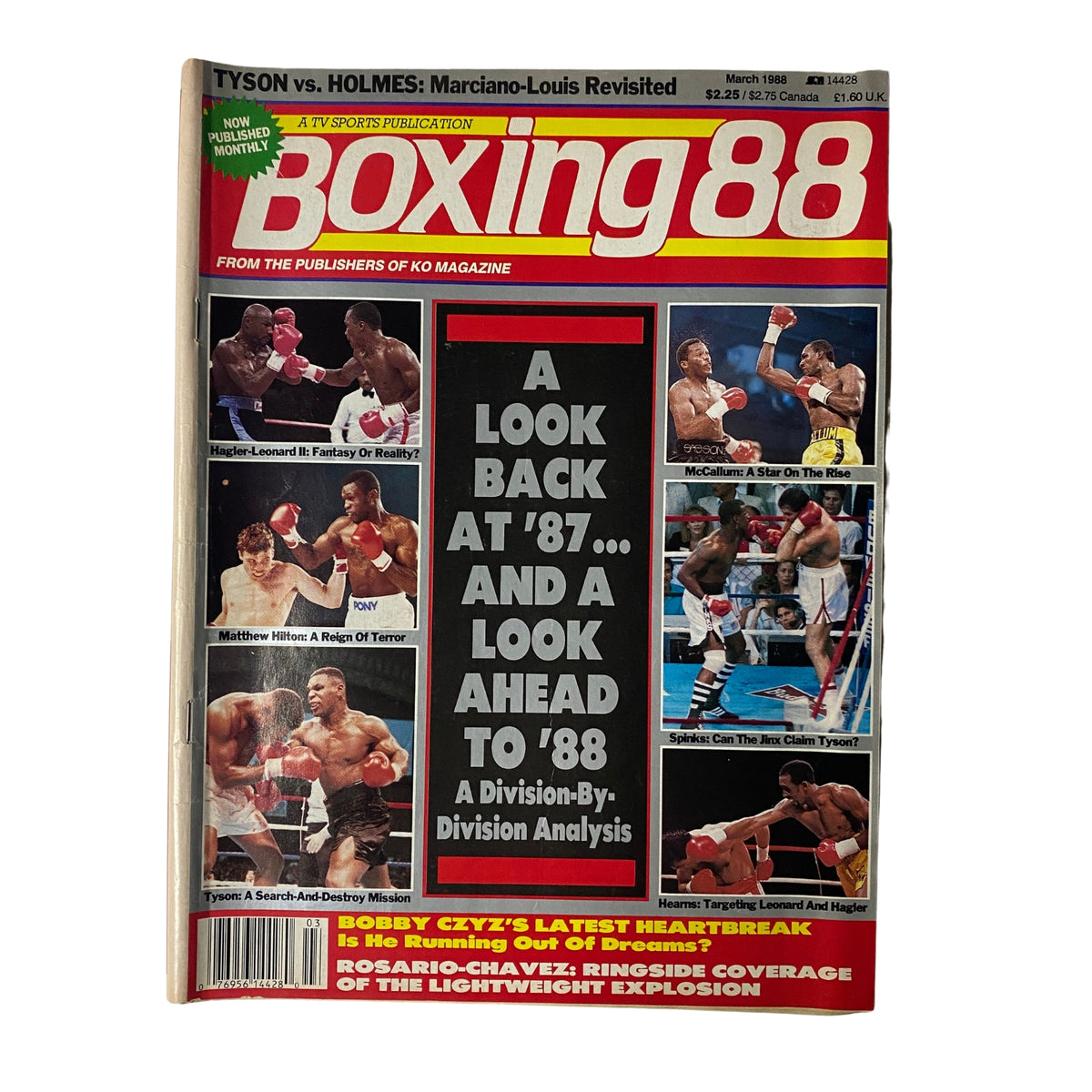
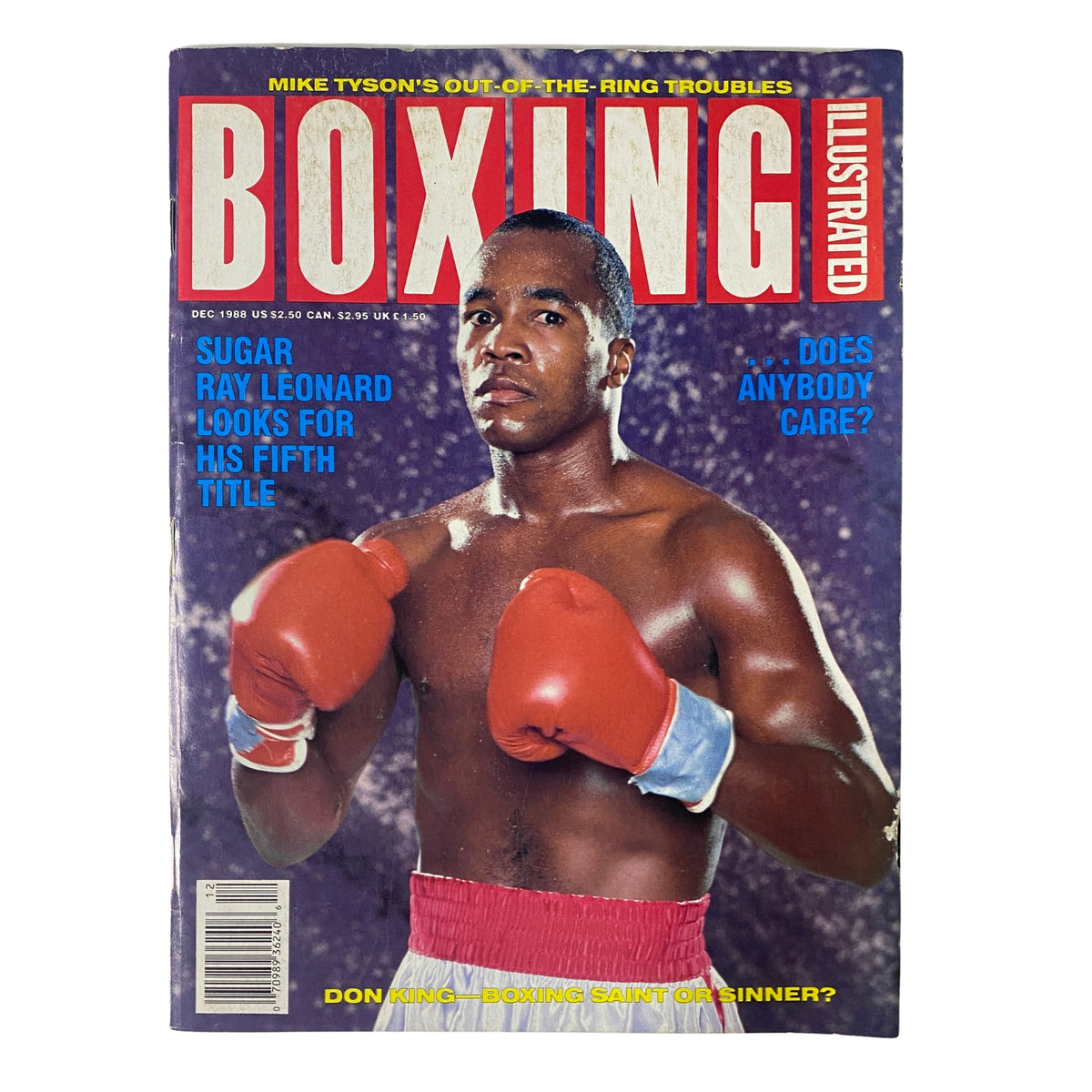
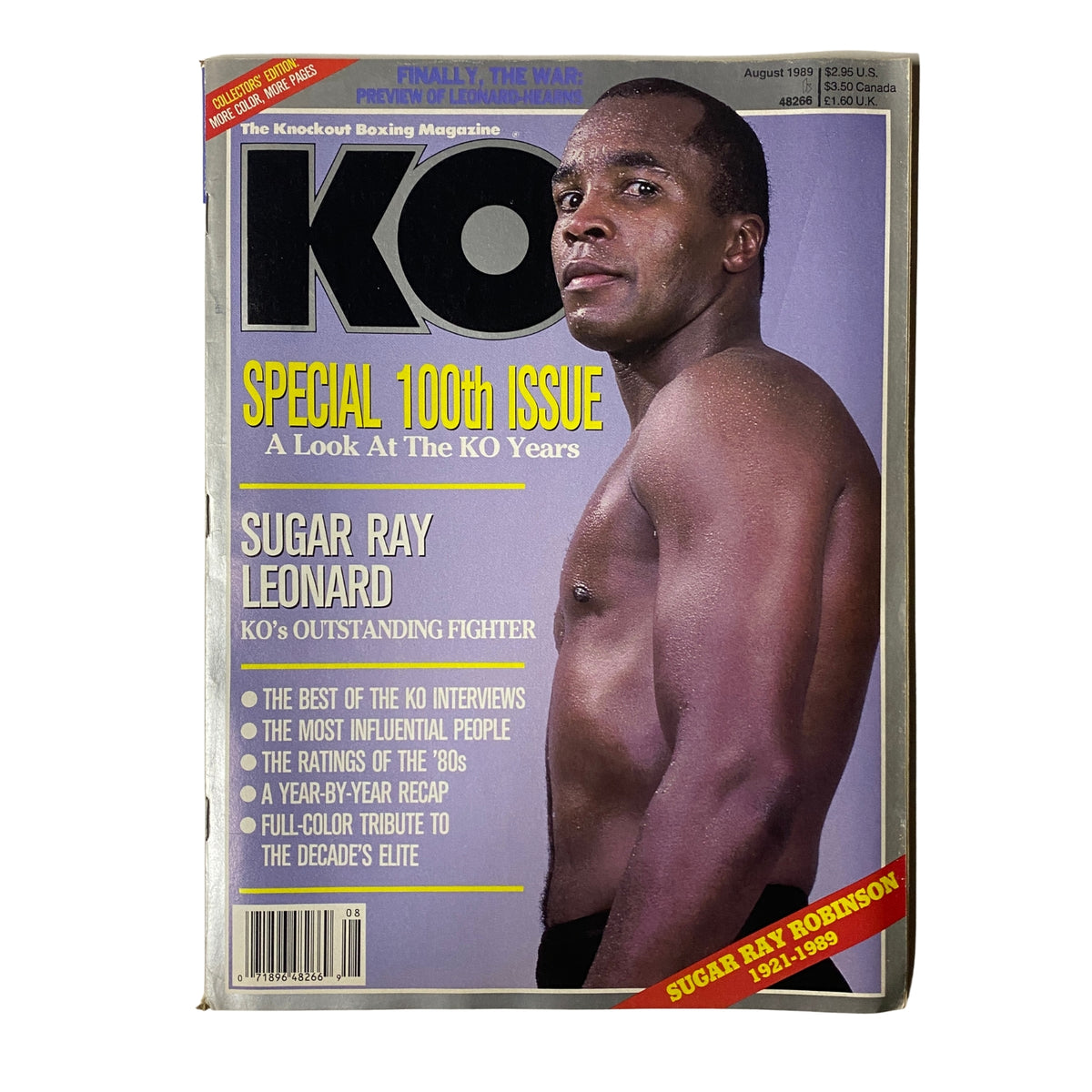
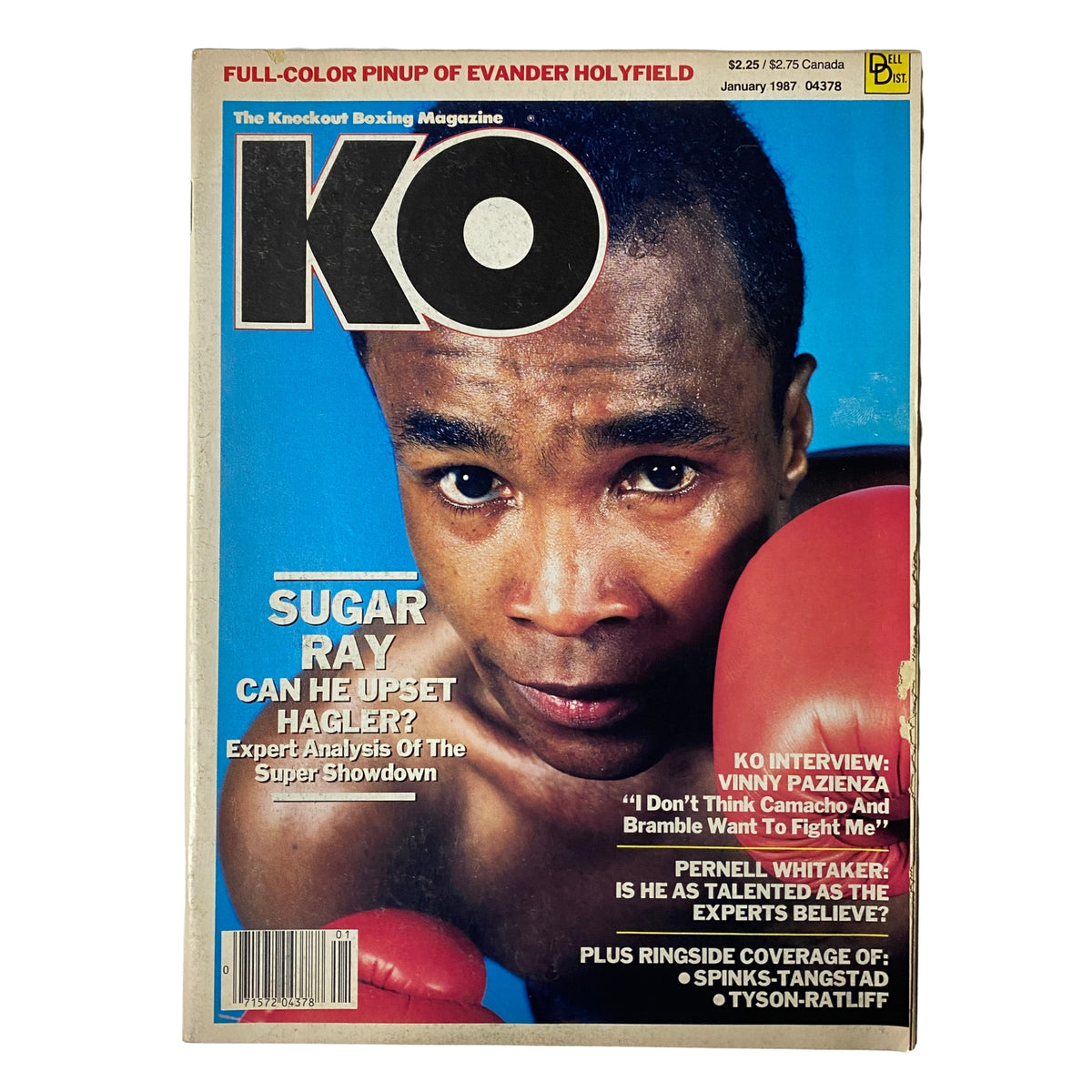
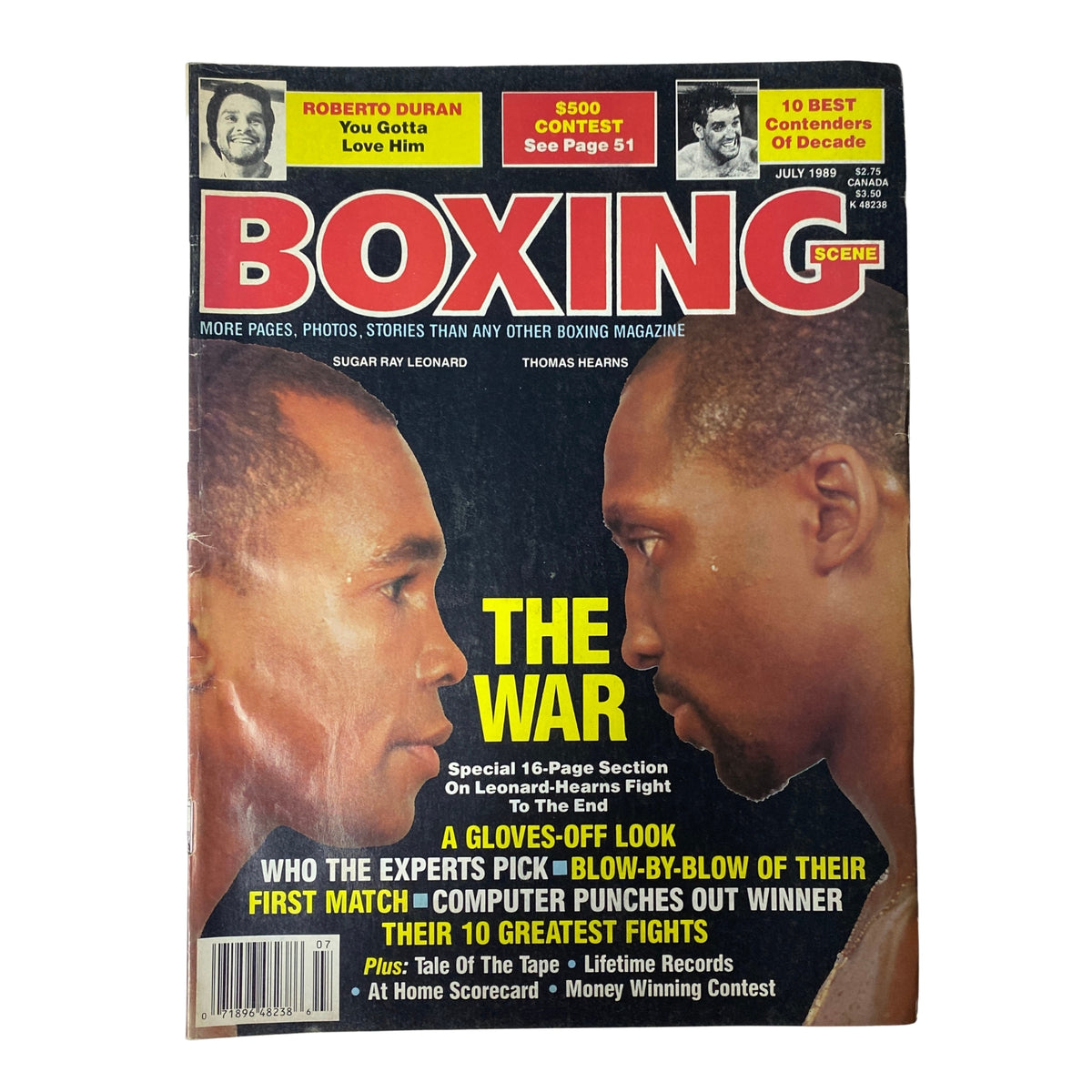
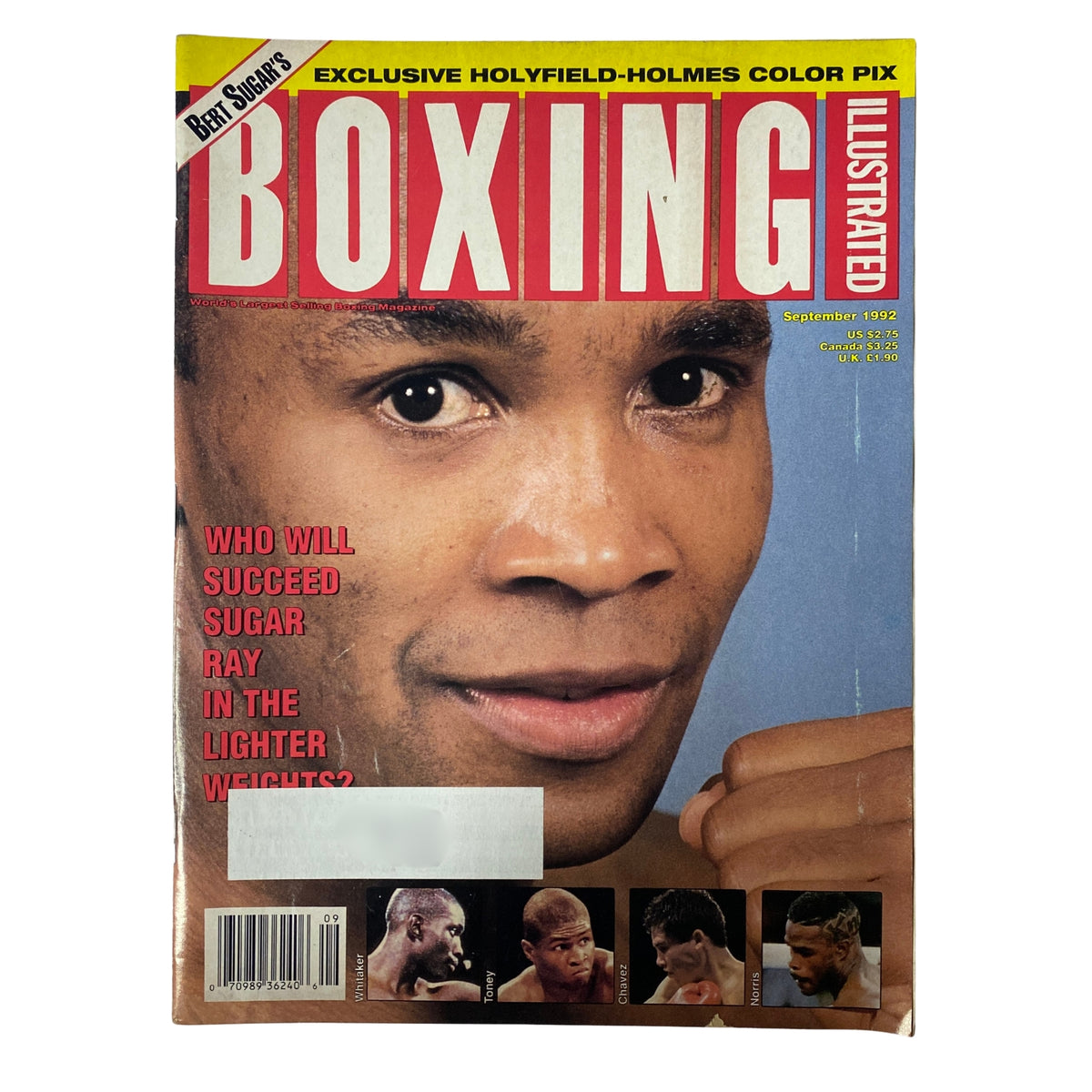
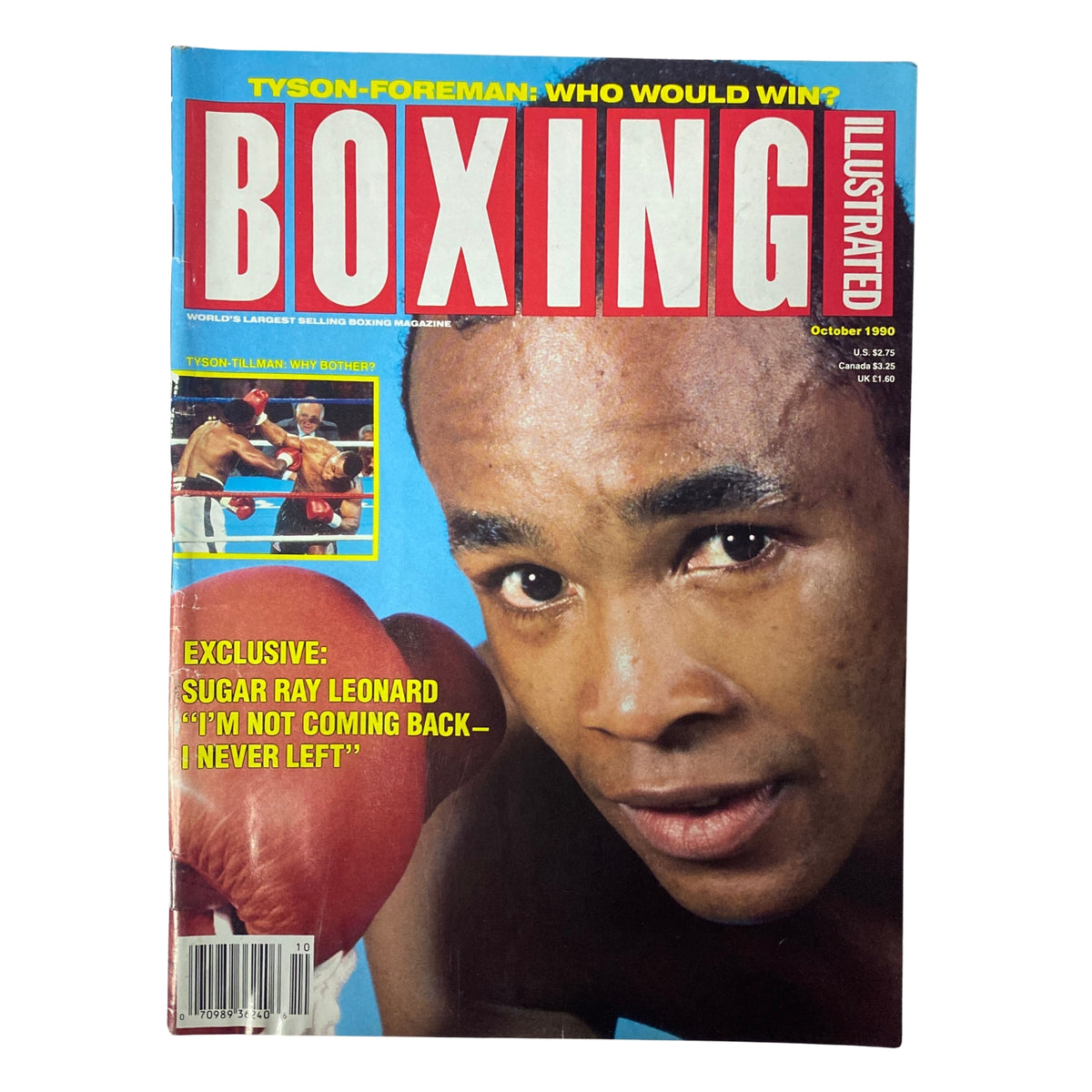
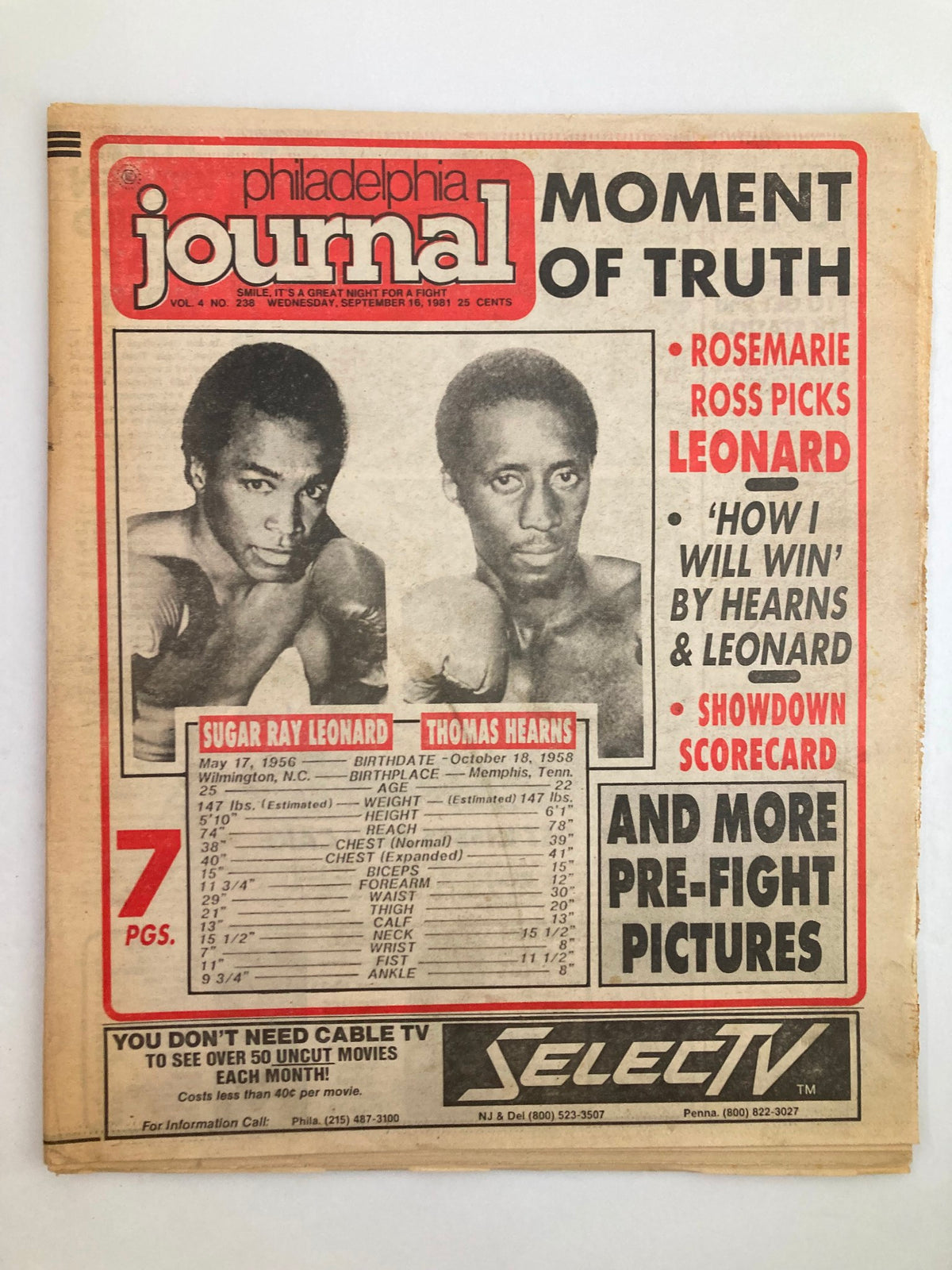
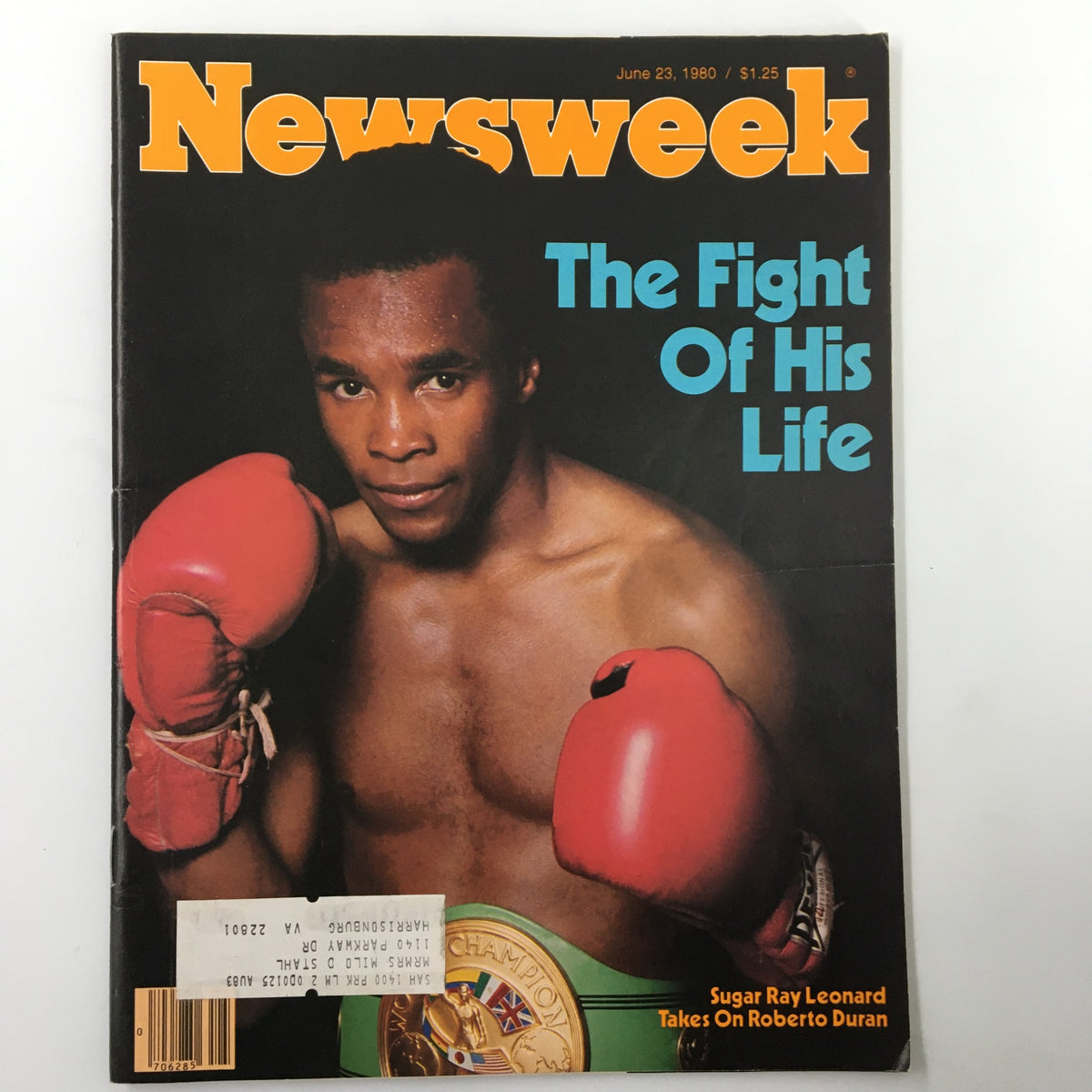
In the years before ESPN consumed every waking hour and social media flattened every triumph into a fleeting scroll, the story of Sugar Ray Leonard was told in ink and glossy paper — passed hand to hand in barbershops, stacked on kitchen tables, pinned to gymnasium walls. He arrived on the world stage as an Olympic golden boy in Montreal in 1976, all dazzling footwork and disarming smile, and over the following decade he became one of the most compelling figures in American sport. His rivalries with Roberto Durán, Thomas Hearns, and Marvelous Marvin Hagler were not merely boxing matches — they were cultural events, moral contests, and the stuff of genuine mythology. In an era when the sweet science still commanded the front pages of newspapers and the covers of mainstream magazines, the Baltimore-born champion was more than a prizefighter; he was a symbol of grace under pressure, of intelligence married to ferocity, and of the peculiarly American dream made flesh in a pair of leather gloves.
Inside the Archive
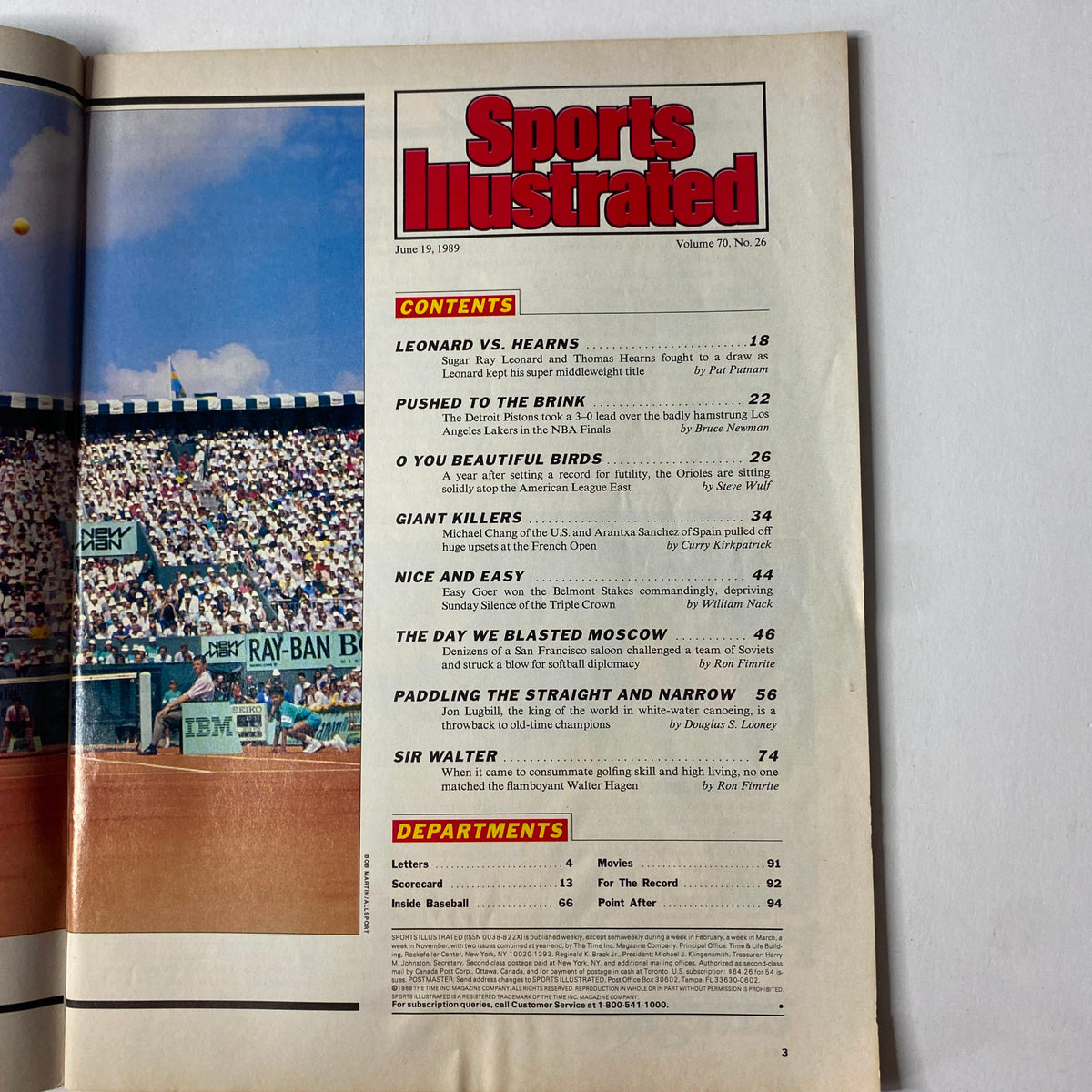
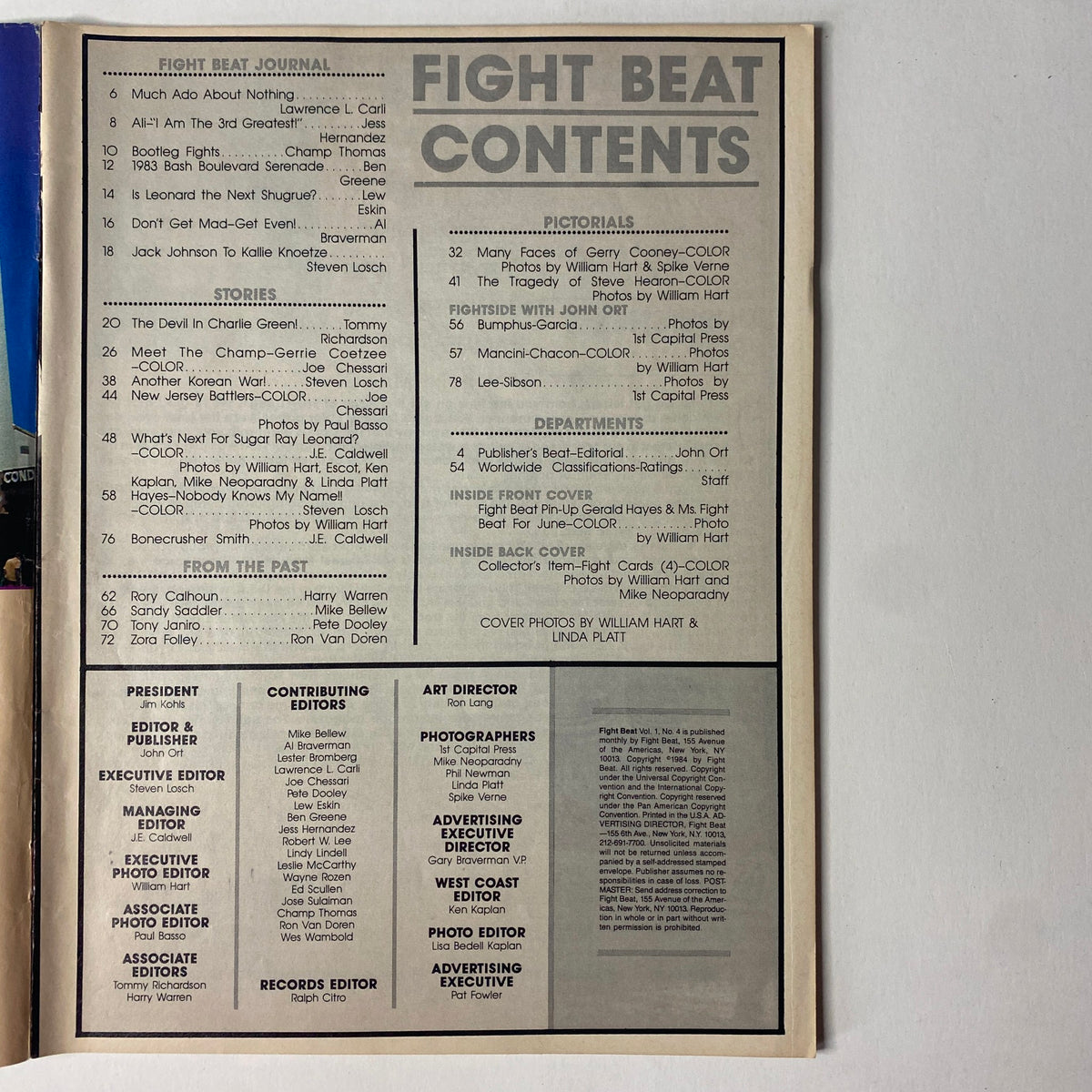
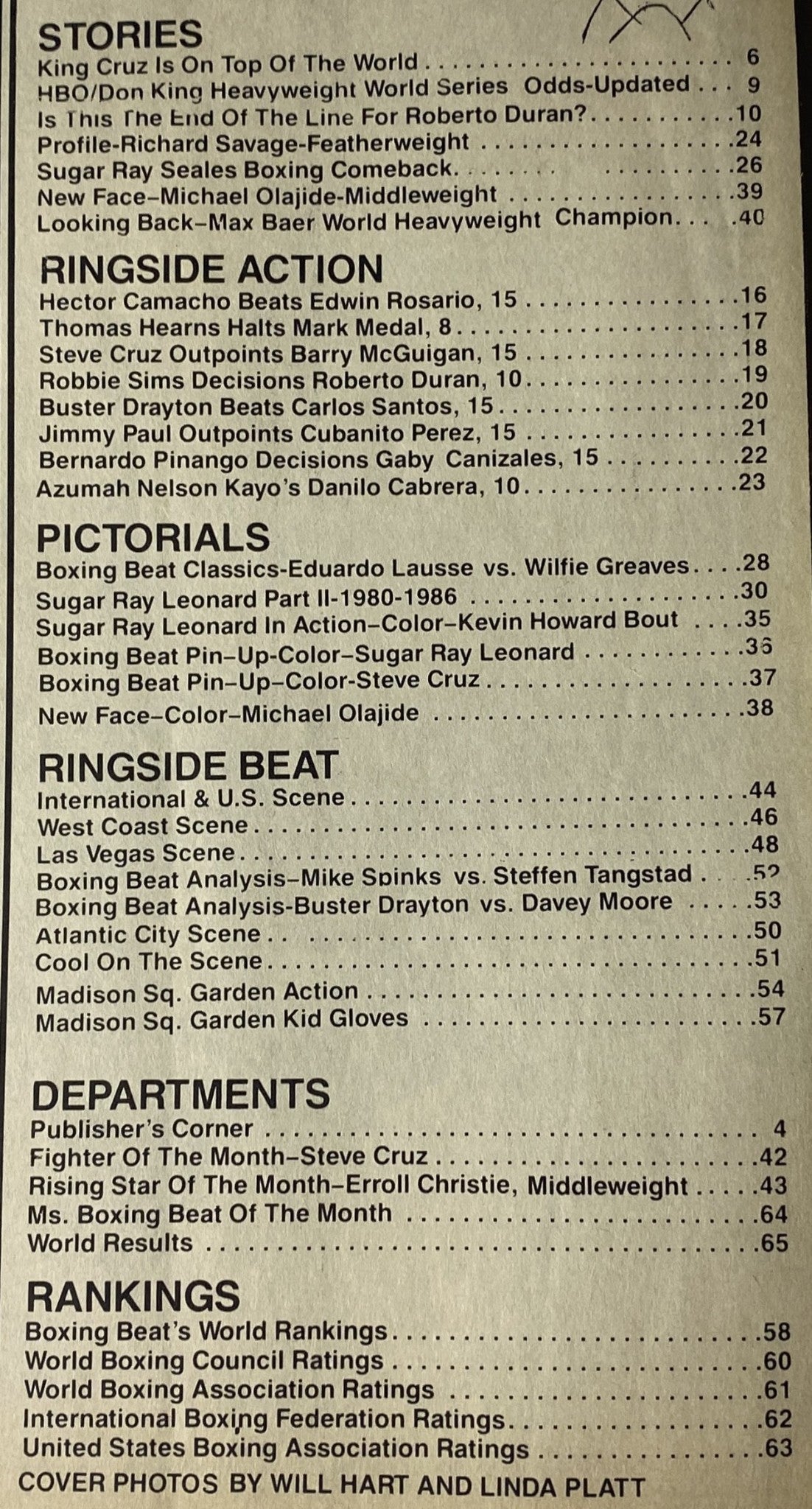
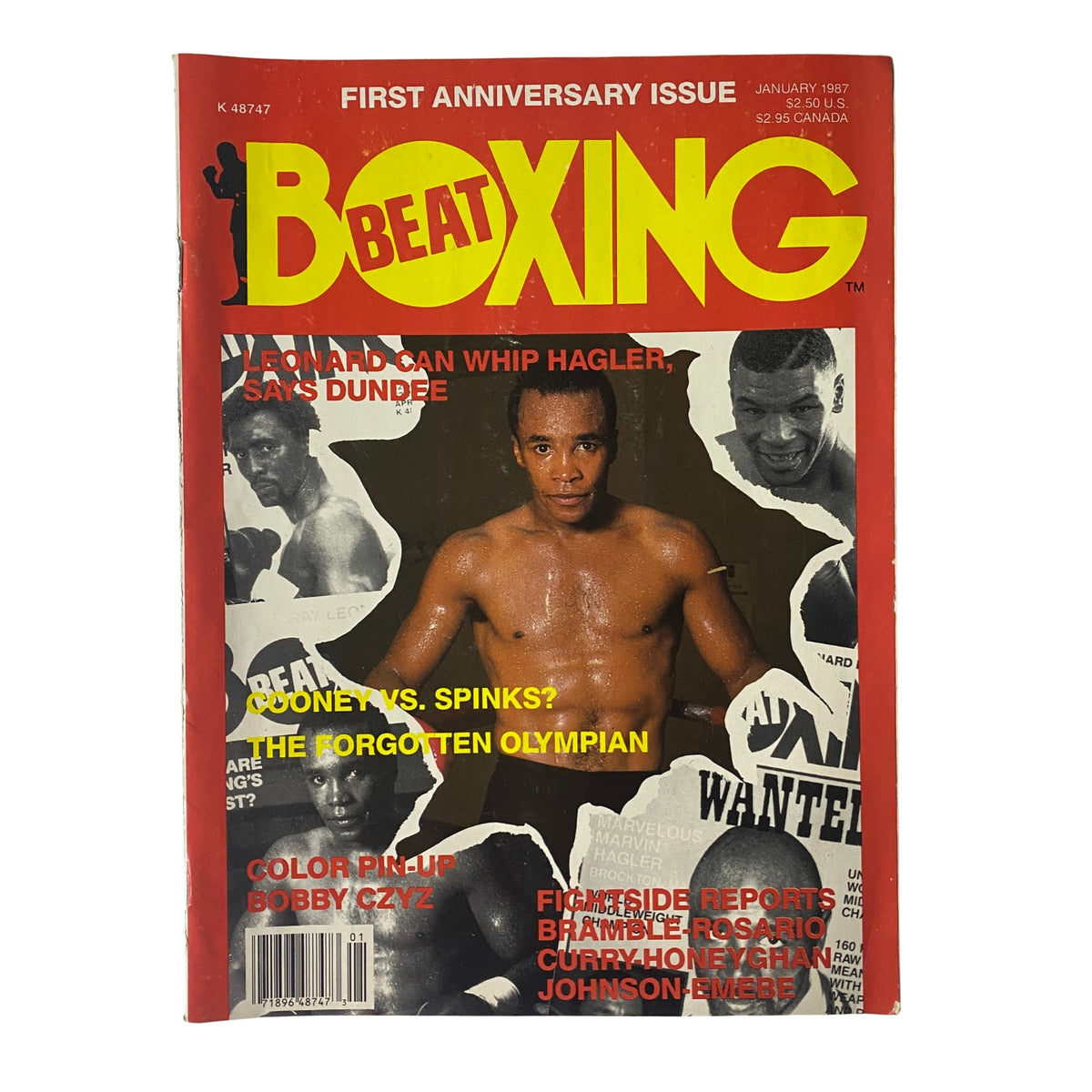
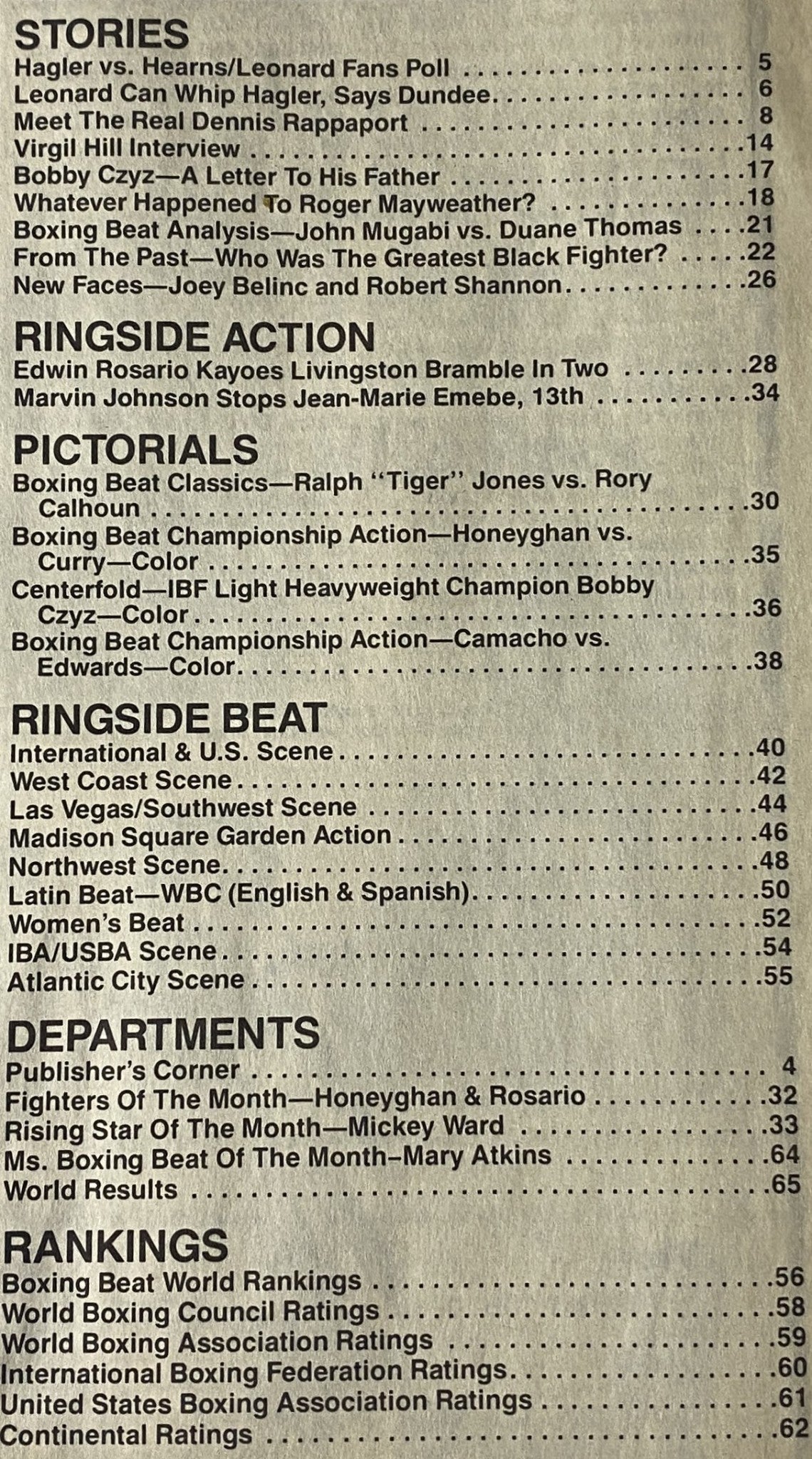
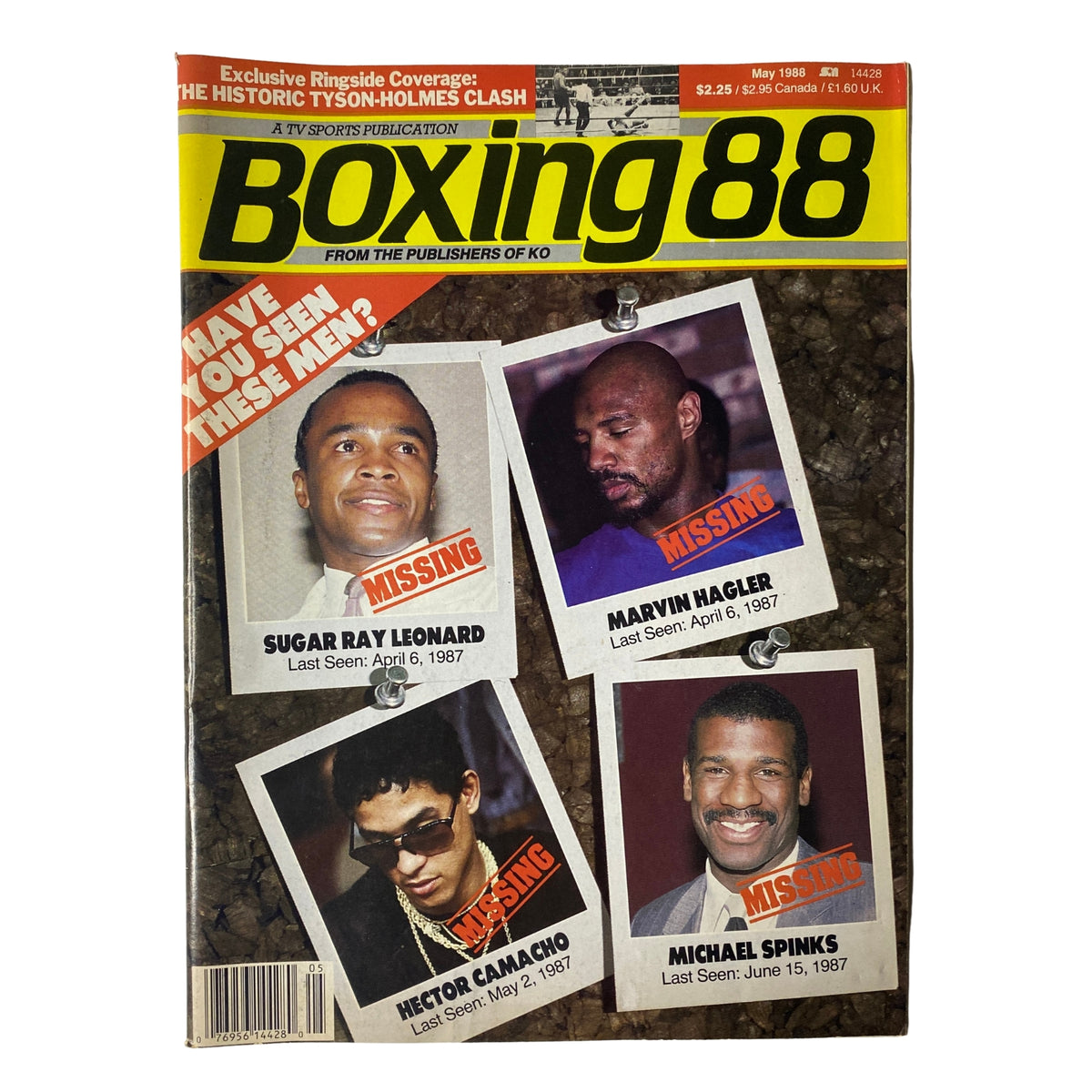
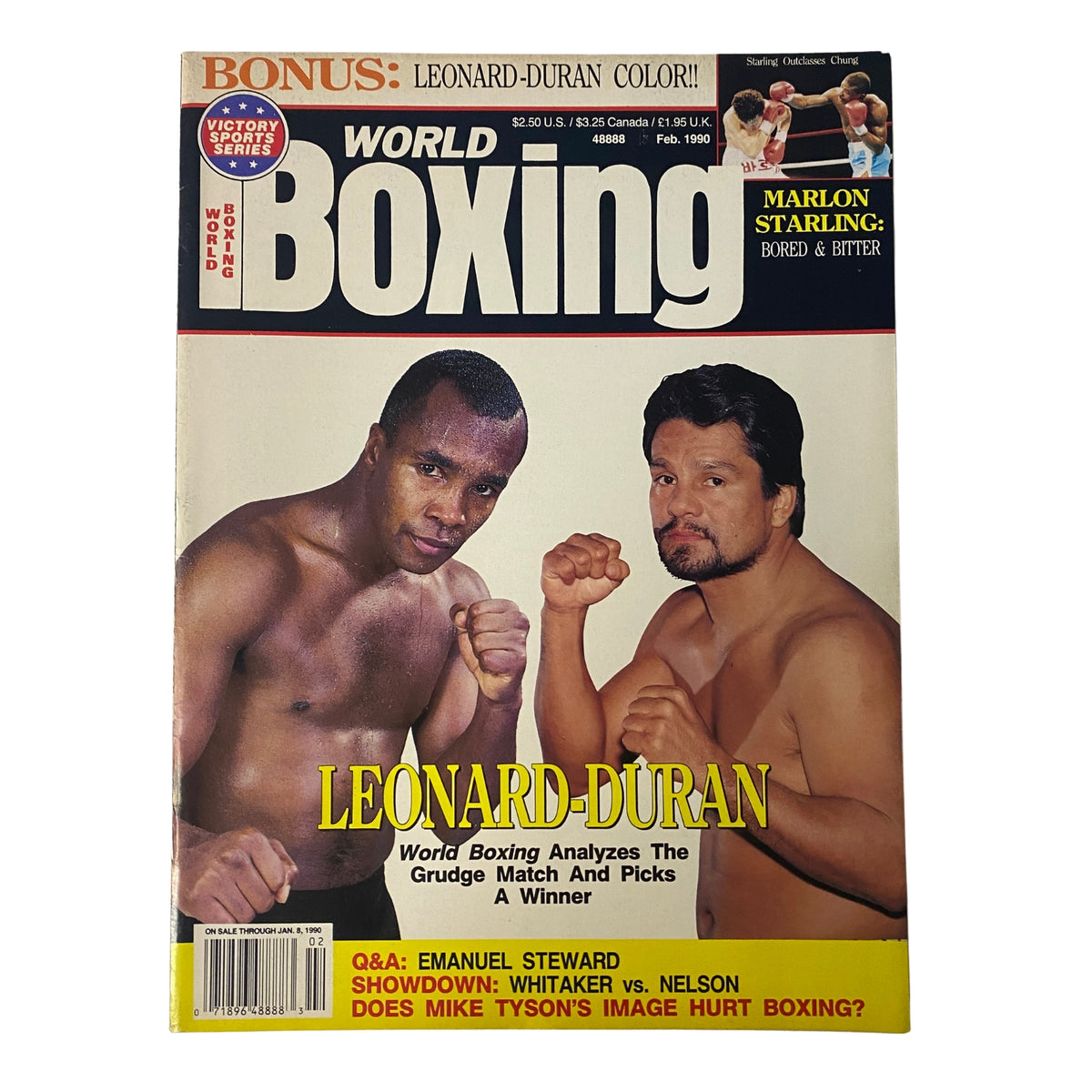
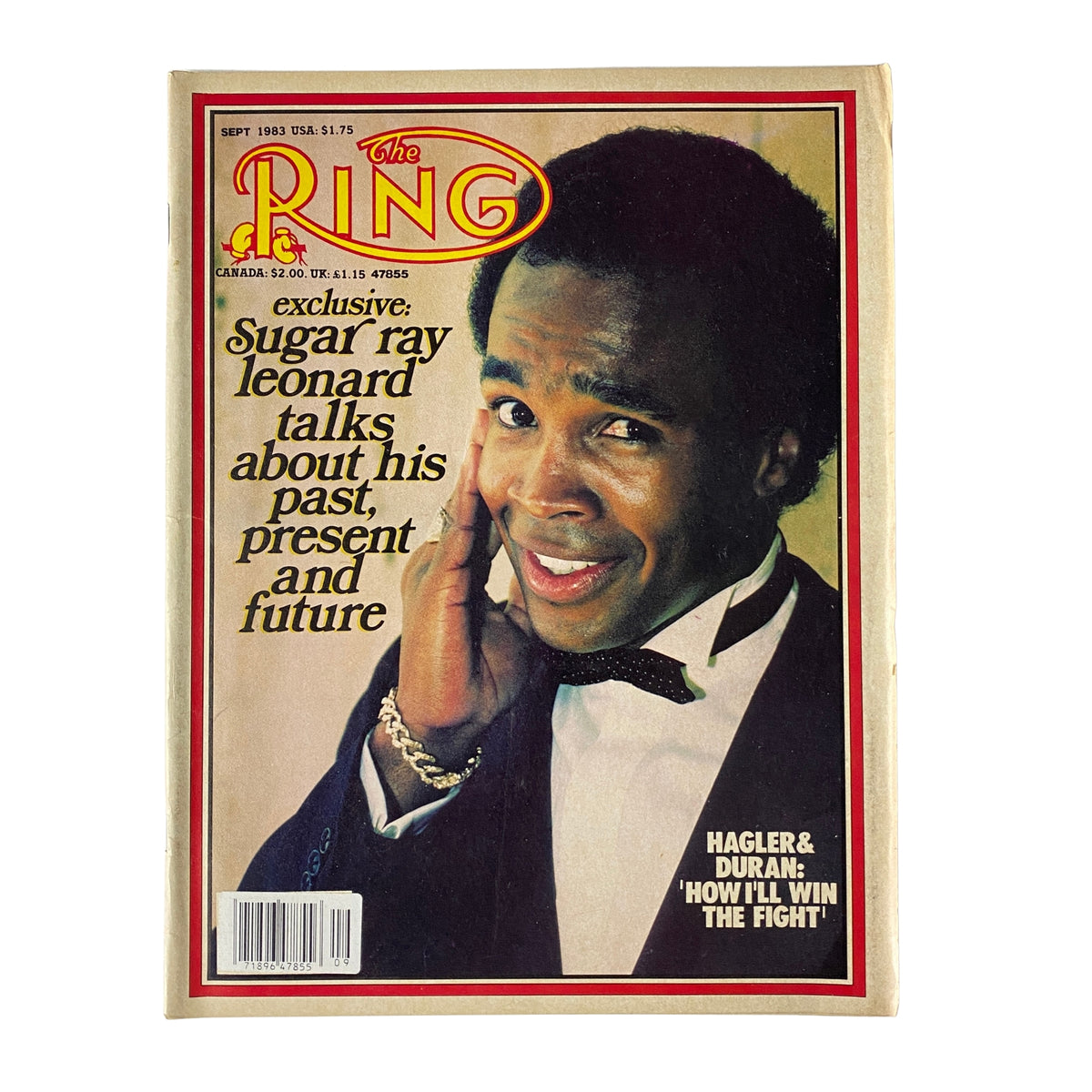
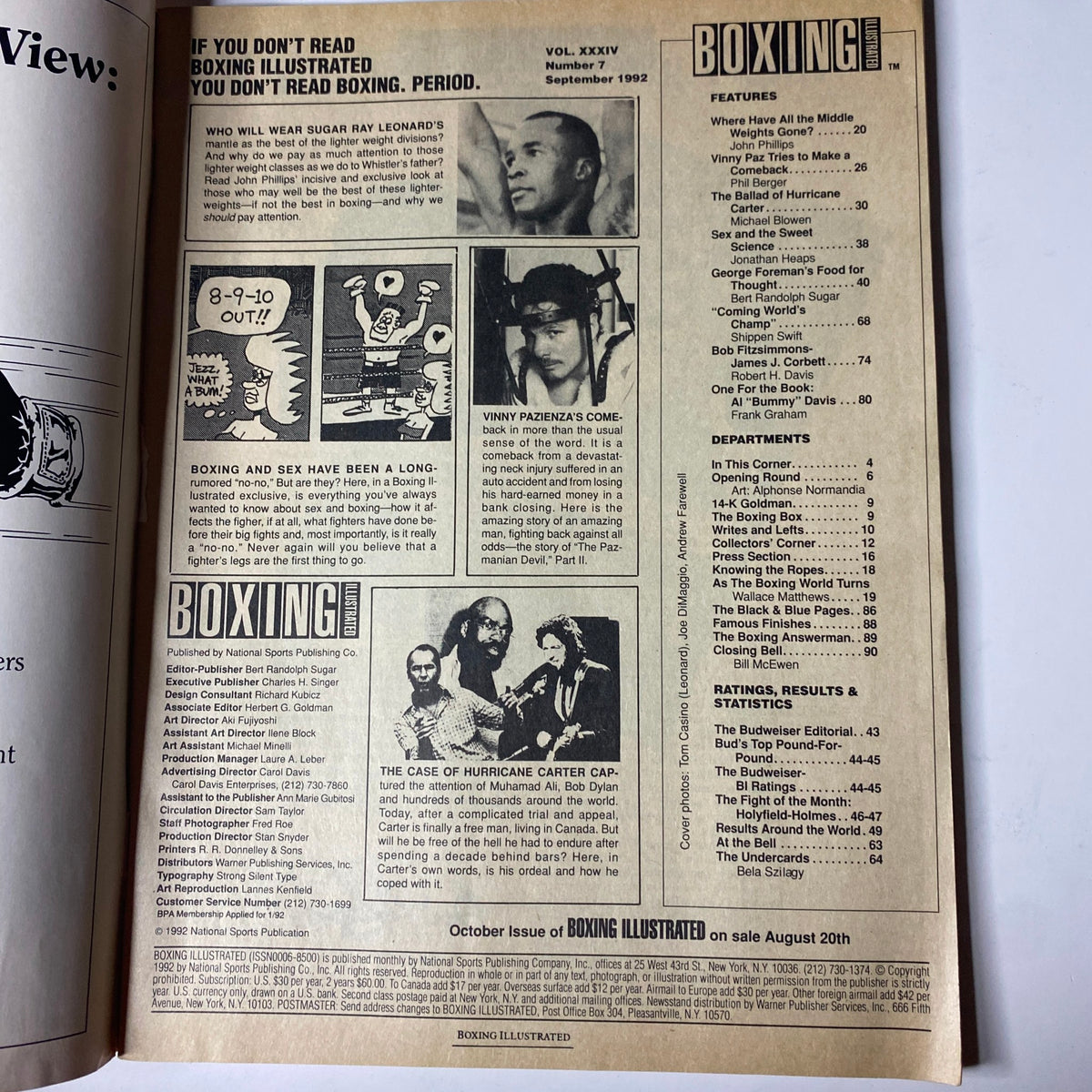
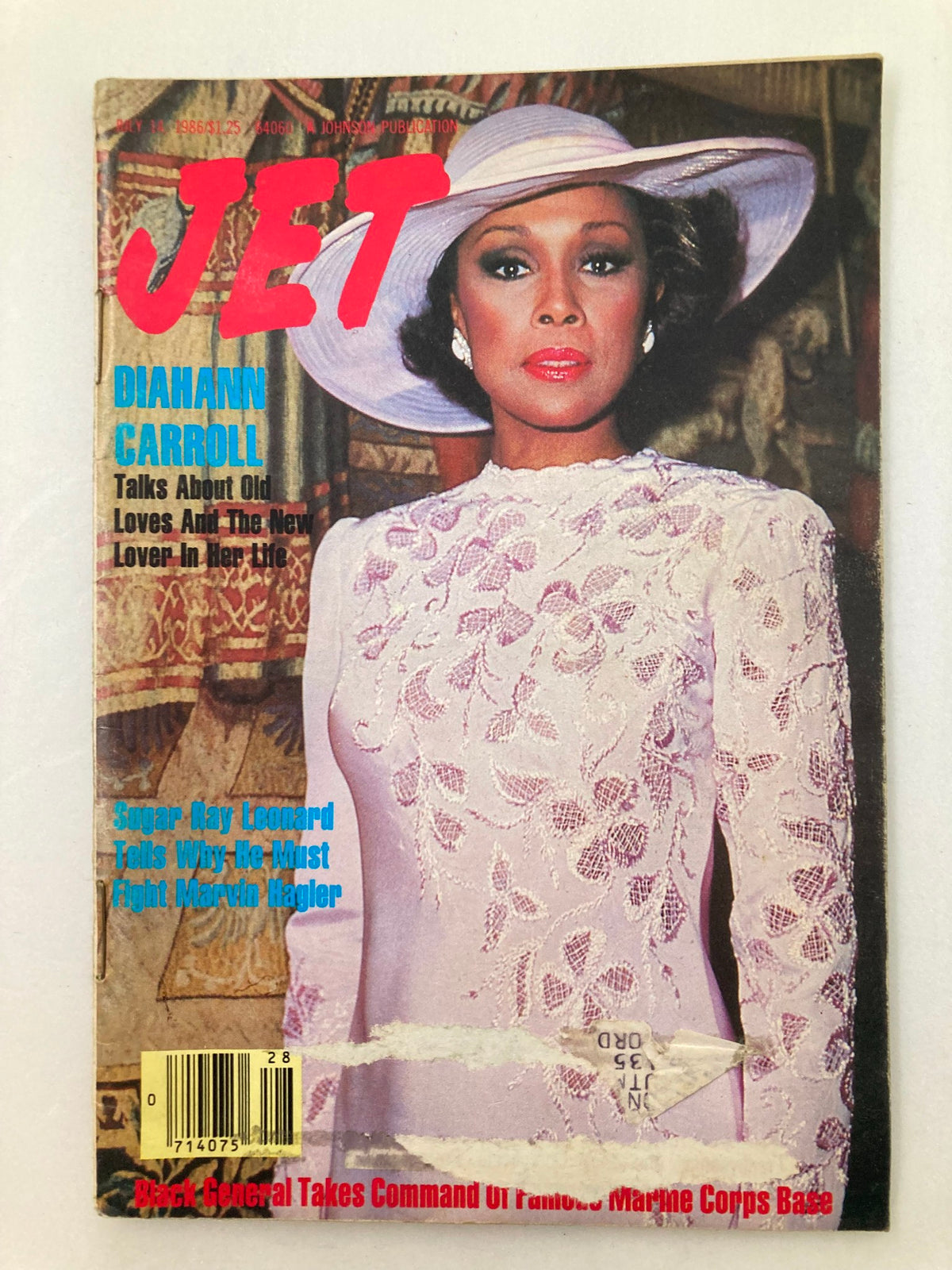
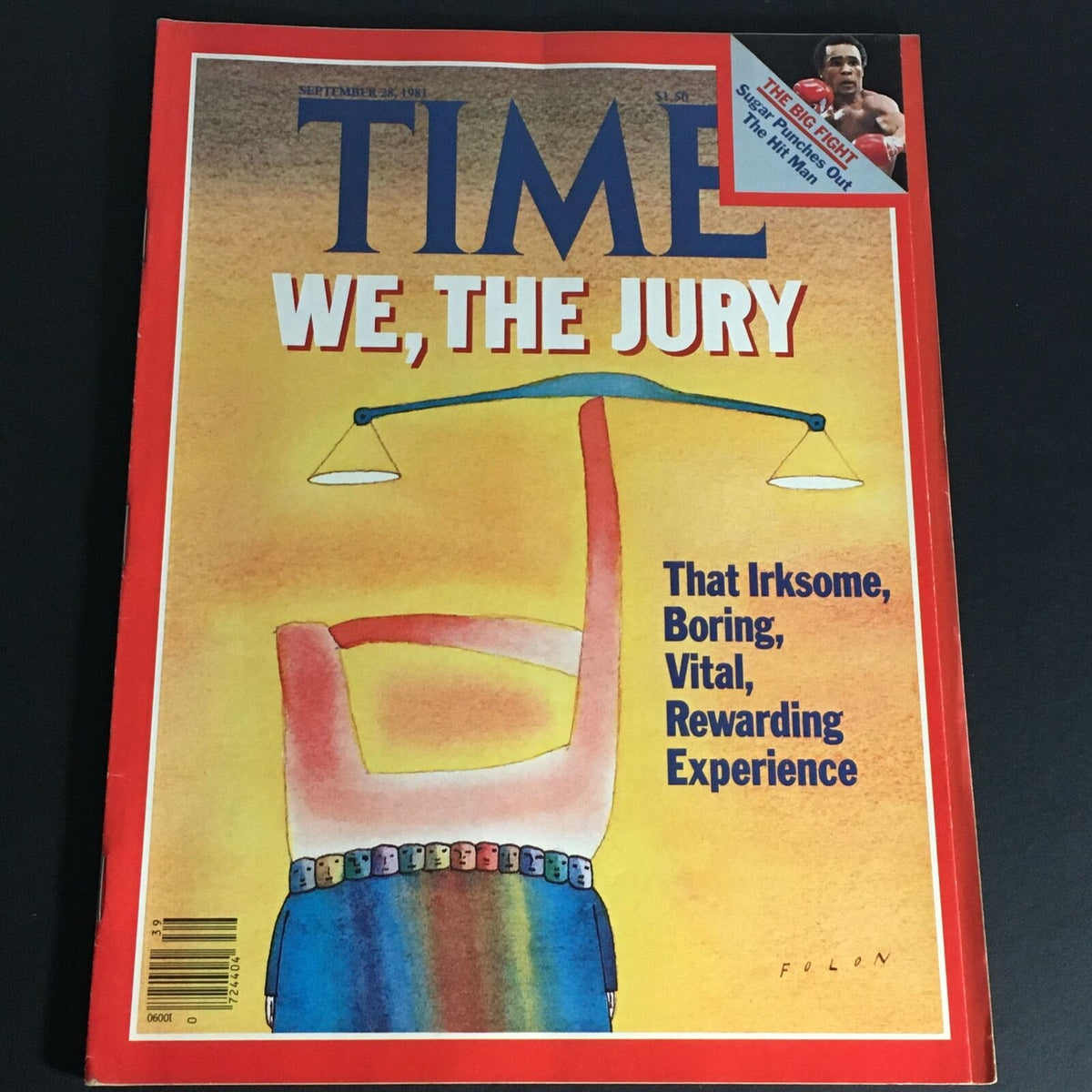
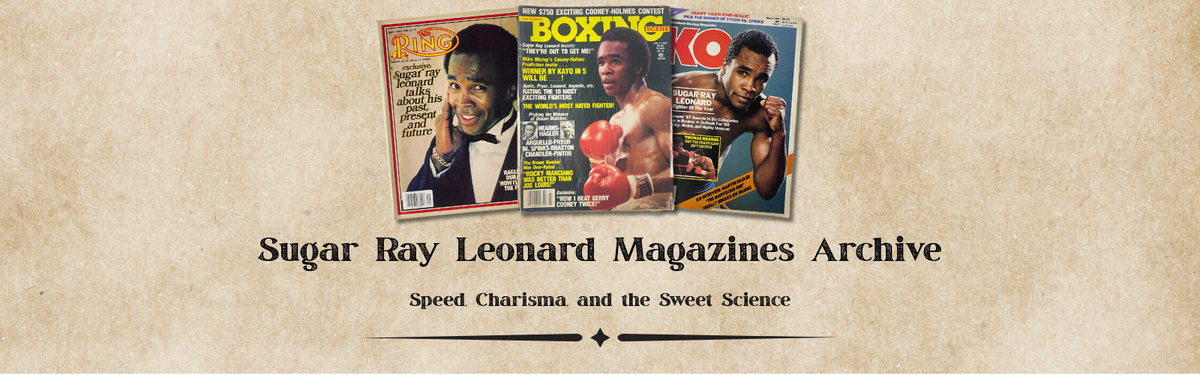
The magazines of his era treated him with a reverence rarely afforded to athletes of any generation. Photographers captured him in extremes — the blinding white of ring lights illuminating his sweat-soaked face in the heat of battle, and then, in quieter editorial spreads, the relaxed charisma of a man equally comfortable in a tailored suit as in fighting trunks. Sports Illustrated returned to him repeatedly, charting not just his victories but his retirements, his comebacks, and the operatic arc of his career with a narrative depth that read more like literary journalism than sports reportage. Ebony and Jet contextualized his significance within Black American culture, framing his elegance and crossover appeal as a form of cultural achievement in its own right — a continuation of a lineage stretching back through Ali and Robinson. Meanwhile, international titles like Paris Match and Der Spiegel covered his headline bouts as global spectacles, reflecting how deeply boxing's theatrical drama penetrated the European sporting consciousness during the late Cold War era. The editorial tone across all of these publications was one of admiration shaded with fascination — here was a fighter who seemed, somehow, to transcend the sport entirely.
Curator's Checklist: Highlights Often Include
- Olympic glory and its aftermath — Coverage from the 1976 Montreal Games and the wave of commercial and public attention that followed, when the world first learned his name
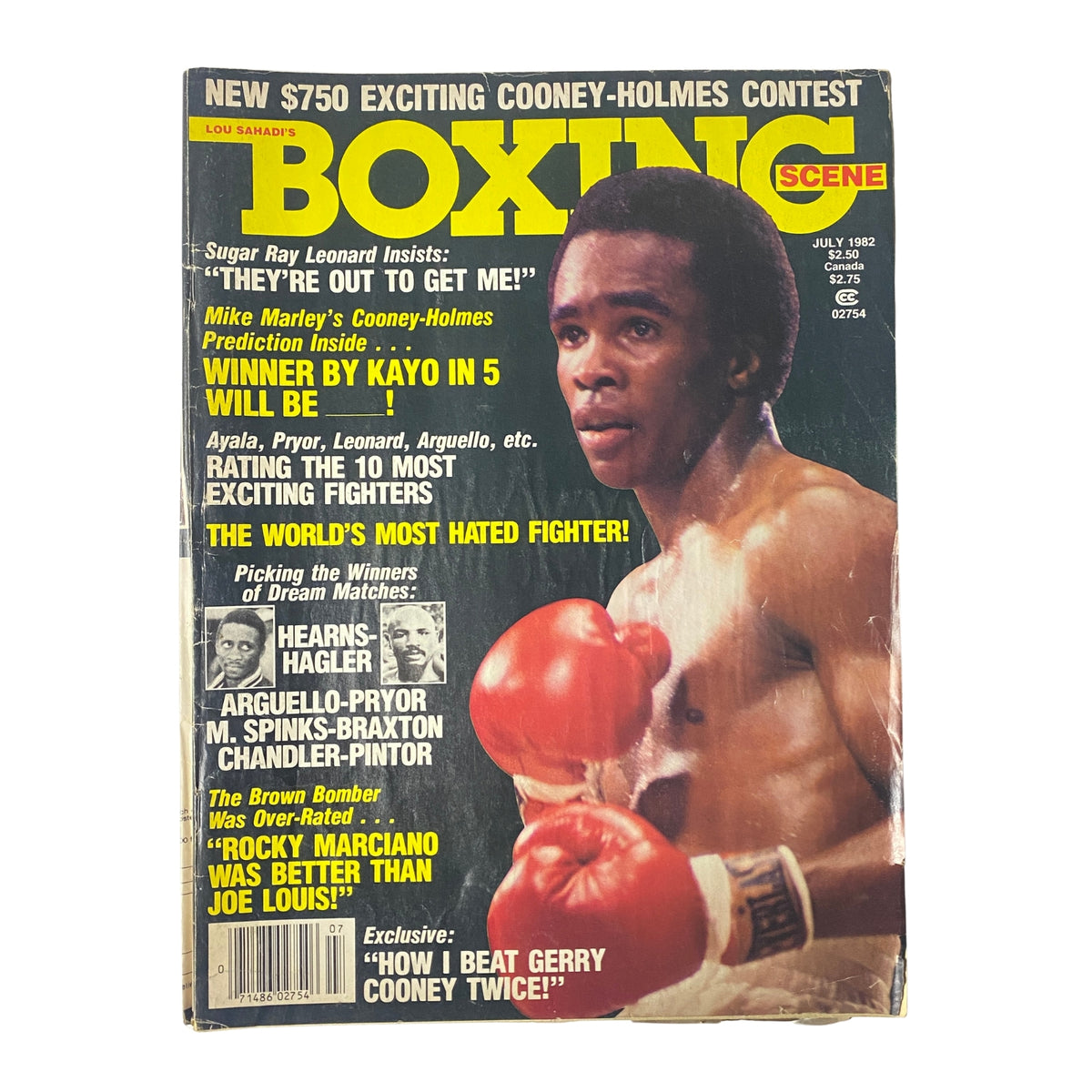
- The Durán trilogy — Issues surrounding the legendary "No Más" bout of 1980 and its rematch, among the most written-about chapters in boxing history, dissected across sports weeklies and general interest magazines alike
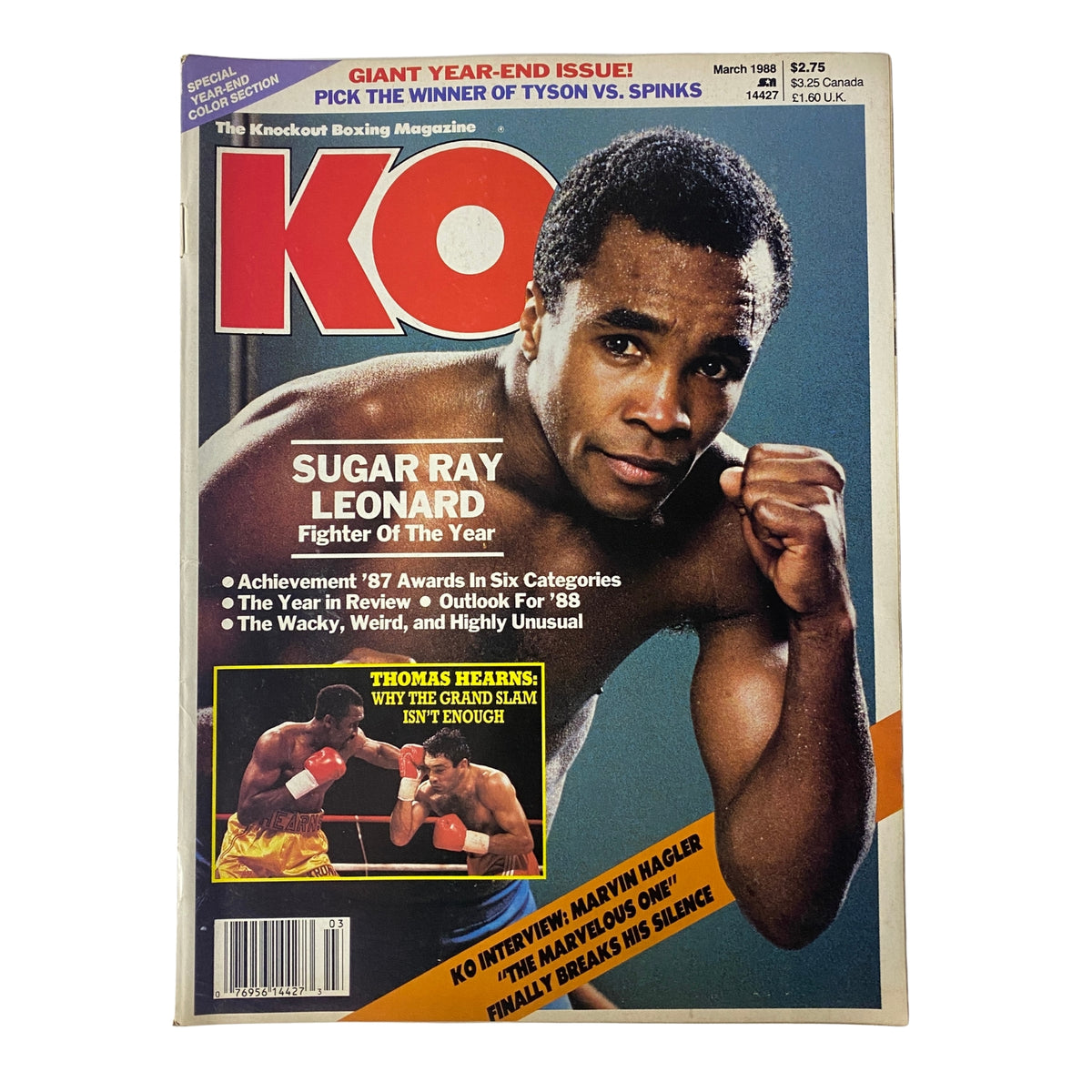
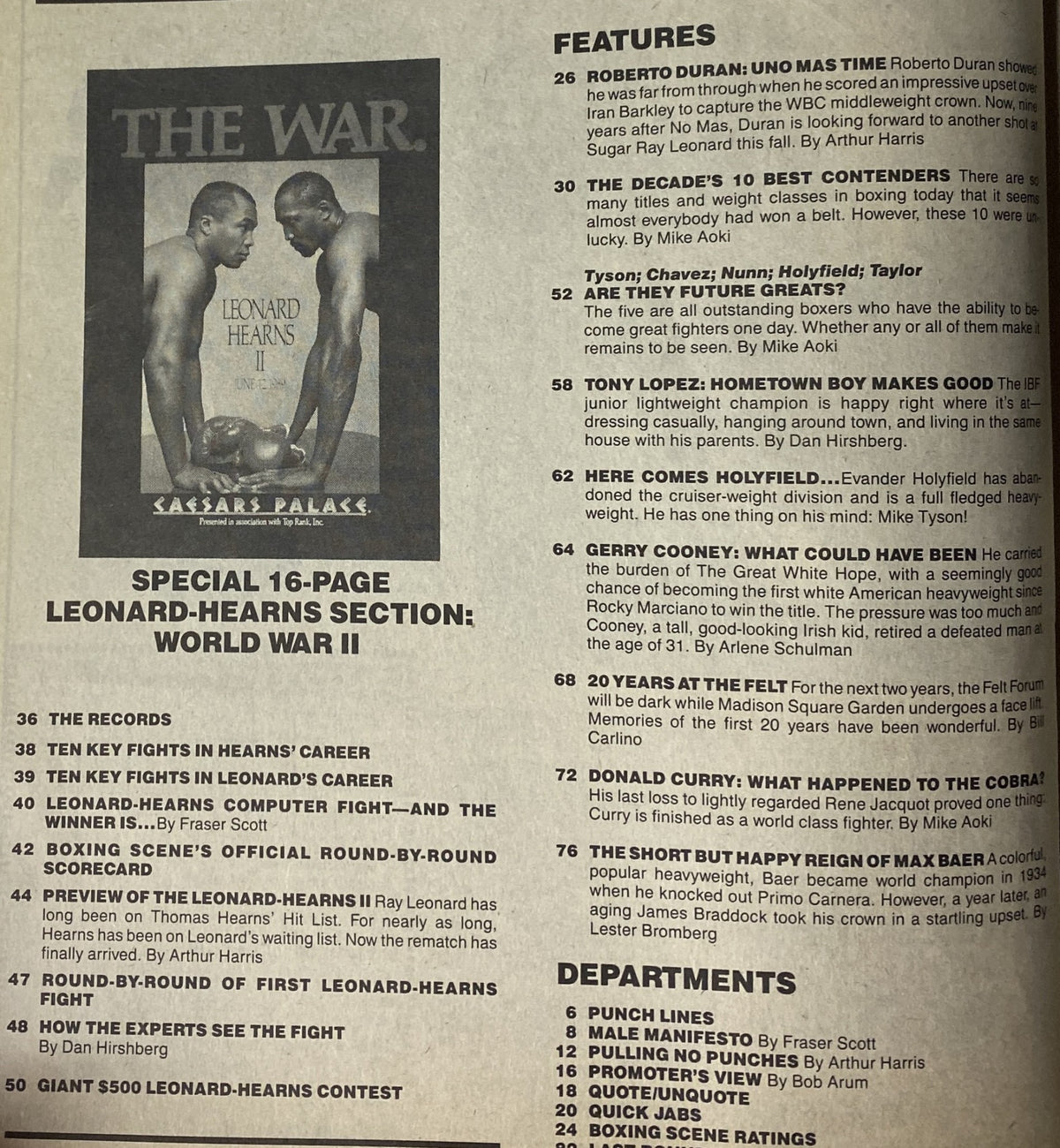
- The Hearns and Hagler superfights — Editorial features from the mid-1980s documenting the brutal, technically magnificent rivalries that defined an era of boxing widely considered its modern golden age
- Crossover celebrity coverage — Profile pieces from entertainment and lifestyle publications reflecting his transition into spokesperson, television personality, and cultural icon well beyond the boxing world
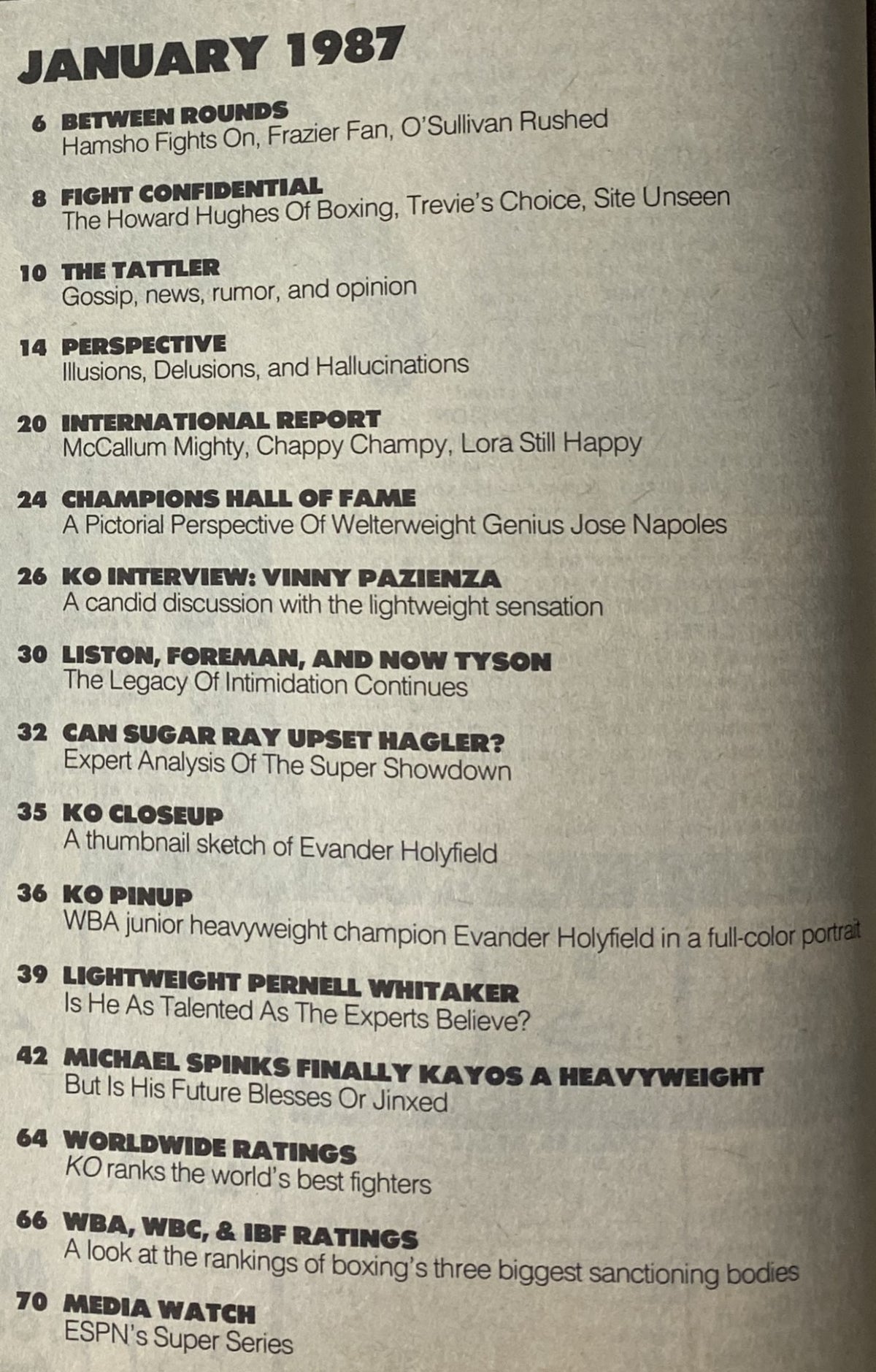
- Comeback narratives — Long-form features from the late 1980s and early 1990s exploring his returns to the ring, including his stunning upset of Hagler in 1987, which generated enormous mainstream press coverage across sports and general publications
The Collector's Value
There is something irreplaceable about holding a magazine from ringside night — its paper stock slightly heavier than what is printed today, the ink carrying that particular mineral sharpness of offset printing in its prime, the pages framed by advertisements for American cars, whiskey brands, and athletic wear that anchor the object irrevocably in its moment. These are primary sources, not reproductions: the actual object a reader held on the morning after one of the great fights, before the verdict of history had fully settled. The photography inside has never been digitally retouched, the editorial opinions were written without the benefit of hindsight, and the surrounding cultural ephemera — every advertisement, every adjacent headline — creates a time capsule of astonishing density. For collectors of boxing and combat sports memorabilia, African-American cultural history and achievement, or 1970s and 1980s sporting nostalgia, these publications offer something no modern reprint or digital archive can replicate: the weight of the actual moment, preserved in your hands. Explore the current available inventory below, and find the issue that speaks to the era you wish to own.