📖 About this Collection
Suzanne Somers: America's Sweetheart in Print
The Legend & The Legacy
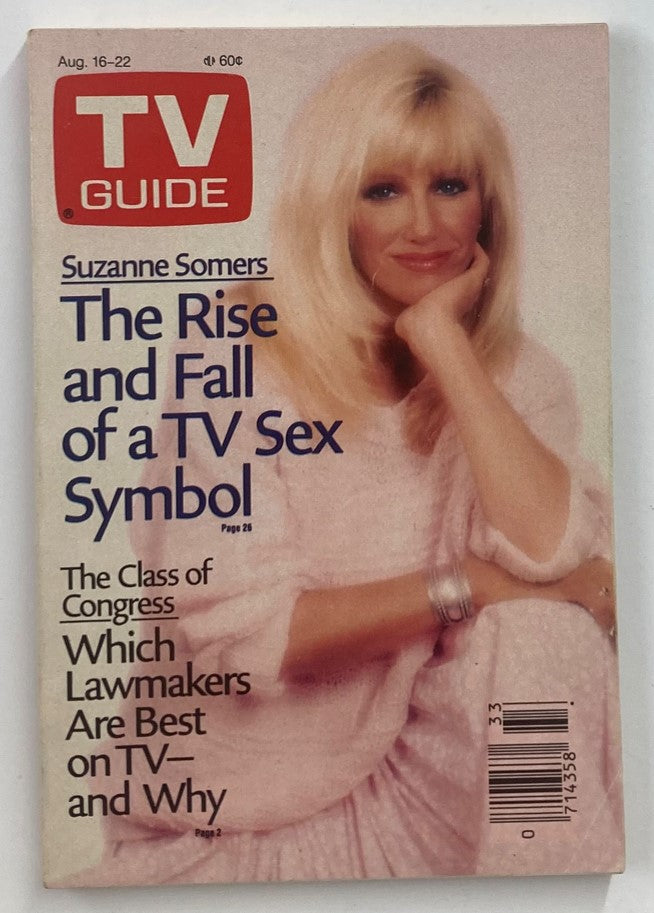
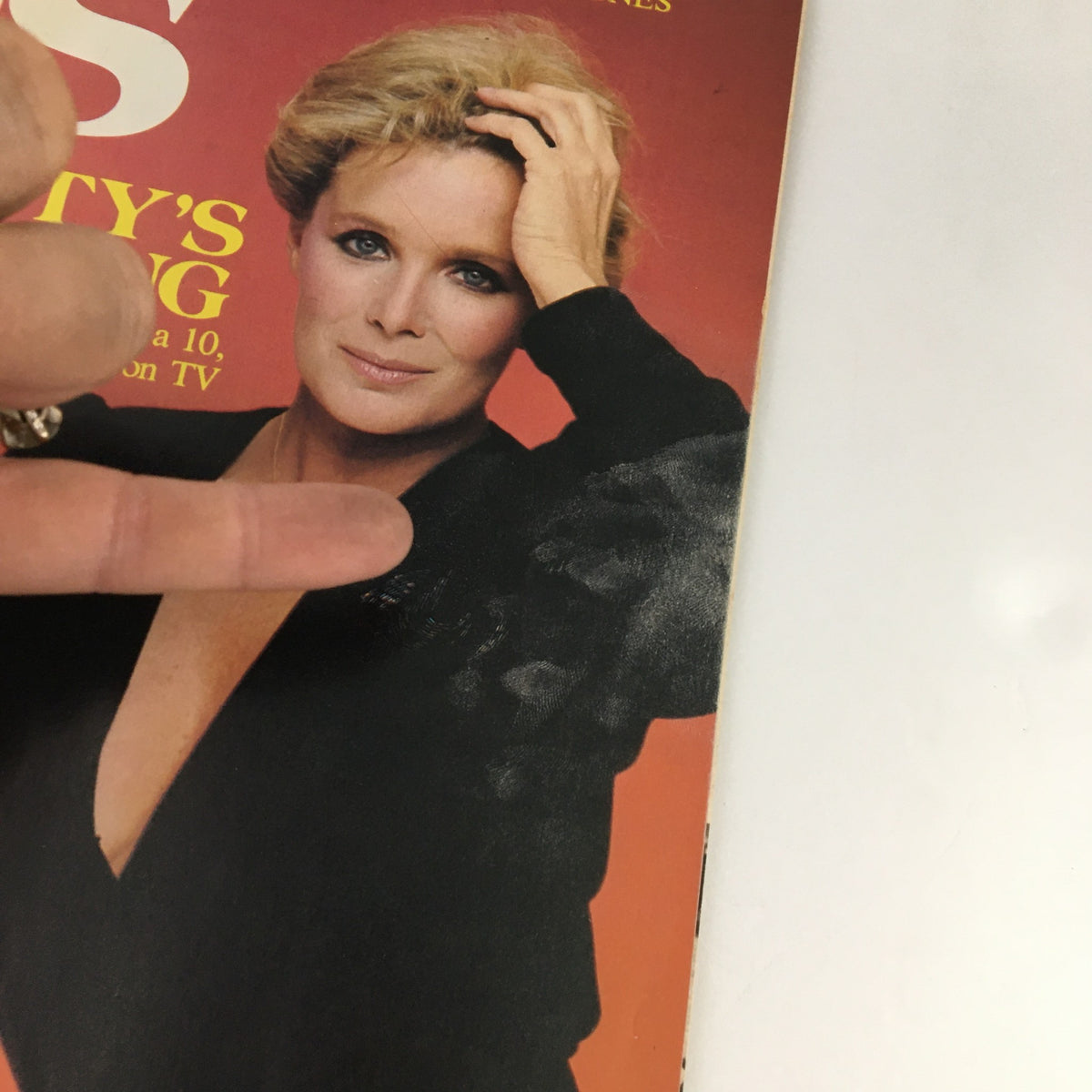
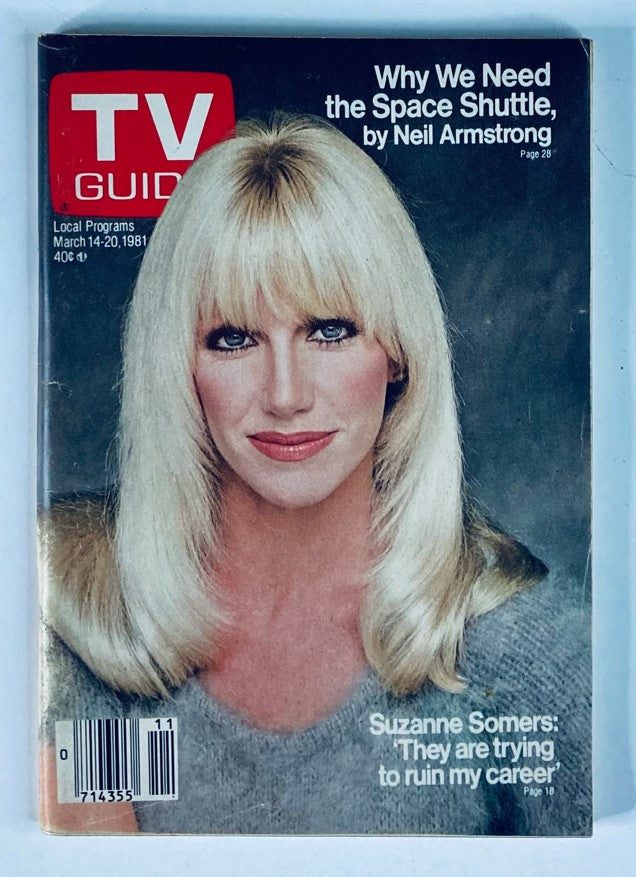
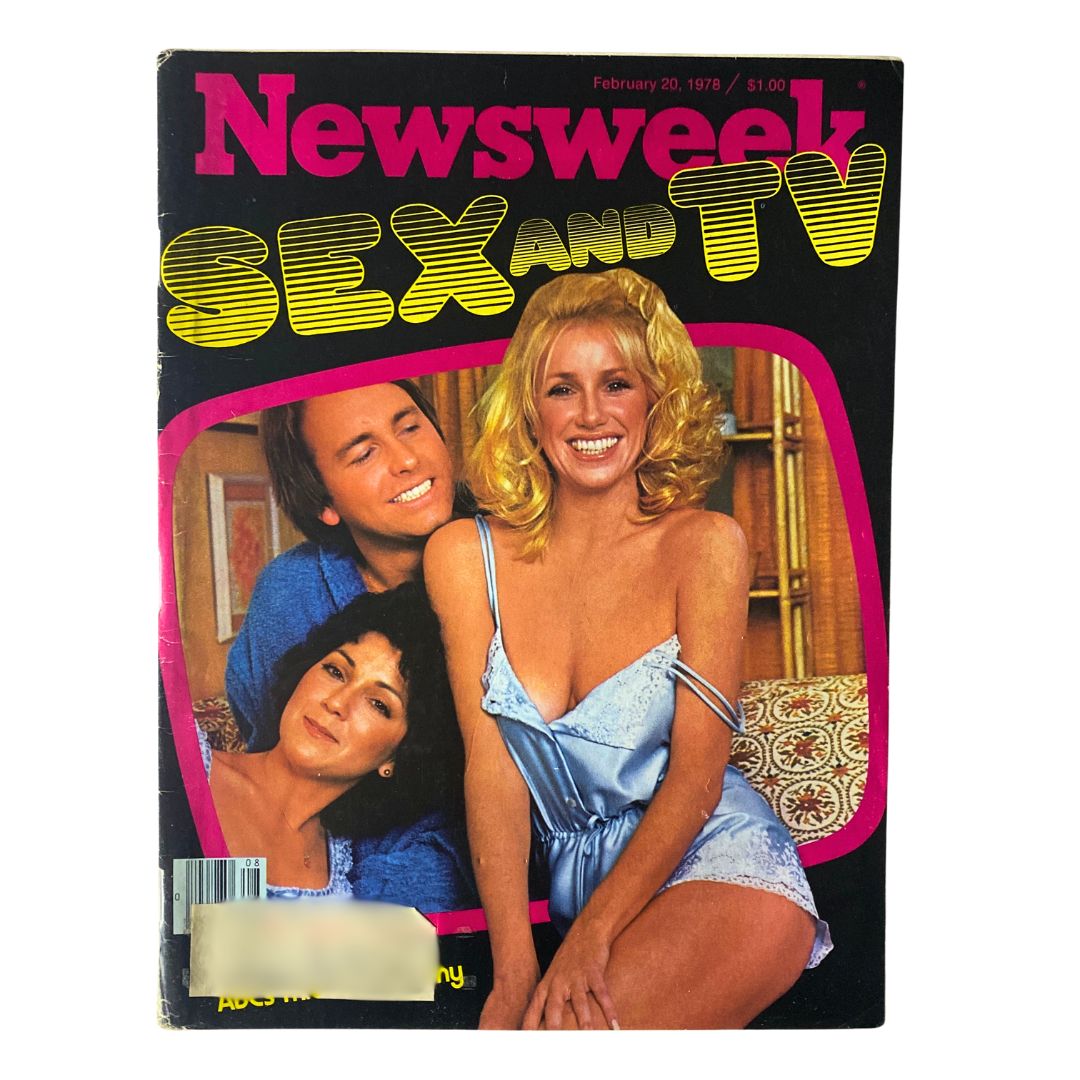
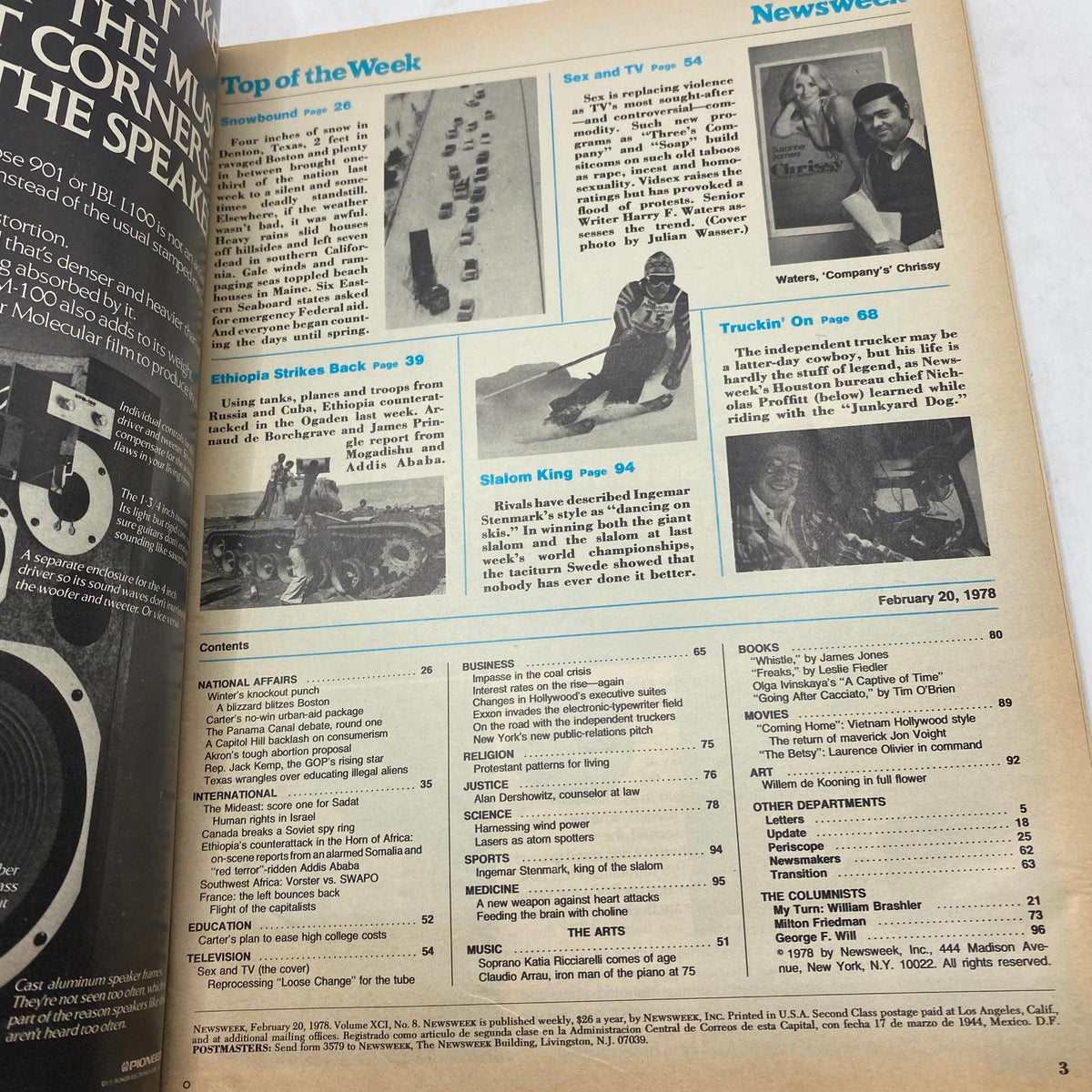
Few figures in late 20th-century American popular culture ignited the imagination of the reading public quite like Suzanne Somers. Her ascent was as improbable as it was irresistible — a blonde California beauty who transformed a single comedic role as the ditzy Chrissy Snow on Three's Company into one of the most recognizable faces of the late 1970s and early 1980s. At the height of her television fame, she became a fixture on newsstands from coast to coast, her image selling millions of copies before a single cable channel or online entertainment column existed to compete for attention. When her well-publicized salary dispute with ABC made headlines in 1980, the story unfolded entirely through weekly magazines, syndicated newspaper columns, and entertainment monthlies — readers followed the drama issue by issue, the way a later generation would follow a social media feed. She then reinvented herself not once but several times over: as a Las Vegas entertainer, a bestselling author of health and wellness books, and a pioneering advocate for bioidentical hormone therapy, each chapter generating its own wave of magazine coverage that captured a nation simultaneously fascinated and debating. In an era when print was the primary mirror society held up to celebrity, she appeared in that mirror constantly, and the reflection was always arresting.
Inside the Archive
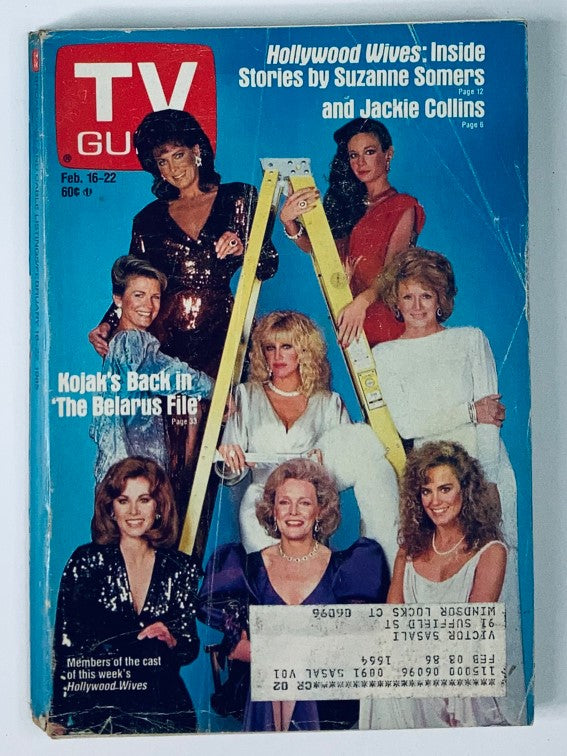
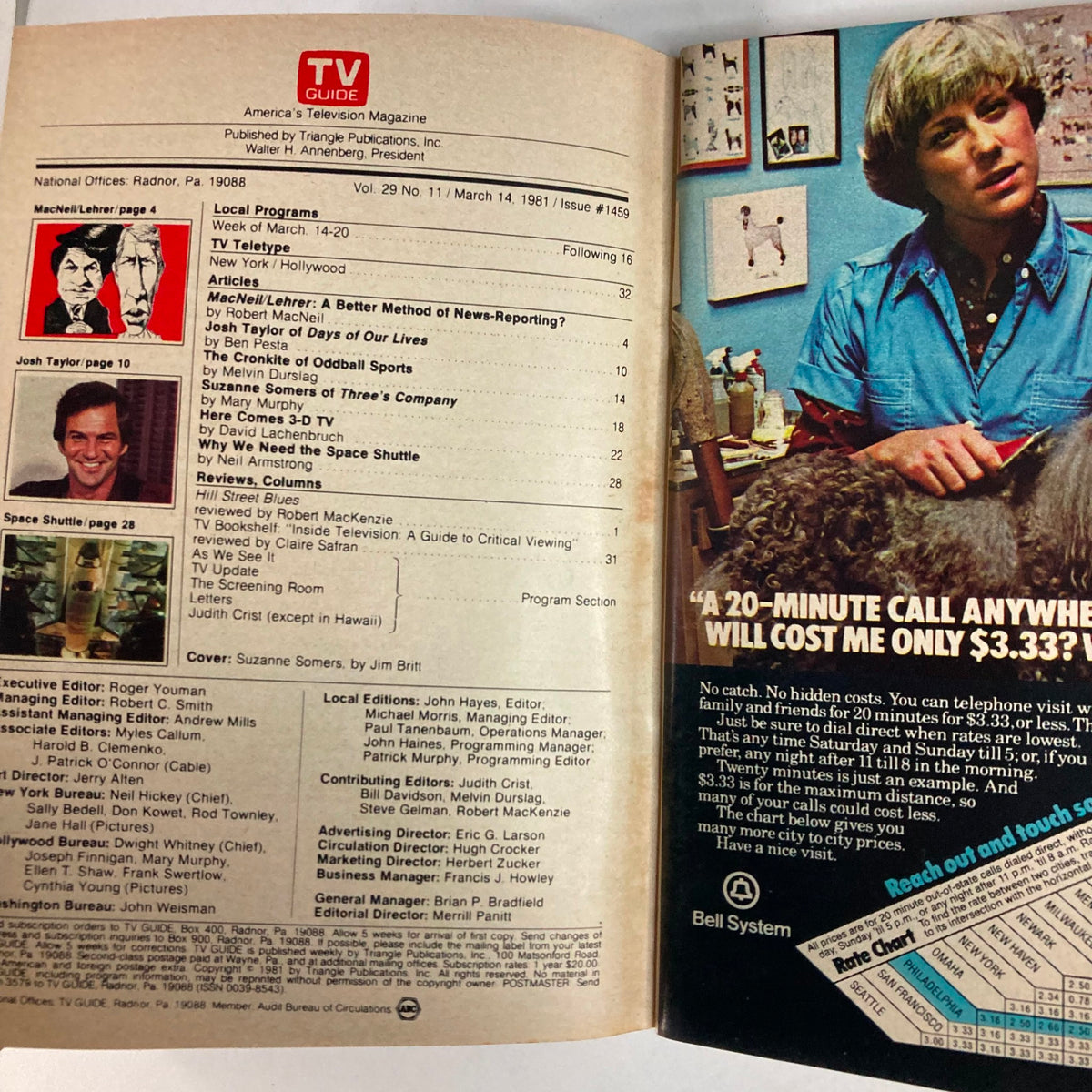
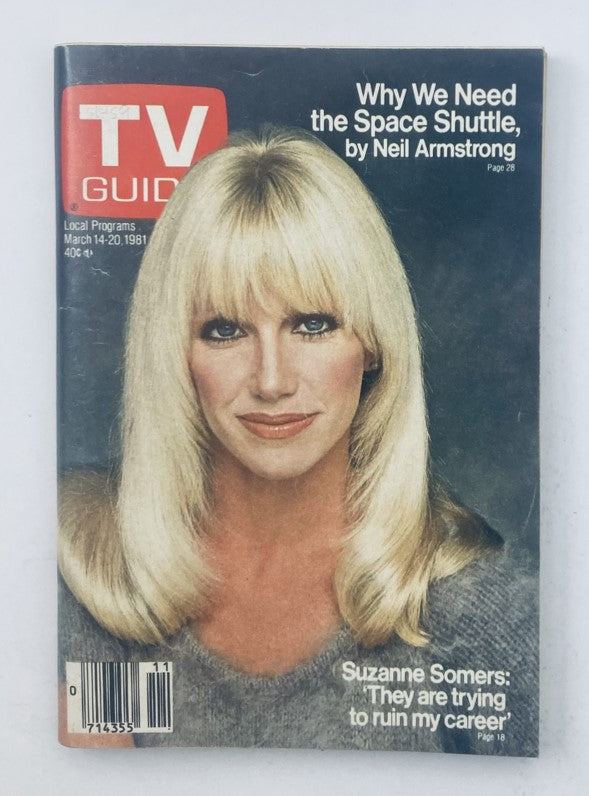
The magazine coverage of this singular entertainer spanned an extraordinary range of tones and titles, reflecting just how broadly she captivated the cultural conversation. In her Three's Company years, photographers pursued the sun-drenched, soft-focus glamour aesthetic of the era — warm California light, wide smiles, and a breezy sensuality that felt tailor-made for the oversized glossy pages of People magazine, which featured her among its most commercially successful covers of the period. TV Guide, the indispensable bible of American living rooms, returned to her image repeatedly throughout the late 1970s and into the 1980s, documenting both her rise and her headline-making departure from the show. As her career evolved and her public persona matured, publications like Ladies' Home Journal and McCall's embraced her second and third acts — interviewing her at length on entrepreneurship, aging, and wellness in a more intimate, conversational register that revealed a woman of considerable personal conviction beneath the sequins. The photography shifted accordingly: less poolside glamour, more confident portraiture, the editorial tone pivoting from starlet coverage to something approaching genuine cultural reckoning with a woman who refused to be written off.
Curator's Checklist: Highlights Often Include
- Peak Three's Company era features (late 1970s–1980) — full-colour spreads and cover appearances from entertainment weeklies and television monthlies capturing the show at the summit of its ratings dominance, often with behind-the-scenes photography and cast profiles
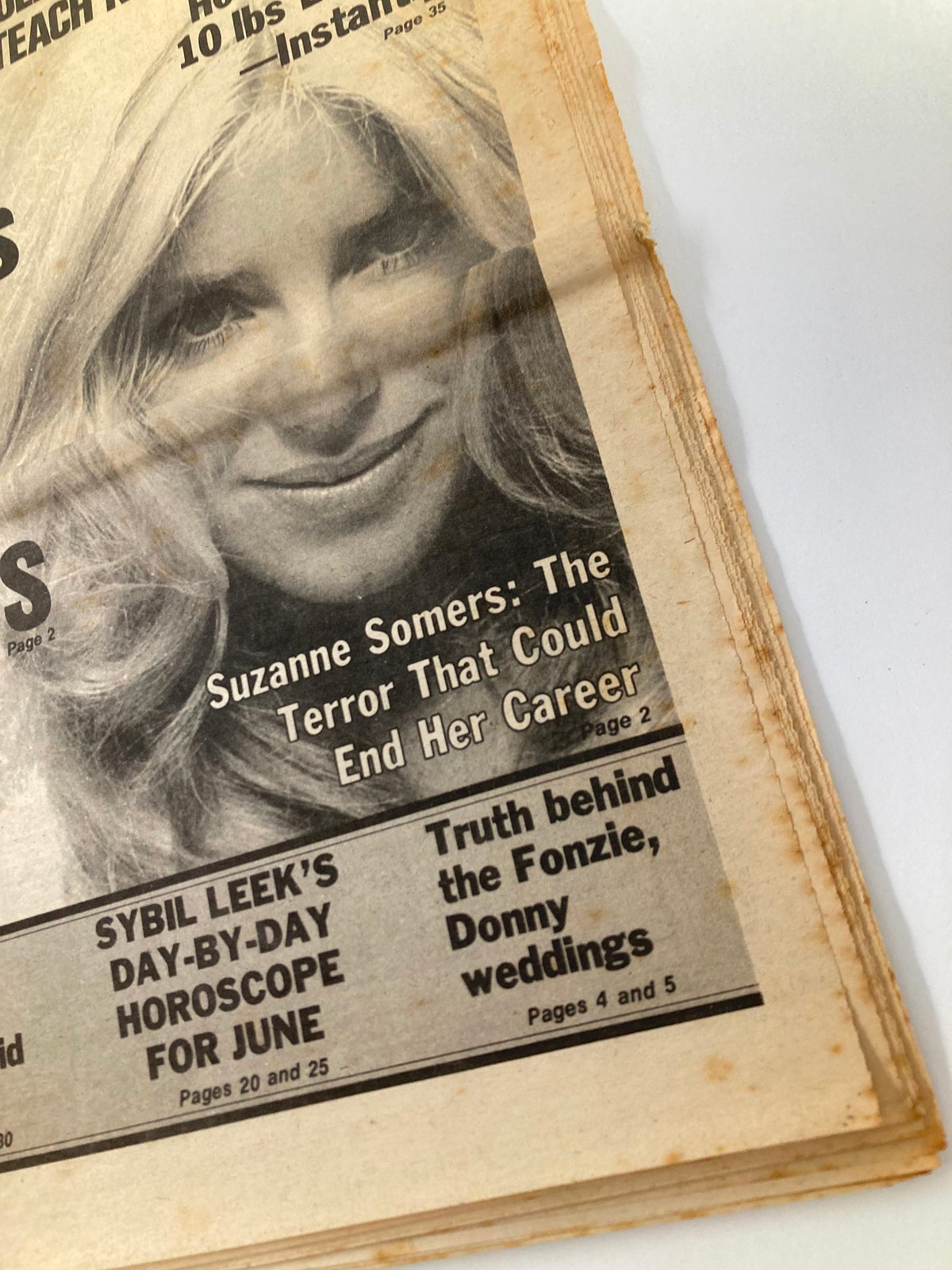
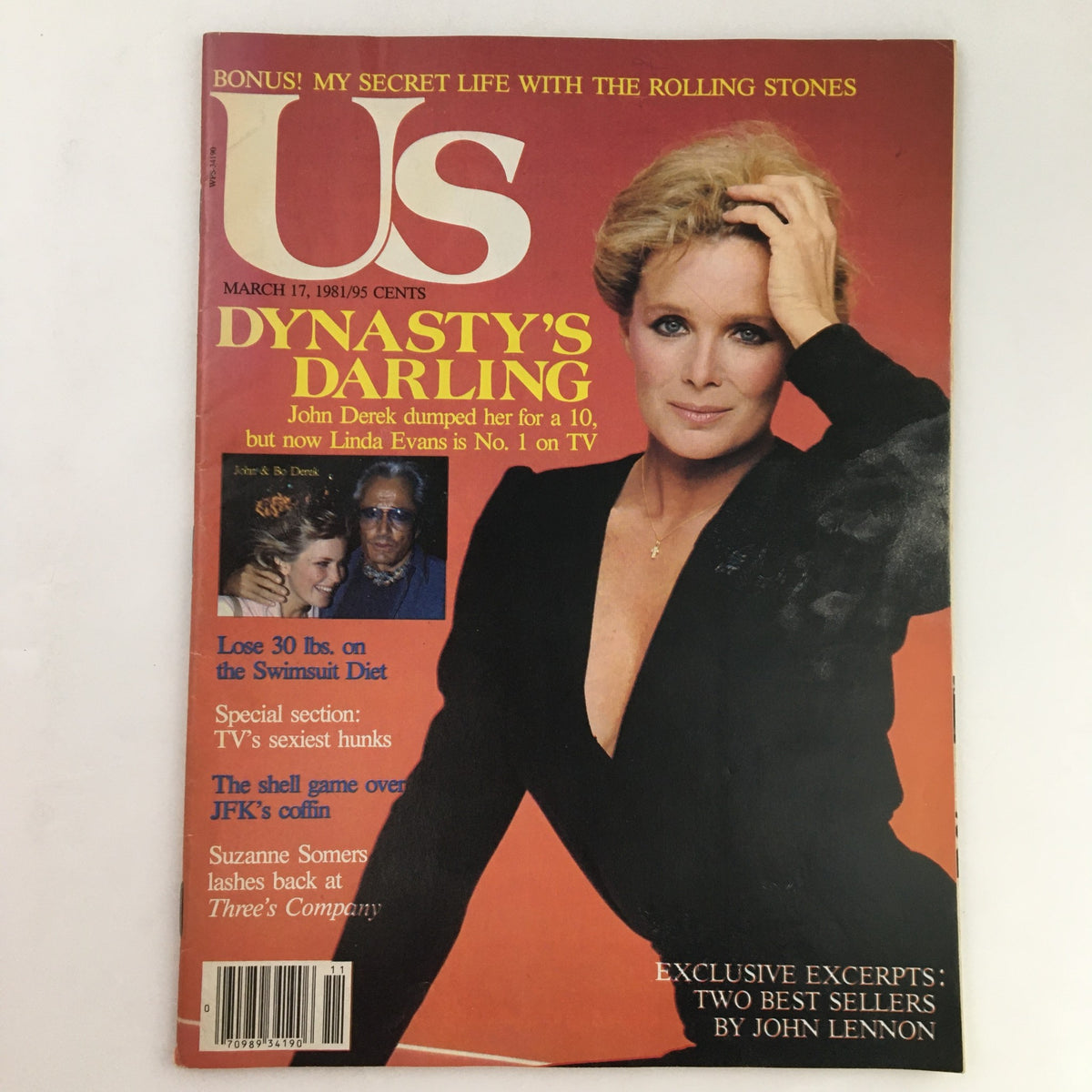
- The contract dispute coverage — issues from 1980–1981 in which entertainment and news publications documented her unprecedented salary standoff with ABC, a watershed moment in the history of television actors' rights that was covered with the intensity of a genuine industry scandal
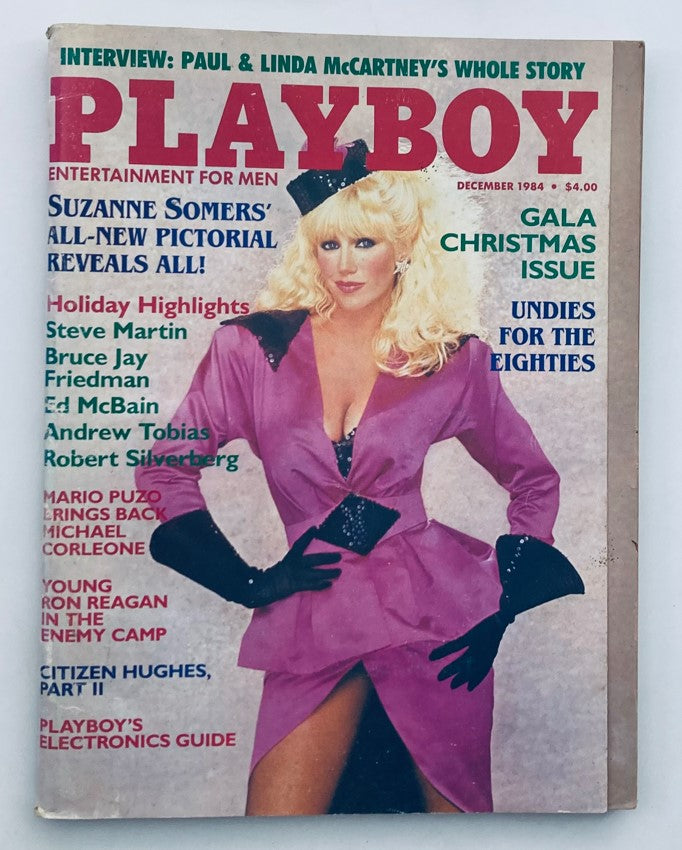
- Las Vegas and stage career profiles — showbusiness and lifestyle publications from the mid-1980s onward chronicling her transition to live performance, often featuring lush production photography from her celebrated headline residencies
- Health, wellness, and longevity interviews — features from the 1990s and 2000s in women's lifestyle magazines in which she discusses her advocacy for alternative medicine, bioidentical hormones, and holistic ageing, representing one of the most sustained and distinctive second-act narratives in modern celebrity journalism
- Entrepreneurship and brand-building coverage — business and lifestyle profiles examining her Thighmaster phenomenon and the broader empire she built, frequently cited in the press as one of the most successful celebrity product launches of the infomercial era
The Collector's Value
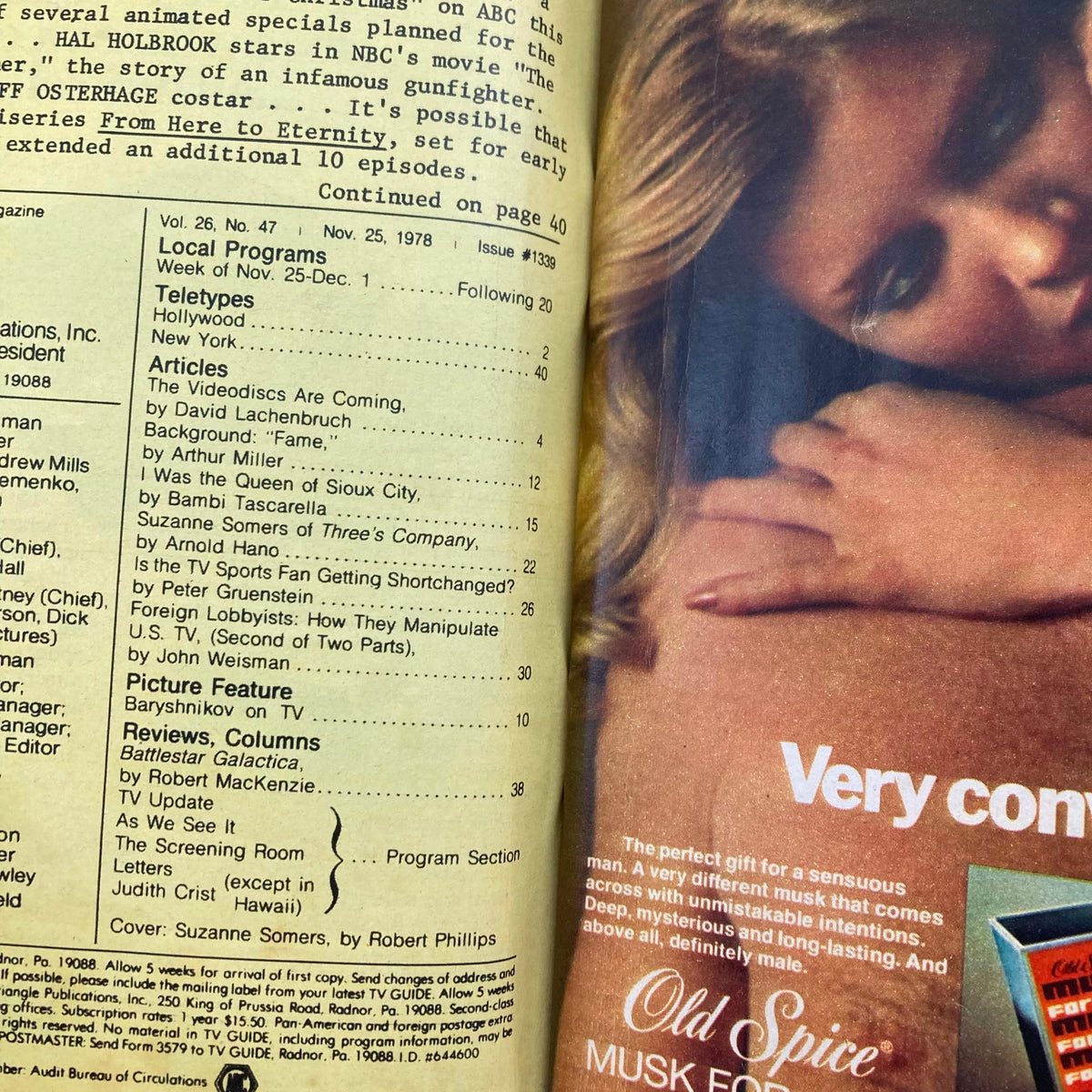
To hold one of these issues is to hold something the digital archive can never replicate. The paper stock of a late-1970s People or TV Guide has a particular heft and warmth to it — slightly yellowed at the margins, carrying that unmistakable note of aged ink and coated paper that immediately transports you to the decade of its printing. The advertisements alone constitute a time capsule: the cigarette brands, the automotive spreads, the department store fashions that frame every article remind you that you are not merely reading about the past, you are touching it. These are primary documents, not facsimiles — the same physical objects that sat on coffee tables and in beauty salon waiting rooms across America when the stories inside were breaking news. For collectors of vintage television memorabilia, 1970s and 1980s pop culture ephemera, or women's entertainment history, these publications offer an irreplaceable and tactile connection to one of the most compelling careers of the late 20th century. Explore the current available inventory below and discover which chapter of this remarkable story is waiting to find a home in your collection.