📖 About this Collection
Suzy Parker: The Face That Defined an Era
The Legend & The Legacy
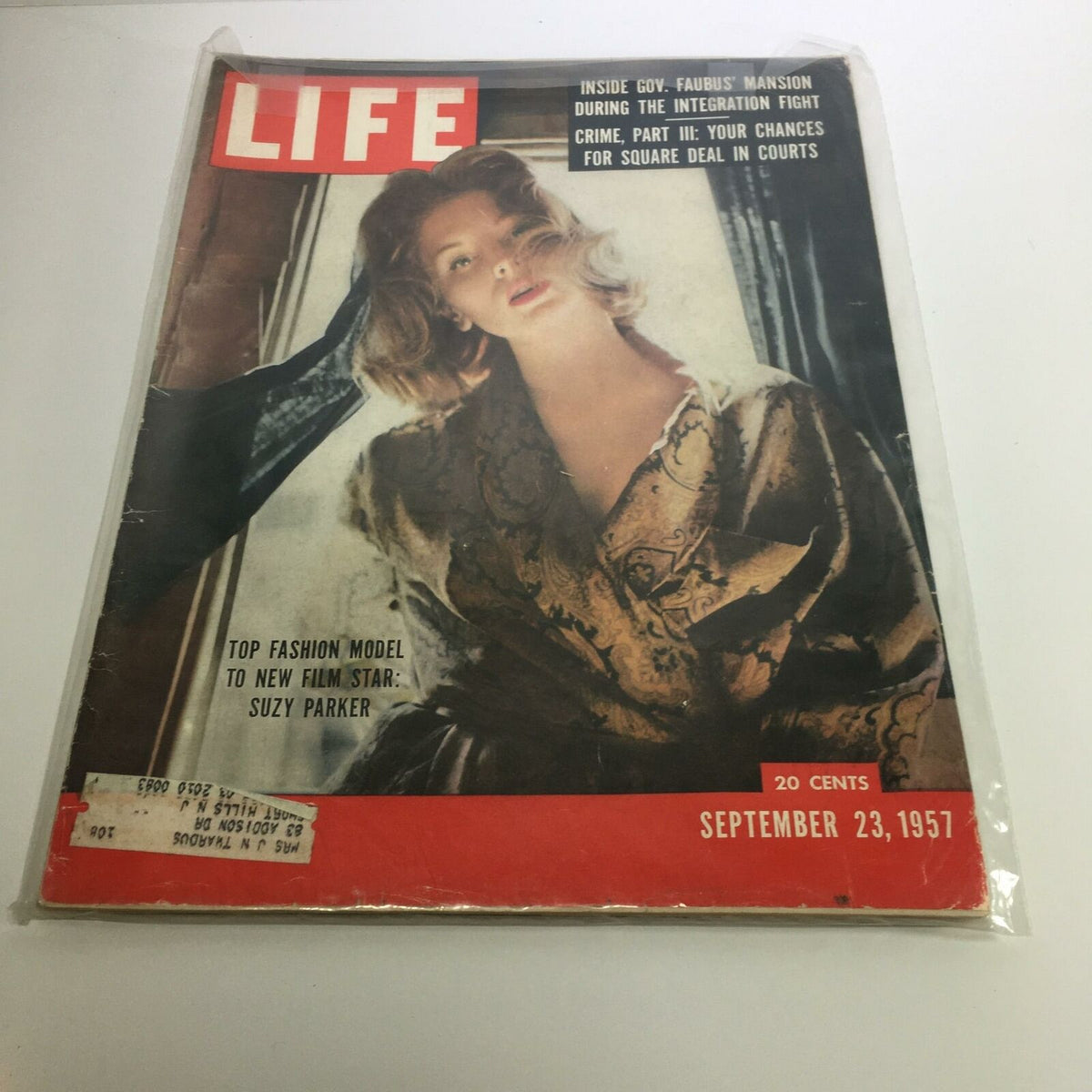
Before the algorithm, before the celebrity feed, before beauty could be manufactured and distributed in milliseconds, there was the magazine page — and on it, impossibly often, there was Suzy Parker. Born Cecelia Ann Renee Parker in 1932, she rose through the postwar fashion world to become the first supermodel in the modern sense of the word: a recognized name, a commanding presence, and a face that transcended the garments she wore. In an age when American women looked to print media to understand elegance, aspiration, and what it meant to be modern, Parker was the living answer. Her flame-red hair, her uncanny ability to inhabit a photograph rather than merely appear in one, and her remarkable transition from model to actress made her a fixture of mid-century cultural life. She was not simply beautiful — she was significant, the kind of figure whose appearances in print carried genuine social weight, signaling to readers that something important and glamorous was unfolding in the world.
Inside the Archive
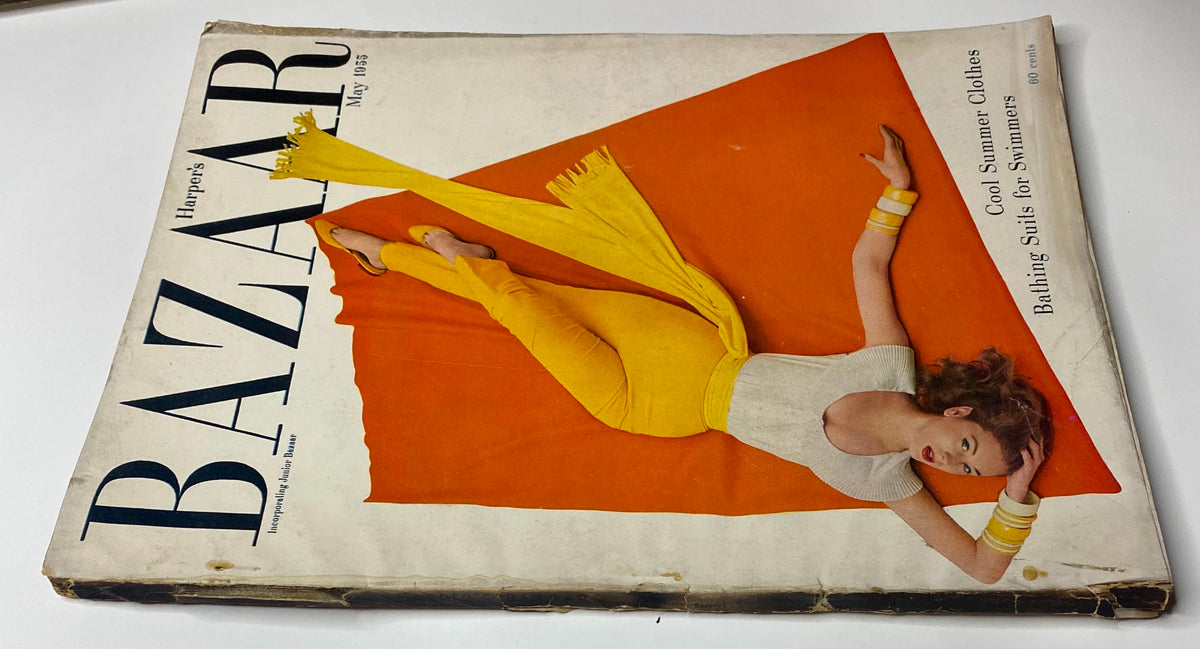
The vintage magazines that chronicled her career are themselves artifacts of a golden age of editorial photography. Vogue — both American and international editions — returned to her again and again, their photographers, including the legendary Richard Avedon and Cecil Beaton, framing her in ways that felt less like fashion documentation and more like portraiture. Harper's Bazaar treated her with equal reverence, its editors understanding that Parker elevated a spread simply by existing within it. Across the Atlantic, Paris Match captured her European chapters with the breathless, romantic quality that only French print journalism of that era could manage, reflecting her deep ties to Parisian couture and her relationships within the international fashion world. The editorial tone across these publications was consistently one of awe lightly dressed as professionalism — writers and art directors alike seemed to understand they were dealing with something rare, and the layouts, the generous full-bleed photographs, the careful typography of the period, all conspired to treat her as the icon she was becoming in real time.
Curator's Checklist: Highlights Often Include
- High-fashion editorial spreads from the 1950s–60s, featuring her signature Avedon collaborations and the dramatic, movement-driven photography that defined the era's aesthetic language
- Hollywood crossover coverage from the period of her film career, including features tied to her appearances in Funny Face (1957) alongside Fred Astaire and Audrey Hepburn, and subsequent studio profiles
- International fashion week and couture coverage, particularly issues documenting her close association with Cristóbal Balenciaga and the Paris fashion houses that considered her their preferred muse
- Personality profiles and interview features in which journalists grappled with her wit, her sharp intelligence, and her deliberate resistance to the passive, decorative role the industry attempted to assign her
- Advertising appearances within period issues — as one of the first models to command significant commercial rates, her image appeared in major brand campaigns of the era, making surrounding advertisements in collector issues historically resonant in their own right
The Collector's Value
To hold one of these original issues is to hold something irreplaceable — not a reprint, not a scan, not a digitized approximation, but the actual object that a reader in 1958 or 1963 pulled from a newsstand or found waiting on a doorstep. The paper stock of mid-century Condé Nast publications has a particular weight and warmth to it, a cream-tinged density that modern magazines have never quite replicated. The ink carries a faint, distinctive scent — not decay, but history — and the surrounding advertisements for perfumes, automobiles, and cigarettes form an involuntary time capsule, placing her image precisely within the commercial and cultural moment that produced it. These are primary sources: objects that prove, in the most tangible way possible, how a civilization chose to look at one of its most remarkable women. For collectors of mid-century fashion history, golden-age photography, or iconic women of Hollywood and the arts, these publications offer not merely decoration but documentation — a direct, unmediated connection to a world that understood glamour as a serious discipline. Browse the current available inventory below and discover which pieces of that world are waiting to find a new home.