📖 About this Collection
Ted Kaczynski: The Mind Behind the Manifesto
The Legend & The Legacy
Few figures in late 20th-century America generated a more unsettling collision of intellect and terror than the man who would become known to the world as the Unabomber. For nearly two decades — from 1978 to his 1996 arrest — Ted Kaczynski occupied a unique and deeply disturbing place in the American psyche: a phantom of the postal system, a ghost in the Montana wilderness, and a Harvard-educated mathematician who had renounced civilization entirely. In an era before algorithmically curated news feeds, Americans followed his story through the rustling pages of their morning papers and the thick, glossy spreads of weekly newsmagazines. The 1995 publication of his 35,000-word manifesto, Industrial Society and Its Future, forced editors across the country to make an extraordinary editorial decision — and when it was ultimately published in The Washington Post and The New York Times, the nation read it in print, at kitchen tables and in library reading rooms, with a mixture of revulsion and unsettled curiosity. His capture and trial became one of the defining media spectacles of the decade, arriving in an age when print still set the agenda for public discourse.
Inside the Archive
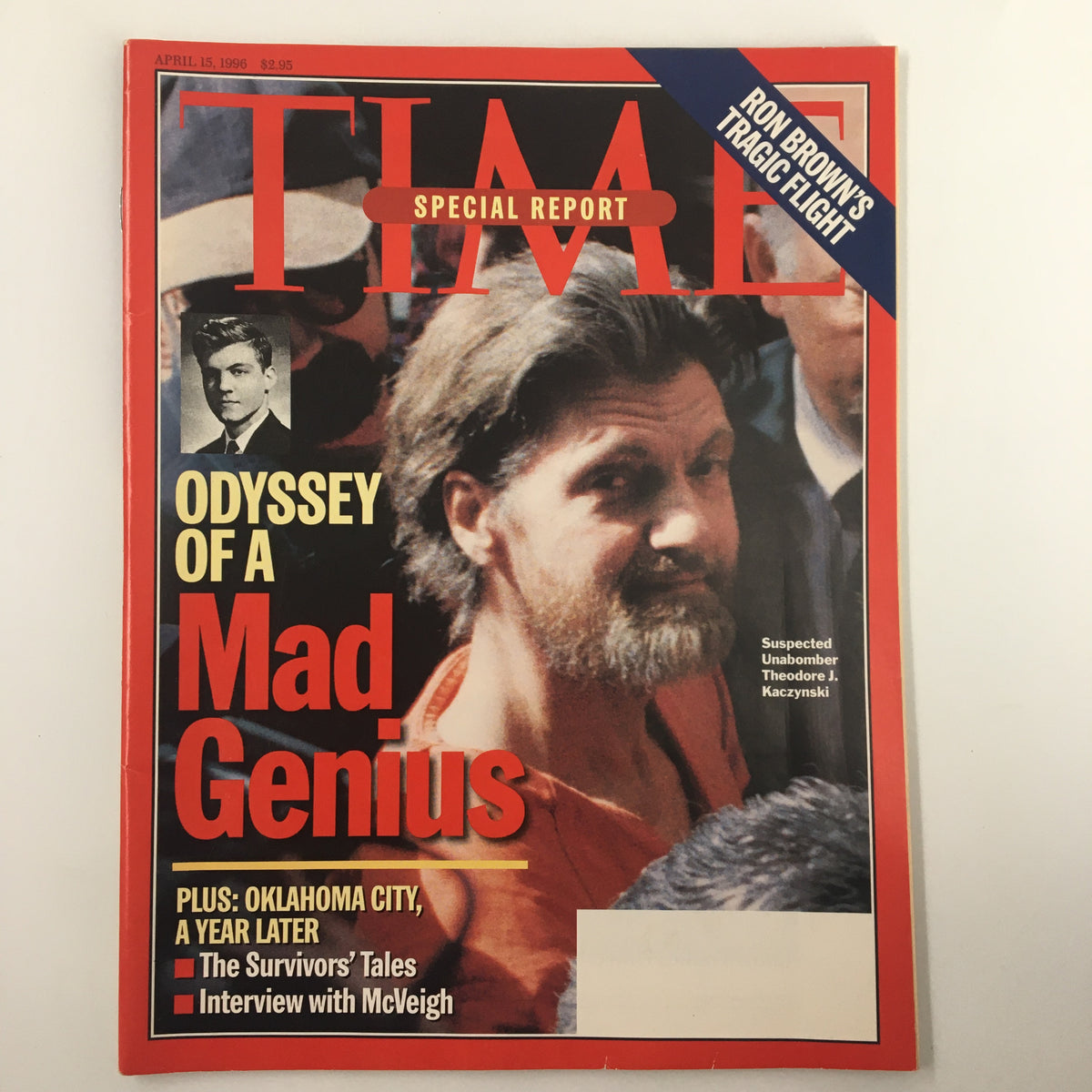
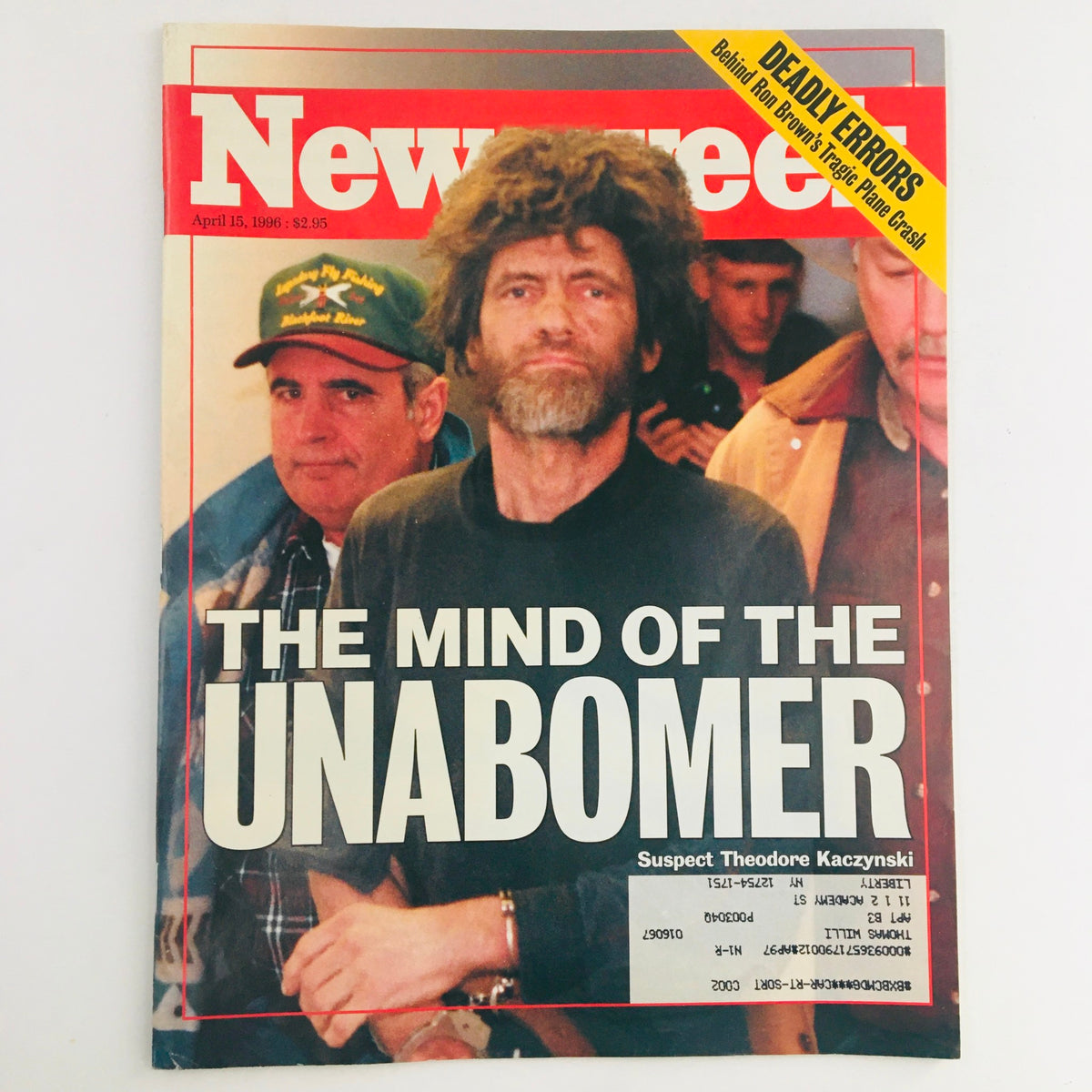
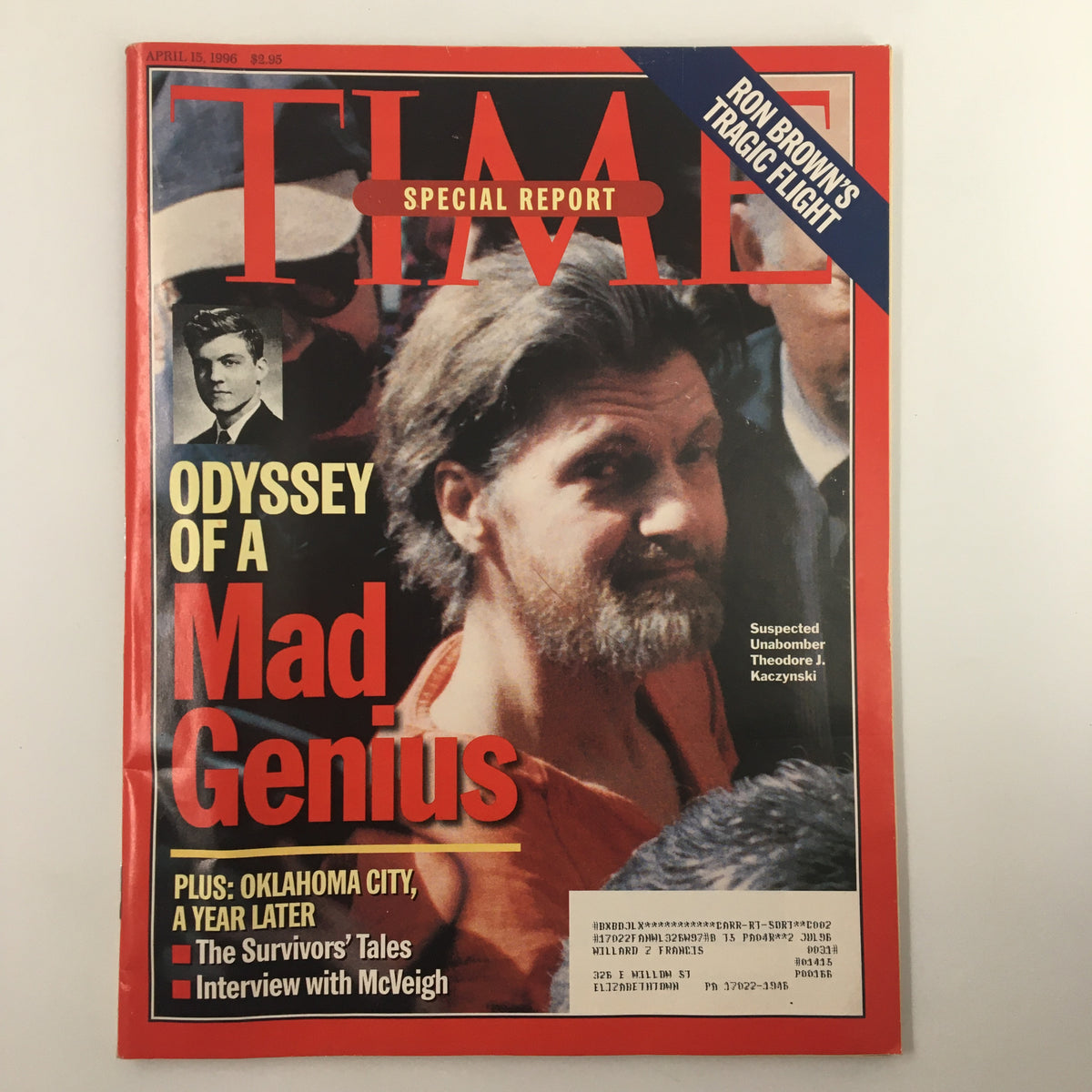
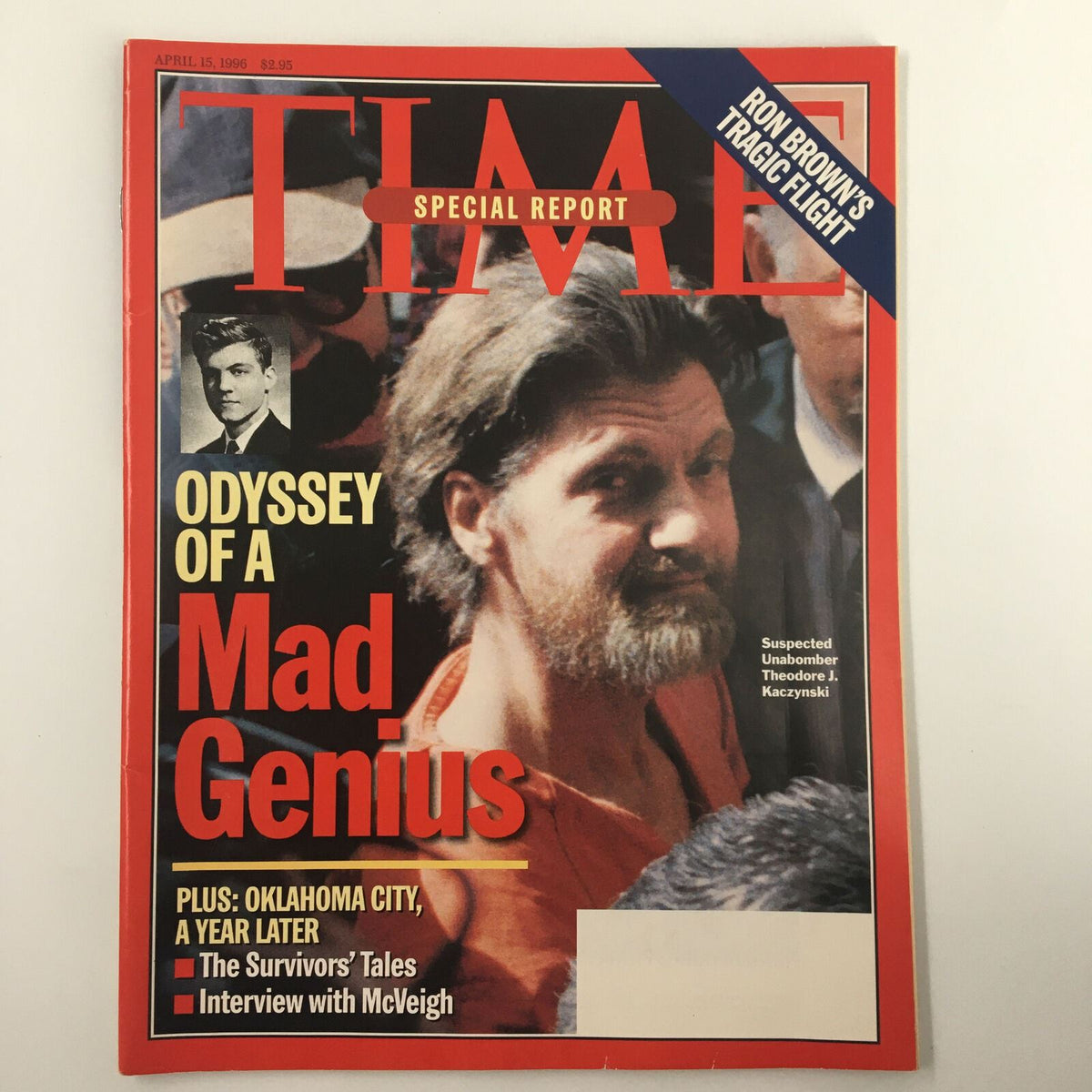
The coverage of the Unabomber case represents some of the most sustained, serious-minded investigative journalism of the 1990s — a decade when American newsmagazines were still at the height of their cultural authority. Time and Newsweek devoted multiple cover stories to the case across its arc, deploying stark, high-contrast imagery — the now-iconic FBI composite sketch of a hooded, sunglassed figure becoming one of the most reproduced images of the era. People examined the human dimensions of his victims and the psychological riddle of a prodigy turned recluse, while publications such as The New Yorker offered long-form narrative journalism that grappled with the philosophical tensions his manifesto raised about technology and modern life. Editorially, the tone shifted dramatically between the pre-arrest years — characterized by fear, mystery, and law enforcement frustration — and the post-capture period, when profile pieces turned inward, reconstructing his Lincoln, Montana cabin, his childhood in Illinois, and his accelerated academic career with an almost archaeological curiosity.
Curator's Checklist: Highlights Often Include
- The Manifesto Moment (1995): Issues from the weeks surrounding the Washington Post and New York Times publication of Industrial Society and Its Future, often featuring editorial debate and public reaction coverage
- Capture & Arrest Coverage (April 1996): Newsweekly issues documenting his arrest at his remote Montana cabin, frequently featuring the iconic cabin photographs and early biographical reconstructions
- Trial & Sentencing Features (1997–1998): In-depth courtroom coverage examining his decision to dismiss his attorneys and represent himself, alongside broader discussions of mental competency and the death penalty
- Victim and Investigative Profiles: Coverage honoring the 23 victims wounded and 3 killed, as well as features on the FBI's UNABOM task force — one of the longest and most expensive investigations in Bureau history
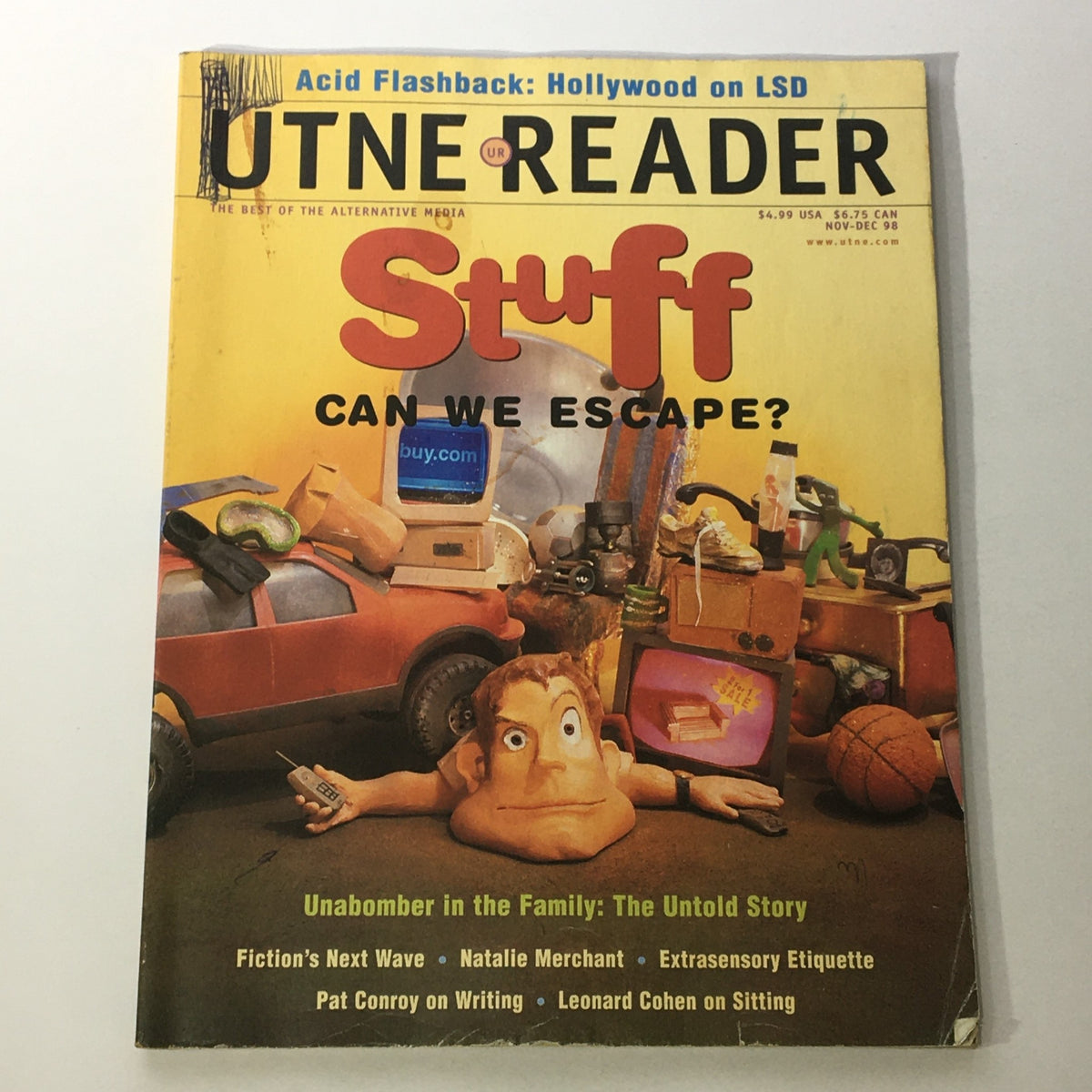
- Philosophical & Cultural Retrospectives: Later 1990s and early 2000s features in journals and general-interest magazines interrogating his critique of industrial society against the backdrop of the first dot-com boom
The Collector's Value
To hold one of these issues today is to hold a primary artifact from a case that permanently altered how America thinks about domestic terrorism, mental illness, academia, and the cost of technological progress. The weight of a 1996 Time or Newsweek in your hands — its slightly yellowed pages, the faint mineral scent of decades-old ink, the period advertisements for desktop computers and cellular phone plans that now read as an almost ironic backdrop to his anti-technology screeds — delivers a depth of context that no digital archive can replicate. These magazines did not simply report the story; they were the story, shaping public understanding in real time across a nation that had no Twitter thread or podcast to turn to. For collectors of true crime ephemera, Cold War-era and post-Cold War American history, or the cultural journalism of the 1990s, these publications offer an irreplaceable window into a moment when print media bore the full weight of an anxious nation's need to understand the unthinkable. Explore the current available inventory below and find the issue that speaks to your collection.