📖 About this Collection
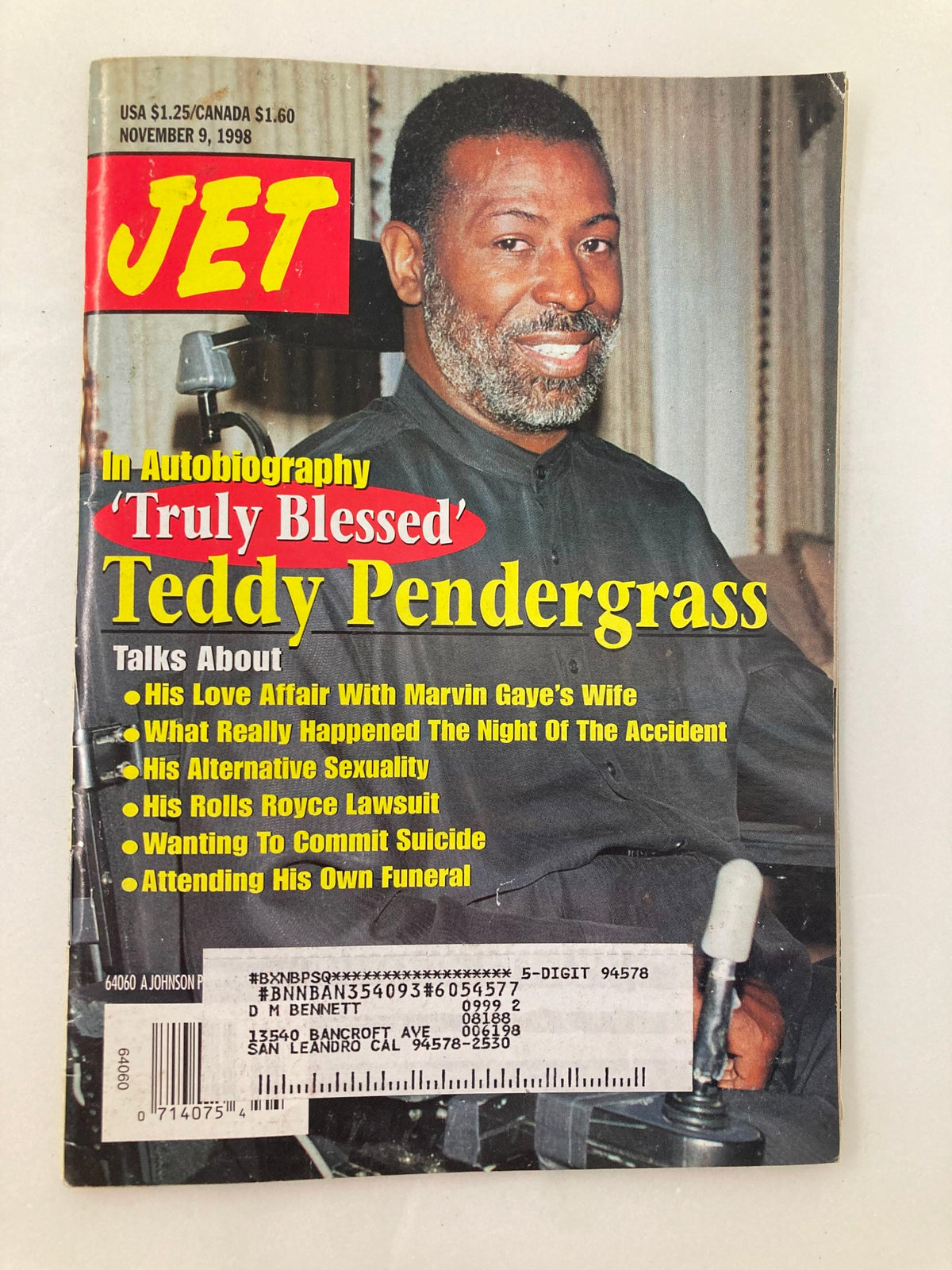
Teddy Pendergrass: The Voice That Made the World Stand Still
The Legend & The Legacy
Before streaming algorithms and curated playlists, before social media fan pages and digital tribute reels, the story of Teddy Pendergrass reached the world one glossy page at a time. Rising from the raw gospel churches of Philadelphia to become the lead voice of Harold Melvin & the Blue Notes — and then ascending even further as a groundbreaking solo artist — he redefined what Black masculinity, sensuality, and emotional vulnerability could look like on a public stage. By the late 1970s, he was the best-selling male R&B artist in the world, selling out concerts billed exclusively to women and commanding a kind of devotional following that journalists scrambled to document and explain. His 1982 automobile accident, and the extraordinary comeback that followed, only deepened the mythology. In an era when you learned about your heroes through ink and paper, the arc of his life — triumph, tragedy, and transcendence — was written in the pages of magazines that readers clipped, saved, and passed between friends like sacred texts.
Inside the Archive
Vintage magazine coverage of the Philadelphia soul titan tends to reflect two distinct chapters of a remarkable life. During his peak commercial years, editorial photography leaned into his commanding physical presence — broad-shouldered, impeccably dressed, radiating a smoldering confidence that photographers and art directors clearly relished capturing. Ebony and Jet, the twin pillars of Black American print culture, covered him with particular reverence and intimacy, offering readers the kind of personal access — home visits, candid interviews, family portraits — that mainstream white publications rarely pursued. Billboard documented his commercial dominance in the language of charts and industry milestones, chronicling his unprecedented run of platinum records and his elevation of the "ladies only" concert format into a cultural phenomenon. After 1982, the editorial tone shifted — profiles became more contemplative, more searching — as writers grappled with questions of resilience, identity, and artistry in the face of profound loss. Both eras produced extraordinary print artifacts, each with its own emotional register and historical weight.
Curator's Checklist: Highlights Often Include
- Solo breakthrough coverage (1977–1981): Features and full-spread photo essays documenting his meteoric rise after leaving Harold Melvin & the Blue Notes, including discussion of landmark albums and his reign atop the R&B charts
- The "Women Only" concert phenomenon: Editorial features exploring the cultural conversation sparked by his legendary concerts — pieces that touched on race, gender, desire, and the politics of Black stardom
- Harold Melvin & the Blue Notes retrospectives: Earlier issues from the mid-1970s in which the group — and its magnetic lead vocalist — begin attracting serious critical and commercial attention
- Post-accident recovery narratives: Deeply human profiles from the mid-to-late 1980s chronicling his rehabilitation, his faith, and the recording of his comeback material — some of the most emotionally resonant celebrity journalism of the decade
- Philadelphia soul scene roundups: Regional and national features situating him within the broader Philadelphia International Records story alongside artists like Patti LaBelle and the O'Jays, capturing an entire golden era of American music
The Collector's Value
There is something irreplaceable about holding a forty-year-old magazine that once sat on a coffee table in 1979 — the slight give of the paper stock between your fingers, the rich chemical memory carried in the ink, the full-bleed photographs printed before digital retouching erased every shadow and imperfection from a face. Surrounding the main feature, you will find the advertisements, the fashion spreads, the letters to the editor — an entire world preserved in amber, offering context that no Wikipedia entry or streaming documentary can replicate. These are primary sources in the truest sense: documents created in real time, by writers and editors who did not yet know how the story would end. For collectors of Philadelphia soul and classic R&B memorabilia, Black press history and cultural journalism, or 1970s and '80s American popular culture, these publications offer an unmatched depth of connection to an artist and an era that shaped modern music profoundly and permanently. Browse the current available inventory below, and discover what the archive holds today.