📖 About this Collection
Telly Savalas: The Man Who Made Bald Beautiful
The Legend & The Legacy
Before streaming services and celebrity social media feeds, the public fell in love with Telly Savalas the old-fashioned way — through the glossy, ink-rich pages of the magazines that lined newsstands from New York to Athens. Born Aristotelis Savalas in Garden City, New York, to Greek immigrant parents, he became one of the most unlikely and electrifying stars of the 1970s television golden age. His portrayal of the lollipop-sucking, street-philosophizing NYPD detective Theo Kojak from 1973 to 1978 made him a household name across continents, but his cultural weight extended far beyond a single role. He was an Oscar-nominated character actor (Birdman of Alcatraz, 1962), a charming international recording artist whose spoken-word ballad "If" topped the UK charts in 1975, and a symbol of a new, defiant masculinity — one that discarded conventional Hollywood handsomeness in favor of raw charisma and intellectual cool. In an era when audiences still discovered their stars through print, his face — shaved clean and utterly commanding — stared back from magazine racks with a presence that stopped people mid-stride.
Inside the Archive
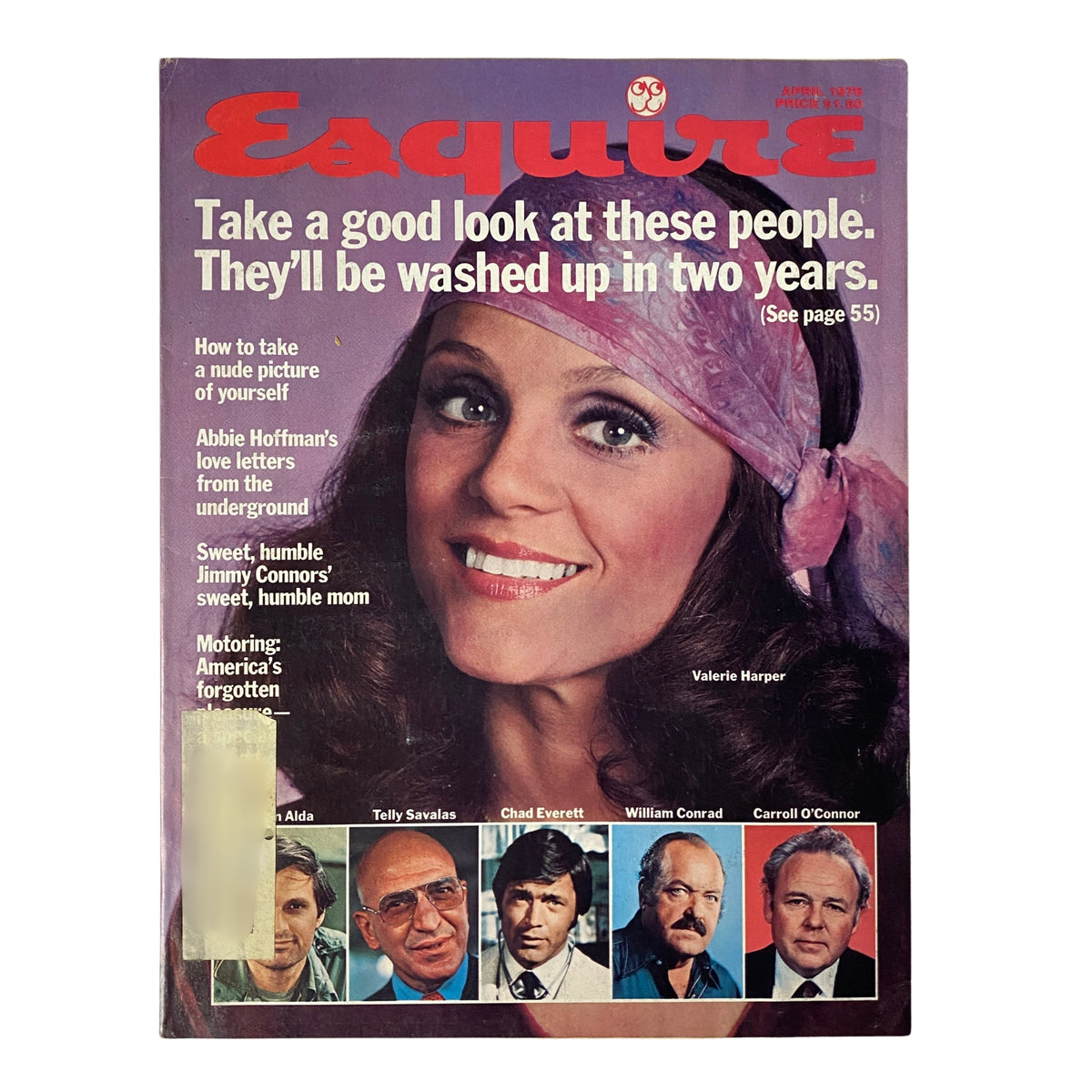
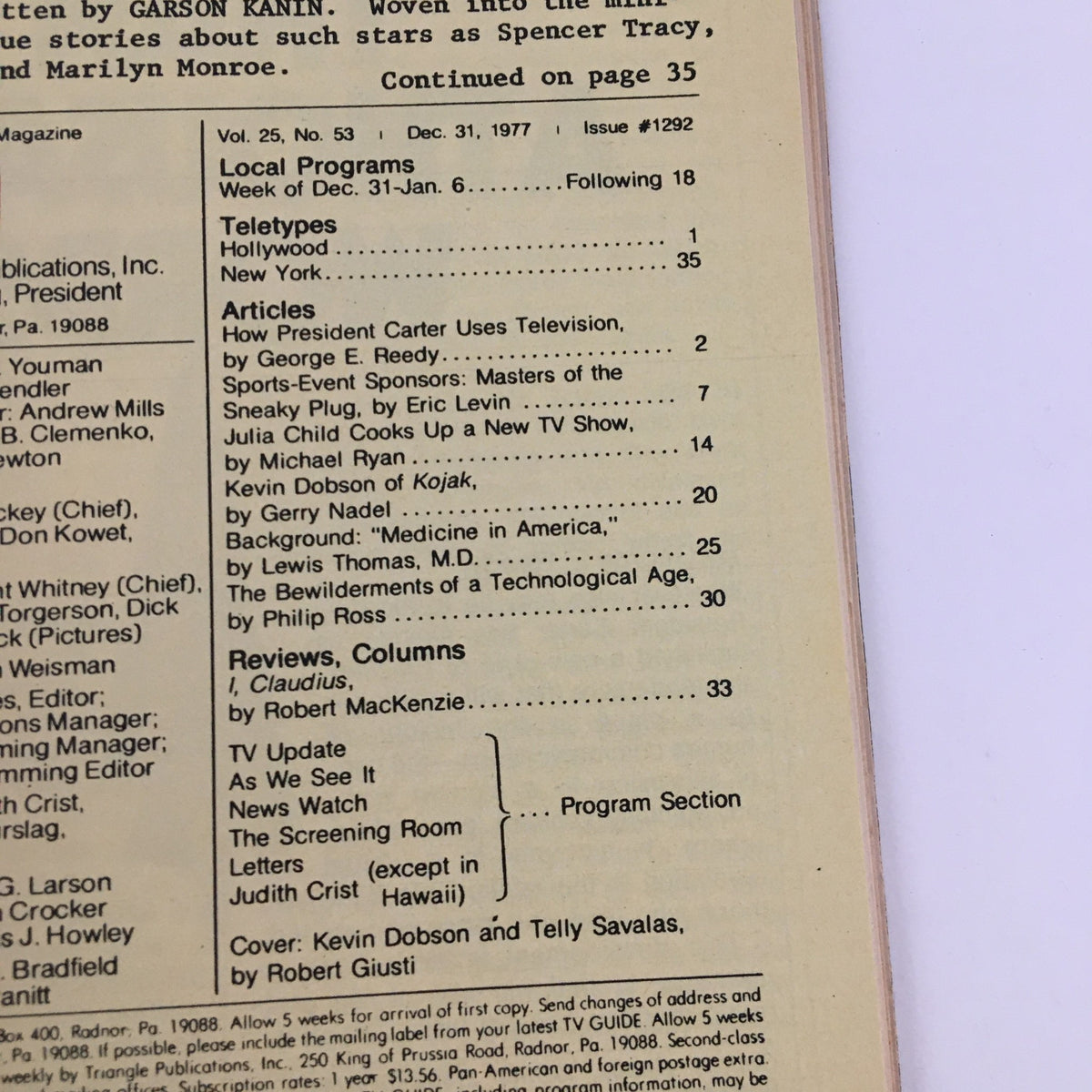
The vintage press adored him precisely because he defied easy categorization, and editors knew it. Television weeklies and entertainment monthlies captured the actor in richly atmospheric photo spreads — moody studio portraits that emphasized the stark geometry of his features, on-set candids from the rain-slicked streets of a gritty, 1970s New York, and warmer, more intimate sittings that revealed the gregarious, multilingual raconteur beneath the tough exterior. TV Guide, at the absolute peak of its cultural authority, featured him repeatedly as Kojak reshaped American primetime; the publication's covers and in-depth profiles from this era are among the most sought-after artifacts of 1970s television history. Across the Atlantic, Paris Match and the broader European press treated him as a transatlantic icon — his Greek heritage and his chart success in Britain and continental Europe made him genuinely international news, and European coverage often carried a cinematic, almost auteur quality that domestic American press rarely matched. Meanwhile, general-interest giants like People in its early, foundational years chronicled both his professional ascent and his flamboyant personal life, painting the portrait of a man who lived as boldly as he performed.
Curator's Checklist: Highlights Often Include
- Kojak-era television features (1973–1978): Profile pieces and cover appearances tied to the show's record ratings, often including cast photography, behind-the-scenes glimpses of production, and critical essays on the character's cultural resonance with a post-civil-rights, crime-weary urban America.
- Oscar season and early film career retrospectives: Coverage surrounding his Academy Award nomination for Birdman of Alcatraz and his menacing turn in The Dirty Dozen (1967), when serious film publications took note of a character actor ascending to genuine stardom.
- International and music press coverage (mid-1970s): British and European entertainment magazines documenting his unexpected success as a recording artist, a crossover moment that fascinated the press on both sides of the Atlantic.
- Greek heritage and diaspora publications: Features celebrating one of the most globally visible Greek-Americans of the 20th century, with coverage ranging from mainstream American outlets to publications serving the proud Greek diaspora community.
- Late-career and retrospective profiles (1980s–early 1990s): Reflective interviews and career-spanning features from his later television work, including the Kojak revival films, offering collectors a full-arc portrait of a singular life in entertainment.
The Collector's Value
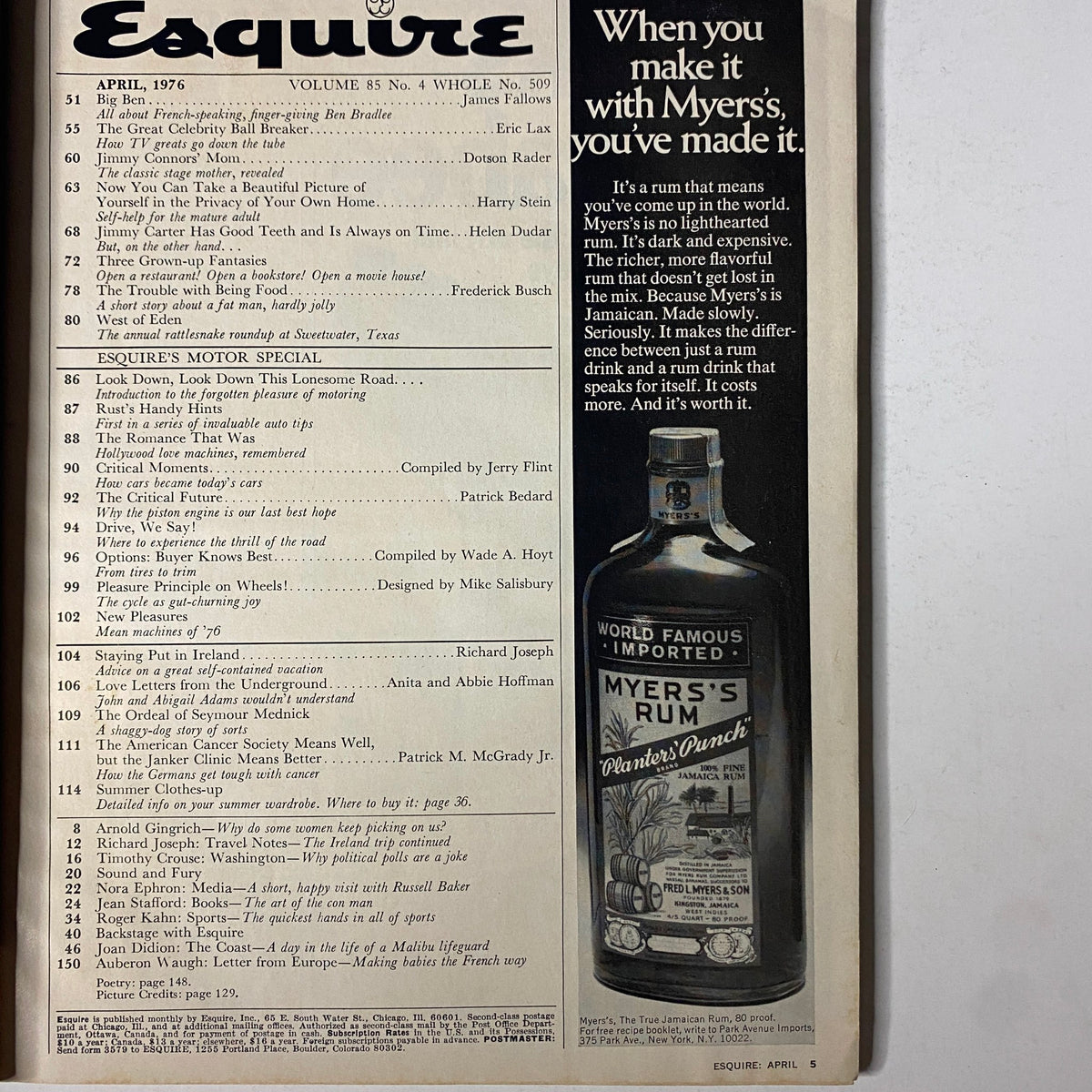
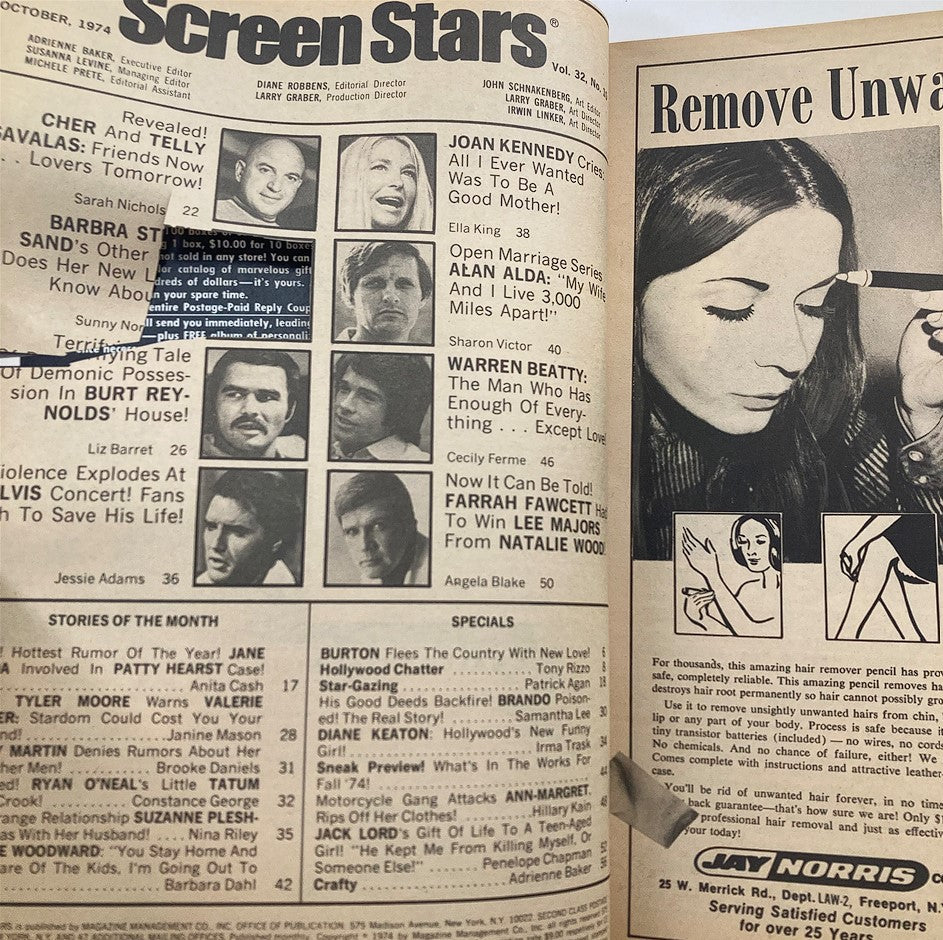
To hold one of these magazines is to hold a dispatched communiqué from another world entirely. The paper stock of a 1970s TV Guide has a specific, irreplaceable weight to it — slightly rough at the edges, the ink carrying that particular mineral warmth that no digital reproduction has ever come close to replicating. The full-page advertisements surrounding the editorial content are themselves a time capsule: cigarette brands, Detroit automobiles, and television set manufacturers all vying for attention alongside the man of the hour, each one deepening the authenticity of the artifact. These are primary source documents, not reprints, and the cultural information embedded in a single issue — in the photography, the language, the editorial assumptions, the advertisements — is staggering. For collectors of classic television memorabilia, 1970s Americana, or Greek-American cultural history, these publications offer an irreplaceable, tactile connection to an era and an icon that shaped popular culture on a genuinely global scale. Browse the current available inventory below, and find the issue that belongs in your collection.