📖 About this Collection
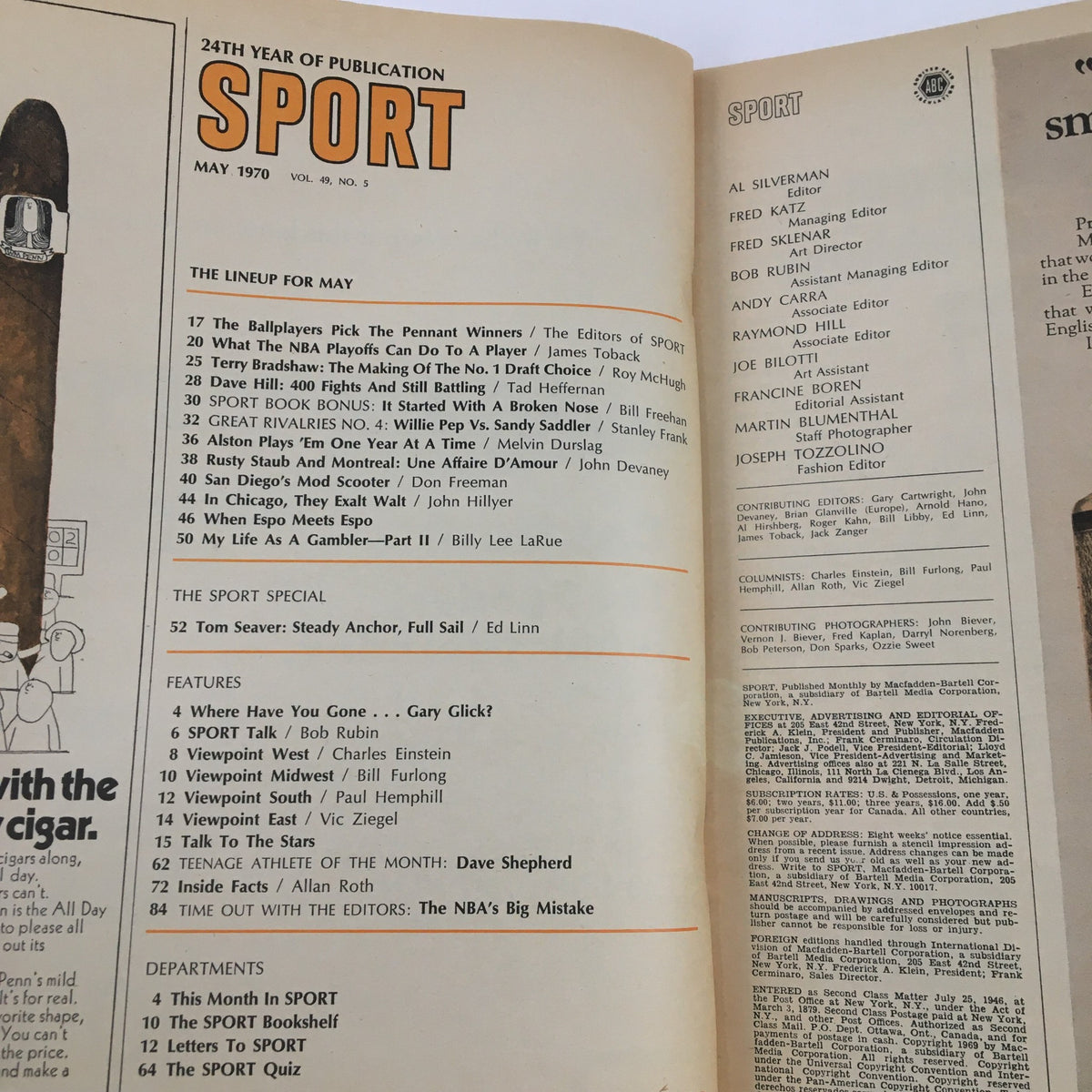
Terry Bradshaw: The Steel Curtain's Golden Voice
The Legend & The Legacy
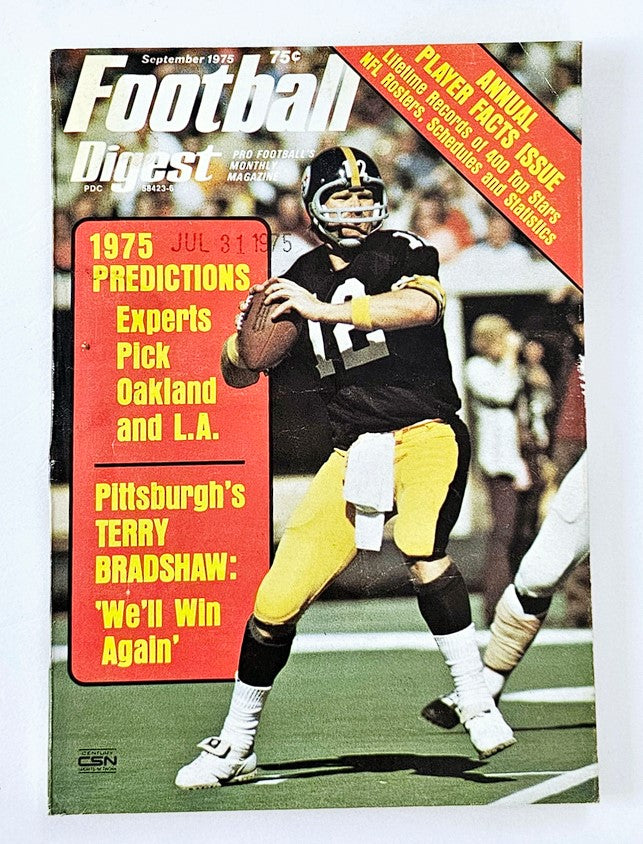
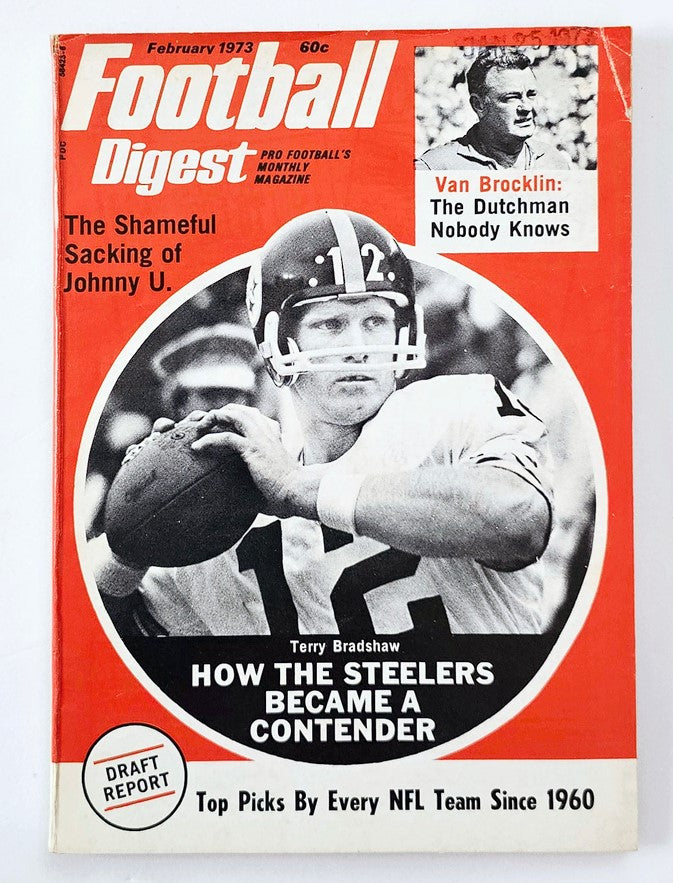
Before the era of social media highlights and ESPN ticker updates, the story of Terry Bradshaw was told one glossy page at a time — and what a story it was. Rising from the bayous of Louisiana to the iron-forged stadiums of Pittsburgh, Bradshaw became the defining quarterback of the 1970s, the decade that transformed professional football from a regional pastime into America's new national religion. Four Super Bowl championships in six seasons made the Pittsburgh Steelers the dynasty of their era, and their broad-shouldered, rifle-armed signal-caller was its most electrifying symbol. But Bradshaw was never simply an athlete — he was a character, equal parts country charm and competitive fire, the kind of figure who made for irresistible editorial copy. For millions of fans who never set foot in Three Rivers Stadium, the magazine rack was where they followed him: the triumphant cover shots, the locker room profiles, the gridiron action photographs blown up to full-page spreads that made you feel the cold Pennsylvania air through the paper itself.
Inside the Archive
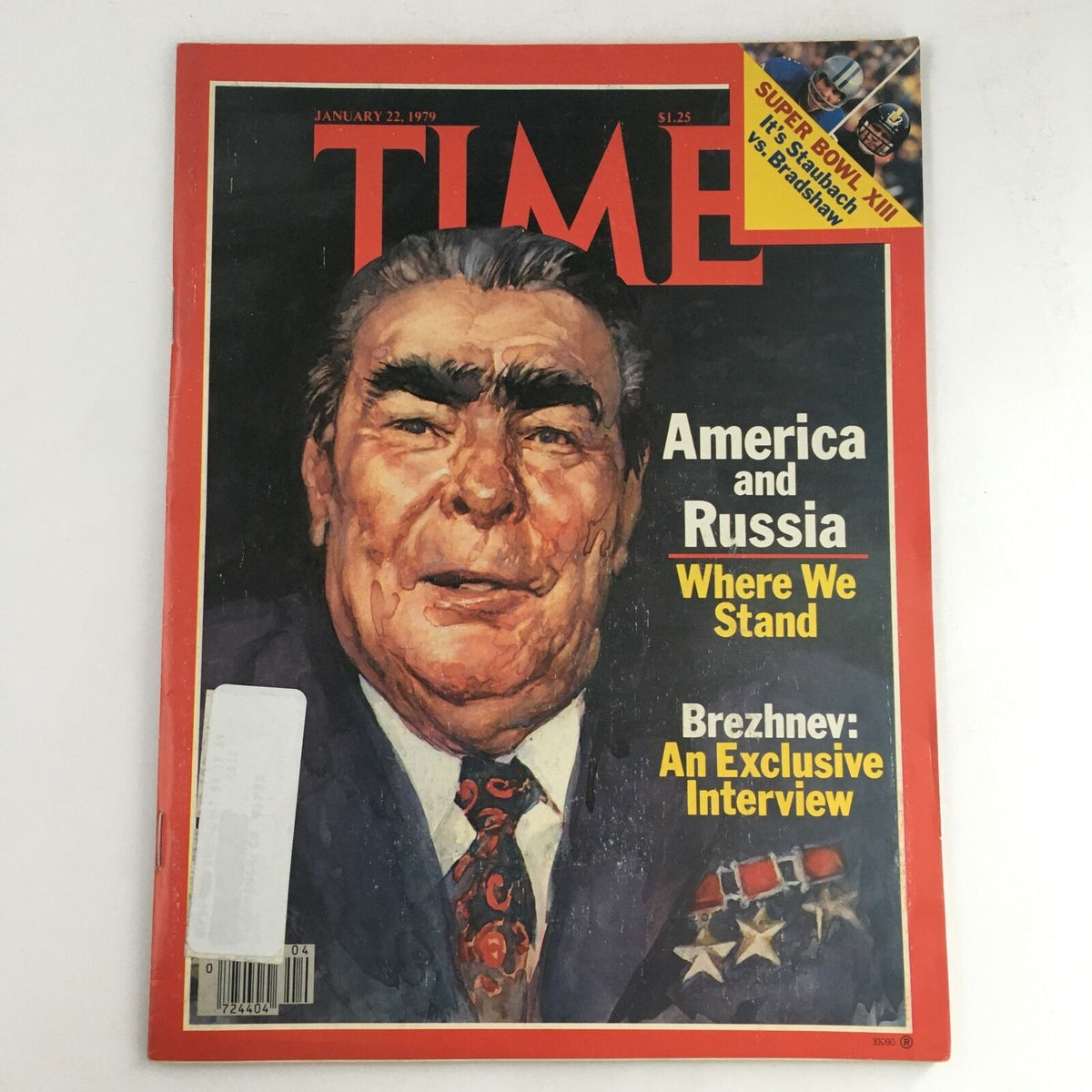
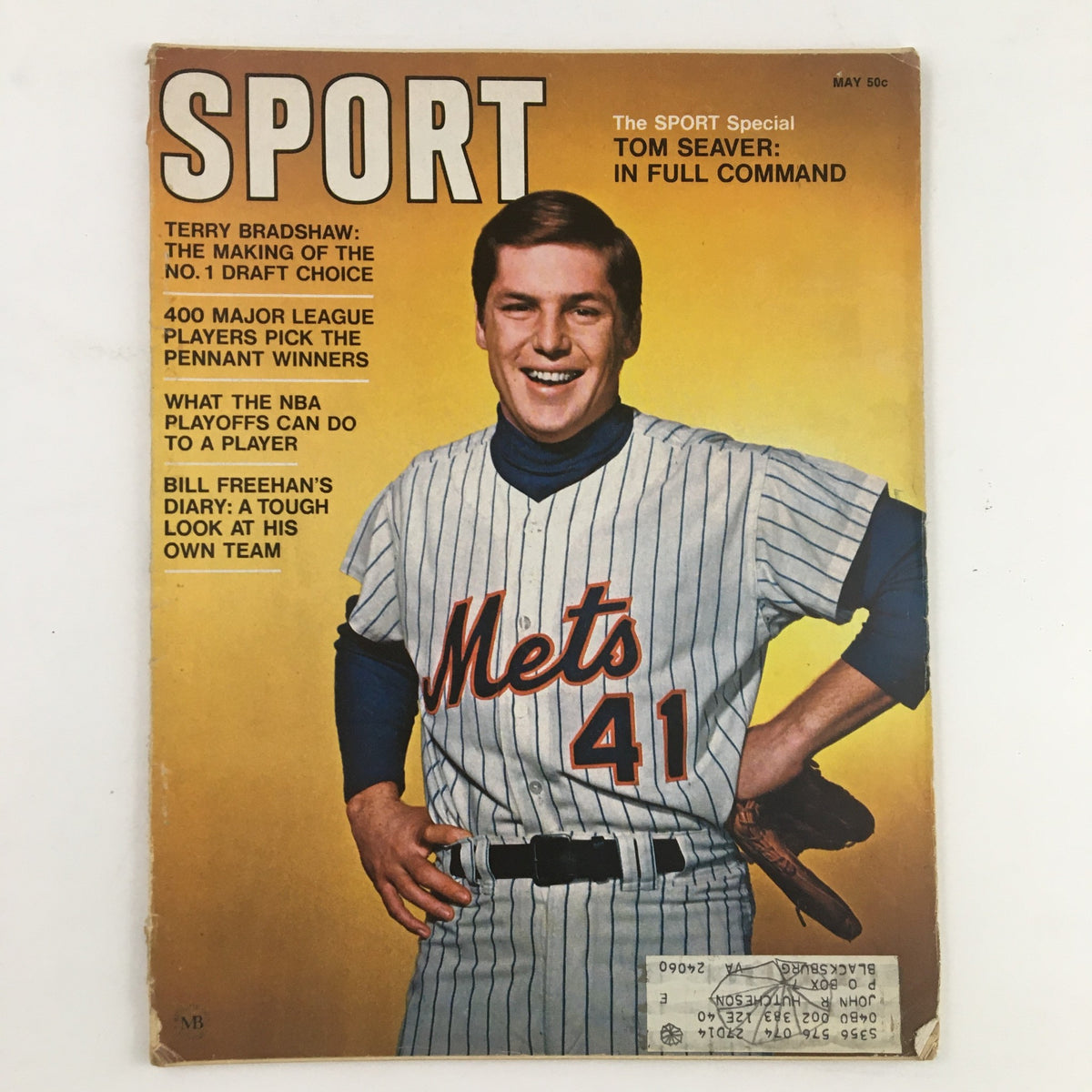
Vintage magazines of the 1970s and early 1980s treated Bradshaw and his Steelers with the kind of grand, sweeping coverage typically reserved for championship dynasties and cultural phenomena — because that is precisely what they were. Sports Illustrated was the flagship chronicler of the Steel Curtain era, deploying its finest photographers to capture the kinetic drama of a Bradshaw deep ball spiraling through stadium lights, and its most seasoned sportswriters to dissect the mind and mythology behind the man. Time and People brought him to a broader cultural audience, running profiles that explored his Louisiana roots, his country music ambitions, and his larger-than-life personality as the decade wore on. Meanwhile, regional and specialty sports publications — from Sport magazine to various NFL-licensed annuals and game-day programs — offered the deep-dive statistical breakdowns and behind-the-scenes photography that hardcore collectors prize most deeply today. The editorial tone of the era was expansive and literary by modern standards, giving writers the space to place a quarterback's performance within the wider story of a city, a decade, and a nation.
Curator's Checklist: Highlights Often Include
- Super Bowl Championship Coverage — Commemorative issues and post-game wrap-ups from Super Bowls IX, X, XIII, and XIV, documenting the Steelers' unprecedented four-title run through the eyes of the journalists who were there on the field
- MVP & Season Retrospectives — Year-end football annuals and Sports Illustrated seasonal previews and reviews in which the Pittsburgh franchise — and its quarterback's development — received extended, photograph-rich editorial treatment
- Crossover Celebrity Profiles — Issues of People and general-interest weeklies from the late 1970s and early 1980s covering Bradshaw's foray into country music recording and his emerging television personality, revealing a public figure larger than football alone
- Rival Era Matchup Features — Editorial coverage of the defining rivalries of the decade — against Dallas, Oakland, and Cincinnati — in which Bradshaw frequently appeared as the central dramatic figure, his performances analyzed with genuine journalistic gravitas
- Post-Career Broadcasting Milestones — Early 1980s and beyond issues marking his transition into television commentary, a second act that would cement his cultural longevity well past his playing days
The Collector's Value
There is something no digital archive can replicate: the weight of a 1979 Sports Illustrated in your hands, its cover slightly sun-faded, the paper stock carrying that distinctive warm, slightly sweet scent of decades-old ink and offset printing — and somewhere inside, a two-page photograph of a quarterback in black and gold, frozen at the moment of release, arm cocked against a grey Pittsburgh sky. These are primary sources, artifacts of a sports culture that was unguarded, tactile, and gloriously analog, surrounded by the era's advertising — whiskey brands, automobile manufacturers, and men's cologne spreads — that place every issue unmistakably in its time. The magazines that covered this era of Steelers football were not merely reporting on a team; they were documenting the rise of the NFL as a cultural force, with one of its greatest champions at the center of the frame. For collectors of vintage NFL memorabilia, 1970s American sports history, or Pittsburgh Steelers dynasty ephemera, these publications offer an irreplaceable window into the era as it was actually experienced — not reconstructed, not reposted, but printed, distributed, and read by the fans who lived it. Explore the current selection of available originals below and claim your piece of that history today.