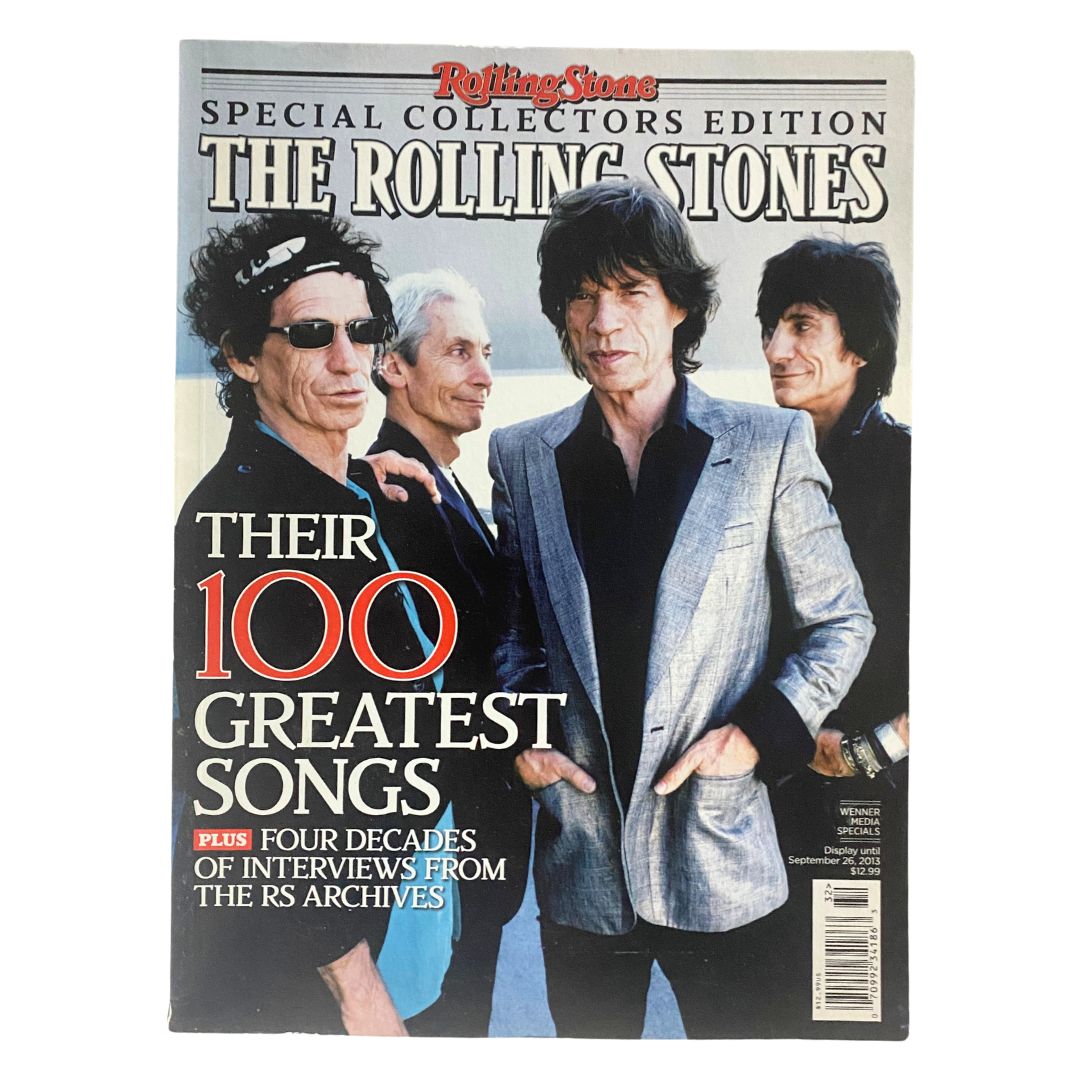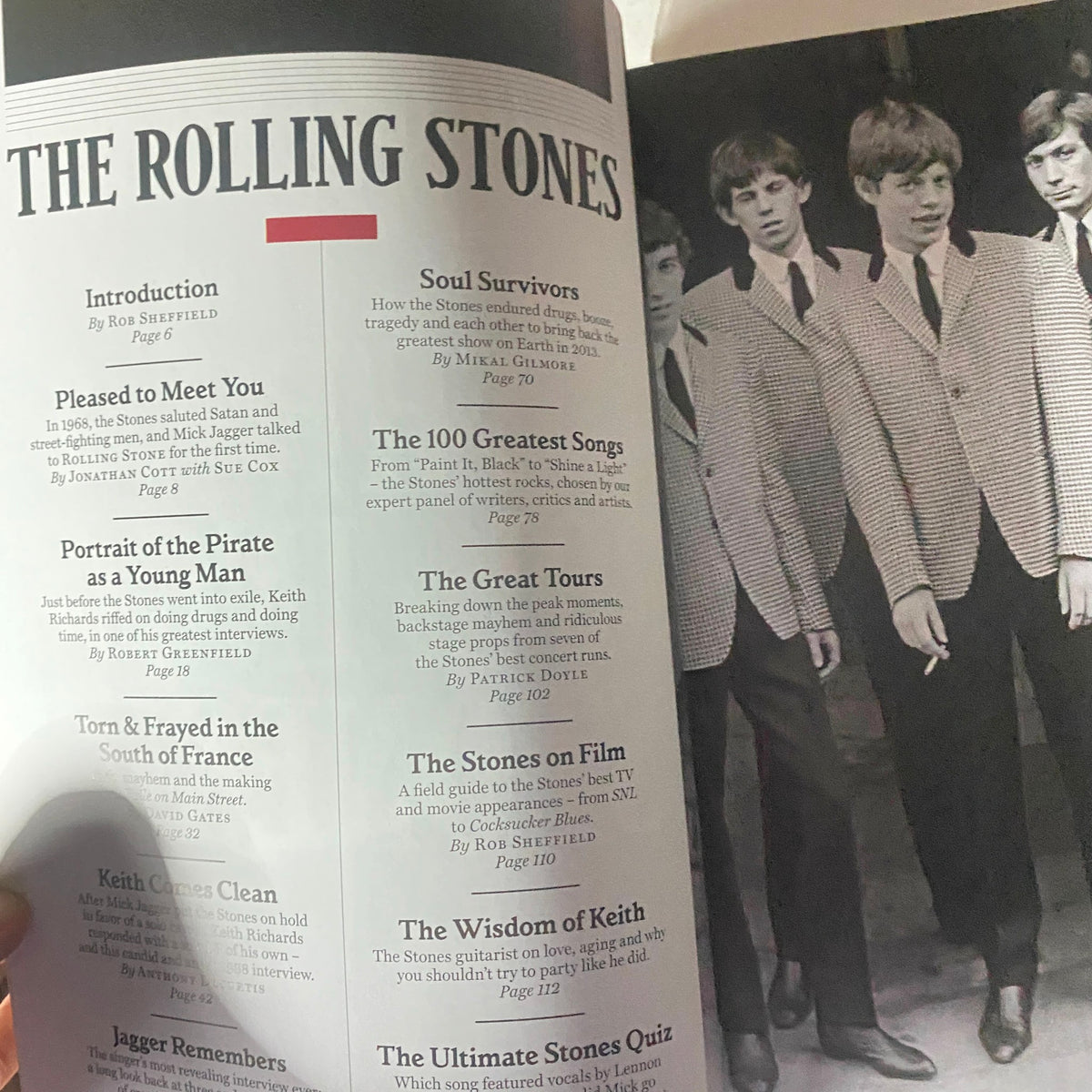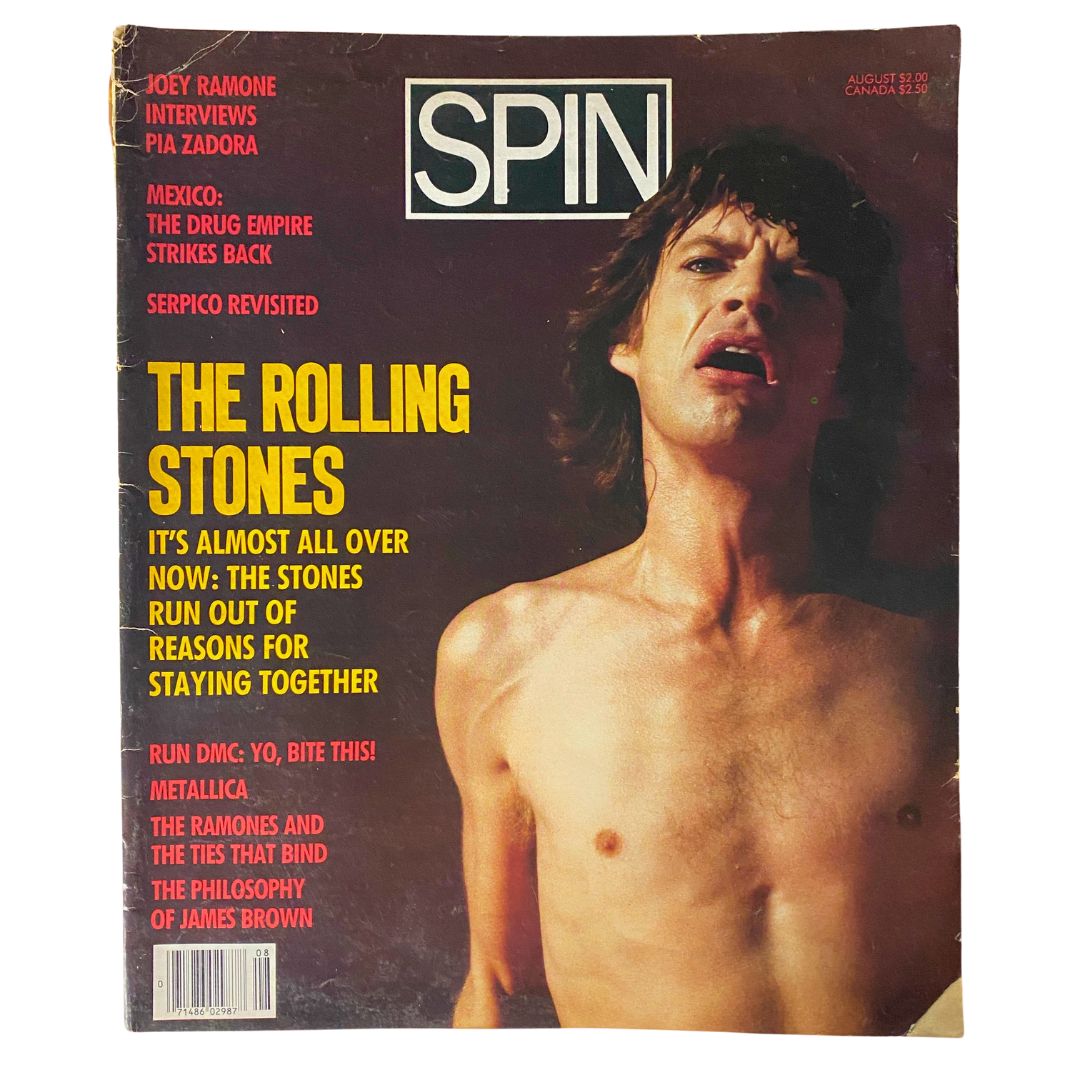
📖 About this Collection
The Rolling Stones: Five Decades of Noise, Rebellion, and Undying Rock
The Legend & The Legacy
From the moment they materialized out of London's rhythm-and-blues underground in 1962, the Rolling Stones did not merely participate in popular culture — they destabilized it. Where the Beatles offered the world a mop-topped invitation, the Stones issued a challenge. Mick Jagger's serpentine stage presence, Keith Richards' raw, open-tuned guitar philosophy, and the band's unapologetic embrace of American blues made them the subject of moral panic in the British press and breathless fascination everywhere else. In the decades before streaming, before the internet dissolved every boundary between artist and audience, the only way most of the world could access the Stones was through the printed page — through tour reviews printed days after the show, through glossy centrefolds pinned to bedroom walls, through investigative features that read more like crime dispatches than music journalism. Every drug arrest, every stadium headline, every feuding rumour was adjudicated through ink and paper. Magazines were not merely coverage; they were the primary record of a band that seemed determined to live faster than history could document them.
Inside the Archive
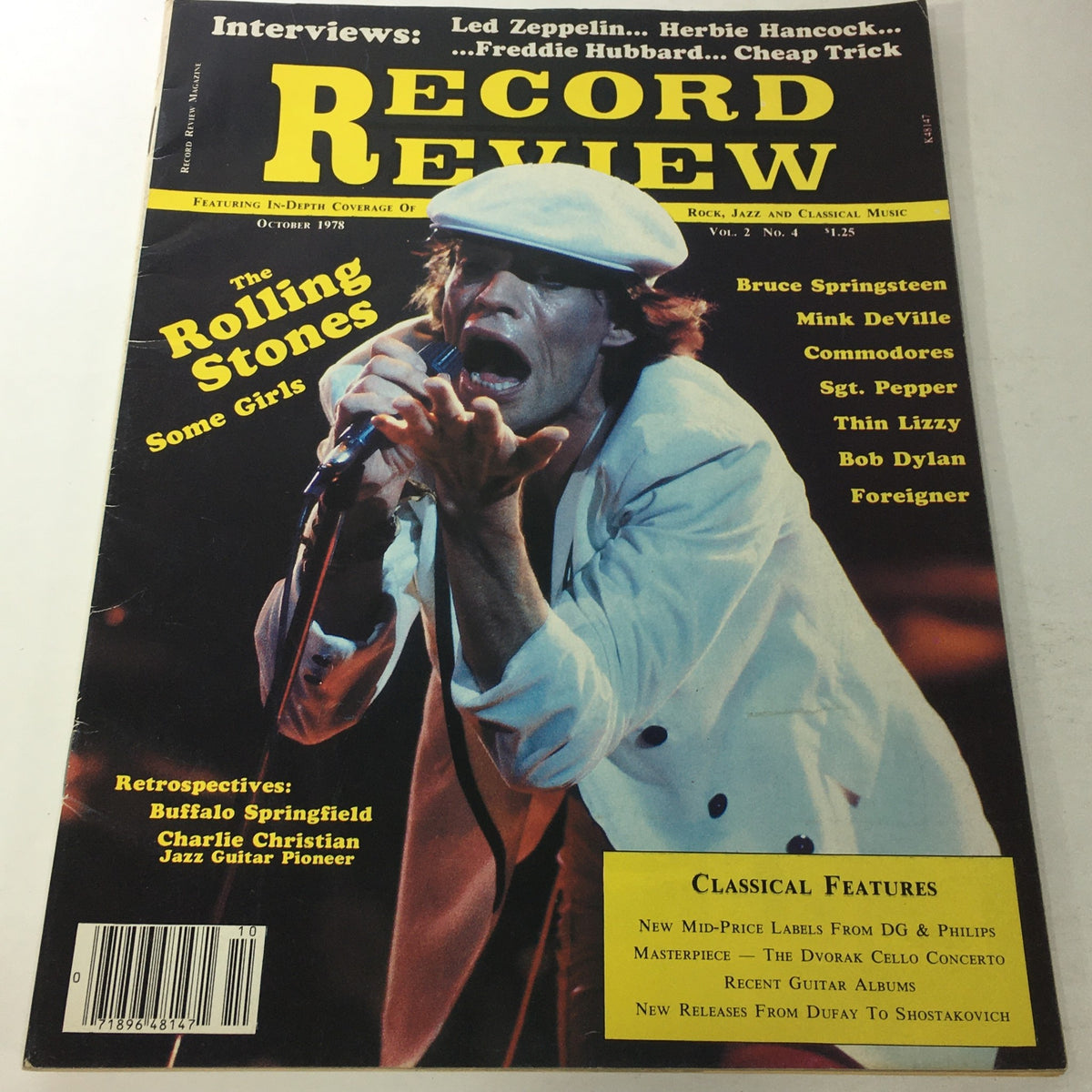
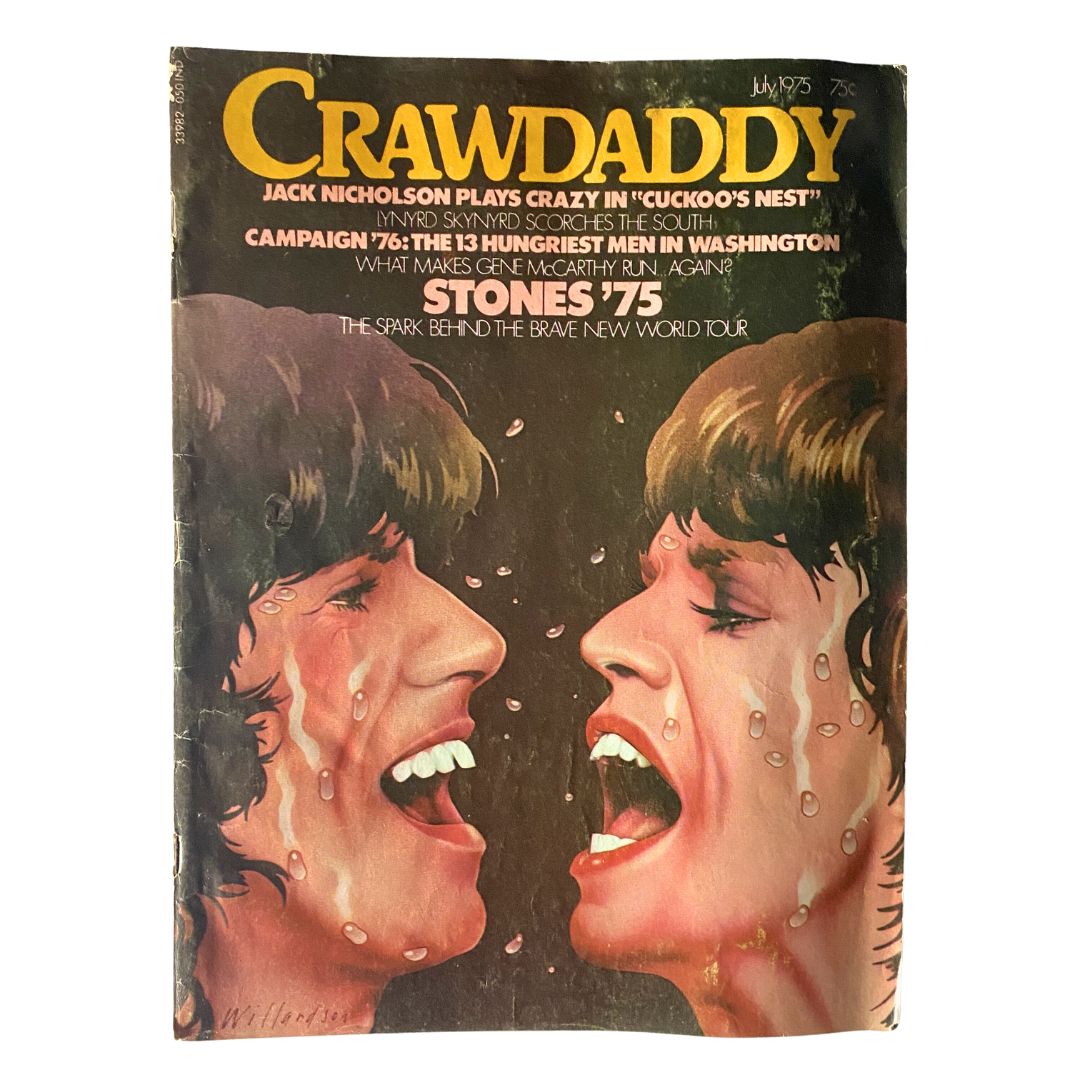
The visual language of Rolling Stones coverage is among the most electric in the entire archive of 20th-century music photography. Publications competed ferociously for access, and the images they secured — Richards asleep on a tour bus with a guitar still in hand, Jagger mid-strut before a sea of 100,000 faces, the full band captured in the rich grain of available-light film — remain among the most arresting portraits of the rock era. Rolling Stone magazine, launched in San Francisco in 1967, built much of its early editorial identity around the band, producing landmark interviews and portfolio-quality photography that defined what serious music journalism could be. Across the Atlantic, NME and Melody Maker chronicled their British ascent with the clipped, combative authority of the UK music press, capturing a rawness that American outlets often softened. Meanwhile, mainstream titles like Life and People treated the Stones as a recurring cultural phenomenon, deploying them on covers during pivotal moments — the Altamont aftermath, the Exile era, the seemingly endless series of farewell tours that never quite were. International titles, particularly from France and Germany, brought their own editorial sensibility: more cinematic, more philosophical, less concerned with scandal and more with spectacle.
Curator's Checklist: Highlights Often Include
- Early British Invasion coverage (1963–1965): Domestic UK music weeklies documenting the band's raw, combative emergence from the Marquee Club circuit, often contrasting them directly with the more palatable Beatles phenomenon
- The Controversy Years (1967–1969): Issues responding to the drug arrests of Jagger and Richards, the departure and tragic death of Brian Jones, and the catastrophic violence at Altamont — some of the most charged editorial writing in rock history
- The Classic Albums Era (1968–1972): Feature spreads and reviews tied to Beggars Banquet, Let It Bleed, Sticky Fingers, and Exile on Main St. — a run widely considered among the greatest in rock, covered with genuine critical seriousness
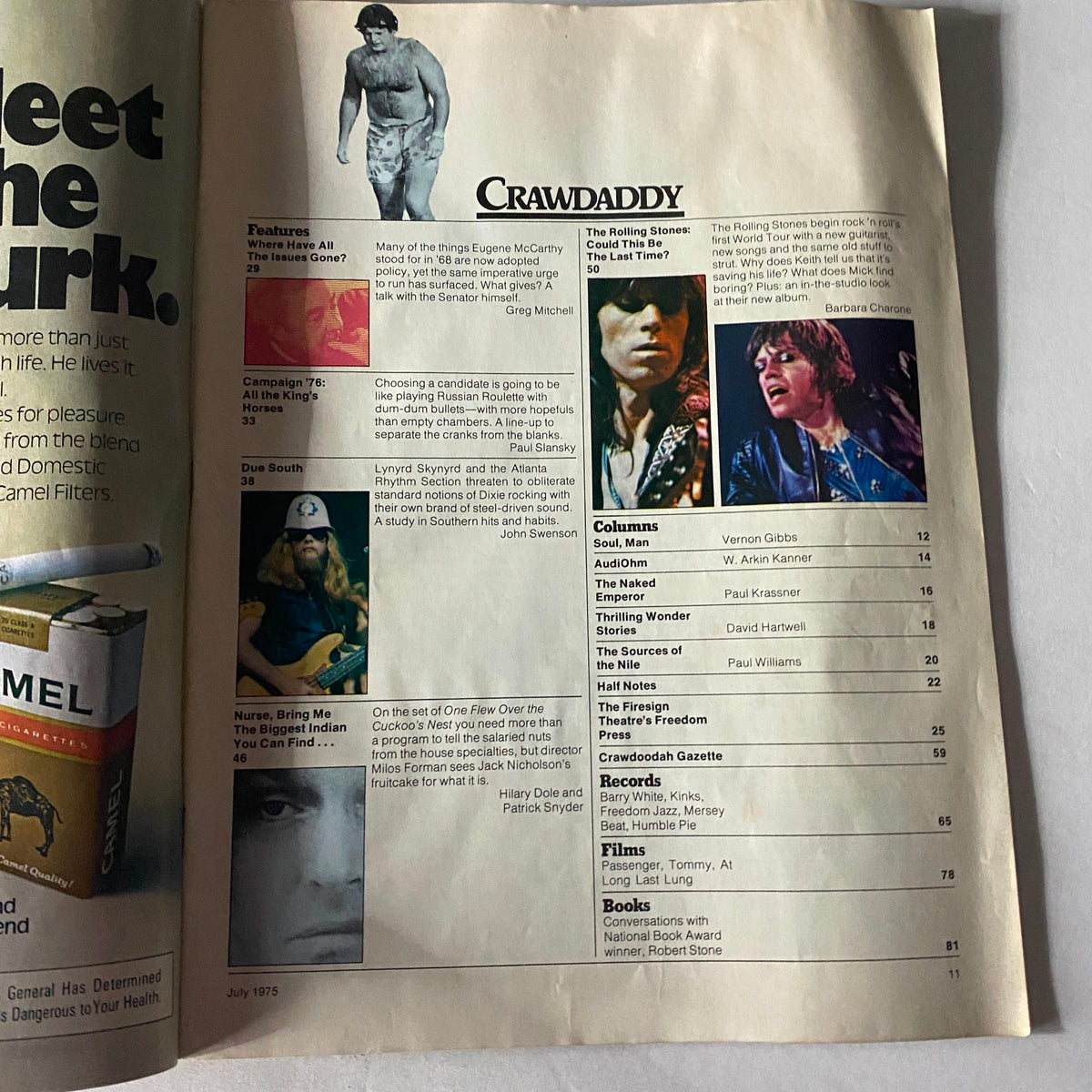
- Stadium Rock & Spectacle (1975–1989): Large-format tour programmes, concert review issues, and photo-driven features capturing the band's reinvention as one of the first truly global arena rock acts, complete with inflatable stages and pyrotechnic excess
- Legacy & Longevity Profiles (1990s–2000s): Retrospective cover features from titles on both sides of the Atlantic reassessing the band's cultural permanence, often timed to anniversary tours or induction milestones
The Collector's Value
To hold a vintage magazine featuring the Rolling Stones is to hold something the internet cannot replicate — a physical artefact saturated with the urgency of its own moment. The slight yellowing of the newsprint on a 1969 NME, the heavier, cooler stock of a Life double-page spread, the smell of decades-old ink that rises faintly when you turn a page: these are not imperfections but credentials. Surrounding the editorial content is its own archaeology — advertisements for cigarettes, transistor radios, and airlines that no longer exist, forming an involuntary time capsule of the world in which this music first detonated. These publications were not archived when they were printed; they were read, debated, and passed between hands, which makes each surviving copy genuinely scarce. For collectors of rock and roll memorabilia, British cultural history, or vintage print and photography, these publications offer something no poster reproduction or digital scan can provide: the unmediated, physical testimony of people who were actually there, writing in real time about one of the greatest rock and roll bands the world has ever produced. Browse the current available inventory below and find the piece of that story that belongs on your shelf.