📖 About this Collection
The Spice Girls: Five Voices That Shook the World
The Legend & The Legacy
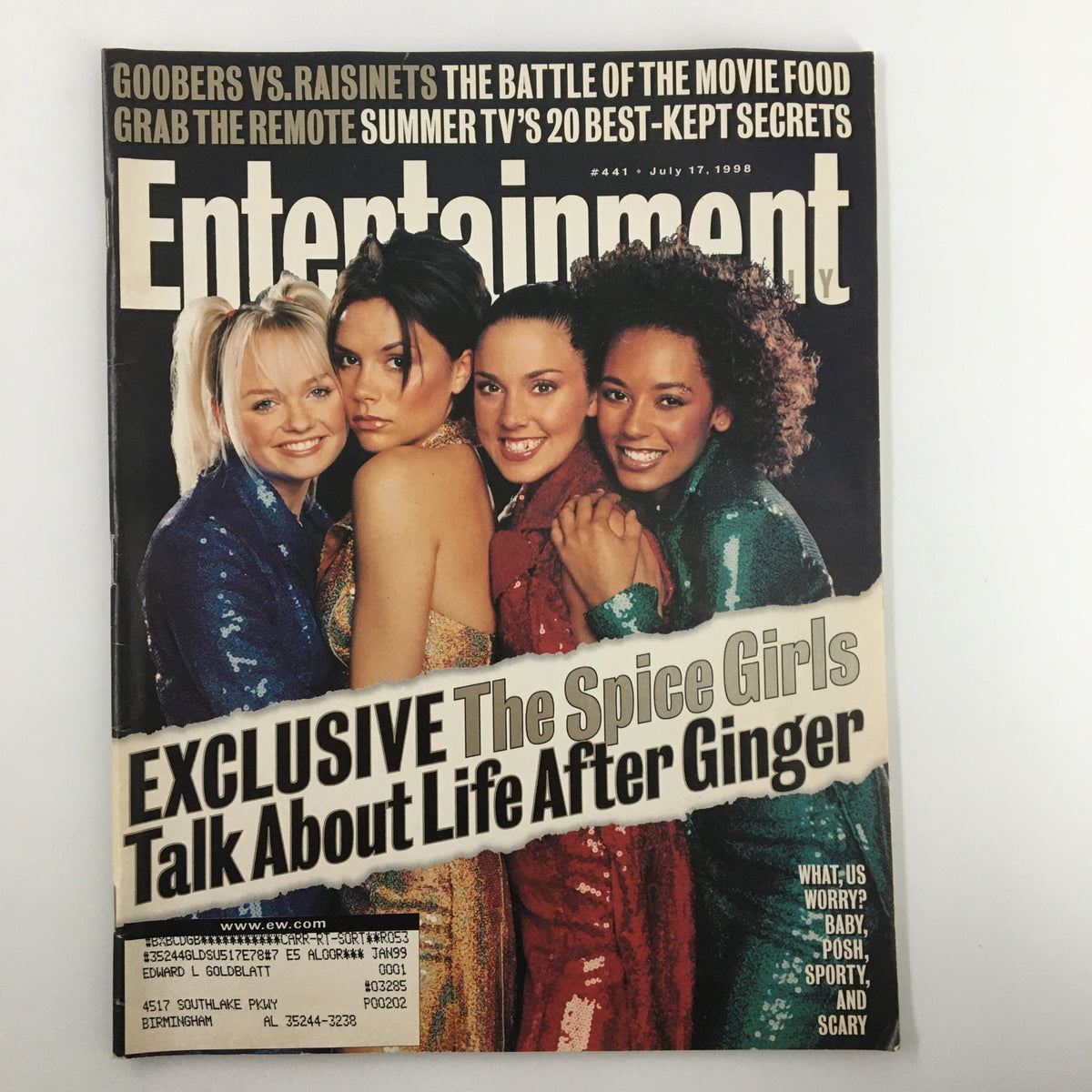
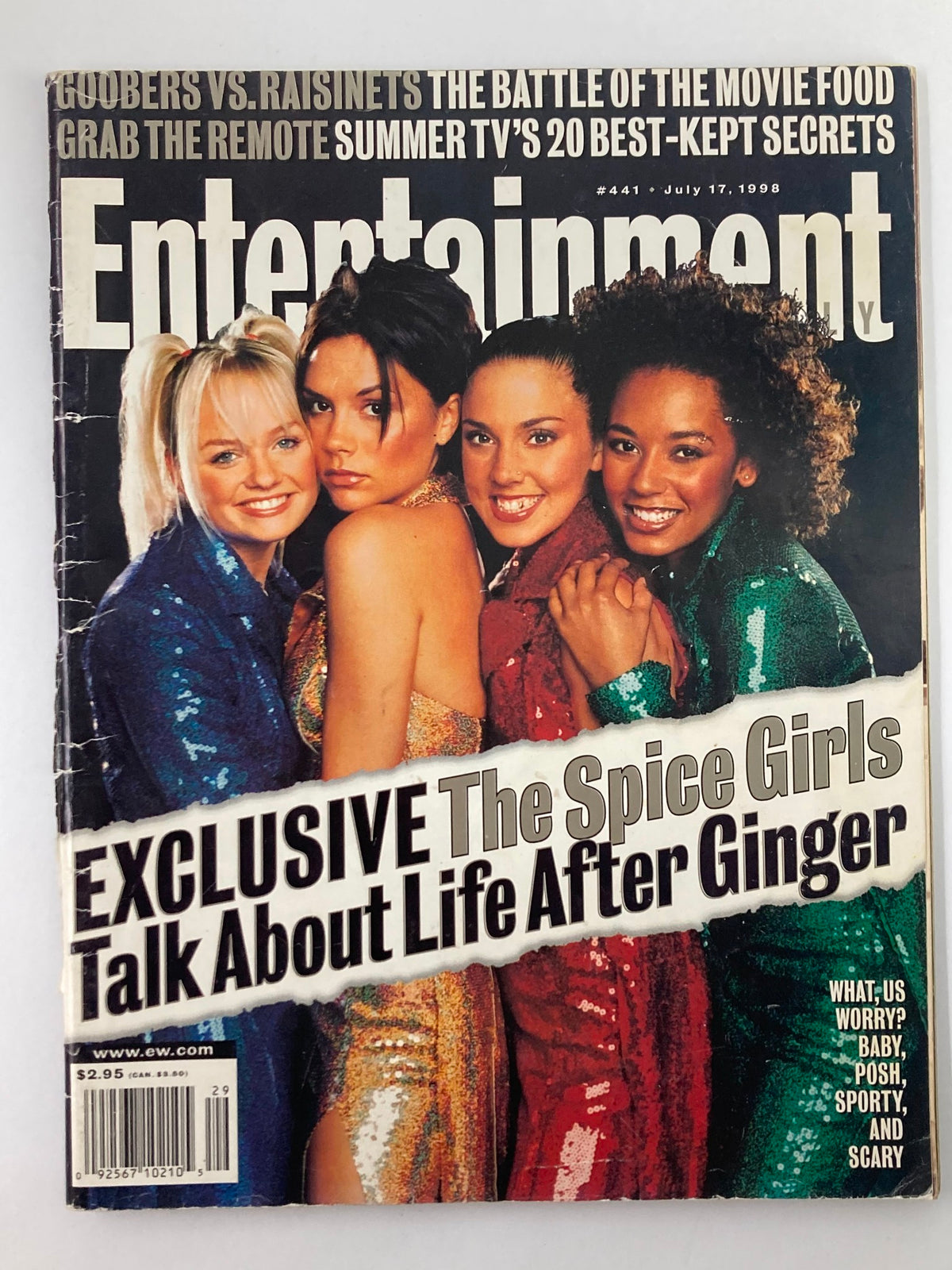
In the mid-1990s, a cultural force erupted from Britain with a speed and ferocity that left the global entertainment press scrambling to keep up. The five young women who became synonymous with Girl Power did not merely top the charts — they rewired the aspirations of an entire generation. Between 1996 and 1998, at the precise apex of their reign, they occupied a media landscape that still operated on the rhythm of the printing press: the weekly rush to the newsstand, the glossy cover tucked under a schoolbag, the dog-eared centrespread pinned to a bedroom wall. Before streaming algorithms and social media feeds, it was the printed page that carried their faces into the homes of tens of millions. Every new haircut, every bold slogan, every televised performance was processed, debated, and immortalised in ink and on coated stock — making the magazines of that era not merely merchandise, but the primary record of a phenomenon in real time.
Inside the Archive
The quintet proved irresistible to editors across every tier of the publishing world. Teen and pop weeklies such as Smash Hits and Just Seventeen led the charge in the UK, producing lavish pullout posters and breathless cover stories that captured the group at their most exuberant — staged in bold primary colours, styled with maximalist Nineties bravado, shot in the hyper-saturated aesthetic that defined tabloid pop photography of the decade. Simultaneously, the mainstream press elevated them into a broader cultural conversation: Time magazine grappled with the sociology of their global appeal, while Rolling Stone documented their transatlantic conquest with the editorial gravity reserved for once-in-a-generation acts. Internationally, publications from Bravo in Germany to Hola! in Spain recognised that the group had transcended language and geography, dispatching their own photographers and running exclusive features that now serve as remarkable documents of how a British pop act became a truly planetary brand.
Curator's Checklist: Highlights Often Include
- Debut-era breakthrough coverage from 1996, when Wannabe ignited the charts and early adopter publications scrambled to introduce readers to five unknown girls with outsized personalities and an unapologetic manifesto
- Peak-fame cover features spanning 1997–1998, coinciding with the Spice and Spiceworld album cycles and the quintet's dominance of the Christmas and summer publishing seasons
- International editions and foreign-language issues, particularly from European teen markets, offering a fascinating window into how the Girl Power message was translated and localised across cultures
- Film tie-in and Spiceworld: The Movie promotional coverage from late 1997 and early 1998, when entertainment weeklies and cinema magazines produced special features around their theatrical debut
- Solo-era transitional issues from 1998 onwards, documenting the moment the collective story began to fracture into five distinct individual narratives — a pivotal and collectible chapter in the archive
The Collector's Value
There is something irreplaceable about holding one of these issues in your hands today. The paper stock — slightly yellowed at the edges, carrying that particular mustiness of a well-kept archive — connects you physically to the moment it was printed, when the ink was fresh and the story it told was still unfolding. The surrounding advertisements are a time capsule unto themselves: the mobile phone handsets, the fizzy drink campaigns, the fashion brands that bookend the editorial pages with an almost archaeological precision. These are not reproductions or digital scans; they are primary sources, artefacts of a specific cultural moment that no algorithm can replicate. For collectors of Britpop and Nineties pop culture memorabilia, feminist and Girl Power cultural history, or international teen magazine ephemera, these publications offer a tangible, irreplaceable connection to one of the defining stories of the late twentieth century. We invite you to explore the original issues currently available in the archive below.