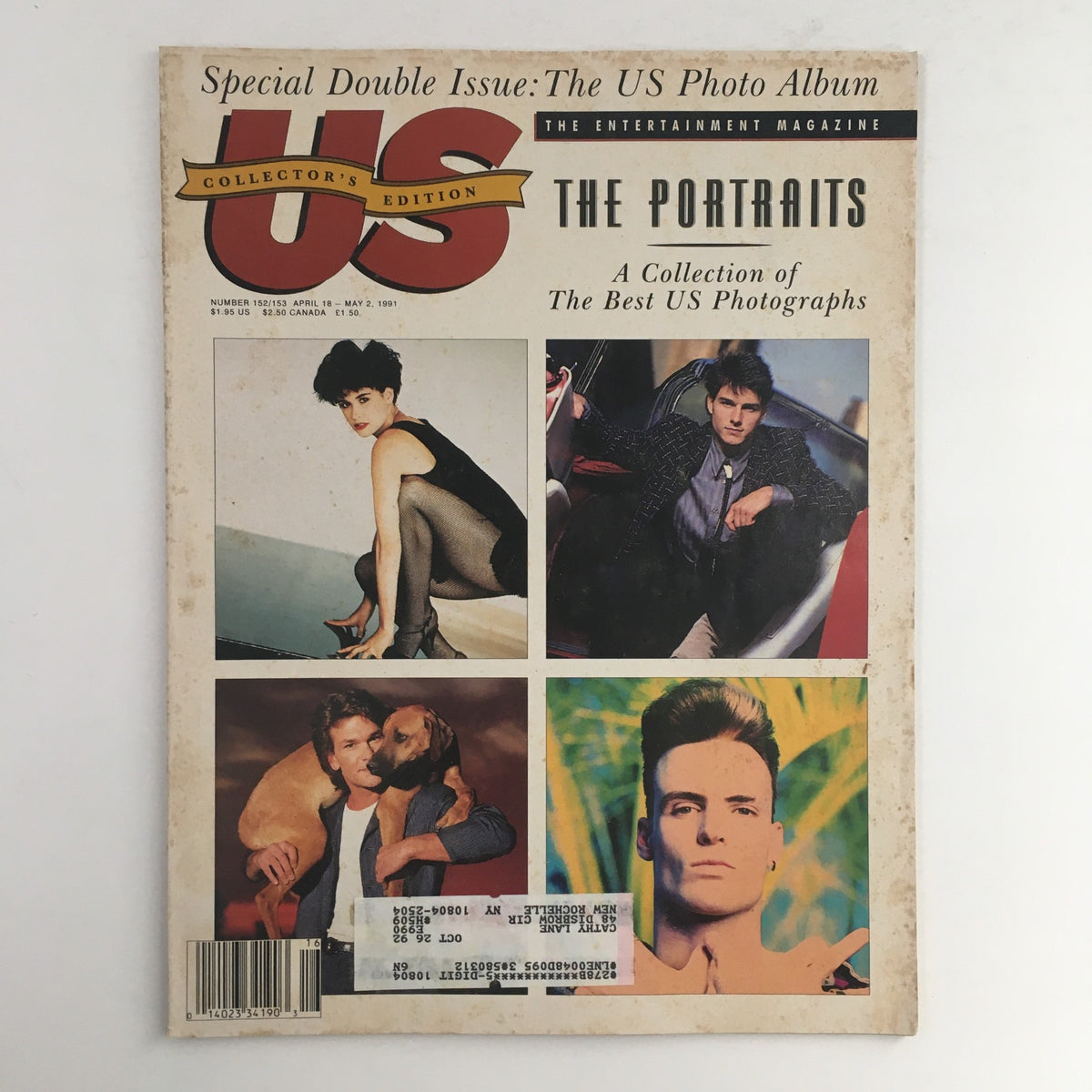
📖 About this Collection
Tom Cruise: The Last Movie Star — Print Portrait of an Era
The Legend & The Legacy
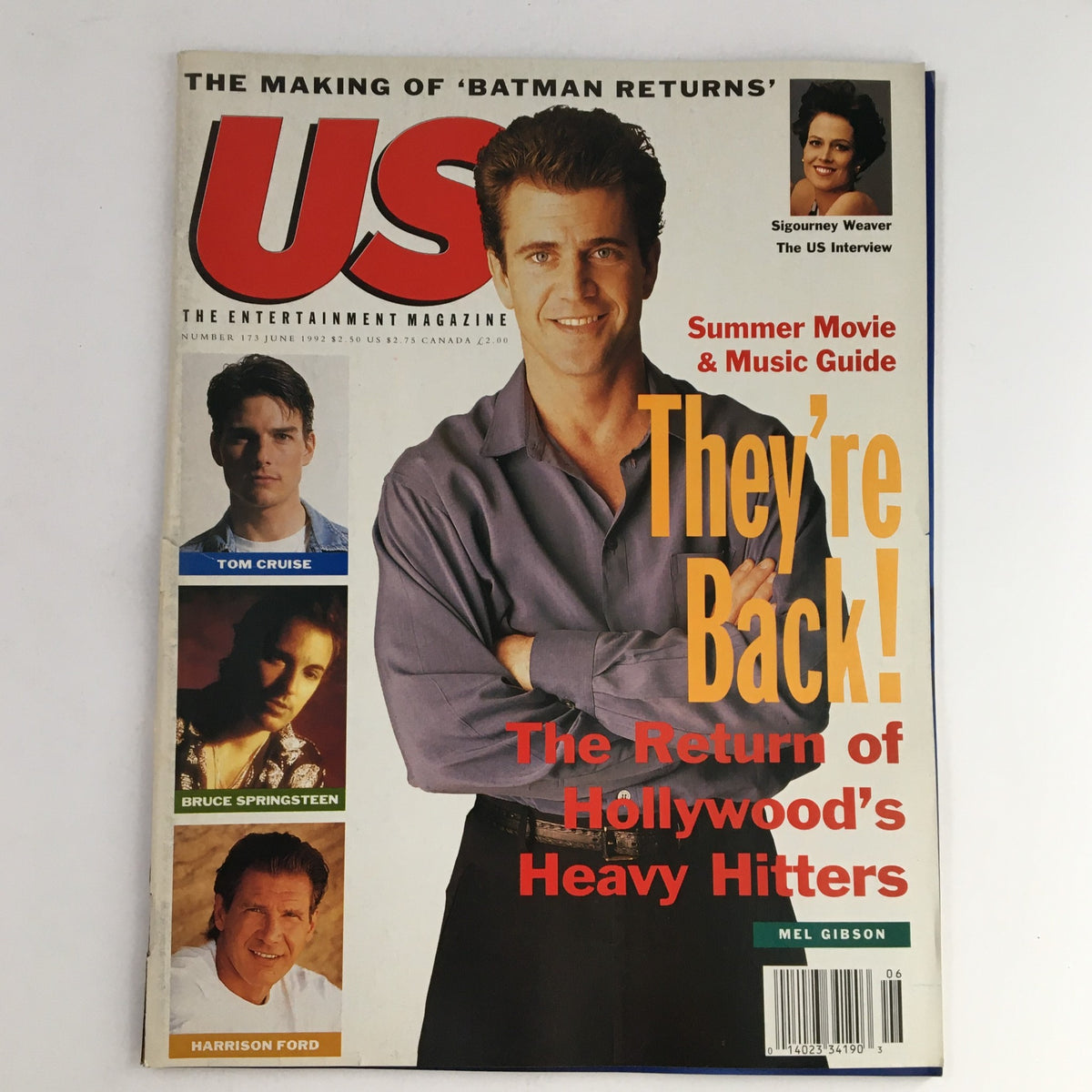
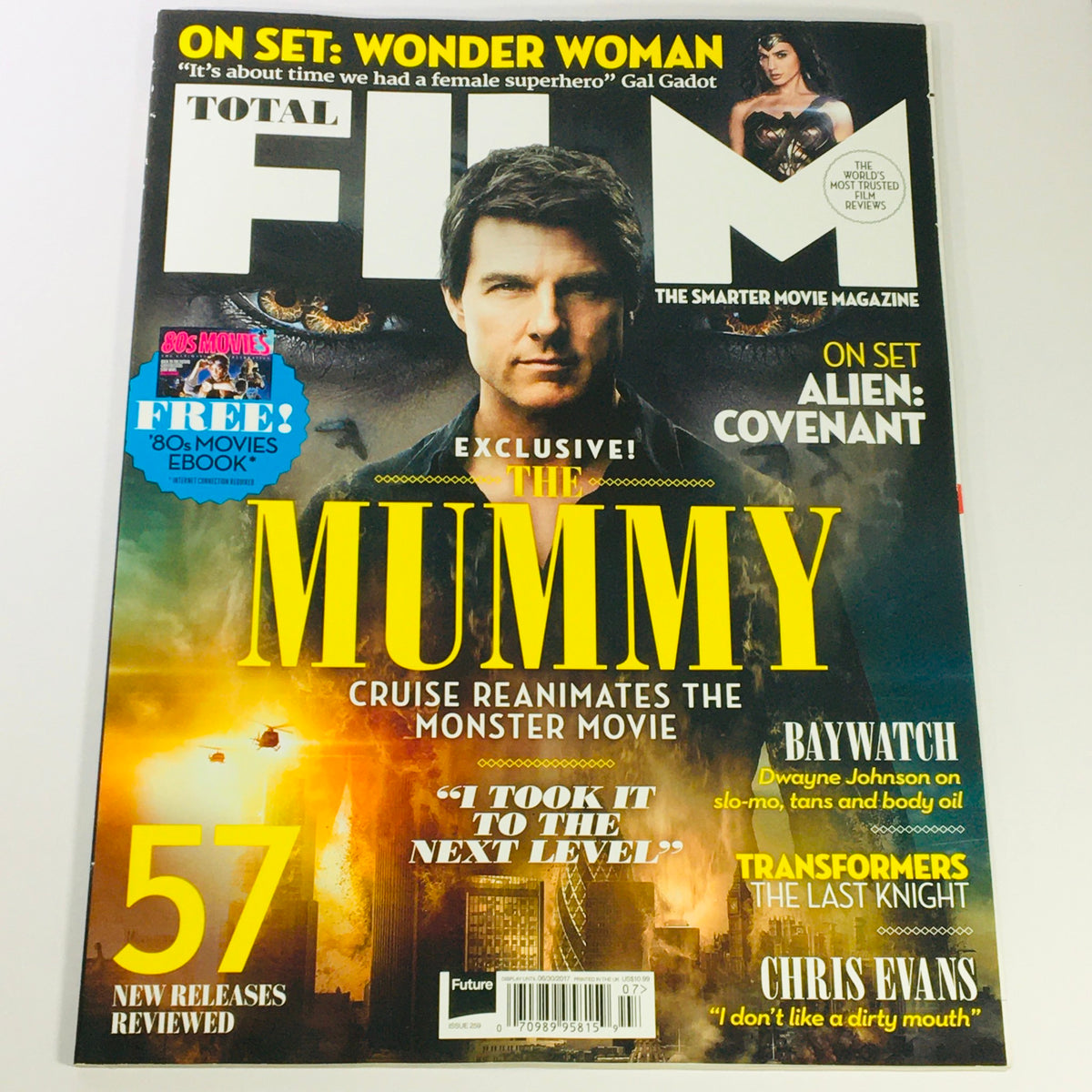
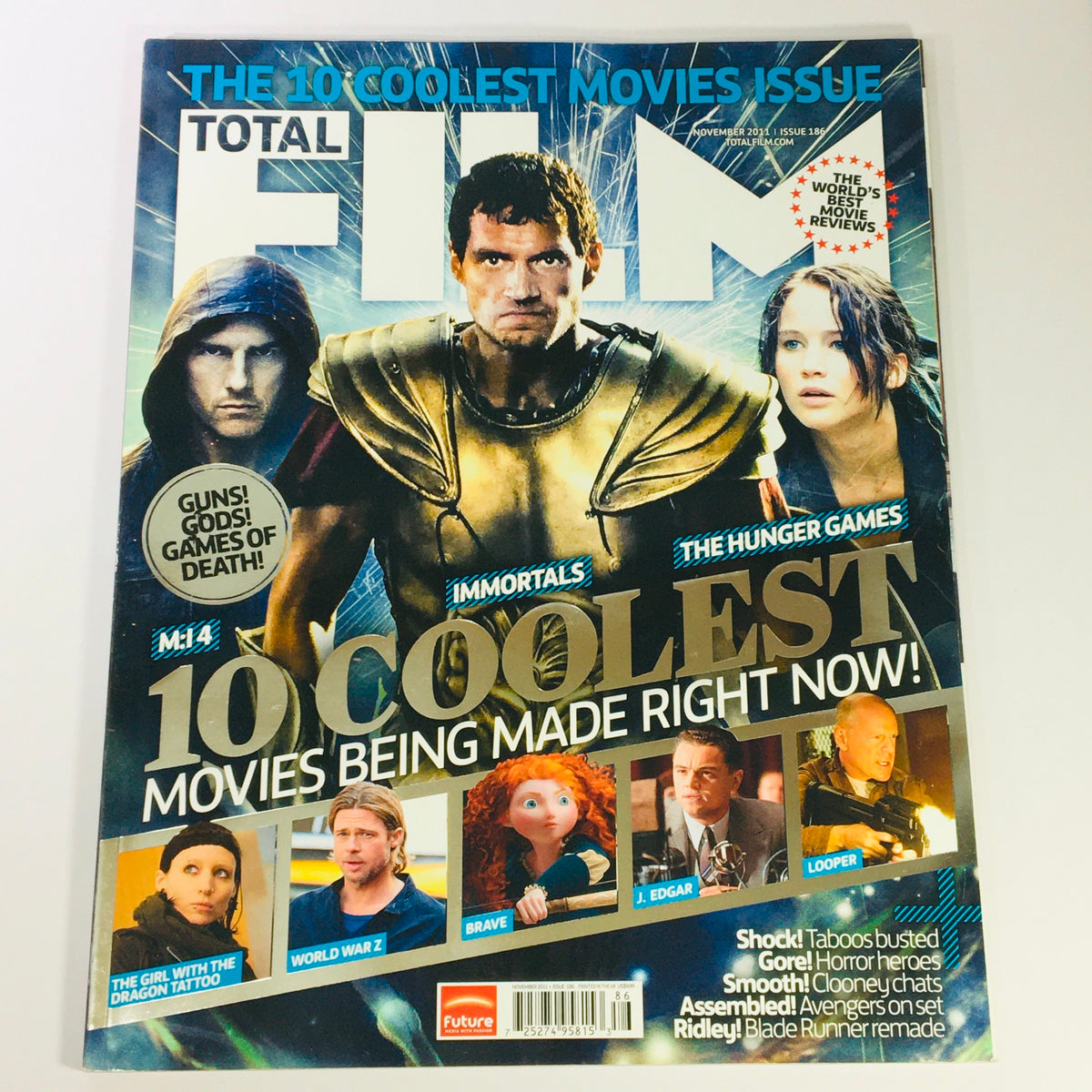
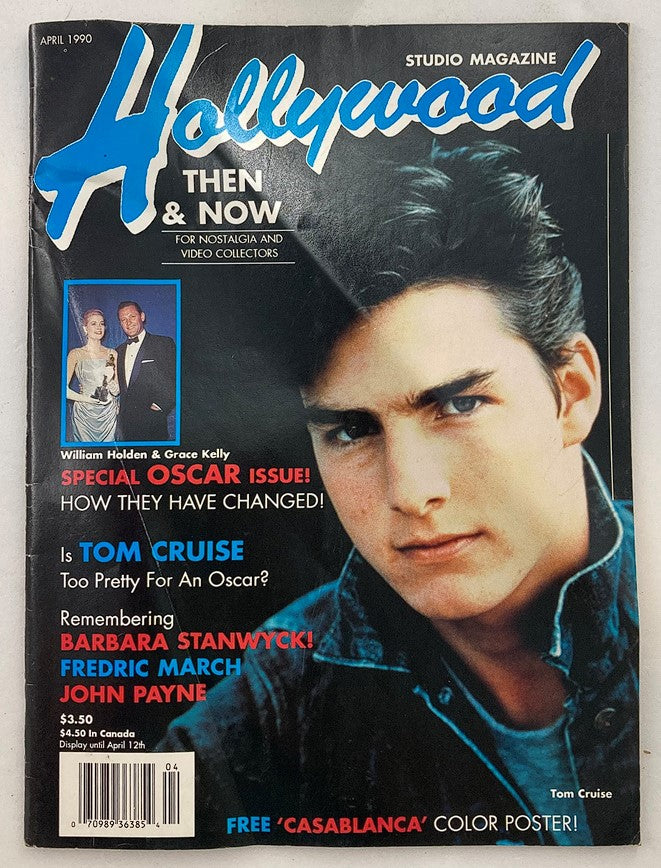
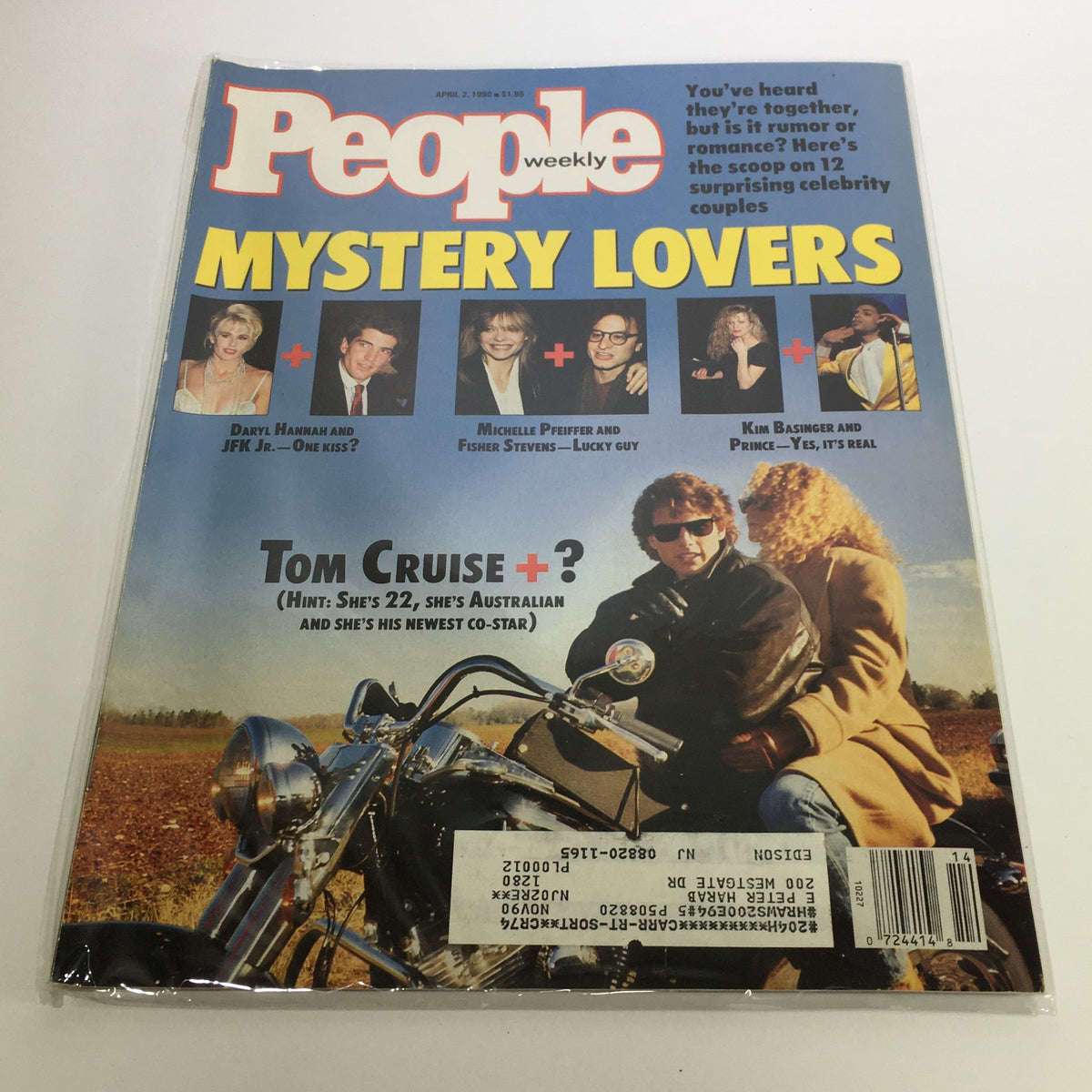
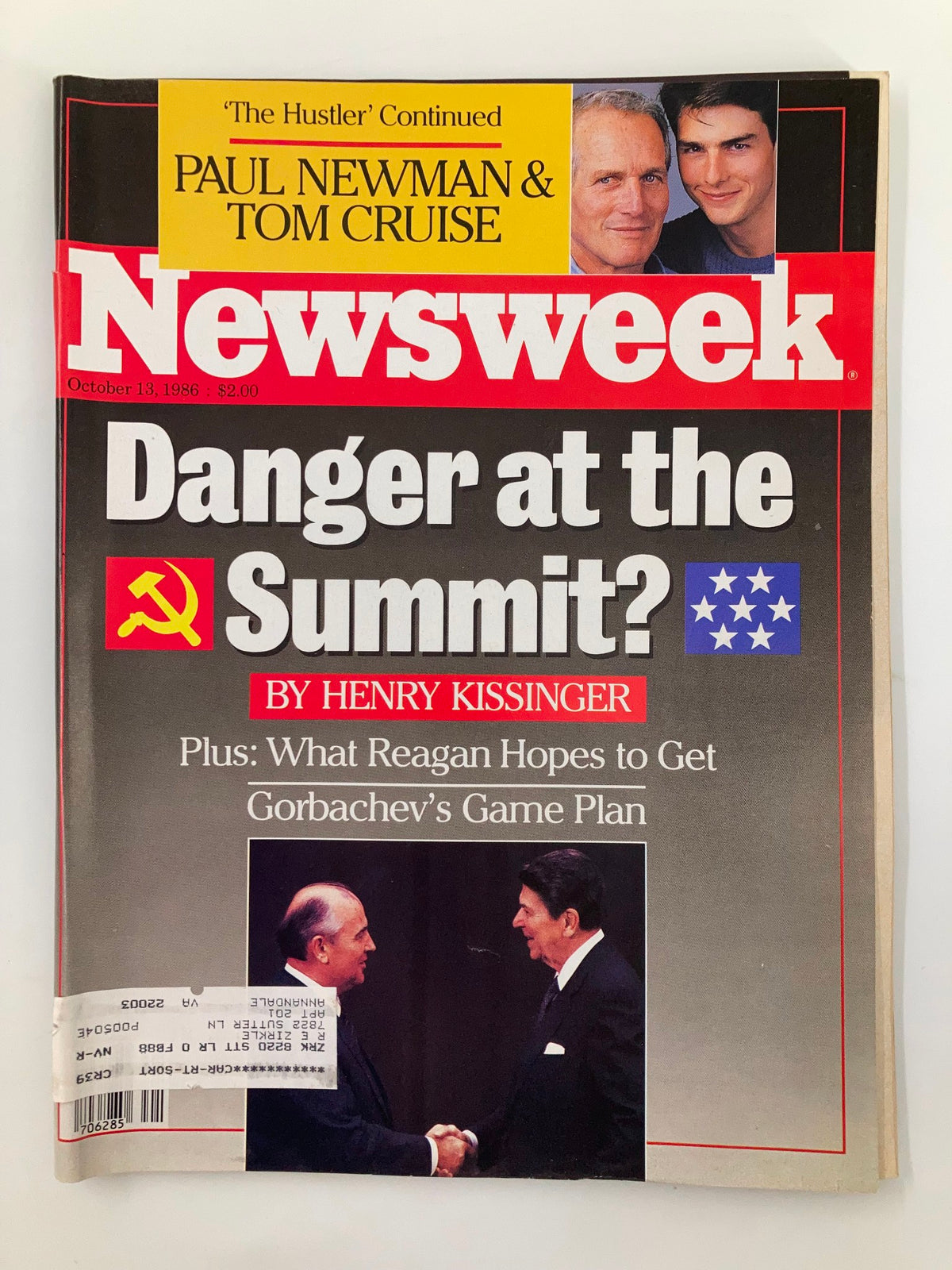
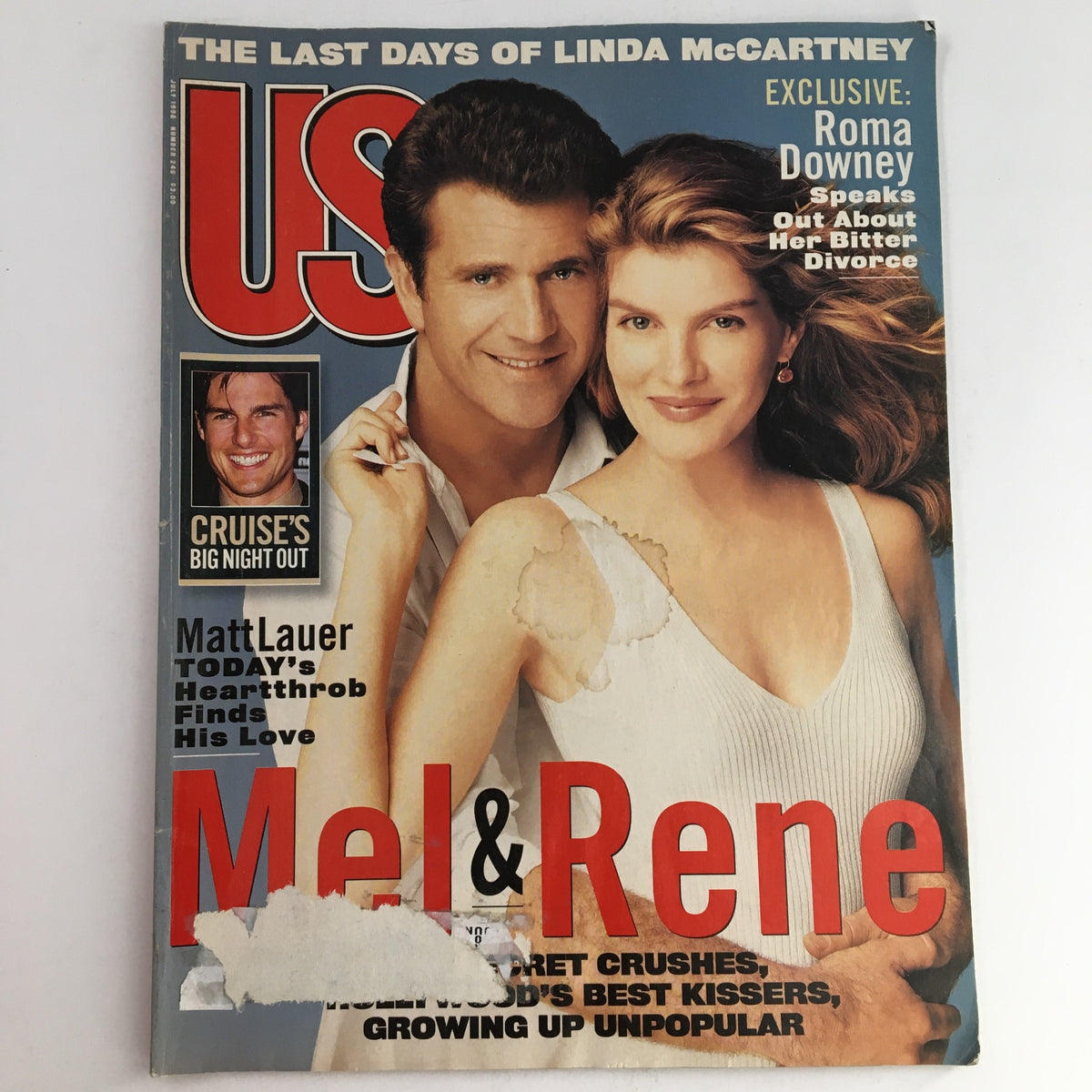
In the decades before streaming algorithms and social media feeds reduced stardom to a perpetual scroll, Tom Cruise occupied a singular and almost mythological place in the public imagination — one that could only be fully experienced through the pages of a magazine. From his early, hungry-eyed appearances in the wake of Risky Business and Top Gun in the mid-1980s, through the white-knuckle commercial dominance of the Mission: Impossible franchise and the critical reckoning of Born on the Fourth of July and Magnolia, his ascent was documented issue by issue, cover by cover, in real time. Readers encountered him not as a curated feed but as a living cultural event — debated in letters columns, analyzed in long-form profiles, and photographed with the kind of intentional, unhurried artistry that print alone could command. His personal life, his relationship with the Church of Scientology, his marriages, and his increasingly audacious on-set physical feats all became chapters in a serialized story told across the glossy and the literary alike.
Inside the Archive
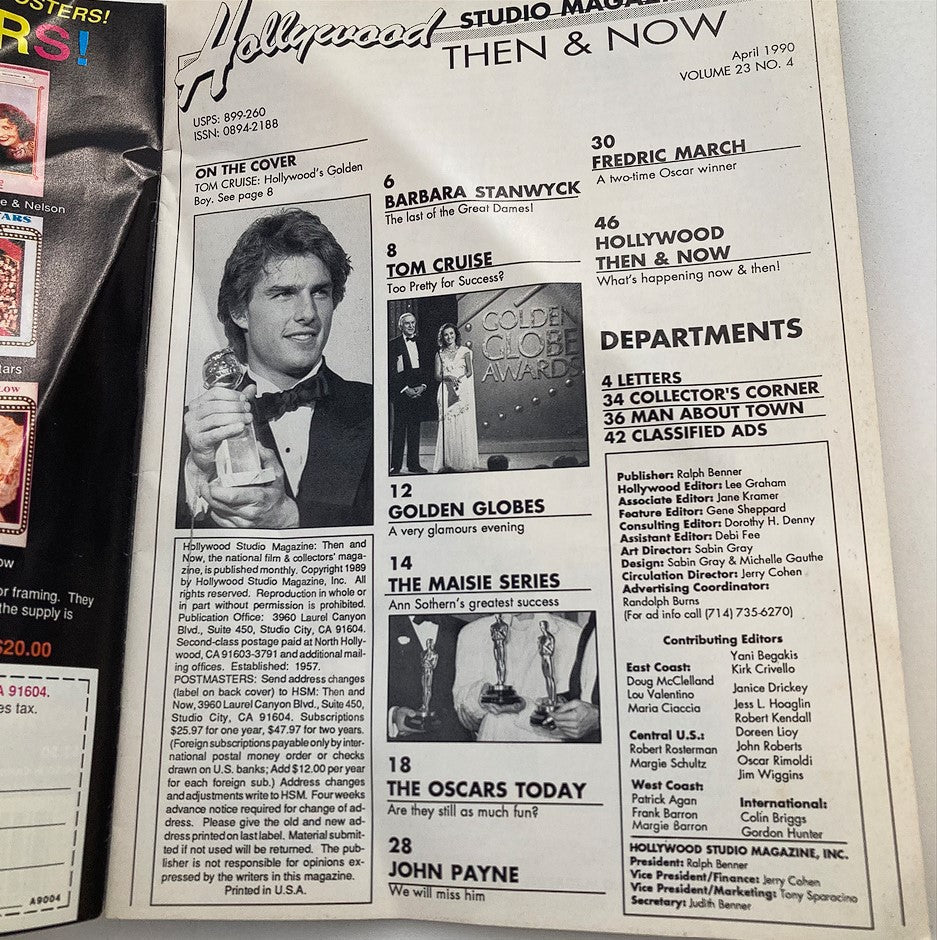
The photographic treatment afforded to Cruise across the golden age of print was lavish and remarkably varied. Early issues leaned into the blue-eyed, leather-jacketed iconography of the Reagan-era action hero — high-contrast studio portraits, wind-machine glamour shots, the easy swagger of a young man Hollywood had decided to bet everything on. By the 1990s, the editorial tone had shifted: publications began grappling with the contradiction at his center — a megawatt smile wrapped around an intensely private and fiercely controlled public persona. Rolling Stone gave him some of its most probing long-form treatments, positioning him within the broader culture of celebrity and commerce. Vanity Fair and Premiere magazine, the bible of the serious film industry, devoted considerable real estate to parsing his choices, his ambitions, and his anomalous staying power in an industry notorious for burning through its stars. Internationally, Paris Match and Empire (UK) captured a different dimension entirely — the global phenomenon, the transatlantic icon whose films opened simultaneously in dozens of countries and whose face required no translation whatsoever.
Curator's Checklist: Highlights Often Include
- Early-career breakthrough coverage from the mid-1980s, when features often explored the sudden, almost disorienting velocity of his rise following Risky Business (1983) and Top Gun (1986), frequently accompanied by full-page studio portraiture in the fashion of the era
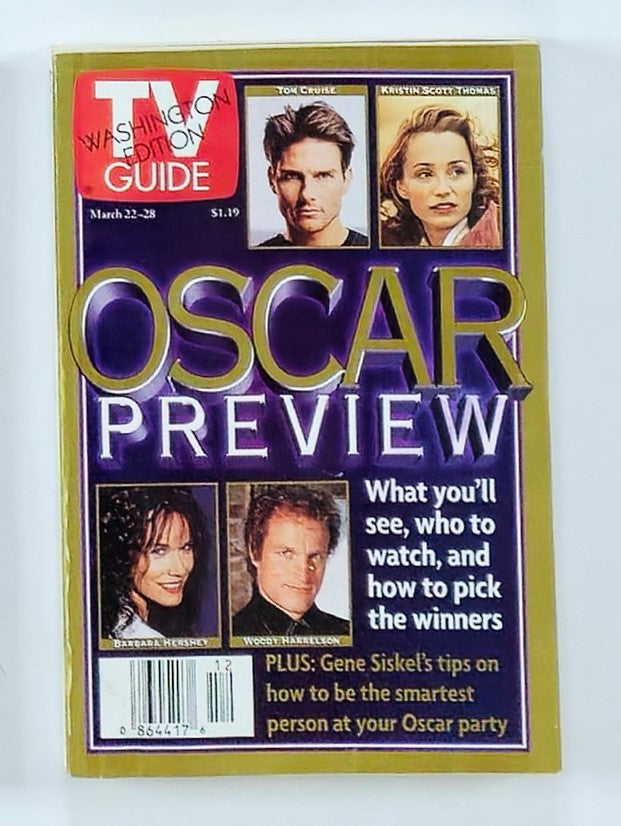
- Awards season and critical-prestige coverage surrounding Rain Man (1988), Born on the Fourth of July (1989), and Jerry Maguire (1996) — issues in which the conversation shifted from heartthrob to serious actor, with in-depth interviews and behind-the-scenes film photography
- International entertainment weeklies and film trade publications covering the Mission: Impossible franchise launches (1996 onward), often featuring dynamic action photography and director profiles alongside star profiles
- Tabloid-adjacent mainstream weeklies and Sunday supplements from the late 1990s through the 2000s that tracked his personal life, his high-profile relationships, and his increasingly complex public image with the breathless attention only print journalism of that era could sustain
- Profile retrospectives and decade-in-review issues from major entertainment monthlies, in which editors frequently positioned him as one of the defining box office forces of the late 20th century — a figure whose career arc doubled as a history of Hollywood itself
The Collector's Value
There is something irreplaceable about holding a magazine that was printed in the same week a cultural moment actually happened — the paper stock slightly yellowed at the edges, the ink carrying that particular dry, aromatic warmth of decades-old print, the surrounding advertisements forming an accidental time capsule of the world that existed just outside the cinema. A 1986 issue with a Top Gun promotional feature doesn't merely document a film; it documents the precise cultural atmosphere in which that film landed, complete with the car advertisements, the perfume campaigns, and the fashion editorials that shared its pages. The tactile experience of turning those pages is one no digital archive can replicate. For collectors of Hollywood golden-age memorabilia, serious film history, or the broader cultural ephemera of the 1980s and 1990s, these publications offer not just a portrait of one of cinema's most durable stars but a primary-source window into the print media landscape that shaped how the world understood fame itself. We invite you to explore the current available inventory below and discover which chapter of this remarkable story is waiting to find a place on your shelf.