📖 About this Collection
Tom Hanks: America's Mirror, Frame by Frame
The Legend & The Legacy
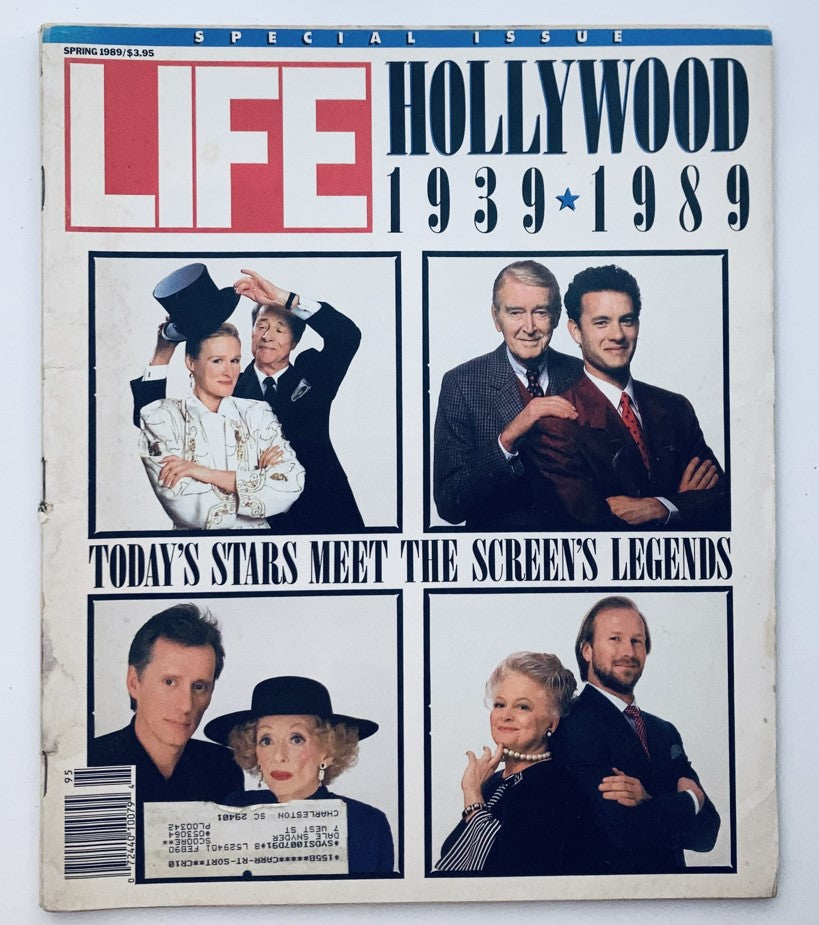
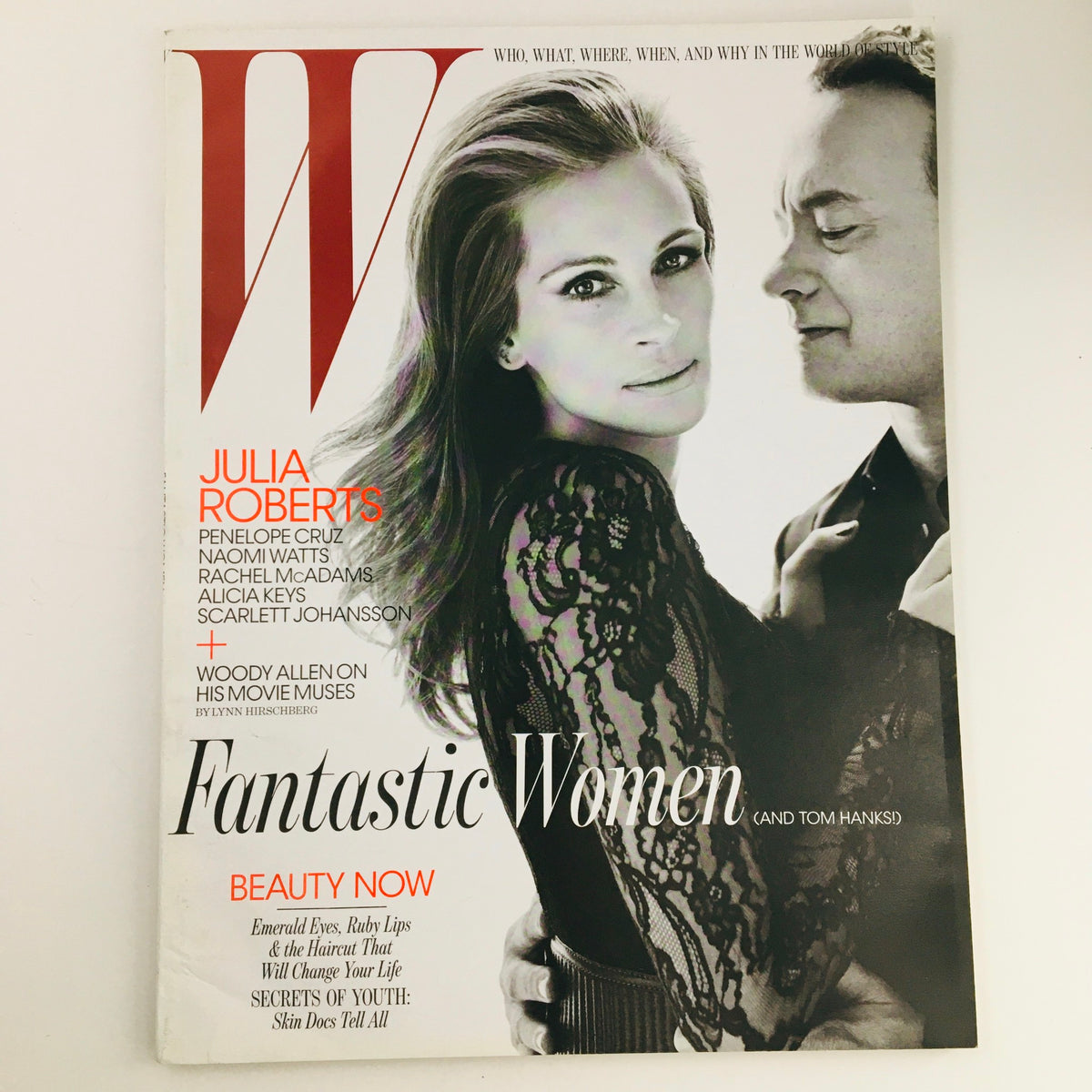
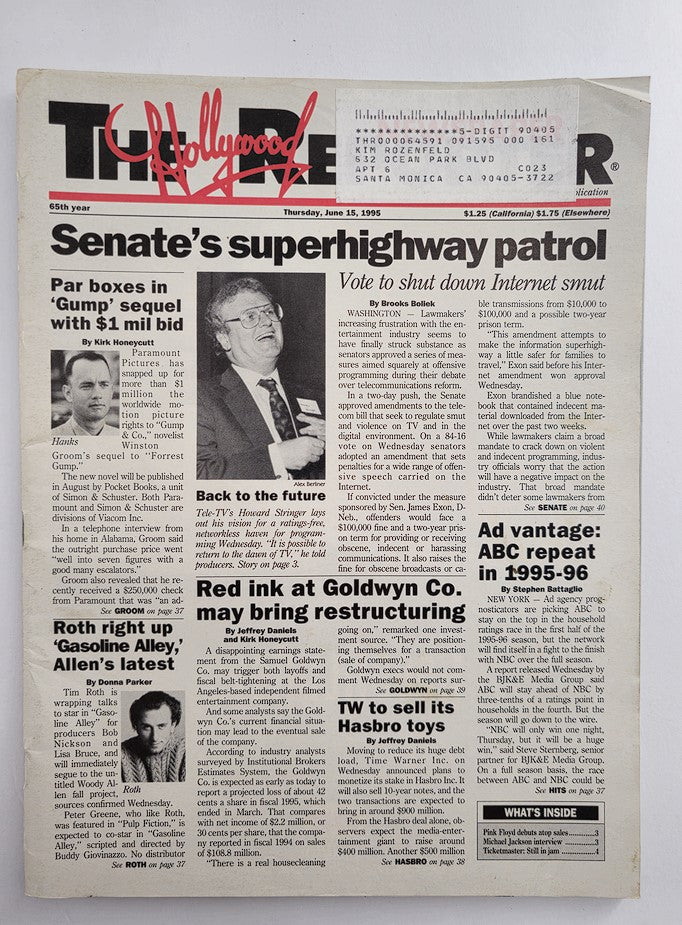
There is a particular kind of stardom that transcends the transaction of entertainment — one that becomes woven into the fabric of a nation's self-understanding. Tom Hanks achieved exactly that. Rising through the 1980s as a comedic everyman and maturing through the 1990s into one of the most decorated dramatic actors in Hollywood history, he occupied magazine covers at the precise moment when print was still the primary vehicle through which the public formed its relationship with celebrity. Before the algorithm, before the hot take, before the 24-hour news cycle dissolved the distance between star and audience, readers encountered him through the considered, curated lens of the editor's page. They read his profile over breakfast. They studied his face on a waiting room coffee table. They clipped his photograph and kept it. His back-to-back Academy Awards for Philadelphia (1993) and Forrest Gump (1994) — a feat unmatched in over fifty years — made him not merely famous but historically significant, and the magazine industry treated him accordingly: with depth, reverence, and ink.
Inside the Archive
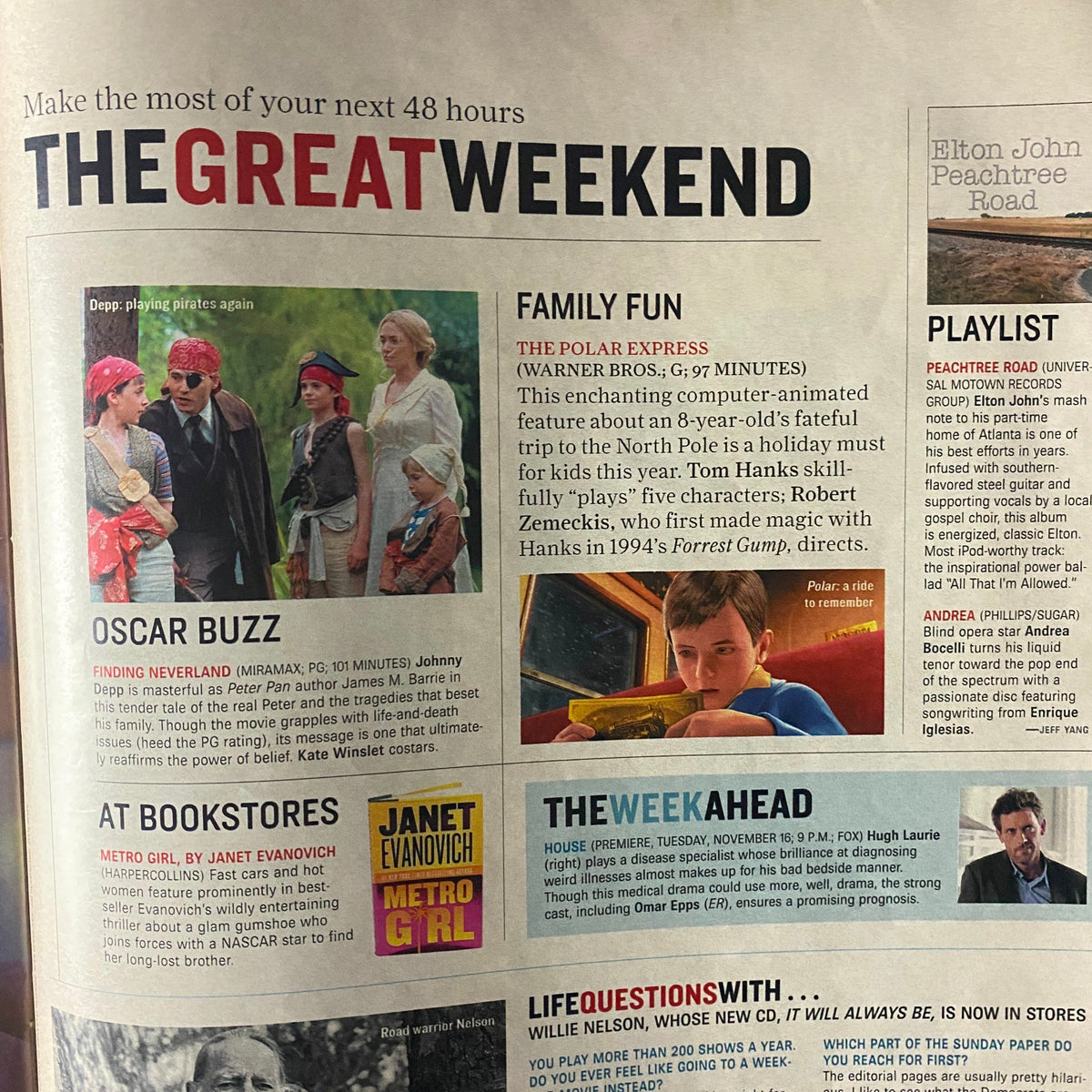
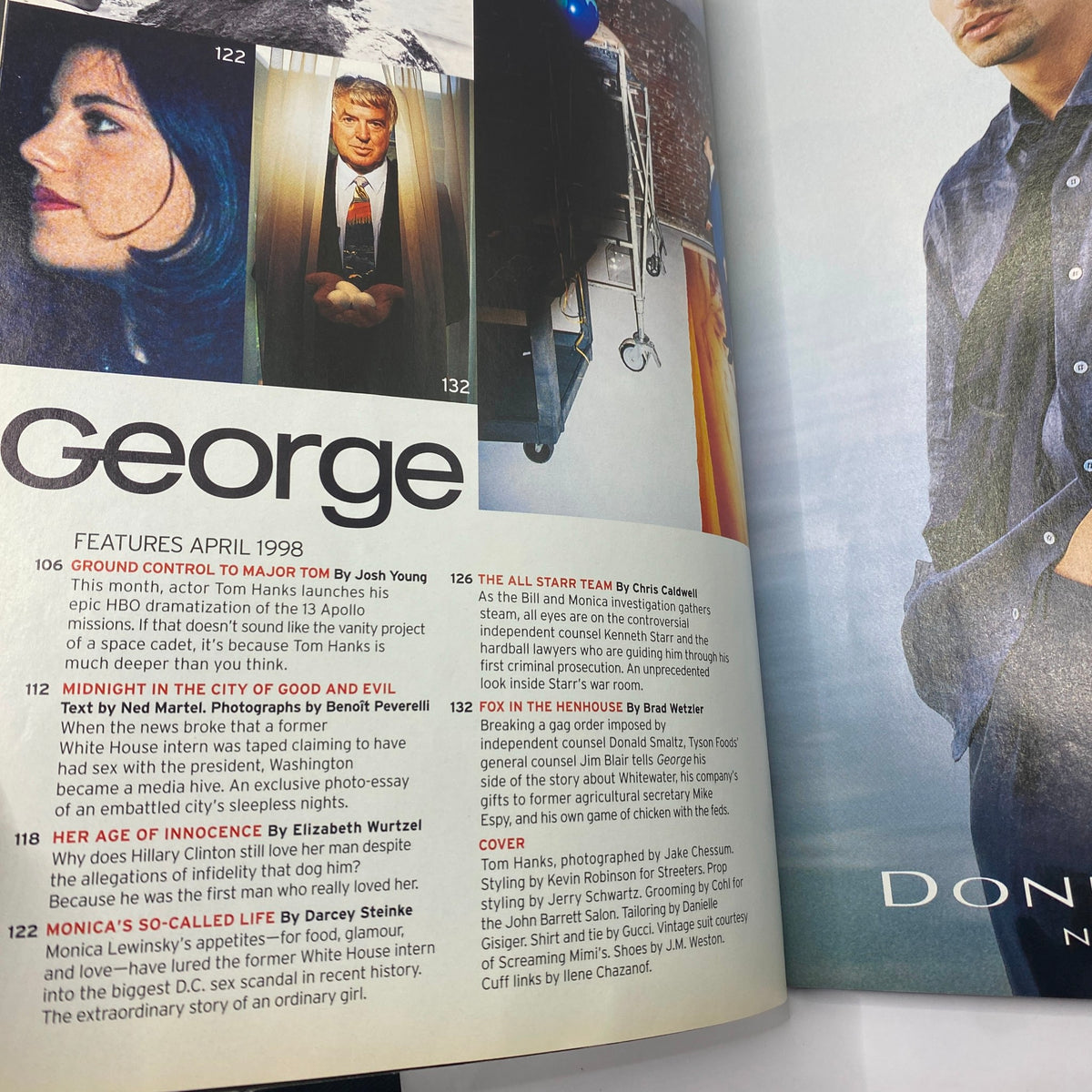
The coverage of this celebrated actor across the golden decades of print journalism is remarkably rich in both volume and variety. Entertainment Weekly, newly ascendant in the early 1990s, chronicled his dramatic reinvention with editorial intensity, running extensive profiles that captured the industry's astonishment at his range. Premiere magazine — the insider's bible of Hollywood's peak era — devoted long-form features to his method, his choices, and his collaborations with Steven Spielberg. People magazine returned to him again and again, drawn by the rare combination of tabloid-proof personal life and relentless professional achievement. Internationally, publications such as Paris Match and the British edition of Empire framed him as a cultural ambassador, a living argument for American cinema at its most humane. The photography throughout this era tends toward the naturalistic — warm, direct portraiture favoring open expression over manufactured glamour — a visual language that perfectly suited a man whose appeal was rooted in authenticity. Even the advertisements surrounding his features speak volumes: the cars, the cologne, the airlines of a prosperous, pre-digital world.
Curator's Checklist: Highlights Often Include
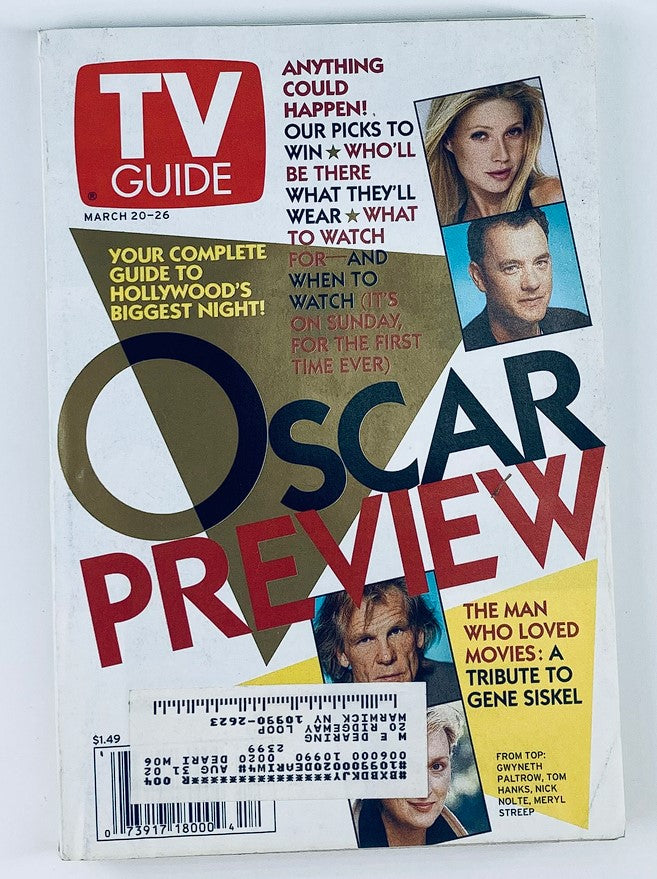
- Oscar season coverage from the mid-1990s documenting the historic back-to-back wins for Philadelphia and Forrest Gump, including the campaign profiles, ceremony previews, and breathless post-win retrospectives that defined an era of Hollywood journalism
- Behind-the-scenes features from landmark productions — Cast Away, Saving Private Ryan, Apollo 13 — offering on-set photography and director interviews that exist nowhere else in this form
- Profile cover stories exploring his transition from broad television comedy (Bosom Buddies) to the warm, grounded film work of the mid-1980s, capturing a career arc that critics and editors found irresistible
- Human interest and lifestyle features presenting the actor as the rare Hollywood figure who embodied stability, wit, and groundedness — profiles frequently sought by general-interest publications targeting readers with no particular appetite for celebrity gossip
- International editions and foreign-language publications that reframed his significance through a non-American cultural lens, often with exclusive photography and translated interviews not available in domestic archives
The Collector's Value
To hold one of these original issues is to hold a document — not a reproduction, not a scan, not a pixel on a screen, but the actual artifact that sat in a reader's hands on a specific day in a specific year. The paper stock carries the particular weight of its era: the slight yellowing at the edges, the faintly woody smell of aged newsprint giving way to the smoother, heavier pages of a glossy cover feature. The ink does not backlight itself. It simply sits there, permanent and patient, surrounded by the advertisements and editorial choices of its moment, offering a window into not just a career but a culture. For collectors of Hollywood cinema's prestige era, American cultural history of the late twentieth century, or Academy Awards memorabilia, these publications offer primary source documents of extraordinary intimacy and resonance — the kind that no streaming service can license and no anniversary box set can replicate. Explore the current available inventory below and discover which pieces of this remarkable archive are waiting to find their next custodian.