📖 About this Collection
Tom Petty: The Heartland's Poet, Pressed in Print
The Legend & The Legacy
From the swamps of Gainesville, Florida, Tom Petty built something that the charts alone could never contain — a mythology of the American everyman, rooted in Rickenbacker guitars, open highways, and a defiant refusal to be owned by anyone. Through the late 1970s and into the 1990s, he and the Heartbreakers became the sonic backbone of a generation caught between the idealism of the '60s and the commercialism of the Reagan era. His songs weren't merely radio hits — they were anthems of quiet resilience, speaking to truck drivers, dreamers, and disillusioned romantics in equal measure. There was a plainspoken poetry to everything he did — a stubborn authenticity that felt increasingly rare as the music industry grew louder, flashier, and more disposable around him. Long before streaming playlists and social media made artists perpetually accessible, fans lived for the next magazine feature — the next photograph of the Gainesville exile who had conquered both Hollywood and the heartland. His standoffs with record labels, his ascension to the top of the American rock pantheon, and his role in the supergroup Traveling Wilburys all unfolded in real time across glossy and newsprint pages, consumed eagerly by readers who had no other window into the inner world of their heroes. He was the rare rock star who aged not into irrelevance but into wisdom, and the press tracked that evolution with genuine admiration across every decade of his career. In an era when the printed page was the final word, his story was told one issue at a time — and those issues have never stopped mattering.
Inside the Archive
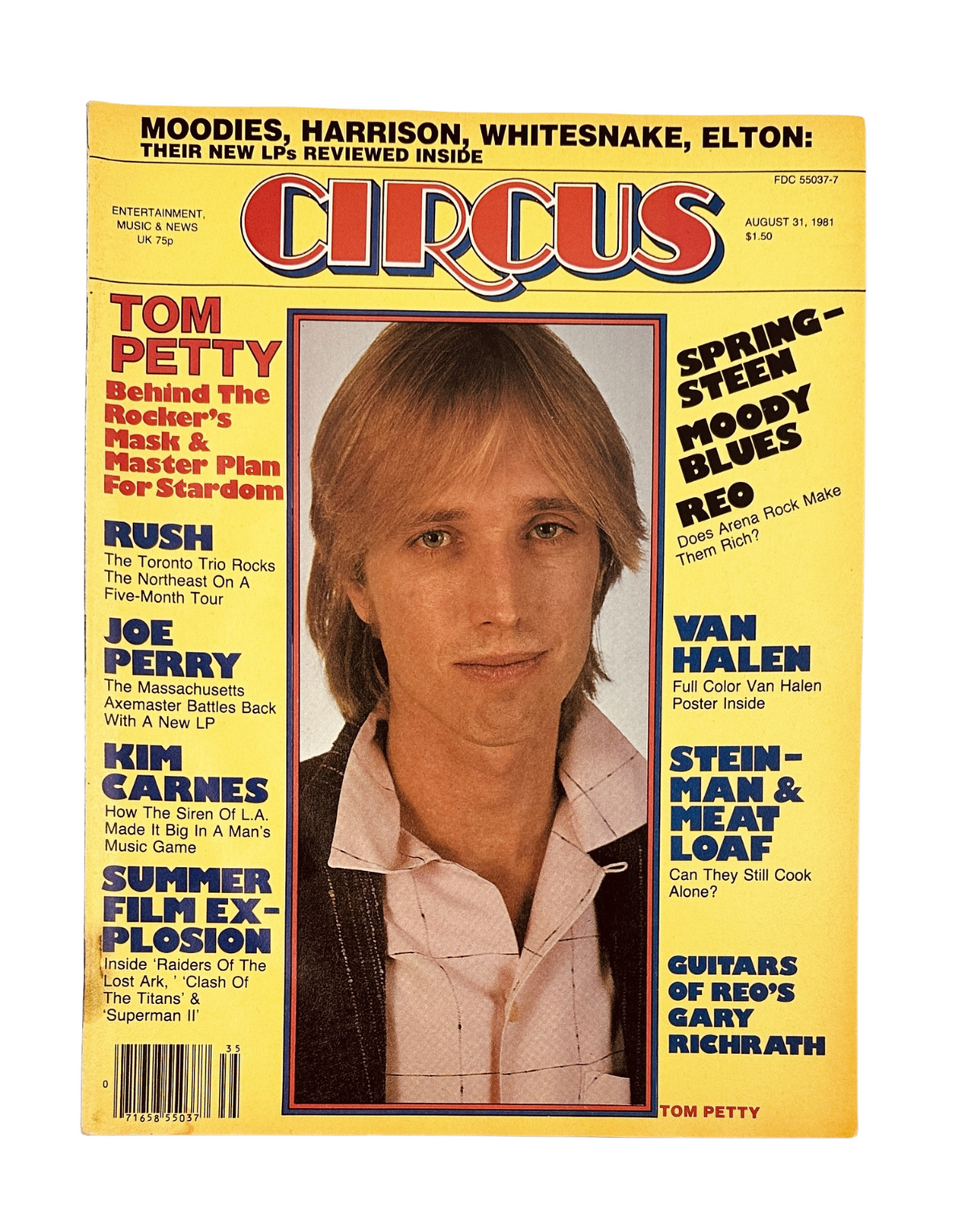
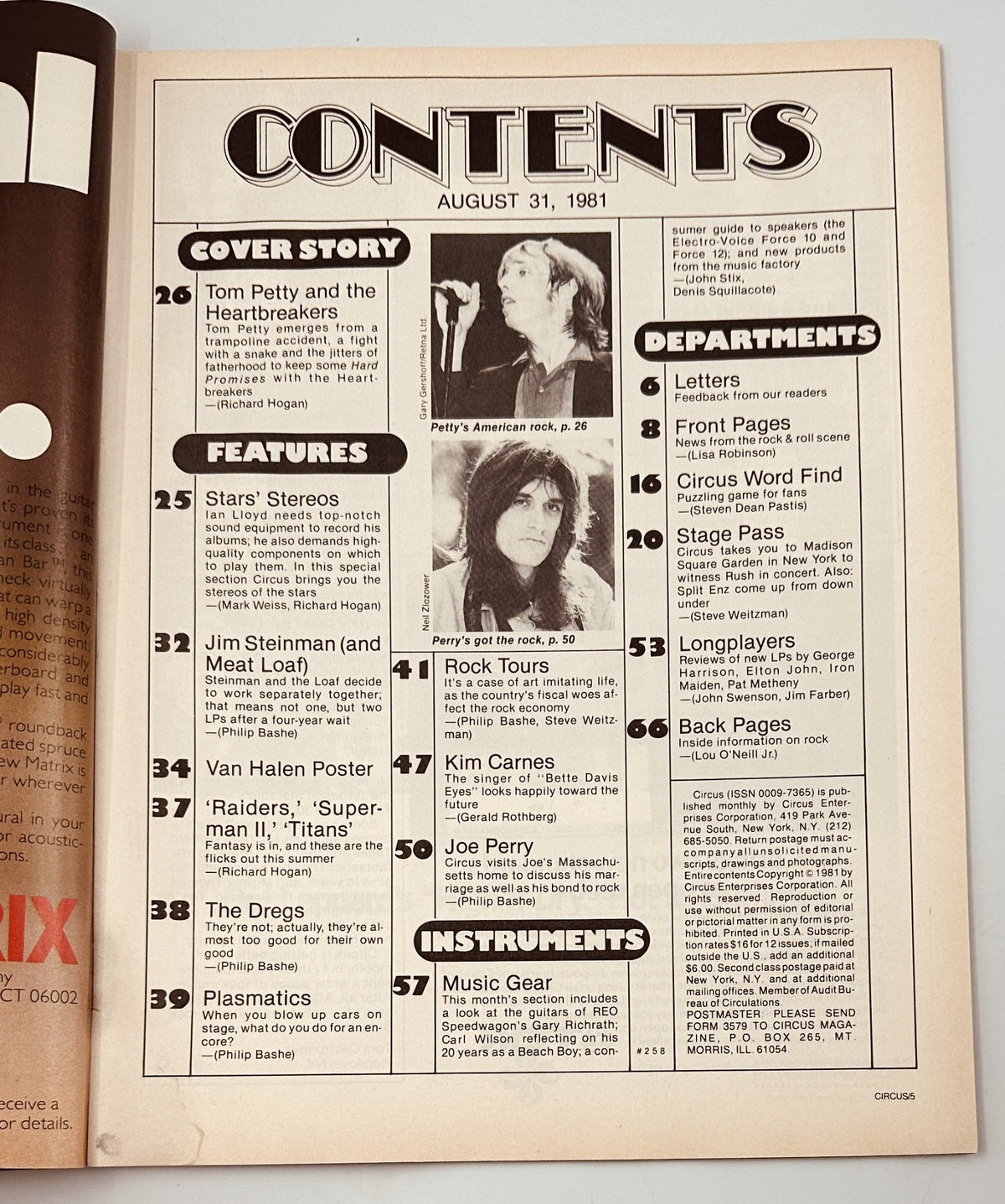
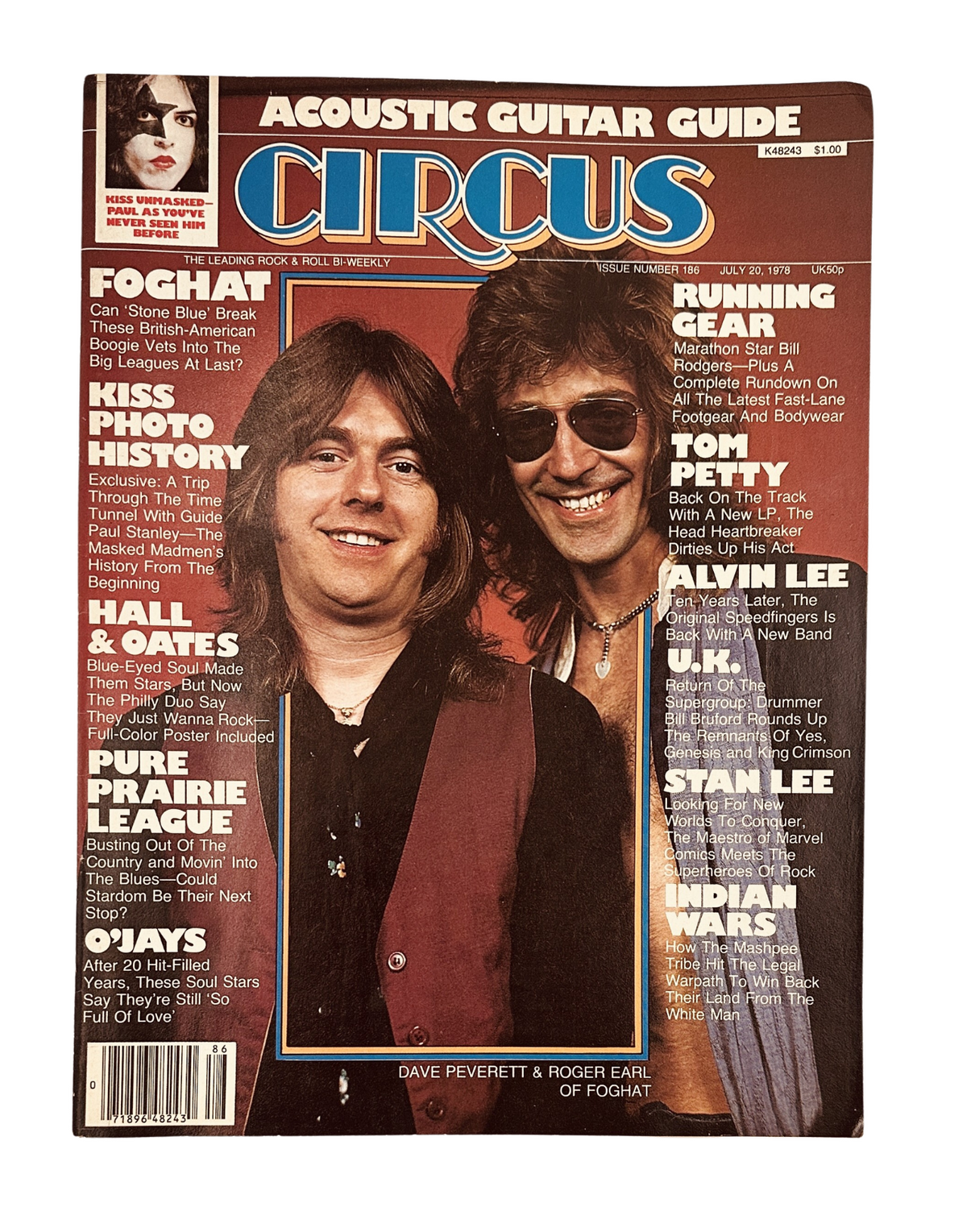
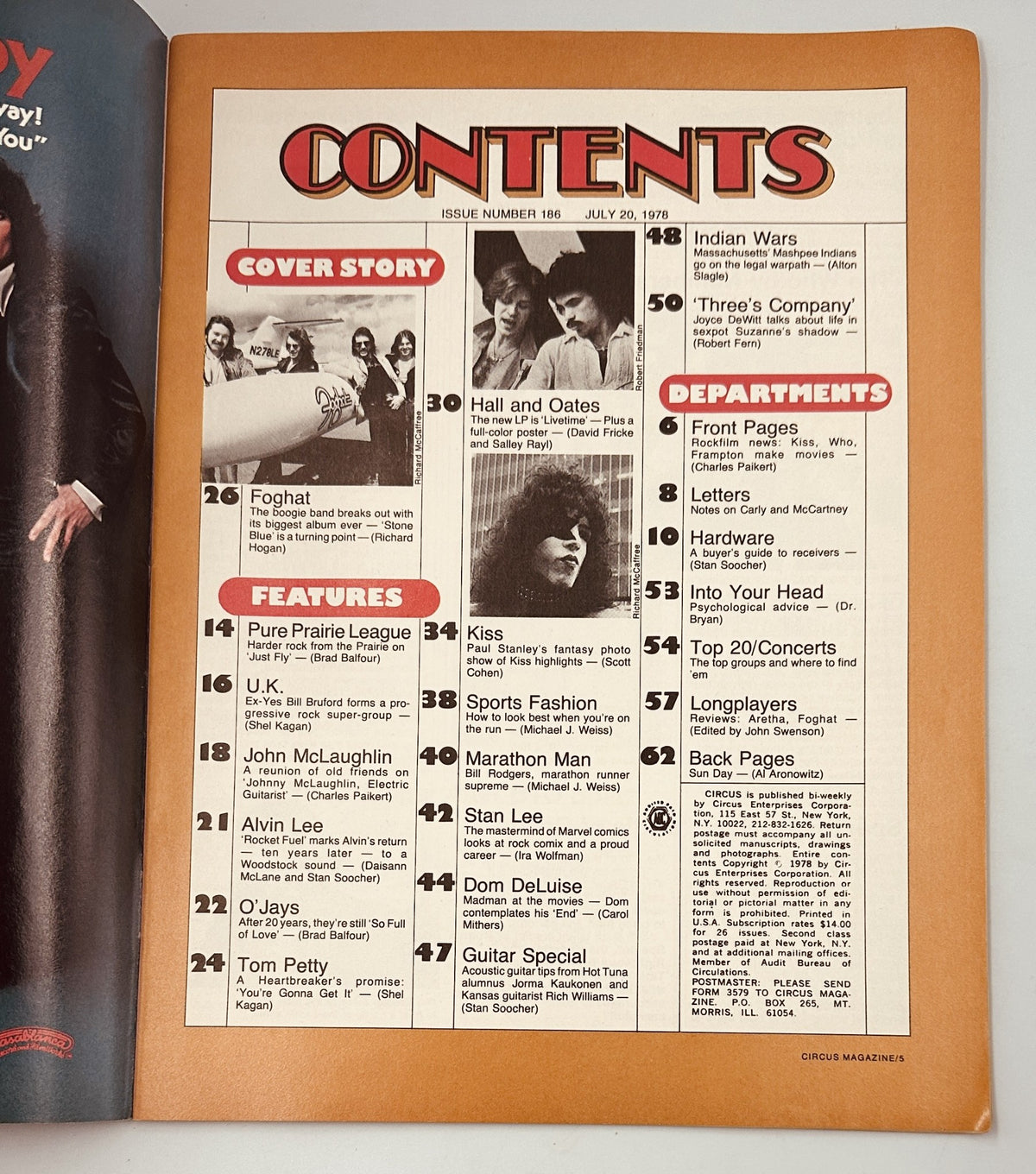
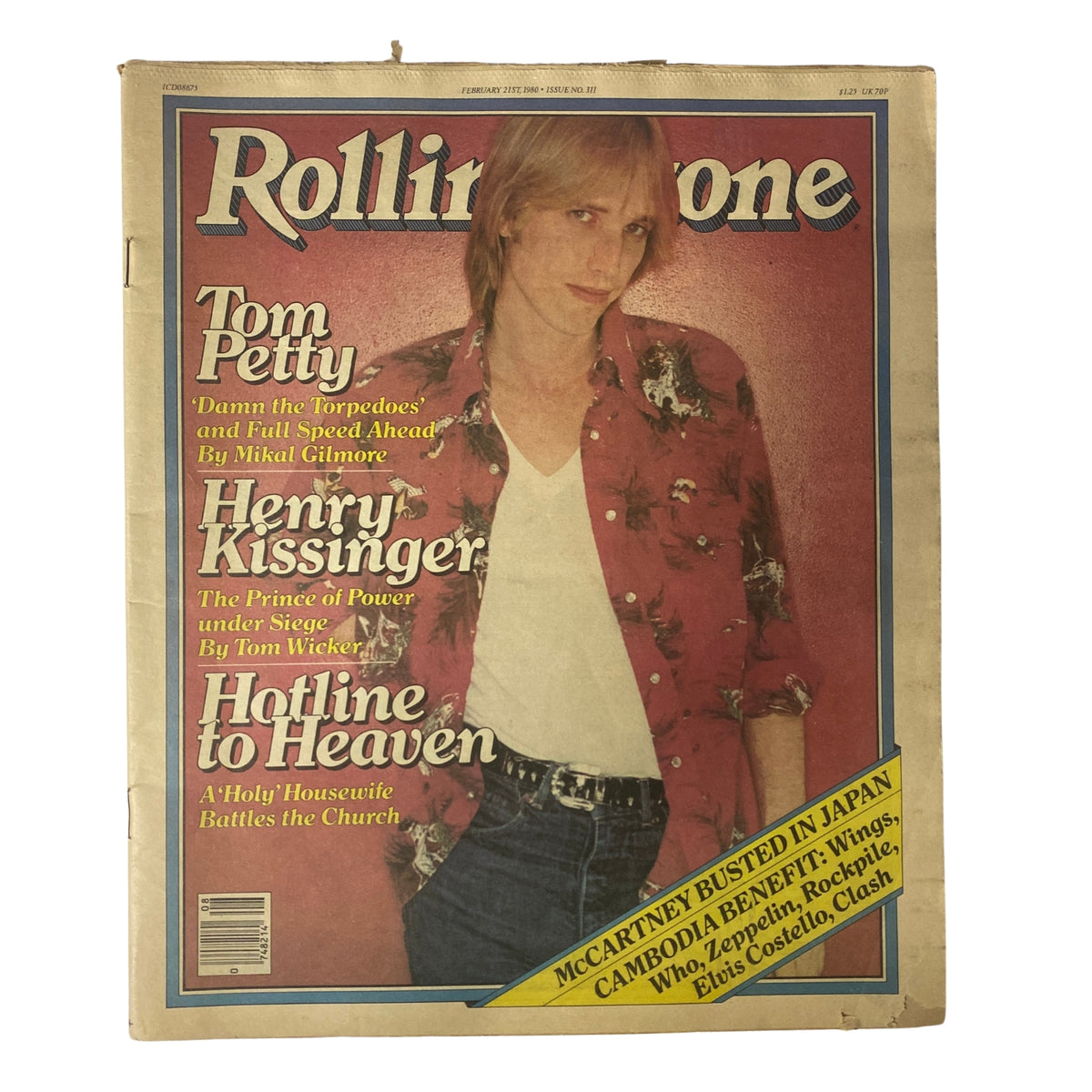
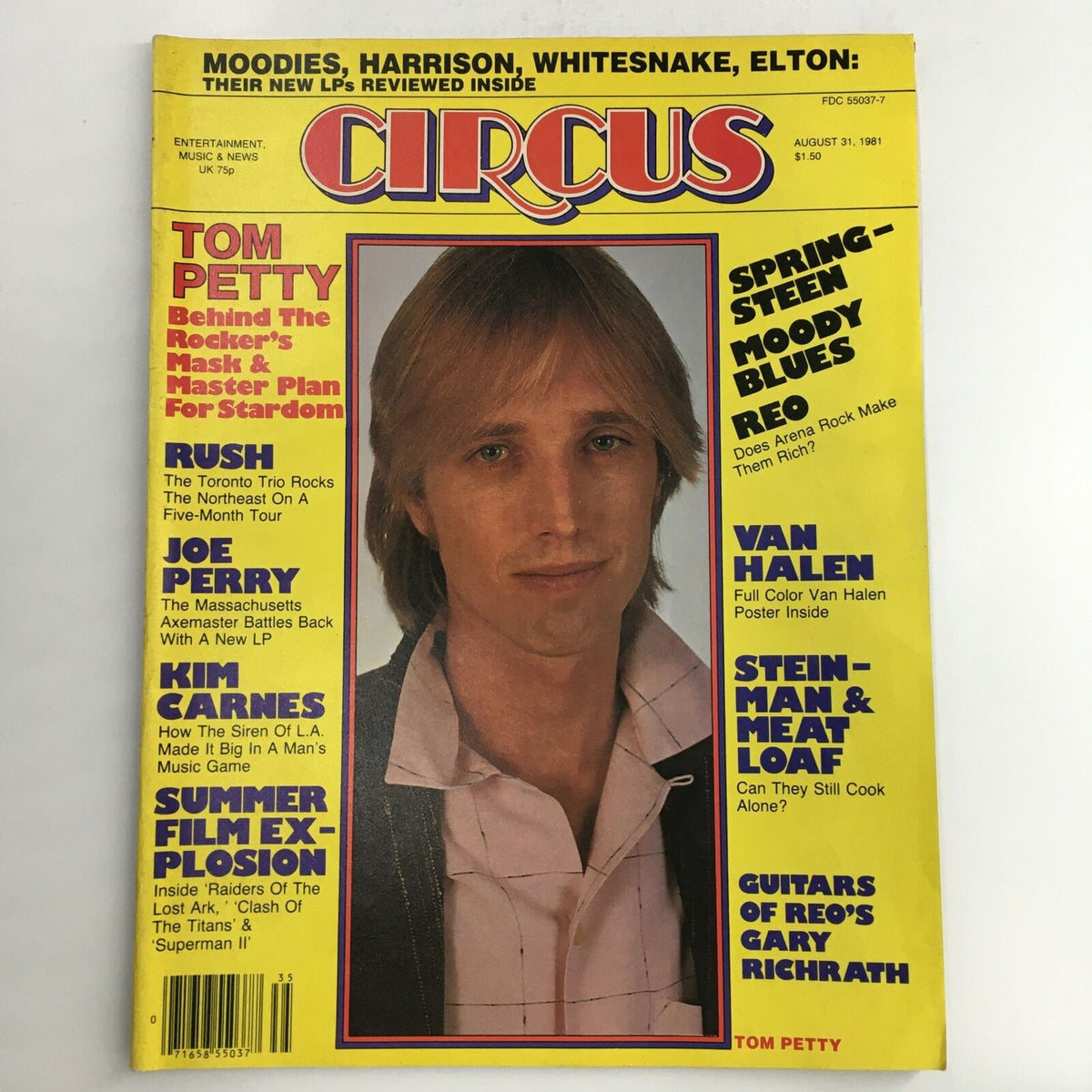
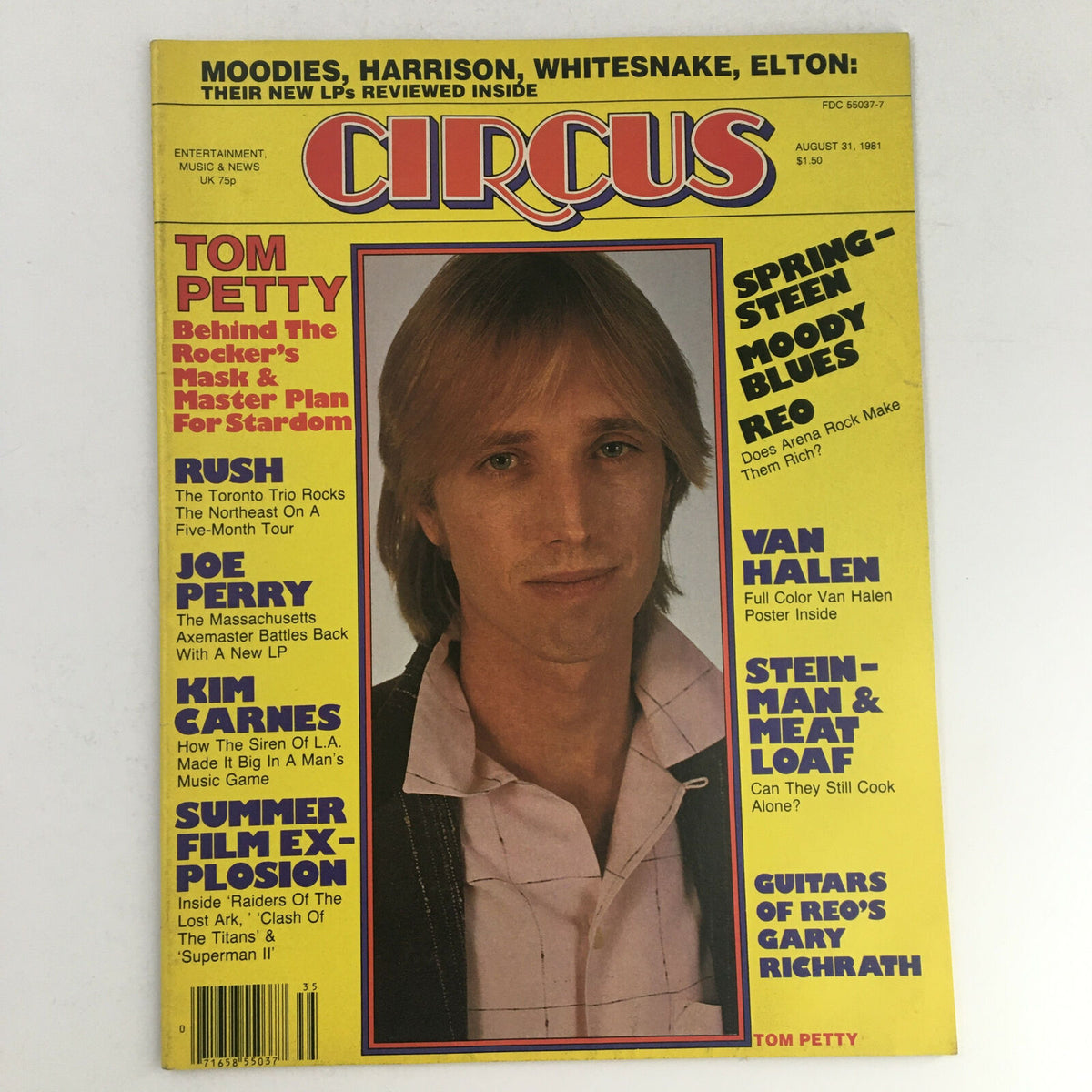
Vintage music and culture magazines pursued the Heartbreakers' frontman with a particular reverence, recognizing early that his lean, sun-worn aesthetic and sharp lyrical intelligence made for compelling editorial. Photographers captured him in characteristically unhurried poses — backstage in the amber glow of a dressing room, mid-performance with hair swept across his face, or candid on the California coast, always carrying that air of someone who had earned every note. There was an unpretentious magnetism to him that translated effortlessly to print — he was, in the language of magazine photography, endlessly shootable without ever appearing to try. The editorial tone across publications was consistently one of hard-won respect, treating him not as a pop commodity but as a serious American artist in the lineage of Dylan and the Byrds. Rolling Stone was perhaps his most faithful chronicler, placing him on its cover multiple times and profiling his career with the depth of a literary portrait — their long-form interviews with him remain some of the most quoted in rock journalism history. Creem, the scrappier voice of American rock journalism, embraced his working-class roots with a rawness that matched his music, capturing the grit beneath the glamour and giving voice to the fans who saw themselves in his lyrics. Internationally, publications like the British Melody Maker and New Musical Express documented his considerable standing abroad, framing him as one of America's most authentic rock exports at a time when that distinction carried enormous weight. Mainstream outlets including Time and People also turned their gaze on him during his commercial peak, bringing his story to readers far beyond the dedicated music press and cementing his status as a figure of broad cultural consequence. Together, these publications form a mosaic of a career that was never manufactured — only lived, and faithfully recorded in real time by the journalists and photographers fortunate enough to be present.
Curator's Checklist: Highlights Often Include
-
Milestone cover features tied to landmark albums — Damn the Torpedoes, Full Moon Fever, and Into the Great Wide Open each generated significant press cycles that collectors frequently seek out, with cover photography from these eras ranking among the most iconic in rock magazine history — bold, unhurried portraits of an artist entirely at ease with his own legend
-
Behind-the-scenes coverage of the legendary 1979 Shelter Records legal battle, one of rock history's most celebrated artist-versus-label standoffs, documented extensively in the music press of the era and a fascinating chapter for any collector drawn to the intersection of art, commerce, and defiance in the American music industry
-
Traveling Wilburys features from the late 1980s, where ensemble portraits placed him alongside Bob Dylan, George Harrison, Roy Orbison, and Jeff Lynne — a convergence of titans that the music press treated with the gravity it deserved, and a moment in popular music history that feels more mythological with every passing year
-
Live concert and tour documentation from the Heartbreakers' marathon touring years, including sprawling photo spreads and first-person reviews that capture the electricity of their performances in a way no digital archive can replicate — raw, immediate, and alive on the page in a manner only possible when a writer had a notebook, a deadline, and a front-row seat
-
Career retrospectives and anniversary features published throughout the 1990s and 2000s, in which the music press began to reckon seriously with his place in the American rock canon — thoughtful, wide-ranging pieces that now read as essential documents of how his reputation deepened and expanded over time
-
Tribute and memorial editions following his passing in October 2017, which represent some of the most emotionally resonant and sought-after collectibles in the archive — final testaments printed in ink and grief, gathering the full arc of a life's work between two covers for the last time
The Collector's Value
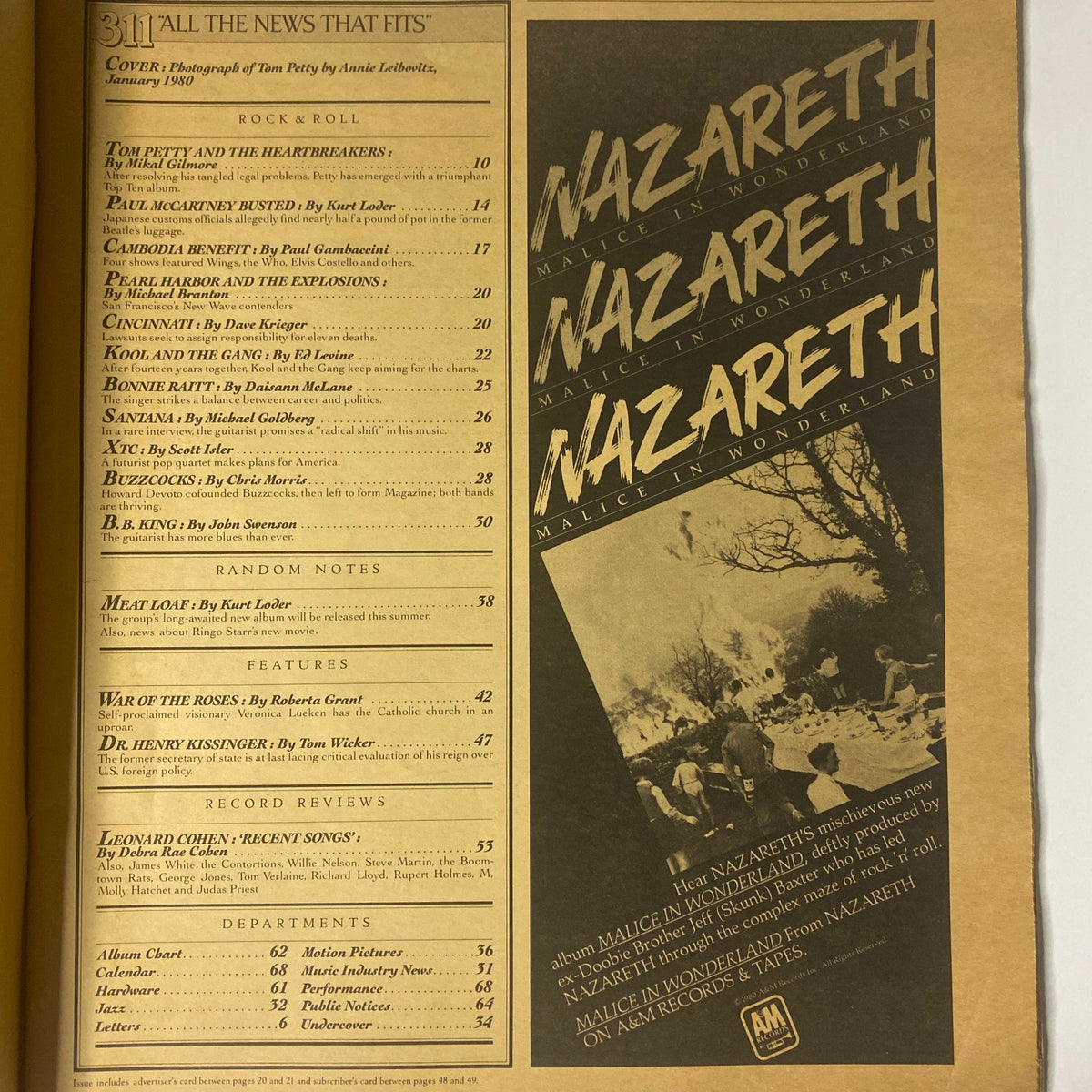
To hold one of these original issues is to hold time itself — the slight yellowing at the page corners, the faintly sweet chemical scent of decades-old ink, the full-bleed photographs that no phone screen can replicate in weight or warmth. The advertisements alone are a portal: the cigarette brands, the cassette decks, the concert ticket hotlines that frame his story within its true cultural moment, reminding you that this was news when it happened, not nostalgia assembled after the fact. Each page turn is a tactile act of remembrance — the crinkle of paper stock that was never meant to last this long, now precious precisely because it has. There is something irreplaceable about reading a 1980 profile of him in the original magazine it was published in — the fonts, the layout, the surrounding context of that specific cultural moment all intact, undisturbed, exactly as a reader first encountered it decades ago. These were the dispatches fans read by lamplight, tore from the staple, and pinned to their walls — physical proof that something real was happening, and that the world had paused long enough to document it. His interviews from this period carry a candor that the modern press cycle rarely permits — long-form and unfiltered, the kind of unhurried access that no algorithm could curate and no digital reproduction can fully honor. A vintage magazine is not merely a document; it is an artifact of attention, a record of the cultural conversation happening at the precise moment the ink met the page. For collectors of classic rock memorabilia, American music history, or 1970s–90s pop culture ephemera, these publications offer an irreplaceable primary source — intimate, authoritative, and utterly unmediated by the internet age. Explore the current available inventory below and claim the piece of that era that belongs in your collection.