📖 About this Collection
Tom Seaver: The Arm That Carried a City's Heart
The Legend & The Legacy
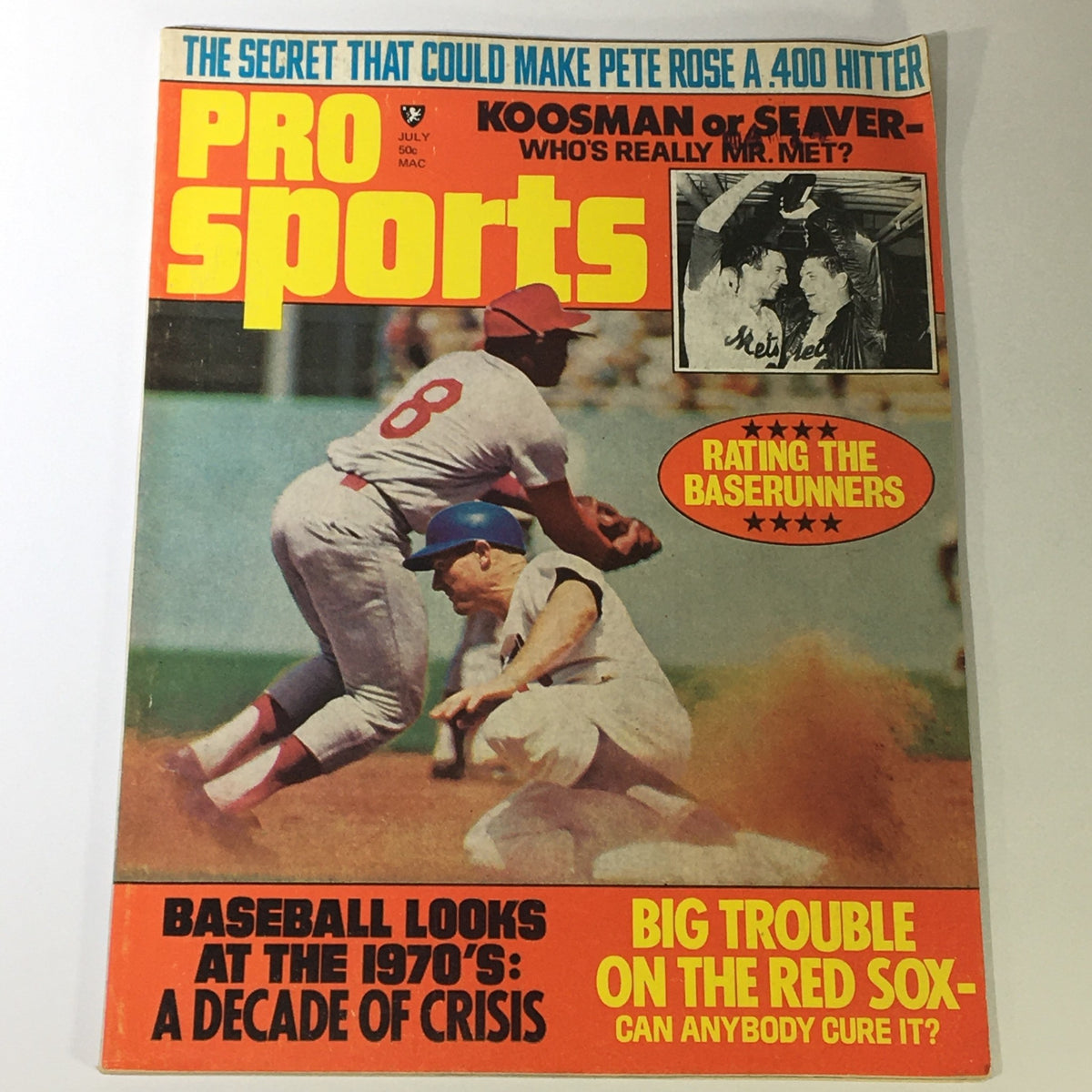
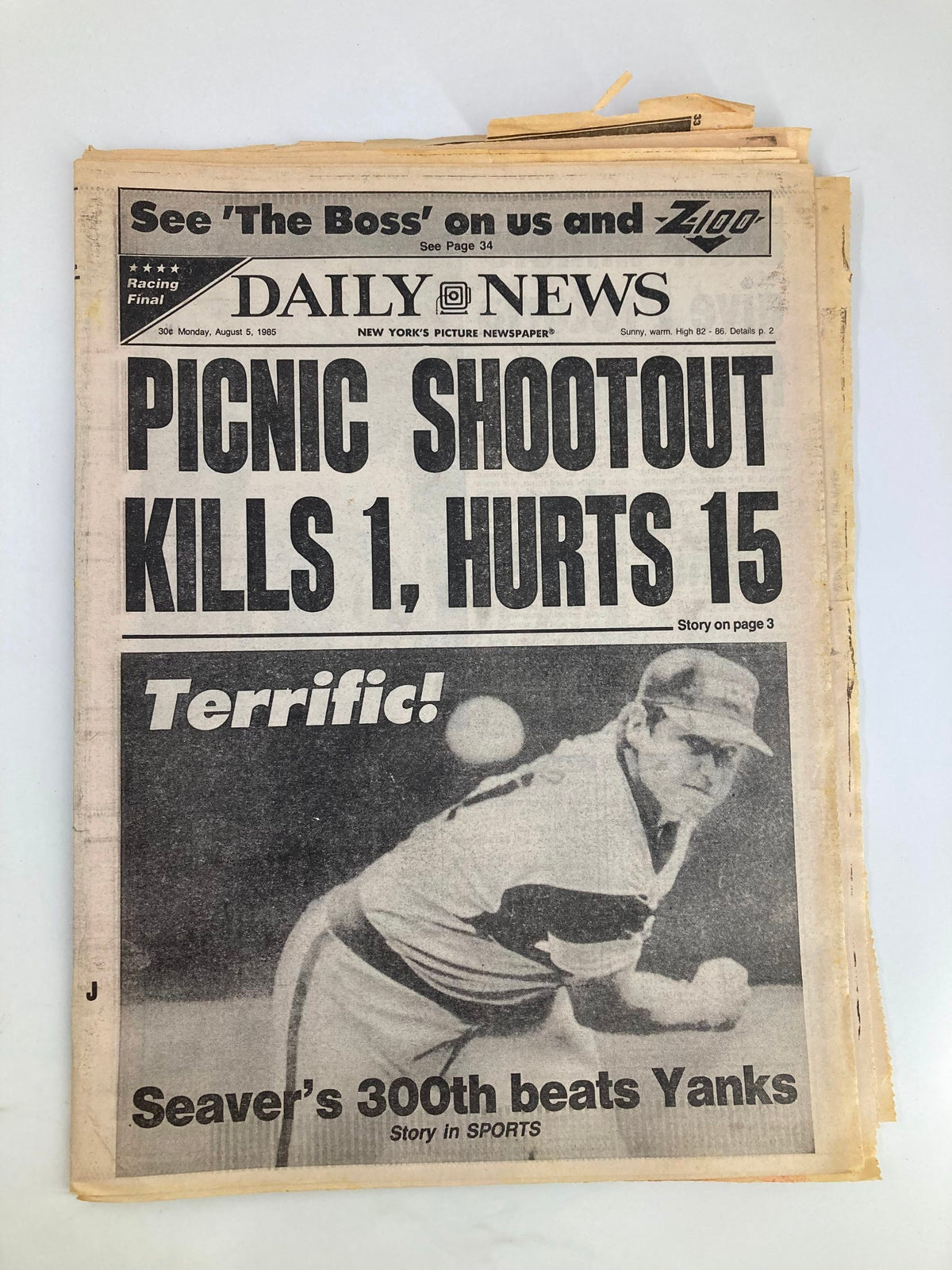
In an era when New York City felt like it was coming apart at the seams — scarred by urban unrest, political fracture, and a creeping cultural cynicism — Tom Seaver gave the city something it desperately needed: a reason to believe. As the ace of the 1969 "Miracle Mets," he didn't merely pitch baseball games; he authored one of the most improbable championship narratives in American sports history, transforming a franchise that had been a punchline into a pennant winner in the span of a single, electric season. Fans didn't stream highlights on a phone or scroll through takes — they lived it through the morning paper, the evening broadcast, and above all, the glossy pages of the weekly and monthly magazines that arrived in the mailbox like a dispatch from something larger than ordinary life. Seaver's story — the clean-cut California kid with the drop-and-drive delivery, the three Cy Young Awards, the cerebral command on the mound — was told and retold in print, each issue a chapter in a saga that spanned the golden age of the National Pastime.
Inside the Archive
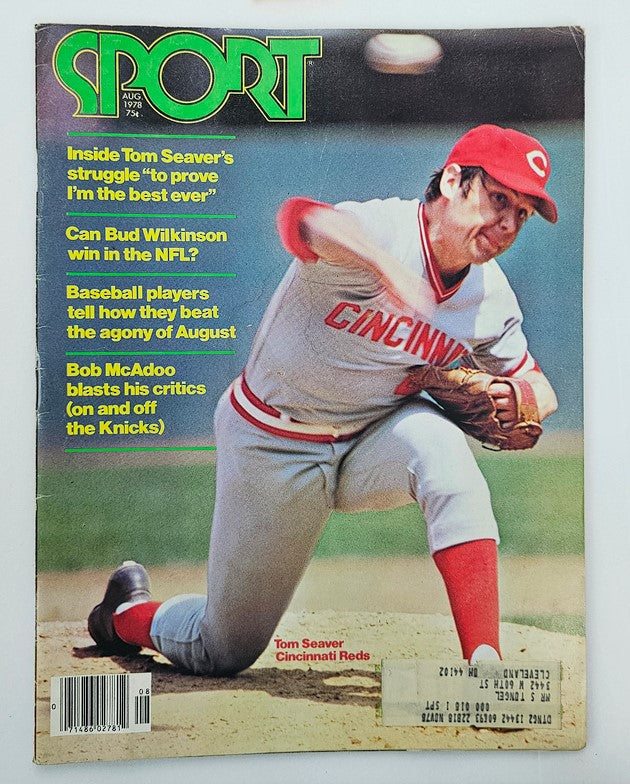
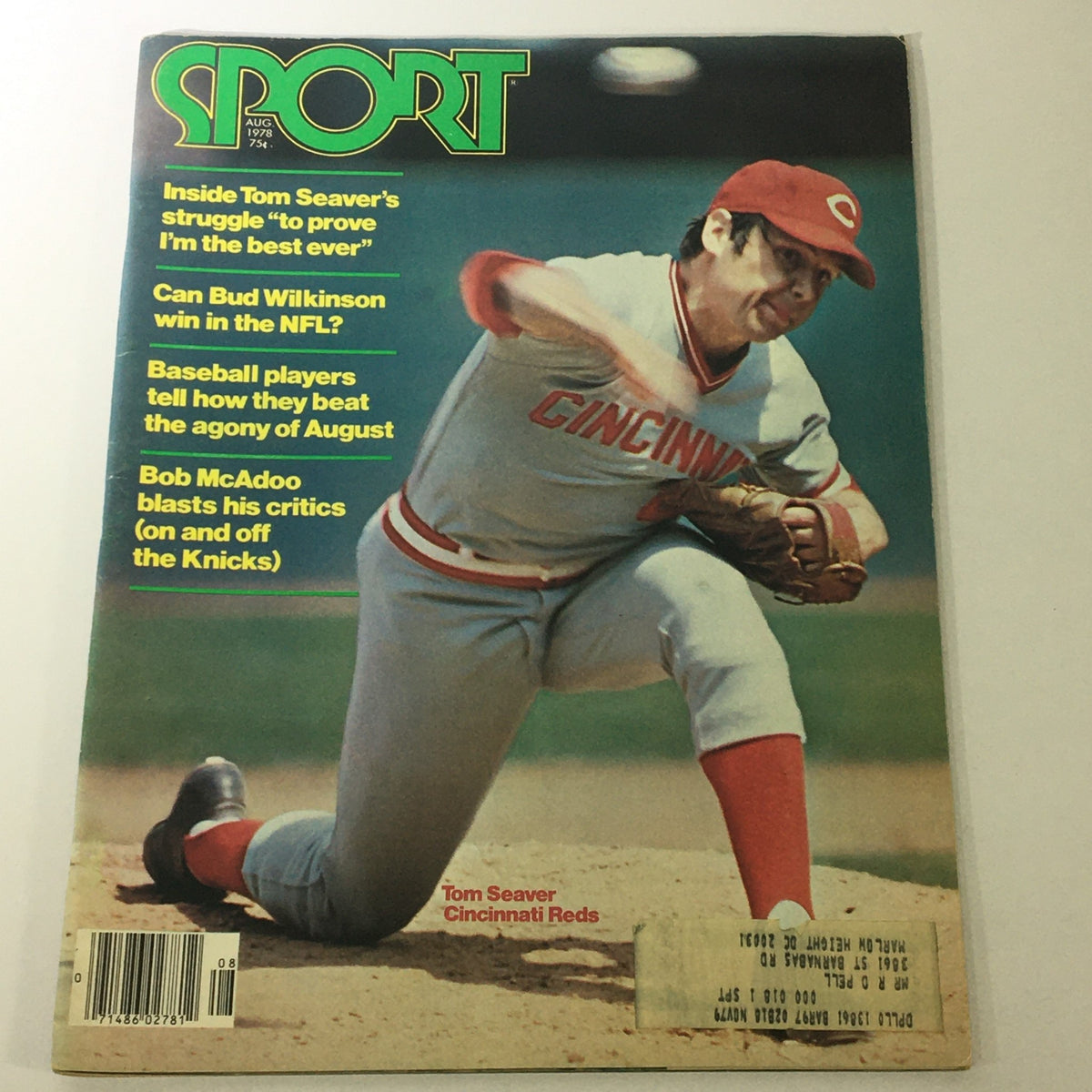
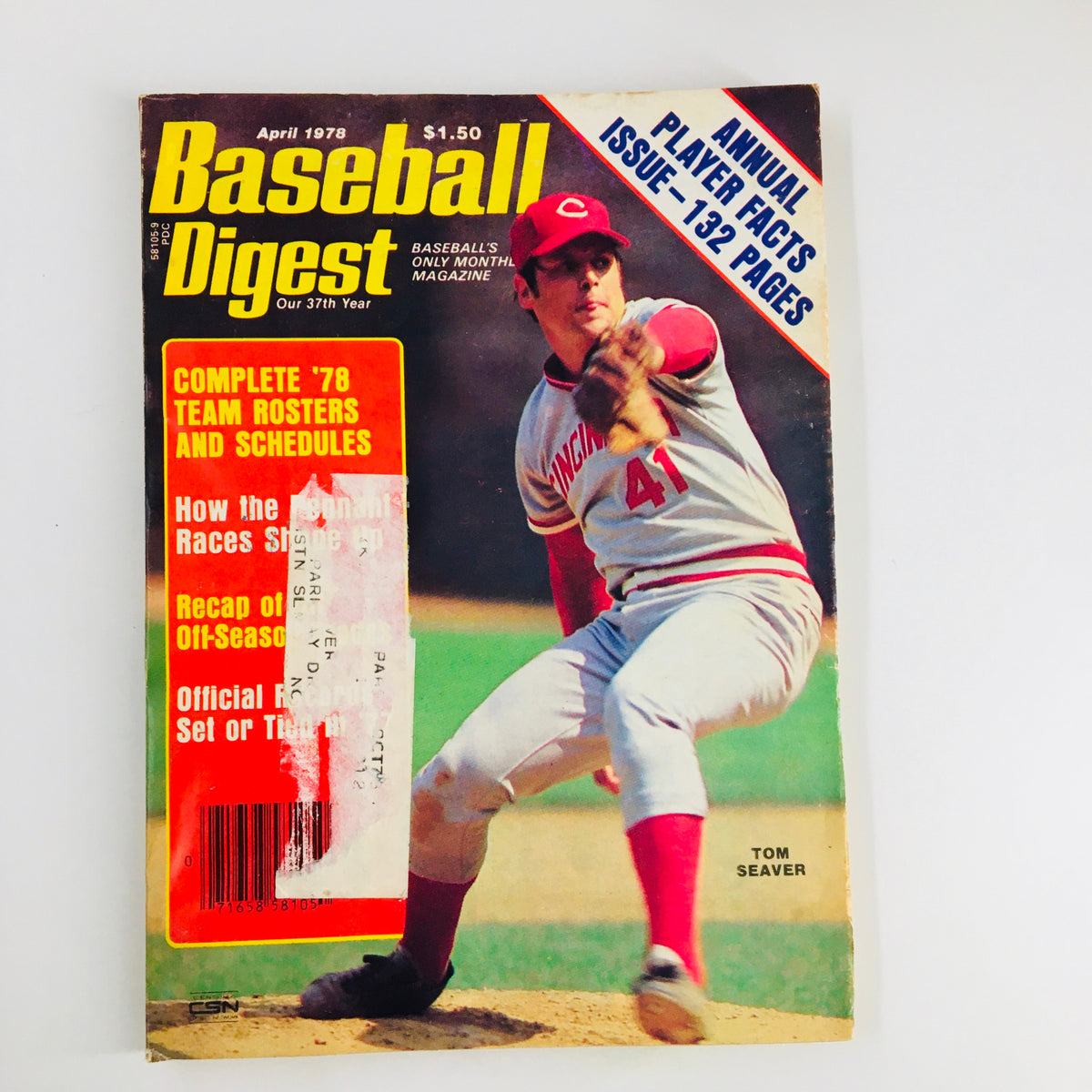
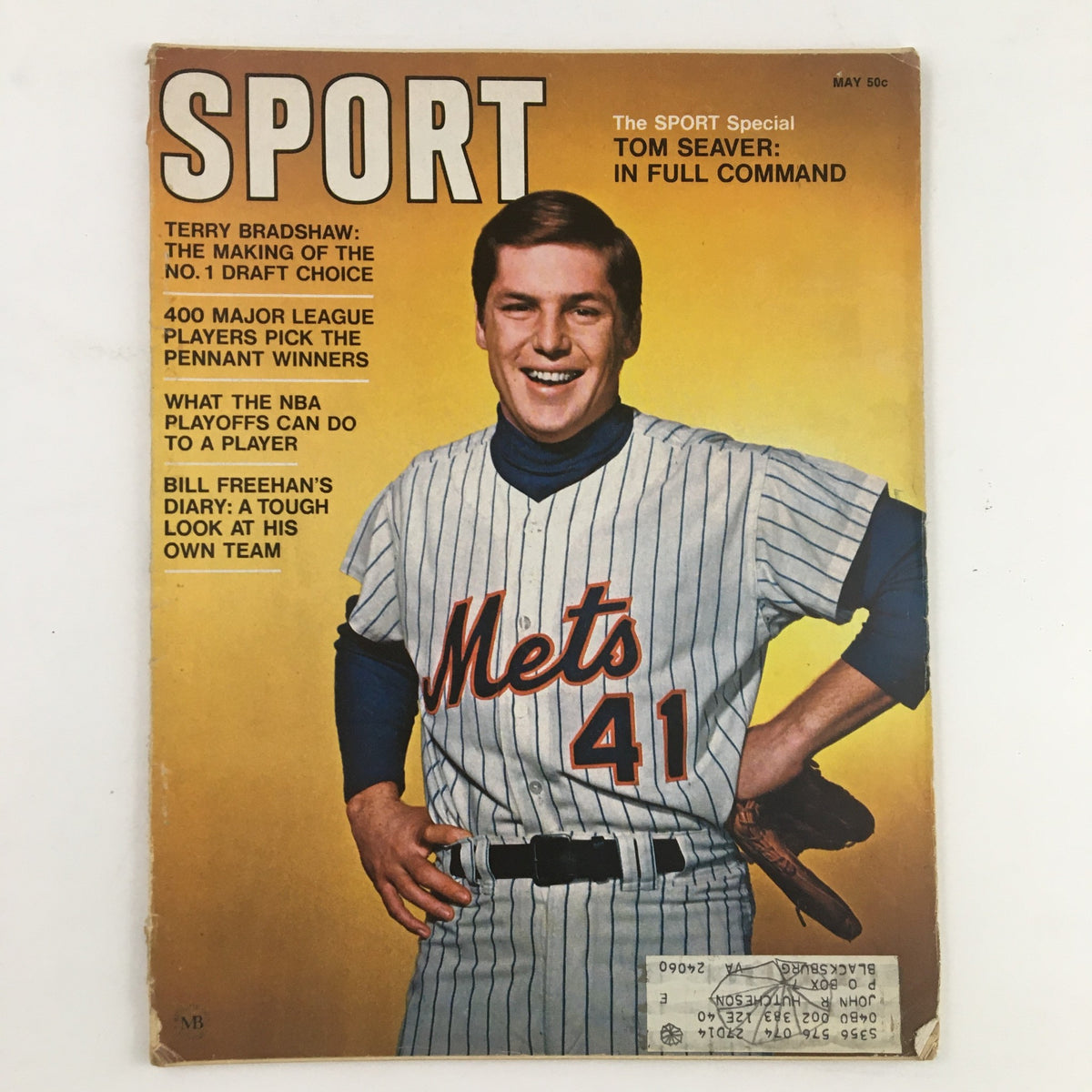
The magazines of Seaver's era treated him with the reverence usually reserved for statesmen and film stars. Sports Illustrated placed him at the center of its baseball universe repeatedly throughout the late 1960s and 1970s, commissioning photographers to capture the magnificent, low-release mechanics of his delivery — that iconic right knee grazing the Shea Stadium dirt, his entire body a coiled instrument of controlled violence. Time and Newsweek both recognized that his 1969 championship transcended sport, framing the Mets' triumph as a cultural phenomenon in a year already overloaded with history: the moon landing, Woodstock, Vietnam. Sport magazine, the prestige monthly dedicated entirely to the athletic life, profiled him with long-form intimacy, exploring the rare combination of physical dominance and intellectual seriousness that made him unlike almost any other player of his generation. The photography across these publications is consistently striking — stadium lights catching the white of his uniform, sideline portraits with a focused, almost philosophical gaze, celebratory locker room imagery soaked in the champagne and disbelief of October.
Curator's Checklist: Highlights Often Include
- 1969 World Series Championship coverage — Feature spreads and commemorative issues celebrating the Mets' stunning upset of the Baltimore Orioles, with Seaver frequently positioned as the spiritual and statistical engine of the run
- Cy Young Award seasons — In-depth profiles and cover appearances tied to his award-winning campaigns of 1969, 1973, and 1975, examining his pitching philosophy and unmatched consistency
- "Tom Terrific" era personality profiles — Long-form character studies from the early-to-mid 1970s exploring his reputation as baseball's thinking man, his outspoken nature, and his status as the face of the franchise
- The 1977 "Midnight Massacre" trade coverage — Emotional and journalistic retrospectives surrounding his shocking trade to the Cincinnati Reds, an event that genuinely shook the New York sporting public and generated a wave of reflective print coverage
- Career milestone and Hall of Fame induction features — Retrospective pieces from 1992 marking his near-unanimous election to Cooperstown, revisiting his 311 wins and 3,640 strikeouts through the lens of a complete and celebrated legacy
The Collector's Value
To hold one of these original issues is to hold a piece of New York — and of baseball — at its most mythologically charged. The paper itself tells the story of the era: the slightly heavier stock of a 1969 Sports Illustrated, the faint, sweet mustiness of ink and coated page that no digital archive can replicate, the surrounding advertisements for Vitalis hair tonic, Chevrolet Impalas, and Marlboro cigarettes that place you irrevocably in the America that watched Tom Seaver pitch. These are not reprints or commemorations — they are primary sources, printed in the very weeks and months that history was being made, handled by readers who genuinely did not know how the story would end. For collectors of vintage baseball memorabilia, New York Mets history, or golden-age American sports journalism, these publications offer an irreplaceable portal into the living, breathing moment — a tactile connection to an era of the game that exists nowhere else with quite this authenticity and intimacy. Explore the current inventory below and discover which pieces of the legend are waiting to find their next keeper.