📖 About this Collection
Tom Selleck: The Man Behind the Mustache
The Legend & The Legacy
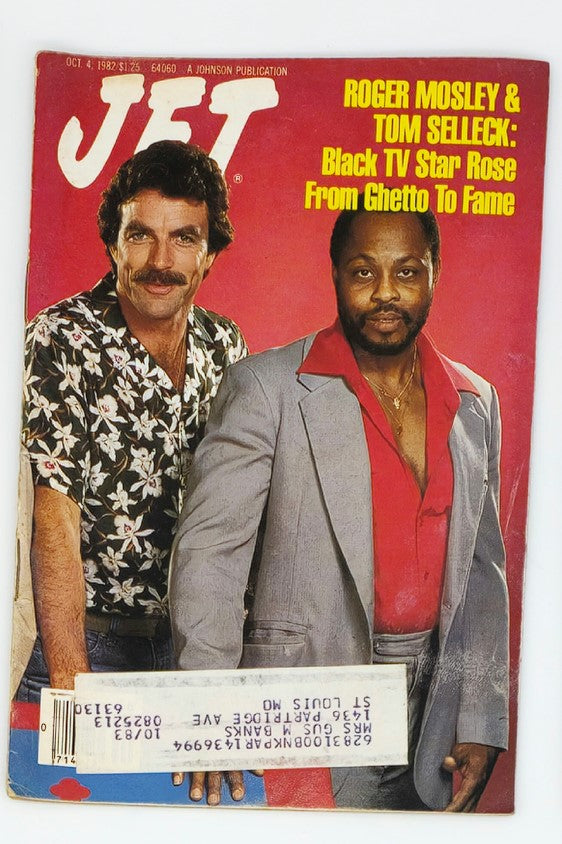
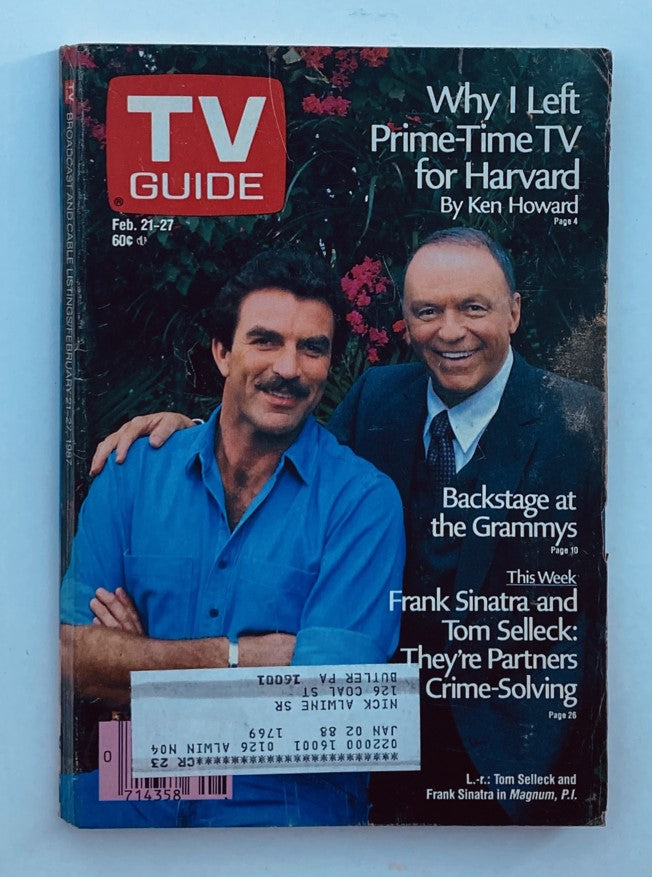
Few figures in American entertainment history embodied a particular cultural moment as completely and effortlessly as Tom Selleck did in the 1980s. When Magnum, P.I. premiered in 1980, it didn't simply launch a television series — it crystallized an archetype: the rugged, warm-hearted, morally grounded American hero at a time when the nation was hungry for exactly that reassurance. In an era before social media, before streaming, before the parasocial intimacy of the internet, the public's relationship with a star was mediated entirely through the printed page. Fans knew him through the glossy covers of entertainment weeklies, the long-form profiles in lifestyle magazines, and the breathless spreads in fan publications that arrived by post and were kept in stacks beside the television set. His image — sun-bronzed, mustached, at once playful and quietly commanding — became one of the most recognizable in the world during a decade that elevated the television star to a cultural status previously reserved for film royalty. He represented something the 1980s desperately wanted to believe in: a leading man who was genuinely likeable.
Inside the Archive
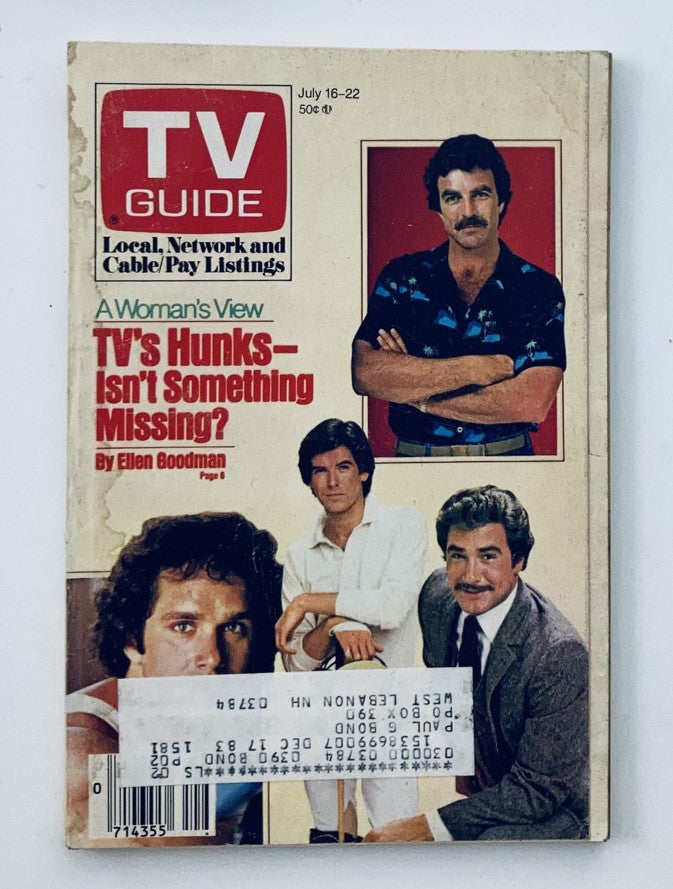
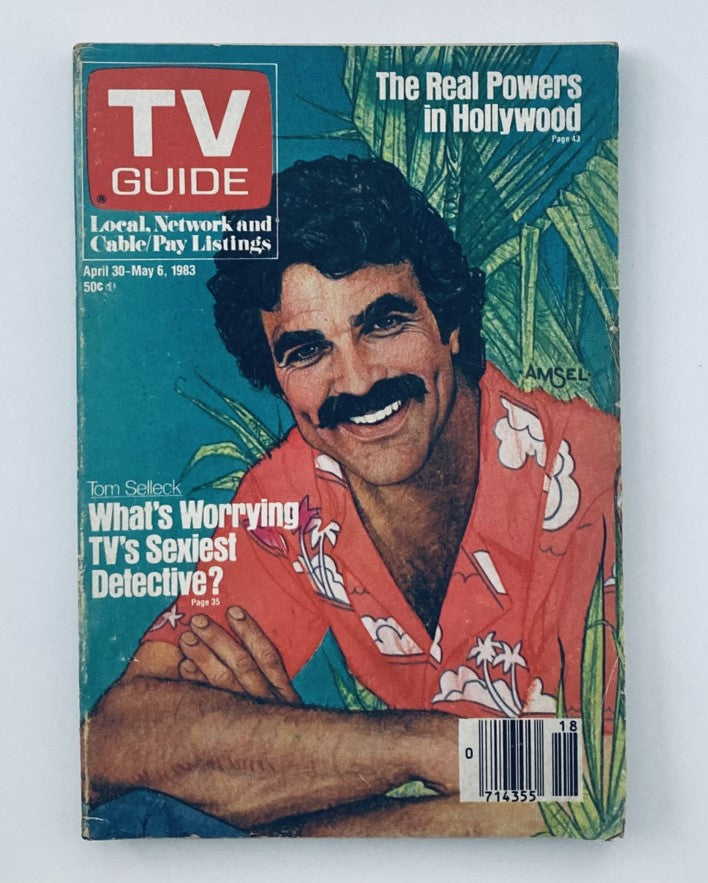
The photographic language used to portray him across the decade's most prominent publications was consistently cinematic — wide, sun-soaked location shots from Hawaii, images that conveyed both leisure and latent capability. Photographers leaned into the physical ease and natural charisma he projected on screen, and editorial teams rarely needed to construct a persona; it was simply there. People magazine, then at the absolute apex of its cultural authority, returned to him repeatedly throughout the 1980s, treating him as both a barometer of American masculine appeal and a genuinely compelling human story. TV Guide, the most-read periodical in the United States at its peak, featured him among its most coveted covers — issues that were kept, collected, and re-read in households from coast to coast. Internationally, publications such as the UK's Woman's Own and Germany's Bunte recognized that his appeal transcended language and geography, dispatching correspondents and photographers to profile the man who had, almost overnight, become the Western world's favorite television star. The editorial tone across these publications was notably warm rather than sensational — a reflection of the genuine goodwill his public image commanded.
Curator's Checklist: Highlights Often Include
- Peak Magnum, P.I. coverage (1980–1988): Season premiere features, cast profiles, and on-location photo essays from Hawaii that captured the sun-drenched visual identity of the era's most-watched drama
- The near-miss with Indiana Jones: Editorial retrospectives and profile pieces that touched on his famously close call with the role ultimately played by Harrison Ford — a Hollywood counterfactual that fascinated journalists and readers alike
- Awards season and industry recognition: Coverage surrounding his Emmy nominations and wins, placing him within the broader narrative of television's rising prestige during the 1980s
- The transition years (late 1980s–1990s): Magazine features documenting his move toward feature films — Three Men and a Baby, Quigley Down Under — and the critical conversation around whether a television icon could command the silver screen
- Lifestyle and personal profile pieces: Long-form interviews in publications like Ladies' Home Journal and McCall's that explored his ranch life, his values, and the private man behind the public mustache — the kind of intimate portraiture that only the unhurried format of print could sustain
The Collector's Value
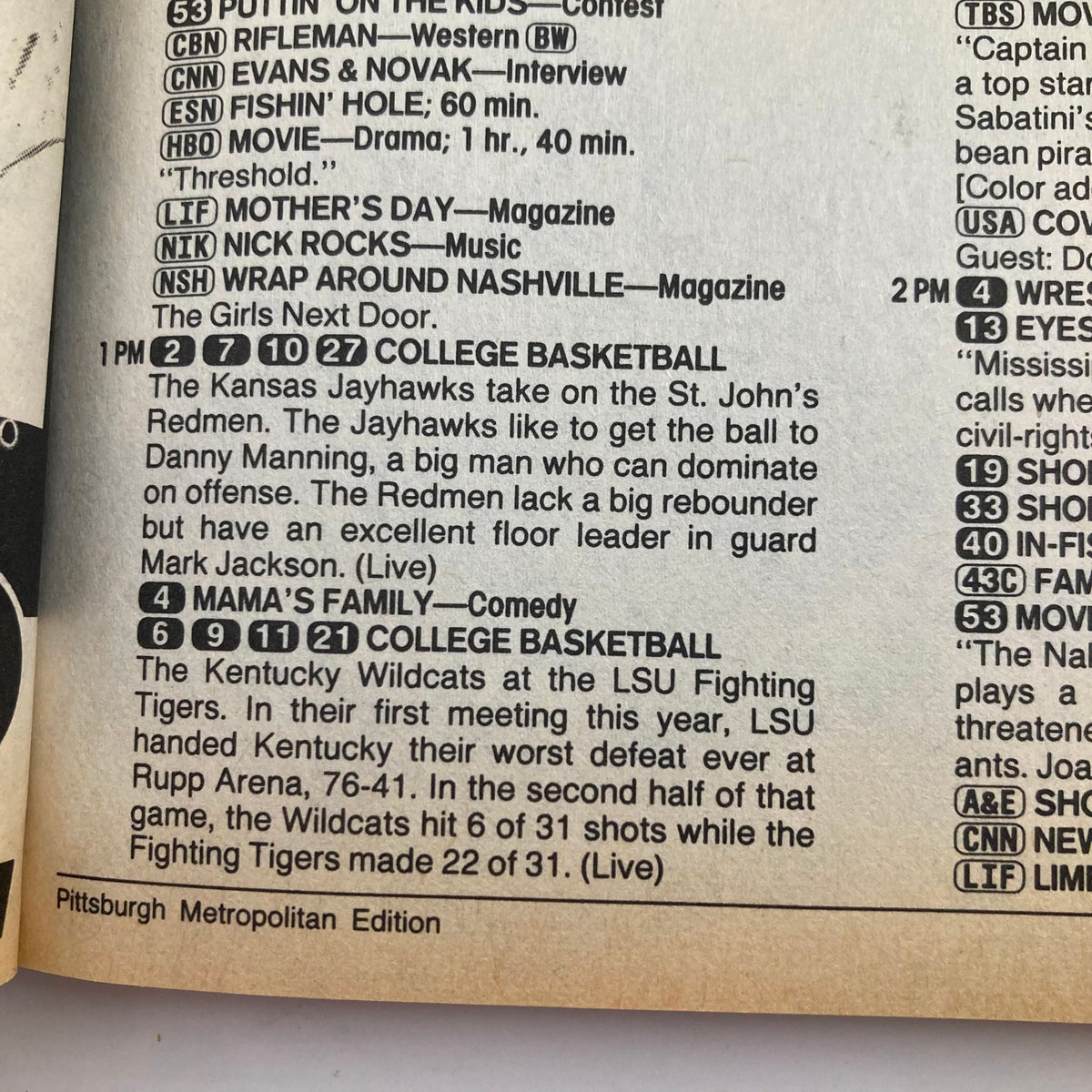
To hold one of these original issues is to hold a document of a specific, unrepeatable cultural mood. The paper stock of an early-1980s entertainment weekly has a particular weight and warmth to it — slightly heavier than today's coated pages, with an ink that, decades on, carries that unmistakable attic-sweetness of preserved print. The surrounding advertisements are themselves a time capsule: cologne brands, automobile manufacturers, and television network promotions that together reconstruct the commercial landscape of the Reagan era with startling completeness. These are not reprints, not digital scans, not licensed nostalgia products — they are primary sources, objects that existed in the world when the decade was still unfolding. For collectors of 1980s television memorabilia, Golden Age Hollywood and entertainment history, or American popular culture and vintage lifestyle ephemera, these publications offer something no streaming platform or digital archive ever can: the physical, tactile proof that a moment was real, that it was celebrated, and that it mattered. Browse the current available inventory below and discover which pieces of this extraordinary chapter in American entertainment history are waiting to find a new home.