📖 About this Collection
Tony Curtis: The Last Great Glamour of Hollywood's Golden Age
The Legend & The Legacy
Tony Curtis arrived in Hollywood like a thunderclap — a kid from the Bronx, born Bernard Schwartz, who reinvented himself so completely that he became one of the defining faces of mid-century American cinema. In the 1950s and 60s, before celebrity culture was manufactured by algorithms or publicists with Twitter accounts, the public fell in love with stars through the slow, deliberate ritual of the printed page. Curtis was everywhere — on newsstands, in waiting rooms, tucked under arms on subway cars. His chiseled jawline and dark, almost impossibly perfect features made him a natural obsession for the fan magazine industry, while his dramatic range — from the swaggering lead of Sweet Smell of Success to his celebrated comedic turn in Some Like It Hot — gave serious publications genuine reason to take notice. He was also, quietly, a man carrying the weight of a Jewish immigrant identity into the heart of an industry that had long asked its stars to sand down their origins. That tension, between the fabricated glamour and the real man beneath it, gave his public persona a depth that editors and photographers instinctively understood was worth chasing.
Inside the Archive
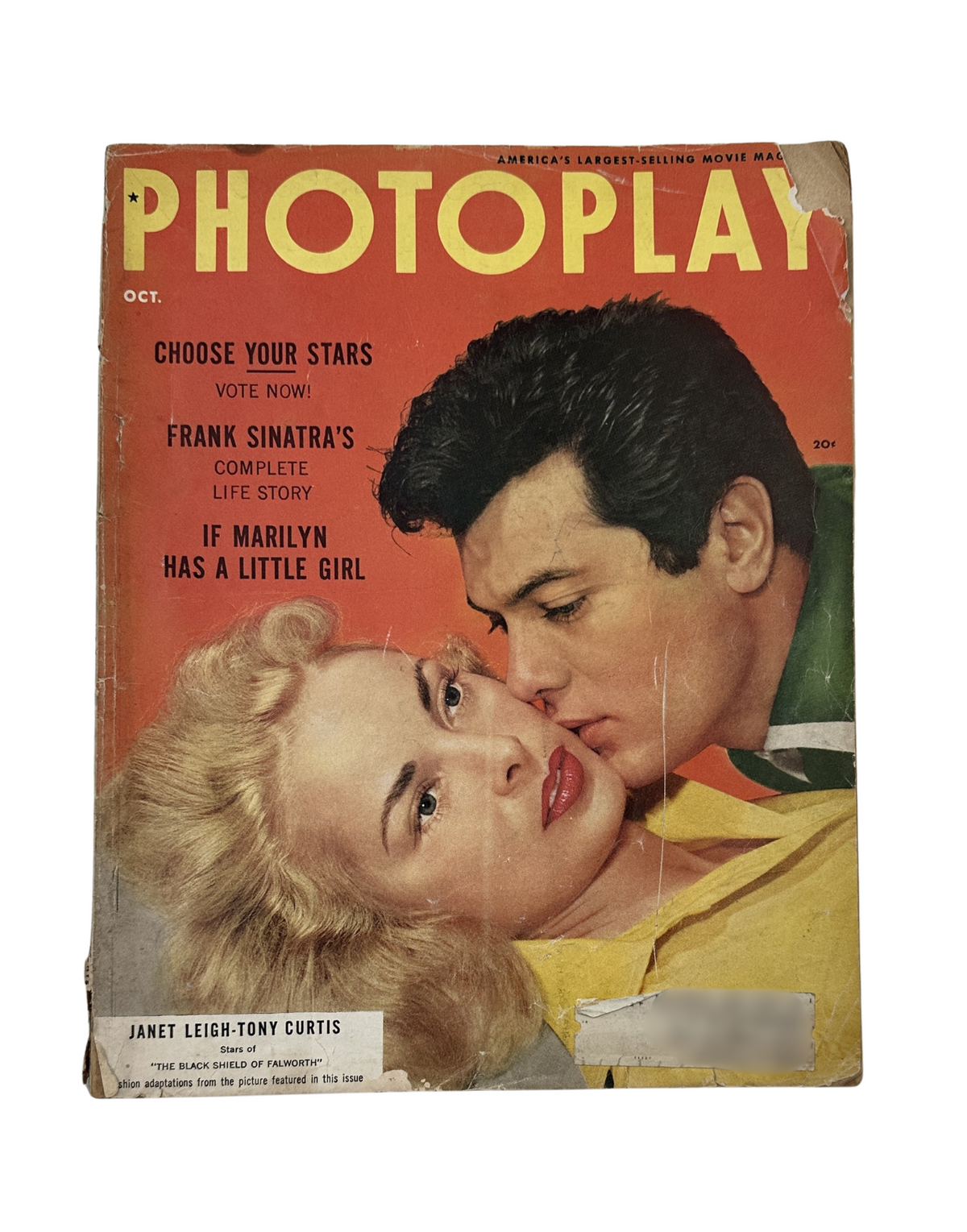
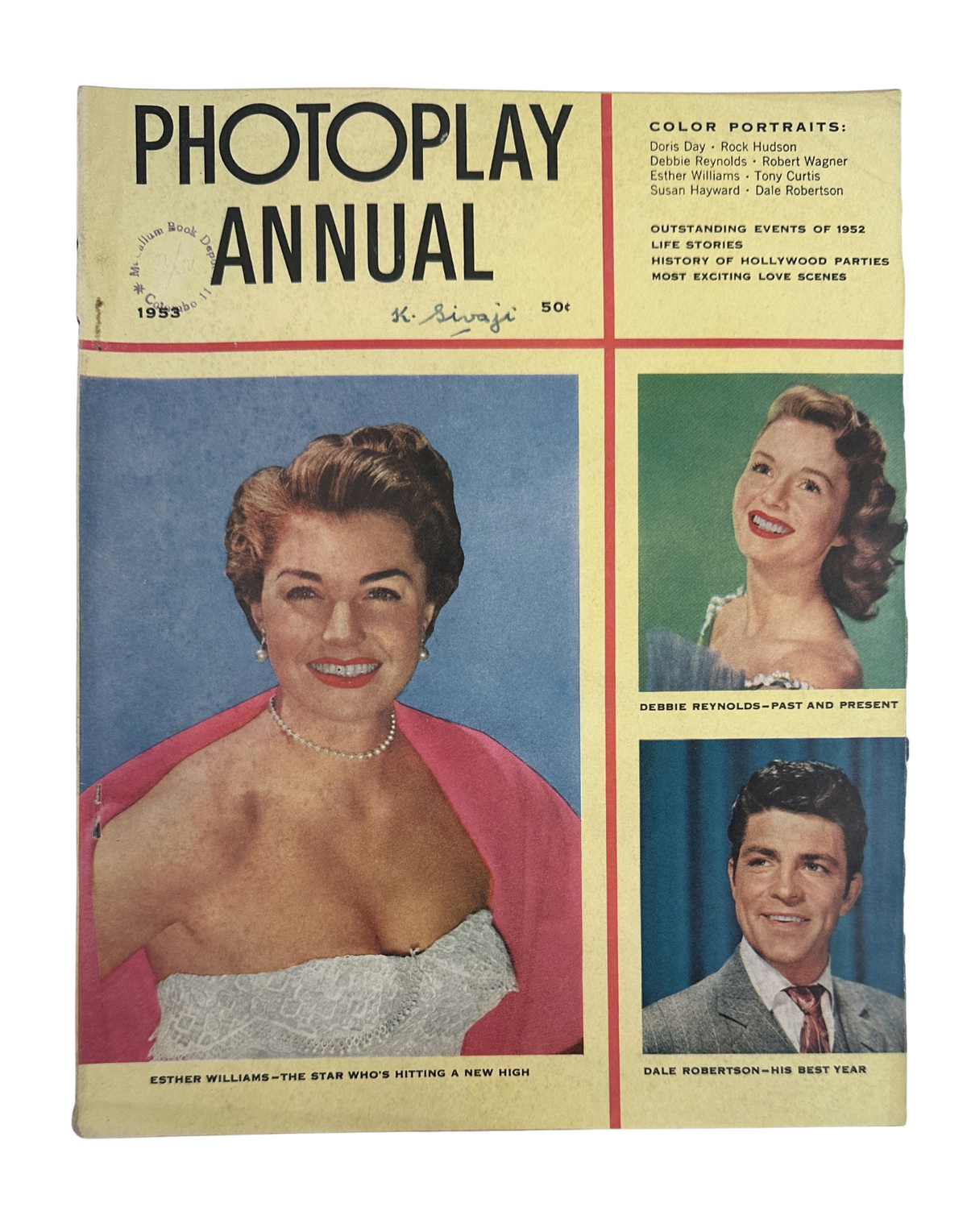
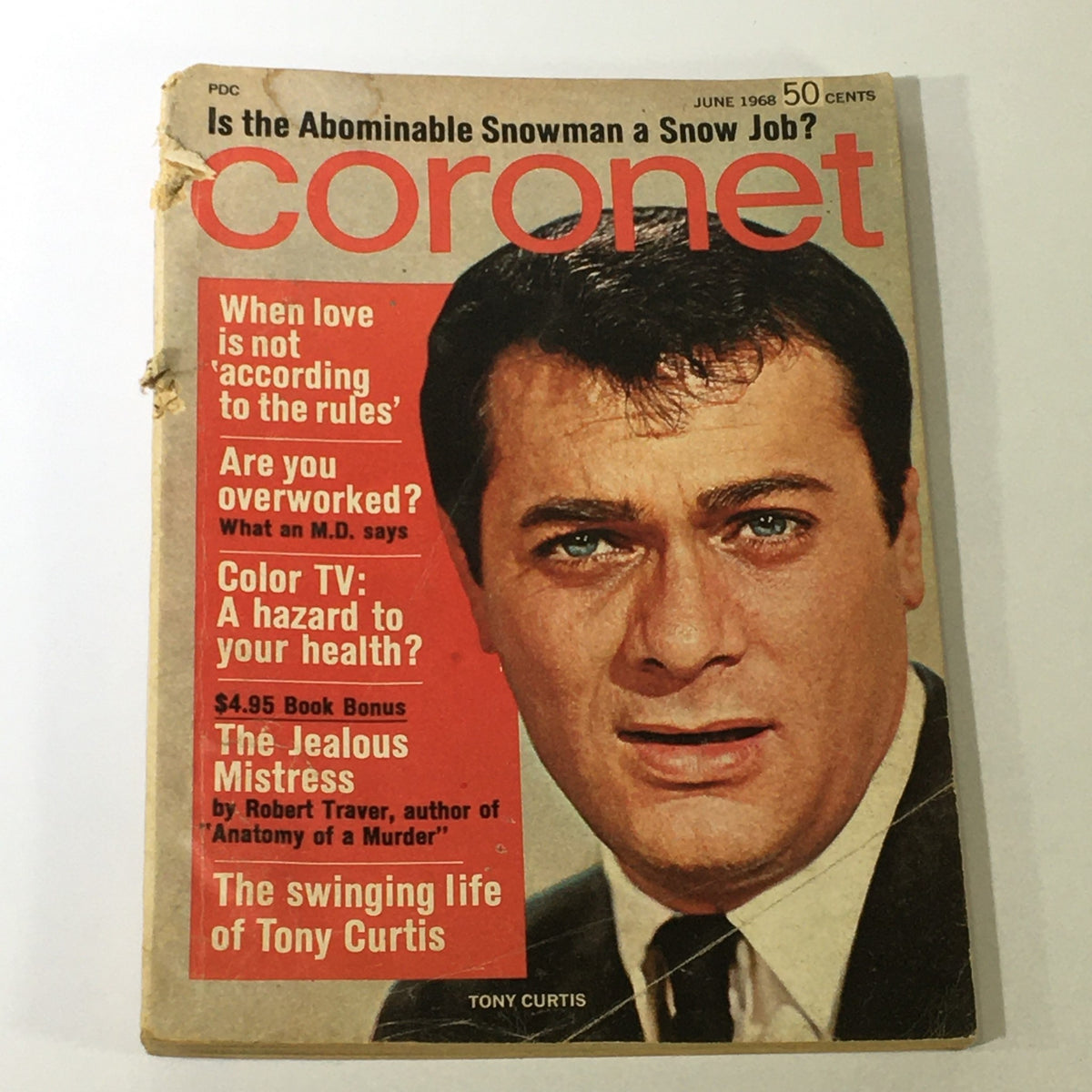
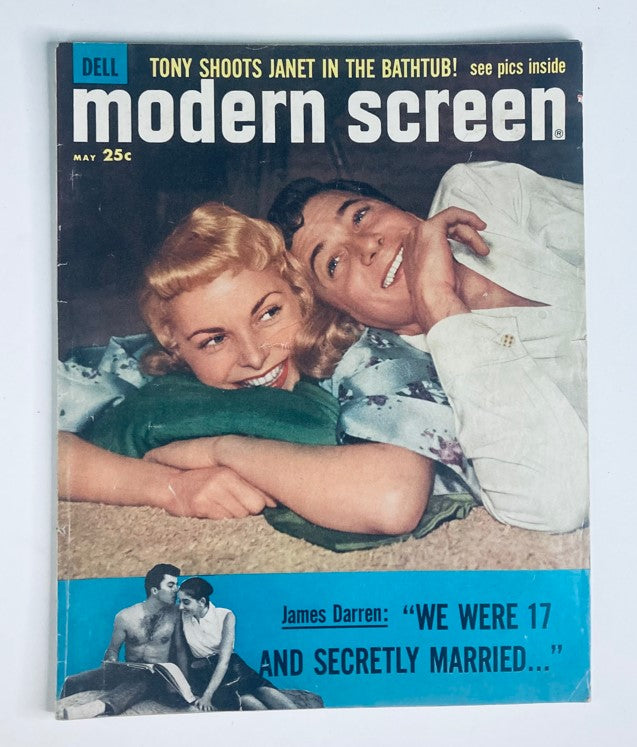
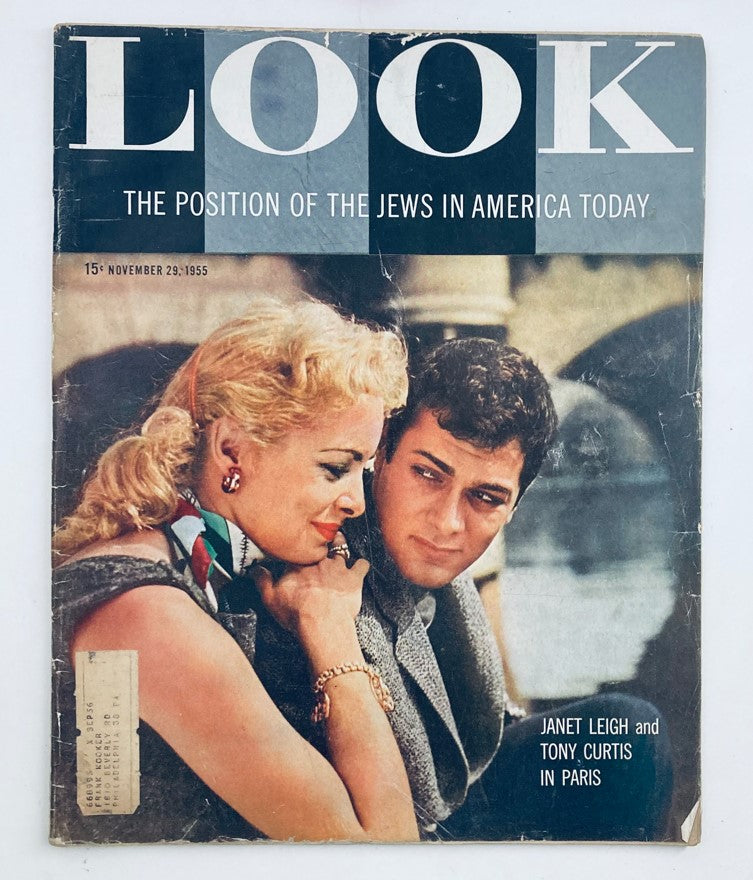
The magazines that covered Tony Curtis did so with a visual lavishness befitting his screen presence. Photographers like Sid Avery and the studio portrait artists at Universal captured him in the full tonal richness of mid-century black-and-white, as well as the saturated Technicolor tones of early color printing — images that communicated a warmth and physicality no digital screen has yet replicated. Life magazine, that great American chronicle, documented his rise as part of its broader coverage of Hollywood's postwar golden generation, framing him within the cultural optimism of Eisenhower-era America. The fan press — most prominently Photoplay and Modern Screen — treated him as royalty, running breathless cover features and intimate at-home spreads alongside his then-wife Janet Leigh, making the two of them one of the era's most photographed couples. International publications, particularly Paris Match, found in him a symbol of the American ideal abroad, a dark-haired, street-smart contrast to the blond, cornfed archetypes Hollywood also exported. The editorial tone ranged from reverential glamour to probing interviews that, by the late 1960s, began to grapple with a man whose career and personal life were growing more complicated and more honest.
Curator's Checklist: Highlights Often Include
- Golden Era cover features from the early-to-mid 1950s, when the star's meteoric rise made him one of the most sought-after faces in Hollywood — often paired with breathless headlines about his talent, his looks, and his love life
- Joint spreads with Janet Leigh, documenting one of the era's most glamorized marriages, including candid domestic photography that fan magazines used to construct the mythology of the perfect Hollywood household
- Production and set coverage tied to landmark films — period pieces exploring the making of Spartacus, The Vikings, or the comedic chaos behind the scenes of Some Like It Hot alongside Marilyn Monroe and Jack Lemmon
- Later-career profile journalism from the late 1960s and 1970s, reflecting a more candid, counter-cultural editorial voice grappling with a star navigating changing audience tastes, personal reinvention, and the collapse of the old studio system
- International editions — French, Italian, and German fan and entertainment weeklies — that treated him as an icon of American cultural export, with distinctly European editorial framing and photography not found in domestic publications
The Collector's Value
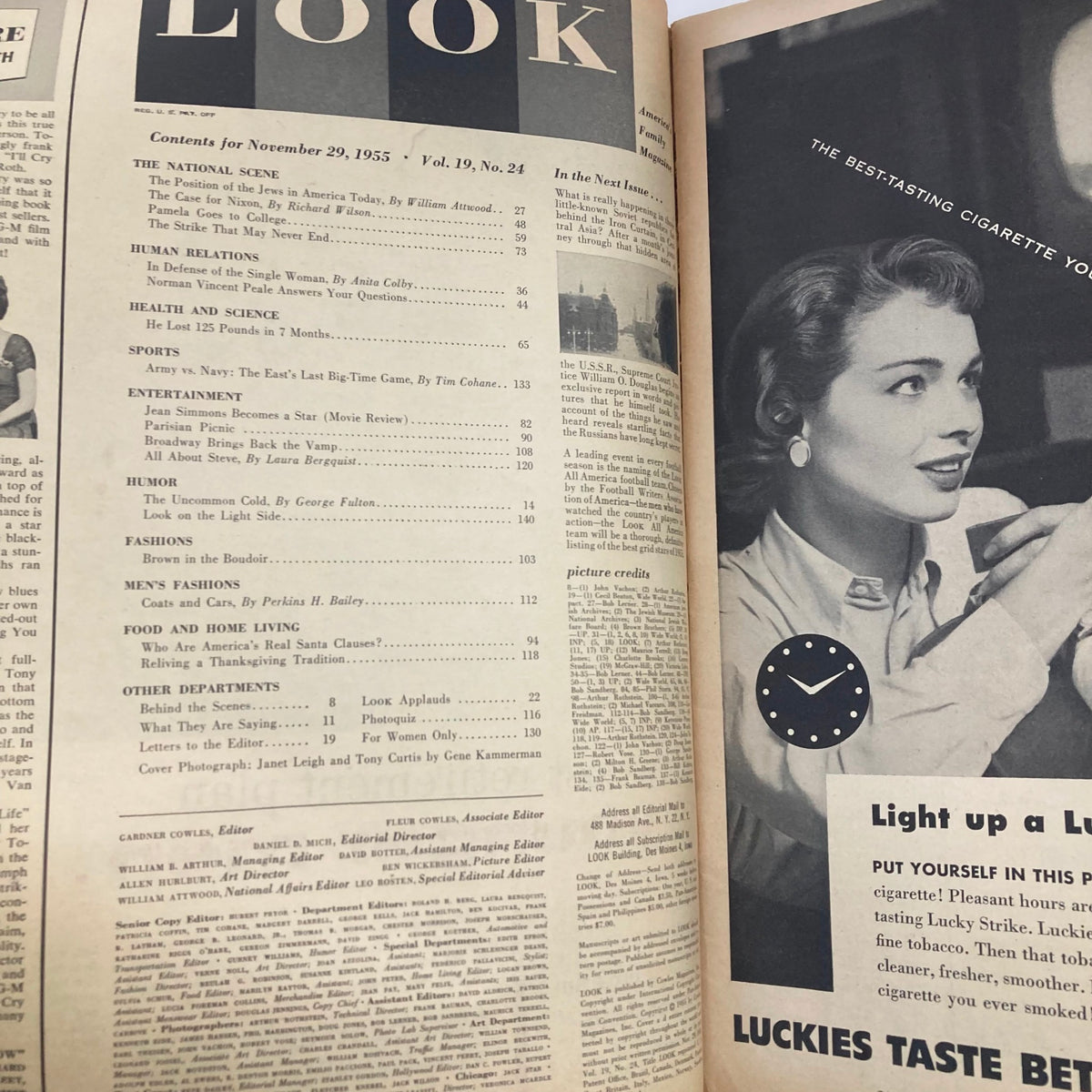
To hold one of these issues is to hold something the internet fundamentally cannot offer — the actual artifact of a moment. The paper stock of a 1957 Photoplay has a weight and texture that speaks to the craftsmanship of a pre-offset printing era; the ink carries a faint, unmistakable musk that collectors describe as something between a used bookshop and a darkroom. The advertisements surrounding the editorial content are themselves a time capsule — cigarette brands, Detroit automobiles, Cold War-era household appliances — that anchor these images of the star in their precise historical moment and remind you, viscerally, that this was not nostalgia when it was printed. It was now. For collectors of classic Hollywood memorabilia, mid-century Americana, or cinematic history, these publications offer an unmediated connection to the star system at its absolute apex — primary sources in the truest sense, untouched by retrospection or digitization. Explore our current available inventory below and find the issue that calls to you.