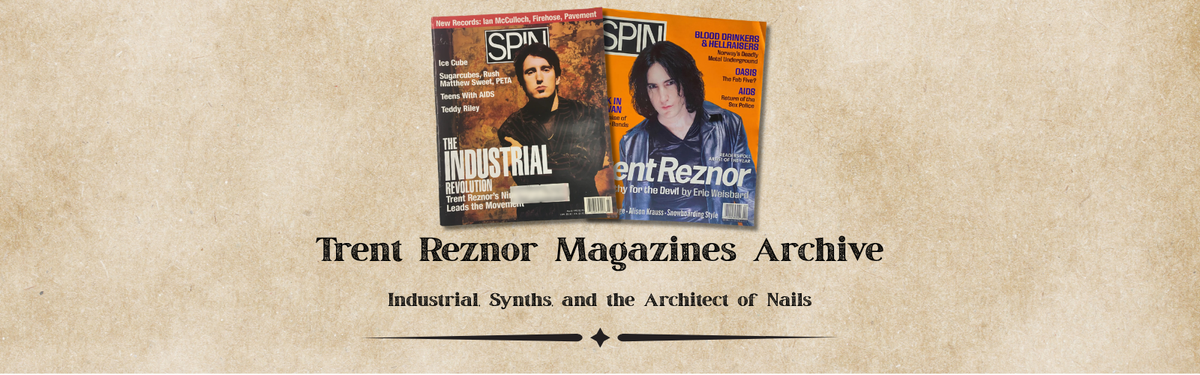
📖 About this Collection
Trent Reznor: The Signal in the Static
The Legend & The Legacy
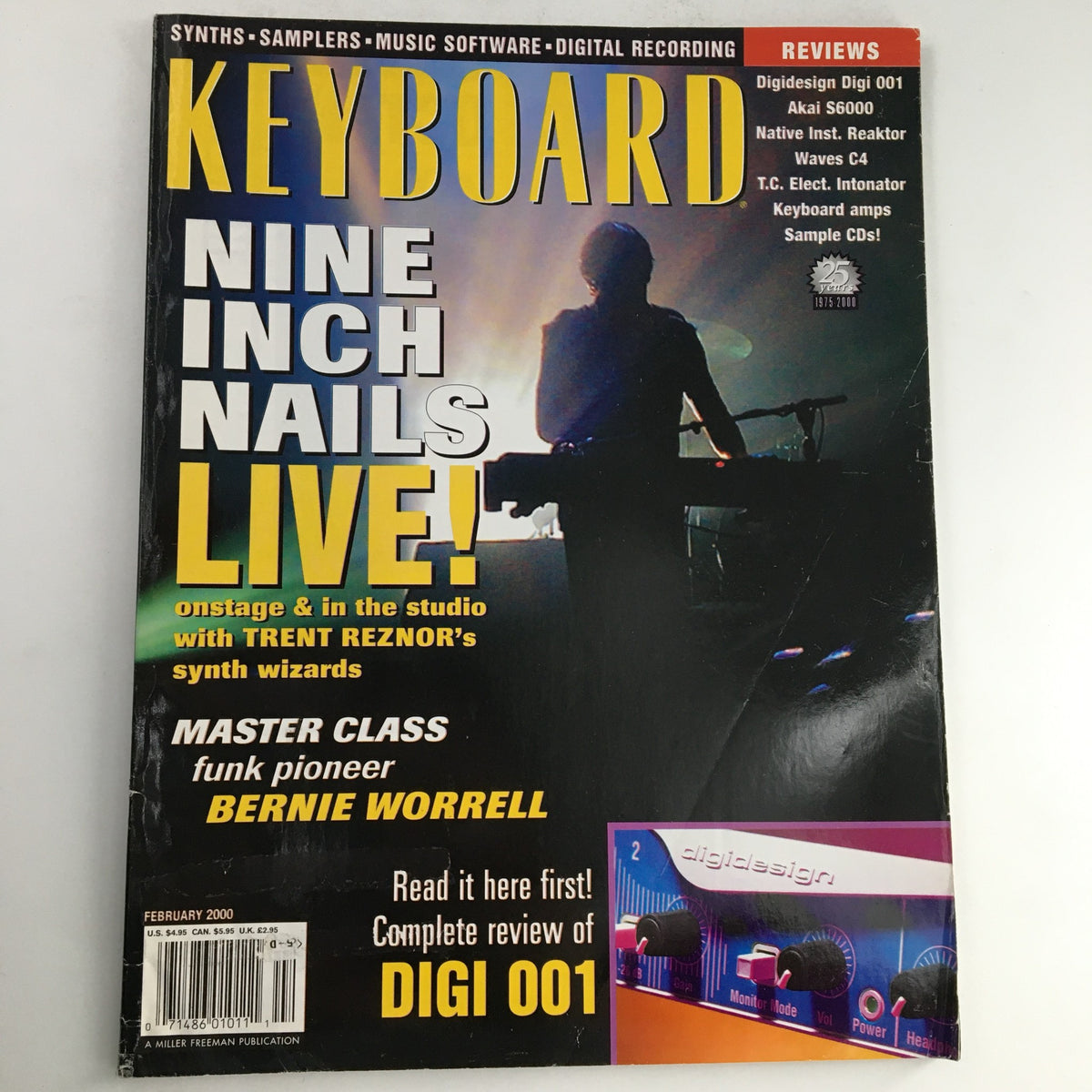
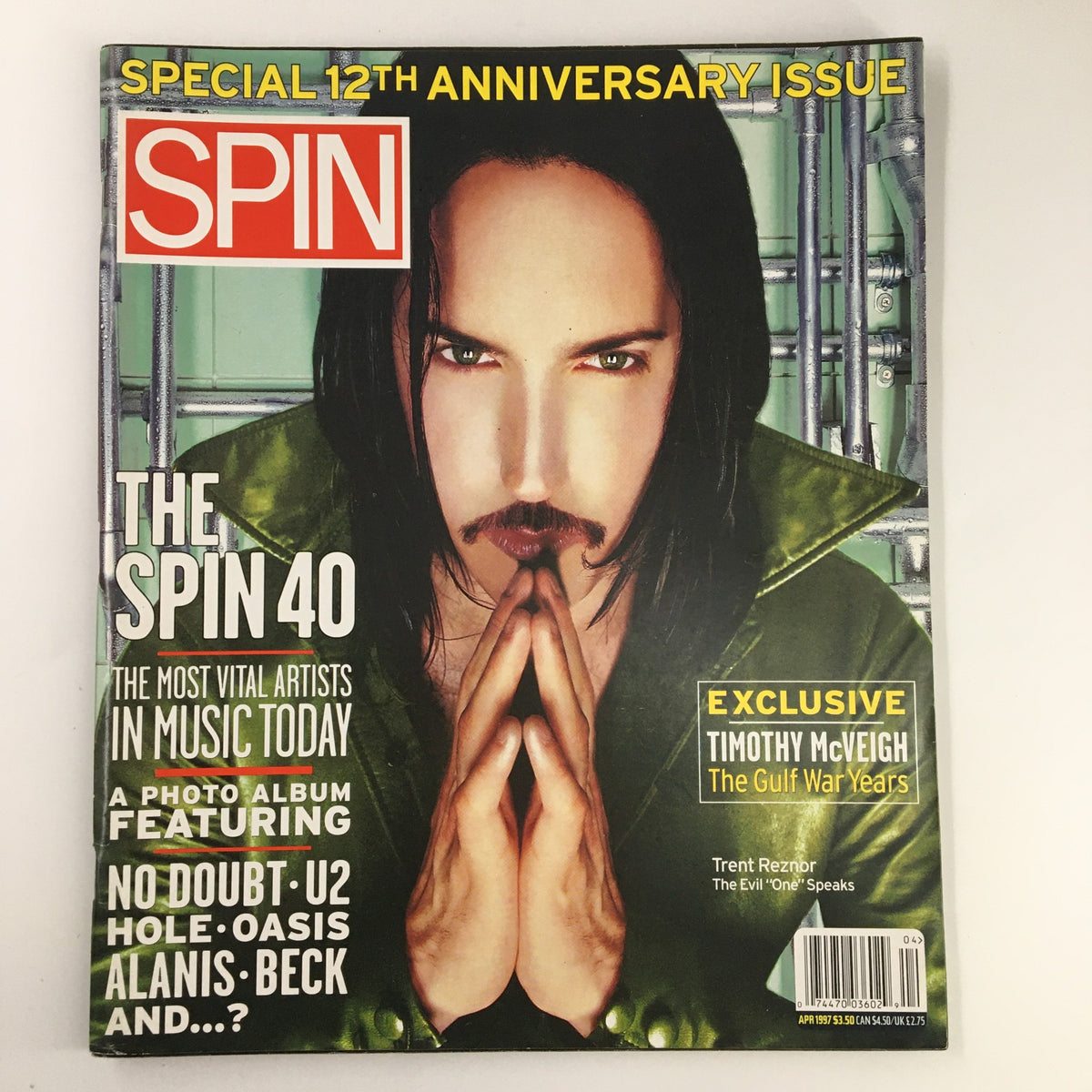
Before streaming playlists and algorithmic recommendations flattened the landscape of music discovery, there was a darker, more visceral signal cutting through the noise of the early 1990s — and it emanated from a one-man industrial juggernaut named Trent Reznor. As the architect of Nine Inch Nails, he did not simply record albums; he constructed entire emotional architectures out of distortion, silence, and confessional rage. Pretty Hate Machine, released in 1989, seeded itself quietly into the underground, while Broken and the era-defining The Downward Spiral detonated across the cultural landscape in ways that left an entire generation permanently altered. In an age when fans still learned about their icons through the printed page — through long-form interviews, full-spread photography, and carefully typeset criticism — Reznor became one of rock journalism's most compelling and elusive subjects. His refusal to play the celebrity game made every rare interview feel like a dispatches from some private inferno, and readers devoured them accordingly.
Inside the Archive
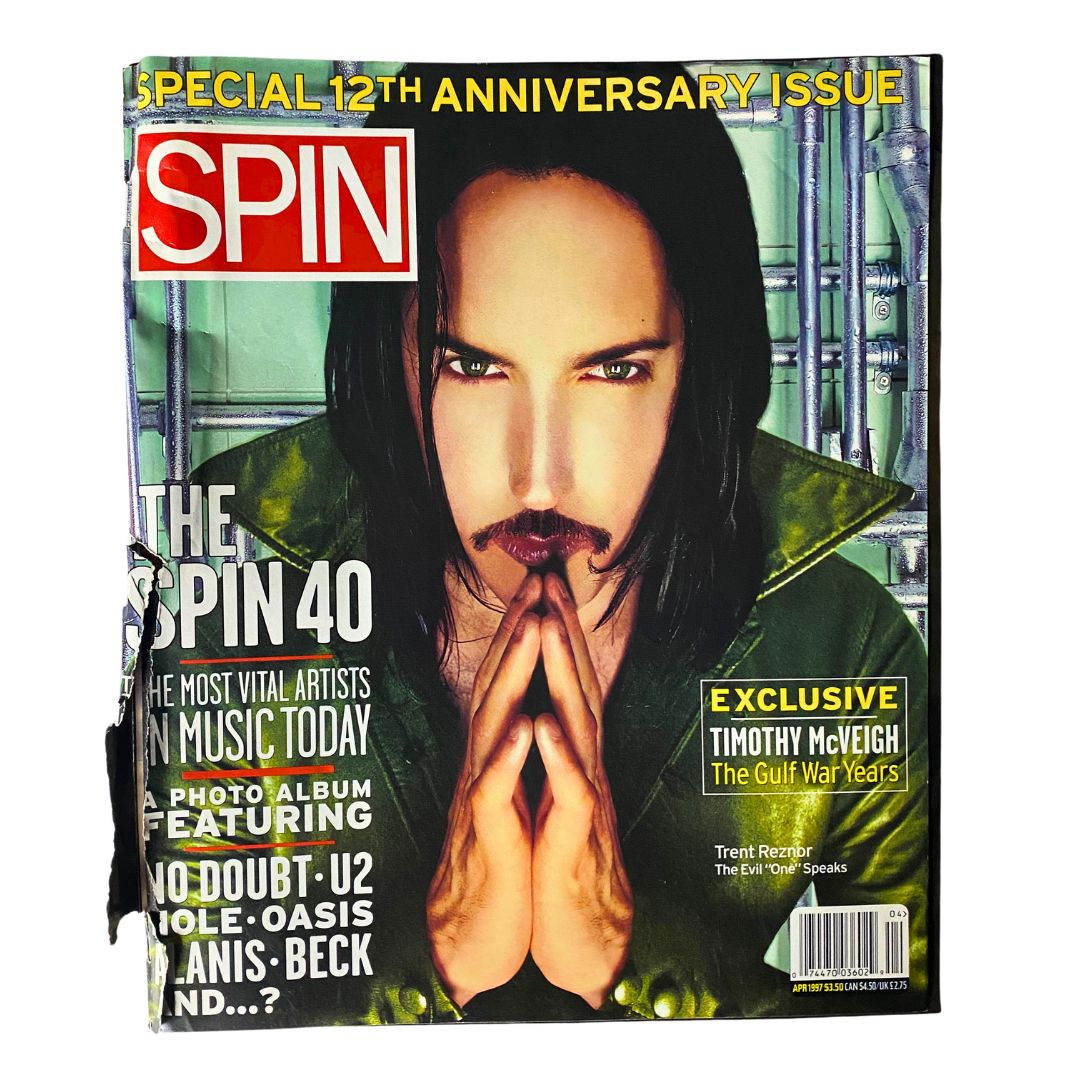
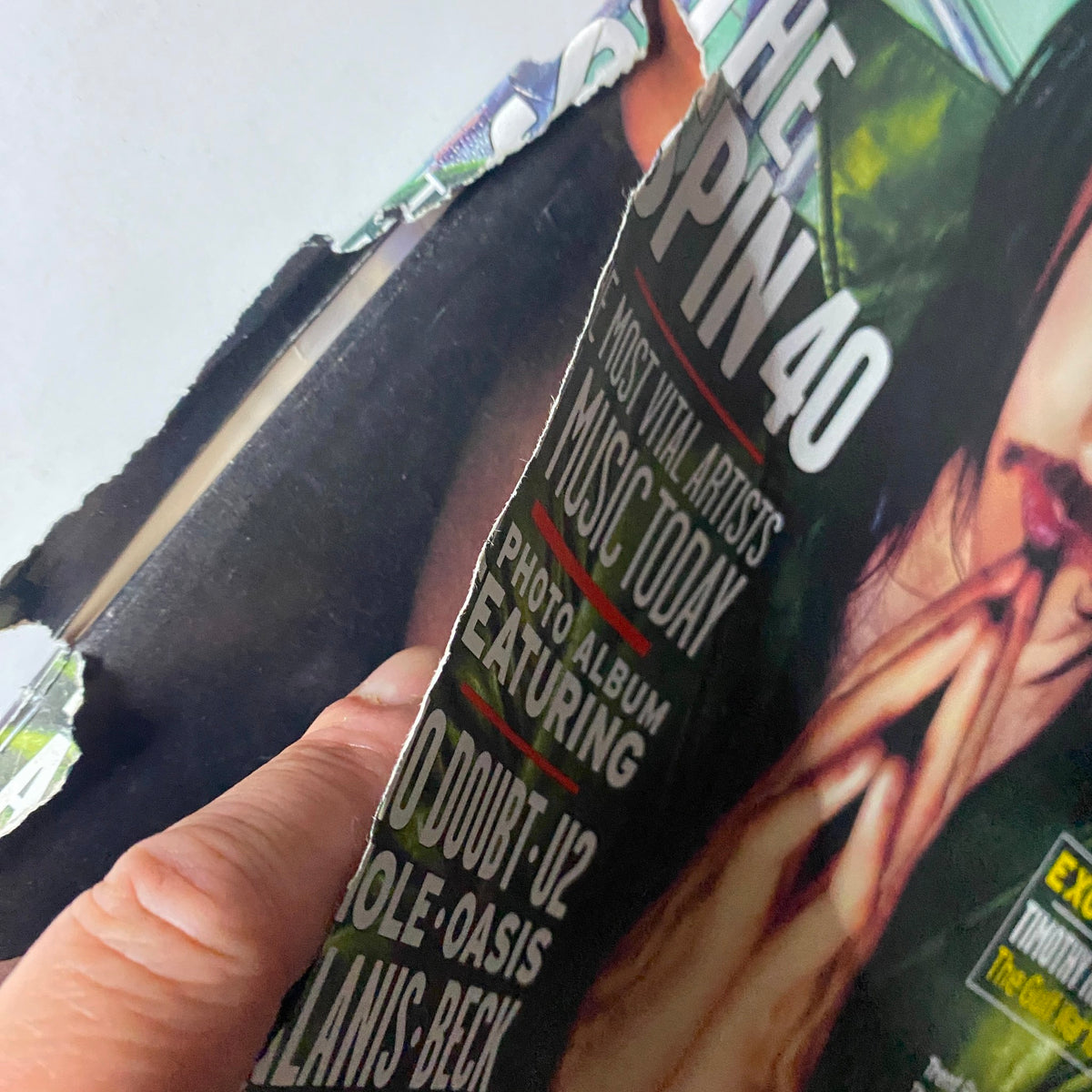
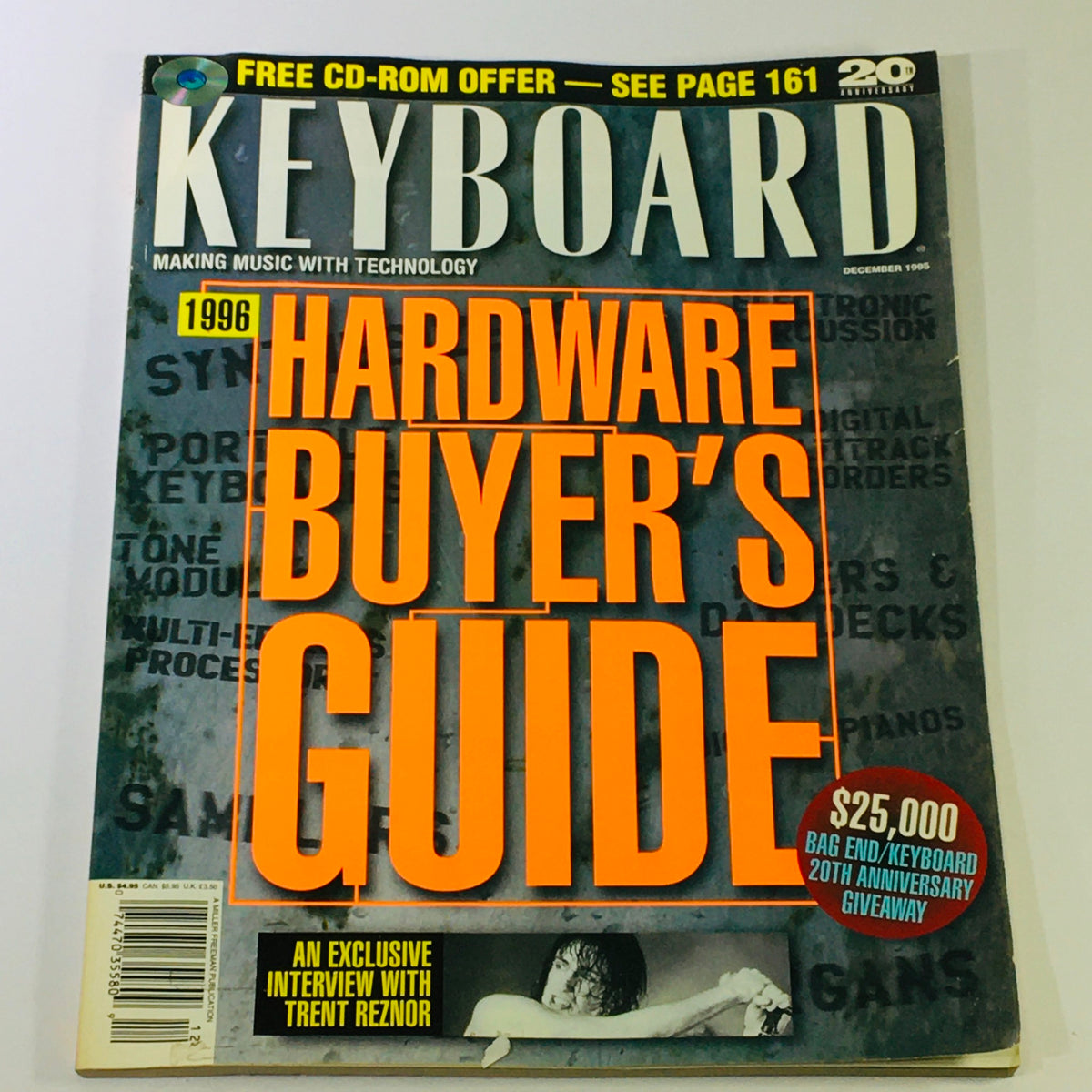
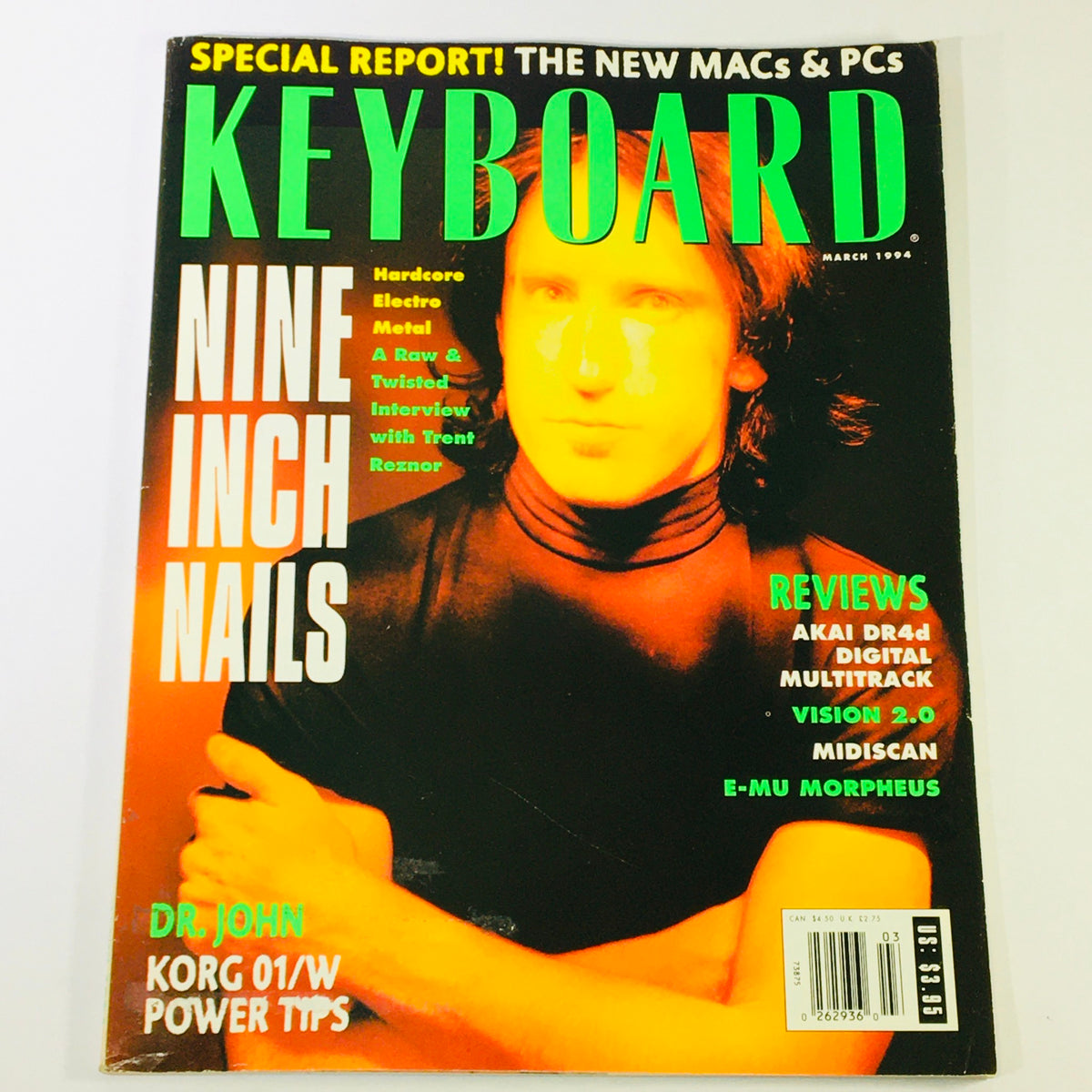
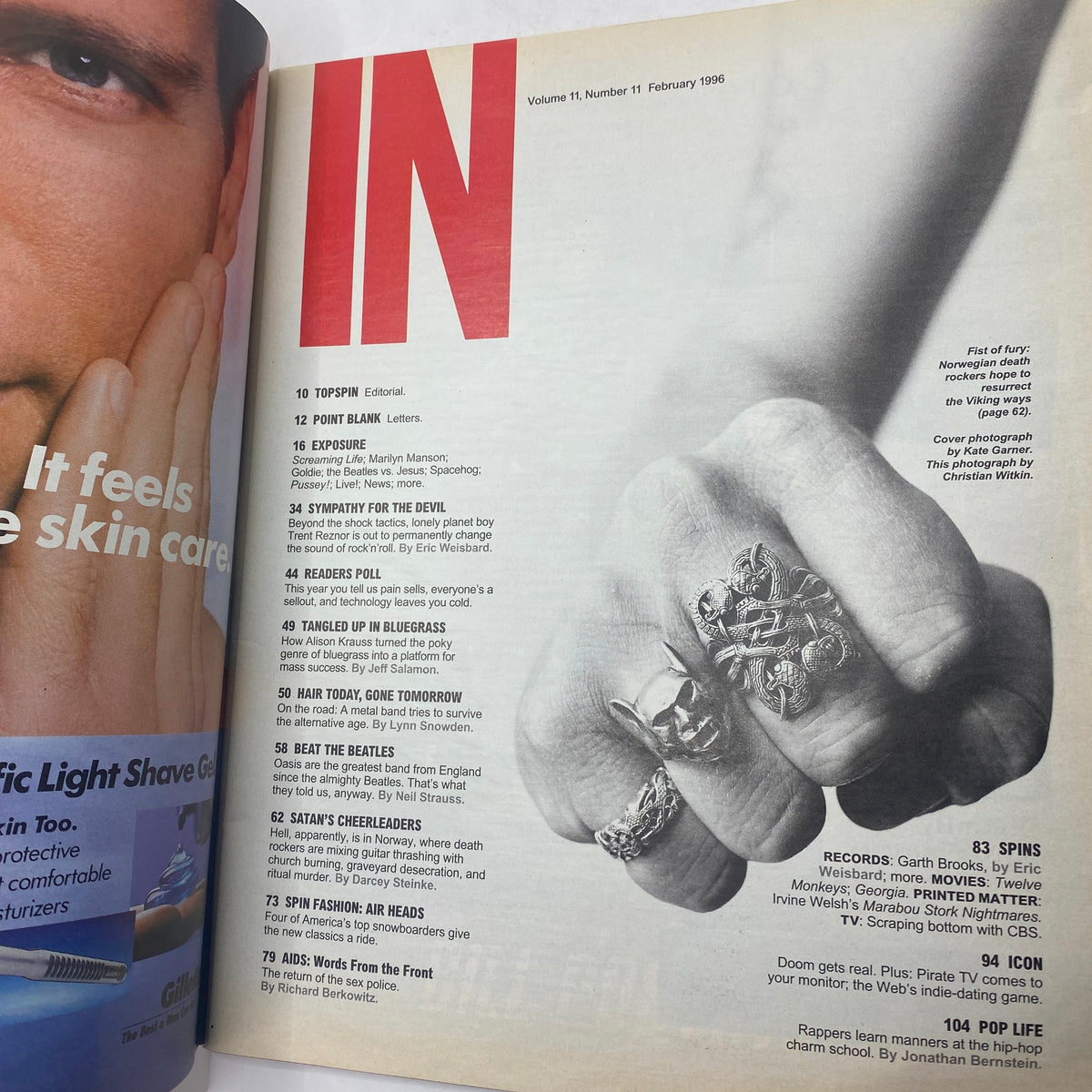
The magazines that pursued him during his peak years understood instinctively that here was a figure who demanded a different visual and editorial vocabulary. Photography of the era frequently cast him in high-contrast monochrome, all smeared eyeliner and coiled intensity — images that felt less like promotional shots and more like evidence. Editorial coverage tended toward the philosophical rather than the gossipy, grappling earnestly with questions of artistic authenticity, self-destruction, and the boundaries of popular music. Rolling Stone immortalized him across multiple landmark features throughout the 1990s, charting his descent and resurrection with the gravitas the magazine reserved for its most consequential subjects. Spin, the scrappier, more intellectually restless cousin of the mainstream music press, was perhaps his most natural home in print — its writers fluent in the industrial underground from which he emerged. Internationally, the British music weekly Kerrang! tracked his influence with particular devotion, recognizing earlier than most that what Reznor was assembling went far beyond genre, touching something raw and universal in the post-Cold War psyche.
Curator's Checklist: Highlights Often Include
- Landmark feature interviews from the Downward Spiral and Woodstock '94 era, in which the reclusive auteur opened — with characteristic reluctance — about the making of one of the decade's most harrowing records
- Live photography spreads capturing the legendary chaos of Nine Inch Nails' touring productions, with their industrial stage design, sensory overload lighting, and performances that routinely bordered on ritual destruction
- Year-end and decade retrospectives from major music publications placing The Downward Spiral and Pretty Hate Machine among the defining artistic statements of their respective moments
- Coverage of the Natural Born Killers and Lost Highway soundtrack contributions, which brought him into dialogue with Hollywood and expanded his profile in entertainment and film-adjacent press
- Post-The Fragile coverage from the late 1990s documenting his emergence from a well-publicized personal crisis, often framed with the reverence typically reserved for artists who had genuinely stared into the abyss and returned
The Collector's Value
To hold one of these magazines is to hold a time capsule of a cultural moment that the internet, for all its archival ambition, has never quite been able to replicate. The weight of the paper stock, the slight foxing at the edges of a 1994 issue, the intoxicating ghost of old ink and newsprint — these are not merely aesthetic details but proof of presence, evidence that this artifact existed in the same physical world as the music itself. Surrounding the feature you sought will be advertisements for equipment, clothing, and films that conjure an entire vanished moment: a full-page spread for a discontinued guitar amplifier, a cigarette ad rendered in the visual grammar of grunge, a mail-order music club offering twelve CDs for a penny. For collectors of industrial and alternative rock history, 1990s cultural ephemera, or the golden age of long-form music journalism, these publications offer something no streaming service or digital archive can approximate — a primary source, handled and read by someone who was there. Explore our current rotating inventory below and claim a piece of that signal before it fades back into the static.