📖 About this Collection
Triple H: The Architect of an Era, Preserved in Print
The Legend & The Legacy
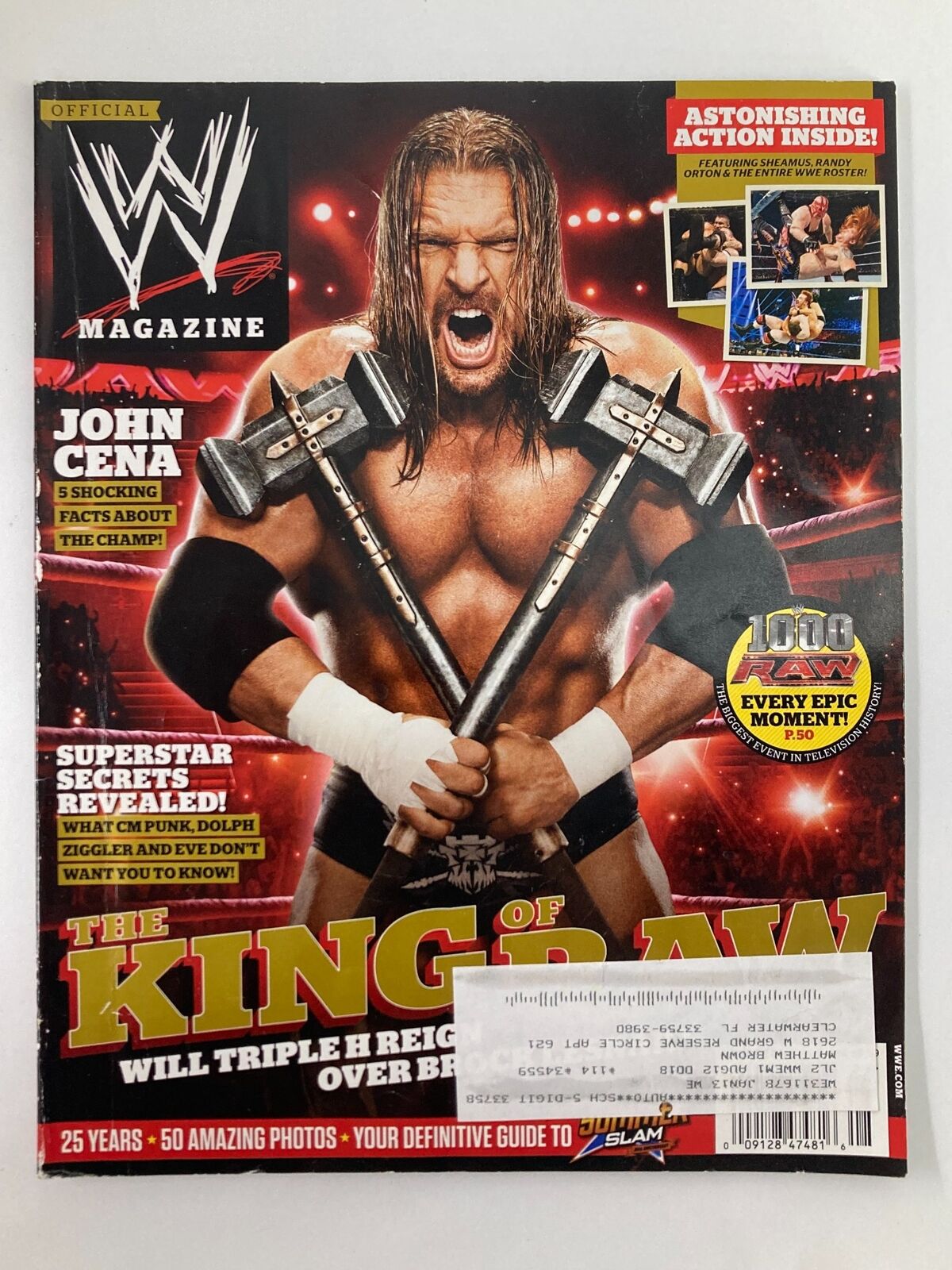
Long before social media algorithms dictated who ruled professional wrestling, Triple H — born Paul Michael Levesque — built his dominance the old-fashioned way: match by match, promo by promo, and cover by cover. Rising through the mid-1990s and reaching his apex in the late 1990s and 2000s, "The Game" became one of the most polarizing and powerful figures in sports entertainment history. His involvement in the formation of D-Generation X, his legendary rivalries with Stone Cold Steve Austin, The Rock, Shawn Michaels, and Mick Foley, and his strategic marriage into the McMahon family dynasty made him not merely a performer, but a political and cultural institution within WWE's global empire. At a time when professional wrestling experienced an unprecedented mainstream explosion — the Monday Night Wars, pay-per-view spectacle, and record-breaking television ratings — fans hungry for deeper access turned not to streaming platforms, but to newsstands. Print was the pipeline. Magazines were the mythology.
Inside the Archive
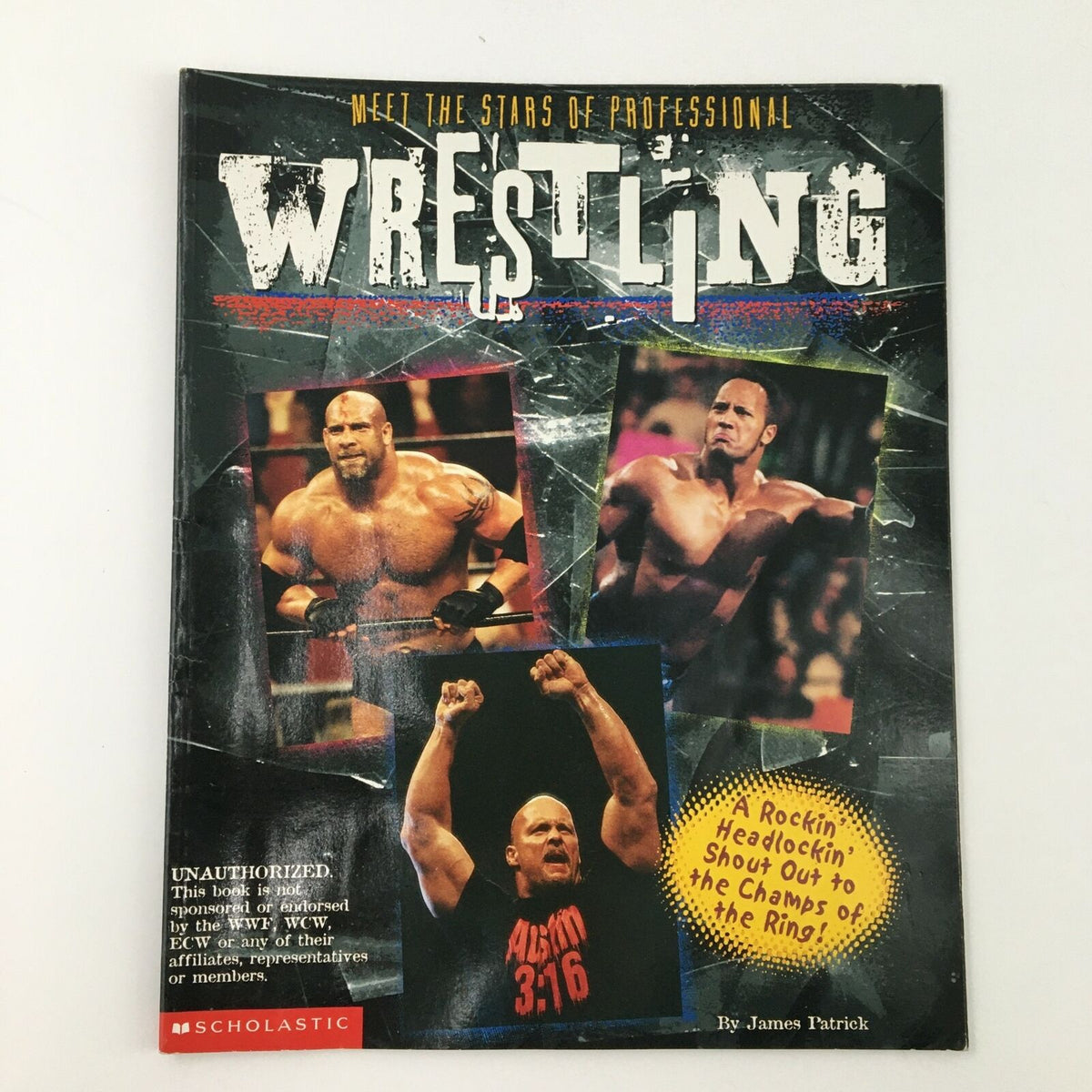
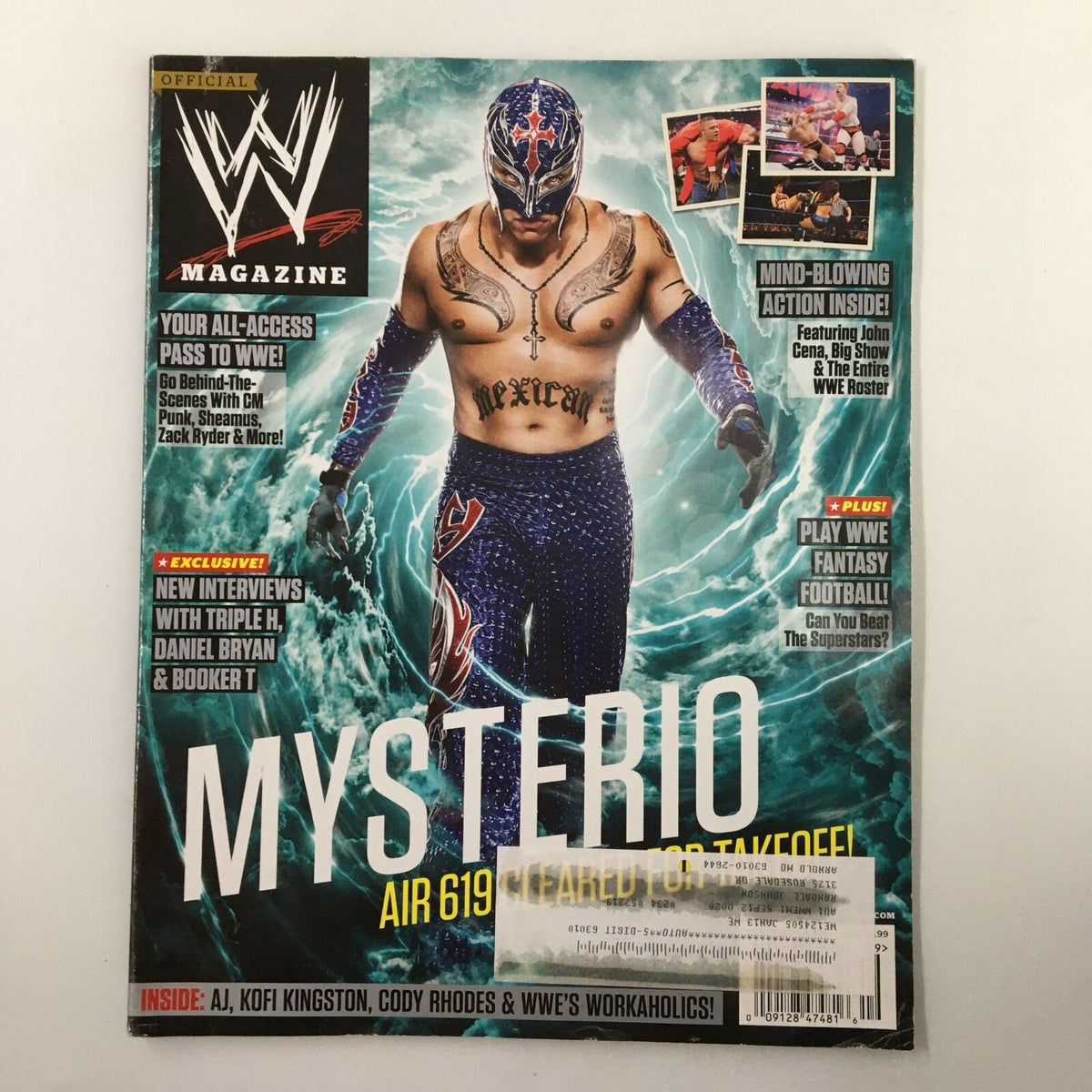
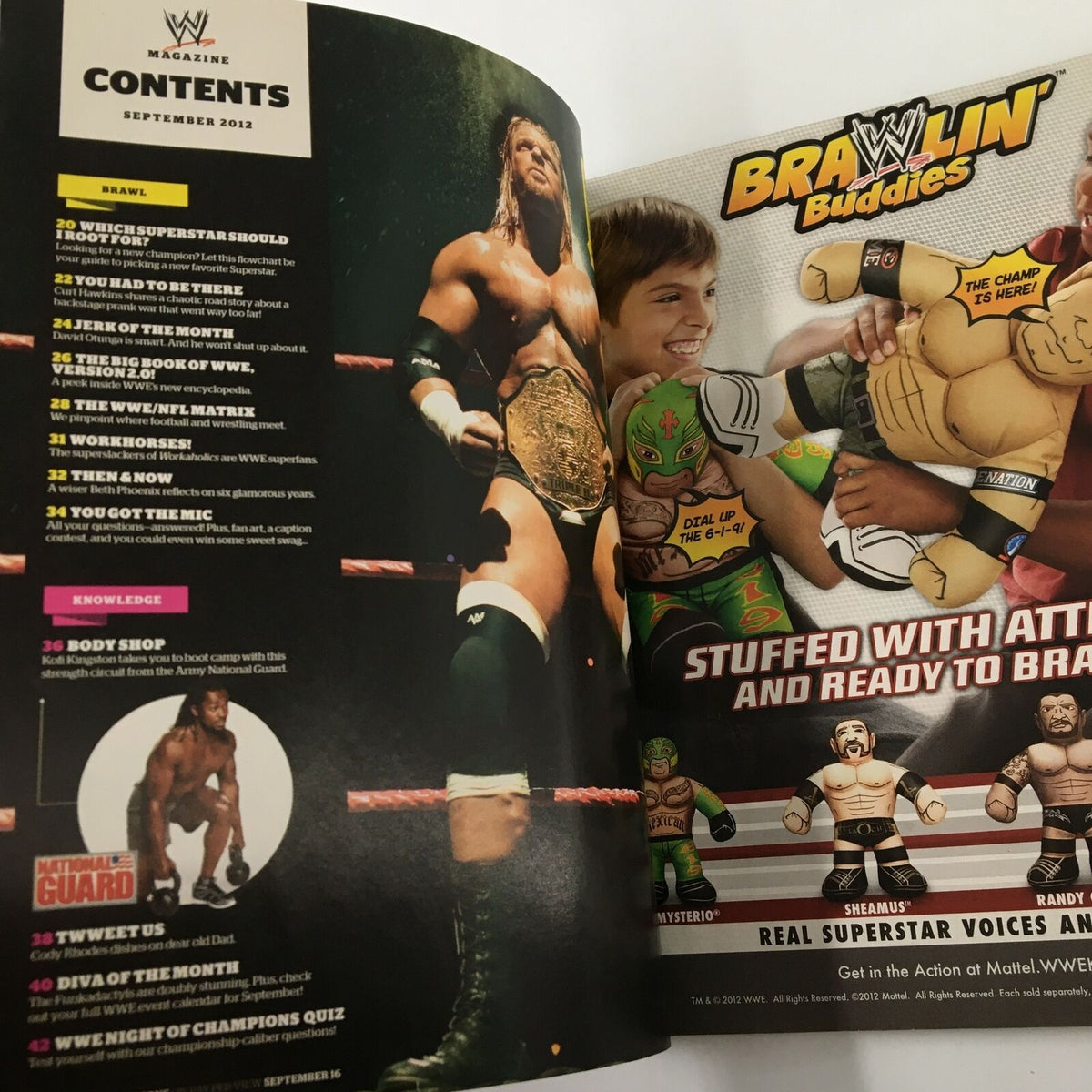
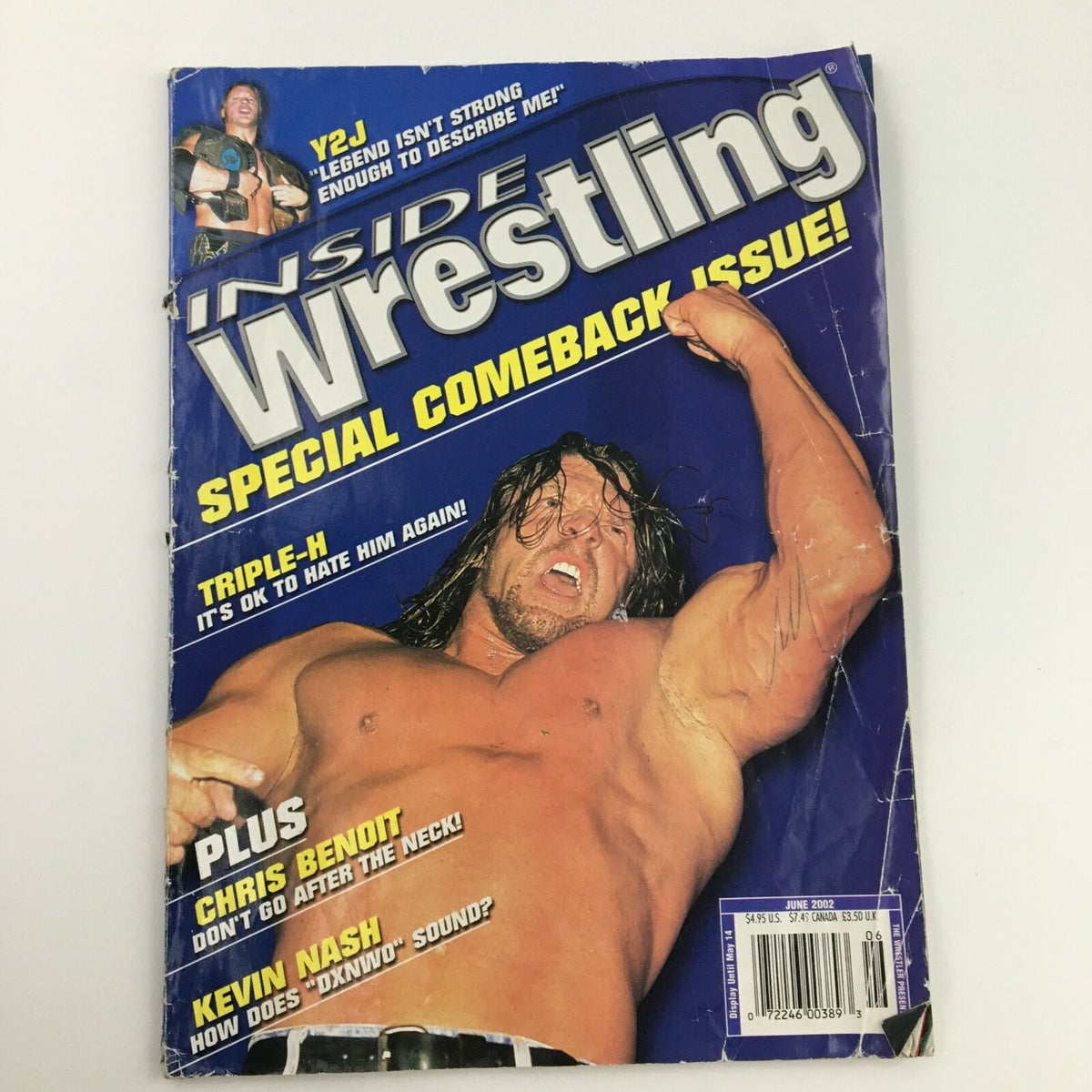
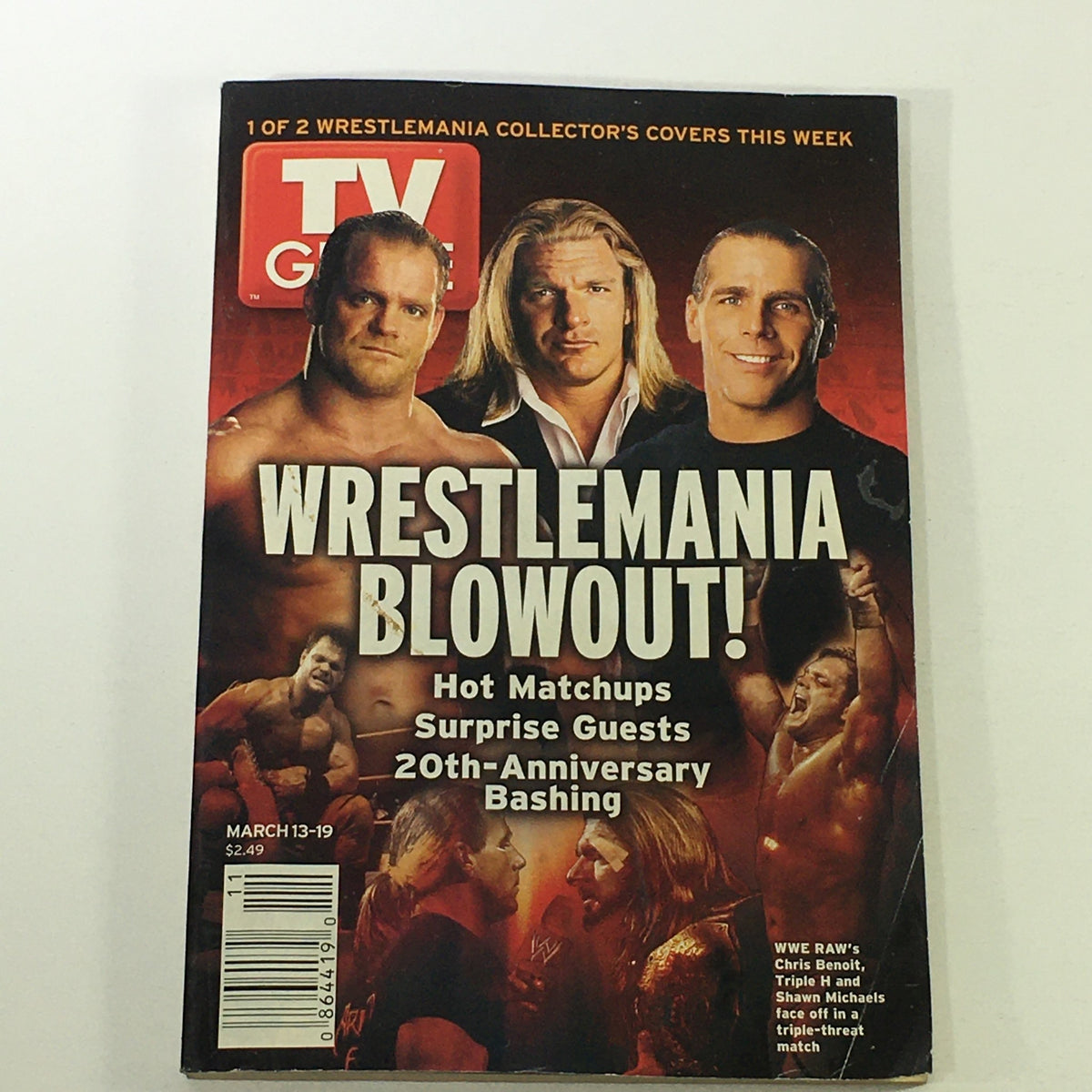
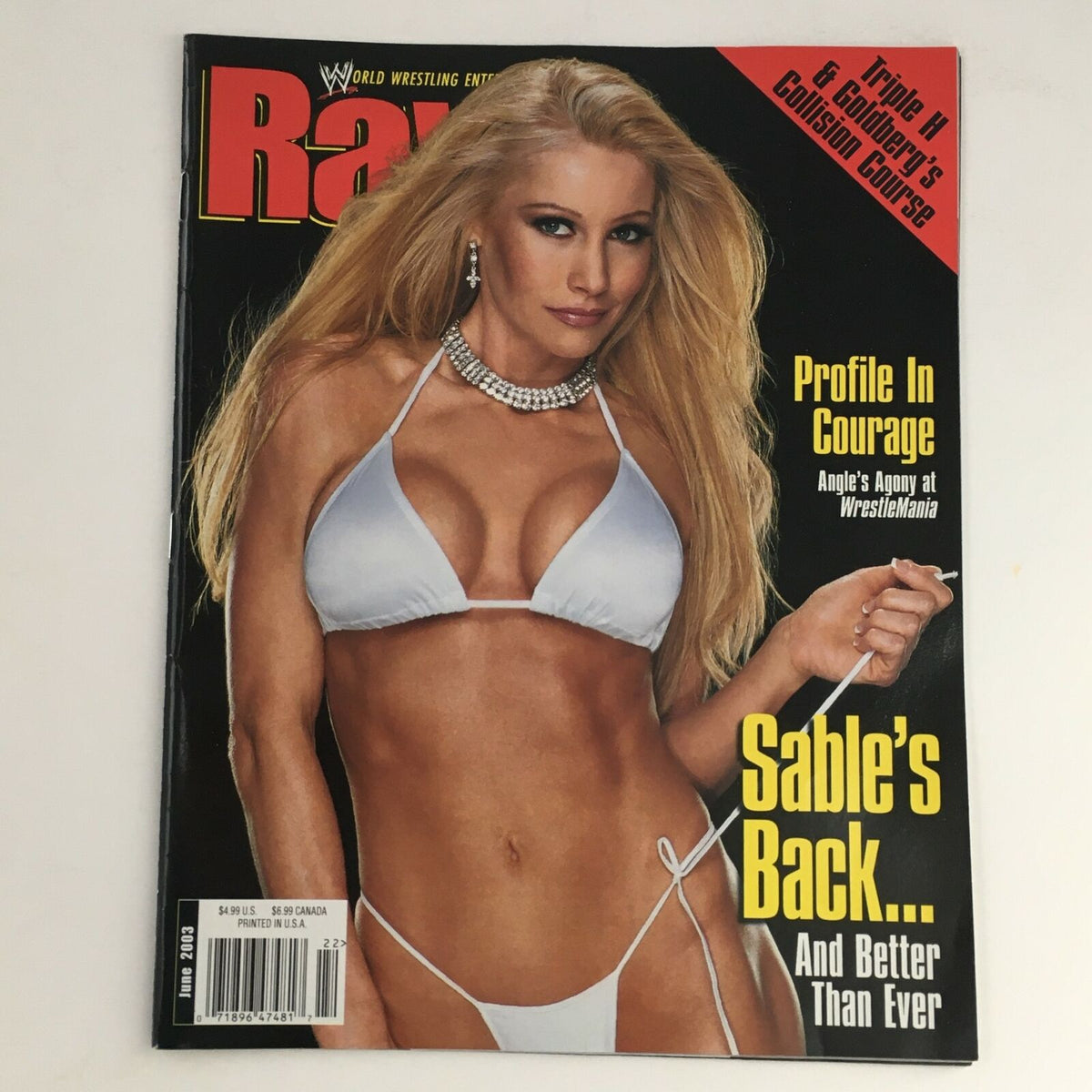
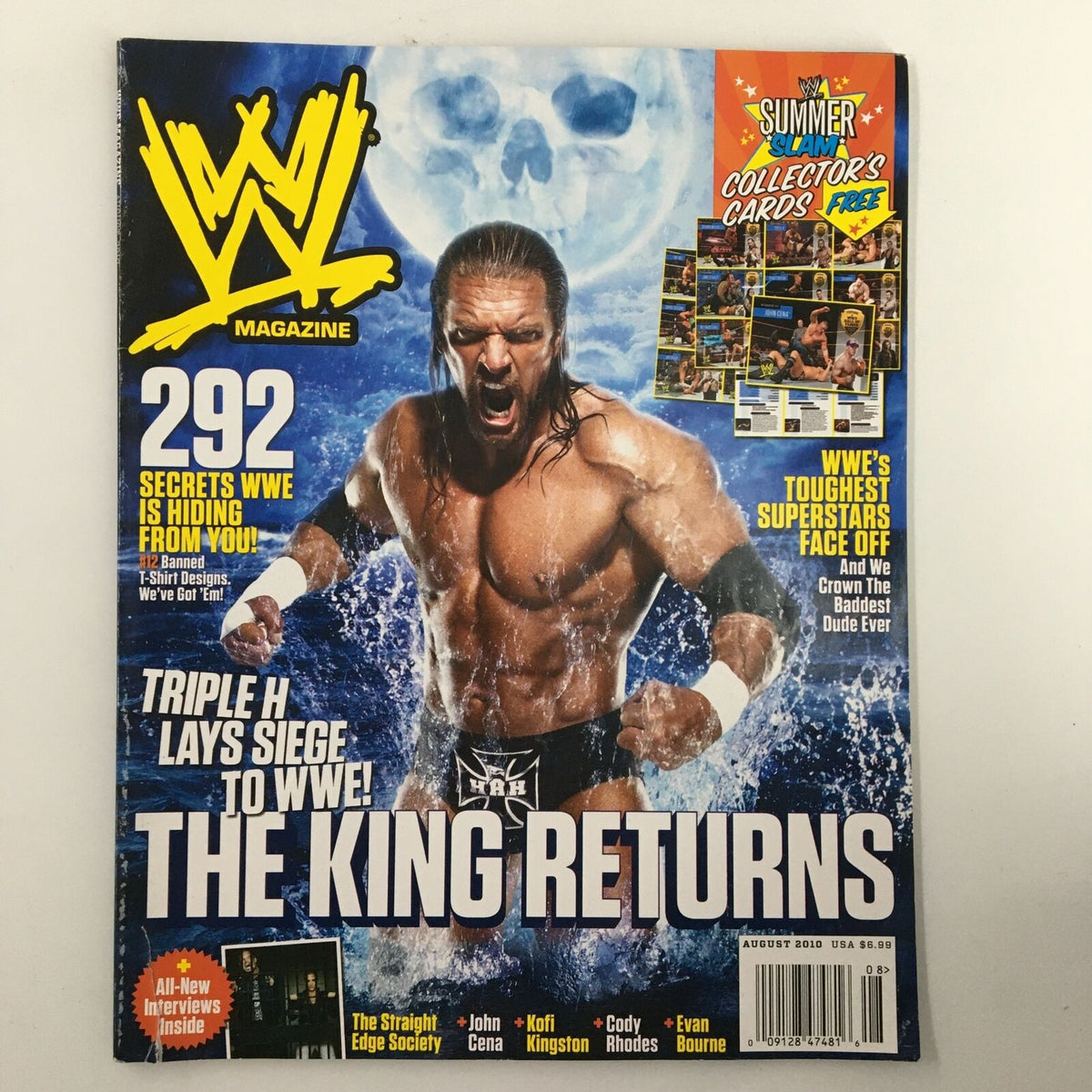
During the height of the Attitude Era and beyond, the wrestling press operated with a raw, almost gonzo editorial energy that matched the product itself. Photography from this period tends toward the dramatic and theatrical — the sledgehammer raised aloft, the steel cage backdrop, the championship belt catching the arena light like a crown jewel. Publications like WWF Magazine and its successor WWE Magazine served as the official gospel, offering kayfabe-respecting character profiles, behind-the-scenes photo spreads, and exclusive interviews that blurred the line between man and myth. Simultaneously, the beloved Pro Wrestling Illustrated — the sport's closest equivalent to a journalistic institution — covered the Cerebral Assassin with a more critical, rankings-driven lens, charting his ascent through its storied annual awards. For mainstream crossover moments, TV Guide proved essential, capturing the era when Raw is War and SmackDown became genuine prime-time cultural events. International wrestling periodicals from the United Kingdom, particularly titles serving that nation's fiercely devoted fan base, further documented his European championship tenure and global reach. The editorial tone across these publications oscillates fascinatingly between breathless fan devotion and genuine sports analysis — a reflection of wrestling's own identity crisis as it muscled its way into mainstream American life.
Curator's Checklist: Highlights Often Include
- D-Generation X coverage (1997–2000): Issues capturing the anarchic, rebellious peak of DX, featuring the Helmsley persona evolving from aristocratic villain to counterculture antihero alongside Shawn Michaels
- Championship reign documentation: Editorial spreads and match recaps from his record-tying World Heavyweight Championship reigns, chronicling some of the most contested title victories in the sport's modern history
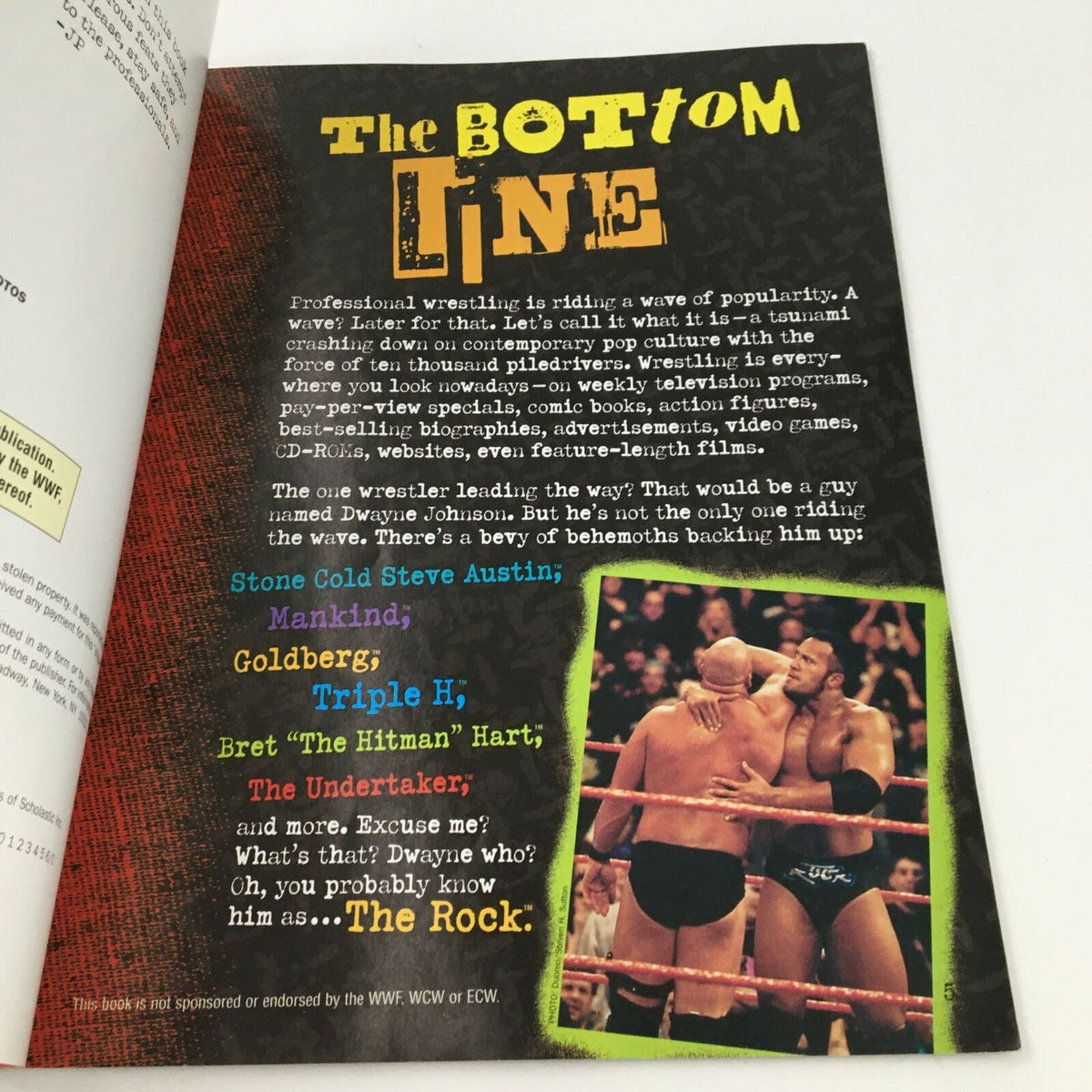
- Monday Night Wars context: Collector issues from the late 1990s that place his career within the broader WWF vs. WCW ratings war — an invaluable snapshot of professional wrestling's cultural zenith
- Evolution stable features: Coverage from the early 2000s spotlighting the faction he anchored alongside Ric Flair, Randy Orton, and Batista, representing his transition into the role of calculating ring general and company cornerstone
- Behind-the-curtain profiles: Longer-form features from the mid-2000s onward that began acknowledging his real-world executive influence within WWE, as the kayfabe wall gradually gave way to legitimate industry journalism
The Collector's Value
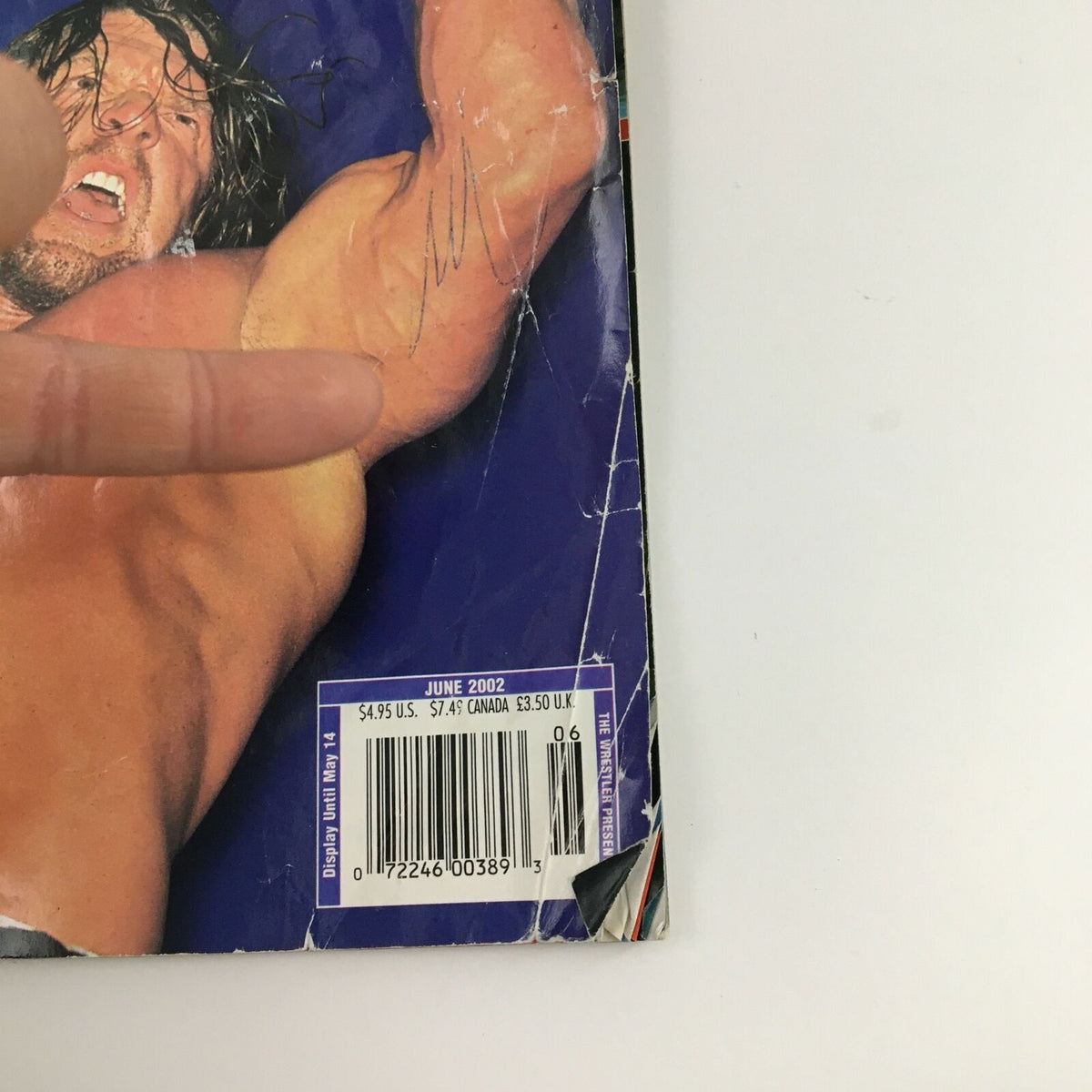
There is something irreplaceable about holding a wrestling magazine from 1999 — the slightly waxy cover stock, the dense ink of a full-bleed action photograph, the faint mustiness of a quarter-century of storage, and the wonderfully earnest advertisements for wrestling tapes, merchandise hotlines, and pay-per-view hotline numbers that frame every page like a time capsule border. These are primary sources. They capture not just the subject, but the world that consumed him — the advertising culture, the graphic design sensibilities, the editorial priorities of an industry on the cusp of global mainstream legitimacy. A digital highlight reel can show you the match; only the physical magazine can show you what it meant in real time, frozen in the week it was printed. For collectors of professional wrestling memorabilia, Attitude Era ephemera, or broader 1990s–2000s sports and pop culture history, these publications offer an irreplaceable window into a moment when sports entertainment rewrote the rules of American spectacle — and one man positioned himself at the center of it all. Browse the current rotating inventory below and claim your piece of that era before it moves on.