📖 About this Collection
Truman Capote: The Tiny Terror of American Letters
The Legend & The Legacy
He arrived in New York wearing a cape and carrying a cane, a five-foot-three Southern dandy with a voice like spun sugar and a pen dipped in acid. Truman Capote didn't just write about high society—he infiltrated it, seduced it, and ultimately betrayed it with such style that even his victims couldn't look away. From the gothic shadows of Alabama to the mirrored ballroom of the Plaza Hotel, he transformed American literature by proving that truth could be as artfully constructed as fiction, that a murder investigation in Kansas could read like a symphony, and that a writer could become as famous as his characters. The clinking of champagne glasses, the flash of society photographers, the whispered scandals at Babe Paley's dinner table—this was Capote's stage, and every magazine that captured him preserved a moment when literature and celebrity fused into something entirely new.
Inside the Archive
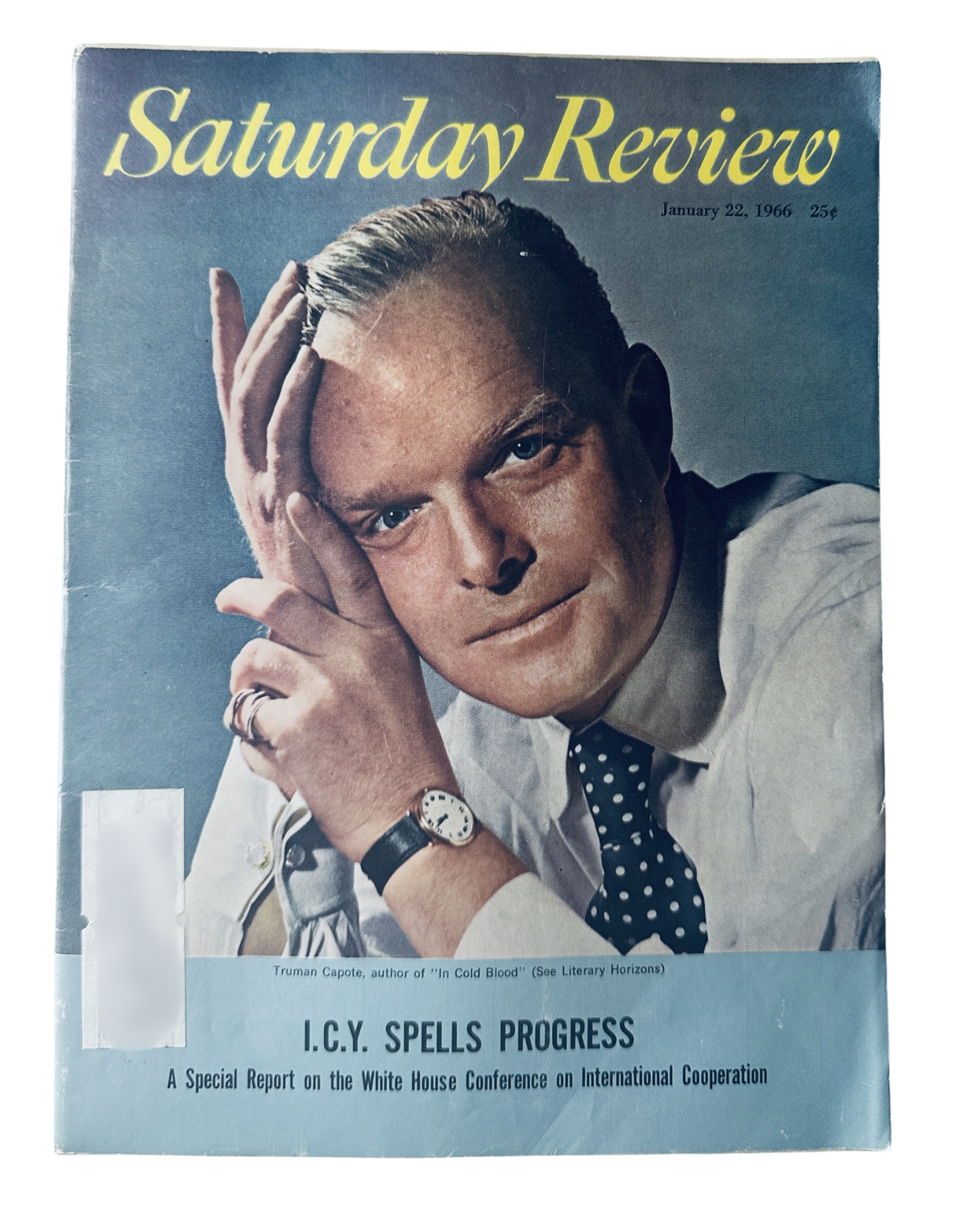
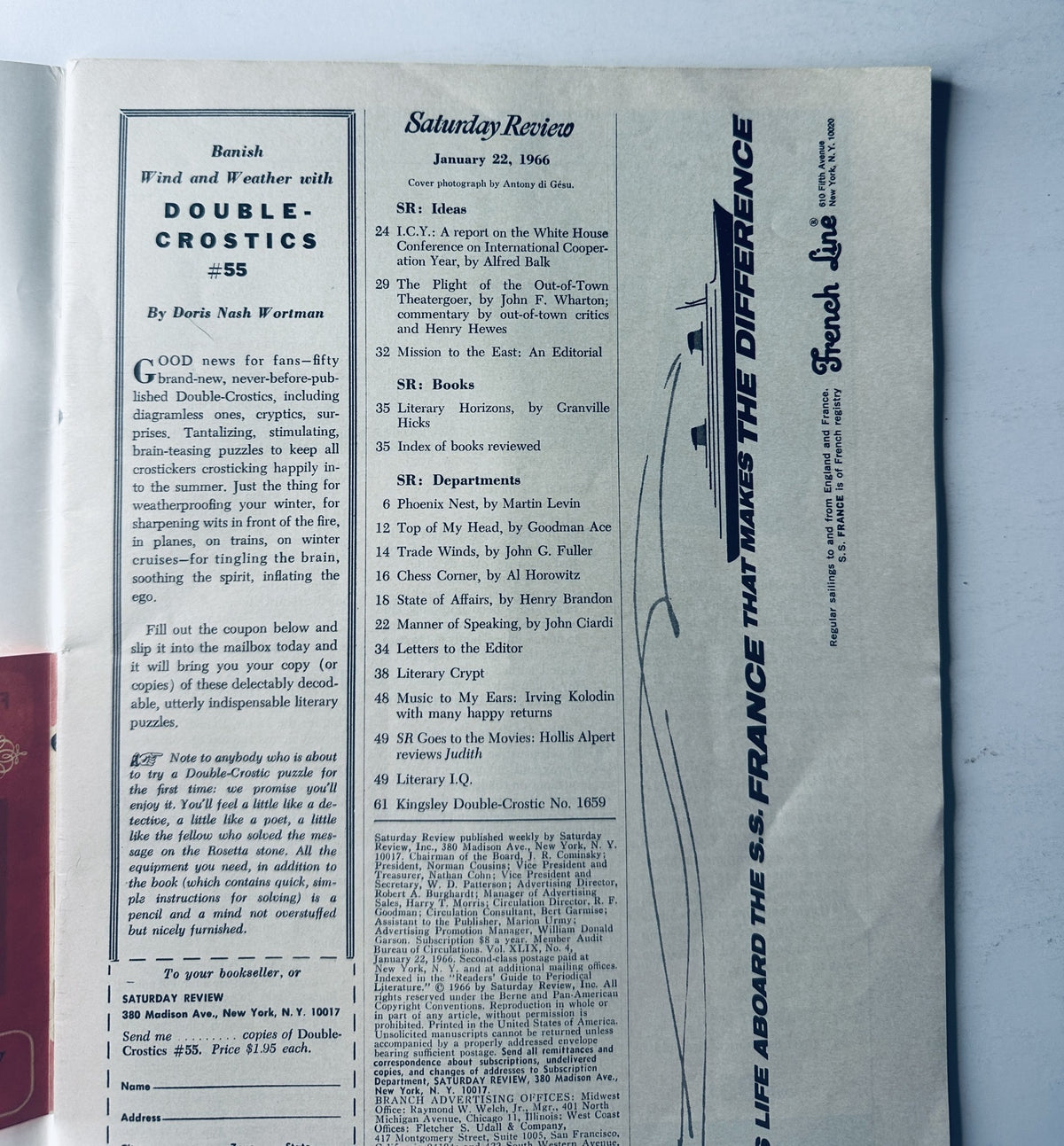
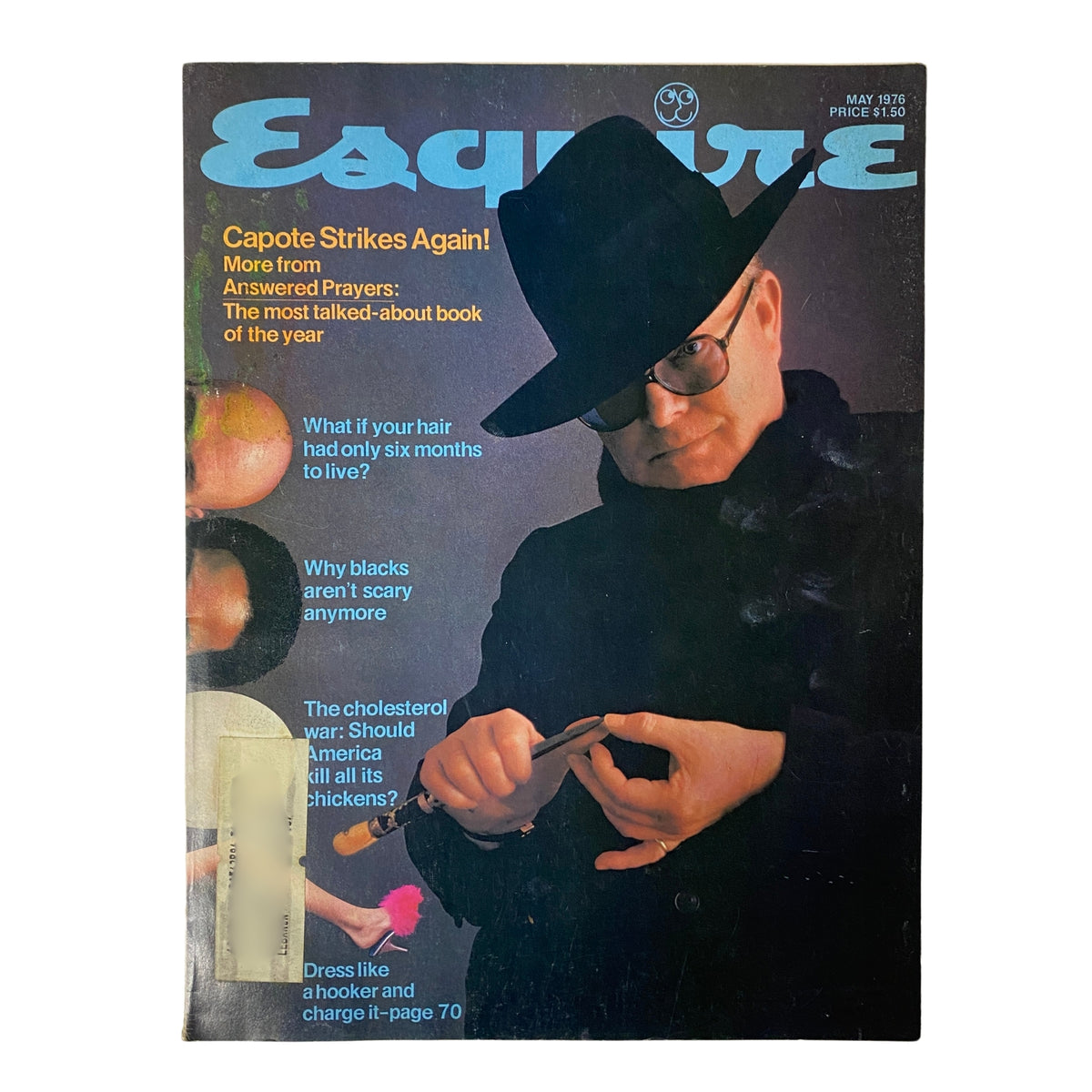
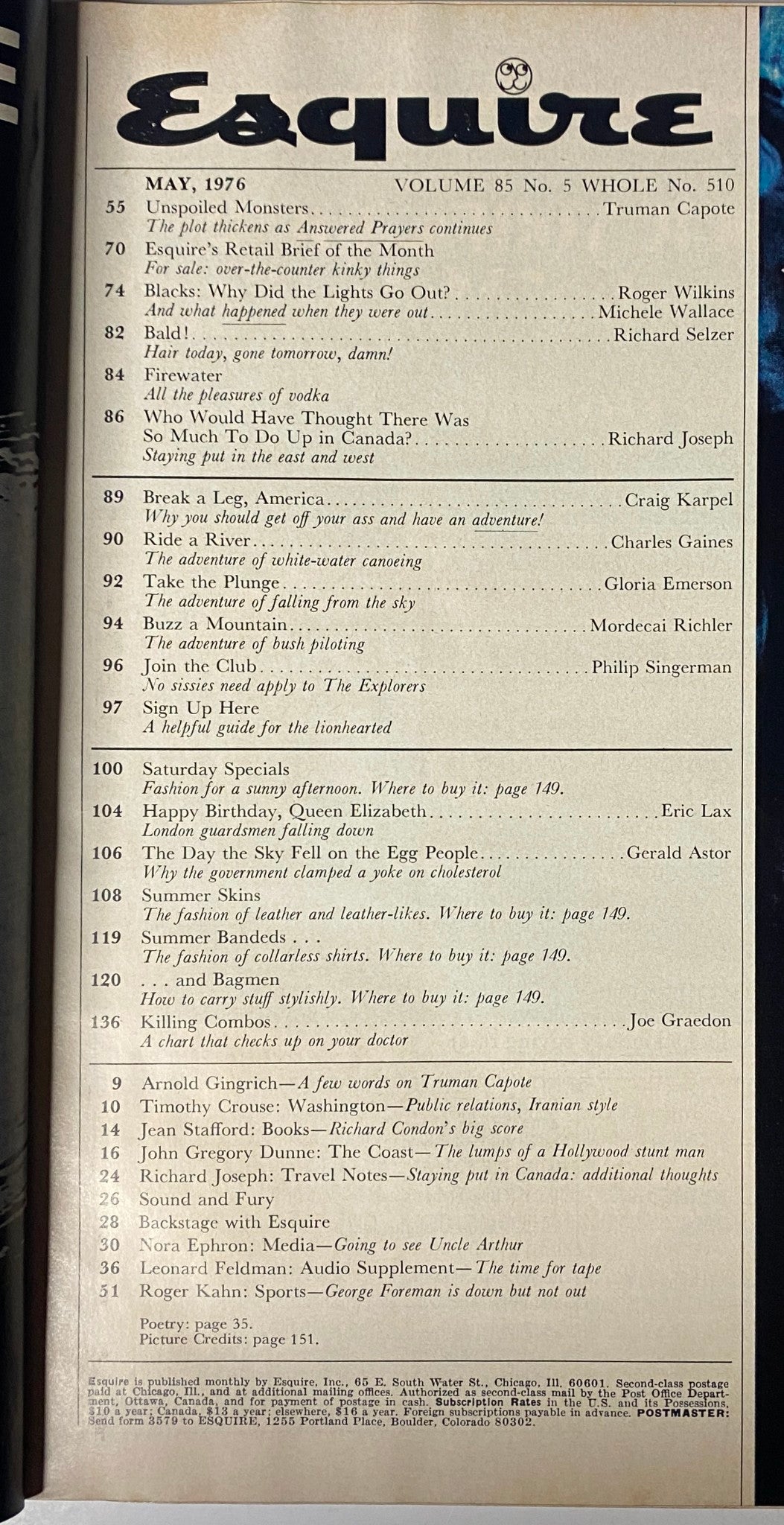
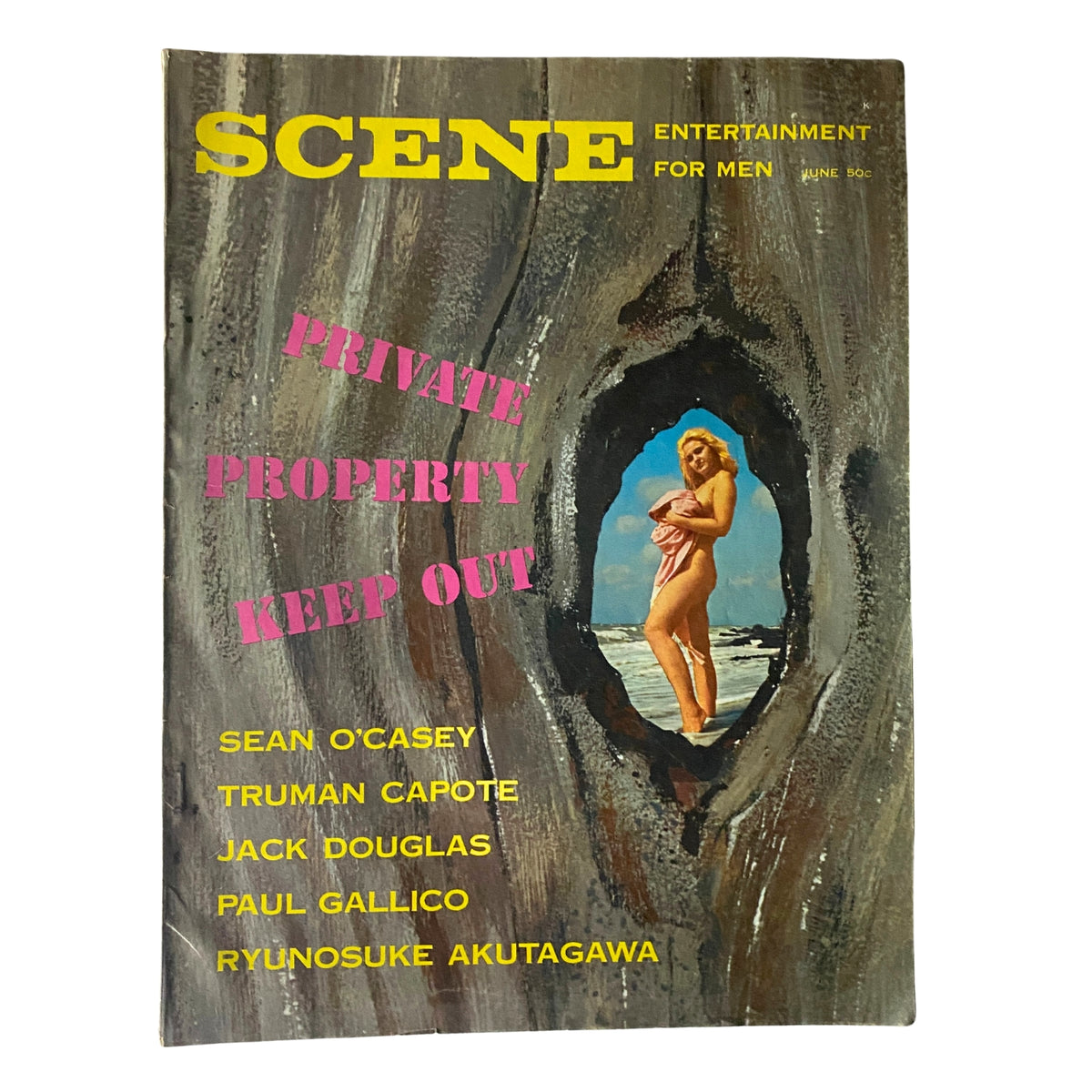
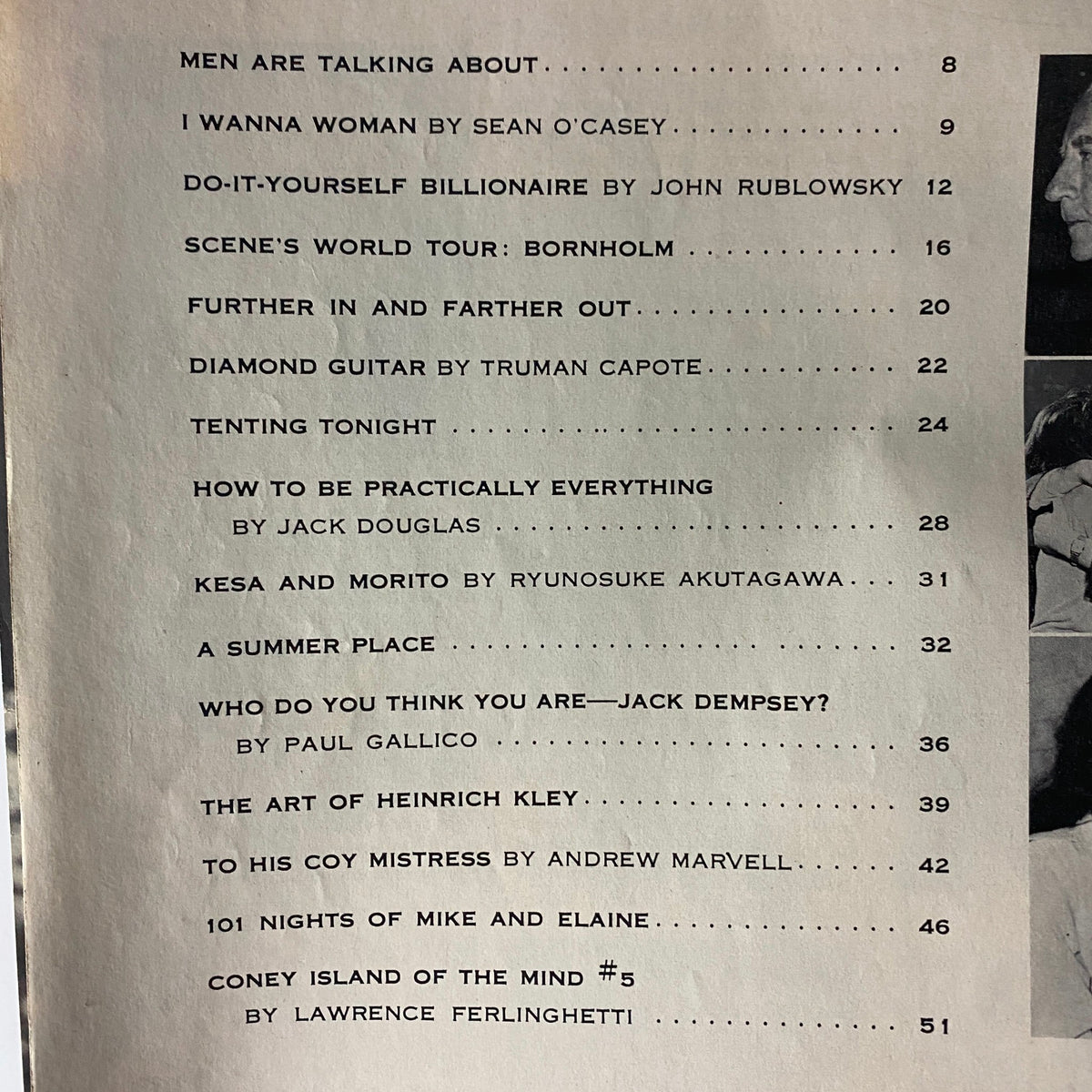
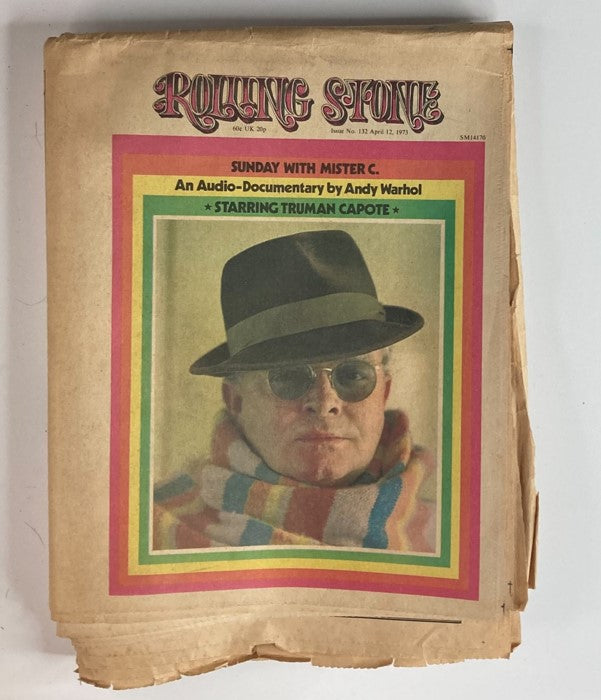
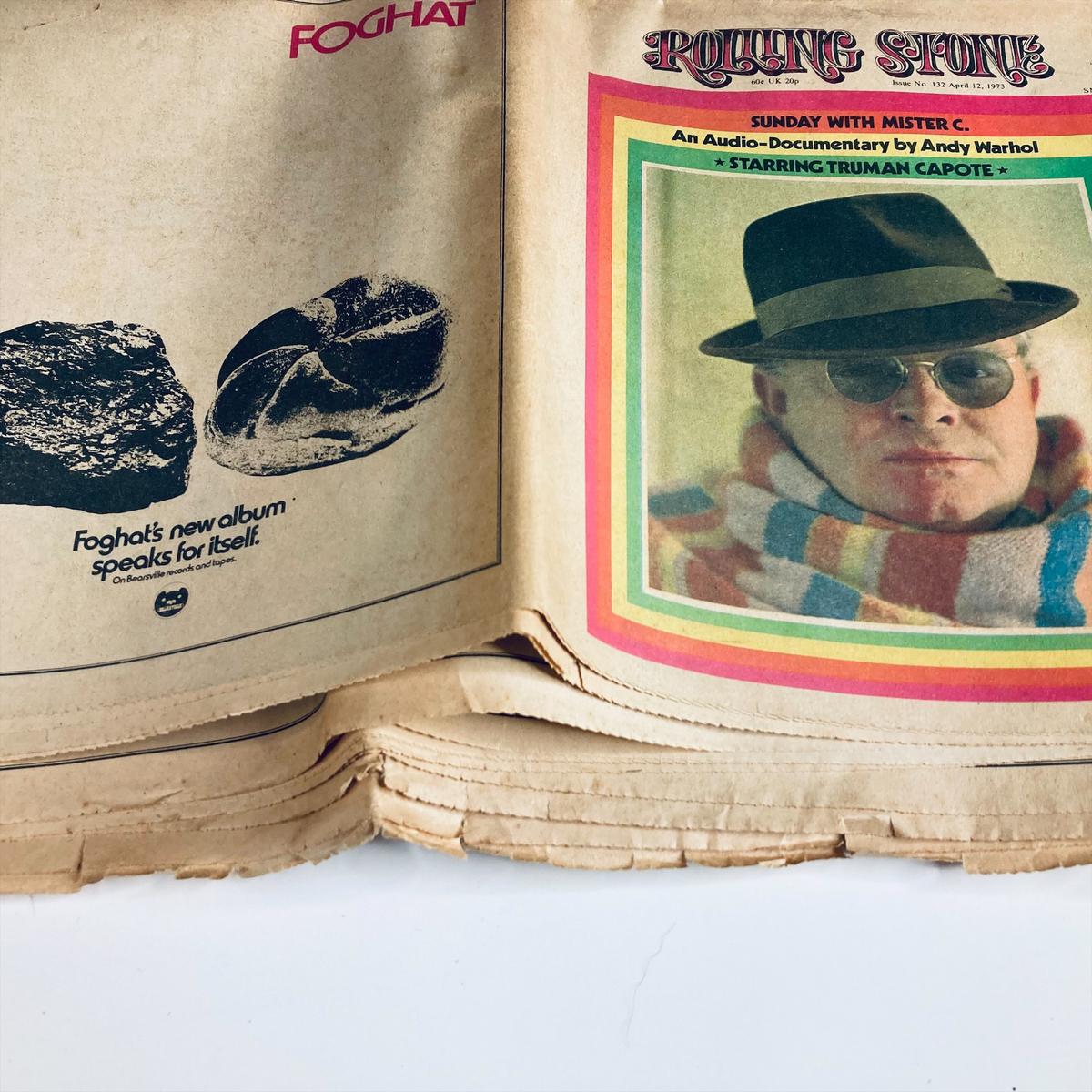
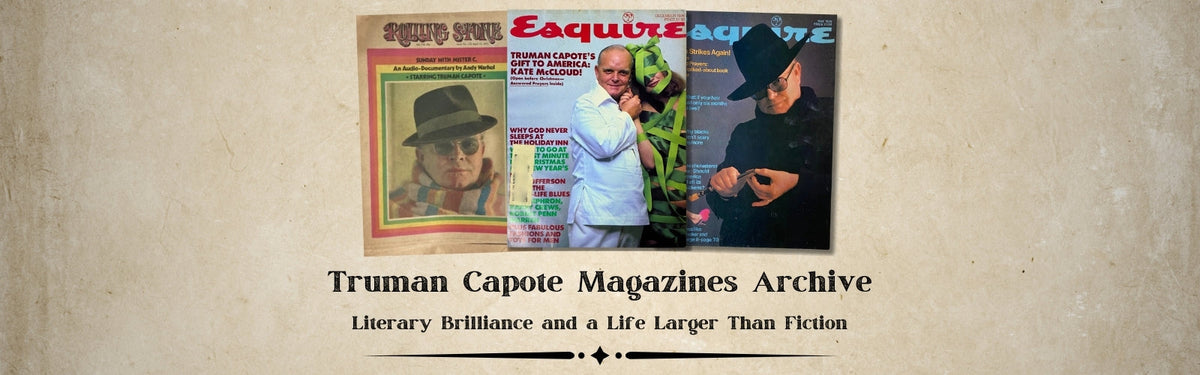
The print media couldn't resist him, and Capote knew it. Magazine coverage ranged from reverential literary profiles in Harper's and The Paris Review to glossy society spreads in Vogue and Town & Country, where his pixie-like face peered out from behind dark sunglasses at Manhattan's most exclusive gatherings. Photography captured both the artist and the performer: intimate shots of Capote hunched over his typewriter in Brooklyn Heights, glamorous portraits at Studio 54, and increasingly haunting images from his later years on talk show circuits. Interviews were theatrical performances, each quote perfectly calibrated for maximum impact. The journalism evolved from celebrating an enfant terrible to documenting a cautionary tale, chronicling the rise of a literary innovator and the slow-motion train wreck of a man who flew too close to the sun of his own celebrity.
Curator's Checklist: Highlights Often Include
- True Crime Genesis: Features on the Kansas murders, the research behind In Cold Blood, and the invention of a genre that would obsess American culture for decades.
- Swans and Scandals: Coverage of the Black and White Ball, friendships with Manhattan's social elite, and the explosive fallout from Answered Prayers that ended those glittering alliances.
- Southern Gothic Roots: Early profiles exploring Other Voices, Other Rooms, the Alabama childhood that haunted his fiction, and the lyrical darkness that made him famous at twenty-three.
- The Performance Artist: Interviews showcasing that unforgettable voice and razor wit, talk show appearances, and the blurred line between Truman Capote the writer and Truman Capote the character he invented.
- Fall and Reflection: Later-career pieces examining addiction, exile from the society that once embraced him, and posthumous tributes wrestling with his complicated genius.
The Collector's Value
These magazines document more than a writer's career—they capture the precise moment when American literature stepped out of the ivory tower and onto the red carpet, when journalism borrowed the tools of fiction, and when a tiny man with a huge personality proved that writers could be rock stars. Each issue represents a primary source for understanding mid-century cultural transformation, the power and peril of celebrity, and the enduring question of whether great art requires self-destruction. Explore our current inventory below to discover which chapter of Capote's dazzling and tragic legacy is available today.