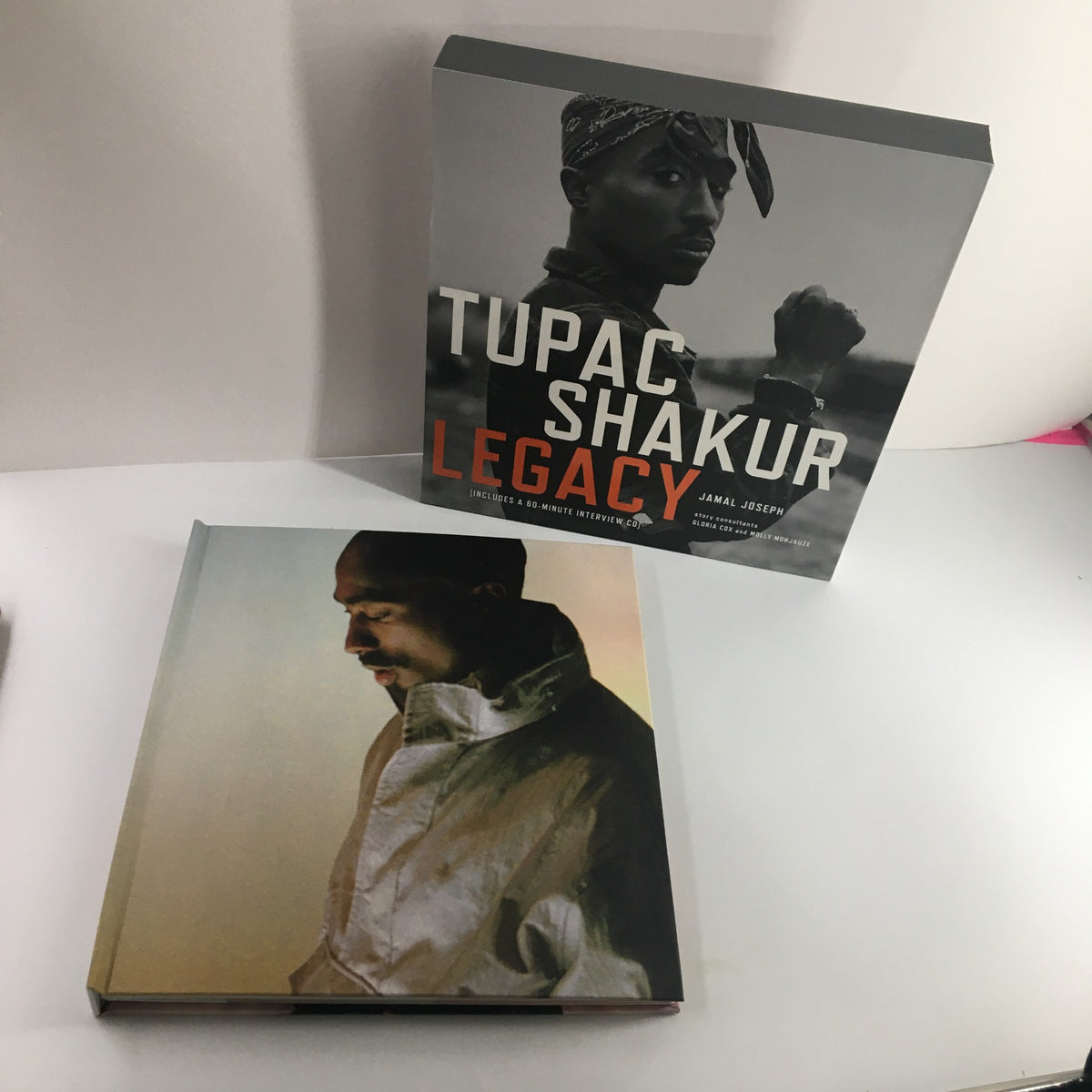
📖 About this Collection
Tupac Shakur: Voice of a Generation, Echo of an Age
The Legend & The Legacy
In the years before social media fragmented every cultural moment into a thousand competing feeds, the story of Tupac Amaru Shakur was told — and debated, mourned, and celebrated — through the printed page. Rising from the housing projects of Baltimore and Marin City to become one of the most commercially dominant and intellectually provocative voices in American music, he occupied a singular space in the popular imagination of the early 1990s. He was at once a platinum-selling rapper, a compelling film actor, a political lightning rod, and a poet whose verses grappled with systemic inequality, Black identity, and mortal urgency. His death in Las Vegas in September 1996 — at just twenty-five years old — sent a shockwave through print media unlike almost any cultural loss of that decade. Magazine editors scrambled to contextualize a life so large it seemed impossible it had ended so soon. For the millions of fans who learned about his world not through a screen but through a glossy cover on a newsstand, these publications were the primary record of his brilliance, his contradictions, and his enduring humanity.
Inside the Archive
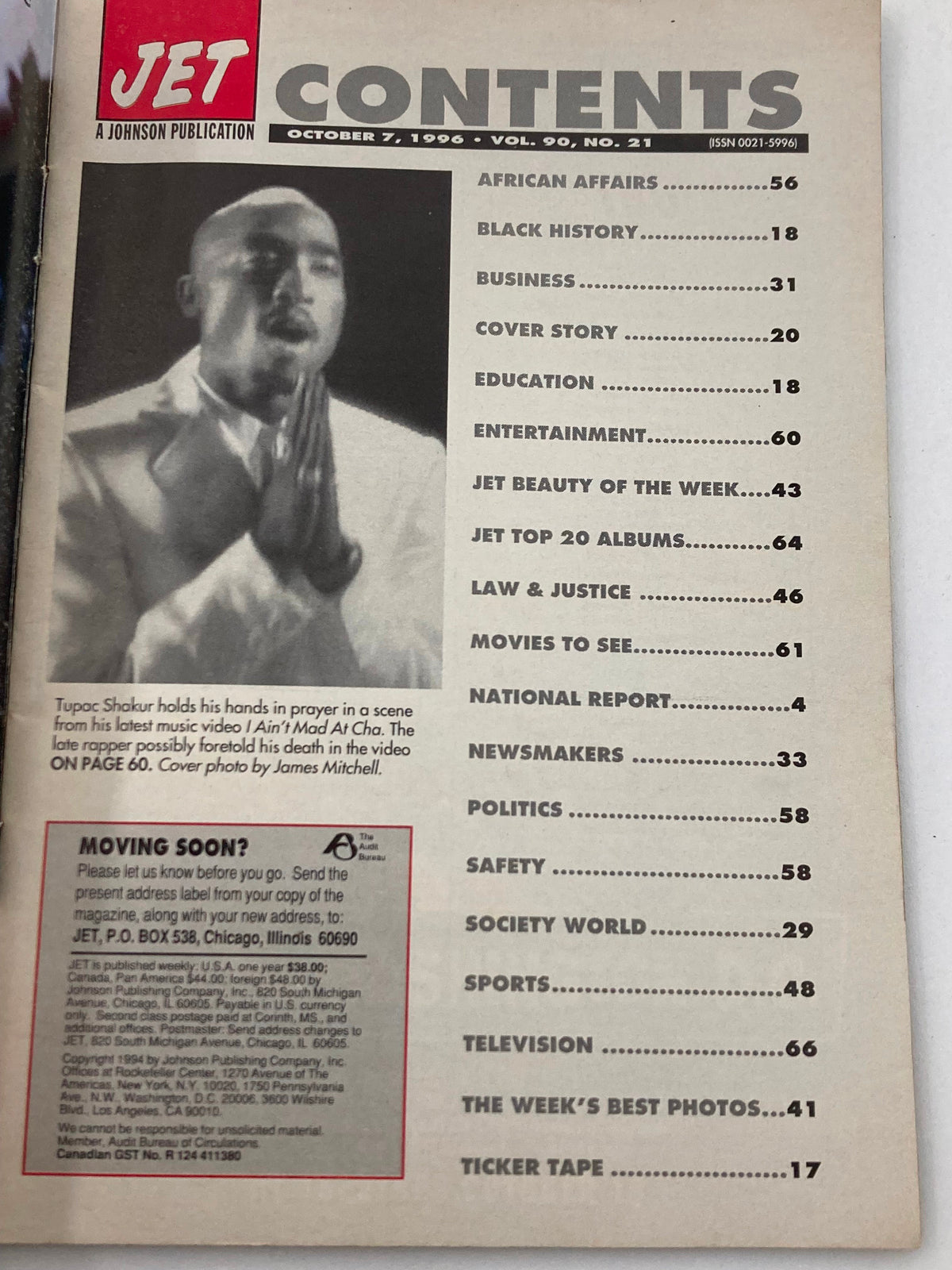
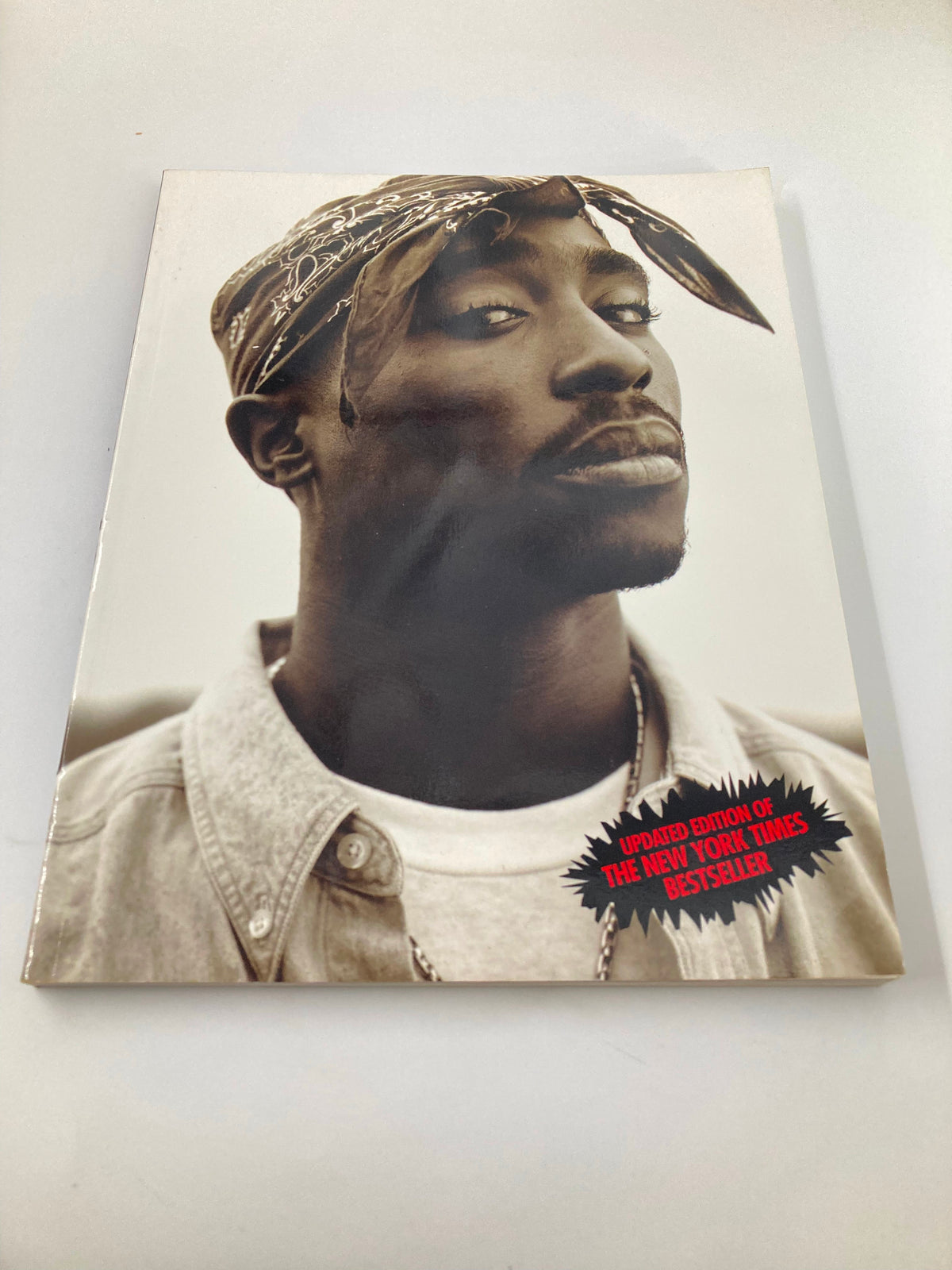
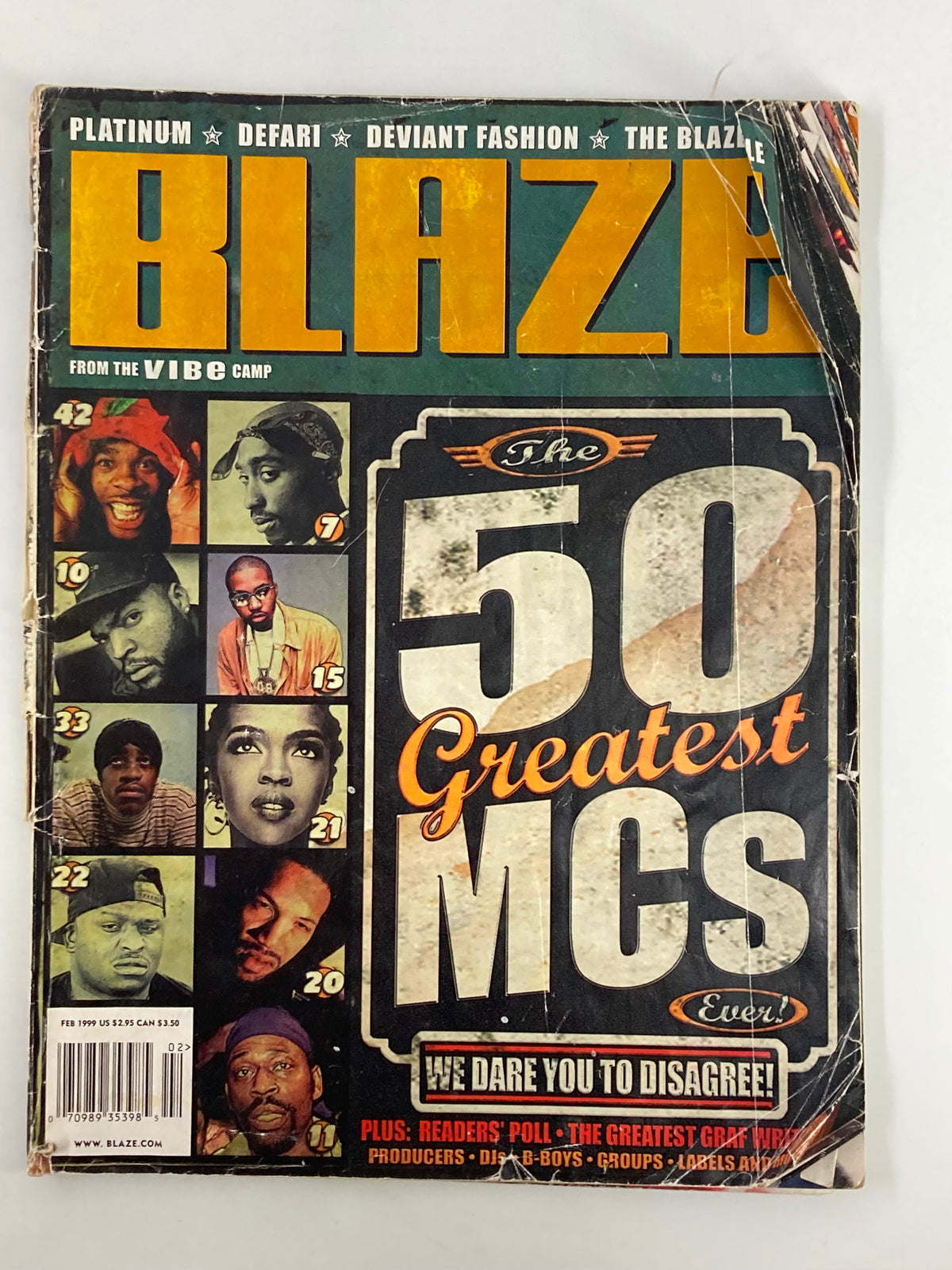
Vintage magazine coverage of the West Coast rap icon was as layered and complex as the man himself, ranging from street-level hip-hop journals to glossy mainstream titles that gradually recognized the cultural seismic shift he represented. Publications like Vibe — which chronicled the entire golden era of hip-hop with unrivaled intimacy — ran some of the most iconic photography of him ever committed to print, pairing raw, high-contrast portraiture with long-form journalism that treated rap as the serious American art form it was. Rolling Stone brought him to a broader rock-and-pop readership, framing him as a generational voice in the lineage of rock's great rebels. Ebony and Jet documented his significance within the African American community specifically, placing his artistry and his political inheritance — his mother Afeni was a Black Panther — within a tradition of Black resistance and cultural pride. After his death, the tone across publications shifted from profile to eulogy to legacy assessment almost overnight, producing some of the most poignant tribute journalism of the 1990s. The photography of this era is particularly striking: bandanas, Thug Life tattoos, defiant stares, and — in quieter moments — a gentleness that the tabloids rarely chose to print.
Curator's Checklist: Highlights Often Include
-
Breakthrough-era features (1991–1993) — Early coverage from hip-hop and urban culture publications documenting his debut with Digital Underground, the release of 2Pacalypse Now, and his rapid emergence as a voice of young Black America navigating poverty and police violence.
-
Crossover celebrity profiles (1993–1995) — Mainstream entertainment press coverage coinciding with his film roles in Juice and Poetic Justice, positioning him as a Hollywood presence alongside his rap stardom, often featuring studio photography from major shoots.
-
Legal controversies and incarceration coverage (1994–1995) — Candid and editorial coverage from the period of his highly publicized legal battles and imprisonment, including pieces that grappled with questions of justice, celebrity, and race in America.
-
Death row era and West Coast rap dominance (1995–1996) — Coverage tied to his signing with Death Row Records, the release of All Eyez on Me, and his central role in the East Coast–West Coast rivalry that defined hip-hop's most turbulent chapter.
-
Memorial and tribute issues (late 1996 onward) — Special issues, commemorative covers, and retrospective features published in the immediate aftermath of his passing, representing some of the most collectible print artifacts of the entire decade.
The Collector's Value
To hold one of these magazines is to hold a dispatch from a world that no longer exists — a world where a music fan had to wait for the story, where a cover choice was a bold editorial statement, and where the weight of a publication in your hands carried genuine cultural authority. The slightly yellowed pages, the tactile grain of early-1990s coated stock, the faint musk of aged ink and paper — these are the sensory signatures of primary source history. Surrounding his interviews and portraits are the advertisements of the era: pagers, Timberland boots, 40-ounce malt liquor, and NBA Jam — a time capsule of an American moment as vivid as any museum exhibit. These are not reprints or retrospectives; they are the original documents that shaped how a generation understood one of its most beloved and complicated figures in real time. For collectors of hip-hop memorabilia, 1990s African American cultural history, or Golden Age music journalism, these publications offer an irreplaceable window into the world as it was actually witnessed — raw, urgent, and alive. Explore our current available inventory below and find the piece of history that belongs in your collection.