📖 About this Collection
Twiggy: The Face That Fractured Forever
The Legend & The Legacy
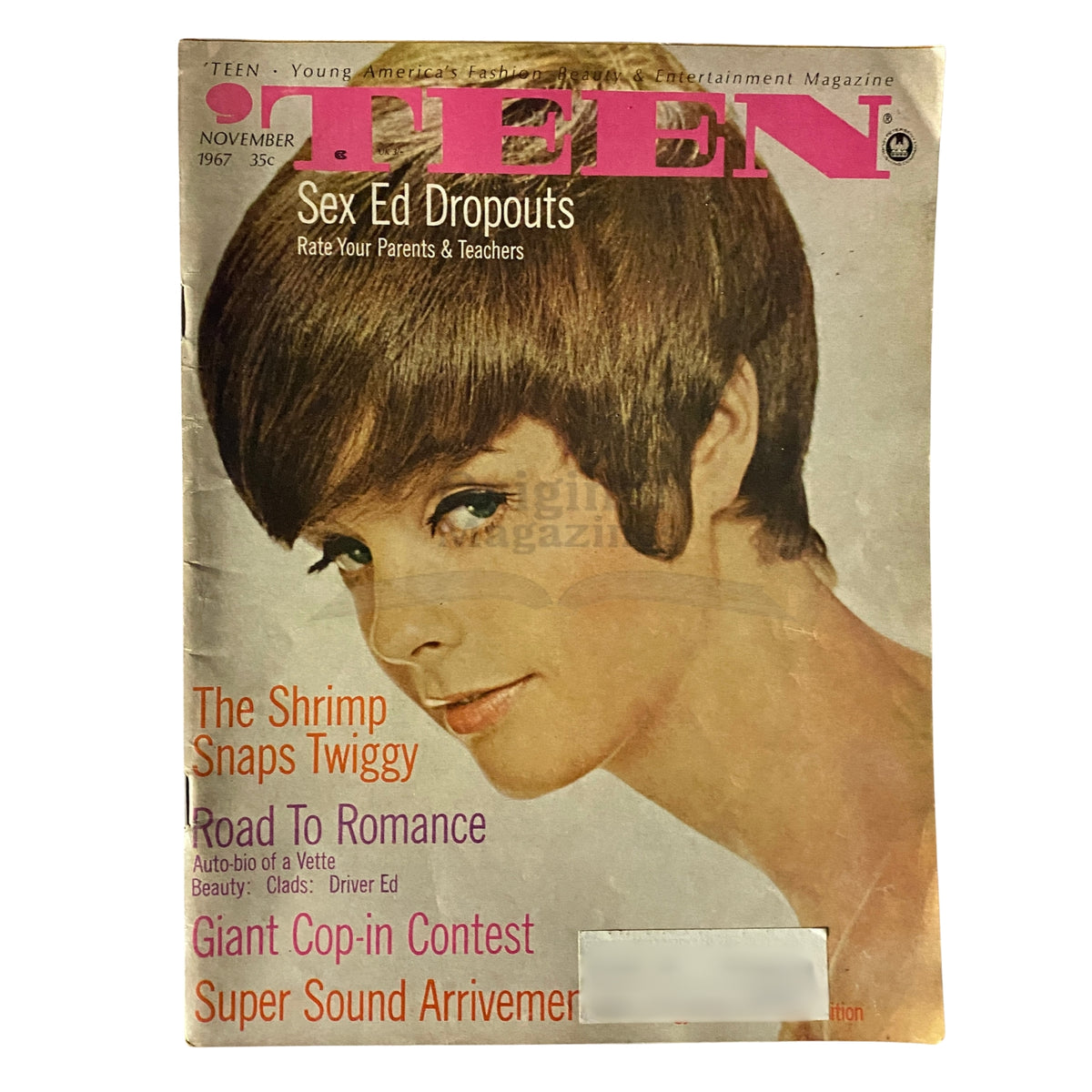
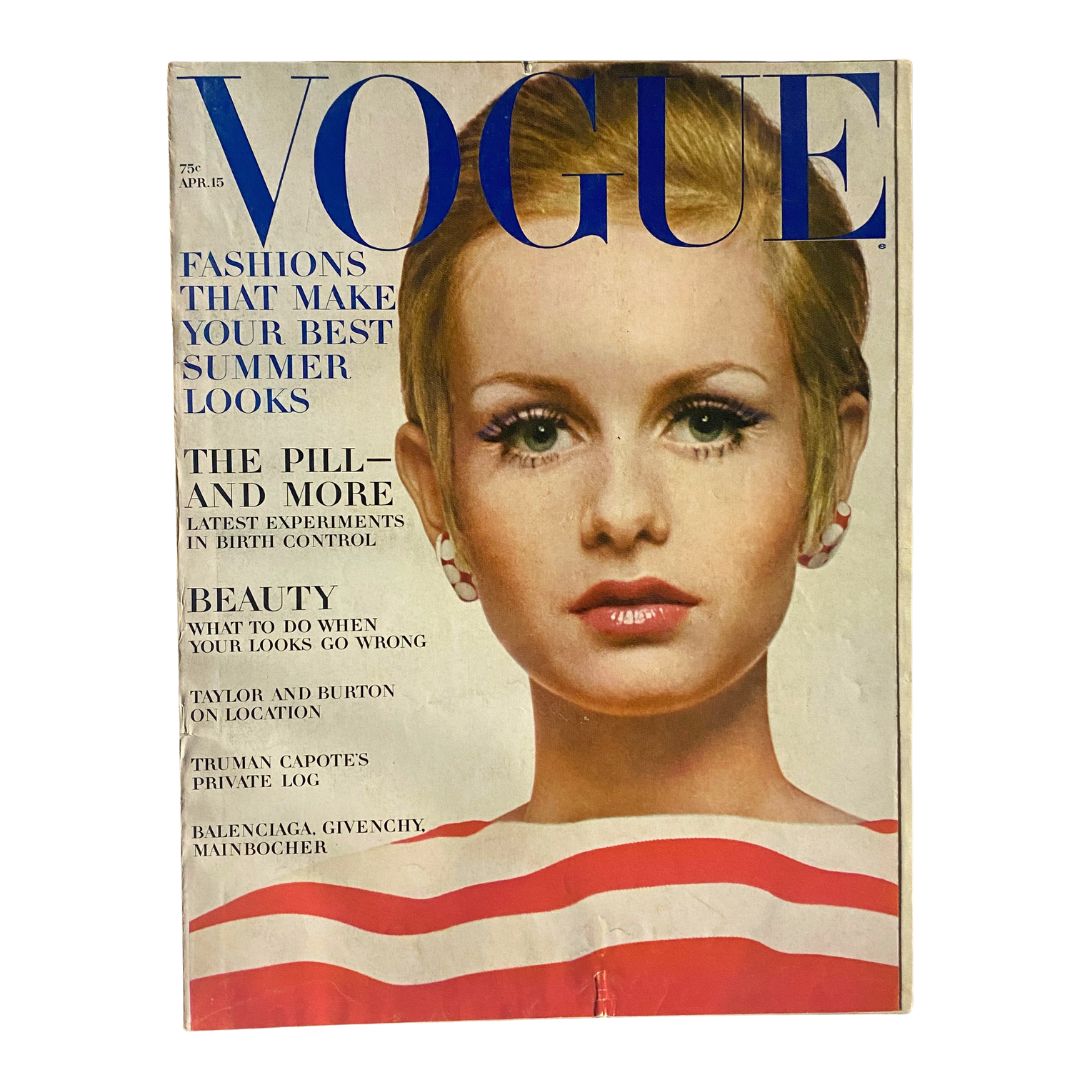
In the mid-1960s, a girl from Neasden with matchstick limbs, doe eyes ringed in painted lashes, and a gamine crop of bleached hair stepped in front of a camera and, almost overnight, rendered every preceding ideal of feminine beauty obsolete. Lesley Lawson — known to the world simply as Twiggy — was not merely a model; she was a living manifesto. At the precise moment that youth culture was wresting control of Western society from the postwar establishment, she embodied its restless, androgynous energy with an almost uncanny completeness. There was no internet to accelerate her ascent, no social media to manufacture the mythology — her story spread the way all great stories did in that era: page by page, issue by issue, cover by cover. A reader in Paris, Tokyo, or New York would pull a magazine from a newsstand and find those enormous eyes staring back at them, and the effect was nothing short of electric. She was the Swinging Sixties distilled into a single human form, and the print media of the age understood it immediately, marshalling every resource at their disposal to document, dissect, and celebrate her.
Inside the Archive
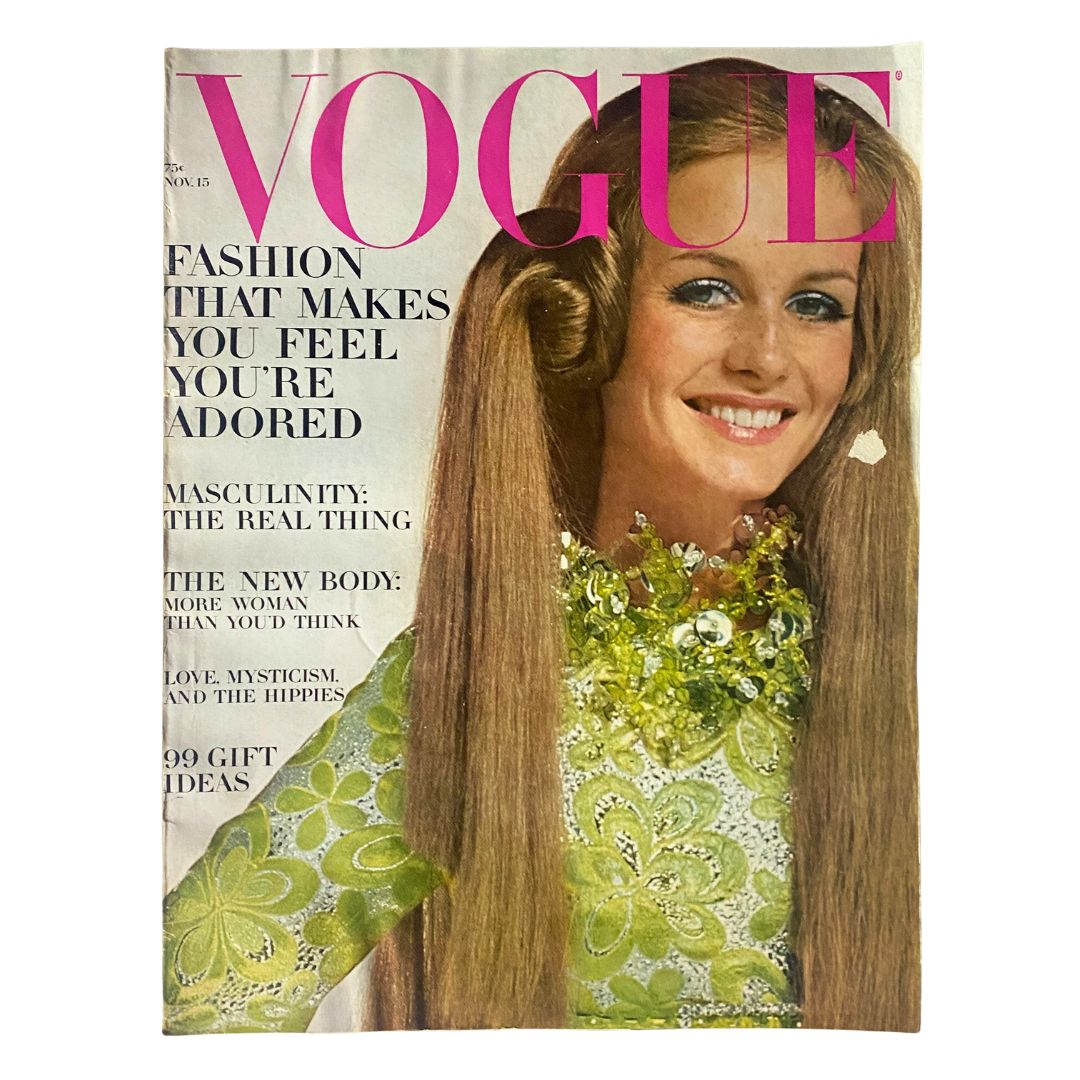
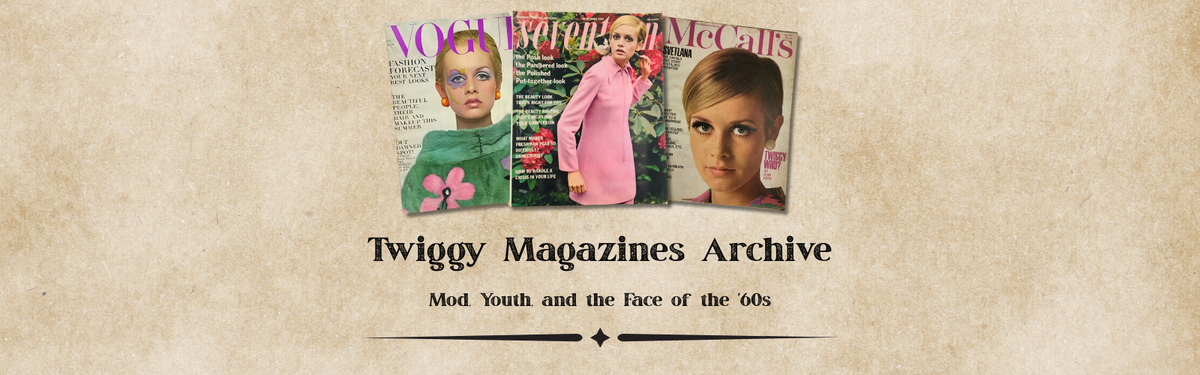
The photographic treatment the Mod Sparrow received in vintage print was unlike almost anything that had come before it. Fashion photographers — David Bailey, Bert Stern, and Helmut Newton among them — experimented with high-contrast black-and-white, bold graphic layouts, and the kind of witty, irreverent staging that mirrored the cultural rupture she herself represented. The editorial tone oscillated between breathless adoration and genuine intellectual curiosity: who was this creature, and what did her improbable dominance say about the age? Vogue — both its British and American editions — was perhaps her most natural home, committing lavish editorial spreads to her angular silhouette and cementing her status as the definitive face of the decade. Life magazine, with its unmatched reach into the American living room, brought her story to millions of readers who had never set foot in a London boutique, framing her as a cultural phenomenon worthy of the same attention it gave to astronauts and presidents. Meanwhile, European titles such as Paris Match approached her with the particular reverence the continent reserves for those who transcend fashion to become genuine icons, charting her travels, her relationships, and her evolution with the seriousness of a diplomatic dispatch.
Curator's Checklist: Highlights Often Include
- Breakthrough era fashion spreads (1966–1968): The years of peak Twiggy-mania, when publications on both sides of the Atlantic competed to deliver the most inventive, era-defining editorial portraits of the world's first supermodel.
- American conquest coverage: Her celebrated 1967 arrival in New York — documented with an intensity more befitting a head of state than a nineteen-year-old from North London — spawned a wave of profile pieces and photographic features that collectors frequently seek out.
- Film and acting transition features: Following her acclaimed turn in Ken Russell's The Boy Friend (1971), the editorial focus broadened, with features exploring her metamorphosis from visual icon to genuine performing artist.
- International editions and foreign-language issues: Japanese, Italian, and French publications of the late 1960s treated her with particular pictorial grandeur, producing layouts of extraordinary graphic beauty that stand as artefacts of global Mod culture.
- Advertising and commercial tie-in coverage: As the face of a licensing empire spanning everything from dolls to false eyelashes, the era's print record captures a remarkable moment in the history of celebrity branding — one of the first times a model's image became a consumer product in its own right.
The Collector's Value
To hold one of these original issues is to hold time itself. The paper stock of a 1967 glossy carries a weight and a warmth quite distinct from any reproduction — the slight give of the page, the particular richness of the offset-printed colour, the faint, unmistakeable perfume of decades-old ink that no digital archive can approximate. These are objects that existed in the real world of the era they document: they sat on coffee tables in Chelsea flats, were passed between friends in Greenwich Village apartments, and were pored over in Tokyo department stores by readers for whom they represented a window onto a world in the thrall of spectacular change. The surrounding advertisements are themselves a time capsule — cigarette brands, couture houses, and beauty products that speak to the material culture of the age as vividly as the editorial content. For collectors of Swinging Sixties memorabilia, vintage fashion history, or mid-century print culture, these publications offer an irreplaceable primary source — not a retrospective, but a live transmission from the moment itself. Browse the current available inventory below and secure a piece of that extraordinary, unrepeatable instant.