📖 About this Collection
Ultimate Warrior: Where Painted War Meets Immortal Thunder
The Legend & The Legacy
In an era before social media algorithms and streaming highlight reels, the Ultimate Warrior arrived on the cultural landscape of professional wrestling like a thunderclap from another dimension — and the printed page was where the world tried to make sense of him. From his explosive debut in the mid-1980s to his reign as WWF Champion in the early 1990s, James Brian Hellwig — who later legally became Warrior — was a force that transcended sport and entered the realm of mythology. Wrestling magazines lined the spinner racks of drugstores and newsstands across America, and for millions of young fans, those glossy pages were the only way to follow his story between Pay-Per-View events and Saturday morning broadcasts. The breathless prose, the urgent headlines, the full-page portraits of a man who seemed constitutionally incapable of standing still — this was the primary record of a phenomenon that sold out arenas and moved merchandise at a pace that stunned even the most seasoned promoters in the business. His WrestleMania VI victory over Hulk Hogan in 1990 — champion versus champion, icon versus icon — was one of professional wrestling's most seismic moments, and the print media of the day treated it with the gravity it deserved.
Inside the Archive
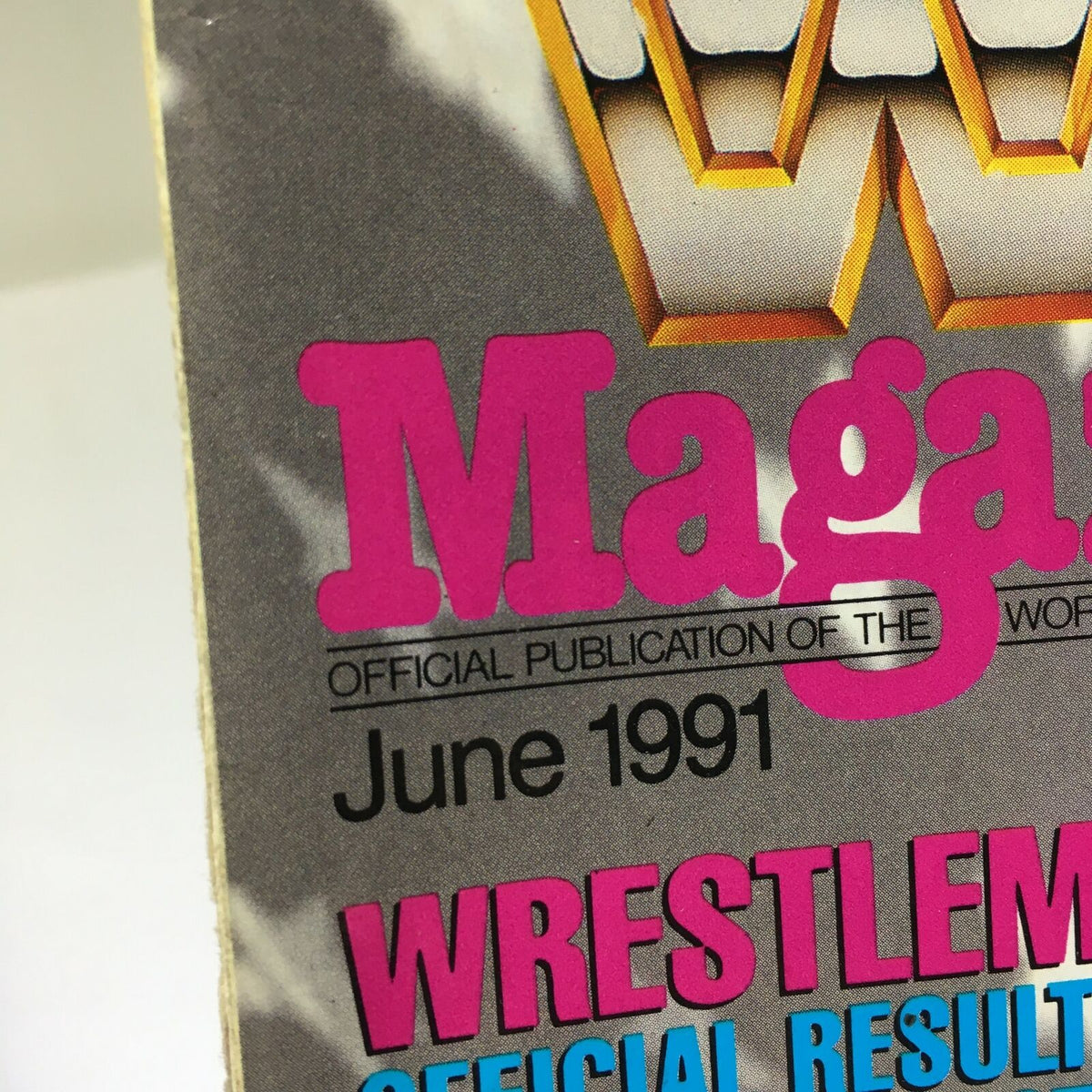
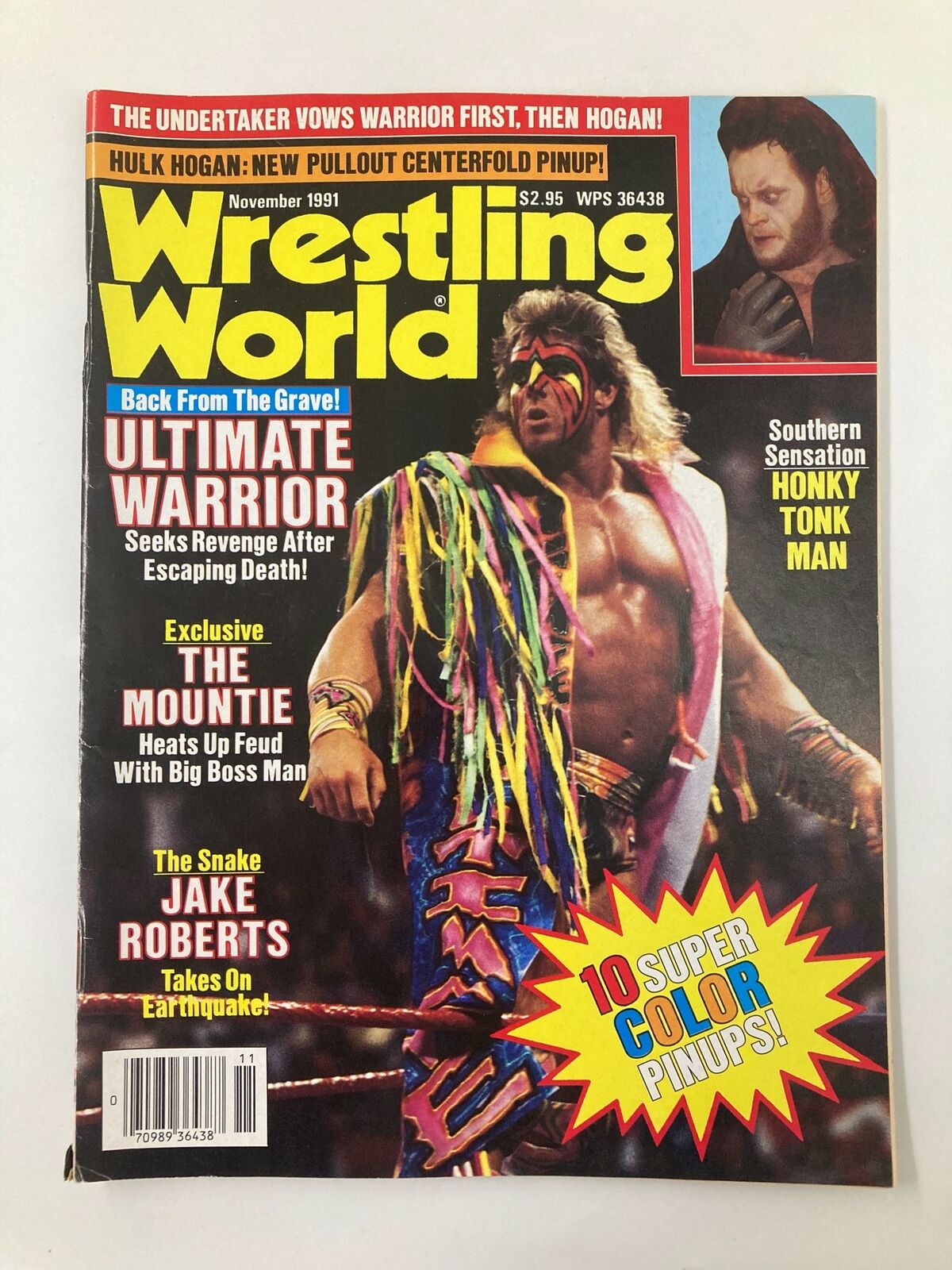
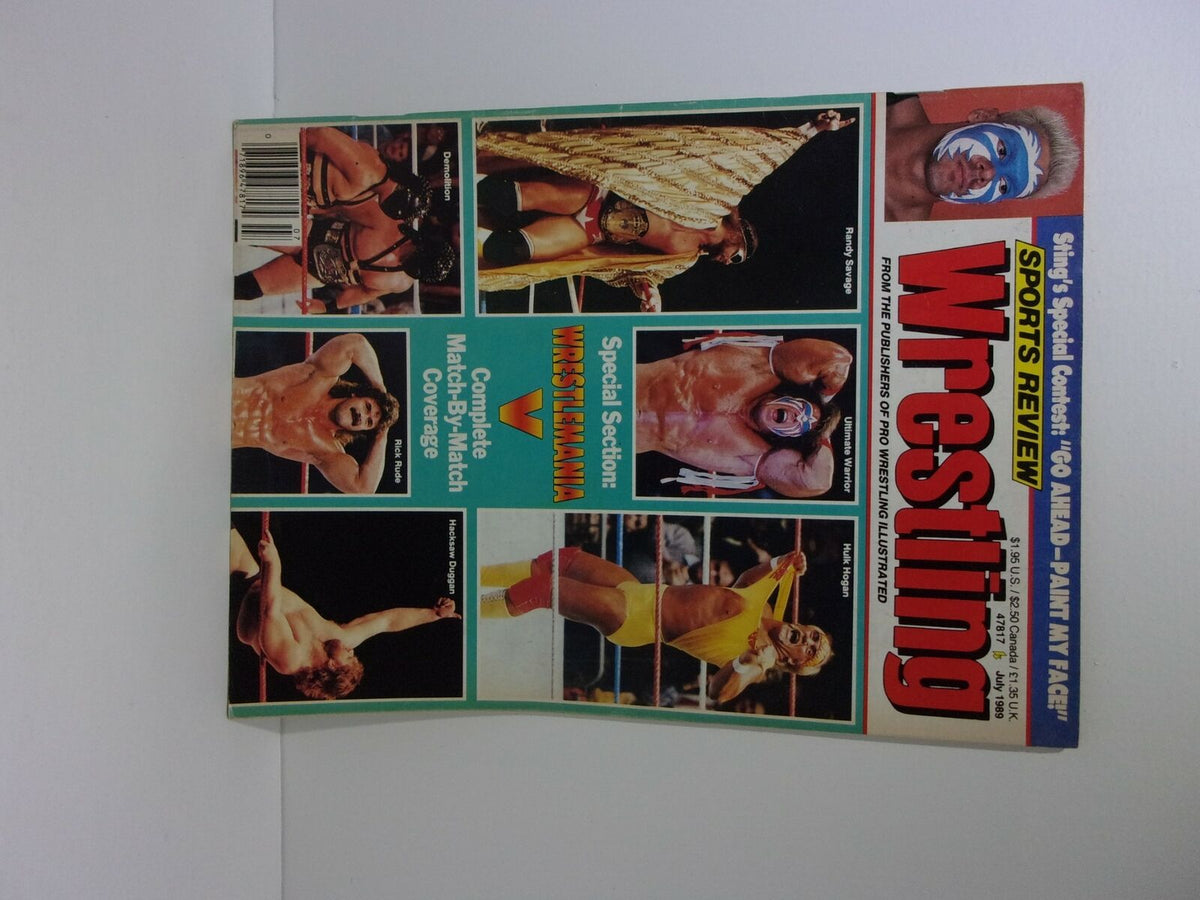
Vintage wrestling publications captured the Ultimate Warrior in a way that modern digital media simply cannot replicate — with urgency, color, and an almost mythological editorial lens. Photographers caught him mid-sprint, hair flying, ropes shaking, painted face contorted in an expression somewhere between ecstasy and fury; these were images designed to leap off the page. WWF Magazine, the sport's flagship publication, frequently dedicated cover real estate and long-form features to him during his championship run, presenting him to fans as something beyond a mere athlete — a cosmic warrior answering a higher call. Pro Wrestling Illustrated, the industry's most respected independent voice, offered more analytical coverage, tracking his rankings, debating his legacy, and documenting his tumultuous departures and returns to the federation with journalistic seriousness. Wrestling Superstars and other newsstand specials of the era leaned into the spectacle, offering collector-friendly photo spreads and exclusive interviews that now serve as irreplaceable primary sources on the golden age of sports entertainment. The editorial tone across these publications oscillated between breathless kayfabe reverence and genuine sports journalism — a fascinating cultural tension that makes each issue a document of its time.
Curator's Checklist: Highlights Often Include
- Championship milestone coverage — Issues commemorating his WWF Intercontinental and World Heavyweight Championship reigns, particularly the landmark WrestleMania VI bout, are among the most sought-after by collectors of the golden era.
- Iconic cover appearances — The warrior's visual impact made him a natural cover subject; collectors frequently seek issues where his face-painted visage dominates the front page in full-bleed photography.
- Rivalry features and special editions — Coverage of his legendary feuds with Hulk Hogan, "Macho Man" Randy Savage, and Sgt. Slaughter generated dedicated feature articles, ranking spreads, and reader polls across multiple publications.
- Return and controversy narratives — His departures from and returns to the WWF in the early-to-mid 1990s generated substantial editorial commentary; these issues document a complicated, fascinating chapter in wrestling history with remarkable candor.
- Merchandise and cultural crossover pieces — Some publications of the era documented the extraordinary commercial phenomenon surrounding him — the action figures, the face paint kits, the lunchboxes — capturing a moment when professional wrestling became a dominant force in American youth culture.
The Collector's Value
To hold one of these original issues today is to hold a direct transmission from one of pop culture's most electric eras — and the physical experience of that transmission is irreplaceable. The slightly coarse texture of late-1980s newsstand paper stock, the particular weight of a staple-bound wrestling special, the faint chemical perfume of decades-old ink meeting your fingertips as you turn to a centerfold portrait — none of this survives in a digital scan. Surrounding the editorial content, the vintage advertisements tell their own story: toy commercials, breakfast cereal promotions, and video rental offers that contextualize exactly when this man mattered and to whom he mattered most. For collectors of professional wrestling memorabilia, golden age sports entertainment history, or 1980s and 1990s American pop culture ephemera, these publications offer something no reproduction can — the unmediated, original record of a phenomenon as it was happening, before anyone knew it would become legend. Browse the current inventory below and claim your piece of that history before it moves on to its next custodian.