📖 About this Collection
Vince McMahon: The Carnival King Who Conquered America
The Legend & The Legacy
Long before the algorithmic churn of social media could reduce a mogul to a trending topic, Vince McMahon built an empire the old-fashioned way — through sheer audacity, spectacle, and an almost maniacal belief that the American public was hungry for something louder, larger, and more unapologetically theatrical than anything it had ever been given. Rising from a regional wrestling promoter's son to the architect of a global entertainment juggernaut, he transformed professional wrestling from smoky armory events into a mainstream cultural phenomenon that sold out Madison Square Garden, invaded prime-time television, and eventually conquered pay-per-view. In an era when the public consumed its heroes and villains through the printed page — through glossy covers and ink-heavy spreads bought at corner newsstands and drugstore racks — McMahon and the spectacle he engineered became irresistible fodder for editors and photographers alike. His story unfolded in real time across the pages of magazines that sat on coffee tables and locker room benches, making WrestleMania not just an event, but a recurring chapter in the broader cultural conversation of late 20th-century America.
Inside the Archive
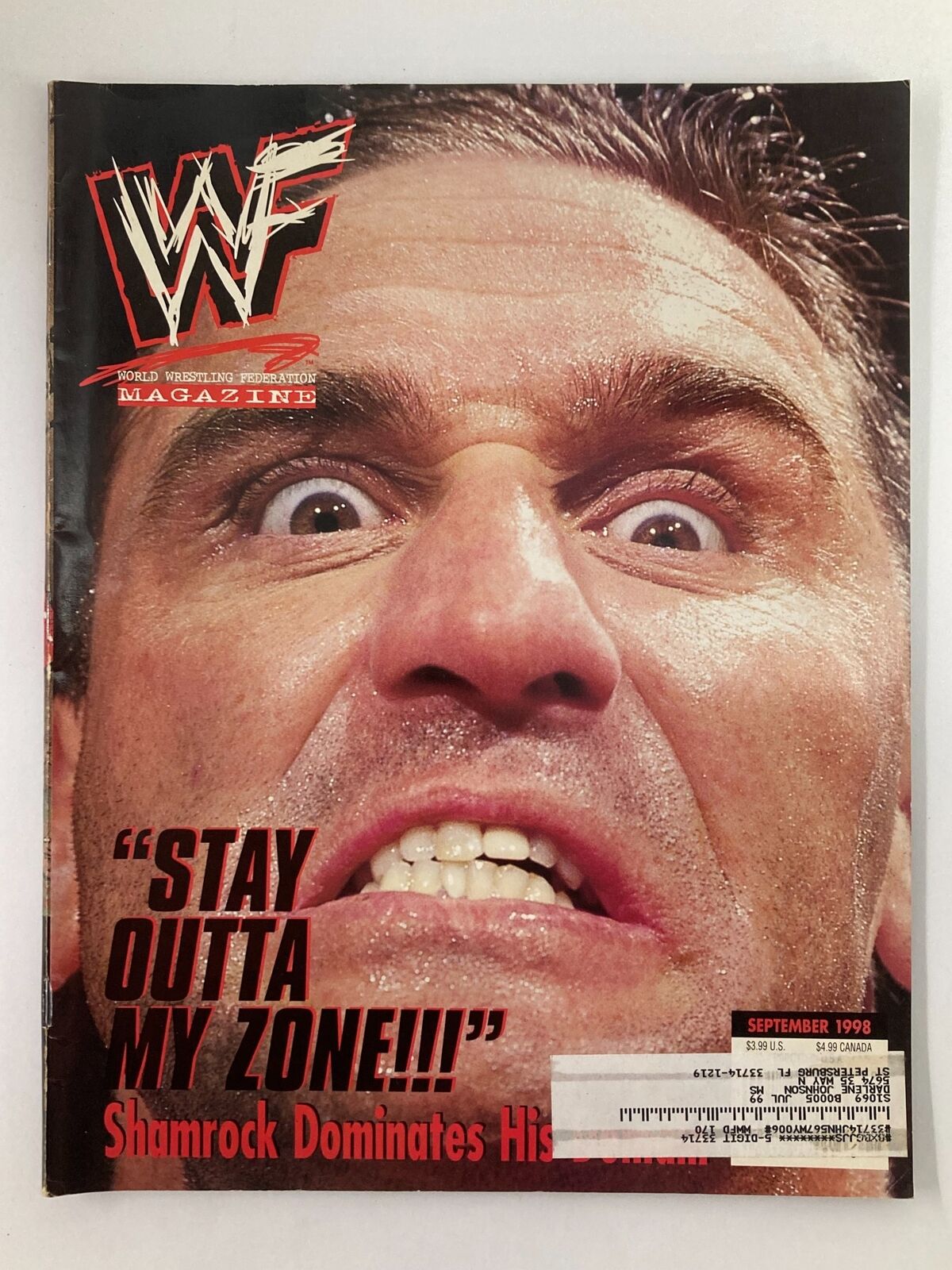
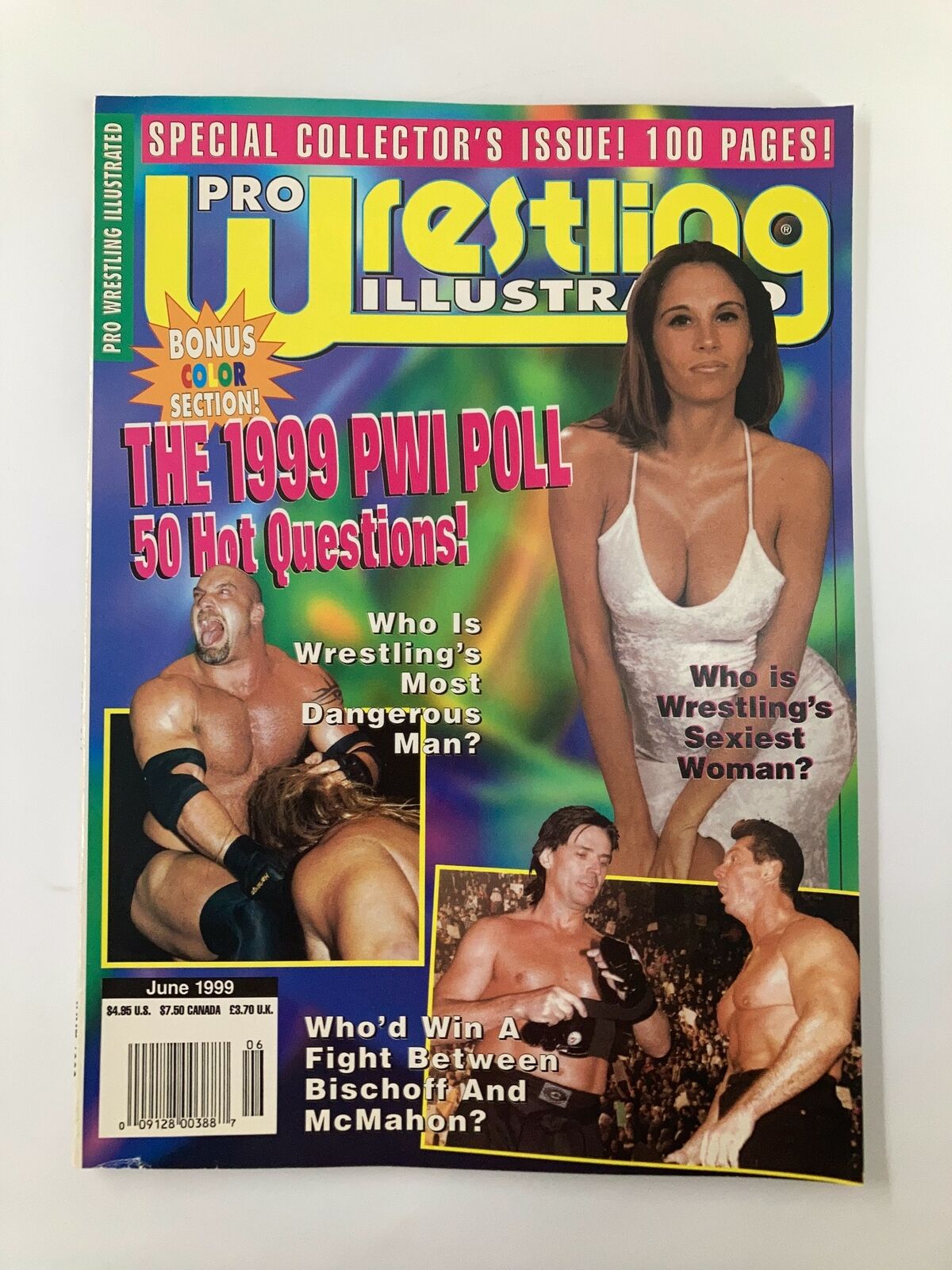
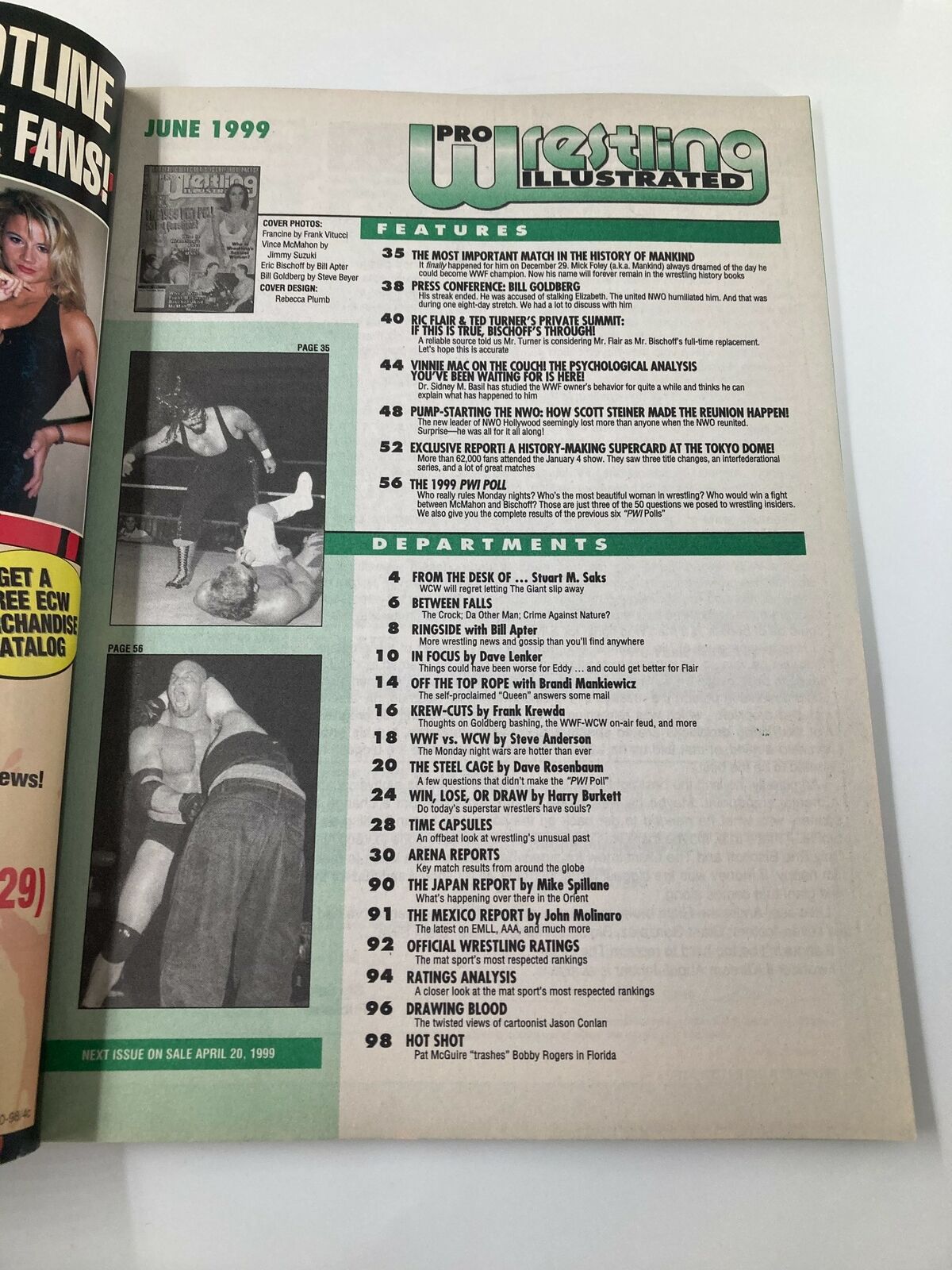
The coverage of McMahon and his World Wrestling Federation empire was as varied and vivid as the characters he put in the ring. Sports publications grappled seriously with his business genius, documenting the audacious territorial wars he waged against established regional promoters and the unprecedented national expansion he achieved through cable television partnerships. Sports Illustrated lent the spectacle a degree of mainstream legitimacy, running features that examined the curious, combustible line between athletics and entertainment that McMahon had turned into a goldmine. Business and entertainment titles — Forbes, Entertainment Weekly — profiled the man behind the curtain with a mix of fascination and skepticism, their photography often capturing him in power poses: tailored suits, squared jaw, the steely gaze of a man who knew exactly what he was selling. Meanwhile, dedicated wrestling trade publications and fan magazines like Pro Wrestling Illustrated documented the era with the breathless reverence of a devoted congregation, their covers blazing with the faces of Hulk Hogan, André the Giant, and the Ultimate Warrior — all figures whose rise McMahon had personally orchestrated. The editorial tone across all of this coverage oscillated between awe and unease, because McMahon himself seemed to relish existing in that exact tension.
Curator's Checklist: Highlights Often Include
- The WrestleMania Era Features (1985–1993): Coverage of the launch and explosive growth of WrestleMania, frequently framed as the moment professional wrestling shed its regional, working-class skin and stepped under the klieg lights of mainstream American entertainment
- The Monday Night War Coverage (Mid-to-Late 1990s): Editorial deep-dives into the fierce ratings battle between the WWF and Ted Turner's WCW — a corporate conflict with genuine national stakes that attracted business press attention far beyond the world of sports
- Superstar Profile Spreads: Issues built around McMahon's signature creations — Hulk Hogan, Shawn Michaels, Stone Cold Steve Austin — in which the promoter's hand is ever-present, often quoted and photographed alongside his marquee talent
- The "Attitude Era" Controversy Pieces (Late 1990s–Early 2000s): Magazine features, often with a pointed or cautionary editorial tone, examining the WWF's deliberately provocative programming shift and its cultural ripple effects, including congressional and parental-watchdog scrutiny
- Business and Mogul Profiles: Rarer, but prized by collectors — long-form profiles in mainstream business and entertainment titles that examine McMahon not as a wrestling figure, but as a self-made American media titan who broke every industry rule he encountered
The Collector's Value
There is something irreplaceable about holding one of these issues in your hands — the particular weight of a 1980s glossy, its cover colors still punching through the decades, the faint ghost of offset ink that rises when you turn the pages, the surrounding advertisements forming an accidental time capsule of the era's consumer culture. These are not reprints or digital facsimiles; they are primary source documents, physical artifacts of a moment when professional wrestling — and the mercurial visionary steering it — was being processed in real time by a culture that hadn't yet decided what to make of either. The paper stock, the typography, the editorial voice all carry the texture of their moment in a way no screen can replicate. For collectors of professional wrestling history, American entertainment business, or late 20th-century pop culture ephemera, these publications offer something a streaming service or a Wikipedia entry fundamentally cannot: the sensation of witnessing the phenomenon as a contemporary audience actually did, one newsstand issue at a time. Explore our current rotating inventory below and claim your piece of this singular chapter in American spectacle.