📖 About this Collection
Walter Cronkite: The Voice That Held a Nation
The Legend & The Legacy
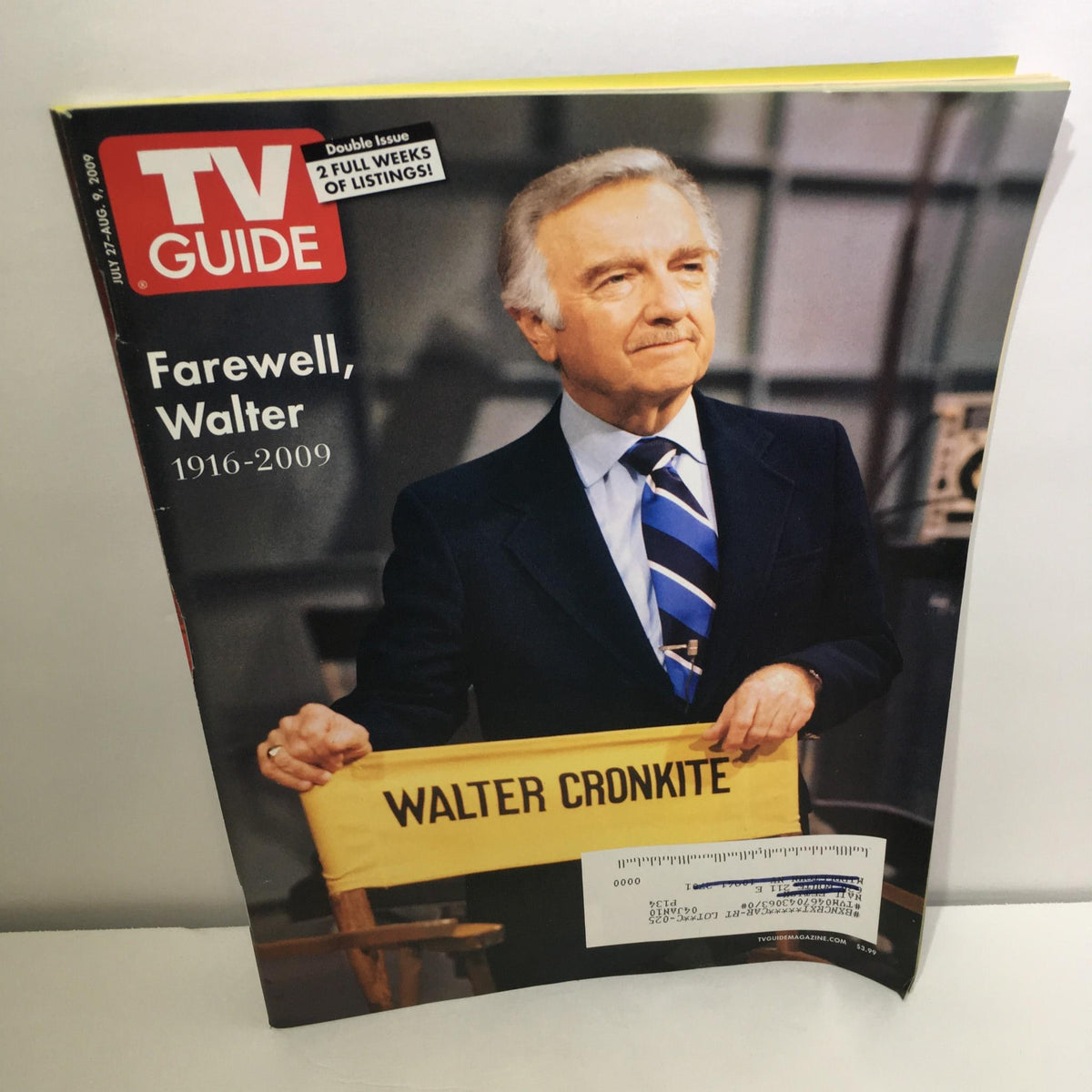
Before the scroll, before the algorithm, before the twenty-four-hour cycle reduced the news to noise, there was a single moment each evening when America stopped and listened. Walter Cronkite — anchorman, witness, and moral compass of the CBS Evening News — occupied a place in American life that no broadcaster has since reclaimed. For nearly two decades, from the assassinations and moon landings to the jungles of Vietnam and the hostage crisis in Tehran, he translated chaos into clarity for tens of millions of households. His was a face seen not on a screen in every pocket, but on the family television set, his image flickering through cigarette smoke and dinner-table conversation. When he wept at the death of President Kennedy or declared the Vietnam War a stalemate, the weight of those moments rippled outward into the culture — and straight onto the covers and feature pages of the era's most influential magazines. To own a physical print from those years is to hold a document of collective memory, the ink still carrying the urgency of a world learning to understand itself through journalism.
Inside the Archive
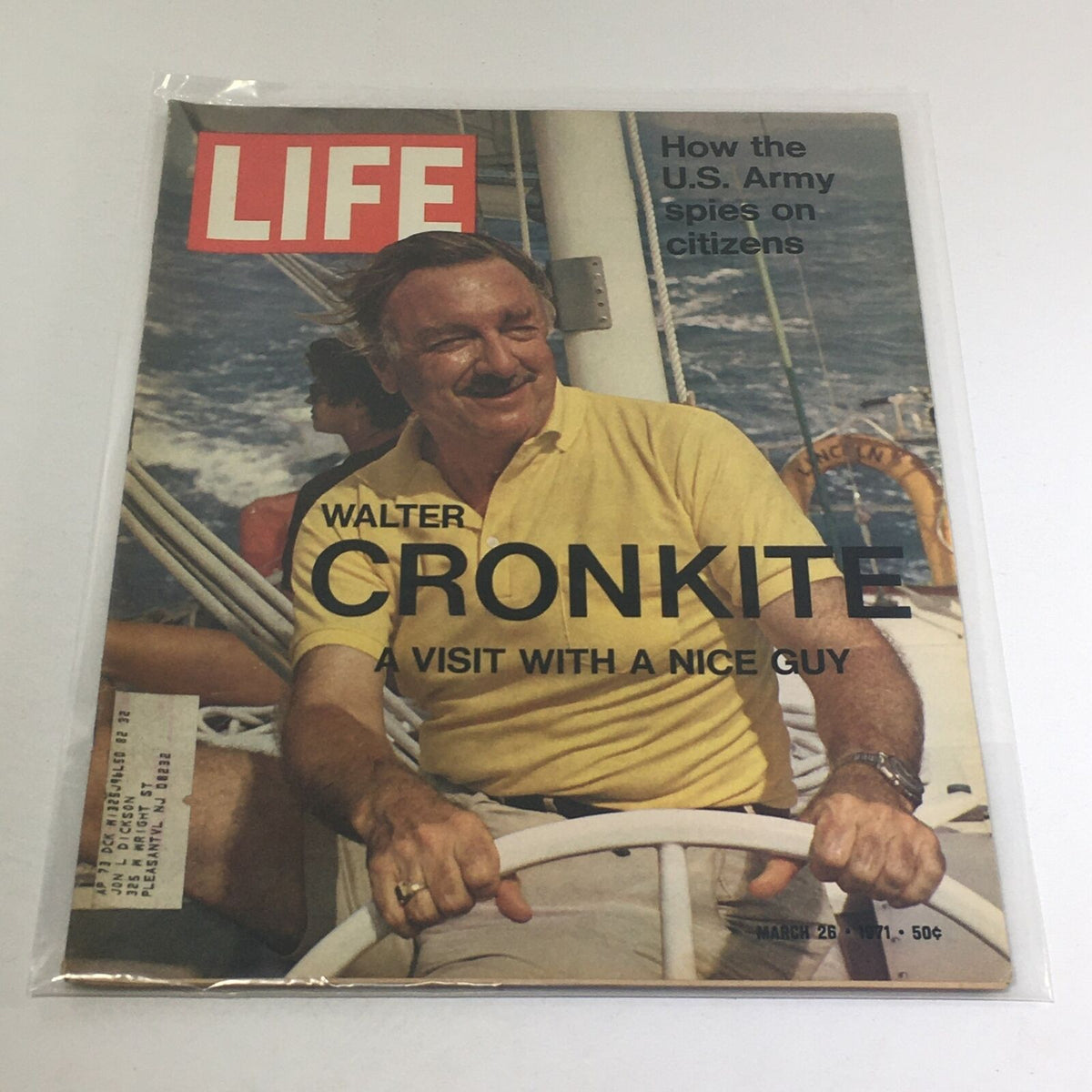
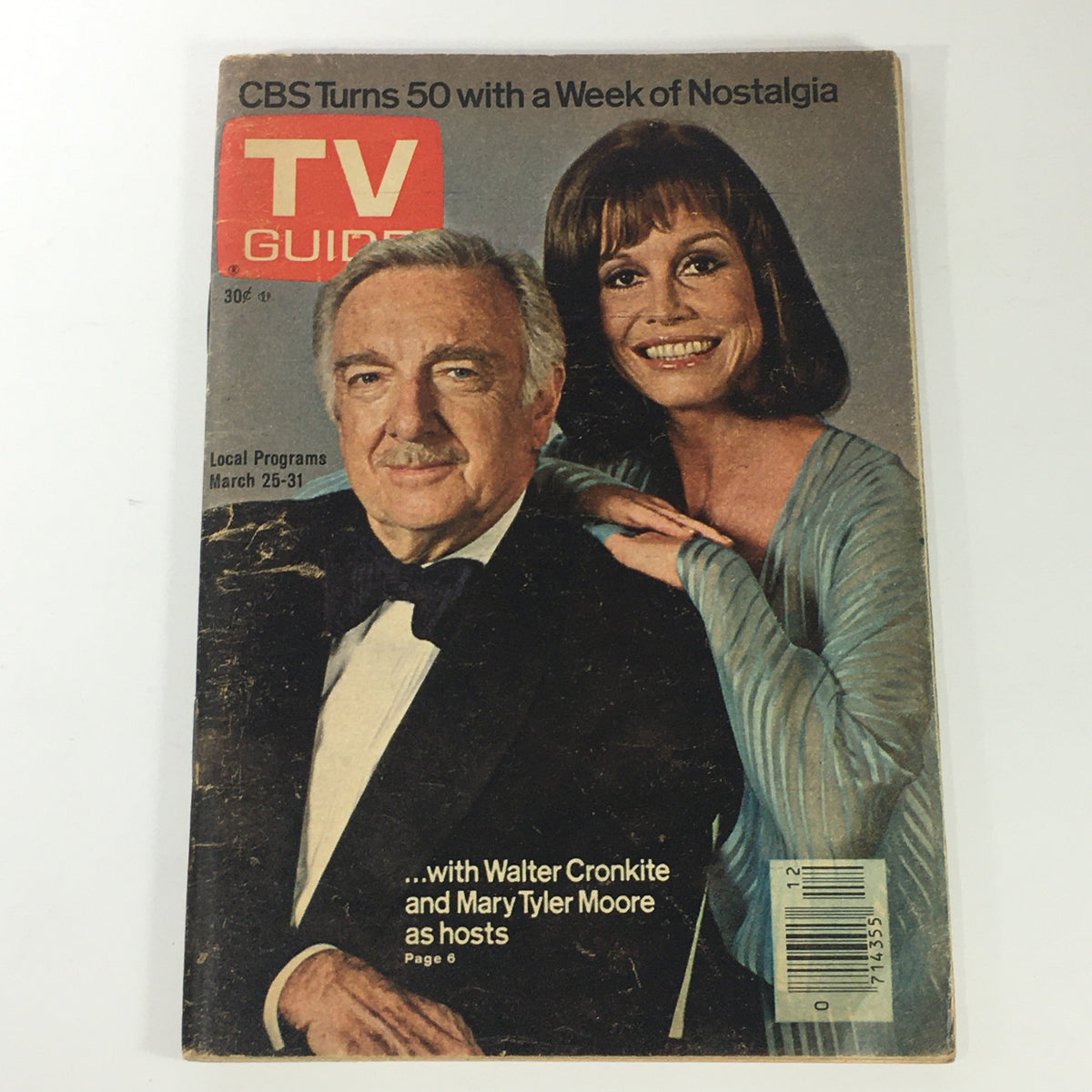
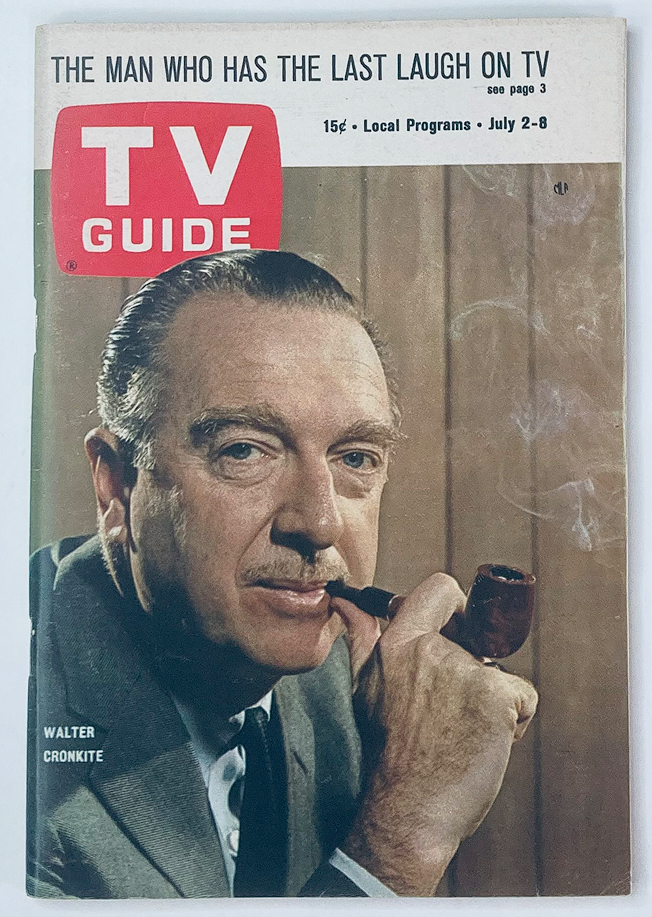
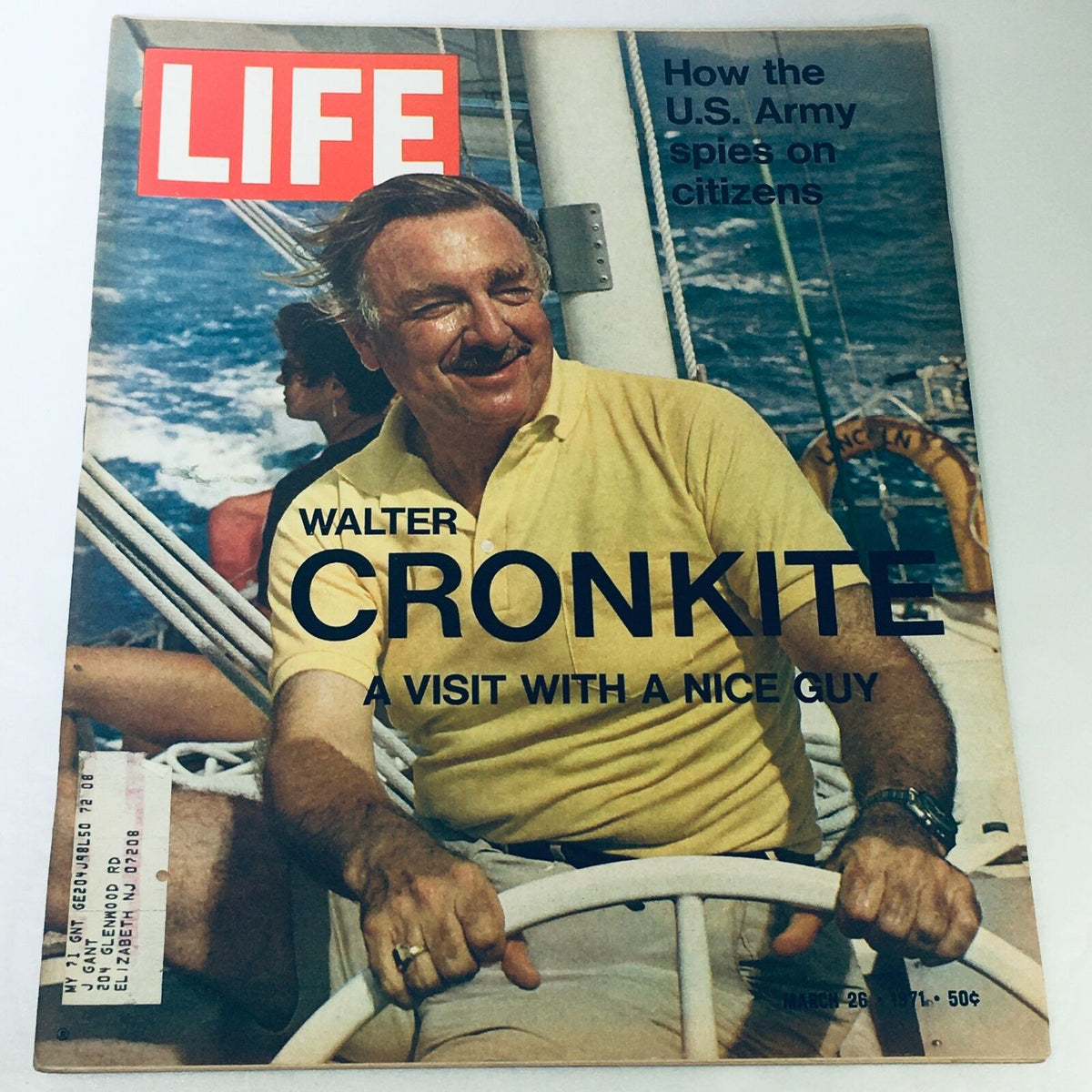
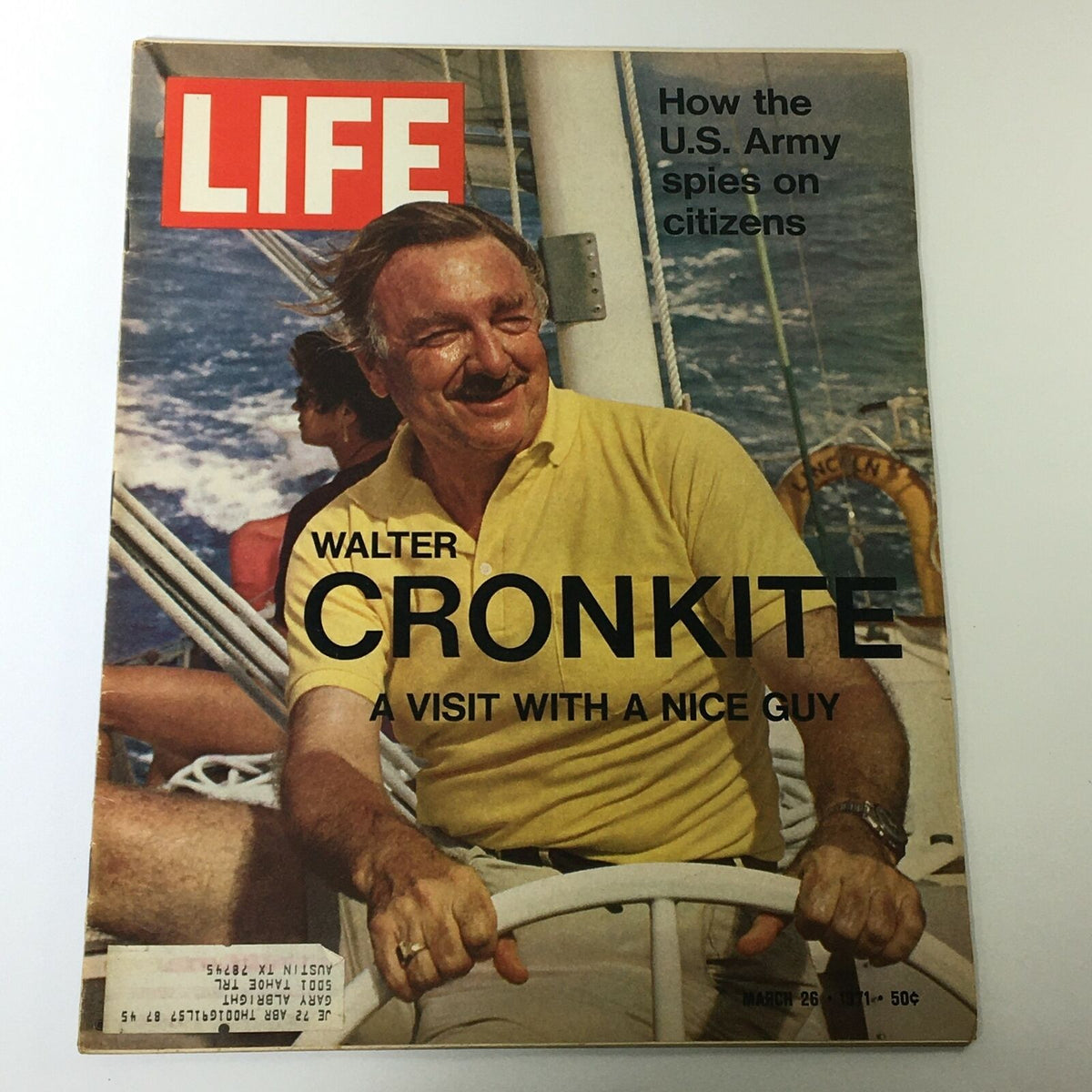
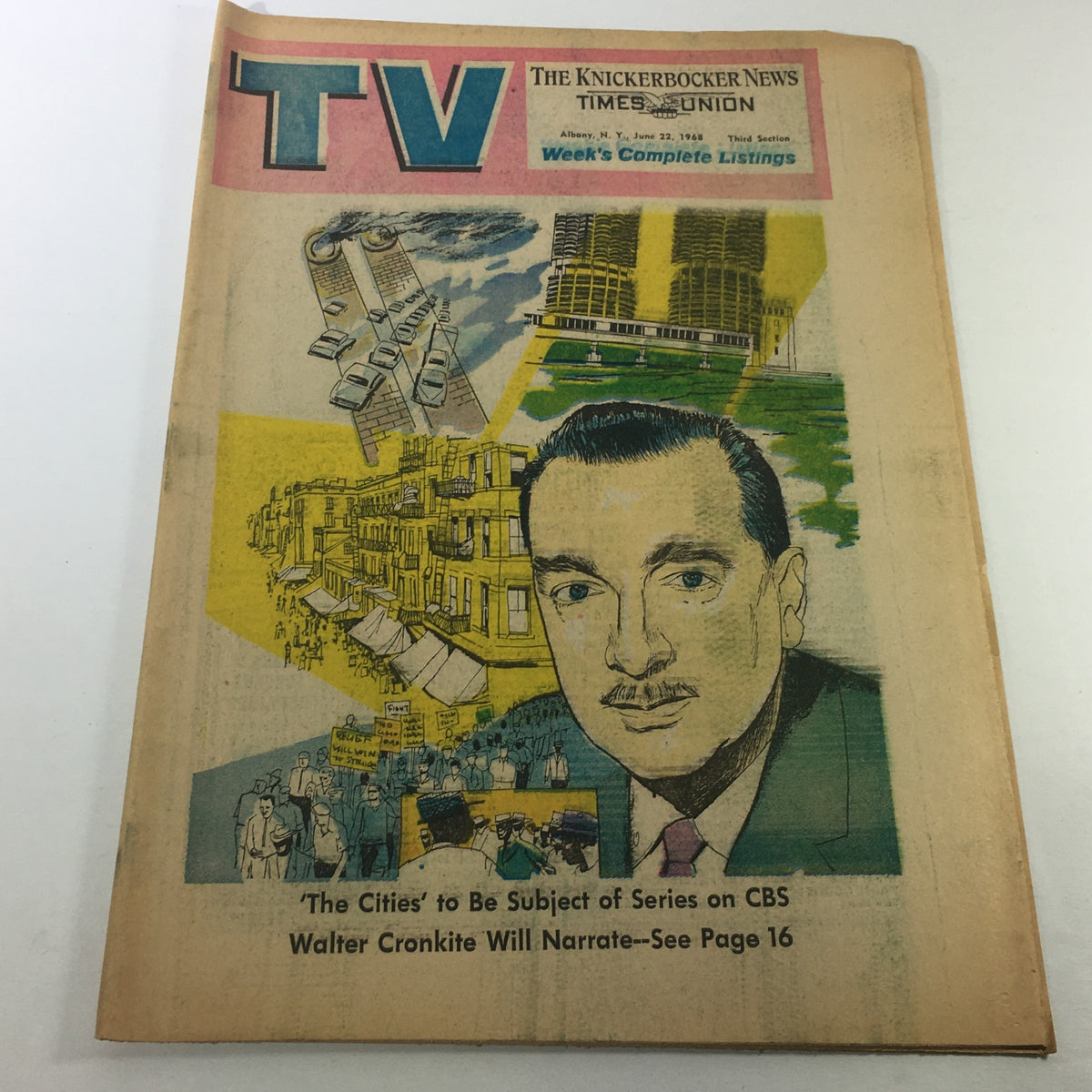
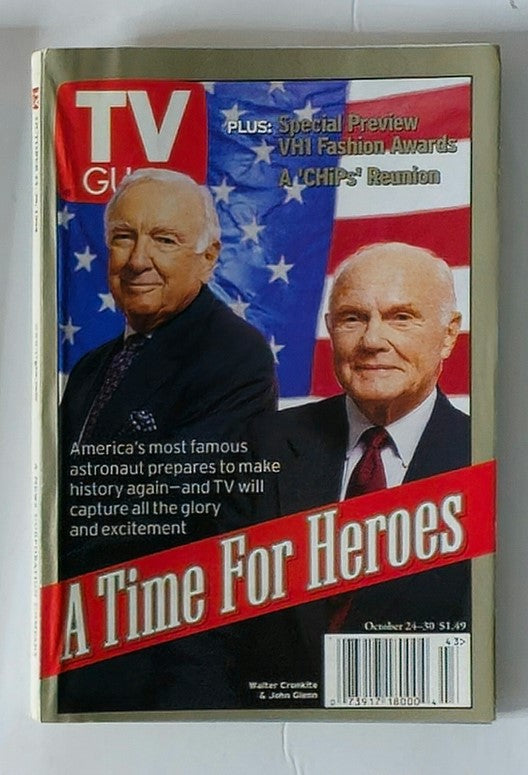
The magazines that chronicled the Cronkite era did so with an editorial seriousness that matched the man himself. Photography tended toward the authoritative and intimate — a close crop of those steel-rimmed glasses, the reassuring gravity of the broadcast desk, or wide shots of a journalist in the field amid the smoke and ruin of a foreign conflict. The editorial tone ranged from reverential to analytical, treating the anchor not merely as a media personality but as a civic institution. Time magazine, which named him the most trusted man in America, returned to him repeatedly across decades, positioning his image alongside the defining crises and triumphs of the postwar world. Life, with its incomparable photographic ambition, captured the texture of the newsroom and the broadcasting age in spreads that feel today like dispatches from a lost civilization. Newsweek offered its own rigorous parallel coverage, often framing Cronkite within larger essays on the power of television news to shape public opinion — a conversation that now reads as prophetic. Niche press from journalism schools and media trade publications of the period round out the archive, offering collector's-grade insight into how the industry itself understood his singular influence.
Curator's Checklist: Highlights Often Include
- Apollo-era issues from the late 1960s and early 1970s, in which coverage of the space program frequently spotlighted Cronkite's legendary, unscripted emotional reactions to the moon landings — moments of broadcast history preserved in print
- Vietnam War coverage from domestic and international magazines that reference his landmark 1968 editorial — regarded by historians as a turning point in American public sentiment toward the war
- Kennedy assassination commemorative issues and anniversary retrospectives, in which the anchor's eyewitness role during one of the darkest days in American broadcasting is examined with considerable depth
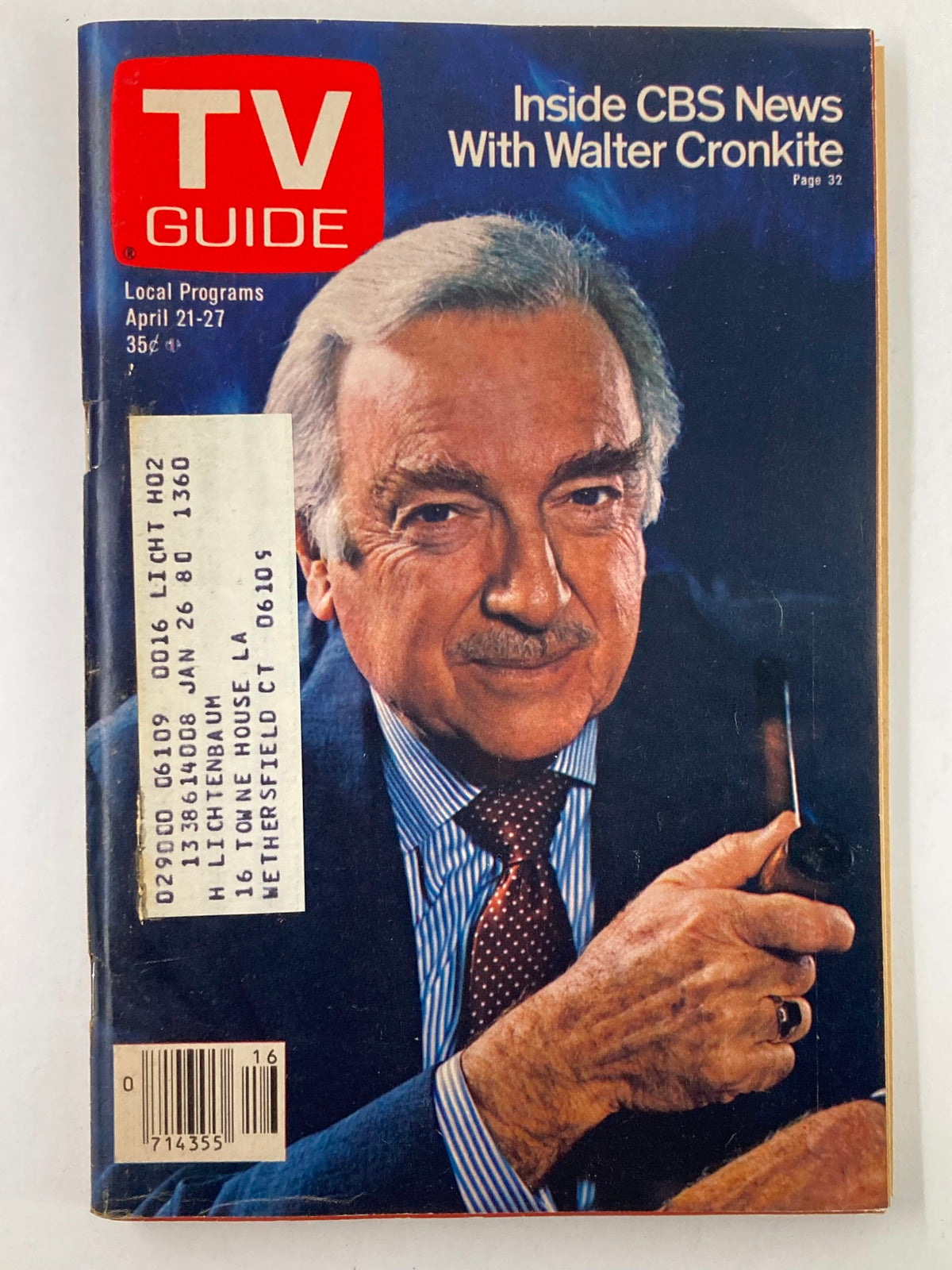
- Profile and profile-adjacent features from the 1970s and early 1980s, as television journalism matured and cultural critics began assessing the outsized trust a single news voice had accumulated across a generation
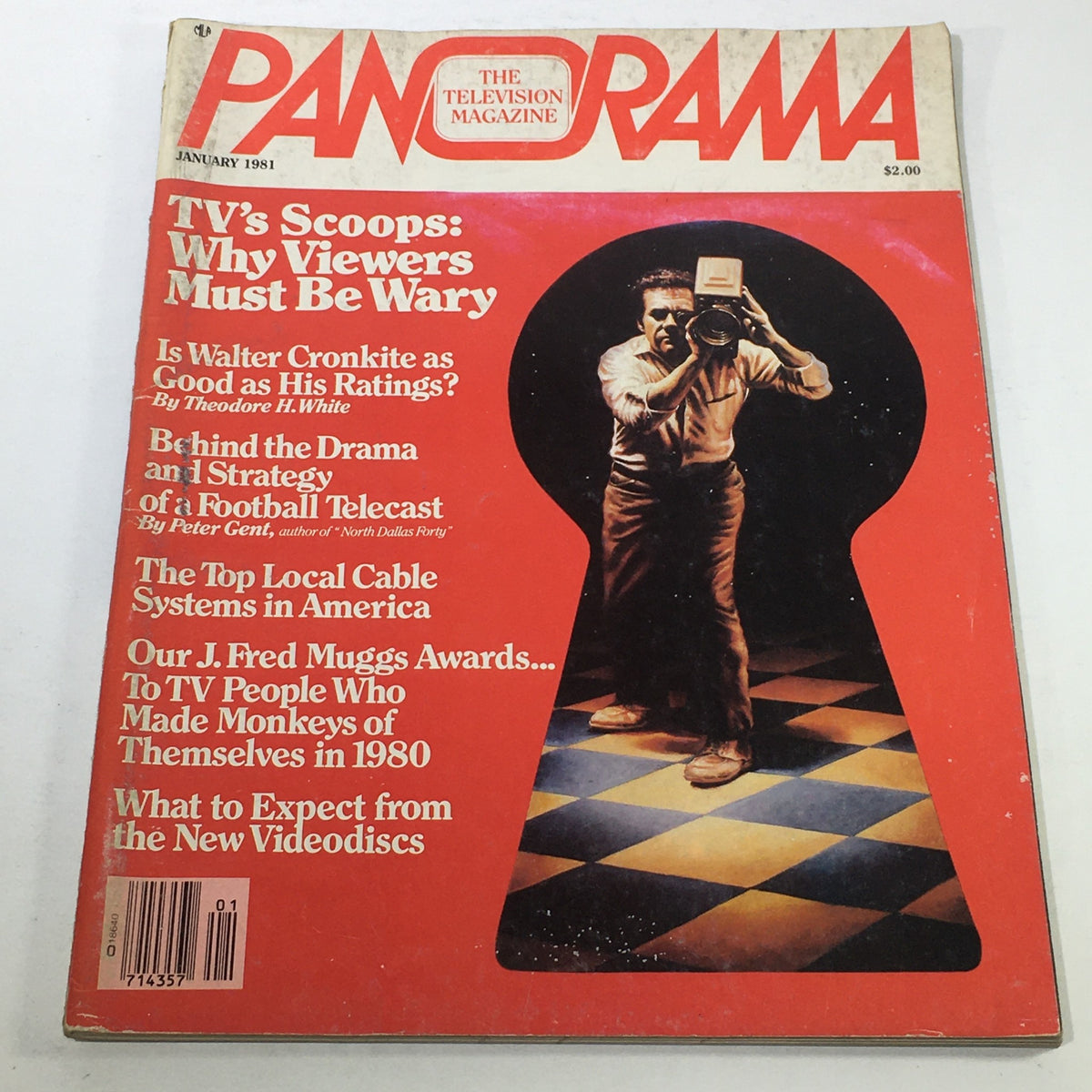
- Retirement and legacy issues from 1981 onward, when his departure from the CBS anchor chair prompted a wave of retrospective coverage — magazines grappling, in real time, with what it meant to lose the country's most familiar journalistic voice
The Collector's Value
There is something irreplaceable about holding one of these magazines in your hands — the slight give of aged newsprint, the faint cedar-and-ink perfume of a publication that has waited decades to be rediscovered, the full-bleed photographs printed with a richness that modern digital reproduction cannot quite replicate. Around the features themselves, the surrounding advertisements tell their own story: airline travel sold as glamour, cigarette brands occupying full back covers, automobiles framed as dreams. These are not merely items about a broadcaster — they are time capsules of an American century, artifacts of an age when trust was built slowly and authority was earned across years of nightly ritual. For collectors of broadcast history and vintage Americana, American political and cultural ephemera, or journalism and media heritage, these publications offer an unparalleled primary source — a front-row seat to the decades when print and television shaped the national conscience together. Explore the current available inventory below and find the issue that speaks to your particular corner of that remarkable era.