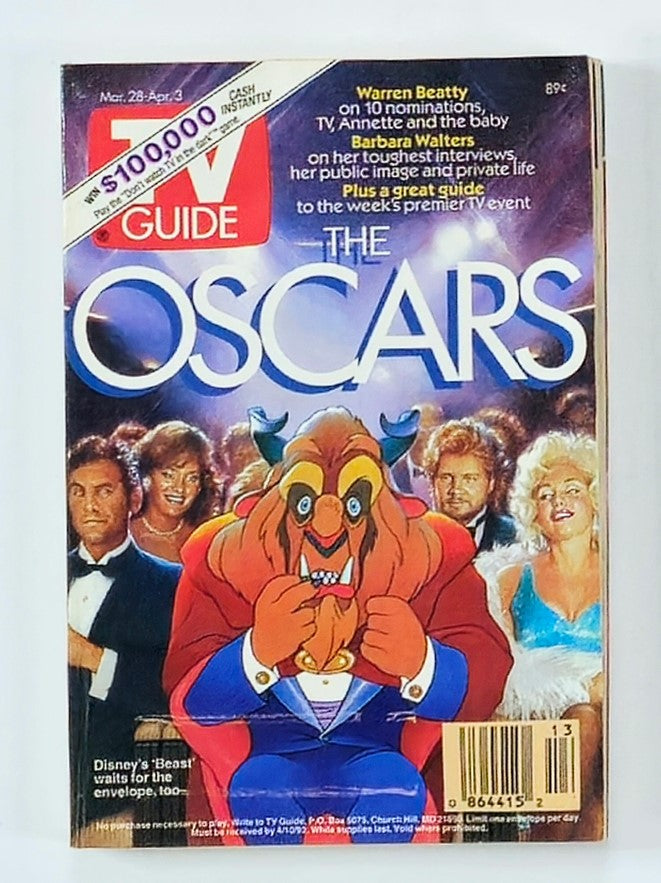
📖 About this Collection
Warren Beatty: The Last Great Romantic of Hollywood's Golden Twilight
The Legend & The Legacy
Few figures in the history of American cinema embodied the collision of art, ambition, and mythology quite like Warren Beatty. Rising to prominence in the early 1960s — an era when Hollywood was simultaneously crumbling and reinventing itself — he became one of the last actors to truly control his own legend, both on screen and off. Before entertainment news migrated to pixels and timelines, his every film, romance, and political flirtation was dissected across the glossy pages of magazines sold at newsstands from Manhattan to Malibu. He was the architect of Bonnie and Clyde (1967), a film so culturally seismic it is credited with detonating the New Hollywood movement; he produced, directed, and starred in Reds (1981), an audacious three-hour epic about American radicalism that somehow won him the Academy Award for Best Director. In an age when the public received their cultural mythology through print, he was one of its most compelling and deliberately elusive subjects — a man the press chased, and who occasionally, tantalizingly, let himself be caught.
Inside the Archive
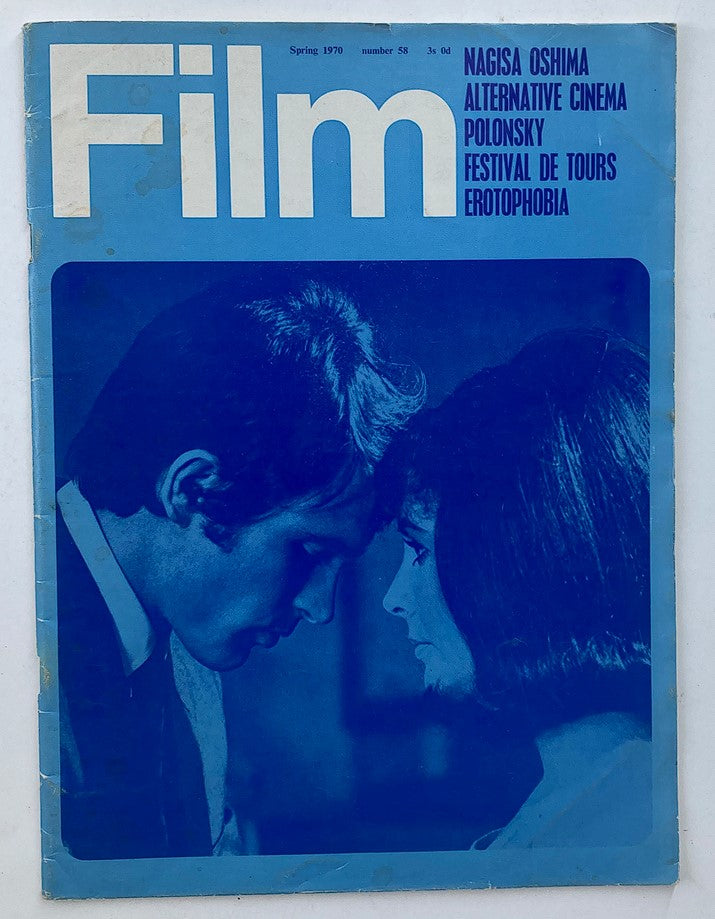
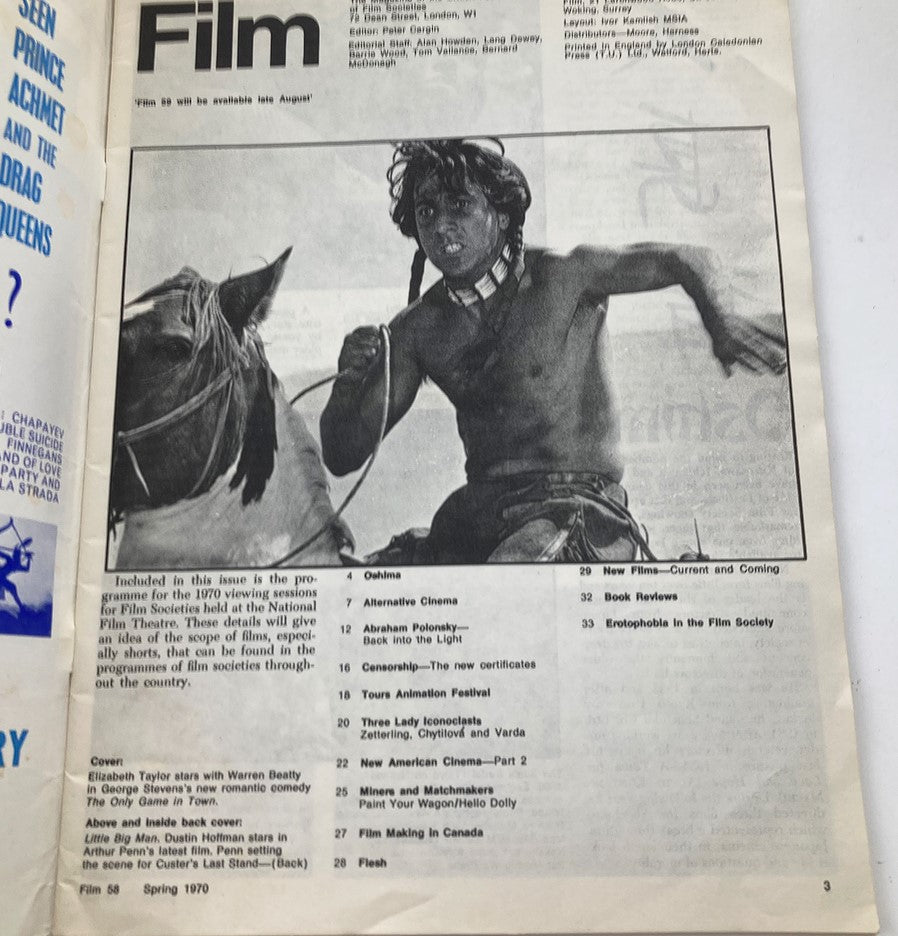
Vintage magazines pursued the enigmatic star with a particular obsession that spanned decades, shifting in tone as his own persona evolved. In the 1960s and early 1970s, Life magazine captured him with the sweeping, cinematic photography befitting a new kind of movie star — brooding portraits, candid behind-the-scenes frames, and arresting full-page spreads that treated him less as an actor and more as an American event. Rolling Stone, as it matured into the definitive voice of culture and politics, gave him rare long-form access, probing his roles as both filmmaker and political activist, his close orbit around the McGovern and Hart presidential campaigns lending him a gravity unusual for an entertainer. Internationally, Paris Match and European film periodicals afforded him the reverential, intellectualist framing that the French press reserved for auteurs — placing him firmly within a cinematic tradition that Americans were still learning to articulate. The photography across these publications reflects a pre-paparazzi intimacy: composed, deliberate, and extraordinarily glamorous, images made to be lingered over rather than scrolled past.
Curator's Checklist: Highlights Often Include
- New Hollywood Breakthrough Coverage — Early issues from the late 1960s documenting the cultural shockwave of Bonnie and Clyde, including critical reassessments, director profiles, and the fierce industry debate the film ignited about screen violence and artistic freedom
- The Producer-Director as Auteur — Editorial features from the 1970s and early 1980s examining his rare triple and quadruple hyphenate roles (Shampoo, Heaven Can Wait, Reds), a subject that fascinated both trade publications and mainstream press alike
- Political Orbit & Activist Hollywood — Coverage from news-adjacent magazines exploring his genuine proximity to Democratic presidential politics, his friendships with senators and candidates, and his outsized influence on the relationship between celebrity and civic life
- The Great Romance Mythology — Profiles and gossip-adjacent features from People, Us, and international weeklies chronicling the legendary romantic life that made him as famous off-screen as on — a subject treated with a breathless, pre-tabloid elegance now entirely lost to modern media
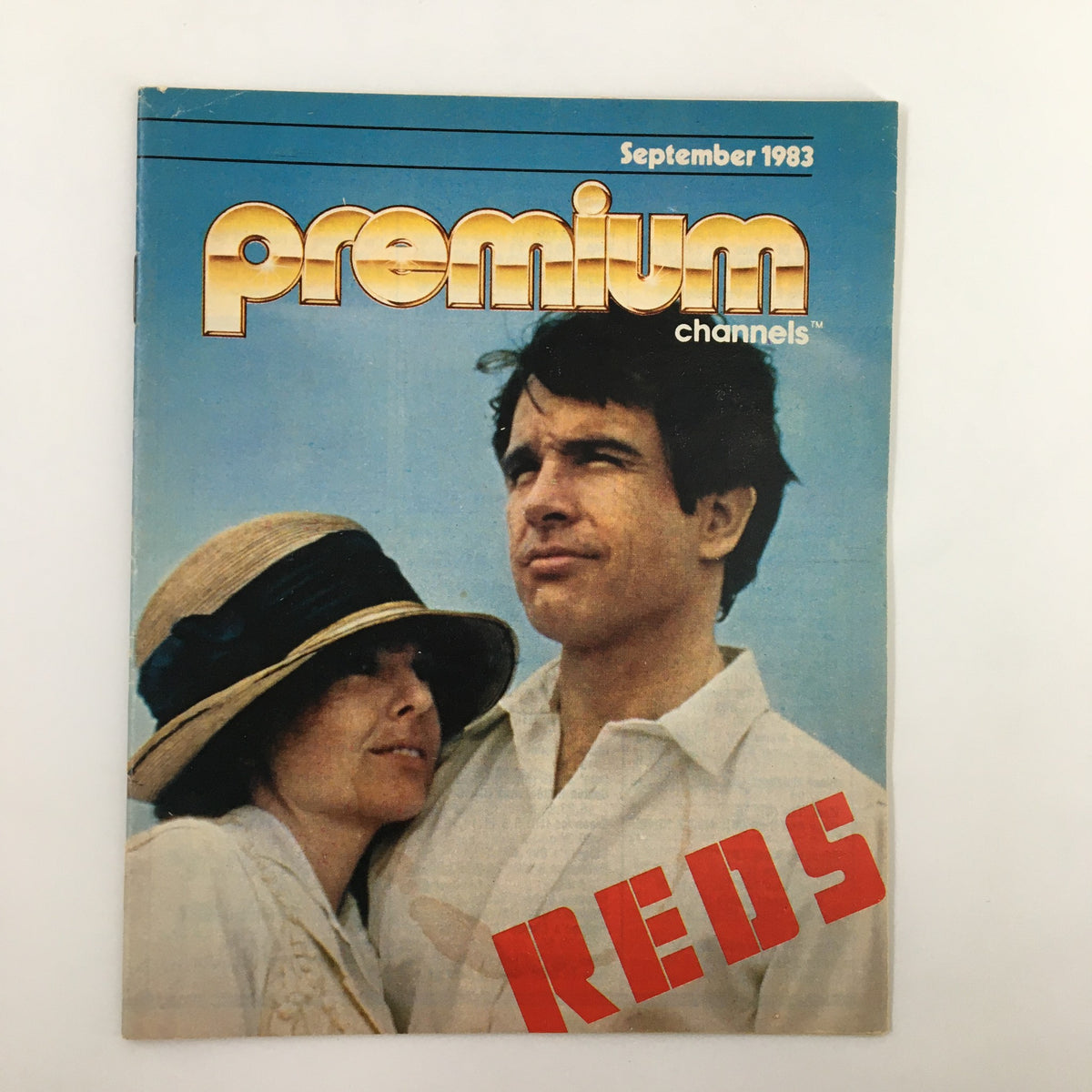
- The Reds Era & Oscar Triumph — A particularly rich collecting category, with late 1981 and early 1982 issues across entertainment, news, and culture magazines covering the improbable awards-season dominance of his Cold War epic and its defiant artistic ambition
The Collector's Value
To hold one of these issues is to hold the weight of a different America — one where a single magazine cover could define a cultural moment for an entire month, where the printing ink has settled into paper stock with a warmth and texture no digital archive can approximate. The slight yellowing at the edges, the faint perfume of aged newsprint, the period advertisements for cigarettes and American automobiles that frame his portrait — these are not imperfections, but proof of provenance, evidence that this object existed in the world during the very era it documents. A 1967 Life spread or a Rolling Stone long-form from the early 1980s is not merely a collector's item; it is primary source material, a dispatches-from-the-moment record of how a society processed one of its most complex and fascinating celebrities in real time. For collectors of New Hollywood cinema history, mid-century American cultural ephemera, or vintage celebrity and entertainment memorabilia, these publications offer an irreplaceable, tactile connection to a golden era of both filmmaking and magazine journalism that will never come again. Explore the current available inventory below and discover which pieces of that world are waiting to come home with you.