📖 About this Collection
Waylon Jennings: The Outlaw Who Rewrote Nashville's Rules
The Legend & The Legacy
Long before streaming algorithms decided what country music sounded like, Waylon Jennings was fighting with his bare hands to sound like himself. Born in Littlefield, Texas, and forged in the honky-tonks and recording studios of a Nashville that demanded conformity, he became the defining voice of the Outlaw Country movement — a seismic cultural shift that cracked the walls of Music Row wide open. He had survived the night Buddy Holly died, carrying that ghost with him into a career that was equal parts defiance and devotion. Through the 1970s and into the 1980s, the Outlaw's rise was a national conversation — about authenticity, about artistic freedom, about what American music could be when the suits were finally told to step aside. Fans didn't follow him on social media or stream his albums on demand; they read about him in dog-eared magazines passed between friends, bought at truck stops and newsstands from Amarillo to Atlanta, absorbing his story one slow, ink-printed page at a time.
Inside the Archive
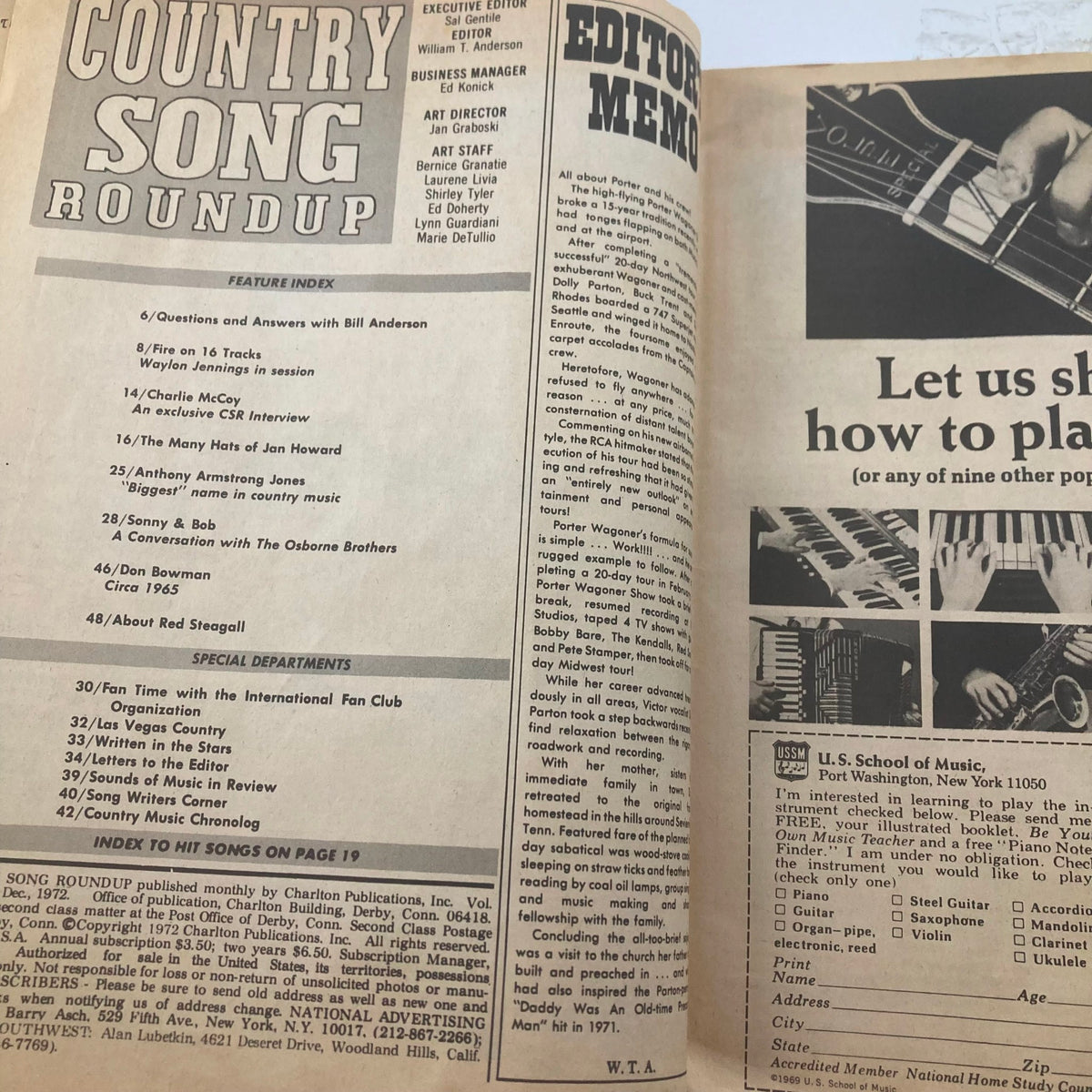
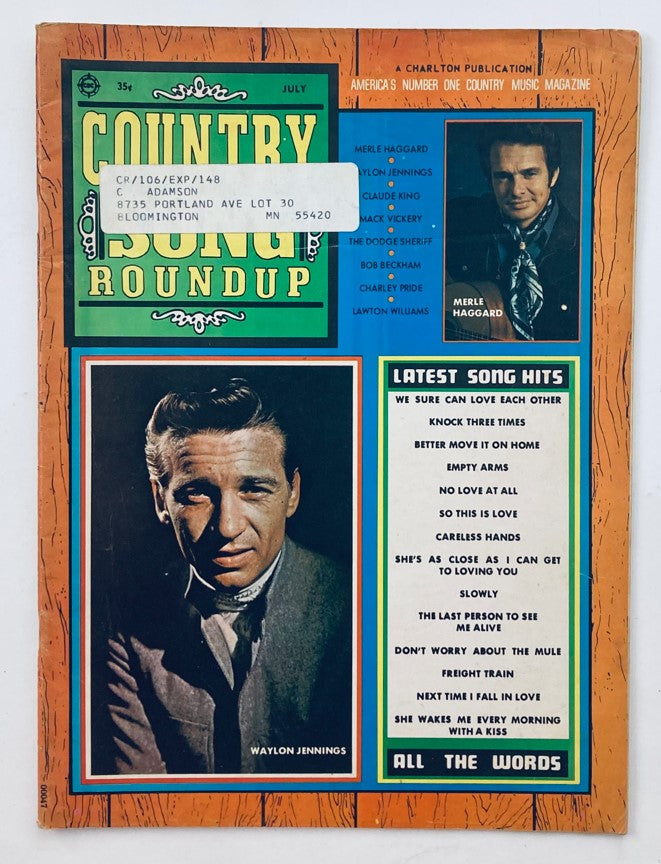
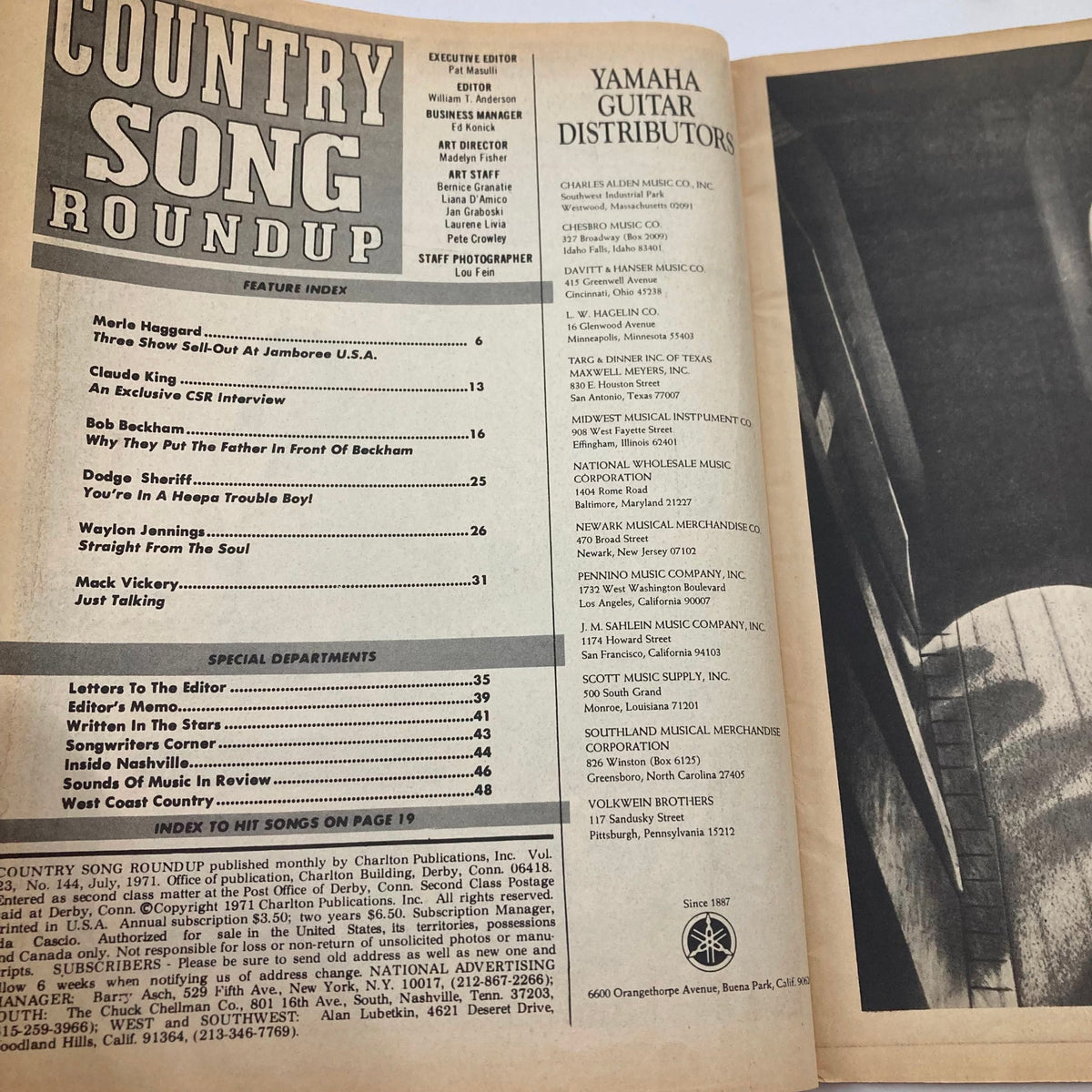
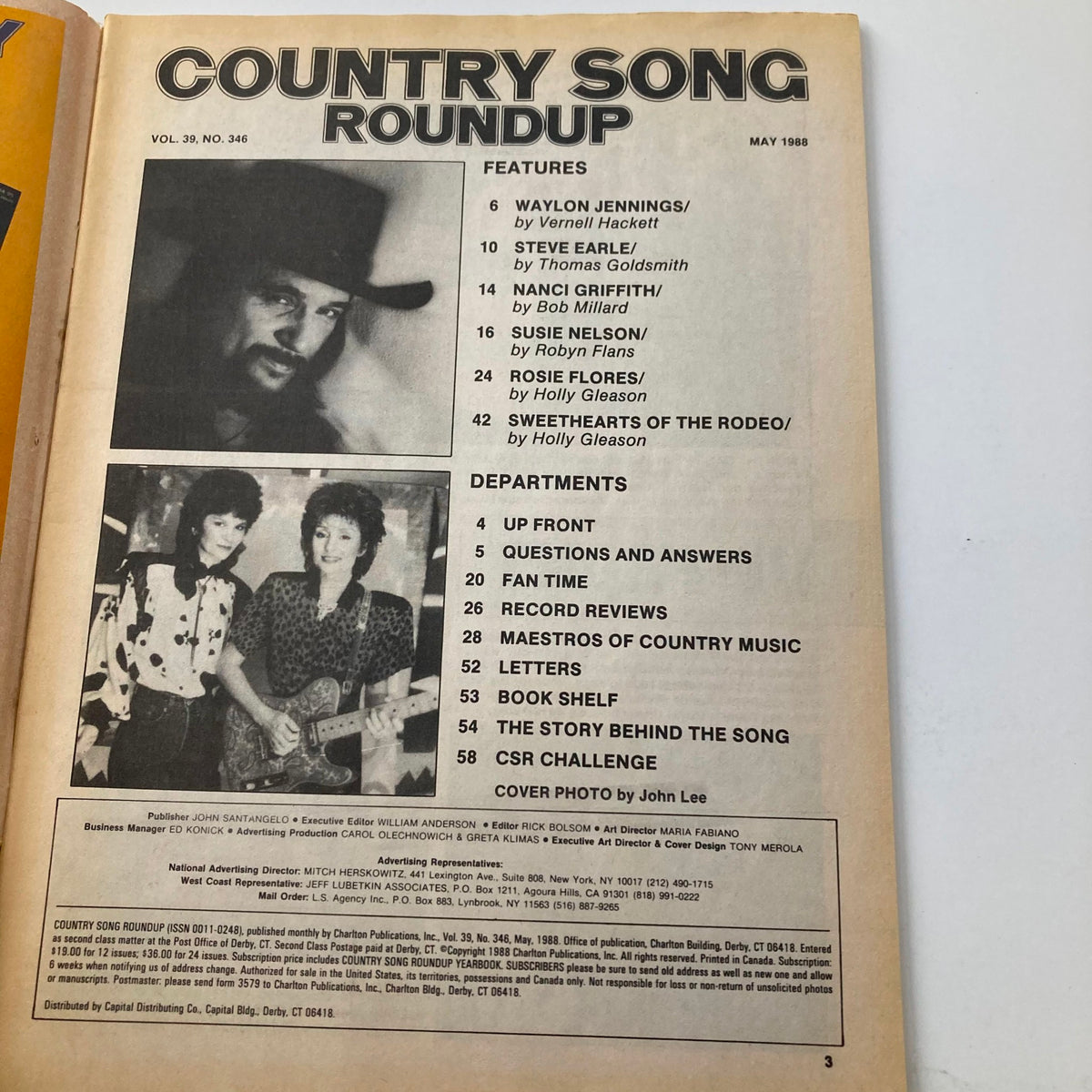
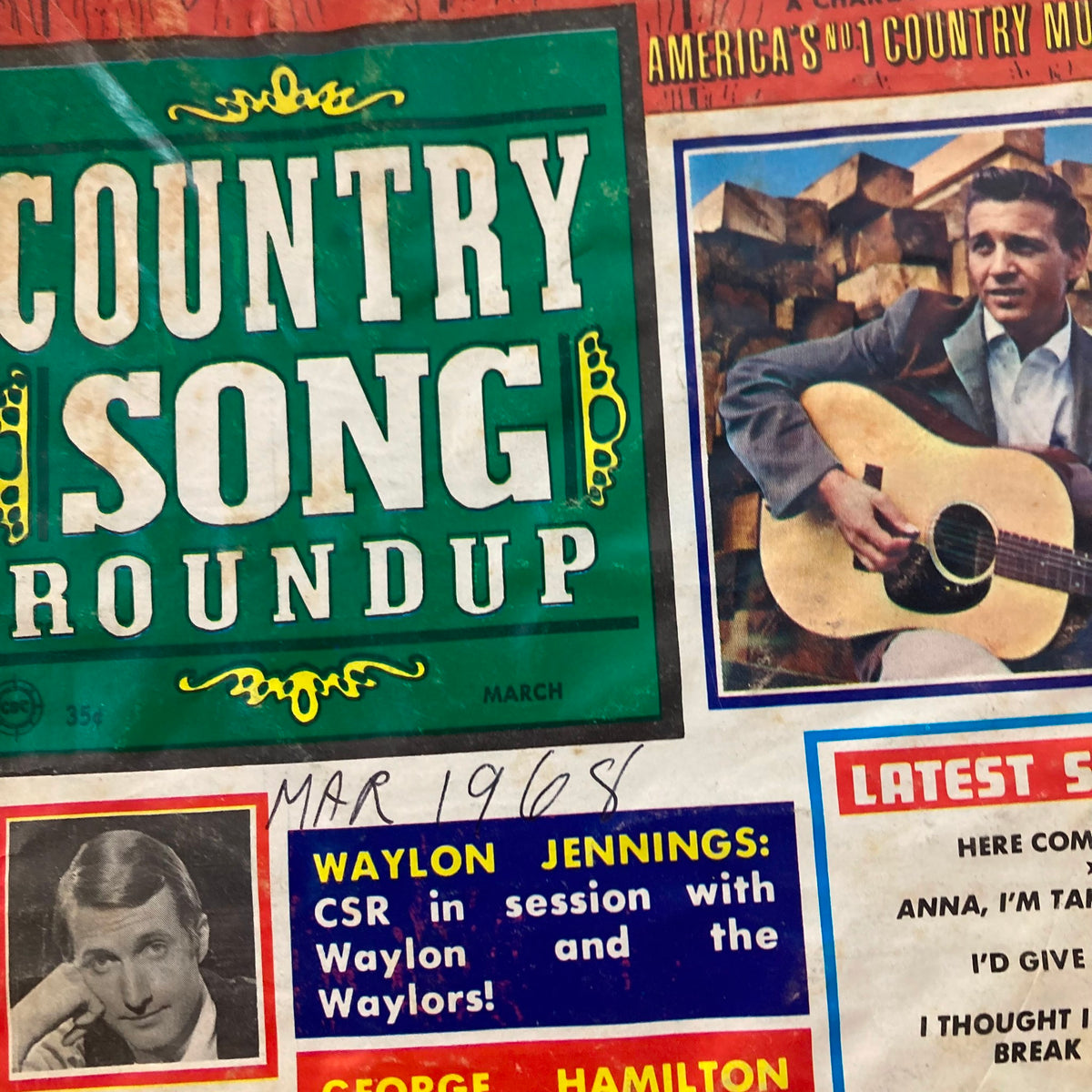
Vintage magazines covered the Outlaw with a reverence usually reserved for rock gods and Hollywood legends — because, in the end, that's exactly what he became. The photography of his peak era is unmistakable: long hair, leather, a Telecaster slung low, dark eyes that said everything his publicist might have preferred left unsaid. Rolling Stone was among his most consequential chroniclers, treating him as a countercultural figure of the same weight as any rock revolutionary, running features that dove deep into his battles with record labels, his complicated personal life, and his singular artistic vision. Country Music magazine — the essential trade publication of the era — tracked his every move with the intimacy of a community that understood the stakes of what he was doing. People, at the height of its cultural authority in the late 1970s, brought his larger-than-life persona to mainstream America, painting the outlaw as a complicated, compelling, deeply human figure. The editorial tone across these publications oscillated beautifully between celebration and scrutiny, capturing a man who was always, defiantly, in motion.
Curator's Checklist: Highlights Often Include
- Outlaw Country breakthrough coverage — Features and profiles from the mid-to-late 1970s documenting the landmark Wanted! The Outlaws era, widely recognized as country music's first platinum album, and the cultural revolt it represented
- Buddy Holly tributes and retrospectives — Issues marking anniversaries of the 1959 plane crash frequently reference Jennings, who gave up his seat that night, lending his story a tragic, mythic dimension that the press returned to repeatedly across decades
- The Highwaymen years — Entertainment and music press coverage of his supergroup collaboration with Willie Nelson, Johnny Cash, and Kris Kristofferson, a story that fascinated both country and mainstream audiences throughout the 1980s
- The "Are You Ready for the Country?" era spreads — Album cycle features and tour coverage from publications capturing him at his commercial and creative peak, often with candid studio photography and raw, unguarded interviews
- Dukes of Hazzard crossover profiles — As the voice and balladeer of one of America's most-watched television programs, his face crossed into TV Guide and general entertainment weeklies, broadening his reach far beyond the music press
The Collector's Value
To hold one of these publications is to hold the era itself — the slightly rough texture of newsprint beneath your fingertips, the faint mineral smell of decades-old ink, the full-page advertisements for cigarettes, American whiskey, and Detroit steel that frame his story in the unmistakable context of their time. These are primary sources, not reproductions; documents that were printed while the Outlaw was still making headlines, still fighting, still recording. No digital archive replicates the experience of turning a brittle page to find a full-bleed photograph of him in 1976, looking like he owned every road in America. For collectors of country music memorabilia, Americana and outlaw culture ephemera, or vintage music press from the classic rock era, these publications offer an irreplaceable window into a rebellion that permanently altered the American musical landscape. Explore the current inventory below and see what the archive has waiting for you.