📖 About this Collection
Whitey Ford: The Chairman of the Board, Frozen in Print
The Legend & The Legacy
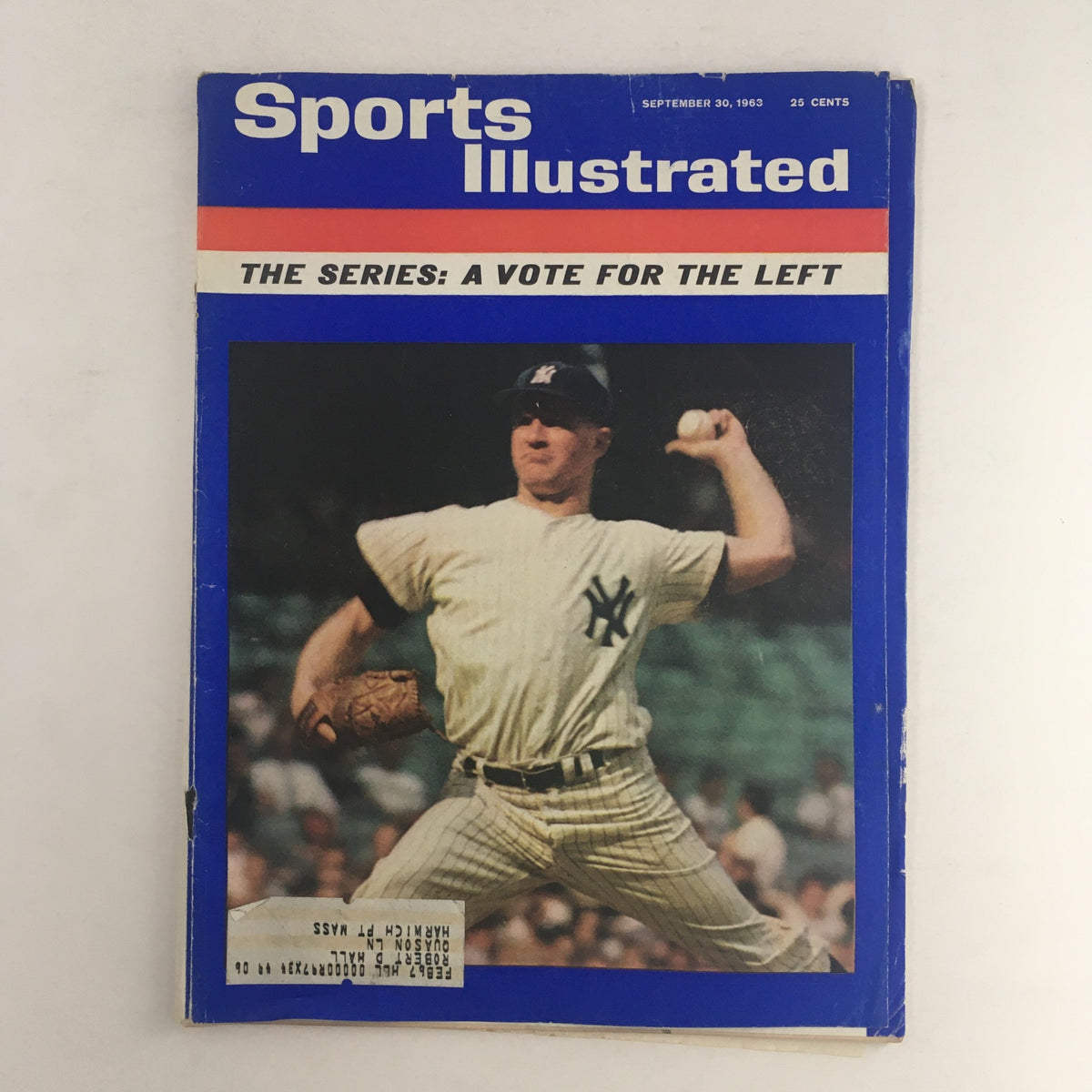
In an era when baseball wasn't merely a sport but the very heartbeat of American civic life, Edward Charles "Whitey" Ford stood as the undisputed ace of the most dominant dynasty in professional athletics. Pitching for the New York Yankees across an extraordinary career that spanned from 1950 to 1967, the left-hander from Astoria, Queens became the winningest pitcher in franchise history — a record that still stands. His brilliance was quiet, cerebral, and devastatingly efficient: a craftsman on the mound who understood sequencing, deception, and the psychology of the batter the way a chess grandmaster reads the board. Before ESPN highlight reels or streaming archives, fans absorbed his legacy through the printed page — box scores studied over morning coffee, glossy action photographs passed between schoolboys, and long-form profiles in the nation's most respected publications that painted the portrait of a man who elevated composure into an art form. The World Series was his cathedral, and his records there — most wins, most strikeouts, most consecutive scoreless innings — were dissected and celebrated in ink and newsprint by a press corps that understood they were witnessing something timeless.
Inside the Archive
Vintage magazines of the 1950s and 1960s captured the Chairman of the Board with the reverence his stature commanded, often photographing him mid-windup in that iconic pinstriped uniform, the Yankee Stadium crowd a blur of fedoras and expectation behind him. Editorial coverage frequently portrayed him as the cool, unflappable center of a star-studded roster, the professional's professional alongside the glamour of Mantle and the thunder of Berra. Sports Illustrated, which launched in 1954 and quickly became the bible of American athletic culture, returned to him repeatedly — both as a profile subject and as the quiet constant in its expansive Yankees dynasty coverage throughout the World Series years. LIFE Magazine, with its unmatched photographic storytelling, brought him into the living rooms of millions of Americans who had never set foot in the Bronx, its full-bleed imagery and narrative depth giving the era a visual grammar that remains iconic. The Sporting News, the self-proclaimed "Bible of Baseball," offered granular, statistically rich coverage of his craft that served the true devotee — tracking his extraordinary postseason performances with the thoroughness that only weekly print could sustain.
Curator's Checklist: Highlights Often Include
- World Series Feature Coverage — Issues from October editions of major weeklies and sports publications frequently devoted extensive spreads to his postseason dominance, particularly during the Yankees' runs in 1950, 1953, 1955–1958, 1961, and 1962.
- Dynasty-Era Yankees Profiles — Collector favorites often include ensemble features on the Mantle–Berra–Ford core, positioning him as the cerebral counterpart to his more flamboyant teammates.
- All-Star Game Commemorative Editions — Selected eight times to the All-Star roster, his appearances frequently earned dedicated photography and editorial recognition in mid-summer sports issues throughout the 1950s and early 1960s.
- Retirement & Hall of Fame Tributes — His 1967 retirement and 1974 Cooperstown induction (alongside Mickey Mantle) generated a wave of retrospective long-form journalism that collectors of baseball history prize as eloquent, era-defining eulogies to the golden age of the game.
- Spring Training & Behind-the-Scenes Features — Mid-century publications frequently sent photographers to Fort Lauderdale for intimate, candid access to Yankees camp, producing rare informal portraits of the ace away from the pressures of the pennant race.
The Collector's Value
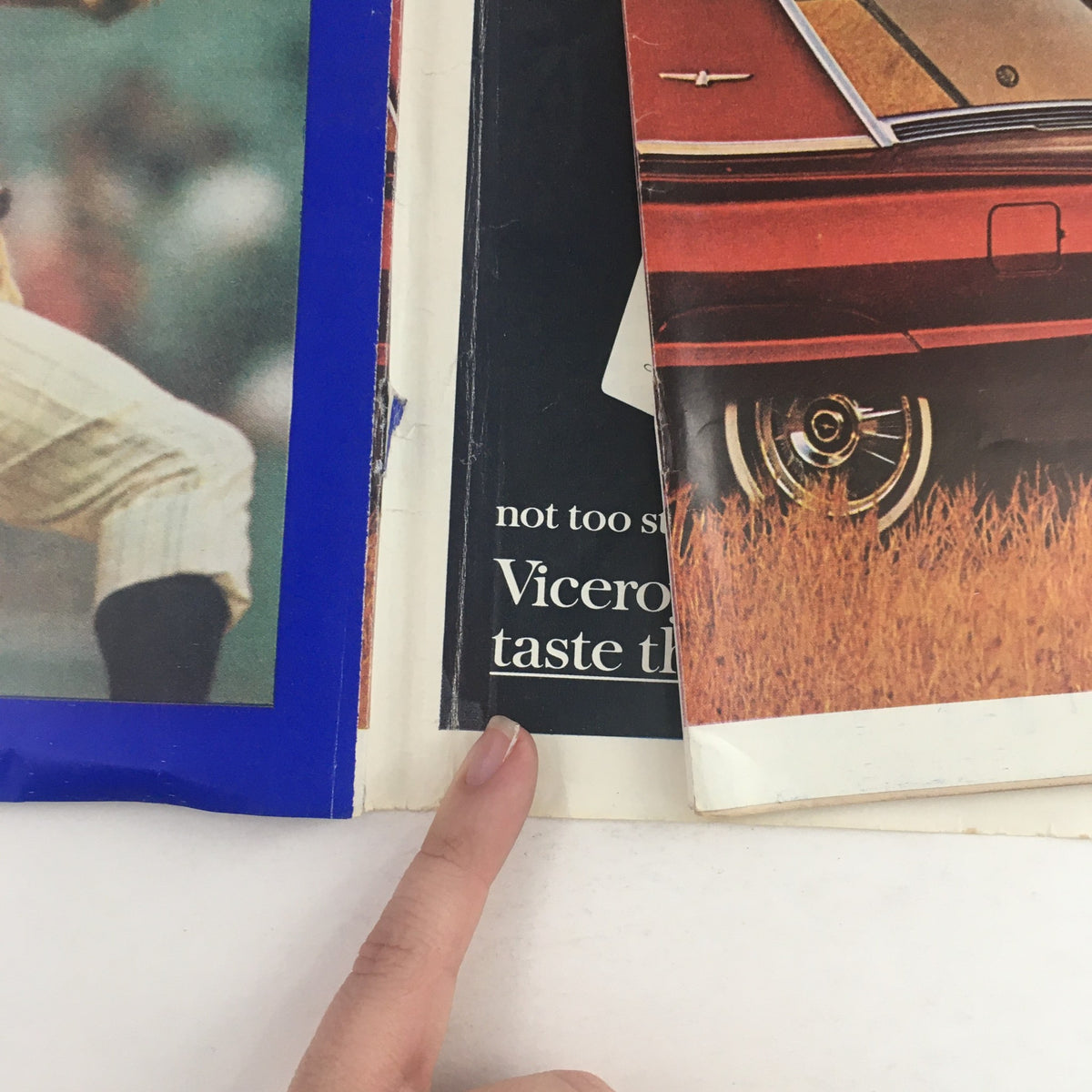
To hold one of these original issues is to hold the moment itself — the slightly rough tooth of mid-century coated stock beneath your fingertips, the faint petroleum warmth of decades-old ink, the surrounding advertisements for Lucky Strike cigarettes and Chevrolet Bel Airs that place you irrevocably inside the America that made baseball its secular religion. These are not reproductions or digital facsimiles; they are primary sources, artifacts of a time when the printed page was the only way a fan in Omaha or Orlando could feel close to the action happening in the Bronx. The journalism is unhurried, the photography is artful, and the cultural context — the Cold War backdrop, the suburban boom, the unquestioned supremacy of the American League — saturates every page with a richness no retrospective can replicate. For collectors of vintage baseball memorabilia, New York Yankees history, or mid-century American sports journalism, these publications offer an irreplaceable window into the living era of one of the game's most elegant competitors. Explore the current available inventory below and discover which pieces of that world are waiting to come home with you.