📖 About this Collection
William F. Buckley Jr.: The Pen, the Podium, and the Conservative Soul
The Legend & The Legacy
In an era when political discourse was shaped not by algorithms but by eloquent men behind typewriters, William F. Buckley Jr. stood as perhaps the most formidable intellectual force in postwar American conservatism. From the 1955 founding of National Review — a journal he launched at just twenty-nine years old — to thirty-three years of Firing Line debates that crackled across living room television sets, Buckley did not merely commentate on American culture; he actively sculpted it. In an age before the internet flattened argument into noise, readers waited for his column, his magazine, and his next televised sparring match with the hunger of an audience that still believed ideas had consequence. His transatlantic drawl, his patrician wit, and his unapologetic conviction made him simultaneously one of the most admired and most contested figures in American letters — a man whose influence stretched from the Goldwater revolution of 1964 to the Reagan ascendancy of 1980, and whose presence on a newsstand cover signaled that something serious was about to be said.
Inside the Archive
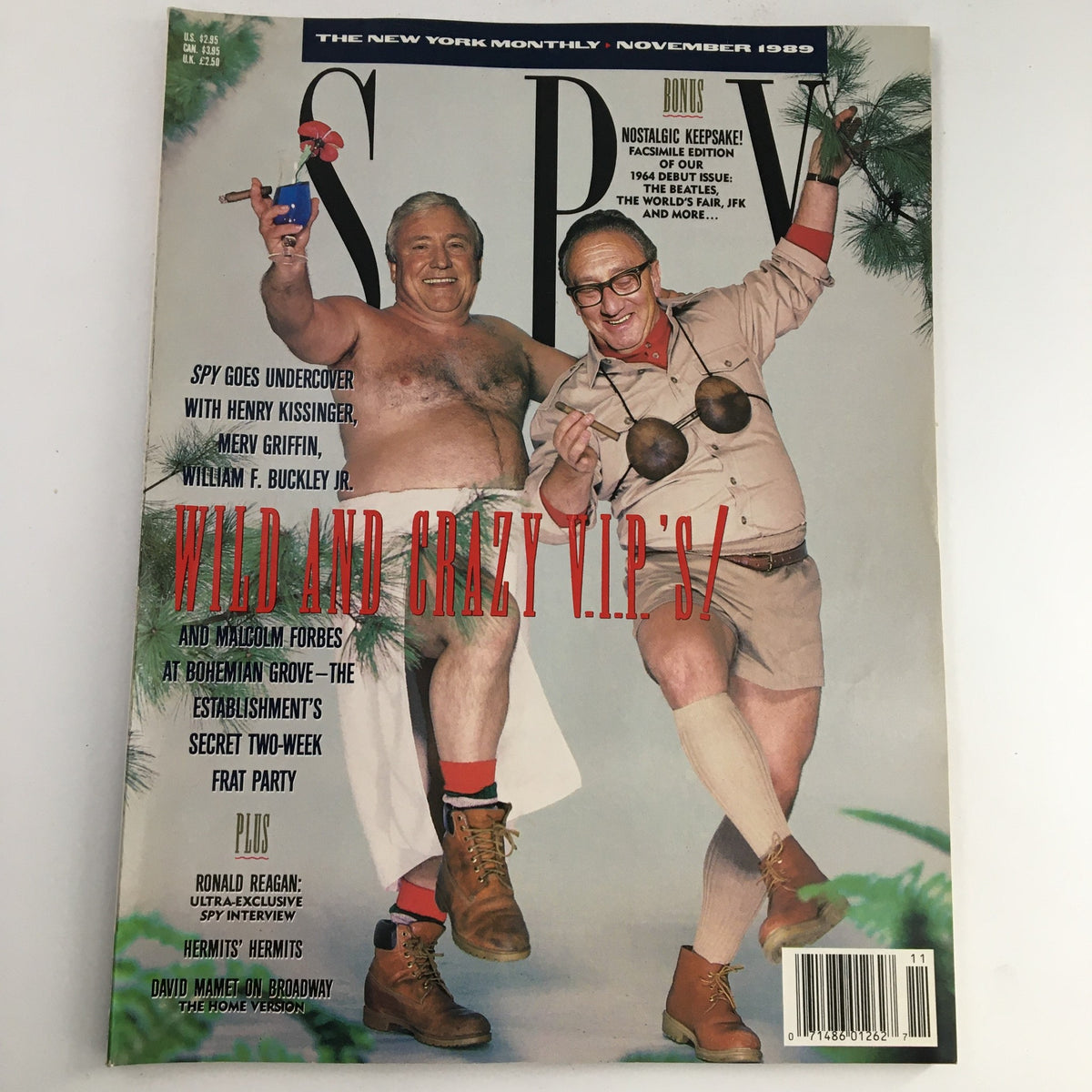
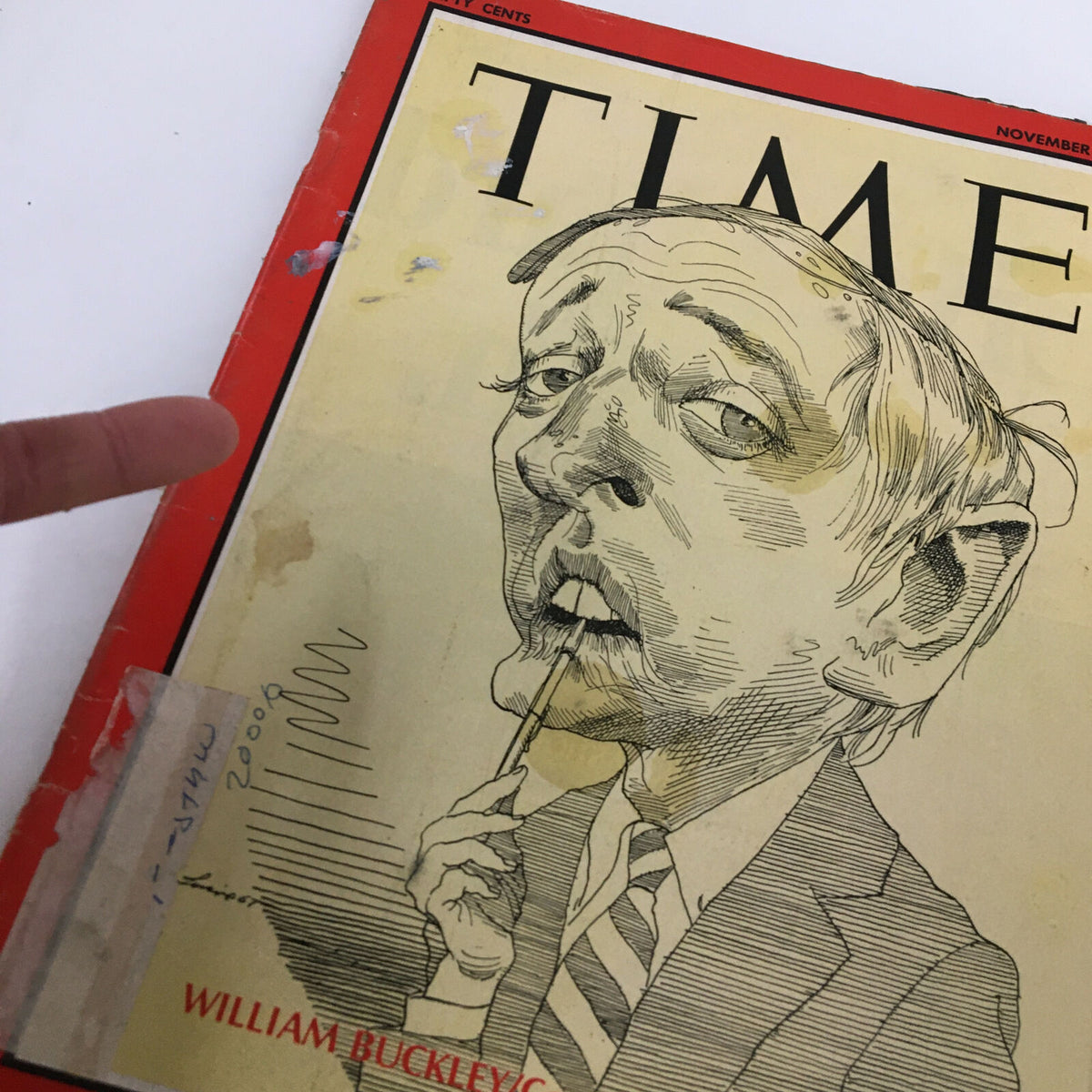
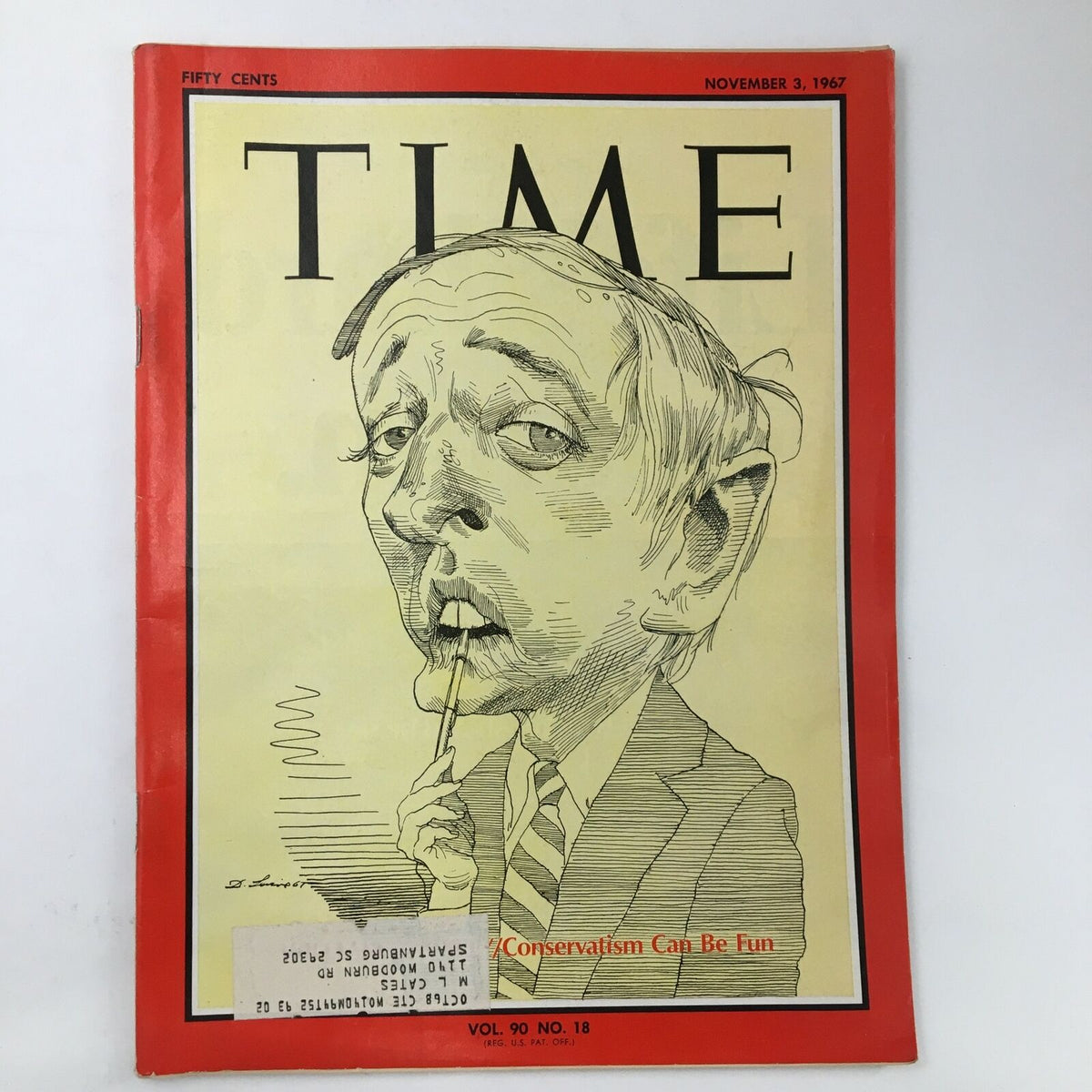
Vintage magazines captured Buckley with a reverence reserved for men who were understood, even in their own time, to be historically significant. Publications such as Time and Newsweek profiled him repeatedly across the decades, their editorial photography favoring images of the man mid-debate — leaning back with theatrical confidence, a legal pad in hand, eyes narrowed in the practiced pleasure of intellectual combat. Esquire, which in the 1960s and 70s was the premier arena for long-form cultural provocation, ran him alongside the era's great contrarians, allowing his arguments room to breathe across multiple pages of crisp, high-quality stock. The New York Times Magazine approached him as a phenomenon to be examined, charting the rise of movement conservatism through the prism of its most charismatic ambassador. The surrounding editorial context of these issues — Cold War anxieties, civil rights debates, Vietnam-era fractures — gives each one the density of a primary historical document, with Buckley at its ideological center.
Curator's Checklist: Highlights Often Include
- Ideological watershed moments — Coverage surrounding the 1965 New York City mayoral race, in which Buckley ran as a Conservative Party candidate and delivered some of the most memorable one-liners in American political history, often surfaces in period newsweeklies
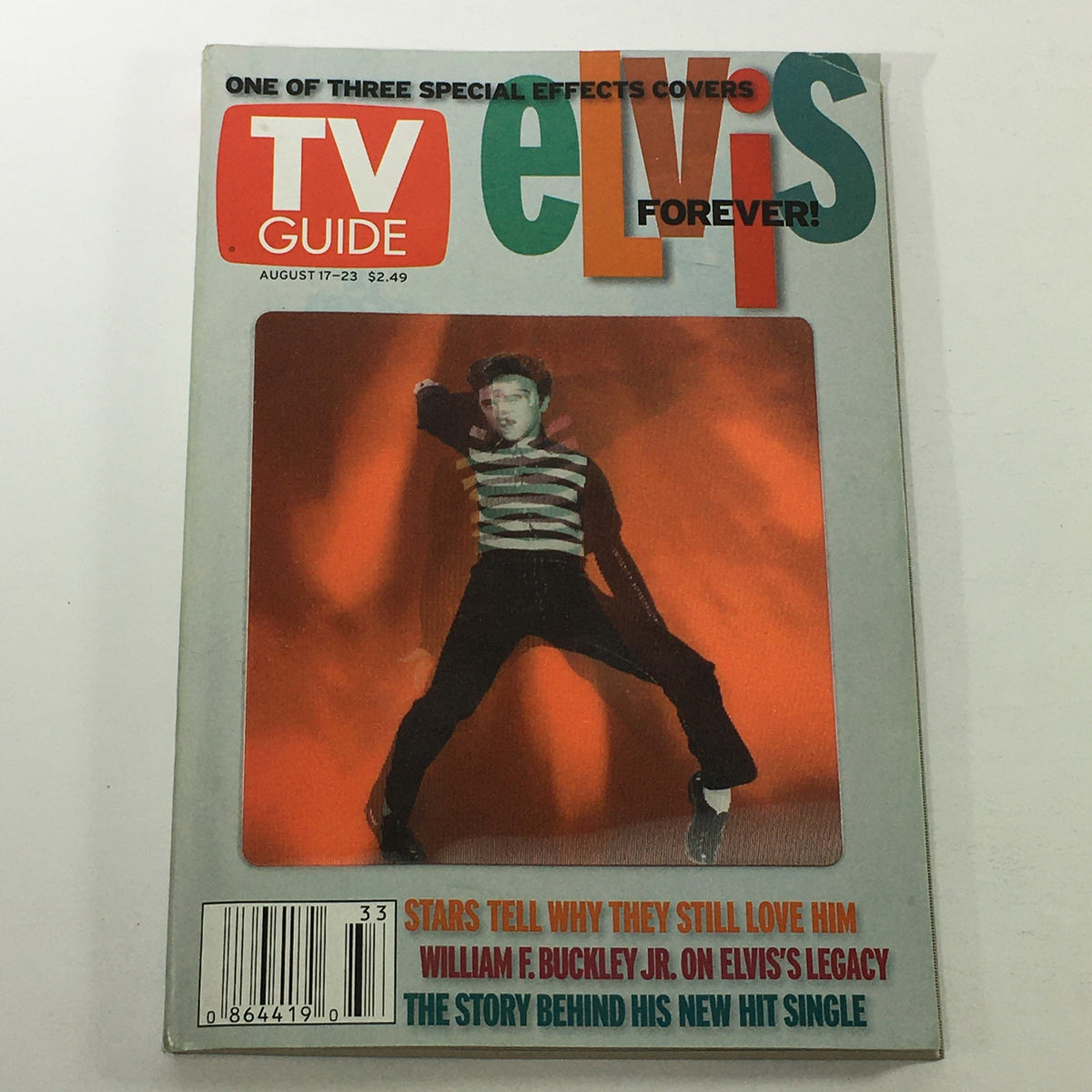
- The Firing Line years — Television-focused publications and weekend supplements from the late 1960s through the 1980s frequently featured profiles of the program, then the longest-running public affairs show on American television, with Buckley as its sole, unblinking host
- Cold War intellectual battles — Issues covering his fierce anti-communism, his debates with Gore Vidal — which became the most notorious television exchanges of the 1968 Democratic Convention — and his foreign policy writings appear across both mainstream and political press of the period
- The literary man of letters — Publications covering American letters and culture occasionally spotlighted his parallel career as a bestselling spy novelist, with his protagonist Blackford Oakes earning him a devoted readership beyond the political sphere
- Reagan-era coronation — As conservatism moved from the intellectual margins to the White House, profiles from the early 1980s frequently acknowledged Buckley as the movement's intellectual godfather, making issues from this period particularly resonant for students of modern American political history
The Collector's Value
There is something irreplaceable about holding a magazine from 1968 that carries Buckley's face on its cover — the slight yellowing of the paper stock, the heavier, ink-saturated weight of mid-century print, the surrounding advertisements for cigarettes, automobiles, and whiskeys that remind you precisely when this argument was happening. These are not reprints or digital facsimiles; they are the actual objects that sat on coffee tables and in waiting rooms while America debated its own identity. The editorials, the letters to the editor, the full-page photographs — all of it intact, all of it original, breathing with the urgency of the moment in which it was printed. For collectors of American political history, mid-century journalism, or the intellectual history of the conservative movement, these publications offer an unmediated window into the debates that shaped the modern republic — held in your hands, exactly as intended. Explore the current available inventory below and discover which pieces of this remarkable legacy are waiting to find their next careful custodian.