📖 About this Collection
William Holden: The Last Cigarette of Hollywood's Golden Age
The Legend & The Legacy
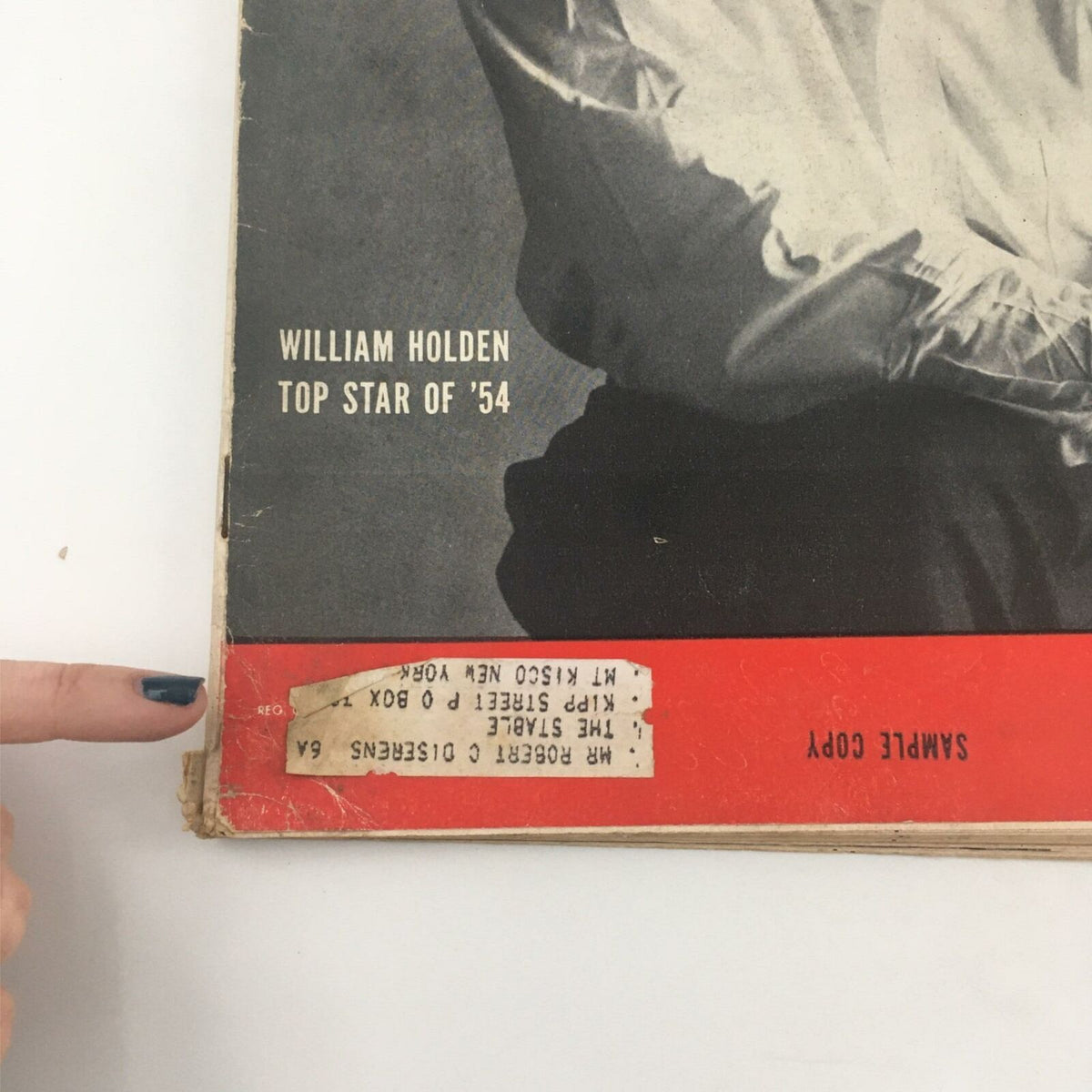
Few stars burned with the particular, weary elegance of William Holden. From his Oscar-winning turn in Stalag 17 to the sun-bleached nihilism of Sunset Boulevard and the operatic violence of The Wild Bunch, he embodied a masculinity that was never entirely comfortable with itself — and that tension made him magnetic. At his peak in the 1950s and early 1960s, he was the highest-paid actor in Hollywood, a global box-office titan whose face sold millions of copies of magazines across three continents. Long before entertainment blogs or streaming retrospectives, it was the glossy page that carried his image into living rooms, barbershops, and waiting rooms around the world. Readers followed his marriages, his safaris, his Mount Kenya game ranch, and his rumored romances with the same breathless attention once reserved for royalty. He was, in the truest sense, a creature of print — discovered by it, shaped by it, and immortalized within it.
Inside the Archive
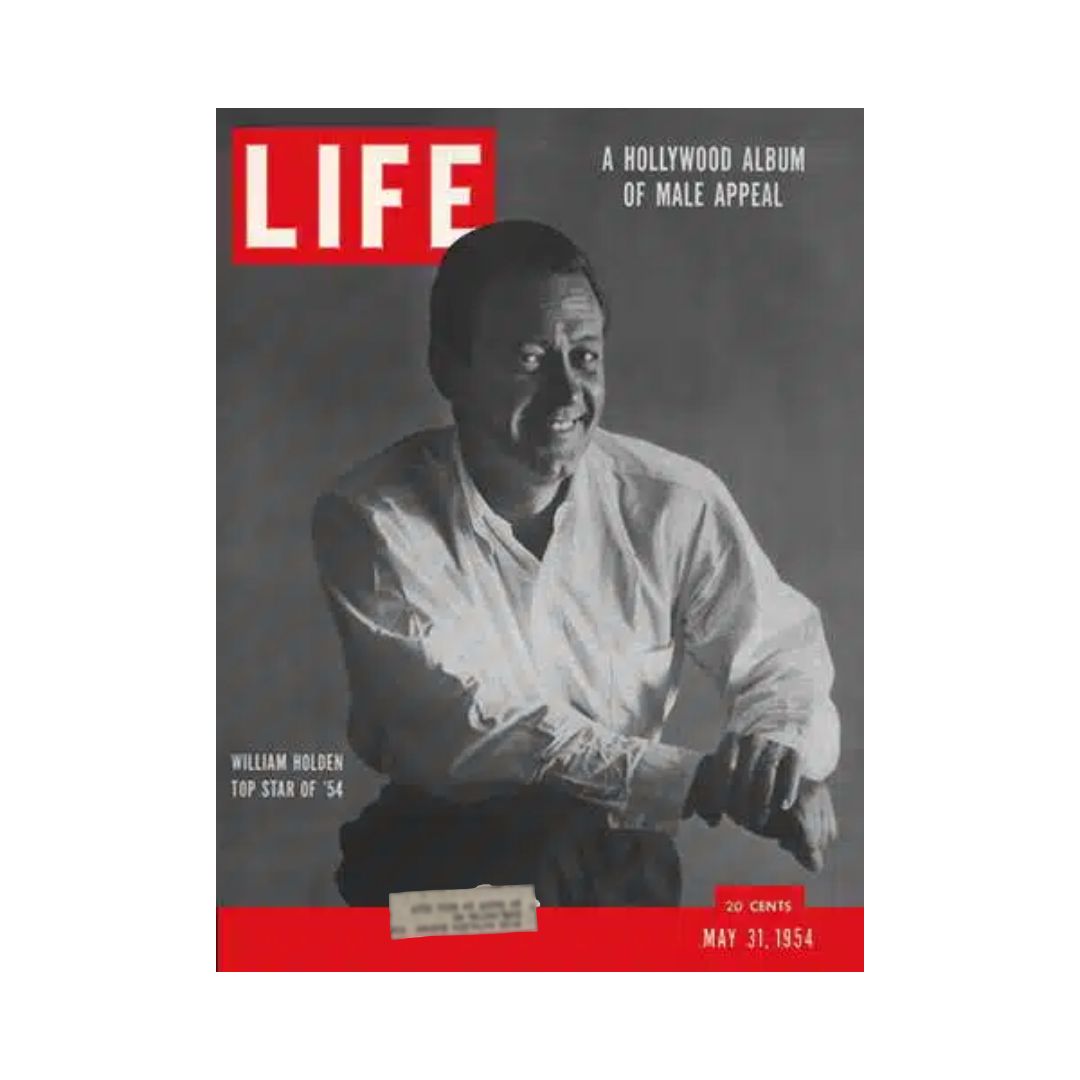
Vintage magazine coverage of Holden captured a man of extraordinary contradictions: the square-jawed leading man who also smelled faintly of the bush and the bottle. American publications like Life and Photoplay ran lavish studio-approved portraits alongside candid location photography from productions shot in Africa, Asia, and Europe, celebrating him as proof that Hollywood glamour could survive the jungle. Look magazine devoted extended features to his humanitarian work and his beloved African wildlife conservancy, lending him a gravitas unusual for the fan press of the era. Internationally, publications such as Paris Match treated him with the reverence the French reserved for their cinematic icons, running full-bleed fashion-quality photography that emphasized a continental sophistication his American coverage sometimes overlooked. The editorial tone across all of these ranged from reverential to breathlessly romantic — always conscious that readers were purchasing not merely information, but access to a dream.
Curator's Checklist: Highlights Often Include
- Golden Era film promotion features — Studio-era spreads tied to major releases such as Picnic, Sabrina, and The Bridge on the River Kwai, often including behind-the-scenes location photography and full-color portrait sessions from the studio publicity machine at its most opulent
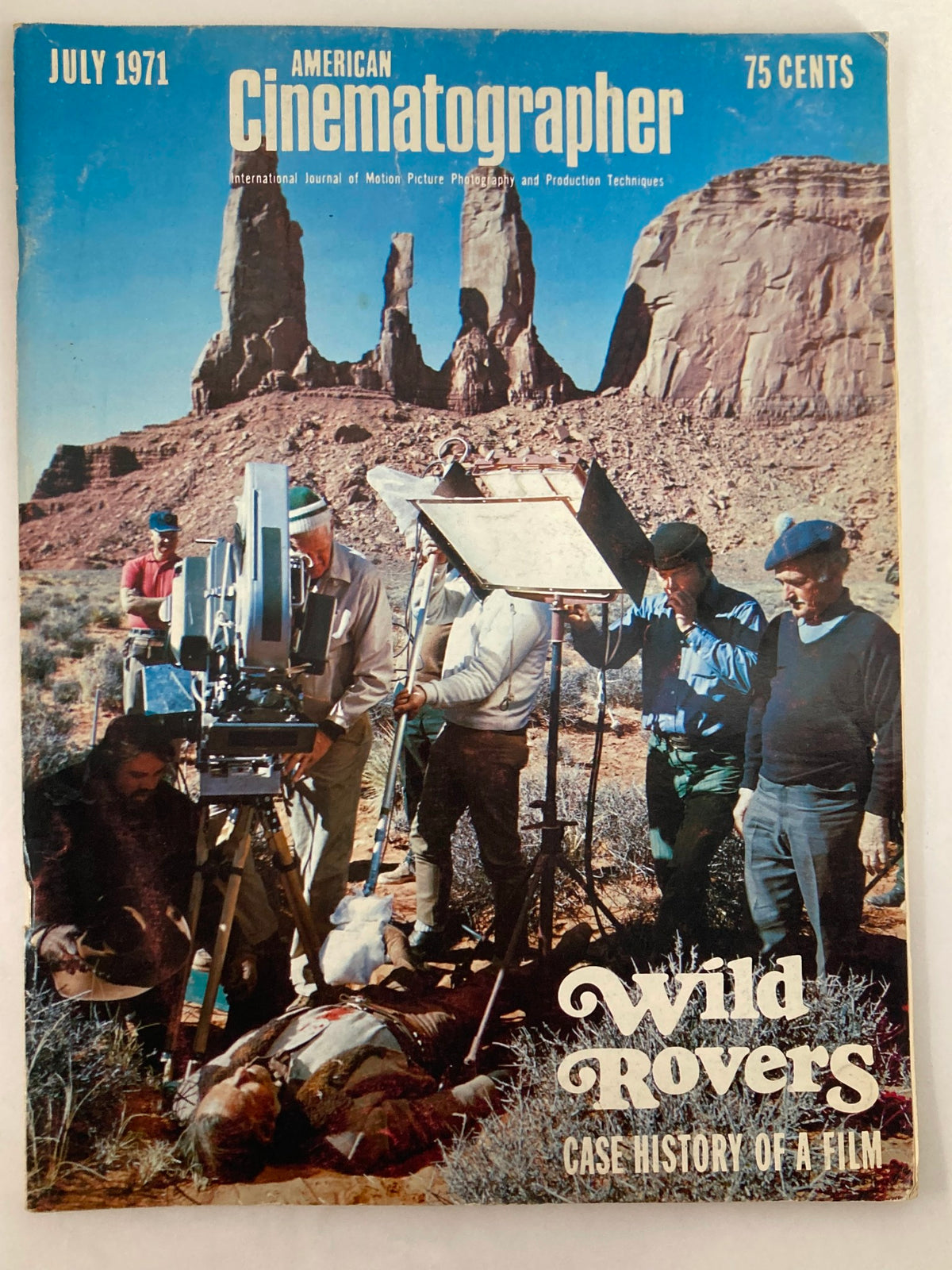
- International location coverage — Features documenting his globe-trotting productions across Southeast Asia, East Africa, and Europe, reflecting the postwar Hollywood era when shooting on location was itself a spectacle worthy of extended editorial coverage
- Conservation and the Mount Kenya Safari Club — Profile pieces from the late 1950s through the 1970s focusing on his celebrated African ranch and wildlife conservation efforts, a side of his life that fascinated editors and readers in equal measure
- The Hollywood hierarchy features — Annual salary and prestige rankings from the trade-adjacent consumer press of the 1950s, in which he frequently appeared as the reigning king of the box office, alongside peer profiles of contemporaries like Humphrey Bogart and Clark Gable
- Late-career critical reassessment coverage — Features from the early-to-mid 1970s coinciding with the New Hollywood era, in which critics and magazine essayists reexamined his career through the lens of Network and The Wild Bunch, treating him as a bridge between Old Hollywood grandeur and a harsher, more self-aware cinema
The Collector's Value
To hold one of these issues is to handle time itself. The paper stock of a 1950s Life or a mid-century Photoplay carries a weight and warmth that no digital archive can replicate — slightly yellowed at the edges, the ink settled deep into the grain, the faint and unmistakable perfume of decades past rising from the fold. These are not reproductions or commemorative reprints; they are primary sources, artifacts of the precise cultural moment in which a great star was being processed, mythologized, and adored in real time. The surrounding advertisements — for chrome-finned automobiles, for cigarettes, for postwar optimism bottled into consumer goods — place his image within the full texture of the era, making each issue a time capsule rather than merely a collectible. For collectors of classic Hollywood memorabilia, mid-century Americana, or serious film history, these publications offer an irreplaceable window into the machinery of stardom before it became an algorithm. Explore the current available inventory below and find the piece of that world that belongs in yours.