📖 About this Collection
William Shatner: The Man Who Commanded the Stars and Shaped a Century
The Legend & The Legacy
Before the internet reduced celebrity to a scroll and a click, William Shatner was a figure whose fame arrived in the most deliberate and tangible of ways — through the printed page, the television guide, and the glossy cover that stared back at you from a drugstore rack. As Captain James T. Kirk of Star Trek, he became the face of an era that dared to imagine humanity's better future, and the public consumed that image voraciously through print. In the late 1960s and throughout the 1970s, fan culture was inseparable from magazine culture; to follow Shatner was to collect him — cover by cover, interview by interview, photograph by photograph. Beyond Star Trek, he was a classically trained Shakespearean actor, a television fixture through T.J. Hooker, a cultural provocateur, and ultimately an enduring symbol of resilience and reinvention whose public story unfolded across decades of ink and paper.
Inside the Archive
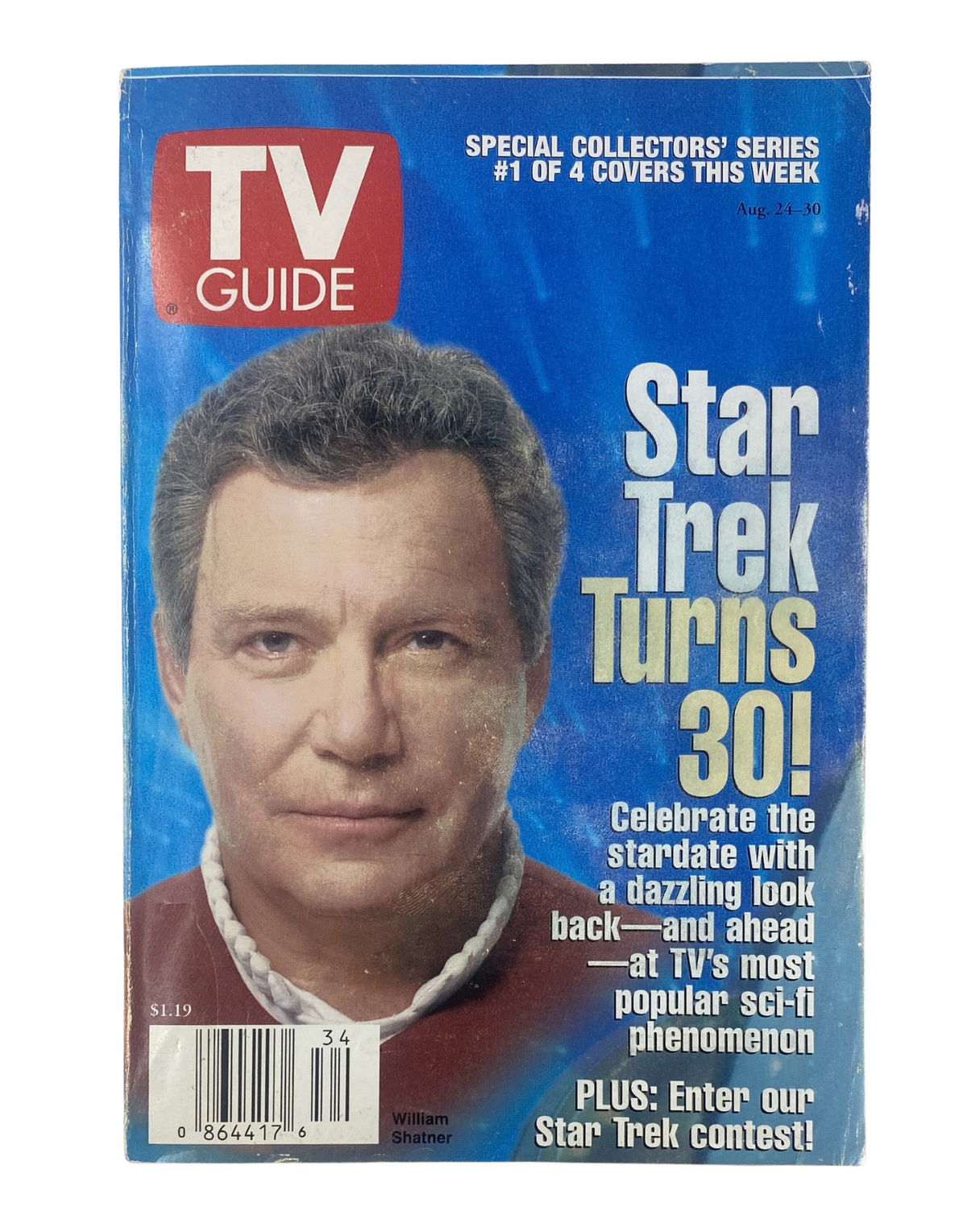
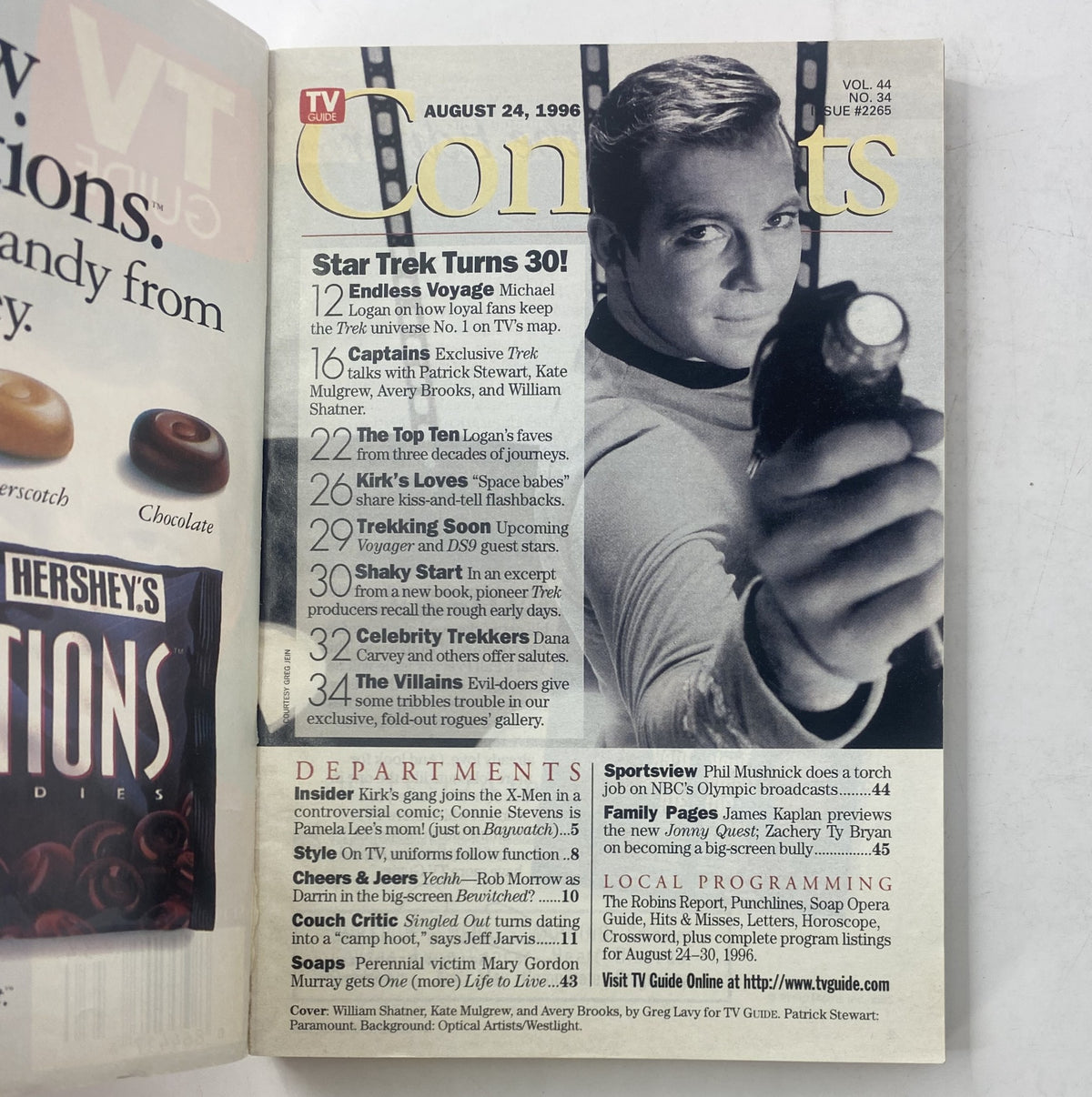
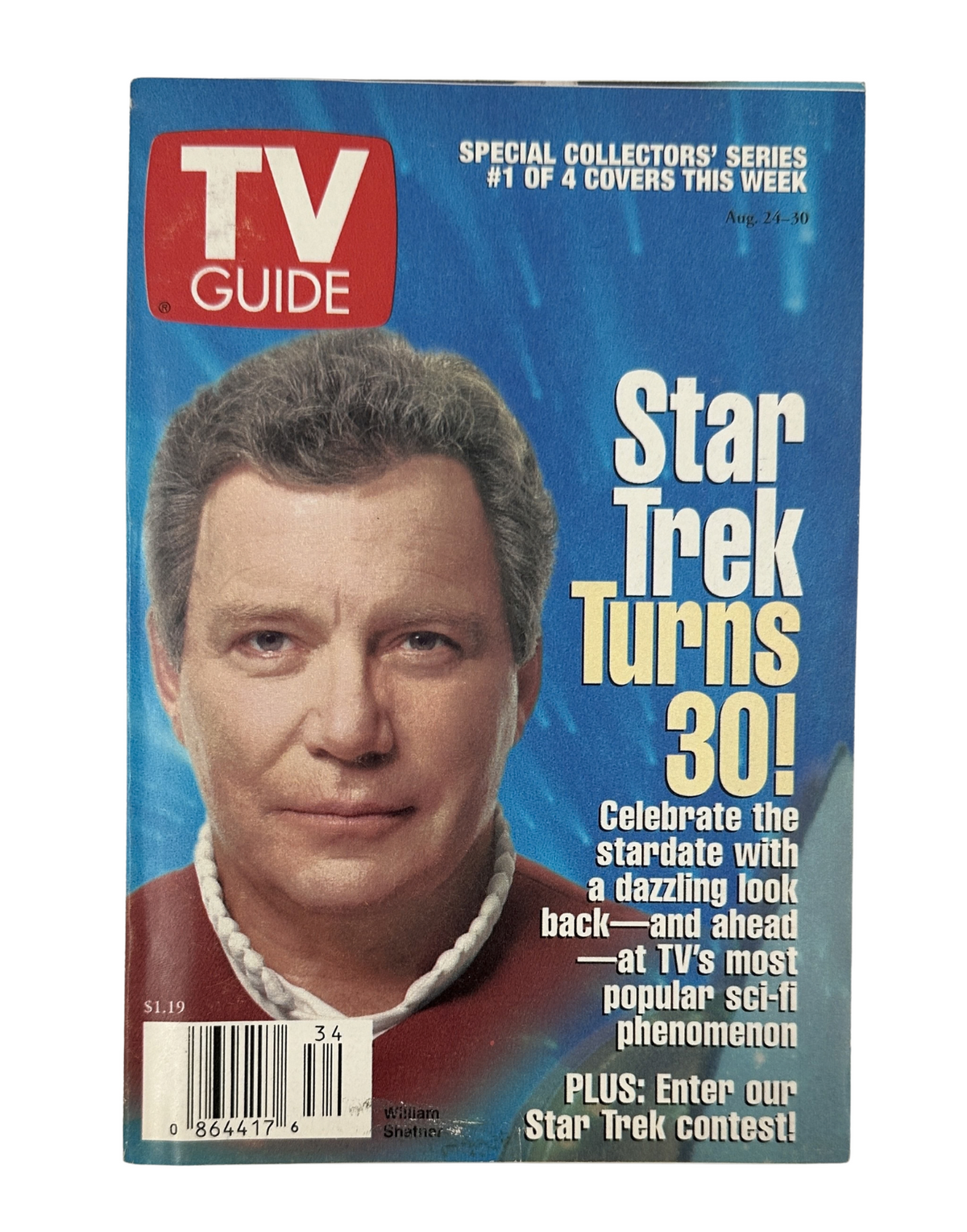
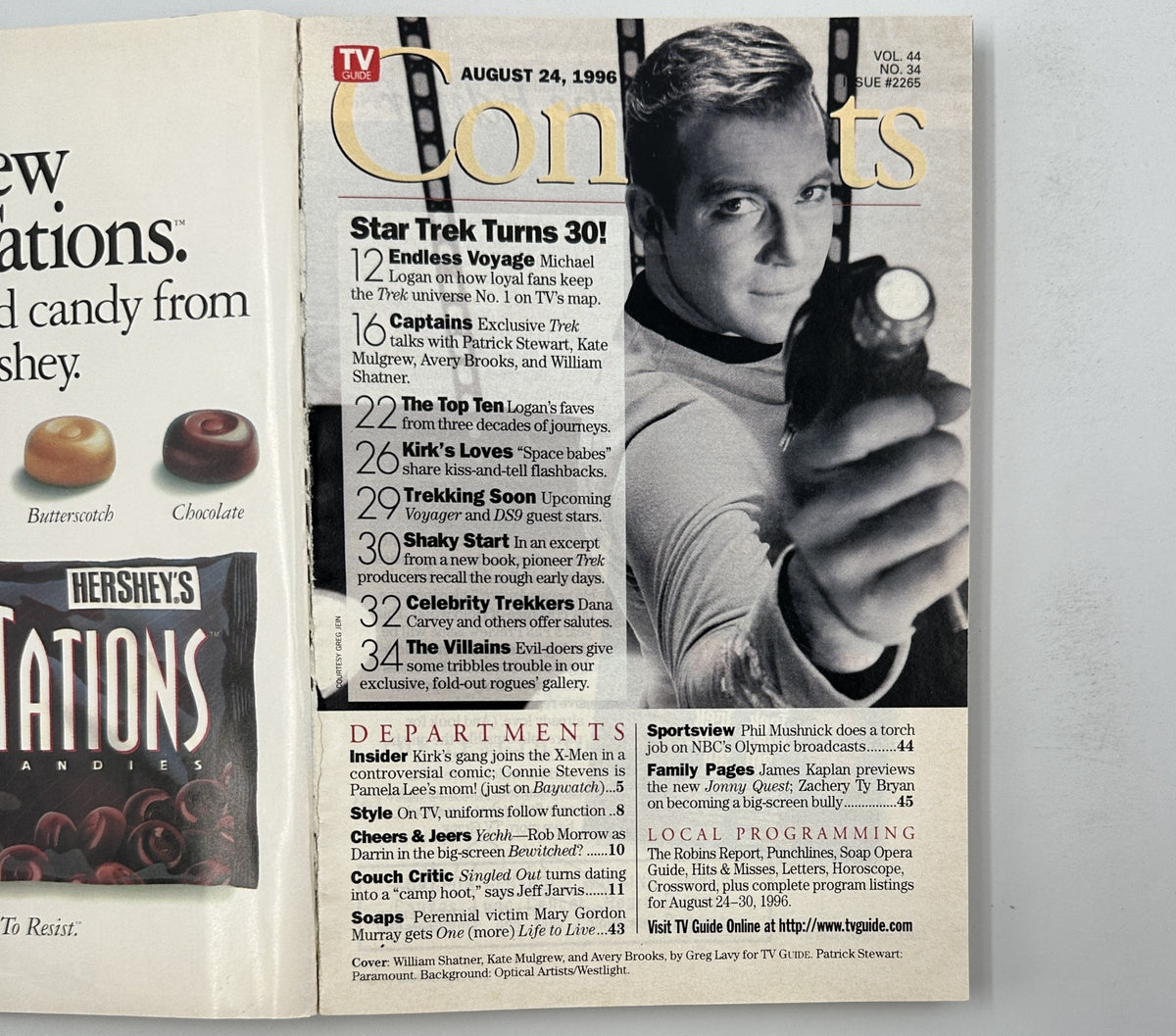
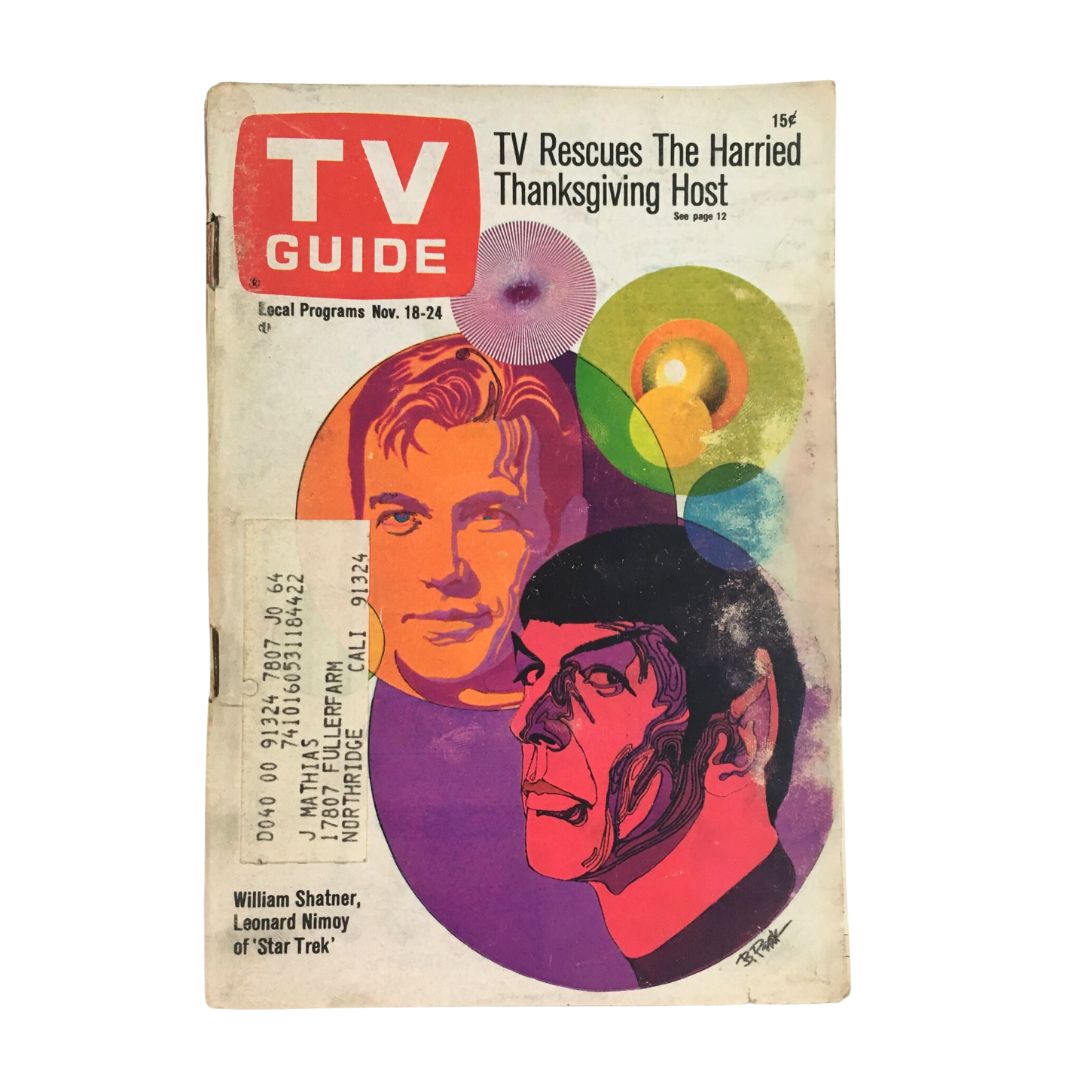
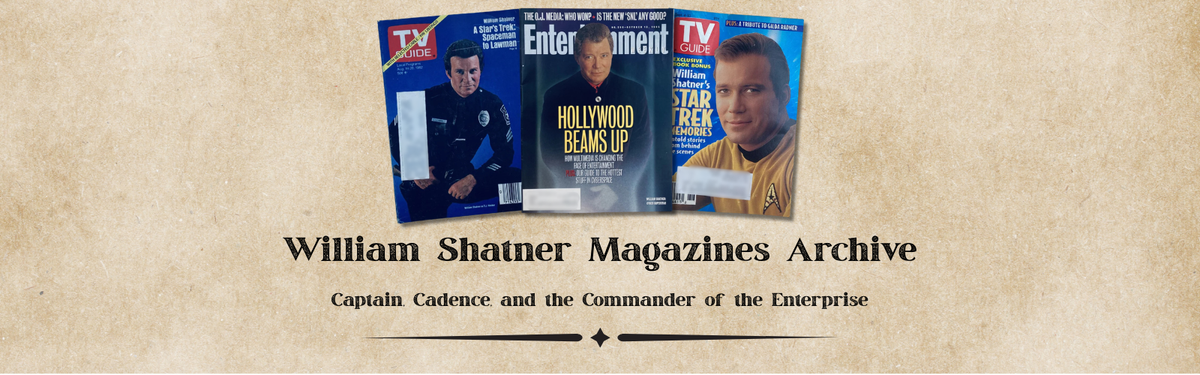
Vintage publications approached Shatner with the full spectrum of editorial fascination — from reverential to probing, from glamorous to irreverent. In the height of the Star Trek phenomenon, fan-facing titles captured him in the heroic register: bold, commanding portraits lit with the dramatic chiaroscuro of studio photography, frequently posed in uniform against the promise of infinite space. Broader entertainment titles like TV Guide — which gave Star Trek some of its most iconic and culturally significant covers — documented his rise with the breathless enthusiasm of an era that genuinely believed television could change the world. People magazine chronicled the more personal chapters: his career resurrections, his personal trials, and his remarkable late-life renaissance. Meanwhile, science fiction institutions like Starlog treated him with the gravity of a founding myth, publishing deep-dive interviews and retrospectives that read today less like entertainment journalism and more like oral history. The collective body of print coverage is a portrait of a man perpetually re-emerging, always relevant, never finished.
Curator's Checklist: Highlights Often Include
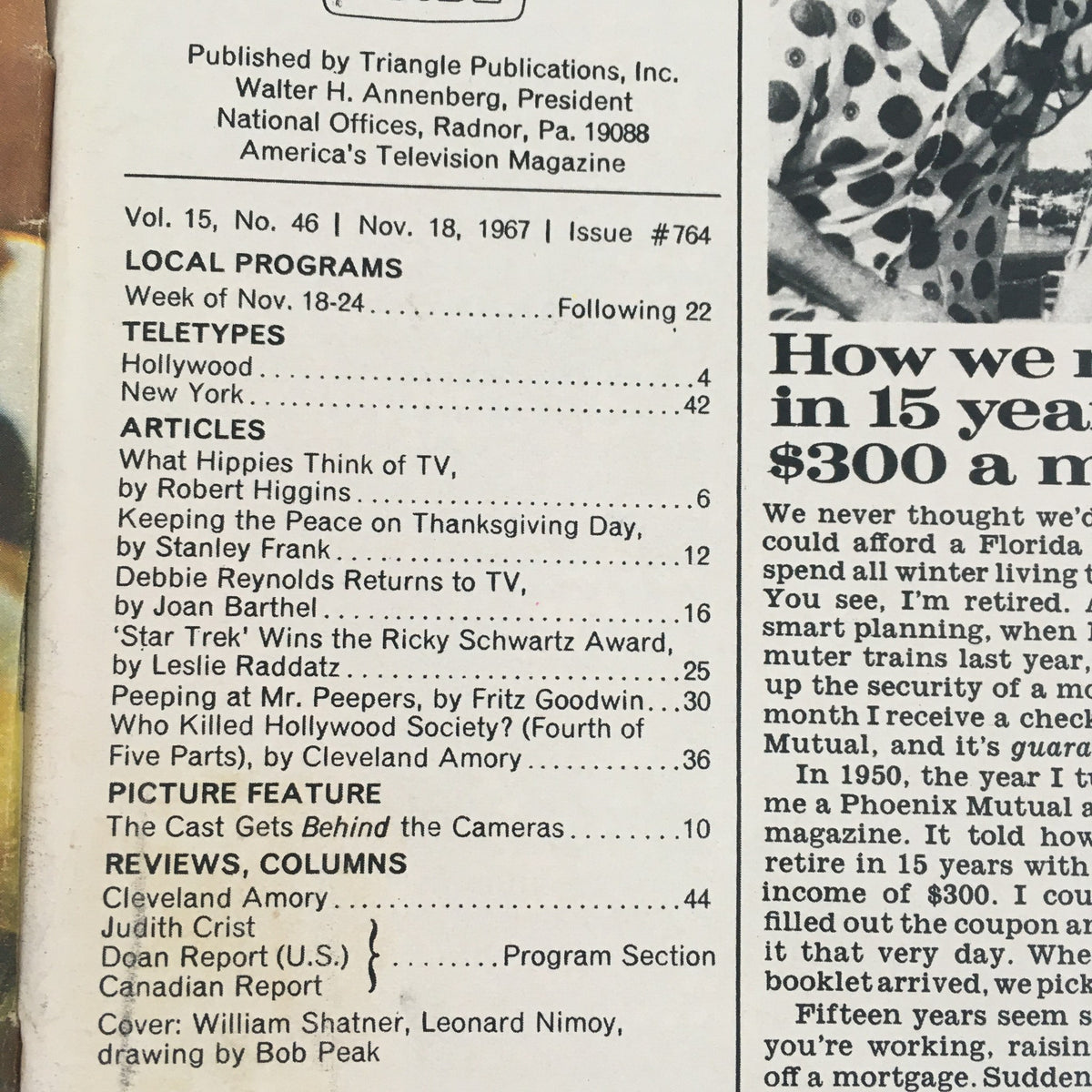
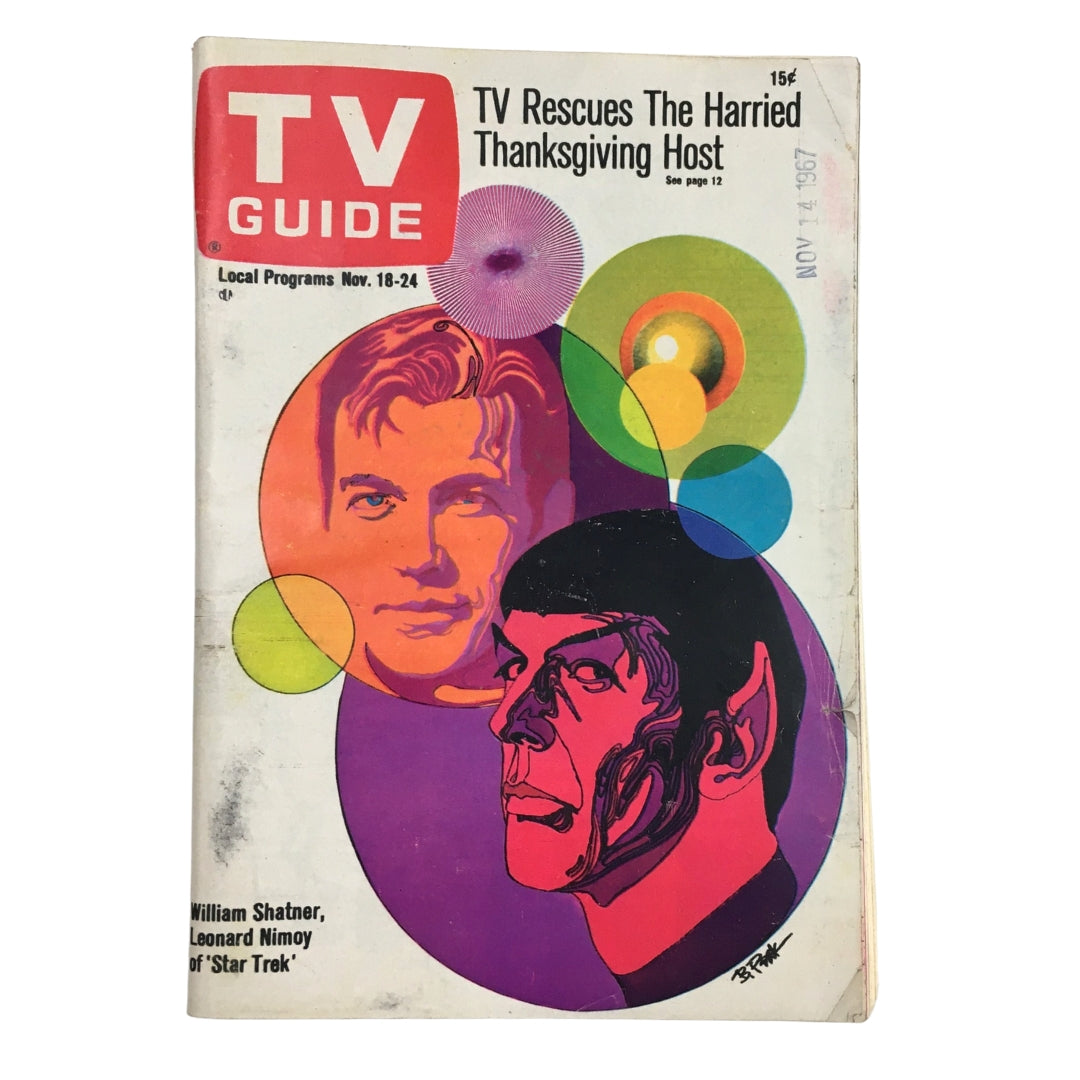
- Early Star Trek era coverage (1966–1969): Network promotional features, cast profiles, and episode previews from television weeklies capturing the original series at the height of its first broadcast run — among the most sought-after issues in science fiction collecting.
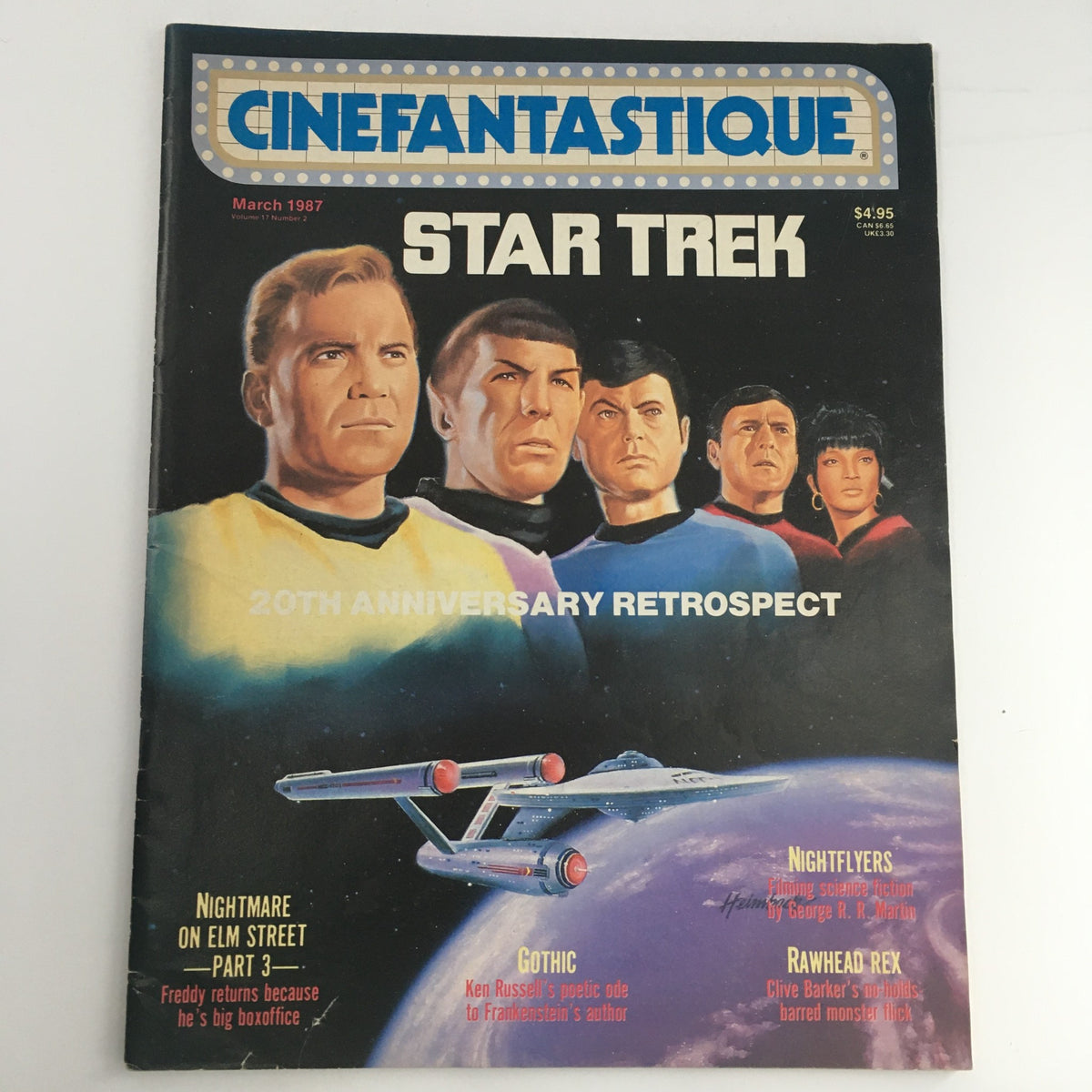
- The Star Trek film renaissance (1979–1991): Entertainment and mainstream news titles frequently covered the franchise's return to the big screen, with Shatner as its anchoring icon — issues often rich with behind-the-scenes photography and cast interviews.
- Fan and genre press deep-dives: Publications devoted to science fiction and fantasy — Starlog, Fantastic Films, Cinefantastique — regularly featured lengthy, substantive interviews that documented his reflections on Kirk, celebrity, and craft with unusual candor.
- Television comeback and T.J. Hooker years (1982–1986): A wave of prime-time coverage reintroduced him to a new generation, with entertainment monthlies profiling his deliberate pivot back to mainstream television audiences.
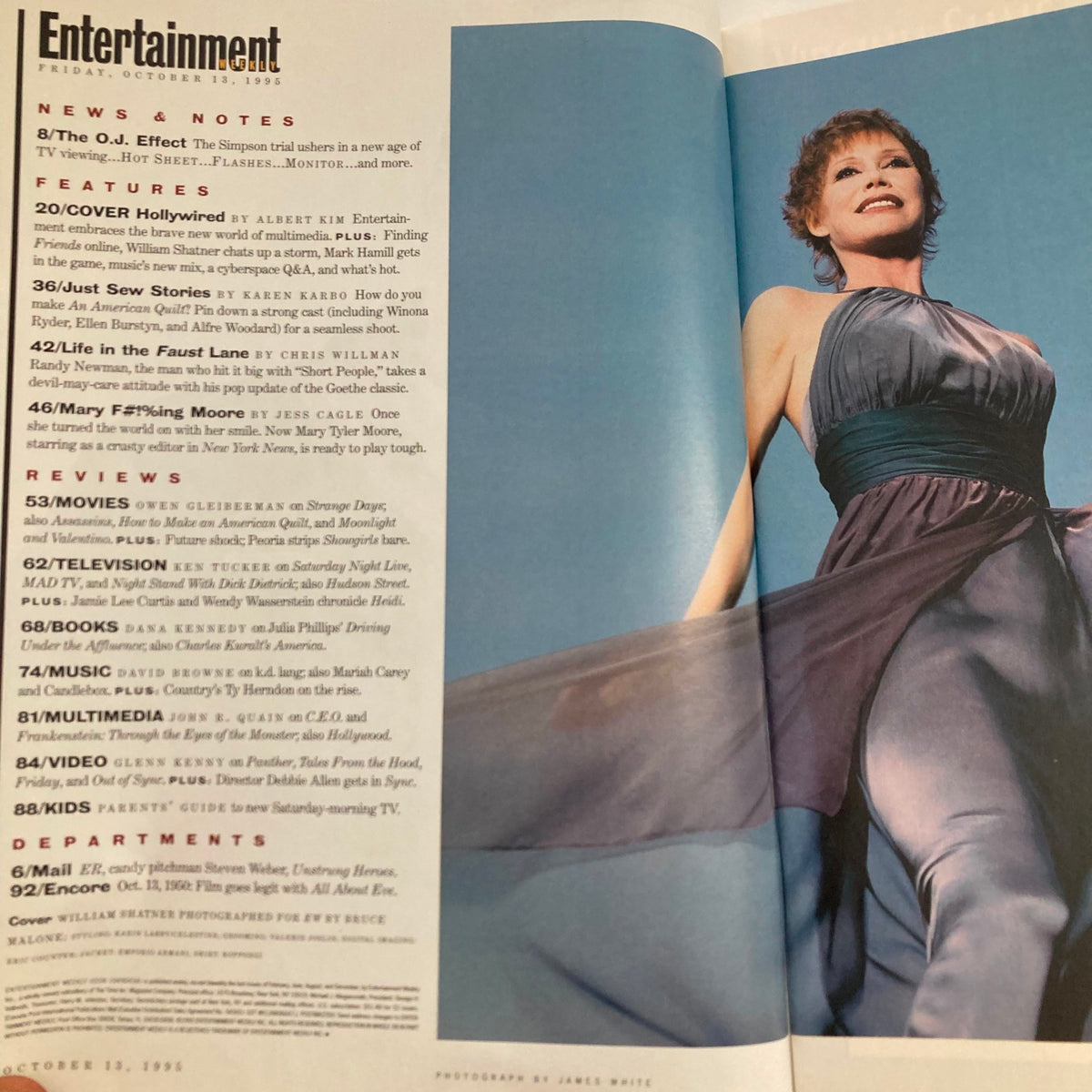
- Personal narrative and cultural retrospectives: From the 1990s onward, profiles in titles such as People, TV Guide, and general-interest magazines chronicled his late-career reinventions — Boston Legal, spoken-word recordings, and his 2021 Blue Origin spaceflight — treating him as a living monument to American popular culture.
The Collector's Value
There is something irreplaceable about holding a magazine from 1967 that featured William Shatner on its cover — the slight yellowing at the edges, the particular weight of mid-century coated paper stock, the faint mineral tang of decades-old ink, and the surrounding advertisements for things that no longer exist in a world that no longer quite does either. These are not reprints or digital approximations; they are primary sources, physical artifacts that prove a cultural moment actually happened and mattered. The editorial voice of the era, the aesthetic choices, the typography, the photography — all of it tells a richer story than any retrospective could reconstruct. For collectors of Star Trek memorabilia, golden-age television history, or science fiction and space exploration culture, these publications offer an irreplaceable window into the world as it was consumed, debated, and dreamed about in real time. Browse the current available inventory below and find the piece of history that belongs in your collection.