📖 About this Collection
Wilt Chamberlain: The Immovable Force That Moved a Nation
The Legend & The Legacy
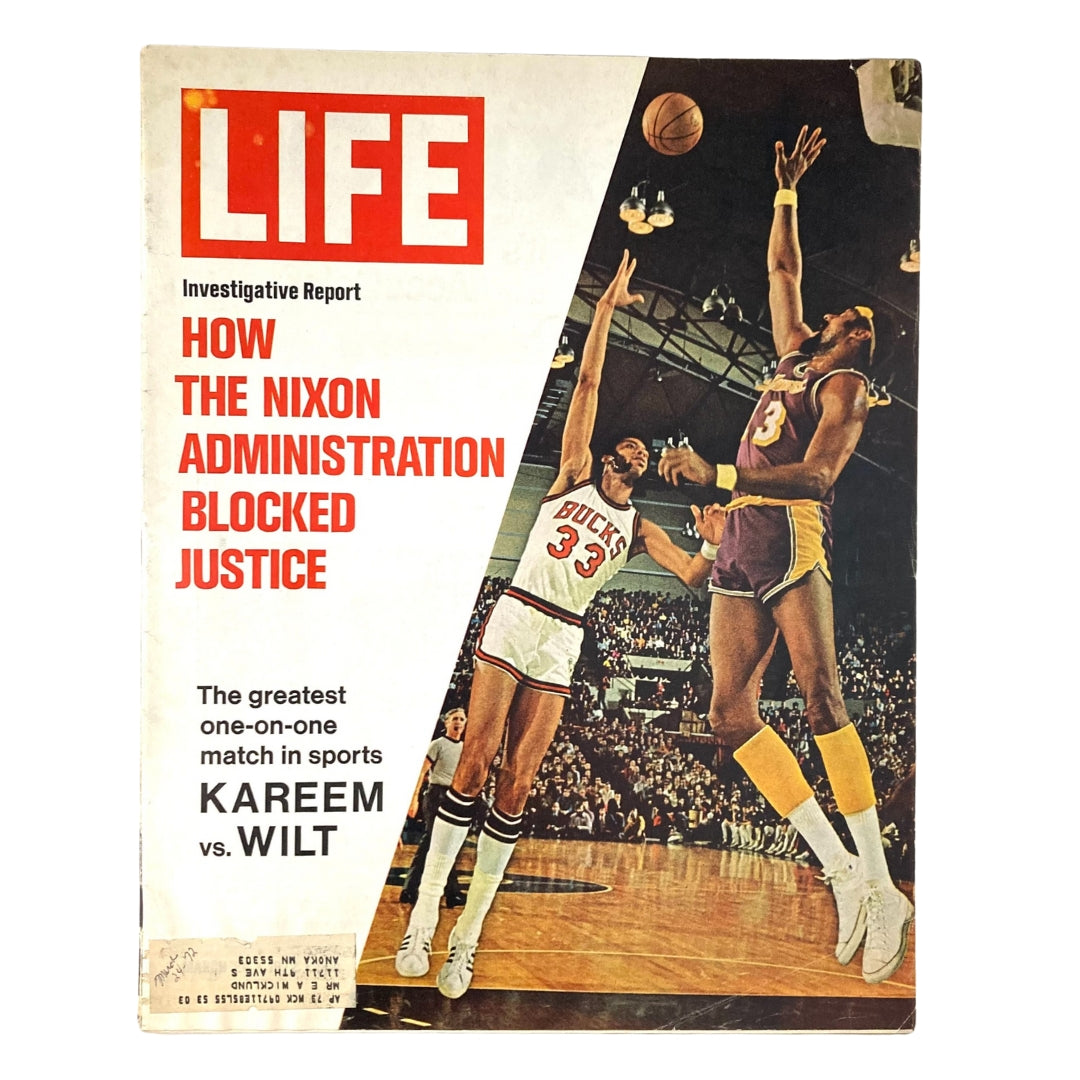
Before highlight reels and social media algorithms compressed athletic greatness into ten-second clips, the story of Wilt Chamberlain unfolded slowly, magnificently, and irrevocably across the printed page. He was, without contest, the most physically dominant figure American professional sports had ever produced — a seven-foot-one colossus who scored 100 points in a single game on the night of March 2, 1962, in a Hershey, Pennsylvania arena with no national television cameras present, his feat immortalized not through broadcast, but through wire dispatches and the black ink of morning newspapers. Throughout the 1960s and into the 1970s, the public consumed his legend through the slow ritual of print: the glossy spread, the long-form feature, the action photograph that froze a sky-walking moment in time. He was the center of every debate the sporting press could conjure — too dominant, too solitary, too large for the game itself — and those arguments crackled with electricity in the pages of magazines stacked on barbershop counters and kitchen tables from Harlem to Los Angeles. The Stilt, the Big Dipper, was more than an athlete. He was a cultural referendum on Black excellence, physical possibility, and the uneasy relationship between individual brilliance and team mythology in postwar America.
Inside the Archive
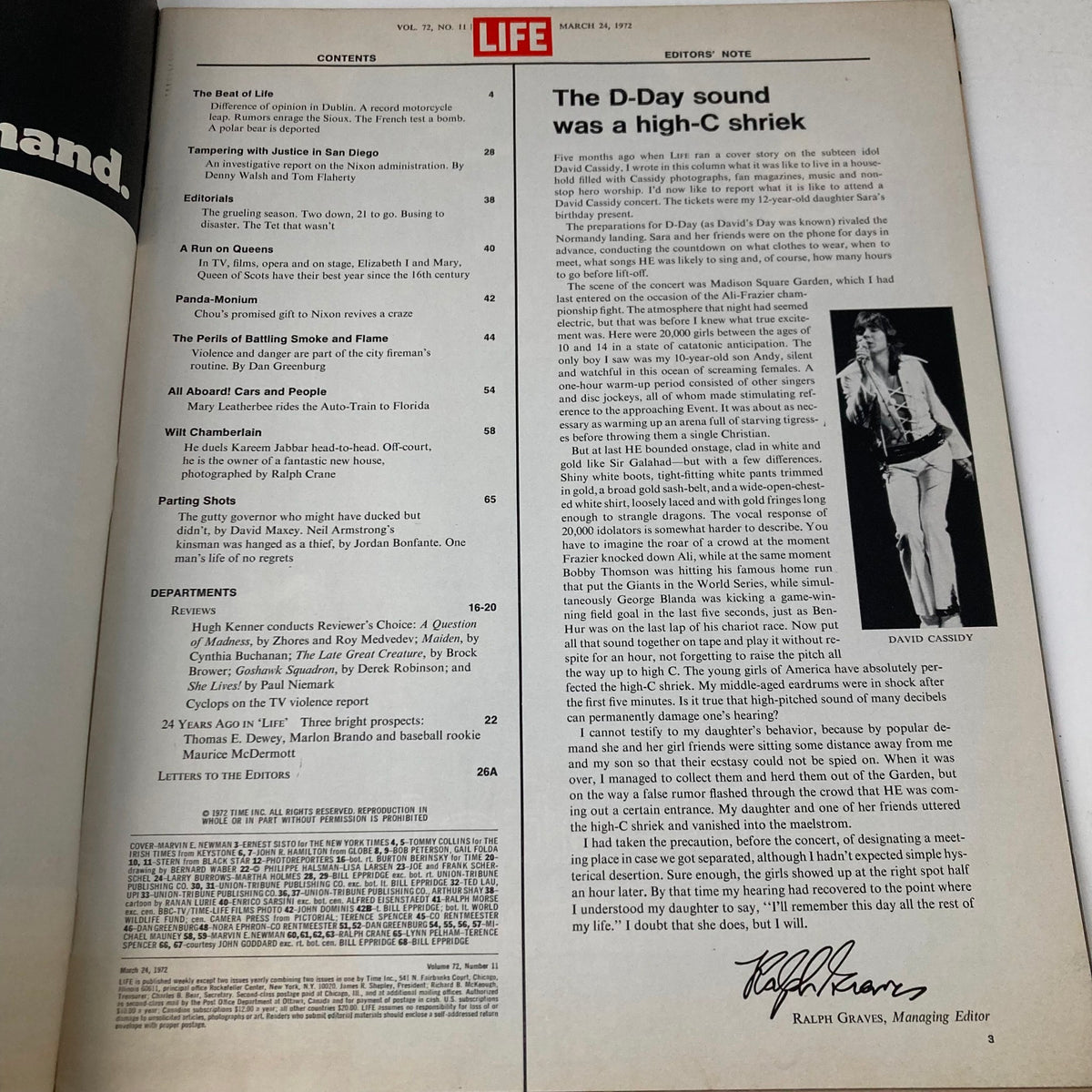
The vintage magazine coverage of Chamberlain is remarkable for both its range and its visual audacity. Photographers of the era struggled — and thrilled — in trying to frame a man who simply could not be contained by conventional composition; wide lenses and low angles became the grammar of his portraiture, capturing him rising above outstretched arms, his expression somewhere between serenity and inevitability. Sports Illustrated, which chronicled nearly every chapter of his career from his Kansas days through his championship seasons with the Los Angeles Lakers, produced some of the most celebrated sports photography of the 20th century around his figure — chiseled cover lines debating whether one man could be too great for the game. Ebony magazine, the indispensable journal of Black American life and achievement, approached him with a different gravity: here was a man of extraordinary wealth, singular fame, and complex identity, and the publication's editors understood that his story was inseparable from the broader arc of civil rights-era America. Life magazine, with its unrivaled photographic ambition, brought his physicality to a mainstream national audience who may never have sat courtside, rendering the impossible scale of the man in full-bleed spreads that made the printed page feel small. International publications, particularly in Europe where basketball was ascending as a cultural curiosity, occasionally featured him as a symbol of American spectacle and athletic mythmaking.
Curator's Checklist: Highlights Often Include
- Championship-era coverage from the 1966–67 Philadelphia 76ers and 1971–72 Los Angeles Lakers seasons, when the press was forced to reconcile his long-debated "winning" question with back-to-back title contention and eventual triumph
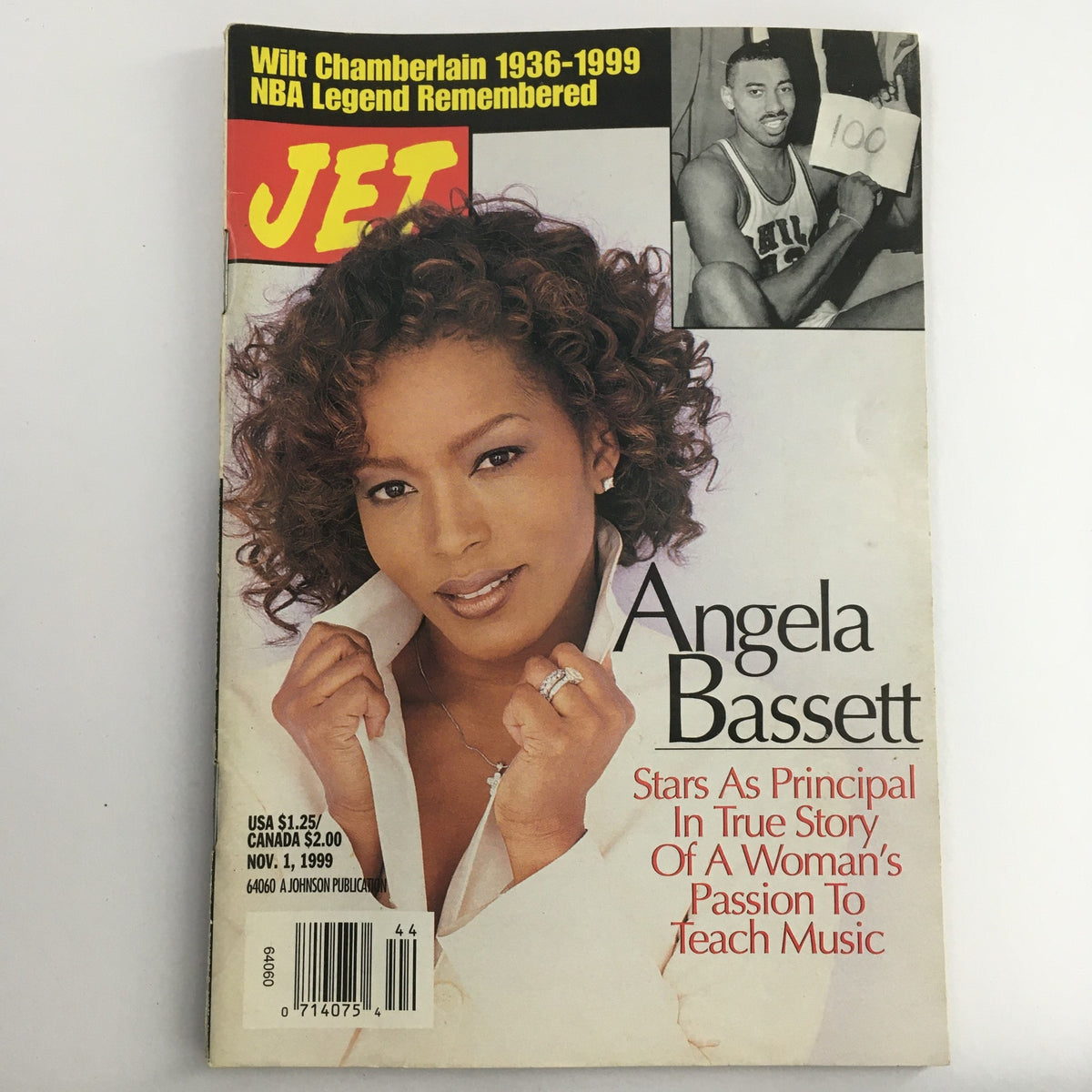
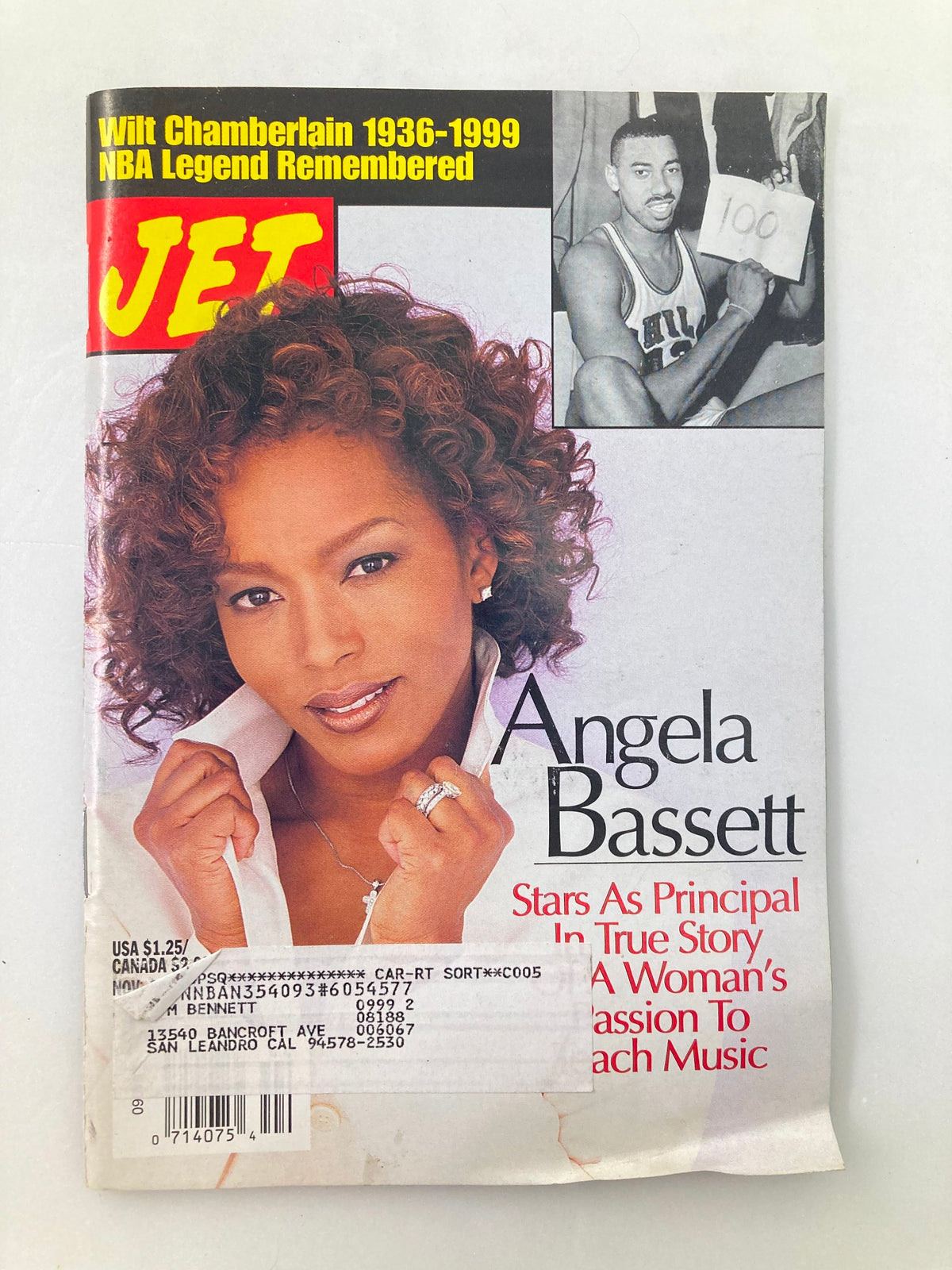
- The 100-point game retrospectives and anniversary features, which became a recurring editorial event as sportswriters returned again and again to that singular, barely-witnessed night in Hershey
- Profile pieces exploring his life beyond basketball — his passion for volleyball, his business ventures, his relationships, and his unapologetically self-authored persona at a time when Black athletes were rarely afforded such editorial complexity
- Head-to-head rivalry coverage with Bill Russell, one of print journalism's most enduring sports narratives, debated across decades of feature writing that framed their contrast in philosophical as much as athletic terms
- Retirement-era and legacy reassessment pieces from the 1970s and 1980s, as a new generation of writers began to fully reckon with the statistical record he left behind — numbers so staggering they required historical context just to be believed
The Collector's Value
To hold one of these original issues is to hold time itself — the slight give of aged paper stock between your fingers, the faint mineral perfume of decades-old ink, the full-page advertisements for Chevrolets and Vitalis hair tonic that remind you, viscerally, of the world in which this man played. These are not reprints or commemorations; they are primary sources, artifacts of living journalism, printed on deadline in the weeks and months when the events they describe were raw and unresolved. The editorial voice carries the genuine uncertainty of the moment — no one writing in 1962 knew how the story would end, and that tension is preserved, perfectly embalmed, in every column inch. For collectors of vintage sports memorabilia, African American cultural history, or mid-century print media and photography, these publications offer something no modern reproduction can replicate: the authentic, irreplaceable experience of encountering greatness as it happened, unmediated and unretouched. Explore the current available inventory below and discover which pieces of this extraordinary legacy are waiting to be found today.