📖 About this Collection
Winston Churchill: The Voice That Defied the Darkness
The Legend & The Legacy
Few voices in history have carried the weight of an entire civilization on their cadence. When the bombs fell on London and tyranny spread across Europe, one man stood at a microphone and made the world believe in victory. Churchill's Britain was a landscape of blackout curtains and rationed hope, of Spitfires screaming overhead and citizens sleeping in the Tube. His words—delivered in that unmistakable growl, cigar smoke curling in the BBC studios—transformed fear into defiance. This wasn't just politics; it was the sound of democracy refusing to kneel. The magazines of his era captured something beyond leadership: they documented the moment when rhetoric became survival, when a man's belief in freedom became the armor of nations.
Inside the Archive
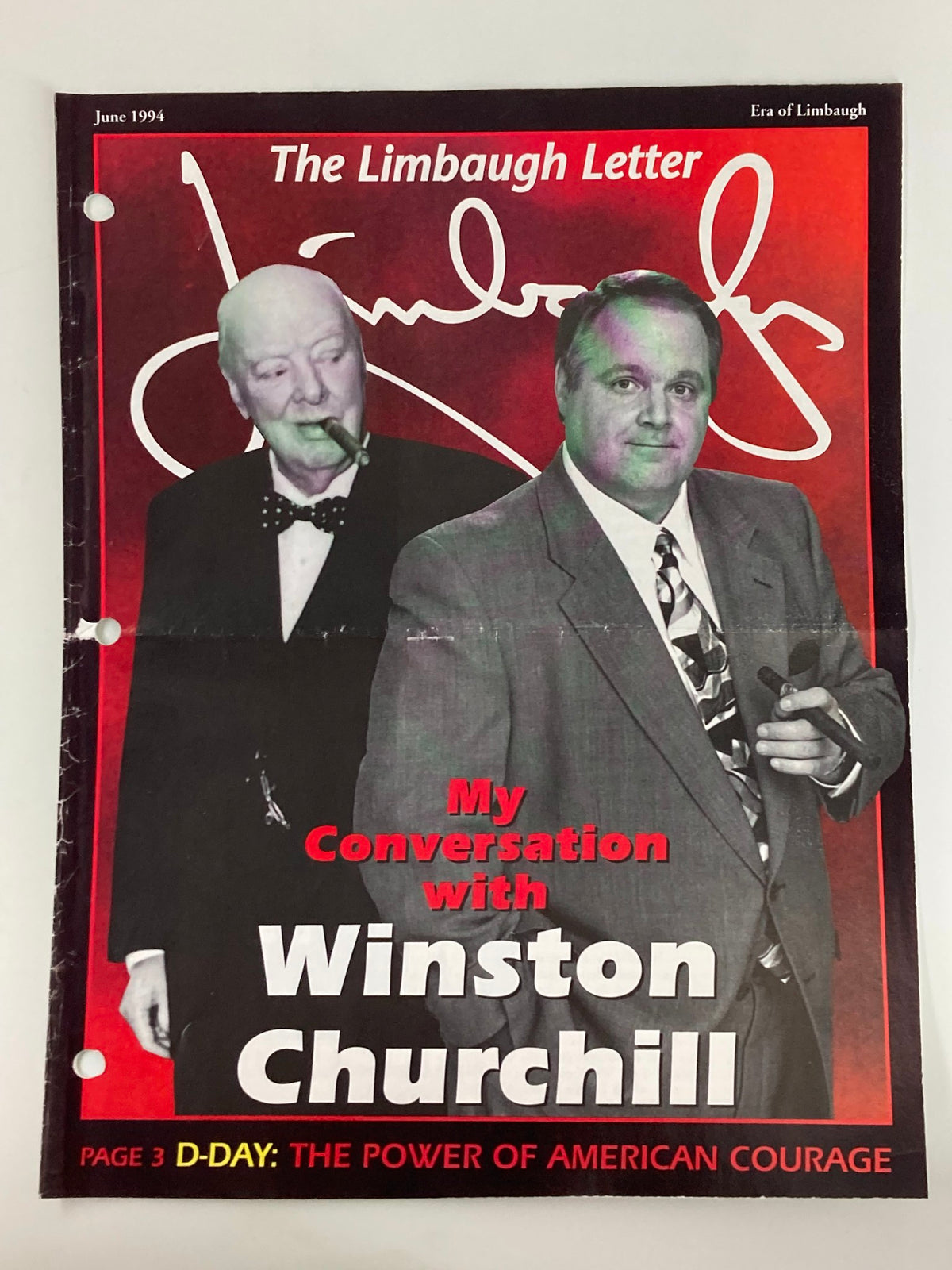
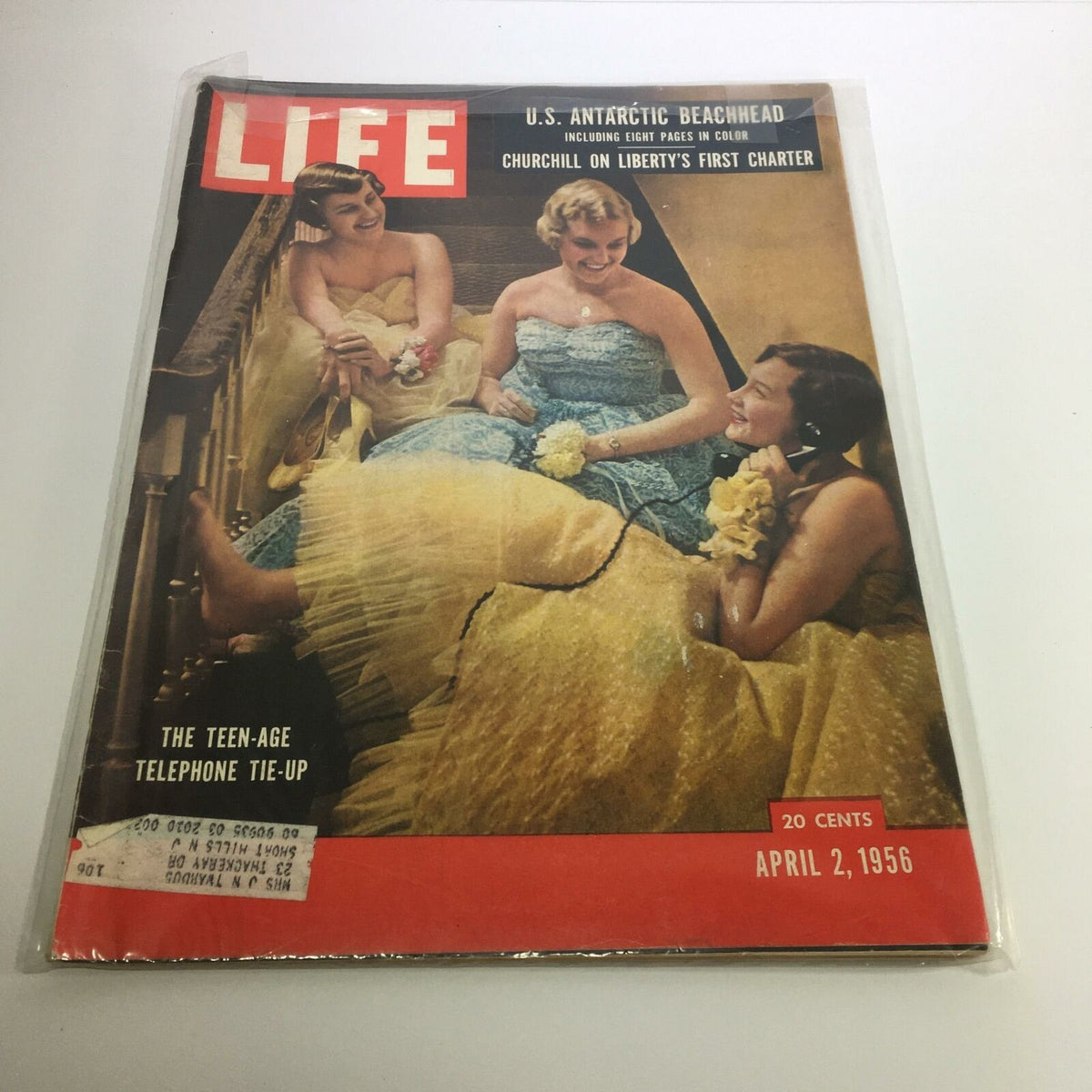
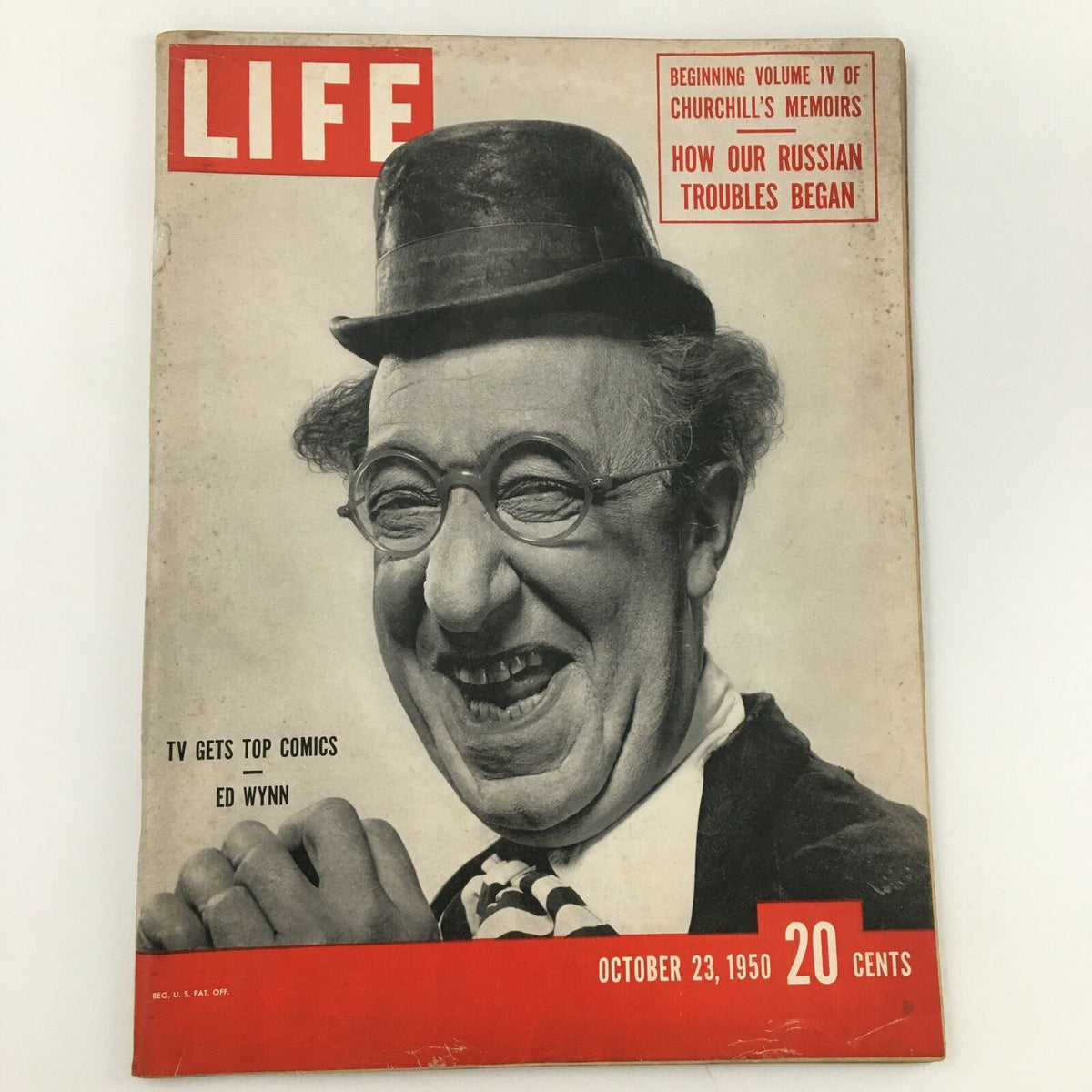
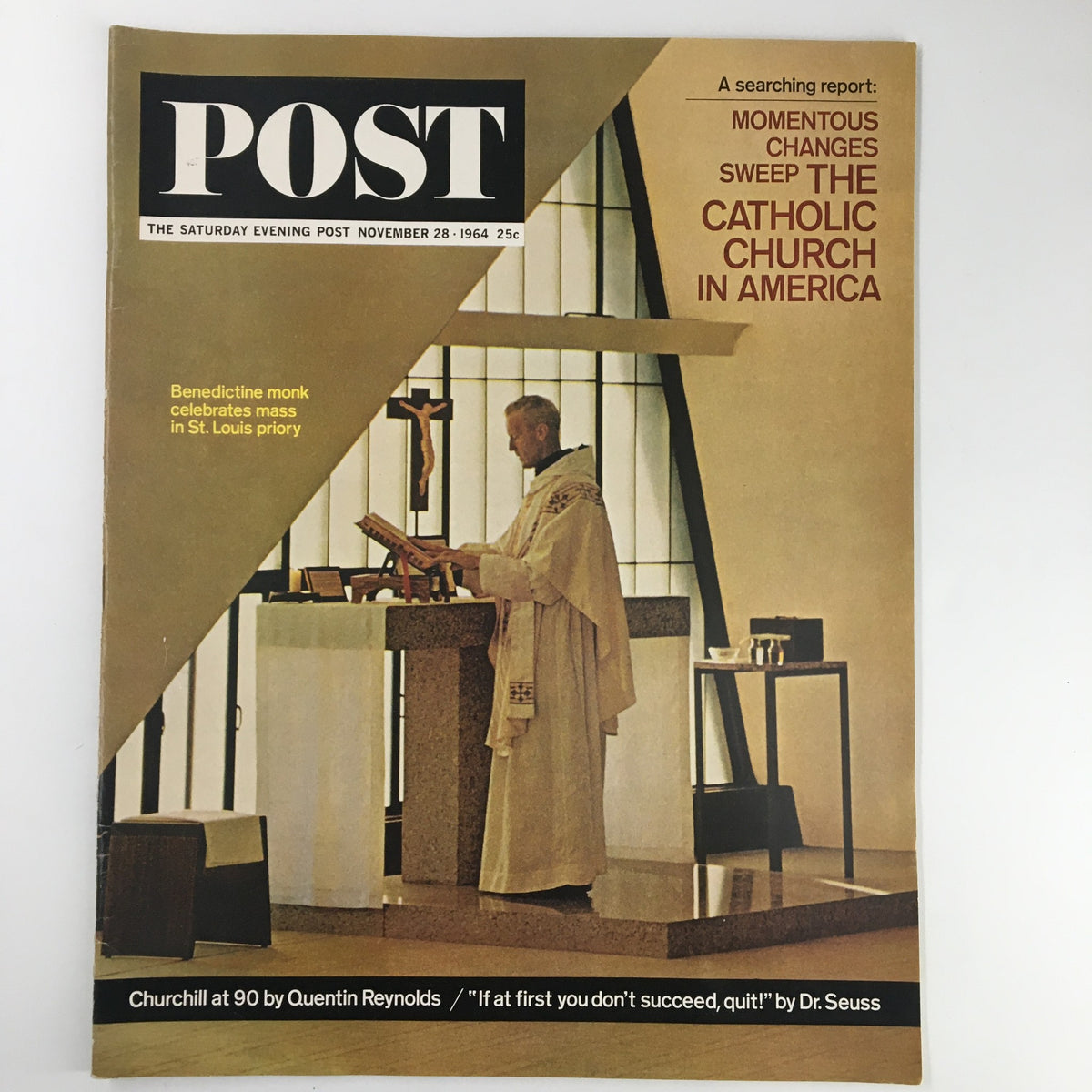
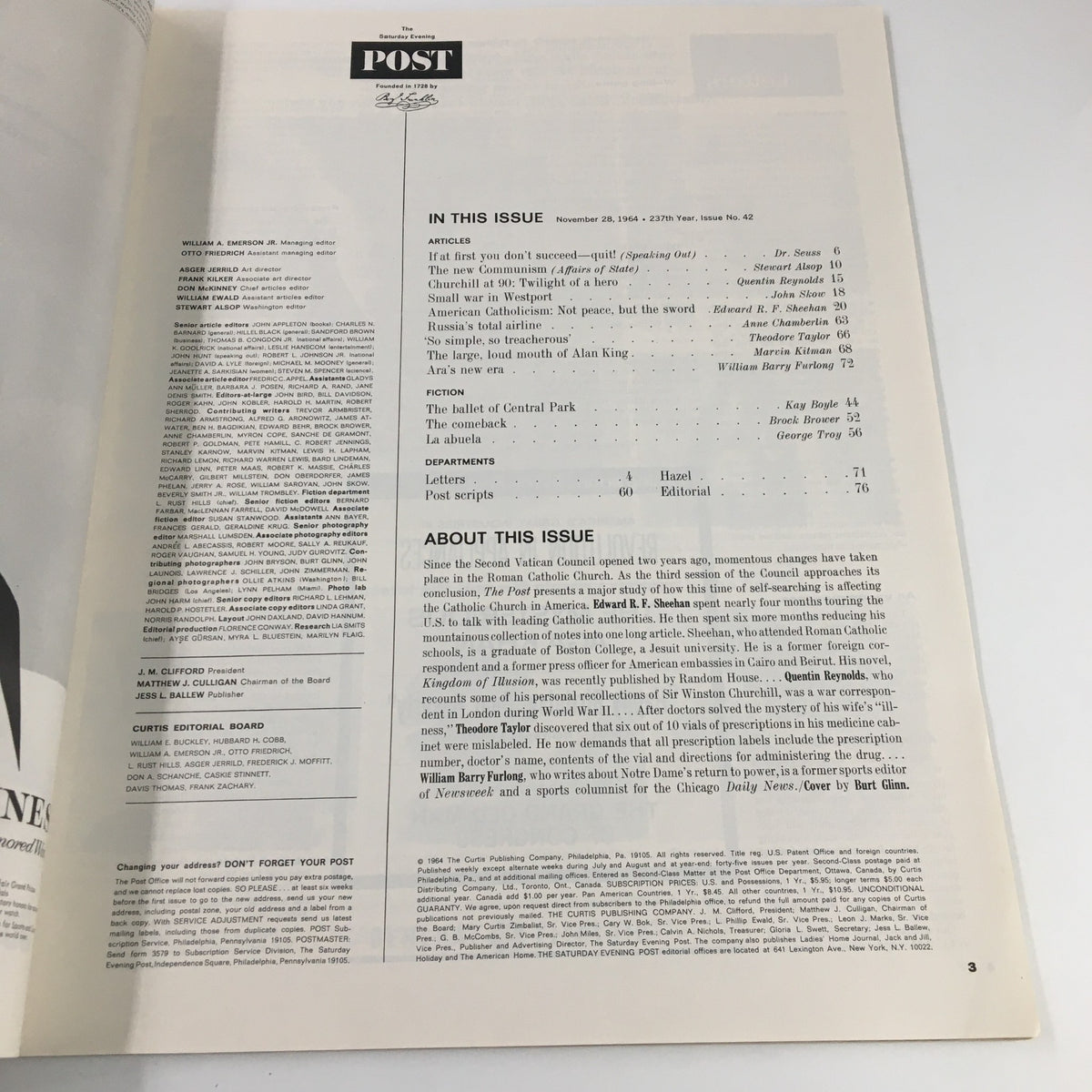
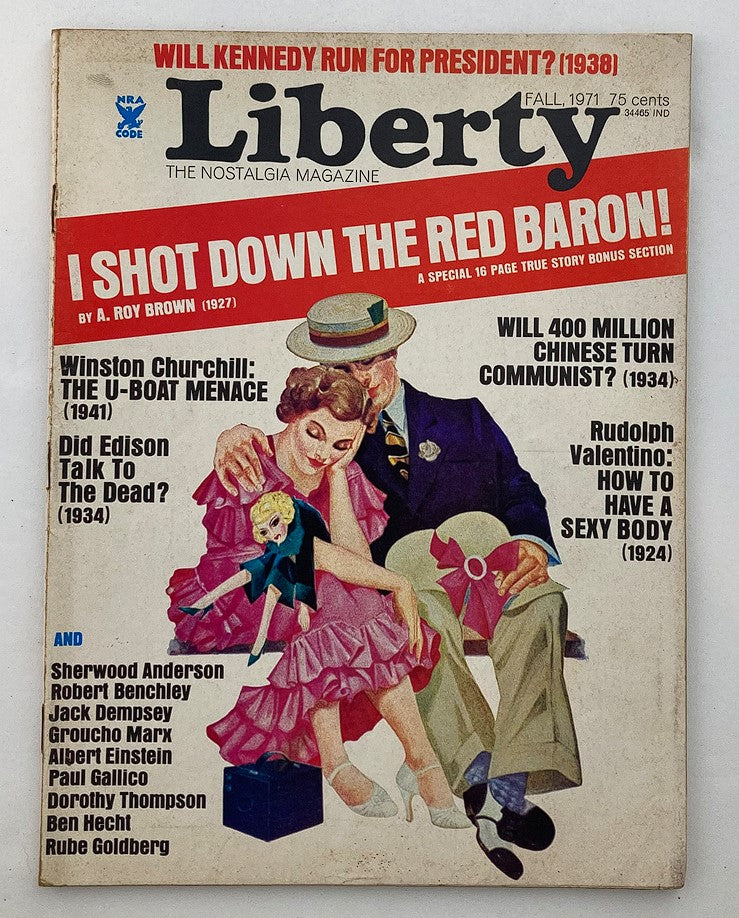
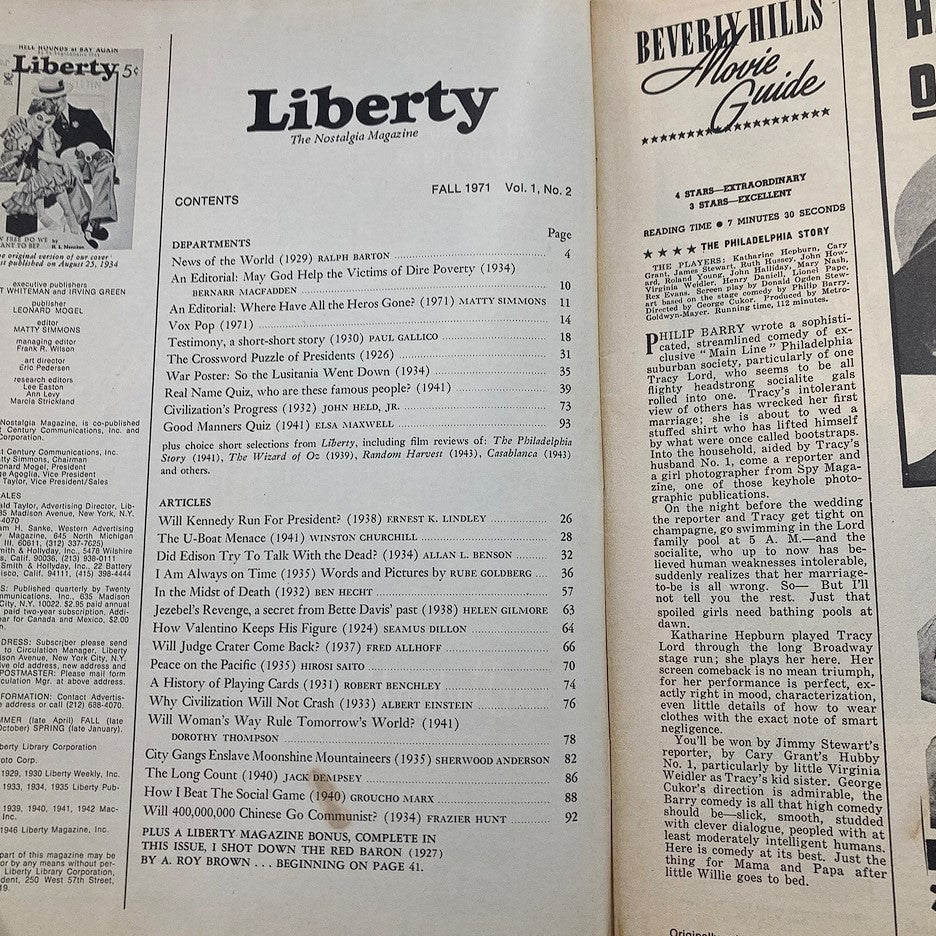
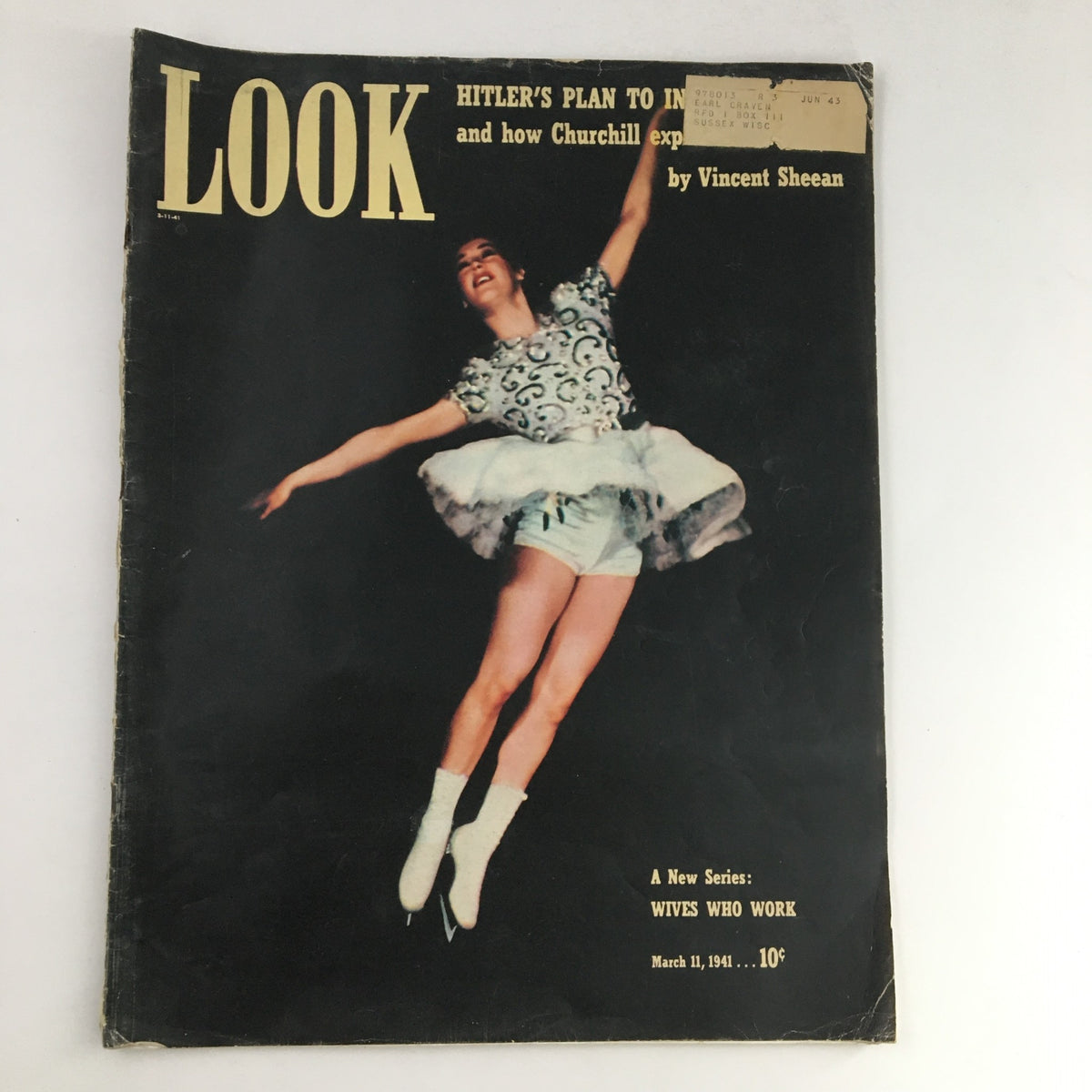
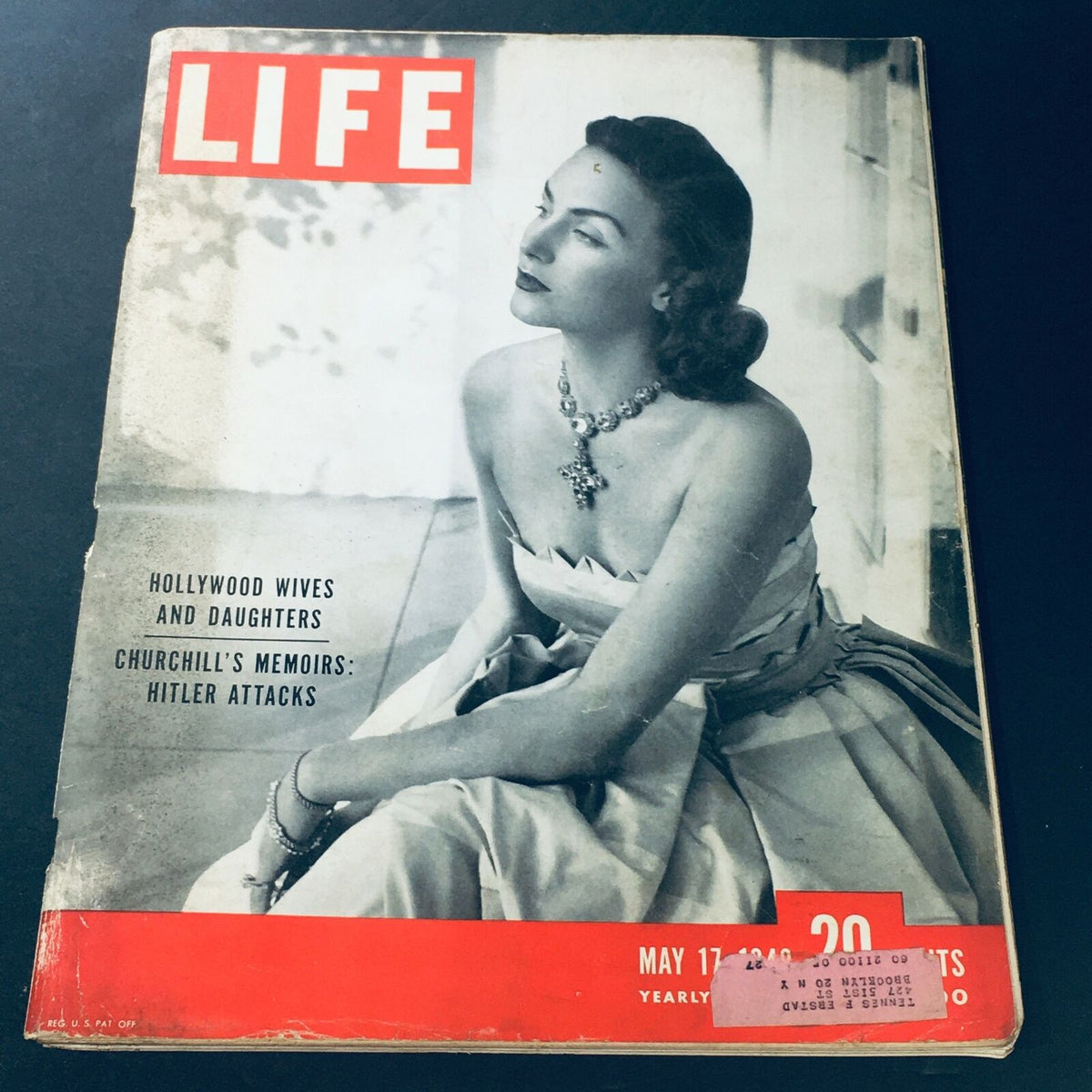
The print journalism surrounding Churchill evolved from skeptical wartime reporting to reverential historical documentation. Early 1940s issues feature urgent war dispatches, grainy photographs of bombed-out Whitehall, and transcripts of speeches still wet with the ink of history being made. Picture magazines like Life and Illustrated London News deployed photographers to capture the Prime Minister inspecting rubble, conferring with generals, and offering his famous "V for Victory" salute. By the postwar years, the coverage shifted—glossy profiles examining his painting technique in the South of France, literary criticism of his six-volume war memoirs, and reflective essays on his role at Yalta and Potsdam. The photography is iconic: Churchill with Roosevelt aboard the HMS Prince of Wales, the Big Three at Tehran, the aging statesman receiving his Nobel Prize.
Curator's Checklist: Highlights Often Include
- War Cabinet Chronicles: Front-line reporting from Downing Street during the Blitz, including coverage of his "We shall never surrender" address to Parliament and the strategic decisions that shaped the Battle of Britain.
- The Big Three Summit Archives: Photo essays and diplomatic analysis from the wartime conferences at Tehran, Yalta, and Potsdam, documenting Churchill's complex relationship with Roosevelt and his guarded exchanges with Stalin.
- Iron Curtain & Cold War Commentary: Postwar features on his 1946 Fulton speech that coined the term "Iron Curtain," marking his transition from wartime leader to Cold War prophet.
- The Renaissance Man: Intimate profiles exploring Churchill's parallel lives as a Nobel laureate, painter of Mediterranean landscapes, bricklayer at Chartwell, and author of sprawling historical works.
- Final Tributes & State Funeral: January 1965 memorial issues capturing the worldwide mourning, the Thames-side procession, and St. Paul's Cathedral filled with kings and presidents honoring the man who saved the West.
The Collector's Value
To hold an original magazine from Churchill's era is to hold a document written in the shadow of history's hinge moment—when the outcome was uncertain and the stakes were civilization itself. These aren't just collectibles; they're artifacts from the front lines of the greatest struggle of the modern age, printed when his leadership was immediate news rather than distant legend. The paper still carries the urgency of a world at war and the gratitude of a world saved. Explore our current inventory below to discover which chapter of Churchill's extraordinary legacy is available today.