📖 About this Collection
Yasser Arafat: The Face of a Nation's Longing
The Legend & The Legacy
For nearly five decades, Yasser Arafat was one of the most electrically divisive figures in global politics — a man whose face, framed by his signature black-and-white keffiyeh, became one of the most recognizable symbols of the 20th century. Long before the scroll of a newsfeed or the immediacy of a breaking news alert, the world understood the Palestinian cause — its anguish, its defiance, its complexity — through the pages of print. When the PLO chairman addressed the United Nations in 1974, olive branch in one hand and the warning of a gun in the other, readers around the world reached not for a screen, but for a newspaper stand, a bookshelf, a magazine rack. It was through glossy and newsprint pages that millions formed their understanding of the man, the movement, and the geopolitical fault lines he embodied. He was, in the truest sense, a figure whose life was narrated in ink.
Inside the Archive
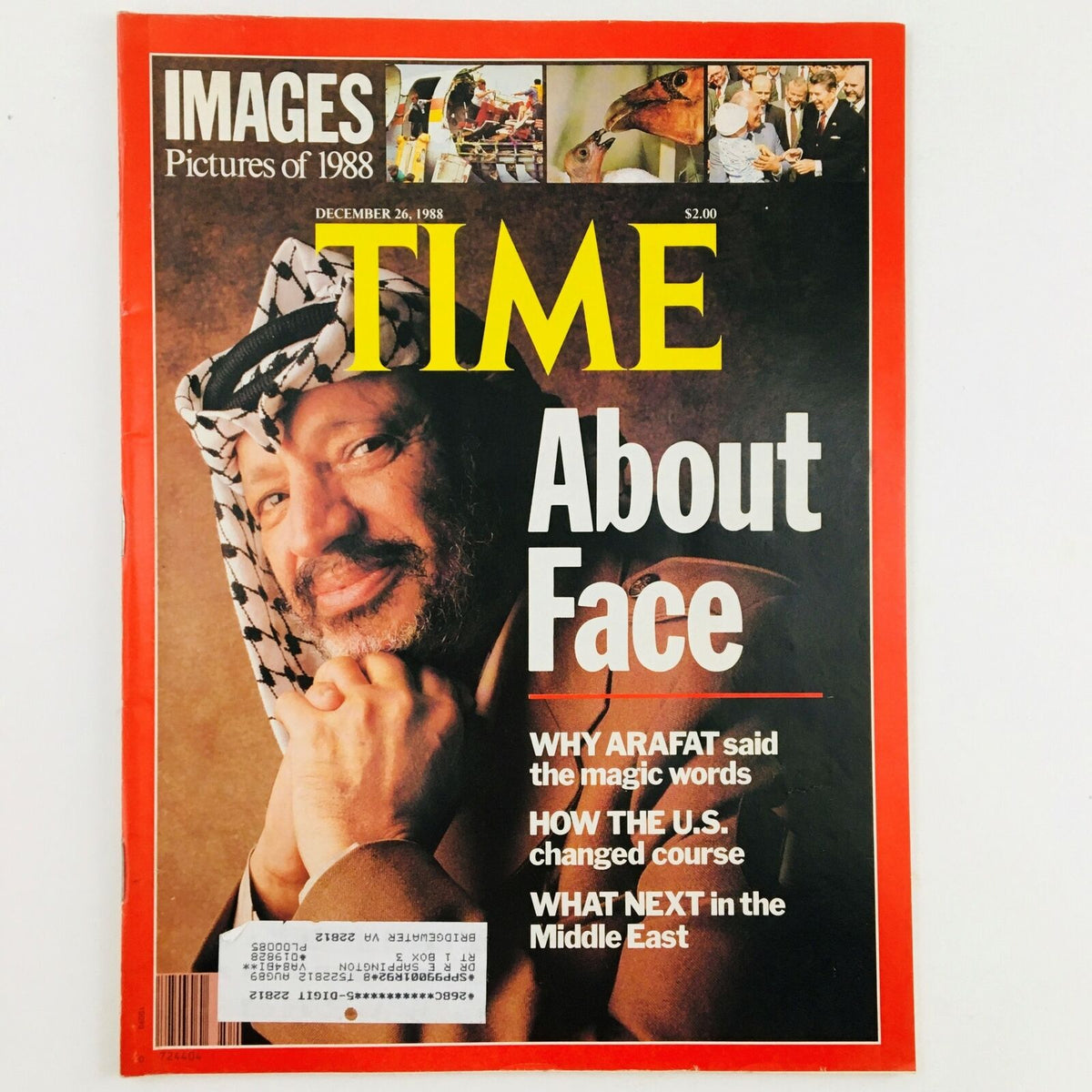
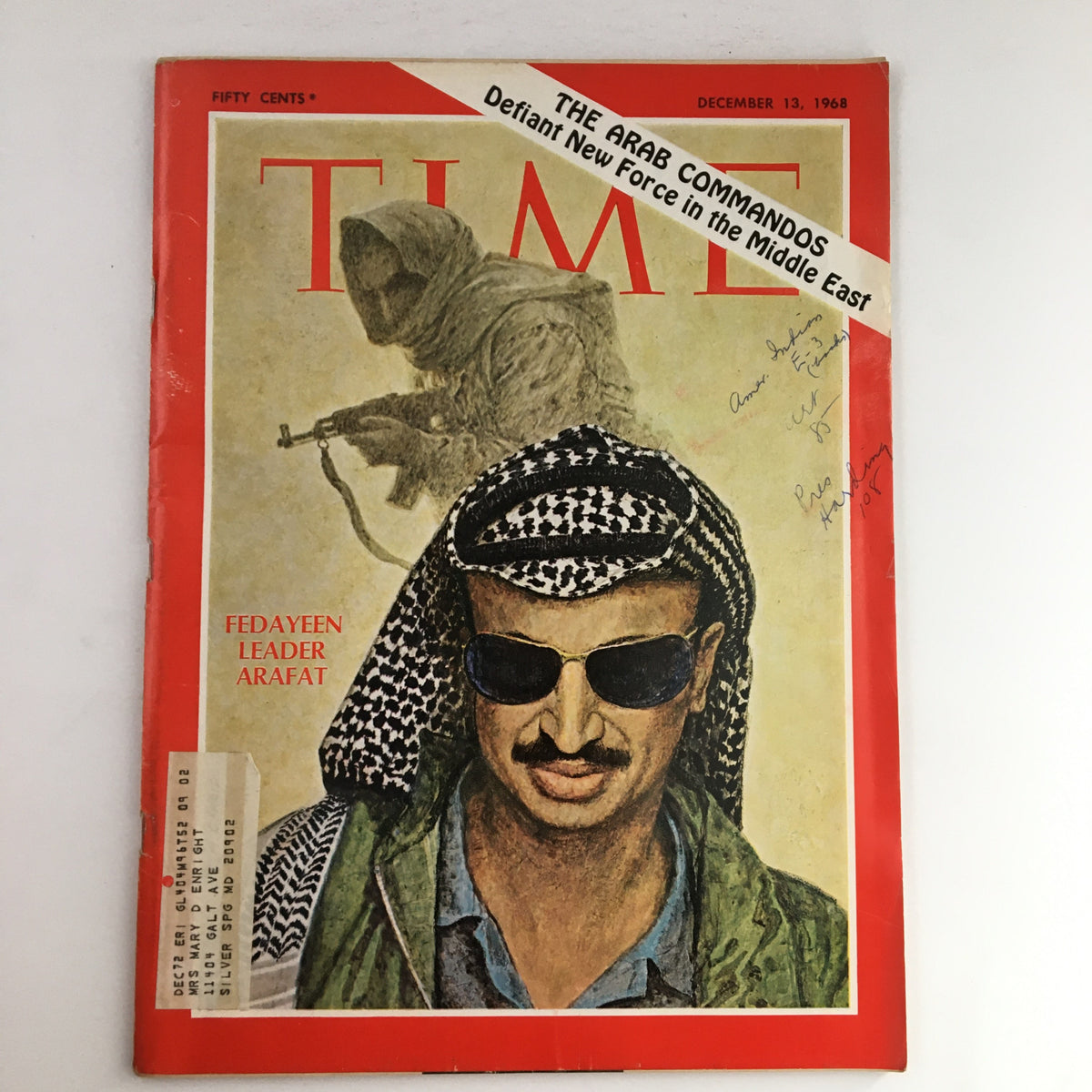
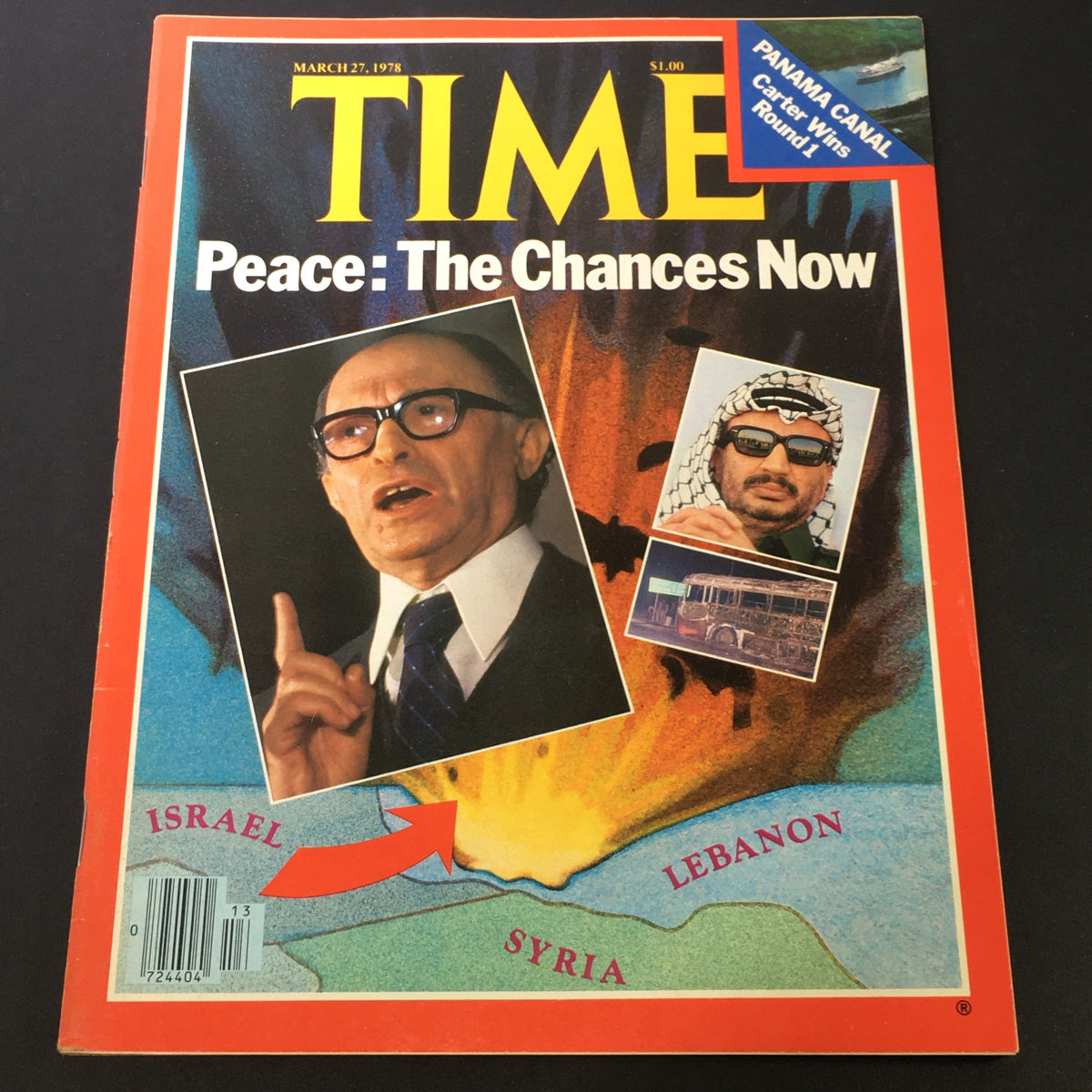
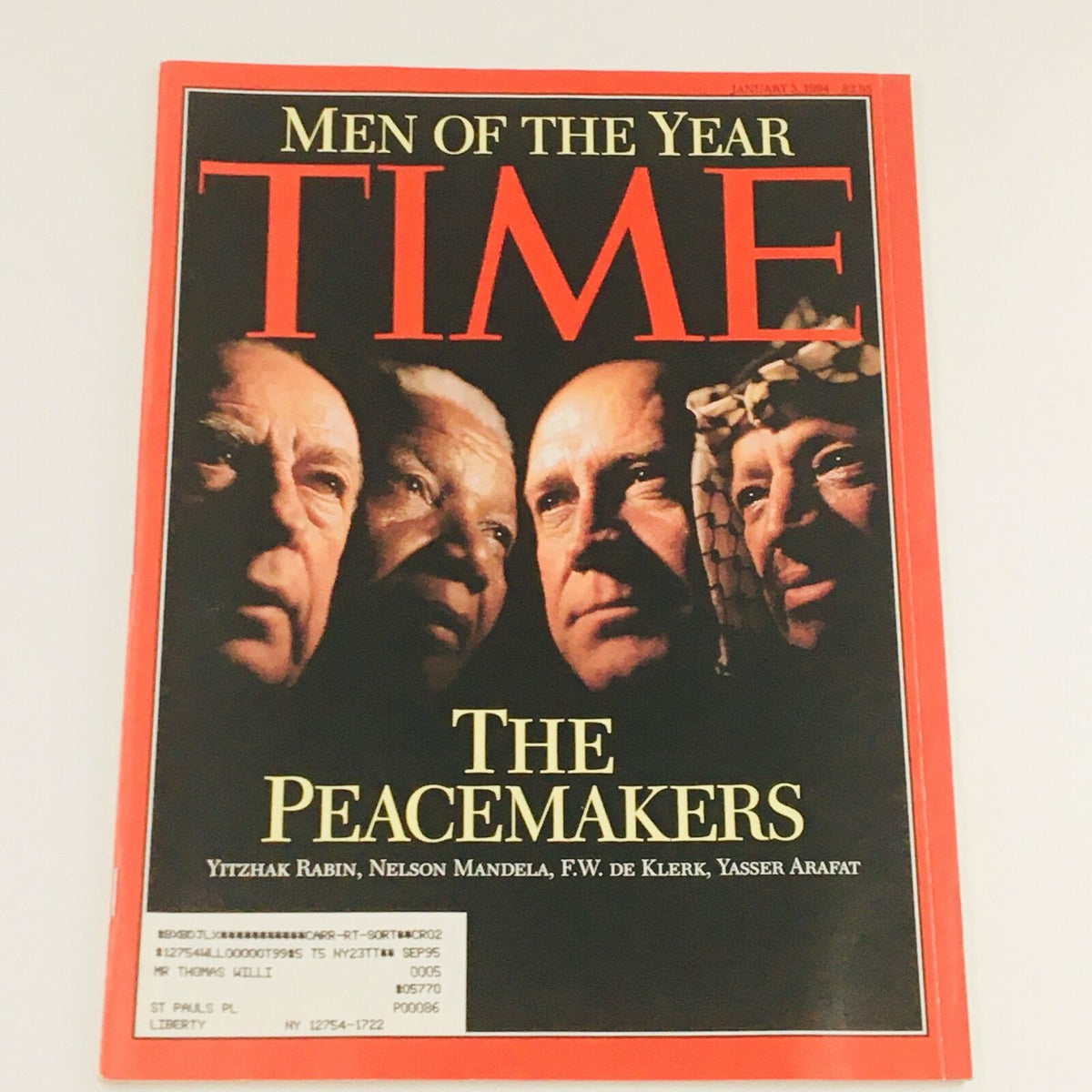
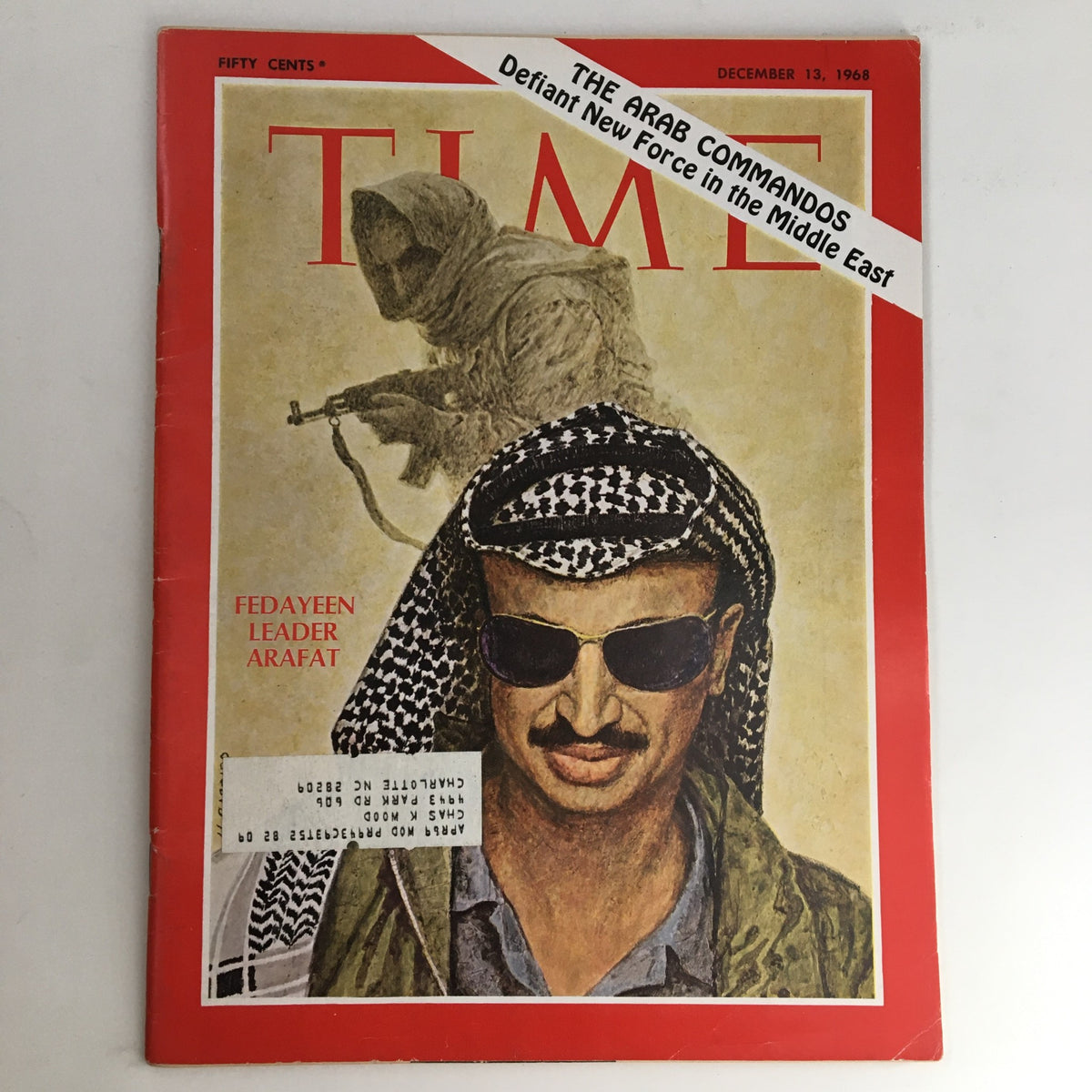
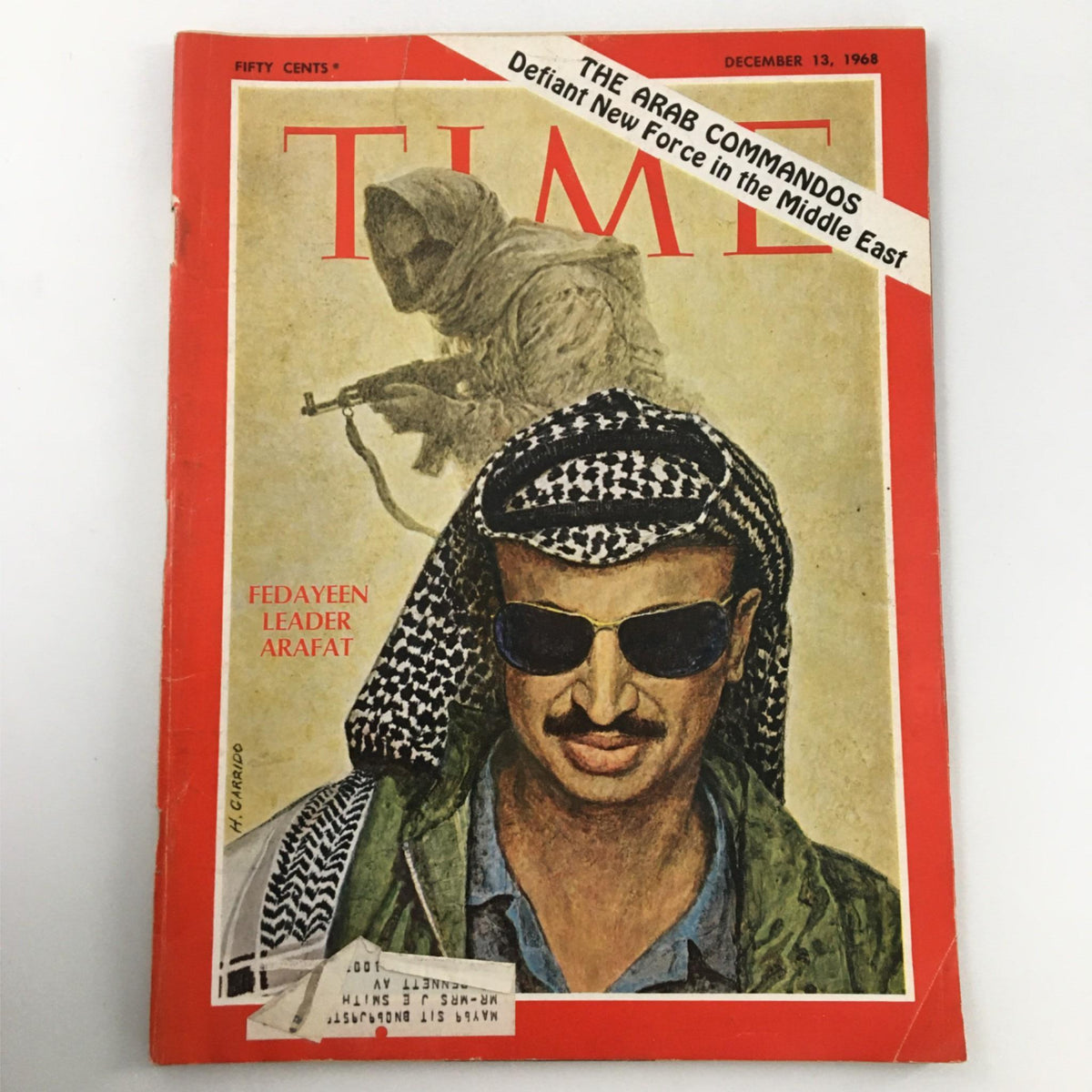
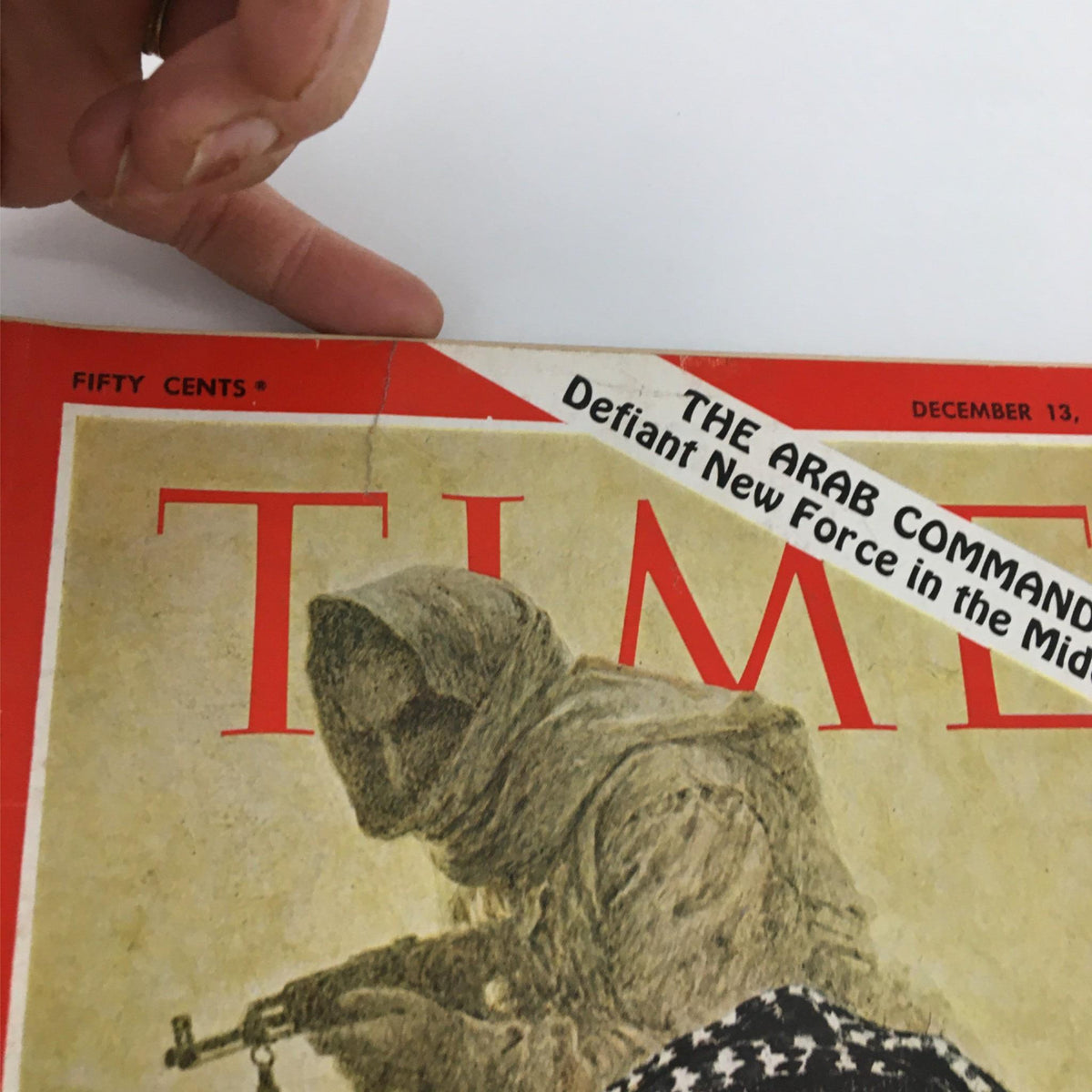
Vintage magazine coverage of the Palestinian leader spans an extraordinary range of editorial perspectives, making the archive of his press presence a remarkable study in how geography and ideology shaped the printed image. Western publications frequently portrayed him through a lens of suspicion or fascination — often capturing him mid-speech, gesturing intensely at podiums from Algiers to Oslo, or photographed in military fatigues against the backdrop of refugee camps and conflict zones. Time magazine featured him repeatedly across decades, treating him as a perennial figure of world consequence, while Paris Match brought its signature cinematic intimacy to his story, offering European readers a more humanized portraiture of the guerrilla-turned-statesman. Pan-Arab and international political journals, meanwhile, framed him as a liberation hero — reproducing images of solidarity and resistance that told an entirely different story from the same photographs. Together, these publications form a mosaic portrait of a man who meant profoundly different things to different corners of the world.
Curator's Checklist: Highlights Often Include
- United Nations Address Coverage (1974): Issues from international news magazines reporting on his historic UN General Assembly speech — a watershed political moment that brought the Palestinian cause to the world stage and generated sweeping editorial coverage across continents.
- Oslo Accords & the Nobel Peace Prize (1993–1994): Collectors frequently seek out issues documenting the handshake on the White House lawn and the subsequent Nobel Prize awarded alongside Rabin and Peres — a moment that produced some of the most iconic political photography of the decade.
- Intifada-Era Reporting: Coverage from the late 1980s and early 1990s often captures him at the height of his political complexity — issues featuring editorial essays, conflict photography, and in-depth profiles from publications navigating the charged atmosphere of the First Intifada.
- Exile & the Wandering Leadership: Archive issues from the 1970s and 1980s may document his years leading the PLO from Beirut, Tunis, and beyond — a period rich with dramatic imagery of a stateless leadership conducting diplomacy from borrowed soil.
- Obituaries & Legacy Editions (2004): Upon his death in November 2004, news weeklies and international magazines devoted full commemorative issues to his life — reflective, sweeping in historical scope, and now deeply collectible as final print tributes to a defining 20th-century figure.
The Collector's Value
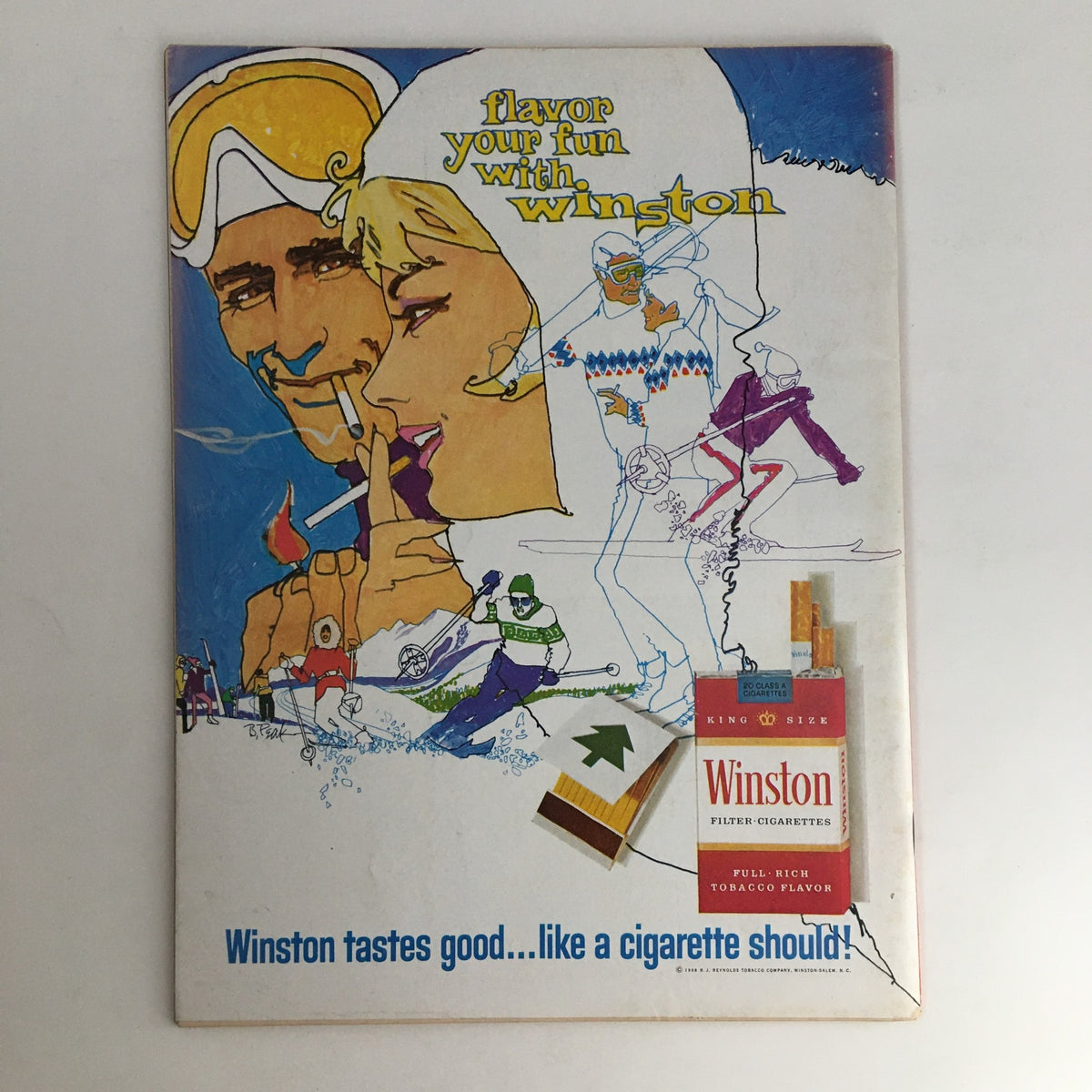
To hold one of these issues is to hold a document of history at the precise moment it was still unfolding. The slightly yellowed pages, the weight of paper stock that no digital archive can replicate, the faint perfume of aged ink mingling with the remnants of a perfume advertisement two pages over — these are the textures of lived time. A Time cover from 1974 or a Paris Match spread from the Oslo years is not merely a collectible; it is a primary source, a snapshot of how an era processed one of its most contested and consequential figures in real time, without the benefit of hindsight. The surrounding advertisements — for cigarettes, automobiles, cold war-era consumer goods — only deepen the sense of temporal immersion, anchoring the political drama within the everyday world that readers once inhabited. For collectors of Cold War political history, Middle Eastern geopolitical studies, or 20th-century photojournalism, these publications offer an irreplaceable, tactile connection to a narrative that shaped the modern world. Browse the current available inventory below, and discover which piece of that history is waiting for you today.